WORLDEF Prime Antalya 2026 - Upcoming Event

Register Now

Qatar DHL Hub

DHL Global Forwarding, the freight division of Deutsche Post DHL Group, has officially opened a new regional logistics facility in Qatar’s Ras Bufontas Free Zone. The launch marks a major milestone for both DHL and the Qatar Free Zones Authority (QFZ), as the Gulf nation continues to position itself as a strategic hub for multimodal logistics across the Middle East, Africa, and Asia.
(logisticsmiddleeast.com)

The 1,200-square-metre facility is located just minutes from Hamad International Airport and offers integrated services including air and ocean freight, warehousing, customs clearance, and last-mile distribution. It is part of DHL’s regional expansion strategy aimed at enhancing speed, efficiency, and capacity for customers operating across the GCC, particularly in high-growth industries such as e-commerce, healthcare, manufacturing, and energy.

A Strategic Expansion

According to the Qatar Free Zones Authority, DHL’s decision to establish operations in Ras Bufontas underscores Qatar’s growing appeal as a logistics gateway for global trade. The zone offers direct connectivity to Hamad International Airport and close proximity to Hamad Port two of the country’s most important logistics assets.

Mohammed bin Hamad bin Faisal Al-Thani, CEO of QFZ, said during the inauguration that the facility reflects Qatar’s strategic shift from being a transit point to becoming a fully integrated logistics hub. “This partnership highlights Qatar’s growing importance as a regional logistics leader,” he said. “The presence of global operators such as DHL enhances our ability to provide agile, efficient, and world-class supply-chain services to international markets.”

Location and Infrastructure Advantages

Ras Bufontas Free Zone is strategically situated next to Hamad International Airport and has been designed to accommodate logistics, technology, and light industrial tenants. Companies operating in the zone benefit from 100 percent foreign ownership, tax exemptions, and streamlined customs procedures.

For DHL, this location offers immediate access to key trade routes between Asia, Africa, and Europe. The company can now consolidate shipments, manage air-sea multimodal transfers, and serve clients across the Gulf region more efficiently. The site is expected to become a central node in DHL’s Gulf network, linking its existing operations in Dubai, Bahrain, and Saudi Arabia.

Strengthening Regional Supply Chains

The new facility comes at a time when global supply chains are being reconfigured to emphasize resilience, speed, and regional diversification. By establishing its regional hub in Qatar, DHL aims to capitalize on the country’s advanced transport infrastructure and pro-business environment.

Samer Kaissi, CEO of DHL Global Forwarding for the Gulf Cluster, said the company’s investment demonstrates long-term confidence in Qatar’s logistics potential. “Our goal is to bring the world closer to Qatar,” he explained. “With this facility, we can enhance our air freight and multimodal capabilities, offering faster and more flexible solutions for our customers across the Middle East and Africa.”

Kaissi added that the Ras Bufontas site will also serve as a model for sustainable operations, incorporating energy-efficient technologies and digital tools for shipment tracking and optimization.

Catalyst for Qatar’s Vision 2030

The opening of the DHL facility aligns with Qatar’s National Vision 2030, which prioritizes economic diversification and innovation-driven growth. The Free Zones Authority plays a key role in this vision by creating specialized industrial ecosystems that attract international investment and high-value industries.

By hosting companies like DHL, the free zones not only stimulate trade but also create employment opportunities for skilled workers in logistics, engineering, and supply chain management. Local experts believe that partnerships with global players can accelerate Qatar’s transition into a knowledge-based economy with strong logistics capabilities.

QFZ officials have indicated that more global logistics firms are in discussions to establish regional operations in the zones, signaling continued investor interest in Qatar’s infrastructure and regulatory advantages.

Features and Services

The new DHL site is designed to handle high-volume, high-velocity cargo. It includes temperature-controlled storage, customs inspection areas, and dedicated zones for pharmaceutical and high-value shipments. The facility will also serve as a consolidation point for air and sea freight, streamlining operations for clients with complex supply-chain needs.

According to Logistics Middle East, DHL plans to use the Qatar hub to serve several industries, including healthcare, aviation, and e-commerce sectors where rapid growth has increased demand for specialized logistics. The company’s digital platforms, such as MyDHLi, will be fully integrated with the Ras Bufontas operations to allow real-time visibility of shipments and advanced analytics for clients.

Regional and Global Impact

Analysts say the DHL-QFZ partnership reflects a broader trend in the Gulf logistics sector, where governments are leveraging free zones and infrastructure investment to attract multinational companies. For Qatar, the move supports its ambition to become a logistics bridge between East and West, complementing its existing strengths in aviation and maritime transport.

The Gulf region has seen a surge in foreign investment in logistics, with DHL, UPS, and FedEx all expanding their regional presence. Qatar’s focus on sustainable logistics, combined with its world-class airport and port infrastructure, makes it a natural competitor to traditional hubs such as Dubai and Bahrain.

Sustainability and Innovation

DHL has emphasized sustainability as a key pillar of its global strategy. The Ras Bufontas facility will utilize solar-powered systems, energy-efficient lighting, and digital process automation to reduce emissions. The company also plans to introduce electric delivery vehicles and sustainable aviation fuel solutions in coordination with local partners over the coming years.

These efforts align with Qatar’s national environmental goals and with DHL’s global target of achieving carbon-neutral operations by 2050. By adopting green technologies early, the company aims to demonstrate how large-scale logistics operations can coexist with environmental stewardship.

Future Prospects

Qatar Free Zones Authority has confirmed that the partnership with DHL is only the beginning of a broader plan to attract logistics, e-commerce, and tech companies. The authority envisions the Ras Bufontas and Umm Alhoul zones as complementary hubs one focused on air freight, the other on maritime logistics creating a fully integrated multimodal ecosystem.

For DHL, the success of this operation will depend on regional demand growth, efficient regulatory coordination, and sustained collaboration with QFZ. Early indicators suggest that Qatar’s strategic location and world-class infrastructure give it a strong advantage as regional trade continues to expand.

Conclusion

The opening of DHL’s regional logistics facility in Qatar’s Ras Bufontas Free Zone represents a milestone for both the company and the country. It strengthens Qatar’s credentials as a global logistics hub and reinforces DHL’s leadership in the region’s fast-evolving supply-chain landscape.

As global trade patterns shift and demand for resilient logistics solutions rises, partnerships like this one highlight how strategic investment and innovation can redefine connectivity across the Middle East and beyond.

UAE Launches SAVA

Majid Al Futtaim Group has launched SAVA, the United Arab Emirates’ first homegrown modern discount retail brand, marking a new chapter in the country’s evolving consumer market. Designed to offer everyday essentials at affordable prices while maintaining quality and convenience, SAVA introduces a locally inspired approach to value-driven shopping in a market long dominated by premium and mid-range retail formats.
(gulfnews.com)

The launch comes as part of Majid Al Futtaim’s broader strategy to diversify its retail portfolio and respond to growing consumer demand for cost-efficient options amid changing economic conditions. The group, which operates Carrefour and several shopping mall chains across the region, is now expanding into the discount segment for the first time, aiming to set a new standard for affordability and accessibility in the UAE.

A New Chapter in Emirati Retail

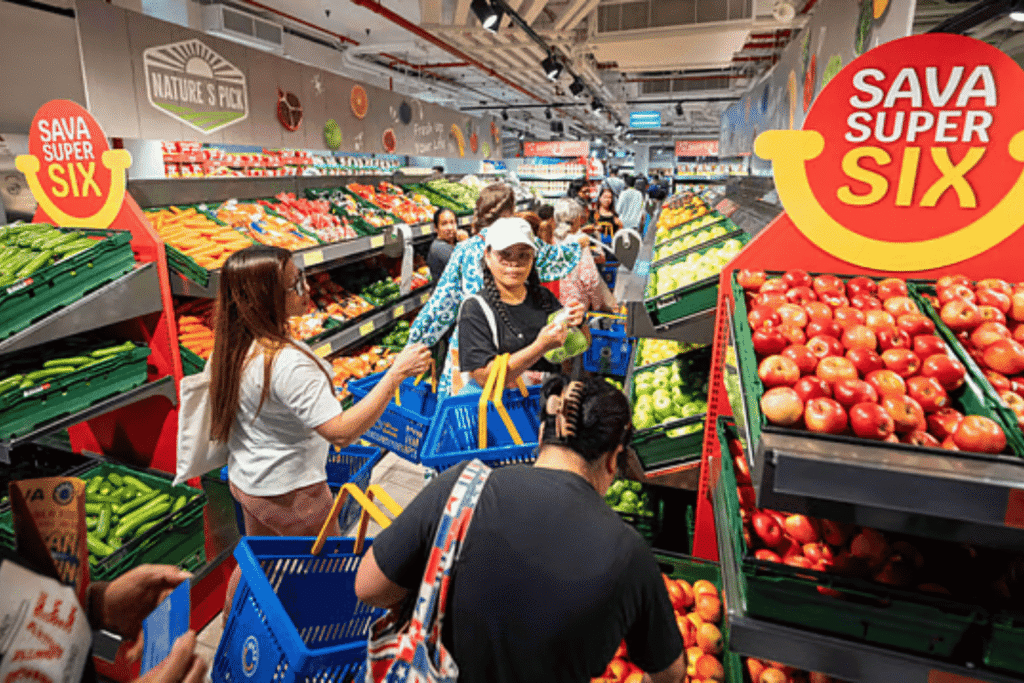
The first two SAVA stores opened simultaneously in Deira and Jumeirah Beach Residence (JBR), two of Dubai’s busiest districts. According to the company, additional outlets are already planned in other emirates, with a total of ten stores expected by the end of 2025. Each store features a streamlined layout and a curated range of products focused on everyday essentials such as groceries, home care items, and personal goods.

Majid Al Futtaim’s vision for SAVA centers on accessibility, simplicity, and value. The company describes the concept as “a new way to shop Emirati,” reflecting both local ownership and a strong connection to the UAE’s consumer identity. SAVA’s launch aligns with the country’s broader economic diversification strategy and efforts to support Emirati-led business models that combine innovation with national branding.

A Value-Centric Concept

SAVA positions itself as a modern discount retailer that focuses on offering low prices through operational efficiency rather than cutting quality. The stores operate with minimal overheads compact layouts, direct supplier partnerships, and fast restocking systems allowing them to maintain affordability while ensuring product freshness and availability.

According to Gulf News, each SAVA outlet carries approximately 1,600 core products and 160 promotional items that rotate weekly. The brand’s product portfolio spans local and international goods, with a focus on items used daily by families. This includes packaged food, fresh produce, cleaning products, and basic home essentials.

By adopting this value-centric approach, Majid Al Futtaim aims to bridge the gap between hypermarkets and convenience stores, offering an efficient hybrid that satisfies consumers’ need for both affordability and quality.

Meeting New Consumer Realities

The UAE’s retail sector has undergone rapid transformation in recent years. Rising living costs, inflationary pressures, and evolving consumer expectations have led many shoppers to become more price-conscious. Families, particularly in the middle-income bracket, are seeking value without compromising on trust and reliability.

SAVA’s timing reflects this market shift. As residents look for ways to manage expenses while maintaining lifestyle quality, discount retailers are gaining traction worldwide. Majid Al Futtaim’s entry into this segment signals an acknowledgment of that trend and a desire to lead it within the Gulf region.

Industry analysts note that the UAE’s retail market, long defined by luxury and premium experiences, is now diversifying to include multiple pricing tiers. SAVA’s launch demonstrates how established players can adapt to these evolving dynamics while leveraging local ownership and cultural identity.

The Strategic Importance for Majid Al Futtaim

For Majid Al Futtaim, SAVA is not just another retail brand — it represents a structural expansion into a new market segment. The company already dominates the supermarket and hypermarket sectors through Carrefour, but SAVA allows it to capture a different demographic: everyday consumers looking for reliable, affordable, and local alternatives.

The company’s leadership views the new venture as a complement to its existing businesses. By positioning SAVA as a lean, community-oriented chain, Majid Al Futtaim can maintain brand diversity and resilience across economic cycles. In periods of tighter household budgets, discount chains like SAVA could become central to maintaining overall retail performance.

The Store Experience

Each SAVA store has been designed with simplicity and efficiency in mind. The interiors are bright and functional, prioritizing easy navigation and quick shopping. The emphasis is on clear labeling, prominent pricing, and rapid checkout—key factors for value-focused consumers.

Unlike traditional supermarkets that often rely on elaborate merchandising or imported specialty products, SAVA’s appeal lies in everyday practicality. The stores feature recognizable essentials and encourage fast turnaround, making them suitable for daily and weekly household shopping.

The retailer’s operations are supported by Majid Al Futtaim’s advanced logistics and supply chain network, allowing for consistent restocking and regional sourcing. This integration helps keep prices stable while ensuring the quality assurance that UAE consumers expect.

Economic and Cultural Significance

The introduction of SAVA is particularly notable as it is fully Emirati in identity and management. It represents the UAE’s growing focus on supporting local brands that can compete with global players on both price and service quality. The initiative also aligns with the country’s push to encourage national entrepreneurship in key sectors like retail and logistics.

From an economic perspective, SAVA’s arrival could influence the pricing dynamics across the grocery and household goods sectors. Competing retailers may respond with their own value-based campaigns, potentially benefitting consumers through broader affordability.

Culturally, SAVA’s branding emphasizes simplicity, community, and local pride. The name itself reflects the idea of saving and value — themes that resonate strongly with families seeking financial prudence amid changing economic conditions.

Expansion and Future Outlook

Majid Al Futtaim has ambitious plans for SAVA’s growth. The company has announced that new stores will open across all seven emirates within the next two years, with high-traffic urban centers prioritized during the rollout phase. The long-term goal is to establish SAVA as the leading value retailer in the UAE and potentially extend the brand to other GCC markets.

Retail experts predict that if SAVA maintains its current pace, it could capture a substantial portion of the UAE’s mid-tier grocery market within five years. However, sustaining competitive pricing will require tight operational discipline and strong supplier partnerships.

In parallel, Majid Al Futtaim continues to explore sustainability initiatives across its retail operations. SAVA stores are expected to adopt eco-friendly practices, including energy-efficient lighting, recyclable packaging, and reduced food waste programs, aligning with the group’s broader environmental goals.

Challenges and Opportunities

While the discount retail concept has proven successful in other markets, SAVA faces unique challenges in adapting it to the UAE’s retail ecosystem. Rent costs, supply chain logistics, and consumer expectations for premium service all add complexity. Additionally, the brand must establish strong differentiation from hypermarket formats operated by the same parent company.

Nonetheless, the opportunities are substantial. A growing middle class, increased demand for value-based shopping, and a supportive national policy environment all provide fertile ground for expansion. If executed effectively, SAVA could become the blueprint for homegrown discount retailing in the region.

Conclusion

The launch of SAVA marks a milestone in the evolution of the UAE’s retail sector. As the nation’s first Emirati discount retail chain, it blends local ownership, modern efficiency, and a clear value proposition. For consumers, it offers a new way to shop smartly without sacrificing quality; for Majid Al Futtaim, it opens a powerful new front in an already diverse retail empire.

As SAVA’s rollout accelerates, the brand is poised to redefine how affordability and innovation coexist in one of the world’s most dynamic retail markets.

Amazon 15-Min Delivery

Amazon has unveiled its fastest delivery service to date in the United Arab Emirates, introducing a new initiative called Amazon Now that promises to deliver essential products in as little as 15 minutes. The launch marks a significant milestone in Amazon’s regional expansion strategy, further cementing the company’s footprint in the Middle East and setting a new benchmark for ultra-fast e-commerce fulfillment.
(techinasia.com)

According to Amazon’s statement cited by Tech in Asia, the service is designed to meet growing consumer demand for near-instant delivery in urban areas like Dubai and Abu Dhabi, where digital adoption and smartphone penetration are among the highest in the region. The company’s plan leverages a network of micro-fulfillment centers strategically positioned across densely populated districts, enabling fast order processing and localized dispatching.

A New Era of Speed

Amazon Now aims to redefine consumer expectations for convenience in e-commerce. Deliveries can be completed in as little as 15 minutes for select products, and early users have reported delivery times dropping to just six minutes in some cases. This achievement underscores the logistical precision of Amazon’s regional infrastructure, which has been steadily expanding since the company’s acquisition of Souq.com in 2017.

Initially available to Amazon Prime members in select neighborhoods such as Dubai Marina, Business Bay, Jumeirah Beach Residence (JBR), and parts of Abu Dhabi, the service provides 24/7 access to thousands of essential products. Customers can order everything from fresh groceries and cleaning supplies to electronics, personal care items, and snacks — all delivered directly from local warehouses within minutes.

The company said the service will gradually expand to additional Emirates and districts, with more fulfillment hubs scheduled to open before the end of 2025.

Micro-Fulfillment Innovation

At the core of the 15-minute delivery model lies a network of micro-fulfillment centers — compact, highly automated warehouses that store fast-moving inventory close to customers. Unlike traditional distribution centers that serve wide geographic areas, these hubs are designed to fulfill smaller, high-frequency orders with extreme efficiency.

Each micro-fulfillment node uses advanced robotics, predictive algorithms, and route-optimization software to minimize handling and transportation time. Orders are processed within seconds of being placed, with dispatch riders or local delivery partners immediately notified for pickup.

By integrating these centers into existing urban infrastructure, Amazon reduces travel distance, fuel consumption, and carbon footprint — aligning with its broader sustainability goals under the Climate Pledge initiative.

Competitive Landscape

Amazon’s move into ultra-fast delivery puts it in direct competition with regional quick-commerce players such as Careem Express, Deliveroo Hop, and Talabat Mart, which already offer sub-30-minute grocery and essentials delivery in parts of the UAE. However, Amazon’s extensive logistics capabilities, deep inventory, and technology-driven operations give it a unique competitive advantage.

Analysts say the company’s ability to operate at scale and absorb delivery costs could pressure smaller startups that depend heavily on venture capital funding. While many quick-commerce companies in the region have struggled to maintain profitability due to high delivery expenses, Amazon’s established fulfillment ecosystem allows it to offer comparable speed with lower marginal costs.

The introduction of Amazon Now signals a strategic shift in how e-commerce giants compete: speed and reliability are becoming as important as price and product selection.

Customer-Centric Approach

Amazon executives say the launch of Amazon Now reflects the company’s customer-first philosophy, which prioritizes convenience and trust. Ronaldo Mouchawar, Vice President of Amazon Middle East and North Africa, said the new service “responds directly to the pace and lifestyle of UAE consumers, who expect technology to save them time every day.”

He added that the initiative embodies Amazon’s long-term commitment to innovation and operational excellence in the region. “Every idea we develop begins with the customer and works backward from their needs,” he said, noting that Amazon Now was designed to make daily shopping “as effortless as tapping a button.”

Economic and Urban Impact

The introduction of 15-minute delivery could have far-reaching effects on urban logistics and retail dynamics in the UAE. With more consumers choosing instant convenience over traditional store visits, brick-and-mortar retailers may face renewed pressure to adopt hybrid online models or partner with major e-commerce platforms.

Urban planners also note that the proliferation of micro-fulfillment centers could influence traffic flow and last-mile delivery zoning in high-density areas. As delivery fleets grow, city authorities may need to regulate parking, loading zones, and emissions compliance for two-wheeler and electric delivery vehicles.

Economically, the expansion of ultra-fast delivery services could generate new employment opportunities in logistics and operations, even as automation increases. Local couriers, dispatchers, and small transport partners stand to benefit from Amazon’s demand for flexible delivery networks.

Technology and Operations

The success of Amazon Now relies on a combination of technology layers working seamlessly together. Machine learning models forecast product demand at a neighborhood level, while route optimization algorithms determine the most efficient dispatch paths for drivers.

Amazon’s warehouse management systems use real-time inventory data to ensure that only in-stock items appear available to nearby customers. This minimizes cancellations and maintains delivery precision.

Industry observers highlight that such systems represent a new evolution in e-commerce logistics — where predictive analytics and automation drive nearly every decision, from stock replenishment to traffic-aware routing.

Challenges Ahead

Despite the excitement surrounding the launch, Amazon faces significant challenges in scaling 15-minute delivery sustainably. The cost per delivery remains a major obstacle in quick-commerce models. Fuel prices, labor costs, and the expense of maintaining dense urban warehouses all contribute to narrow profit margins.

Moreover, consumer expectations for instant delivery can strain operational efficiency during peak hours. To maintain performance, Amazon will need to continuously refine its automation processes, expand its electric vehicle fleet, and invest in predictive systems that prevent stockouts.

Environmental advocates have also raised concerns about the sustainability of ultra-fast delivery. While Amazon’s micro-fulfillment centers reduce long-distance transportation, the increase in frequent, small-order deliveries could raise the carbon footprint if not carefully managed. The company says it will mitigate this by expanding electric delivery vehicles and renewable energy use in its regional network.

Market Outlook

E-commerce analysts view the UAE as an ideal testing ground for ultra-fast delivery because of its compact urban geography, strong digital infrastructure, and affluent, tech-savvy population. If Amazon Now succeeds, it could serve as a model for rollout in other Gulf Cooperation Council (GCC) markets such as Saudi Arabia and Qatar.

The UAE’s e-commerce market continues to expand at double-digit growth rates, driven by consumer trust in online transactions and rapid digital payment adoption. Ultra-fast delivery could become the next phase of competitive differentiation, forcing both local and global players to innovate.

Conclusion

With the launch of Amazon Now, the e-commerce giant has set a new standard for convenience in the UAE, bringing the country closer to the future of on-demand retail. By combining cutting-edge logistics technology with customer-focused innovation, Amazon aims to make instant delivery not just a premium feature but a daily reality.

While challenges around cost, sustainability, and scalability remain, the move underscores Amazon’s long-term ambition to dominate the Middle East’s digital commerce landscape. If successful, Amazon Now could redefine how consumers across the region experience shopping — from days, to hours, to just minutes.

Amazon Robots Plan

Amazon is reportedly planning to replace a significant portion of its human workforce with robots, marking one of the largest automation transitions in the history of the global retail and logistics sector. According to a report published by The New York Times and cited by Anadolu Agency, internal company documents suggest that the e-commerce giant aims to automate up to 75 percent of its US operations a move that could dramatically reduce its need to hire hundreds of thousands of workers over the next decade.
(aa.com.tr)

The internal documents, as reported, reveal Amazon’s long-term strategy to double its product output while maintaining or even reducing current staffing levels. The company’s robotics division projects that by expanding automation across warehouses and fulfillment centers, Amazon could avoid hiring nearly 160,000 workers by 2027 and more than 500,000 by 2033.

The Scale of Automation

Amazon has been gradually expanding its robotics program since acquiring Kiva Systems in 2012. However, the latest internal plans suggest a new phase one that moves beyond partial automation to full-scale integration of robotics, machine learning, and artificial intelligence in nearly every step of warehouse operations.

The documents reportedly describe an ambitious goal: to enable Amazon to process and deliver twice as many orders without increasing its human workforce. In doing so, the company expects to achieve cost savings estimated at more than 12 billion dollars between 2025 and 2027.

This shift will involve advanced robotics systems capable of handling sorting, packing, and inventory management, as well as AI-powered systems for supply chain forecasting and logistics coordination.

Changing the Language Around Automation

The report also suggests that Amazon has become cautious about how it communicates its automation goals. Instead of emphasizing “robotics” or “automation,” the company now prefers the term “advanced technology” or “collaborative robots” (cobots). Insiders say this is a strategic communication effort aimed at avoiding public backlash and reducing concerns over large-scale job displacement.

Despite the potentially transformative impact of this technology, Amazon’s official statements remain optimistic. The company claims that automation will improve safety, efficiency, and job quality by freeing workers from repetitive, physically demanding tasks.

A company spokesperson told The New York Times that the internal projections reflect “one of many scenarios under review” and do not represent Amazon’s confirmed hiring or operational plans.

Workforce Impact and Industry Concerns

Amazon currently employs around 1.2 million workers in the United States one of the country’s largest private workforces and more than 1.6 million globally. The suggestion that up to half a million of these roles could be replaced by machines over time has sparked debate about the future of employment in logistics and e-commerce.

Labour advocates and economists warn that the effects could ripple across local economies, particularly in regions where Amazon facilities are major employers. Many of these areas rely on the company’s warehouses for entry-level jobs that require minimal prior experience but offer stable income.

Critics argue that while Amazon frames automation as a way to “elevate” human roles, the reality may be a steady decline in available jobs. Workers displaced by automation often face difficulty finding new employment in the same regions or industries.

However, some analysts believe that automation could also lead to new categories of employment, such as robotics maintenance, AI system supervision, and technical quality control. Whether these new opportunities will match the scale of lost jobs remains uncertain.

Amazon’s Justification and Strategic Direction

Amazon executives insist that automation is essential to maintaining competitiveness in an increasingly crowded e-commerce market. With global rivals like Walmart, Alibaba, and Temu investing heavily in AI-driven logistics, Amazon views robotics as the next step to maintaining efficiency, speed, and accuracy in its global delivery network.

The company argues that automation will help reduce delivery times and operational costs while improving workplace safety by minimizing accidents caused by repetitive or strenuous labor.

According to the documents, Amazon’s long-term goal is to transition toward “lights-out” fulfillment centers highly automated facilities capable of operating around the clock with minimal human oversight. Such a system could eventually redefine the economics of online retail, significantly lowering fulfillment costs and increasing profit margins.

The Debate Over “Cobot” Integration

One focal point of the discussion around Amazon’s automation strategy is its use of collaborative robots, or “cobots.” These are designed to work alongside human employees rather than fully replace them, performing tasks such as transporting goods, sorting packages, and scanning barcodes.

Proponents of cobots argue that they enhance productivity without eliminating human oversight, but labor unions remain skeptical. They argue that the shift toward collaborative robotics is simply a transitional phase that will ultimately lead to full automation.

Amazon, for its part, maintains that human labor will remain essential, especially in quality assurance, technical maintenance, and customer support. The company also highlights its investments in retraining programs to help workers transition to technical roles.

Economic and Social Implications

Economists say Amazon’s automation strategy represents a broader industrial transformation that extends far beyond the company itself. Similar trends are already visible in manufacturing, logistics, and retail sectors worldwide.

If Amazon’s projections hold, the company could save billions in labor costs while maintaining or increasing output. Yet, this could accelerate inequality and force policymakers to reconsider labor protections, taxation, and retraining initiatives.

In the US, the potential loss of hundreds of thousands of warehouse jobs may intensify calls for universal basic income or expanded education and skill development programs. Critics argue that unless such safety nets are implemented, the long-term social consequences of mass automation could outweigh its economic gains.

Amazon’s Official Position

In its response to reports of the leaked documents, Amazon emphasized that it remains committed to creating jobs while introducing advanced technologies. The company announced plans to hire 250,000 seasonal and full-time workers ahead of the 2025 holiday season but did not clarify how automation might affect long-term hiring trends.

Amazon also stated that robotics have already improved workplace safety, citing a 30 percent reduction in injury rates in highly automated facilities compared with traditional warehouses. However, the company did not comment on how automation could alter the structure of its workforce in the coming decade.

Looking Ahead

As automation technology becomes increasingly sophisticated, Amazon’s strategy could become a template for other global logistics and retail companies. The transition, however, will likely test the balance between innovation, efficiency, and social responsibility.

The report concludes that Amazon’s success in automation could redefine how companies scale operations not by adding workers, but by increasing the productivity of machines. While the company insists it will continue to employ humans “wherever they add value,” the underlying trend points to an inevitable reduction in human labor needs.

The future of Amazon’s workforce, and by extension much of the global logistics sector, now hinges on how effectively technology and humanity can coexist in a rapidly changing economic landscape.

IMF Flags Middle East Risks

The International Monetary Fund (IMF) has revised its 2025 economic forecast for the Middle East and North Africa (MENA) region upward to 3.3 percent from 2.6 percent but warned that the outlook remains fragile, with risks “tilted to the downside” due to global economic uncertainty, geopolitical tensions, and fluctuating energy prices.
(reuters.com)

The IMF’s latest report, released on Tuesday, highlights both the region’s resilience and its vulnerabilities. While higher oil production and improved fiscal management are supporting growth among energy exporters, weaker global demand and persistent inflation pressures continue to weigh on prospects across several economies.

Mixed Growth Patterns

According to the IMF, the MENA region’s performance in 2025 will remain uneven. Oil-exporting nations such as Saudi Arabia, the United Arab Emirates, and Kuwait are expected to benefit from stable crude output and ongoing diversification investments, while oil-importing economies — including Egypt, Jordan, and Morocco — are projected to recover modestly, helped by tourism, remittances, and lower commodity prices.

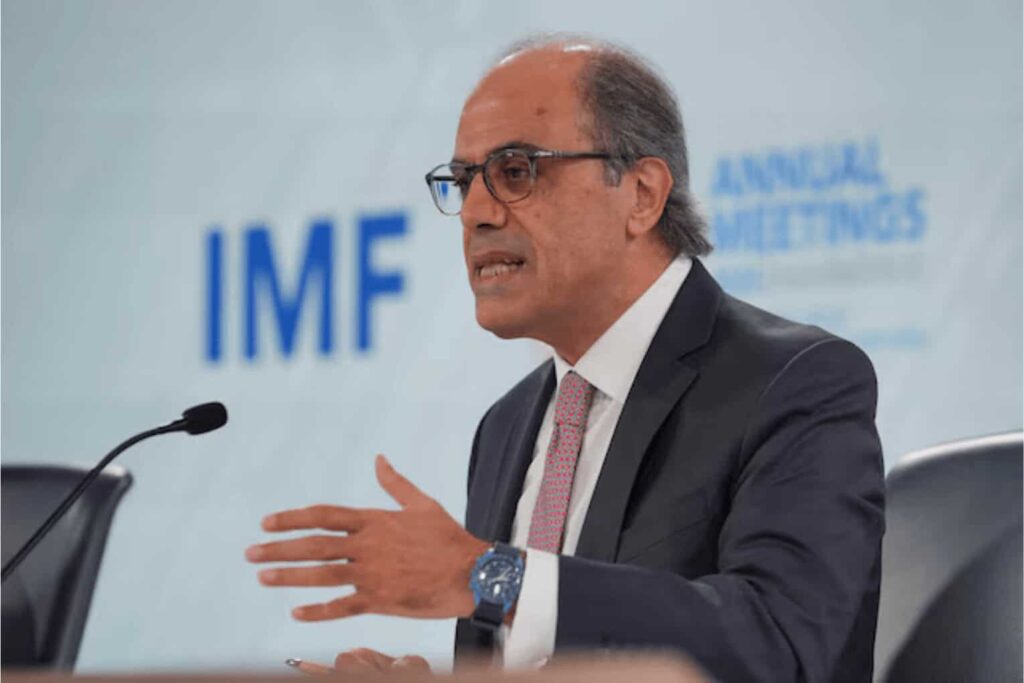
Jihad Azour, Director of the IMF’s Middle East and Central Asia Department, said during a press briefing that the region’s recovery “remains on track but is exposed to considerable downside risks.” He emphasized that continued reform, fiscal prudence, and efforts to build resilience are critical to sustaining momentum amid global volatility.

“The outlook this year reflects resilience despite elevated global uncertainty,” Azour said, noting that inflation, debt sustainability, and global trade shifts remain top challenges.

Drivers of Growth

The IMF’s regional economic outlook attributes the upward revision to several key factors. Oil-exporting countries are expected to maintain higher output levels under OPEC+ production frameworks while simultaneously pushing ahead with structural reform programs aimed at reducing reliance on hydrocarbons. Public investment in infrastructure, logistics, and renewable energy has also supported non-oil activity.

For oil-importing countries, the combination of easing commodity prices, improving external balances, and rising remittances has helped stabilize currencies and reduce inflationary pressures. Egypt, for instance, has seen improved investor confidence following the rollout of its IMF-backed $8 billion reform program, which includes measures to privatize state-owned enterprises and strengthen fiscal governance.

Tourism in North Africa has returned close to pre-pandemic levels, boosting domestic demand. Meanwhile, the Gulf states continue to channel sovereign wealth funds toward digital transformation and industrial diversification — aligning with long-term national strategies such as Saudi Arabia’s Vision 2030 and the UAE’s economic diversification agenda.

Risks Tilted to the Downside

Despite positive signs, the IMF cautioned that risks remain pronounced and largely skewed toward the downside. A potential slowdown in global growth, particularly in the United States and China, could dampen energy demand and reduce oil prices, affecting fiscal revenues in exporting nations.

The Fund also warned about persistent inflation and tightening financial conditions globally, which could limit access to capital for emerging and frontier markets. Higher interest rates in advanced economies may trigger capital outflows and currency depreciation in more vulnerable MENA countries, particularly those with high debt levels.

Geopolitical instability remains another major concern. The ongoing conflicts and political unrest in parts of the Middle East continue to weigh on investor sentiment and economic integration. The IMF said that any escalation in regional tensions could disrupt trade and supply chains, adding further pressure to growth prospects.

Country-Level Highlights

Egypt’s growth forecast was raised to 4.3 percent in 2025, up from 3.8 percent in the IMF’s May projection. The improvement is attributed to strong tourism receipts, remittance inflows, and renewed investor confidence following recent currency reforms.

In contrast, growth projections for some energy-importing economies, such as Tunisia and Lebanon, remain subdued due to structural weaknesses, political uncertainty, and limited fiscal space.

The Gulf economies, led by Saudi Arabia, are expected to maintain steady performance, supported by continued investment in renewable energy, logistics, and high-tech industries. The UAE’s focus on digital transformation and smart infrastructure is expected to sustain robust non-oil growth over the medium term.

Inflation and Fiscal Policy Challenges

While inflation has moderated across parts of the region, it remains above pre-pandemic levels. The IMF urged governments to maintain targeted fiscal support to protect vulnerable households while gradually withdrawing broad subsidies that strain public finances.

Jihad Azour noted that the region’s average inflation is projected to fall to around 9 percent in 2025, but some economies may still experience double-digit inflation due to supply chain constraints and imported food costs. Fiscal consolidation remains necessary, particularly for countries where debt has exceeded 80 percent of GDP.

The IMF emphasized the need for monetary authorities to stay vigilant and avoid premature easing, warning that renewed commodity price shocks or supply disruptions could reignite inflationary pressures.

Structural Reforms as the Key

The IMF’s message to regional policymakers was clear: the current growth momentum is not guaranteed without structural change. The Fund urged countries to accelerate reforms aimed at enhancing private sector participation, improving labor markets, and fostering innovation.

In oil-exporting states, diversification remains a top priority. The report highlighted ongoing progress in Saudi Arabia’s Vision 2030 and the UAE’s clean energy investments as examples of how fiscal surpluses can be reinvested in non-oil sectors.

For oil-importing economies, enhancing competitiveness through digitalization, infrastructure development, and education reform will be critical to sustaining long-term growth. The IMF also underscored the importance of social protection programs to mitigate inequality and ensure inclusive development.

Global and Regional Context

The Middle East’s economic outlook is deeply intertwined with global market dynamics. The IMF noted that although the world economy has avoided a hard landing, it remains in a fragile state marked by geopolitical fragmentation, uneven recovery, and trade realignments.

Azour said that “the global economy is showing resilience but remains vulnerable to shocks.” He added that the region’s policymakers should prepare for uncertainty by building fiscal buffers, maintaining exchange rate flexibility, and strengthening regional cooperation.

Energy markets remain a double-edged sword: while oil prices provide fiscal relief for exporters, volatility can disrupt planning. The IMF also highlighted climate change as a growing risk, urging MENA countries to adopt greener investment frameworks to ensure sustainable growth.

Policy Recommendations

The IMF outlined several policy priorities for the region:

  • Fiscal discipline: Governments should balance stimulus with long-term debt sustainability.

  • Diversification: Reducing dependence on oil revenues is essential for stability.

  • Private sector development: Encouraging entrepreneurship and foreign investment can enhance productivity.

  • Resilience building: Expanding social safety nets and climate adaptation programs is critical to protect vulnerable populations.

Azour concluded that “the next phase of economic recovery will depend on how countries manage reform execution under uncertainty.”

Outlook

Looking ahead, the IMF expects regional growth to stabilize around 3.5 percent by 2026 if global conditions remain steady and reforms continue. The trajectory will depend on geopolitical developments, global oil demand, and the pace of fiscal adjustment.

For now, the IMF’s latest assessment paints a cautiously optimistic picture one where resilience and reform coexist with fragility and risk.

Erdogan’s Gulf Tour: Ankara’s Renewed Focus on the Gulf’s Strategic Axis

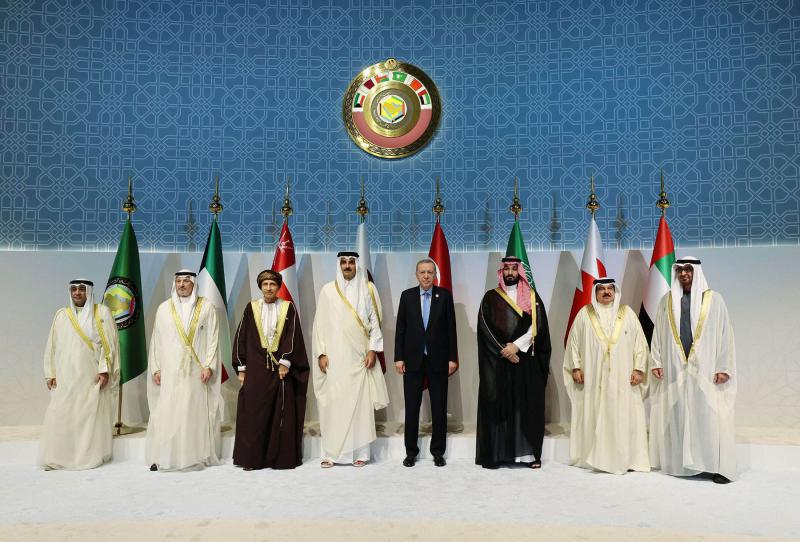
Turkish President Recep Tayyip Erdoğan will embark on a three-day diplomatic tour of Kuwait, Qatar, and Oman between October 21 and 23, signalling Ankara’s renewed attention to deepening the Gulf’s political, economic, and defence partnerships. The visits, confirmed by Presidential Communications Director Burhanettin Duran, will include bilateral meetings, the signing of cooperation agreements, and wide-ranging discussions on regional developments.

Duran noted that Erdoğan’s engagements will “review relations in all aspects and explore new avenues of cooperation,” emphasising trade, energy, investment, and defence industries. The tour follows a series of high-level contacts between Ankara and Gulf capitals since 2023, reflecting Turkey’s strategic effort to consolidate its role as a stabilising partner in the broader Middle East.

Kuwait: A Durable Partnership with Untapped Potential

According to Dr Betül Doğan Akkaş, an expert on Gulf studies at Ankara Yıldırım Beyazıt University, “Erdoğan’s visit to Kuwait symbolises the resilience of Turkey–Kuwait relations, which have quietly maintained continuity even through periods of regional turbulence.”

While Ankara and Kuwait enjoy strong political alignment and defence dialogue, their economic cooperation remains below potential. In 2022, Turkey’s exports accounted for just $975 million of Kuwait’s $64.6 billion import volume, and Turkey’s share in Kuwait’s defence trade rose modestly from 0.26% in 2021 to 0.64% in 2023.

Despite these modest figures, both sides see room for growth. The Kuwait 2035 Development Plan already features several Turkish contractors in infrastructure projects. Turkish Ambassador Tuba Nur Sönmez recently confirmed that bilateral trade reached $700 million in 2023, intending to double it “within the next few years.”

Dr Doğan Akkaş highlights that economic diversification agendas in both countries could create new synergies: “Kuwait is opening to foreign investment and institutional reforms, while Turkey seeks new Gulf markets for construction, defence, and technology exports. Erdoğan’s visit may help transform these shared intentions into measurable outcomes.”

A Broader Regional Architecture

Turkey’s outreach to the Gulf extends well beyond bilateral diplomacy. Ankara is now the first non-GCC country to have established a strategic dialogue mechanism with the Gulf Cooperation Council (GCC) in 2008. In March 2025, Turkey and the GCC agreed to launch negotiations on a Free Trade Agreement, a move Turkish Trade Minister Ömer Bolat said could “create one of the world’s largest free trade zones.” GCC Secretary-General Jasem Al-Budaiwi echoed this optimism, arguing that such frameworks “serve income diversification and sustainable growth objectives” across the region.

This institutional backdrop gives Erdoğan’s October tour additional weight: it positions Turkey as a long-term stakeholder in the Gulf’s economic transformation rather than a transactional partner.

The e-commerce corridor between Türkiye and the Gulf is becoming a serious economic channel. According to the Trade Ministry, Türkiye’s domestic e-commerce volume surged to TRY 1.85 trillion (≈ USD 79.4 billion) in 2023, and e-exports reached USD 6.4 billion in 2024, up 27.4% year-on-year. In the GCC, the UAE’s online retail market hit AED 32.3 billion (USD 8.8 billion) in 2024 and is projected to cross AED 50.6 billion (USD 13.8 billion) by 2029, while Qatar and Kuwait are estimated at USD 4.5 billion and USD 1.85 billion in 2025, respectively. These dynamics suggest clear headroom for Türkiye–GCC cross-border e-commerce, especially in categories like fashion, beauty, home, and consumer electronics, where Turkish brands already have brand recognition in the Gulf.

Qatar and Oman: Sustaining the Momentum

In Doha, Erdoğan is expected to meet Emir Sheikh Tamim bin Hamad Al Thani to reaffirm what remains Ankara’s most dynamic partnership in the region. The Turkey–Qatar axis has matured into a multi-dimensional alliance from defence cooperation to investment. Turkish officials suggest new memoranda on technology investment, food security, and supply-chain integration are on the table.

The final leg in Muscat will focus on Oman’s balancing diplomacy and its interest in infrastructure and logistics connectivity. Omani firms are exploring participation in Turkey’s Development Road Project, launched earlier this year with Iraq, Qatar, and the UAE, a project Erdoğan has described as “the new artery of the Gulf’s northward trade.”

Strategic Equilibrium in the Gulf

Dr Doğan Akkaş underlines that “in a region where intra-Gulf competition and shifting threat perceptions dominate, Turkey’s strategy is to maintain balanced relations with all monarchies while deepening defence and economic ties.” She links this to the April 2024 Iraq visit, when Ankara, Doha, Abu Dhabi, and Baghdad jointly endorsed the Development Road corridor, a sign that Turkey’s Gulf policy increasingly rests on connectivity diplomacy rather than ideology.

As the Gulf economies accelerate diversification under Vision 2030 and Vision 2035 programs, Ankara’s hybrid role, as a trading partner and an infrastructure enabler, gains significance. Each stop on Erdoğan’s October itinerary reinforces that trajectory: Kuwait as a test of durable partnership, Qatar as a strategic anchor, and Oman as a bridge to new trade geographies.

Erdoğan’s upcoming Gulf tour is not merely a sequence of state visits; it represents a strategic recalibration of Turkey’s place within the Gulf’s emerging order. As economic diplomacy merges with defence and connectivity projects, the Turkey-GCC relationship evolves from episodic engagement to institutionalised cooperation.

For both Ankara and its Gulf partners, the success of this new phase will be measured less by photo opportunities and more by how swiftly memoranda translate into projects, pipelines, and shared prosperity.

UAE 6G Pilot Success

The UAE has successfully completed its first 6G test pilot, achieving record-breaking data speeds of 145 gigabits per second (Gbps) through terahertz (THz) spectrum transmission, according to a report by Khaleej Times. The breakthrough, carried out in partnership with e& UAE (formerly Etisalat) and New York University Abu Dhabi (NYUAD), marks a milestone in the nation’s vision to lead the global race toward next-generation wireless connectivity.
(khaleejtimes.com)

The trial, conducted in October 2025, is the first of its kind in the Middle East and among the earliest 6G demonstrations worldwide. It represents a major step toward commercializing ultra-high-speed, low-latency networks expected to revolutionize industries ranging from autonomous transport to virtual reality and smart cities.

A Leap Beyond 5G

The pilot demonstrated the potential of the terahertz frequency spectrum the ultra-high-bandwidth range capable of transmitting data far faster than current 5G networks. At 145 Gbps, the tested system achieved speeds more than 100 times faster than average 5G connections currently deployed in commercial markets.

According to e& UAE CEO Masood M. Sharif Mahmood, this achievement goes far beyond speed. “6G is not just about faster connectivity; it’s about creating an intelligent, perceptive, and sustainable network infrastructure that learns, senses, and evolves,” he said in remarks reported by Khaleej Times.

The demonstration included trials of advanced technologies such as holographic communication, extended reality (XR), and digital twin applications — all dependent on real-time data exchange at unprecedented speeds. Engineers at NYU Abu Dhabi worked closely with e&’s R&D division to optimize antenna design, signal processing, and synchronization for terahertz transmissions.

Pioneering Research in the Middle East

The UAE’s 6G pilot aligns with the country’s broader ambition to establish itself as a technology and innovation hub. As part of the UAE’s National Advanced Spectrum Strategy, the government has prioritized research into next-generation wireless standards, AI integration, and network intelligence.

The collaboration with NYU Abu Dhabi provided scientific validation of the results, ensuring that the tests met international benchmarks. The university’s advanced telecommunications laboratory conducted in-depth assessments of data stability, spectral efficiency, and network energy usage.

“This pilot proves the UAE’s readiness to pioneer communication technologies that will redefine global standards,” said Marwan Bin Shaker, Acting Chief Technology and Information Officer at e& UAE. “The implications extend far beyond consumer connectivity 6G will shape industrial automation, health tech, and climate monitoring in the years ahead.”

What Makes 6G Different

Unlike 5G, which focuses mainly on speed and latency improvements, 6G aims to integrate sensing, computing, and AI-driven decision-making into the network itself. This means future 6G systems will not only transmit data but also perceive and interpret environmental conditions in real time.

According to the Khaleej Times report, 6G will operate on ultra-high frequency bands ranging between 100 GHz and 3 THz, making it suitable for complex applications like holographic telepresence, autonomous vehicle coordination, and precision manufacturing. It will also facilitate communication between machines, drones, and satellites, creating what experts describe as a “network of networks.”

This architectural shift is expected to enable data transmission with latency as low as 0.1 milliseconds — virtually instantaneous compared to current standards. The improved precision will also allow 6G networks to double as sensors, capable of detecting movement, positioning, and even environmental data like temperature and pressure.

Economic and Strategic Impact

Industry analysts say the UAE’s early success in 6G experimentation positions it among global leaders in telecommunications research. The test underscores the country’s strategy of integrating innovation into its economic diversification plans, particularly under the UAE Centennial 2071 vision and the “We the UAE 2031” national development roadmap.

By leading in emerging connectivity technologies, the UAE stands to benefit economically through job creation, digital infrastructure investments, and the attraction of international R&D partnerships. Experts believe that the commercial rollout of 6G — expected globally by the early 2030s — could add billions of dollars to national GDPs that adopt it early.

The UAE’s ability to execute this test also reflects the strength of its public-private collaborations. e& UAE’s cooperation with academic institutions and government agencies has been critical in ensuring that spectrum policies, infrastructure development, and talent programs evolve in sync with technological progress.

Challenges Ahead

Despite the promising results, significant hurdles remain before 6G can become commercially viable. Spectrum regulation for terahertz frequencies is still under development at global bodies such as the International Telecommunication Union (ITU). Device manufacturers will need to design new chipsets and antennas capable of operating at these extremely high frequencies.

Moreover, 6G networks demand vast energy resources and advanced cooling systems to maintain performance levels. Researchers in the UAE and globally are exploring sustainable solutions to reduce power consumption a key factor if 6G is to meet its environmental goals.

Telecom analyst Frederick Lee, quoted in Khaleej Times, warned that the transition from lab trials to real-world deployment could take years. “The UAE’s success in demonstrating 145 Gbps speeds is historic, but the challenge now lies in scaling this technology cost-effectively,” he said. “The next phase will focus on standardization and integration with existing infrastructure.”

The Road to Deployment

e& UAE has confirmed that the next stage will involve expanding test sites beyond controlled environments. Field trials are expected to begin in 2026, covering different terrain types — from urban centers to remote desert regions to test the reliability and coverage of terahertz frequencies.

Future experiments will integrate 6G with low-earth-orbit satellites, enabling hybrid terrestrial-satellite communication. This could revolutionize connectivity for remote industries such as oil, logistics, and maritime operations, where traditional networks face limitations.

The company also plans to explore the use of quantum-safe encryption and edge computing within the 6G framework. These innovations will make networks not only faster but also more secure and responsive.

Global Race for 6G

Globally, countries such as the United States, Japan, South Korea, and Finland are competing to define 6G standards and achieve early breakthroughs. The UAE’s pilot places it among the world’s early front-runners, joining an exclusive list of nations capable of demonstrating live 6G prototypes.

Industry observers believe that by contributing to international research and standard-setting, the UAE could influence the global 6G roadmap ensuring the region’s representation in next-generation technology decisions.

Broader Implications for Smart Cities and AI

The successful 6G trial also has implications for the UAE’s smart city initiatives, including Dubai’s AI-driven governance systems and Abu Dhabi’s autonomous mobility projects. With faster data rates and enhanced reliability, 6G could serve as the backbone for AI ecosystems that manage urban services in real time.

This includes applications such as connected traffic systems, autonomous drone deliveries, telemedicine, and immersive education through holographic classrooms. Experts see the technology as a crucial enabler for the “digital twin” concept virtual replicas of physical environments used for planning, prediction, and disaster management.

Conclusion

The UAE’s first successful 6G pilot marks a historic moment in the country’s technological evolution. By achieving 145 Gbps speeds and validating terahertz-band communication, the nation has positioned itself as a global pioneer in next-generation connectivity.

While full-scale deployment may still be years away, the demonstration signals that the foundations of a 6G-powered future are already being built in the UAE. As research continues and standards take shape, the country’s leadership in this field reinforces its long-term vision of becoming a hub for digital innovation, smart infrastructure, and sustainable growth.

Meesho to Raise $484 Million in Indian IPO

Indian e-commerce platform Meesho has announced plans to raise $484 million (₹4,250 crore) through a fresh issue of shares in its long-awaited initial public offering (IPO), according to the company’s filing with the Securities and Exchange Board of India (SEBI). The move marks one of the most significant upcoming listings in India’s technology sector and signals renewed investor confidence in the country’s booming digital commerce market.
(economictimes.com)

The IPO will include both a primary fresh issue and a secondary sale by existing shareholders through an offer-for-sale (OFS). According to The Economic Times, the OFS will involve 17.57 crore shares being sold by early backers such as Elevation Capital, Peak XV Partners (formerly Sequoia India), Venture Highway, and several other investors. Combined, the offering could make Meesho one of India’s largest tech IPOs since Zomato and Nykaa went public.

Meesho’s Growth Story

Founded in 2015 by Vidit Aatrey and Sanjeev Barnwal, Meesho has emerged as a disruptive force in India’s online retail ecosystem. Unlike many of its peers, Meesho has focused on the “value” segment of consumers and small business sellers, connecting millions of micro-entrepreneurs, resellers, and local shop owners directly to suppliers and consumers via its digital platform.

Initially launched as a social commerce app built around WhatsApp-based reselling, Meesho has since evolved into a full-fledged e-commerce marketplace offering a wide range of categories — including fashion, home goods, electronics, and personal care. It has built a strong presence in India’s tier-II and tier-III cities, enabling millions of first-time internet users to buy and sell products online.

According to Meesho’s draft prospectus, the company has grown its gross merchandise value (GMV) at a compound annual rate exceeding 40 percent over the past three years. As of June 2025, Meesho commands between 23 and 25 percent of the market share in home, kitchen, and furnishings segments one of the fastest-growing categories in Indian e-commerce.

Financial Performance and Path to Profitability

In its filing, Meesho reported strong improvements in profitability metrics. The company’s consolidated loss before tax narrowed sharply to ₹108 crore in the financial year ending March 2025, compared to a loss of ₹315 crore the previous year. Revenue from operations increased substantially as the company expanded its seller base and optimized fulfillment costs.

These results reflect Meesho’s transition toward sustainable growth after several years of cash-intensive expansion. The company’s management has stated that its focus is now on achieving consistent profitability while maintaining affordability for consumers. This shift mirrors a broader trend in India’s startup ecosystem, where investors are increasingly favoring efficiency over rapid but costly growth.

Meesho’s cost discipline has been supported by its asset-light model. Unlike traditional e-commerce giants that rely on heavy logistics infrastructure, Meesho partners with third-party delivery services and warehouses, reducing overhead while maintaining nationwide reach.

IPO Details and Market Context

According to The Economic Times, Meesho intends to use the proceeds from the ₹4,250 crore ($484 million) fresh issue to strengthen its technology platform, expand product categories, and enhance working capital. A portion will also be allocated toward marketing and customer acquisition, with a specific focus on onboarding small sellers from rural areas and smaller towns.

The offering comes amid a strong rebound in India’s IPO market. Analysts expect total fundraising from new listings in 2025 to exceed $20 billion, supported by robust domestic demand and growing interest from global institutional investors.

If successful, Meesho’s IPO could value the company at between $6 billion and $7 billion, placing it among India’s most valuable e-commerce startups alongside Flipkart and Nykaa. The listing is expected to take place on the Bombay Stock Exchange (BSE) and the National Stock Exchange (NSE) later this fiscal year, following SEBI’s review and final approval.

Investor Confidence in Indian E-Commerce

The timing of Meesho’s IPO underscores renewed optimism in India’s online retail space. The country’s digital economy continues to expand rapidly, driven by smartphone adoption, affordable data, and a growing middle-class population. According to government and industry data, e-commerce penetration in India is projected to reach 300 million active online shoppers by 2027.

Meesho’s rise reflects this transformation. Its platform enables millions of small sellers many of them women and first-time entrepreneurs to access national markets. By lowering entry barriers for small businesses, Meesho has positioned itself as a champion of digital inclusion in India’s retail sector.

Analysts say that the company’s deep penetration in non-metro cities and its focus on affordability give it a competitive edge over larger, urban-focused rivals like Amazon India and Flipkart. Unlike those platforms, Meesho thrives on low-price, high-volume sale a strategy tailored to India’s price-sensitive consumers.

A Milestone for Indian Startups

Meesho’s planned listing also marks a symbolic milestone for India’s startup ecosystem, which has matured significantly over the past decade. After years of heavy venture funding and growth-at-all-costs strategies, many high-profile startups are now shifting focus toward public markets.

Industry observers view Meesho’s IPO as a litmus test for investor appetite toward profit-oriented, scalable tech companies from India. “This offering will be watched closely,” a market analyst told The Economic Times. “It represents a new phase of discipline and sustainability in India’s tech IPO landscape.”

If successful, Meesho’s listing could encourage other major Indian startups including Swiggy, Ola Electric, and PharmEasy to move forward with their own IPOs, potentially fueling another wave of capital inflows into the country’s technology sector.

Competitive Landscape

While Meesho continues to grow rapidly, it operates in an increasingly competitive environment. Major players such as Amazon, Flipkart, and Reliance’s JioMart continue to expand aggressively in both urban and semi-urban markets. At the same time, quick-commerce startups like Blinkit and Zepto are redefining consumer expectations around speed and convenience.

However, Meesho’s unique focus on affordability and small-town India provides it with insulation from direct competition. The company’s lightweight logistics model and emphasis on cost efficiency have allowed it to reach customers who remain underserved by larger platforms.

Analysts also point out that Meesho’s community-driven reselling origins give it a better understanding of informal retail behavior a key differentiator in a market where price sensitivity and trust remain paramount.

Future Outlook

Looking ahead, Meesho aims to strengthen its technological infrastructure, invest in AI-driven personalization, and expand cross-border sourcing partnerships. The company has already begun pilot programs to enable local manufacturers to sell directly to overseas buyers through its platform.

As India’s digital payments and logistics ecosystems continue to improve, Meesho’s management believes the company is well-positioned to sustain growth and deliver long-term value to shareholders.

With its IPO, Meesho will join a new generation of Indian tech firms that are reshaping the country’s capital markets. Its focus on inclusivity, innovation, and affordability could serve as a blueprint for future e-commerce platforms emerging from developing economies.

Conclusion

Meesho’s decision to raise $484 million through its Indian IPO marks a pivotal moment in the evolution of the country’s online retail industry. From its humble beginnings as a social commerce startup to becoming one of India’s most influential digital marketplaces, Meesho embodies the story of India’s entrepreneurial transformation.

As the company prepares for its market debut, investors and analysts alike will be watching closely to see whether Meesho can maintain its growth momentum while achieving sustainable profitability. If it succeeds, the listing could set a new benchmark for technology IPOs in India’s rapidly evolving economy.

WORLDEF Dubai 2026 to Shape the Future of Digital Commerce

Taking place from 10–12 February 2026 at Dubai CommerCity, WORLDEF Dubai 2026 is poised to become one of the most influential gatherings in the global digital commerce ecosystem. The event will bring together e-commerce professionals, technology leaders, investors, and innovators to discuss and shape the future of the digital economy.

WORLDEF Dubai 2026 will once again be held under the patronage of His Highness Sheikh Ahmed bin Saeed Al Maktoum. Organized in collaboration with Dubai CommerCity, the forum will reinforce the region’s leadership in digital commerce and showcase Dubai’s growing role as a global hub for innovation, trade, and entrepreneurship.

WORLDEF positions this major event not merely as a conference, but as a strategic business platform at the heart of digital transformation. With thousands of participants, speakers, and brands coming together, the event will serve as a global stage where ideas, technologies, and partnerships that define the future of trade are born.

A strategic gathering in the heart of digital transformation

Dubai continues to attract global attention with its rapid progress in digital transformation. With its innovation-driven economy, advanced infrastructure, and strategic geographic location, the city has become one of the world’s leading centers for digital business. Dubai CommerCity stands as a symbol of this transformation.

As the first free zone in the Middle East and North Africa dedicated exclusively to digital commerce, Dubai CommerCity provides end-to-end solutions for e-commerce businesses, including logistics, technology, and business development. Hosting WORLDEF Dubai 2026 in this unique ecosystem turns the event into far more than a conference—it becomes a global collaboration hub.

WORLDEF’s global vision

WORLDEF operates as an international platform dedicated to supporting the growth of e-commerce and digital trade worldwide. Through its global initiatives and events, WORLDEF unites business leaders, investors, and policymakers to foster sustainable development across the digital economy. WORLDEF Dubai 2026 represents the latest and most ambitious step in this vision.

Throughout the three-day event, thousands of participants, speakers, and brands will come together to explore topics such as artificial intelligence, quick commerce, digital payments, sustainable logistics, investment opportunities, and evolving consumer behavior. Attendees will gain access to exclusive insights, global case studies, and opportunities to forge strategic partnerships.

Under the patronage of His Highness Sheikh Ahmed bin Saeed Al Maktoum

WORLDEF Dubai 2026 will, once again, be held under the patronage of His Highness Sheikh Ahmed bin Saeed Al Maktoum. This distinguished patronage enhances the event’s international standing and underscores Dubai’s visionary leadership in the digital economy.

Under the guidance of His Highness Sheikh Ahmed bin Saeed Al Maktoum, Dubai has achieved remarkable progress in international trade, aviation, and digital transformation. WORLDEF Dubai 2026 continues this legacy by strengthening the city’s pioneering role in global digital commerce and fostering new business collaborations that extend far beyond regional borders.

Four stages of innovation, insight, and inspiration

WORLDEF Dubai 2026 will feature four dedicated content stages, each focusing on a different theme shaping the future of digital trade. Leading experts, government officials, investors, and corporate executives will share their knowledge and experiences through keynotes, panels, and interactive discussions.

Key themes will include AI-driven commerce, data analytics, customer experience, sustainable growth, cross-border e-commerce strategies, and next-generation logistics models. Participants will have the chance to draw inspiration from global experts and translate these insights into practical strategies for their own businesses.

An interactive exhibition and global networking hub

Beyond discussions, WORLDEF Dubai 2026 will feature an interactive exhibition area showcasing the latest innovations in digital commerce. Technology providers, logistics companies, fintech firms, and e-commerce platforms from across the world will display their products, solutions, and technologies.

This space will serve not only as a showcase for innovation but also as a meeting point for new partnerships and investment opportunities. Through WORLDEF’s advanced networking application, participants will be able to connect directly with like-minded professionals and potential partners based on their interests and business profiles.

Supporting Dubai’s economic vision

WORLDEF Dubai 2026 aligns closely with the objectives of the Dubai Economic Agenda D33, which aims to double the size of Dubai’s economy by 2033 and establish it as one of the world’s leading digital commerce centers. By facilitating knowledge exchange, innovation, and international cooperation, WORLDEF Dubai 2026 contributes directly to this long-term vision.

Dubai’s robust logistics infrastructure, innovation-friendly free zones, and commitment to digital transformation continue to strengthen its position as a global business hub. WORLDEF Dubai 2026 will build upon these strengths, attracting international investors, brands, and entrepreneurs to the heart of Dubai’s digital economy.

Shaping the future of global commerce

WORLDEF Dubai 2026 is not just an event—it is a gateway to the future of digital trade. Over three transformative days, participants will engage with thought leaders, discover cutting-edge technologies, and explore new ways of driving growth in a rapidly evolving global marketplace.

Organized in collaboration with Dubai CommerCity and under the patronage of His Highness Sheikh Ahmed bin Saeed Al Maktoum, WORLDEF Dubai 2026 will offer a unique opportunity for professionals to experience innovation, collaboration, and inspiration at the highest level.

For more information and registration: https://worldef.com/events/dubai-2026/

Emirates Cargo Crash in Hong Kong

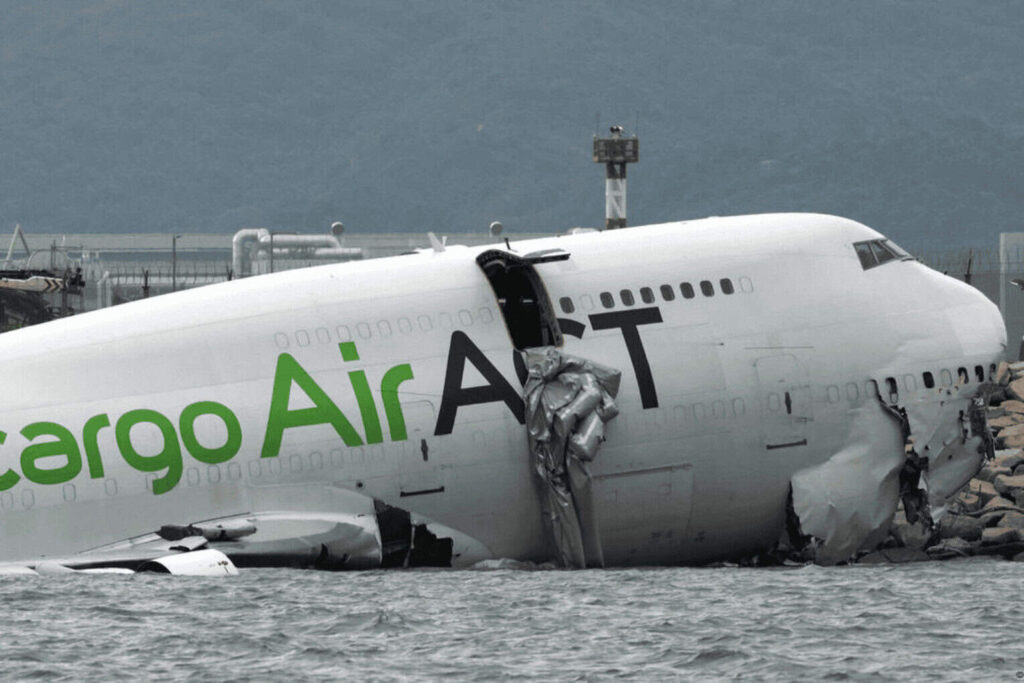
Two airport staff were killed and four crew members injured when a cargo aircraft operated for Emirates skidded off the runway at Hong Kong International Airport and plunged into the sea early Monday morning. The incident, involving a Boeing 747-400 freighter leased from ACT Airlines, has prompted a full-scale investigation by aviation authorities in both Hong Kong and the United Arab Emirates.
(thenationalnews.com)

According to Hong Kong’s Airport Authority, the accident occurred at approximately 3:50 a.m. local time as the cargo jet arrived from Dubai’s Al Maktoum International Airport. While landing on the northern runway, the aircraft veered off the tarmac, broke through a security fence, and collided with a ground-service vehicle before ending up partially submerged in the sea near the runway’s end.

Sequence of Events

Authorities stated that visibility and weather conditions were fair at the time of landing. The aircraft reportedly touched down normally but began to drift off centerline during rollout. Investigators will examine whether braking issues, pilot response times, or runway surface conditions played a role in the incident.

The security vehicle struck by the aircraft was operating in a designated area adjacent to the runway, and officials confirmed that it was not violating any operational procedures. Both ground personnel in the vehicle aged 30 and 41 suffered fatal injuries. They were pronounced dead at Princess Margaret Hospital shortly after being transported from the scene.

All four crew members on board the captain, first officer, and two loadmasters managed to escape before the aircraft became fully submerged. Emergency responders treated them for minor injuries and shock.

Emirates Statement

Emirates confirmed in a public statement that the flight, designated EK9788, was a cargo operation under its SkyCargo division. The aircraft was operated by ACT Airlines (AirACT), a Turkish carrier contracted under a wet-lease arrangement. Emirates said there was no cargo on board at the time of the crash, as the jet was repositioning to Hong Kong to collect freight.

In its message of condolence, Emirates expressed its “deep regret and sympathy” for the families of the two ground staff who lost their lives. The company stated that it was “working closely with local authorities to determine the cause of the accident” and to provide support to the affected families and its flight crew.

Investigation Underway

The Hong Kong Civil Aviation Department announced that its Air Accident Investigation Authority has launched a comprehensive inquiry into the crash. Teams have recovered the aircraft’s flight data recorder and cockpit voice recorder, which will provide crucial information about the final moments of the landing.

Investigators will examine factors such as aircraft maintenance history, pilot workload, approach stability, and braking systems. Early reports indicate that the plane was in service for more than 30 years and had logged thousands of flight hours since entering operation in the early 1990s.

Authorities will also assess ground safety procedures, including the location and movement of vehicles near runways. Questions have been raised about whether additional buffer zones or alert systems might prevent similar tragedies in the future.

Airport Operations

Following the crash, Hong Kong International Airport temporarily closed its northern runway for inspection and cleanup, while the other two runways remained operational. Airport officials stated that the incident caused minimal disruption to passenger flights, thanks to swift coordination between rescue and control tower teams.

The wreckage of the Boeing 747 was visible in shallow water for several hours before cranes began recovery operations. Divers and engineers worked through the morning to secure the fuselage and prevent environmental contamination from leaking fuel.

Industry Context

The accident marks Hong Kong’s deadliest aviation ground incident in more than two decades and one of the most serious cargo-related runway excursions globally in recent years. Experts say the event highlights the operational risks faced by large freighter aircraft, particularly at airports located near coastlines.

Aviation analysts noted that freighter operations, though following the same safety regulations as passenger airlines, often face unique challenges including heavy weight loads, variable center of gravity, and nighttime scheduling. Such conditions demand precise handling during landing and rollout.

Former airline pilot and aviation consultant David Yip told The National that “freighters like the 747-400 are powerful and reliable, but even small deviations in speed or alignment can create serious hazards, especially on runways bordered by water.”

ACT Airlines and Safety Record

ACT Airlines, also known as MyCargo, is a Turkish air freight carrier that provides wet-lease services to major airlines, including Emirates and Qatar Airways. The company has previously maintained a solid safety record, though it was involved in a 2017 crash in Kyrgyzstan that killed 39 people after a cargo plane overshot the runway during landing.

The recurrence of an incident involving the same operator will likely prompt regulators to scrutinize its fleet maintenance and operational oversight procedures. Both Turkish and UAE aviation authorities are expected to participate in the Hong Kong-led investigation.

Reactions and Condolences

News of the crash spread quickly through the aviation community. Colleagues and ground staff at Hong Kong International Airport held a brief moment of silence for the two victims. Emirates SkyCargo staff in Dubai also observed a private tribute.

Hong Kong’s Chief Executive issued a statement expressing sorrow for the loss of life and commending the emergency response teams for their professionalism. “The rapid coordination between airport staff, rescue personnel, and firefighters prevented what could have been a far greater tragedy,” the statement read.

Safety Measures and Next Steps

Aviation experts say the incident could lead to a review of runway safety protocols at major international airports, especially those with water-end runways similar to Hong Kong’s. Possible upgrades include improved friction measurement systems, enhanced lighting, and expansion of runway end safety areas.

Hong Kong’s Airport Authority said it is fully cooperating with investigators and will implement any recommendations issued by the Air Accident Investigation Authority. Emirates has pledged to enhance its oversight of partner-operated cargo flights and share technical data with regulators to aid the investigation.

Broader Implications

The crash comes amid growing demand for air freight across Asia, driven by e-commerce expansion and global supply chain shifts. Airlines are increasing cargo capacity to meet this demand, often by extending the operational lifespan of older aircraft. Safety analysts warn that while maintenance standards remain high, aging airframes require more rigorous inspection cycles to prevent incidents related to mechanical wear.

At the same time, industry observers believe that the strong emergency response in this case demonstrates how far airport safety systems have evolved. Despite the loss of life, the quick containment of the crash and minimal flight disruption reflect the effectiveness of modern coordination between airport authorities, airlines, and local emergency services.

Conclusion

The crash of the Emirates-operated Boeing 747 cargo jet in Hong Kong is a tragic reminder of the complexities and risks of global air cargo operations. While the loss of two airport staff has cast a shadow over one of the world’s busiest airports, the survival of the flight crew and the swift response from local teams prevented further disaster.

As investigations continue, authorities in Hong Kong and Dubai will seek to uncover the precise cause of the accident and ensure that future operations maintain the highest possible standards of safety