
WORLDEF Prime Antalya 2026 - Upcoming Event

Register Now

Amazon UAE Recycling Program

Amazon UAE has unveiled a new citywide packaging recycling program featuring more than 150 collection points across Dubai, marking a significant step in its ongoing sustainability strategy. The initiative aims to make recycling easier for customers, reduce packaging waste, and contribute to the UAE’s broader environmental goals under the Green Agenda 2030. The move also aligns with Amazon’s global Climate Pledge to achieve net-zero carbon emissions by 2040, reinforcing the company’s commitment to responsible logistics and circular economy models.

According to a report by Gulf Business
, the recycling program allows Amazon.ae customers to drop off used packaging materials including cardboard boxes, paper fillers, and plastic envelopes at designated drop-off points located throughout residential and commercial areas in Dubai. Customers can scan the QR code printed on their Amazon package to find the nearest drop-off location through the company’s “Second Chance” platform, which provides clear recycling guidelines and educational resources.

Amazon has partnered with Enviroserve
, a leading UAE-based recycling and e-waste management firm, to manage the collected materials. Enviroserve will oversee the sorting, processing, and recycling of all packaging items collected through the program. The collaboration reflects a shared vision between Amazon and Enviroserve to promote community-level participation in environmental responsibility and sustainable waste management.

Prashant Saran, Director of Operations for Amazon Middle East, Africa and Turkey, explained that the initiative is part of the company’s long-term plan to integrate sustainability into every level of its business operations. In his statement to Gulf Business, Saran emphasized that the new recycling network is designed to make it simple and accessible for every Amazon customer in Dubai to contribute to environmental preservation without any additional effort or cost.

Similarly, Shashidhar Y S, Managing Director at Enviroserve, noted that this partnership represents a major milestone in Dubai’s transition toward a circular economy. In an interview with Focus Dubai
, he said the project will help minimize landfill waste and create awareness about the importance of responsible disposal. According to him, proper recycling of packaging materials not only reduces environmental pollution but also preserves valuable raw materials for reuse in manufacturing.

The 150+ drop-off locations have been strategically placed in high-density communities, shopping centers, and business districts to maximize participation. Amazon officials said that the company conducted a detailed study of consumer habits and population density to ensure the sites are within easy reach for most Dubai residents. This logistical approach reflects Amazon’s expertise in distribution network design, now applied to sustainability.

The recycling points will accept a variety of packaging materials, including corrugated cardboard, flexible plastic mailers, bubble wraps, and air pillows. Once collected, the materials will be transported to Enviroserve’s facility in Dubai Industrial City for sorting and recycling. The company plans to expand its processing capabilities further if the initiative receives a positive response.

This initiative complements other sustainability programs already launched by Amazon globally, such as the “Frustration-Free Packaging” initiative and “Ships in Product Packaging” system, which reduce the use of excess materials. As Zawya
reports, Amazon has also been experimenting with AI-driven logistics to optimize packaging sizes and materials in an effort to reduce overall waste.

Beyond environmental goals, the program also aims to engage customers in sustainable behavior. By making recycling an integral part of the post-delivery process, Amazon is encouraging a cultural shift toward environmental accountability. The company’s Second Chance platform plays a crucial role in this education effort, providing information not only on packaging recycling but also on responsible disposal of electronics, batteries, and household waste.

Industry experts see this as part of a broader trend where major e-commerce players are adapting their supply chains to meet stricter sustainability expectations from both consumers and governments. Analysts believe Amazon’s initiative could serve as a model for other retailers in the Gulf Cooperation Council (GCC) region, particularly as local governments increase investment in green infrastructure and recycling technologies.

Dubai’s Department of Economy and Tourism has also praised private-sector involvement in environmental projects. The emirate’s leadership continues to encourage public-private collaborations that align with its Clean Energy Strategy 2050 and Green Economy vision. Amazon’s recycling program, with its focus on community participation and smart logistics, fits neatly within this framework.

However, the project also presents several challenges. Maintaining collection consistency across 150 different sites, ensuring contamination-free recycling streams, and scaling the initiative across other emirates are logistical hurdles Amazon and Enviroserve will need to manage carefully. Customer education is another key factor — recycling can only succeed if consumers understand which materials can be returned and how to prepare them properly.

Despite these challenges, sustainability experts in the UAE have welcomed the program as a much-needed initiative in the country’s fast-growing e-commerce sector. With online orders increasing dramatically since 2020, packaging waste has become a growing environmental concern. Initiatives like this could help mitigate that trend while strengthening Dubai’s position as a global leader in sustainable innovation.

Amazon’s investment in this program follows other eco-driven projects across the Middle East, including solar-powered delivery stations, reduced-emission transport routes, and AI-based waste optimization systems. The company’s Middle East operations have increasingly integrated environmental priorities into their business strategies, not only for compliance but as a competitive advantage.

As sustainability expectations continue to evolve globally, Amazon UAE’s new recycling program represents both a business and environmental milestone. By merging customer convenience with ecological responsibility, the company is setting a precedent for how large-scale logistics operations can balance growth with sustainability. If the initiative achieves its goals, it could become a benchmark for urban recycling infrastructure in other emerging e-commerce markets across the region.

The pilot phase will run through 2026, after which Amazon and Enviroserve plan to analyze data from drop-off activity and customer engagement metrics to refine the program. Depending on the outcomes, Amazon may consider replicating the system in Abu Dhabi, Sharjah, and other cities within the UAE.

For now, the launch demonstrates that sustainability and logistics innovation are not mutually exclusive. As Amazon’s Middle East leadership has stated, the ultimate goal is to ensure that every package delivered to a customer in Dubai can be responsibly recycled — closing the loop between commerce and conservation.

Amazon Invests €1B+ in Belgium

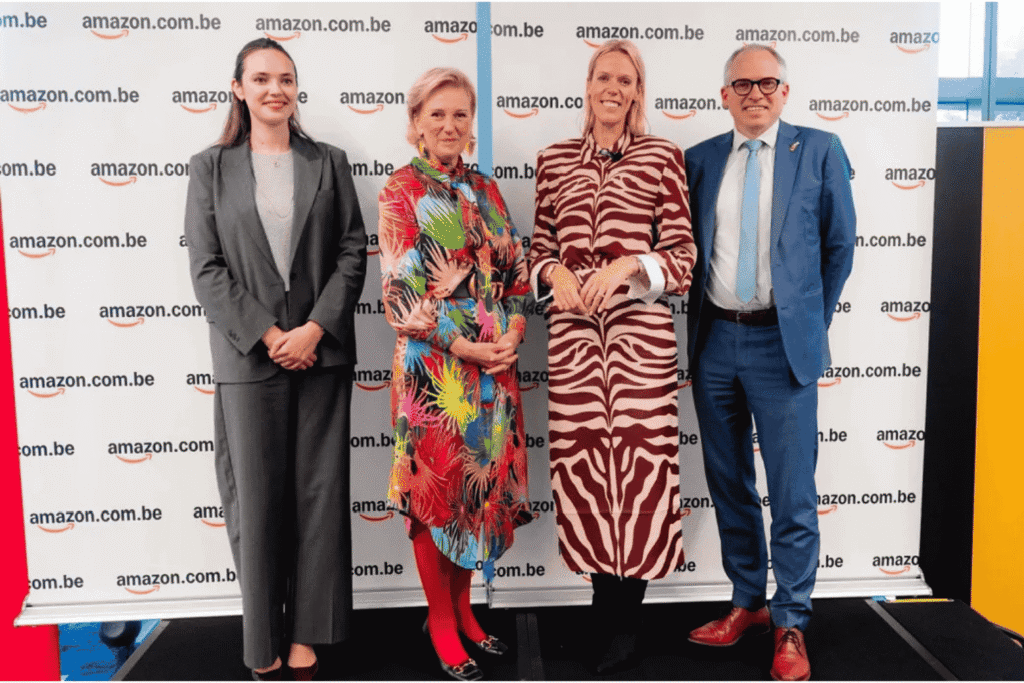
Amazon has announced plans to invest more than €1 billion (approximately US$1.06 billion) in Belgium between 2025 and 2027. This investment, the company’s largest in Belgium to date, will focus on expanding Amazon’s logistics network, creating jobs, supporting small and medium-sized enterprises (SMEs), and enhancing infrastructure that facilitates faster deliveries and better customer experience across the country. (Fibre2Fashion) fibre2fashion.com

Scaling Up Logistics and Delivery Capacity

Part of the planned investment will be dedicated to improving delivery stations, fulfillment centers, and local infrastructure, enabling Amazon to serve Belgian customers with greater speed and reliability. Amazon Belgium and the Netherlands country manager, Eva Faict, has stated that the investment will help the company strengthen its local infrastructure to better serve customers, while continuing to work with local delivery partners such as bpost, Belgium’s national postal operator. fibre2fashion.com

The logistics upgrade is intended not only to support consumer demand but also to reduce operational bottlenecks. With enhanced facilities and optimized supply chain operations, Amazon aims to increase its efficiency and scale up time-sensitive delivery services. Improved infrastructure is expected to involve upgrades in systems, transportation links, handling capacities, and possibly more automation in handling and sorting centers. fibre2fashion.com

Partnerships, Local Impact and Job Creation

Amazon’s new investment builds on its earlier commitments in Belgium. The company previously invested around €550 million (approximately US$583 million) during 2023–2024 in various operations. These earlier investments contributed to expanding delivery networks, creating jobs, and forming deeper partnerships with Belgian logistics providers. fibre2fashion.com

With the new funding, Amazon plans to further support Belgian SMEs by helping them reach both domestic and international customers. By leveraging Amazon’s platforms and logistics capabilities, small businesses will have more opportunities to expand their reach. Eva Faict has emphasized that since launching amazon.com.be in October 2022, the company has helped over a thousand Belgian businesses access new customers, created hundreds of local jobs, and worked closely with local delivery partners. fibre2fashion.com

Job creation is expected to be a key outcome. Amazon currently employs more than 400 people across Belgium — in its headquarters in Brussels, its delivery station in Antwerp, the Mechatronics Research & Development Centre in Hamme, and other facilities. The new investment is expected to result in additional hiring in fulfillment, operations, technology, research & development, and local delivery services. fibre2fashion.com

Sustainability and Environmental Measures

Amazon has also pledged that part of the investment will focus on sustainability. Initiatives include deploying more eco-friendly delivery packaging, optimizing routes to reduce emissions, and working to minimize environmental footprint in operations. More than 50 percent of European shipments now use reduced or no added packaging in specified formats like envelopes or paper bags. The investment aims to expand these programs in Belgium. fibre2fashion.com

Programs such as “Climate Pledge Friendly” that highlight certified sustainable products are also part of Amazon’s strategy to enable customers to make environmentally conscious choices. In addition, trade-in and reuse programs, and product repair or reuse initiatives, form part of the broader effort to promote circular economy practices. fibre2fashion.com

Economic Significance and Regional Development

Belgium’s government, particularly in Flanders, has welcomed Amazon’s investment, seeing it as an endorsement of the country’s economic strengths. Matthias Diependaele, Minister-President of Flanders, has noted that Amazon’s investment demonstrates that the region continues to attract global tech and logistics leaders, and reinforces its strategic position in digital commerce in Europe. fibre2fashion.com

Economic analysts believe this investment will contribute meaningfully to Belgian GDP. Estimates show that Amazon’s previous investments since 2015 have resulted in more than €350 million contribution to the Belgian economy. With the new investment, this number is expected to rise significantly when factoring in expanded operations and increased activity from logistics, infrastructure, and SME growth. fibre2fashion.com

Challenges and Opportunities

While the investment promises many benefits, Amazon will face challenges. Some of these include aligning logistics operations with local regulations, managing environmental compliance, ensuring workforce training, and maintaining delivery efficiency in both urban and rural areas. Integrating sustainability goals without compromising speed and cost is often a delicate balance.

On the opportunity side, Belgium’s central location in Europe offers Amazon advantageous connectivity to neighboring countries. Efficient logistics and transport networks can allow Belgium to serve not just its own e-commerce market but also act as a hub for cross-border operations in the EU.

Looking Forward: What This Means for Amazon and Belgium

For Amazon, this investment marks a reaffirmation of its commitment to European growth and improving service quality. The company aims to improve delivery timeframes, reduce operational costs through infrastructure economies of scale, and deepen its market penetration in Belgium. The investment will also support Amazon’s competitive positioning against other e-commerce and logistics providers in Europe.

For Belgium, the implications are substantial. Improved infrastructure, more jobs, stronger SME participation in e-commerce, and enhanced logistics capacity can help Belgium maintain and grow its role in digital commerce. The environmental initiatives tied to the investment also align with broader EU and national sustainability goals—helping Belgium meet targets for carbon emissions and promote eco-friendly commerce.

Conclusion

Amazon’s announced investment of over €1 billion in Belgium from 2025 to 2027 stands as a landmark move, combining economic development, logistical enhancement, and sustainable operations. It promises to bring benefits for customers, local businesses, workers, and the environment. As Amazon scales up its footprint in Belgium, the country will likely see ripple effects in GDP growth, SME expansion, and innovation in supply chain management.

This development further demonstrates how major tech and e-commerce companies are increasingly investing in infrastructure and green logistics, not just for profit but also in response to regulatory, environmental, and consumer demands. Amazon’s commitment in Belgium could serve as a model for similar investments across Europe, especially in regions with strong logistics potential and supportive government policies.

OpenAI Warns EU of Big Tech Threat to AI Market Competition

In a move that could shape how Europe regulates the rapidly evolving artificial intelligence (AI) sector, OpenAI has raised concerns with European Union regulators about growing anti-competitive behavior from dominant tech platforms. The company argues that the increasing concentration of power among a handful of tech giants threatens innovation and fair access to the future of AI.

According to documents reviewed by Reuters, OpenAI officials met with the European Commission’s antitrust unit on September 24, 2025, where they delivered a stark warning: unless regulators act, large technology platforms could use their existing dominance to lock users into their ecosystems and undermine competition in the emerging AI market (Reuters).

This meeting signals OpenAI’s effort to proactively shape the regulatory environment around AI, even as it continues to expand its own influence across the global tech landscape.

The September Meeting: OpenAI’s Key Arguments

In its private meeting with the Commission, OpenAI warned that major tech companies are leveraging their existing positions—especially in infrastructure, data access, and distribution channels—to gain an unfair advantage in AI services. The company emphasized that these strategies include vertical integration, restrictive intercompany agreements, and design choices that make it harder for users to switch to alternative platforms.

OpenAI expressed particular concern about a growing risk of “lock-in”—a scenario in which users become dependent on one provider’s services due to technical or contractual barriers that make switching difficult or costly (Reuters).

While OpenAI did not name specific companies during the meeting, outside sources suggested the concerns are especially relevant to Google, Apple, and Microsoft—all of which control critical platforms or resources essential for AI product distribution and development (Times of India).

Why This Matters Now

The timing of OpenAI’s intervention is significant. AI has become not only a transformative technology but also a geopolitical and economic force. OpenAI’s flagship product, ChatGPT, has surpassed 800 million weekly active users, and the company was recently valued at nearly $500 billion in a secondary share sale (Reuters).

This makes OpenAI both a disruptor and a market leader—putting it in a unique position to advocate for open competition while being scrutinized for its own growing power.

Moreover, the European Commission has already taken several steps toward regulating AI and Big Tech. In July 2025, EU regulators reviewed Microsoft’s multi-billion-dollar investment in OpenAI but concluded that the partnership did not constitute formal control under EU merger rules (AP News).

Still, the relationship remains under the microscope. EU competition officials said they would continue to examine whether the partnership restricts access for other market participants or gives Microsoft unfair advantages in integrating OpenAI models into its services like Azure and Bing.

Platform Power and AI Market Risks

OpenAI’s warnings point to a broader set of challenges facing the AI industry. In particular, access to massive datasets, computing infrastructure, and default integration into dominant consumer platforms (like mobile operating systems and browsers) is increasingly being concentrated in the hands of a few players.

This trend raises concerns about whether new entrants in AI will have a fair chance to compete. For example, companies like Google and Apple already control the primary interfaces through which hundreds of millions of people interact with digital services. They also have the advantage of closed ecosystems, where their own AI models can be pre-installed or preferentially promoted.

A recent report from Times of India highlighted that data dominance by tech giants such as Google, Apple, and Microsoft creates severe entry barriers for smaller players in the AI space. The report echoed OpenAI’s view that preferential access to infrastructure and user data could distort competition (Times of India).

The situation is particularly acute in cloud computing, where Amazon Web Services, Google Cloud, and Microsoft Azure dominate. These platforms are essential for training and running large-scale language models, and their owners have begun integrating proprietary AI tools into their own ecosystems—sometimes at the expense of third-party developers.

Microsoft–OpenAI Dynamics Under Scrutiny

While OpenAI raises valid concerns about Big Tech dominance, it is also deeply intertwined with one of the largest players—Microsoft.

The two companies maintain a close partnership. Microsoft has invested over $13 billion in OpenAI and uses its models in many of its core services. Though the EU found no formal control in its July 2025 review, Microsoft’s influence remains substantial (Financial Times).

To reduce regulatory heat, Microsoft gave up its observer seat on OpenAI’s board earlier in 2024. The move was viewed as an effort to signal independence and avoid accusations of shadow control (US News).

Nevertheless, the long-term implications of such tight collaborations remain under discussion among regulators, especially when partnerships involve access to exclusive data, infrastructure, or model outputs.

What the EU Might Do Next

OpenAI’s briefing to the European Commission may lead to a series of regulatory responses in the coming months.

One possible outcome is a formal competition inquiry into the AI practices of dominant platforms. The Commission could examine whether exclusive agreements, preferential access, or default integrations are impeding fair competition.

Another possibility is that the EU could impose new rules under the Digital Markets Act, such as requirements for data portability, interoperability, or restrictions on bundling proprietary AI tools into essential services like operating systems or browsers.

The EU might also push for industry-wide transparency and governance standards for AI, particularly around access to training data and model APIs, to ensure that new developers are not locked out of the market.

Lastly, OpenAI’s move could encourage other AI companies and developers to speak up about anti-competitive obstacles they face, potentially sparking a broader policy conversation across Europe and beyond.

Conclusion: A Strategic Warning or Self-Defense?

OpenAI’s decision to engage directly with European regulators could be interpreted in two ways: as a proactive call to preserve open competition in a rapidly consolidating industry, or as a strategic move to safeguard its own expansion from larger platform players.

Regardless of the motivation, the company’s message aligns with broader concerns about concentration in AI development and distribution. If left unchecked, dominant players could entrench themselves at every layer of the AI value chain—from infrastructure to interface.

As AI systems become central to everything from education to productivity to healthcare, ensuring a level playing field is not just a business issue—it’s a public interest concern.

What happens next will depend on whether EU regulators take the warning seriously and whether other companies and stakeholders rally around similar demands. The future of AI might not be decided solely by technological innovation, but by who controls access, distribution, and opportunity.

B2B E-Commerce Challenges in 2025

As digital transformation accelerates, business-to-business (B2B) e-commerce is undergoing one of its most significant shifts in decades. According to Shopify’s latest insights, shared through its official blog, B2B organizations are grappling with mounting pressures to modernize their platforms and match the seamless digital experiences found in consumer markets.

In the past, B2B sales relied heavily on traditional channels, negotiated contracts, and personal relationships. However, a new generation of buyers — mainly Millennials and Gen Z professionals — now demand the same level of convenience, personalization, and speed that they experience as consumers. This evolution is reshaping how enterprises design, deploy, and manage their online platforms.

The report outlines six core challenges that define the B2B e-commerce landscape in 2025. These challenges go beyond simple website optimization and touch every layer of a business’s operational structure, from integration and data management to scalability, personalization, and compliance.

1. Rising Buyer Expectations

The first major challenge revolves around buyer expectations. With the consumerization of digital commerce, procurement professionals expect B2B sites to deliver intuitive navigation, instant product visibility, real-time pricing, and transparent logistics updates. Shopify notes that more than 67 percent of B2B buyers have switched suppliers in search of a more user-friendly online experience.

The global B2B e-commerce market, valued at $12 trillion in 2024, is forecasted to reach over $24 trillion by 2030. This rapid growth is both an opportunity and a warning: companies that fail to adapt will lose relevance in an increasingly competitive market. (Shopify Report)

2. Integration Complexity and Technical Debt

Legacy systems pose another barrier. Many B2B platforms are built on outdated architectures or fragmented integrations across multiple ERPs, CRMs, and inventory systems. The technical debt from maintaining such systems can consume up to 40 percent of IT resources, slowing innovation and scalability.

Shopify’s research emphasizes that modern commerce platforms must support API-first and composable infrastructures to ensure data interoperability and faster feature deployment. An example cited in the report highlights how brands like Dollar Shave Club successfully migrated to Shopify to reduce operational overhead and streamline processes.

3. Personalizing Complex Buyer Relationships

In B2B, every buyer relationship is unique. Businesses often negotiate multi-tiered contracts, custom pricing, and bulk purchasing options. Unlike B2C, personalization in B2B must handle complexity at scale — offering tailored experiences for each account or even individual decision-makers.

A key takeaway from the Shopify study is that 60 percent of business buyers rate a supplier’s digital experience as the primary factor influencing loyalty. Meanwhile, 74 percent of respondents globally — and as high as 91 percent in the U.S. said they would consider switching suppliers for a better user experience.

Companies such as Allied Medical and Angelus Brand have adopted data-driven personalization using unified commerce systems to deliver relevant content and pricing dynamically. (Shopify Blog)

4. Scaling Performance Across Markets

Performance remains a decisive factor for customer retention. A slow B2B site can damage credibility and revenue as much as downtime. According to Forrester data cited by Shopify, 72 percent of business and tech leaders consider sluggish performance equivalent to a site outage, and 65 percent say it impacts revenue almost as severely.

For multinational enterprises operating across markets, ensuring consistent site speed and reliability under peak traffic loads is crucial. This is particularly true for organizations expanding across Asia-Pacific and the Middle East, where connectivity, language, and regulatory differences can introduce additional complexity.

5. Enterprise-Grade Security and Compliance

Security and compliance are non-negotiable for B2B operations handling large transaction volumes and sensitive client data. Maintaining compliance with international standards such as PCI DSS, SOC 2, and GDPR requires constant updates and audits.

Shopify stresses that selecting a platform with built-in compliance frameworks significantly reduces risk exposure. Its infrastructure supports global standards, helping B2B companies scale securely while maintaining client trust. As cyber threats grow, especially in cross-border transactions, investing in strong encryption and authentication frameworks becomes indispensable.

6. Managing Total Cost of Ownership

The sixth and often underestimated challenge involves managing the true total cost of ownership (TCO). Many B2B companies miscalculate the long-term cost of their e-commerce infrastructure, focusing solely on initial licensing rather than ongoing integration, maintenance, support, and scaling expenses.

Shopify’s findings reveal that hidden costs such as delayed upgrades, compatibility fixes, and patchwork integrations — can inflate operational expenses by up to 40 percent. However, companies that consolidate onto unified commerce platforms typically experience faster deployment times and lower costs.

A case in point: Carrier, the global HVAC manufacturer, reduced deployment time by 90 percent and cut costs by 80 percent after transitioning to Shopify’s enterprise platform. (Shopify Enterprise)

Strategies for B2B Success in 2025

Shopify’s article highlights several strategies that forward-thinking B2B companies are using to overcome these obstacles:

  1. Composable Commerce Models: Build flexible, API-based infrastructures that can evolve with business needs.

  2. Unified Customer Data Platforms: Centralize buyer data to enable meaningful personalization.

  3. Automation and AI Integration: Leverage machine learning for demand forecasting, inventory optimization, and targeted marketing.

  4. Agile Development Frameworks: Implement iterative rollouts instead of monolithic overhauls to reduce risk.

  5. Cross-Functional Collaboration: Align IT, sales, and operations to deliver cohesive customer experiences.

The adoption of modern digital commerce frameworks is no longer optional. Those who invest in modernization now will be better positioned to scale and adapt as B2B buyers demand faster, smarter, and more transparent online interactions.

The Road Ahead

By 2025, the distinction between B2B and B2C e-commerce will continue to blur. Business buyers expect the same level of personalization, reliability, and convenience that consumer platforms provide. Shopify’s analysis underscores that the winners of this digital race will be those who combine operational excellence with a deep understanding of customer experience.

Companies that fail to modernize will struggle not only with customer retention but also with attracting the next generation of digitally native procurement professionals.

The challenge is clear: adapt now or risk being left behind in an era defined by agility, automation, and always-on commerce.

Asia Gains Ground in Global University Rankings

The latest edition of the Times Higher Education (THE) World University Rankings 2026 shows a major shift in the global balance of academic and innovation power. While the United Kingdom’s University of Oxford kept its number one position for the tenth consecutive year, universities across Asia are making remarkable progress, challenging the long-held dominance of Western institutions. The report was highlighted by the World Economic Forum.

The 2026 rankings evaluated more than 3,100 universities across 136 countries using 17 key performance indicators focused on teaching, research, international outlook, and industry impact, according to Times Higher Education.

Western Decline, Eastern Ascendance

In the United States, 62 universities dropped in ranking this year while only 19 improved. Prestigious names like the University of Chicago, Columbia, and Duke recorded their lowest placements in history. Although American institutions still dominate the top 500 with 102 entries, this marks their weakest overall showing in a decade, as noted in the World Economic Forum report.

The United Kingdom faced similar challenges. Twenty-eight universities fell, while only 13 climbed higher. The UK now has 49 institutions in the top 500 its lowest total to date.

Meanwhile, Asian universities continued to rise. Mainland China now has five institutions in the top 40, up from three last year. Zhejiang University and Shanghai Jiao Tong University both made significant jumps, reaching 39th and 40th places respectively.

Across Asia, other nations are also gaining ground. Universities in South Korea, Hong Kong, and Southeast Asia have improved in research output and innovation collaboration, while Central and Eastern European countries are also emerging as regional hubs.

Knowledge and Innovation in a Changing World

The shifting rankings indicate deeper structural transformations in how knowledge is created and valued. Alan Ruby, a senior fellow at the University of Pennsylvania, explained that while elite institutions have weathered wars and crises, they are now facing competition from agile universities designed for the digital era.

According to WEF analysis, innovation and adaptability now matter more than legacy prestige. Universities that embrace digital collaboration, AI research, and cross-border projects are positioning themselves as global leaders in knowledge creation.

Regional Highlights

In the Middle East, Saudi Arabia stands out, with nine universities improving and only four declining. Turkey also performed strongly, now ranking as the country with the fourth-highest number of listed universities—109 in total, with 11 improving this year.

China’s steady investment in research and technology continues to pay off, with 35 Chinese universities now in the top 500 more than Australia’s total. In Hong Kong, the University of Hong Kong climbed from 35th to 33rd place, while new institutions entered the rankings for the first time.

Southeast Asian universities are also showing steady growth. Malaysia had six universities move up, Indonesia achieved the strongest national improvement, and Thailand’s Chulalongkorn University broke into the top 600.

Europe Feels the Pressure

European institutions faced mixed results. Germany had six universities rise and 22 fall, France saw three improve and 22 decline, and the Netherlands had four rise but eight fall. The trends reflect growing global competition and tighter public budgets across much of Europe, according to Times Higher Education.

Global Implications

Experts say these results could reshape student mobility, academic funding, and the geography of innovation. Countries showing improvement are expected to attract more international talent and research investment, while those slipping in rank may struggle to retain influence.

The findings also suggest that the future of academic leadership may emerge from regions once considered “followers.” As new institutions rise in Asia and the Middle East, global knowledge production could become more multipolar, decentralizing power away from the traditional Western elite universities.

Conclusion

The World University Rankings 2026 reveal that the landscape of higher education is undergoing a profound shift. The balance of academic influence is moving eastward, led by countries investing in digital infrastructure, research capacity, and international partnerships.

While legacy universities like Oxford, MIT, and Stanford remain dominant, the growing strength of Asian and Middle Eastern universities signals a more competitive and globally diverse future for innovation, education, and research.

India Launches Pilot for Chatbot-Based Shopping and Payments via ChatGPT

India has initiated a nationwide pilot allowing consumers to shop and pay directly through AI chatbots, with OpenAI’s ChatGPT as the forerunner, and integrations with Google’s Gemini and Anthropic’s Claude in the works. The move signals India’s ambition to merge conversational AI with digital commerce at scale.

The National Payments Corporation of India (NPCI), responsible for India’s Unified Payments Interface (UPI), announced its collaboration with OpenAI and fintech firm Razorpay to pilot “agentic payments” in ChatGPT. The trial enables users to search, select, and purchase items—such as groceries or mobile recharges—without leaving the chat interface.

Conversational Commerce Begins: UPI Integration with ChatGPT

Razorpay has built the behind-the-scenes merchant integration layer, while the NPCI is enabling in-chat payment execution through its new protocols: UPI Reserve Pay, which allows funds to be pre-blocked for future merchant debit, and UPI Circle, which handles authentication without redirecting users out of the chat.

Axis Bank and Airtel Payments Bank are the banking participants, while Tata Group’s BigBasket and telecom operator Vi are among the first merchants to join. NPCI’s UPI system already processes over 20 billion transactions monthly, making it one of the world’s most active real-time payment networks.

Expanding to Gemini and Claude

While the pilot initially runs on ChatGPT, Razorpay has reportedly completed proof-of-concept integrations with Google’s Gemini and Anthropic’s Claude. Those will go live in the coming weeks, according to the company. Despite the deeper integration, AI firms will not gain access to users’ payment data. Transactions must be pre-authorized by users via two-factor authentication, ensuring control and privacy.

Currently, there is no formal revenue-sharing model among NPCI, AI firms, or merchants. The pilot is designed more as a testbed to explore how conversational AI can transform commerce than as a monetization exercise—at least in this early stage. Razorpay plans to expand merchant participation beyond BigBasket and Vi over the next few months.

The Idea Of Giving Artificial Intelligence The “Authority To Shop On Your Behalf” May Take Time To Gain Acceptance!

Integrating AI agents with financial systems introduces both opportunity and complexity. NPCI’s chairman has warned of systemic risks if too much AI capability is concentrated in a few global players, highlighting concerns around sovereignty, control, and systemic stability.

Additionally, India is rolling out biometric authentication (fingerprint or face) for UPI transactions from October 8, 2025, as permitted by new Reserve Bank of India guidelines. This may bolster security and user trust in AI-based payment flows. The broader context: globally, OpenAI launched an “Instant Checkout” feature and an Agentic Commerce Protocol in partnership with Stripe, enabling AI agents to interact directly with merchants and users in places like the U.S. Chrome storefronts.

Some Indian fintechs are also building parallel agentic payment systems. For instance, Cashfree Payments has rolled out an Agentic Payments MCP, though merchants must build their own AI shopping agents to use it. Adoption will hinge on how comfortable consumers become with allowing an AI to execute purchases on their behalf, and how reliably security and fraud protections are maintained. As one fintech executive put it: “This is still an early, forward-looking concept, but one with tremendous potential.”


India’s E-commerce and Qcomm Growth

UAE Expands VAT Refund Service to Online Shopping

The United Arab Emirates (UAE) already allowed tourists to claim VAT refunds on in-store purchases made at registered retail outlets. However, last year, the Federal Tax Authority (FTA) announced a major expansion of this service to cover online transactions as well.

Digital Transformation in VAT Refunds

Through collaborations between the FTA and various e-commerce platforms, tourists can now verify their identity during checkout and submit VAT refund claims directly online. Verification may also be completed upon delivery of the order.

FTA Director-General Khalid Ali Al Bustani highlighted that the system offers tourists a wider shopping range while ensuring that the entire process — from purchase to refund — is digitally managed and securely tracked.

The authority confirmed it is ready to collaborate with additional e-commerce platforms, provided they comply with buyer verification and data integrity standards.

UAE’s “Zero Bureaucracy” Agenda and Digital Advancements

The FTA has adopted 100 new digital initiatives as part of its “Zero Digital Bureaucracy” program, designed to simplify administrative processes and accelerate digital transformation. These initiatives aim to make the “EmaraTax” digital tax platform more efficient, user-friendly, and accessible for businesses and individuals.

During the first phase, 64 processes were fully implemented, while over 100 digital procedures were approved in total. The second phase will prioritize artificial intelligence applications, process automation, and deeper integration with private-sector systems.

In 2024 alone, the FTA refunded approximately AED 2.9 billion in VAT to 35,000 UAE nationals for expenses related to the construction of new residences. Moreover, the number of affiliated retail stores authorized to process tourist VAT refunds has surpassed 17,900 nationwide.

Implementation and Conditions

Under the new framework, tourists are eligible to request VAT refunds on their online purchases, subject to specific conditions:

  • The platform must be registered and approved by the FTA.
  • The tourist must be over 18 years old and not a UAE resident.
  • Purchased goods must qualify under the VAT refund scheme and be eligible for export.
  • Purchases must be verified within 90 days of the date of departure.
  • A small administrative fee applies to each refund transaction.

This groundbreaking move strengthens both the UAE’s tourism and e-commerce sectors, reinforcing its vision to lead in digital governance and customer experience. The continued enhancement of its tax infrastructure is positioning the UAE as a global model for efficient, transparent, and technology-driven public services.

What have the past two years of UAE-Turkiye CEPA trade taught us?

Azerbaijan-Oman $200M Investment Fund

Azerbaijan and Oman have formally announced the establishment of a $200 million joint investment fund, reflecting a strengthened bilateral economic partnership and a shared commitment to fostering sustainable development in key sectors. The shareholder agreement, signed during Azerbaijan’s Minister of Economy Mikayil Jabbarov’s official visit to Muscat, represents a strategic effort to attract investments, promote regional collaboration, and support diversification initiatives in both countries. (News.az)

Strategic Objectives and Investment Focus

The newly established fund aims to implement strategic investment projects not only in Azerbaijan and Oman but also in Central Asia and surrounding regions. Its primary focus areas include the food industry, healthcare, renewable energy, consumer goods, logistics, and infrastructure development. These sectors have been identified due to their high growth potential and significant impact on economic diversification.

By targeting these areas, the fund intends to promote innovation, enhance technological capabilities, and foster sustainable development. The collaboration also allows both countries to leverage their respective expertise and resources, creating a framework for long-term economic growth and investment stability. (Trend.az)

Institutional Structure and Collaboration

The fund will be managed jointly by the Azerbaijan Investment Holding (AIH) and the Oman Investment Authority (OIA), two state-backed institutions with extensive experience in investment and asset management. The AIH has been instrumental in driving Azerbaijan’s strategic projects, while the OIA focuses on diversifying Oman’s portfolio to align with its Vision 2040 objectives.

Abdulsalam bin Mohammed Al Murshidi, President of OIA, highlighted the strategic importance of the fund:
“This partnership with Azerbaijan opens access to advanced technologies and investment opportunities that align with Oman’s Vision 2040. By collaborating on strategic projects, we aim to diversify our economy and foster long-term, sustainable growth.” (Report.az)

The joint governance model ensures that both nations have equal oversight and decision-making capabilities, promoting transparency, accountability, and strategic alignment in fund allocation and project execution.

Economic Impact and Regional Significance

The creation of this $200 million fund is expected to have wide-reaching economic implications. It not only strengthens bilateral trade and investment relations but also serves as a catalyst for broader regional economic cooperation. By combining financial resources, expertise, and strategic networks, Azerbaijan and Oman aim to attract additional investors, facilitate cross-border projects, and create employment opportunities in high-growth sectors.

Economists suggest that such bilateral investment funds play a critical role in regional stability and economic resilience, particularly in areas with untapped market potential and strategic geographic importance. The fund will enable both countries to jointly capitalize on emerging opportunities while mitigating investment risks through diversified project portfolios.

Technological and Innovation Dimensions

A significant objective of the fund is to support technological advancement and innovation. Through strategic investments, the fund will facilitate the transfer of advanced technologies, encourage research and development initiatives, and promote innovative solutions in targeted sectors. This includes modernizing the food industry, enhancing healthcare delivery systems, and implementing sustainable energy solutions that align with global standards.

The partnership is also expected to promote digital transformation in key industries, providing an avenue for startups and established businesses to adopt innovative technologies. Such initiatives will enhance operational efficiency, competitiveness, and market accessibility, ultimately benefiting consumers and businesses alike.

Long-Term Strategic Benefits

The Azerbaijan-Oman investment fund is not merely a financial initiative but a long-term strategy to strengthen bilateral ties, diversify economies, and position both nations as leaders in regional investment and development. By fostering joint ventures and cross-border collaborations, the fund will create sustainable growth opportunities and contribute to the broader economic stability of the region.

The fund also aligns with the economic diversification goals of both countries. For Azerbaijan, it supports industrial expansion and technological modernization. For Oman, it complements Vision 2040, which emphasizes economic diversification, job creation, and sustainable development.

Future Outlook

Looking ahead, the fund is expected to expand its scope, attracting additional regional and international partners. By establishing a strong investment framework and prioritizing strategic sectors, Azerbaijan and Oman aim to enhance their global economic influence and provide a model for similar bilateral collaborations.

The fund is also likely to encourage further cooperation in areas such as education, research, and workforce development, ensuring that human capital growth parallels financial investment. This integrated approach is anticipated to create a self-sustaining ecosystem for innovation, production, and service excellence in the participating countries.

Conclusion

The launch of the $200 million Azerbaijan-Oman joint investment fund marks a significant milestone in regional economic collaboration. It exemplifies how strategic partnerships can drive sustainable growth, technological innovation, and long-term economic resilience. By focusing on key sectors such as healthcare, renewable energy, logistics, and consumer goods, the fund not only strengthens bilateral relations but also contributes to broader regional development objectives.

This initiative demonstrates a forward-looking approach to international cooperation, positioning Azerbaijan and Oman as proactive leaders in investment-led growth. Through careful project selection, strategic governance, and technological integration, the fund is poised to create lasting economic and social benefits for both nations and their regional partners.

1919 Investment Counsel Strengthens Birmingham Team

1919 Investment Counsel, a leading independent investment advisory firm, has announced a strategic personnel addition to its Birmingham, Alabama office, aimed at enhancing client engagement and expanding regional service capabilities. This appointment underscores the firm’s commitment to delivering personalized investment solutions while strengthening relationships with both individual and institutional clients. (Morningstar)

Strategic Hire and Leadership Goals

The newly appointed Principal brings extensive experience in wealth management, portfolio strategy, and client relationship development. By integrating this expertise into the Birmingham office, 1919 Investment Counsel seeks to improve client service responsiveness, provide tailored investment guidance, and enhance the firm’s overall operational efficiency.

The firm has consistently emphasized a client-centric approach, focusing on understanding unique financial goals, risk tolerances, and long-term objectives. The addition of a seasoned professional in Birmingham reflects the company’s strategic vision to offer a higher level of localized attention while maintaining the consistency of services across all its offices.

Enhancing Client Engagement

Client engagement has become an increasingly critical component in the wealth management sector. Personalized communication, proactive portfolio reviews, and timely investment insights are essential for maintaining trust and satisfaction. The new Principal will spearhead initiatives to further these objectives, including:

  • Proactive Portfolio Management: Conducting regular portfolio assessments and making strategic recommendations based on evolving market conditions.

  • Client Education: Hosting seminars, webinars, and informational sessions to empower clients with knowledge about investment strategies, market trends, and financial planning techniques.

  • Relationship Building: Establishing stronger, individualized connections with clients to understand their unique financial goals and deliver customized solutions.

By focusing on these areas, 1919 Investment Counsel aims to reinforce its reputation as a trusted advisor in the financial services industry.

Strengthening Regional Presence

The Birmingham office plays a vital role in 1919 Investment Counsel’s overall national strategy. By positioning highly skilled personnel in key regional offices, the firm can provide a more tailored service experience and respond more efficiently to client needs. This approach is particularly important as investors increasingly seek advisors who offer both local accessibility and comprehensive expertise.

The new Principal will collaborate with colleagues across the firm to ensure that regional clients have access to the same high-quality investment strategies, portfolio management capabilities, and research insights available to clients in other major markets. This integration strengthens the firm’s nationwide service network while maintaining a focus on personalized, client-centered attention.

Leadership Perspectives

Michael Ray, President of 1919 Investment Counsel, commented on the appointment:
“We are excited to welcome a professional of such caliber to our Birmingham team. This addition reflects our commitment to providing our clients with top-tier investment advice and responsive service. The new Principal’s expertise will enhance our ability to deliver customized solutions and foster stronger client relationships.”

The new Principal also expressed enthusiasm for joining the firm, noting that the opportunity to work with a client-focused team aligned with a long-standing philosophy of individualized wealth management is a primary motivator. This mutual alignment of values underscores the strategic importance of the hire.

Industry Context

The wealth management industry has seen a growing emphasis on client engagement and personalized advisory services. Investors today expect advisors to provide not only investment management but also comprehensive guidance, including retirement planning, tax-efficient strategies, and intergenerational wealth transfer solutions. Firms that enhance their client engagement capabilities position themselves for long-term success in an increasingly competitive market.

Regional offices, like the one in Birmingham, serve as critical touchpoints where clients can receive hands-on guidance and personalized attention. By investing in leadership talent at these locations, 1919 Investment Counsel demonstrates a commitment to meeting the evolving expectations of clients who value both accessibility and expertise.

Future Outlook

With this strategic hire, 1919 Investment Counsel is well-positioned to continue its growth trajectory in Birmingham and across its regional markets. The firm plans to leverage the new Principal’s expertise to expand client programs, introduce new educational initiatives, and explore innovative approaches to portfolio management.

As financial markets evolve, the firm’s ability to offer adaptive, client-centered solutions will be increasingly important. The new Principal will play a key role in monitoring market trends, identifying opportunities, and ensuring clients receive timely, actionable investment insights.

Conclusion

The appointment of a new Principal in the Birmingham office represents a significant step in 1919 Investment Counsel’s mission to strengthen client engagement, expand regional presence, and provide high-quality, personalized wealth management services. By combining local expertise with national resources, the firm enhances its ability to serve clients effectively, respond to evolving market conditions, and maintain its reputation as a trusted financial advisor.

This move reflects broader trends in the investment advisory sector, where the emphasis on personalized service, proactive communication, and regional accessibility is critical to client retention and long-term success. 1919 Investment Counsel’s strategic hire positions the firm to meet these challenges while continuing to deliver exceptional value to its clients.

Lancaster Gift Box E-Commerce Launch

Lancaster Gift Box, a locally renowned gift curation company based in downtown Lancaster, Pennsylvania, has officially launched a new e-commerce platform, aiming to expand its reach beyond the local community and bring its carefully curated gift offerings to a broader audience. This move comes as part of the company’s long-term growth strategy to combine digital retail with its existing in-person operations, providing a seamless online shopping experience while maintaining the artisanal quality and authenticity of its products. (CPBJ)

Founder’s Vision and Company Philosophy

Gabriel Luber, co-founder of Lancaster Gift Box, emphasized that the company’s strength lies in its meticulous curation of Pennsylvania-made, artisanal products. He explained, “Lancaster Gift Box is unique because of our dedication to curating the best handmade food products and locally crafted goods. We focus on creating authentic experiences for our customers, and this new e-commerce platform enables us to reach gift-givers across the country.”

The company has built its reputation on sourcing high-quality, locally produced items, including chocolates, jams, honey, teas, mugs, candles, and specialty accessories. By integrating these offerings into an online platform, Lancaster Gift Box is responding to growing consumer demand for convenient, customizable gifting options without compromising the local, handmade essence of its products.

Features of the New E-Commerce Platform

The new platform provides multiple functionalities to improve the customer experience:

  • Pre-Built and Custom Gift Boxes: Customers can choose from a wide range of pre-designed gift boxes or customize their own, selecting individual items to create personalized gift experiences.

  • Multi-Address Shipping: The platform allows users to send gifts to multiple recipients in a single transaction, ideal for corporate clients or seasonal gifting.

  • Corporate Gifting Solutions: Lancaster Gift Box now offers specialized tools for corporate clients, including project boards, automated scheduling, and e-gifting options. These tools help businesses plan recurring gift programs for employee recognition, client appreciation, or seasonal campaigns.

  • Enhanced User Interface: A mobile-friendly, intuitive interface ensures smooth browsing, shopping, and checkout processes for both individual and business users.

These features collectively aim to streamline operations and enhance the overall customer journey, while preserving the artisanal touch that distinguishes Lancaster Gift Box. (CPBJ)

Supporting Local Artisans and Producers

A core aspect of Lancaster Gift Box’s mission is its commitment to supporting local Pennsylvania artisans and producers. The platform showcases products from local chocolatiers, seasonal preserves, specialty honeys, handcrafted candles, mugs, and other locally crafted items. By integrating these offerings into a digital storefront, the company provides a wider audience access to high-quality, small-batch products that are often difficult to find outside the region.

Luber highlighted that supporting local businesses is not only a business strategy but also a responsibility: “Every product we offer has a story behind it. We are proud to showcase the talents of local artisans while helping them reach a larger audience through our platform.”

Sustainability and Community Commitment

Lancaster Gift Box is also committed to sustainability and social responsibility. Through the “1% to Save Our Farms” initiative, the company donates 1% of its annual sales to the Lancaster Farmland Trust, supporting the preservation of the county’s agricultural heritage. This initiative demonstrates the company’s dedication to environmental stewardship and community impact.

The integration of this program within the e-commerce platform allows customers to participate indirectly in supporting local farmland, reinforcing the connection between online purchasing and community sustainability.

Impact on the Local and National Market

The launch of the e-commerce platform positions Lancaster Gift Box to compete in the broader online gifting market. While maintaining its strong local presence, the company can now attract customers nationwide seeking high-quality, personalized gift experiences. By offering multi-address shipping and corporate gifting options, Lancaster Gift Box addresses the needs of both individual consumers and business clients, expanding its market potential.

Analysts in the retail sector have noted that small, artisanal brands that successfully integrate e-commerce capabilities are well-positioned to capture market share in the growing online gift segment. With consumers increasingly seeking unique, locally sourced products, the combination of online accessibility and curated offerings provides a competitive advantage.

Customer Experience and Technology Integration

The platform leverages technology to enhance customer engagement and satisfaction. AI-driven recommendations, streamlined checkout processes, and responsive customer support improve the overall shopping experience. Additionally, the integration of real-time inventory management ensures product availability is accurately reflected online, reducing the risk of order cancellations and backorders.

Corporate clients benefit from specialized dashboards that track orders, manage recurring gifting campaigns, and provide reporting for budgets and procurement planning. These capabilities are critical for businesses that require reliable, scalable solutions for employee recognition programs or client gifts.

Future Plans

Looking ahead, Lancaster Gift Box plans to expand its product offerings and continuously improve the platform based on customer feedback. Potential enhancements include subscription-based gifting options, seasonal and holiday-themed boxes, and collaborations with additional local artisans.

The company is also exploring opportunities to partner with regional logistics providers to enhance delivery speed, reduce shipping costs, and minimize environmental impact. By combining technology, local curation, and sustainable practices, Lancaster Gift Box aims to position itself as a leading provider of personalized gifts online.

Conclusion

The launch of Lancaster Gift Box’s e-commerce platform represents a significant step in the company’s growth strategy. By combining high-quality, locally sourced products with a user-friendly digital experience, the company meets the evolving needs of both individual and corporate gift buyers. This initiative not only broadens the company’s market reach but also reinforces its commitment to supporting local artisans and the Lancaster community.

The platform exemplifies how small, artisanal brands can leverage technology to enhance customer experience, scale operations, and maintain authenticity. As online shopping and gifting continue to grow, Lancaster Gift Box’s e-commerce launch positions the company for long-term success in both local and national markets.