WORLDEF Prime Antalya 2026 - Upcoming Event

Register Now

QIA and Blue Owl Launch $3B Digital Platform

The Qatar Investment Authority (QIA) has partnered with global investment firm Blue Owl to launch a $3 billion digital infrastructure platform aimed at capitalizing on the growing demand for cloud adoption and data center services. This strategic collaboration reflects Qatar’s long-term vision to support a sustainable and technologically advanced economy while tapping into the rapidly expanding digital infrastructure market (Citywire).

Strategic Goals of the Platform

The newly formed platform seeks to address the increasing global need for digital infrastructure, including data centers, fiber networks, and cloud-based services. With businesses and governments worldwide accelerating their digital transformation initiatives, the demand for robust and reliable infrastructure has reached unprecedented levels. The partnership between QIA and Blue Owl positions the platform to become a major player in this sector (Citywire).

Focus on Cloud Adoption and Data Centers

The platform’s primary focus is on cloud adoption and data center development. As organizations continue to migrate workloads to the cloud, the need for high-performance, secure, and scalable data centers is increasing globally. By investing in this sector, the platform aims to provide businesses with reliable infrastructure solutions that support both growth and operational efficiency (Citywire).

Alignment with Qatar’s Digital Economy Strategy

This initiative is in line with Qatar’s broader digital economy strategy, which aims to leverage technology and innovation to drive economic growth and diversification. The platform is expected to contribute significantly to the country’s infrastructure development goals, attracting further investments in technology-driven sectors and strengthening Qatar’s position as a regional hub for digital innovation (Citywire).

Investment Structure and Funding

The $3 billion platform combines capital from QIA with Blue Owl’s investment expertise to create a dedicated fund focused on digital infrastructure assets. The collaboration is structured to identify high-potential projects and scale them effectively, ensuring returns for investors while fostering the growth of critical technology infrastructure. Early projects are expected to include state-of-the-art data centers in strategic locations, enabling low-latency connectivity for clients (Citywire).

Global Market Opportunity

The global digital infrastructure market is experiencing exponential growth, fueled by the widespread adoption of cloud computing, 5G networks, and IoT technologies. Analysts predict that data center and digital infrastructure investments will continue to rise over the next decade, creating lucrative opportunities for well-capitalized platforms like the QIA-Blue Owl partnership (Citywire).

Technological Innovation and Sustainability

The platform emphasizes not only scalability and performance but also sustainability. Investments are expected to focus on energy-efficient data centers, renewable energy integration, and environmentally responsible construction practices. By prioritizing sustainable infrastructure, the platform aligns with Qatar’s commitments to climate-conscious development and corporate responsibility (Citywire).

Strategic Implications for QIA

The launch of the digital infrastructure platform represents a strategic move by QIA to diversify its portfolio into technology-driven investments. By entering the digital infrastructure space, QIA is positioning itself at the forefront of the next wave of economic growth, ensuring that its investments align with both national development goals and global technology trends (Citywire).

Opportunities for Regional Development

Beyond global ambitions, the platform is expected to create significant opportunities within the Middle East region. By investing in regional digital infrastructure, the initiative will support local technology ecosystems, create jobs, and encourage knowledge transfer in emerging markets. This aligns with broader efforts to enhance the region’s technological capabilities and attract foreign direct investment (Citywire).

Collaboration with Technology Partners

Blue Owl brings expertise in structuring, funding, and scaling infrastructure projects, while QIA contributes its financial strength and strategic oversight. Together, they plan to collaborate with leading technology providers and operators to ensure that the platform’s projects meet international standards in reliability, security, and innovation. Early-stage partnerships are expected to focus on cloud services, colocation facilities, and high-speed network solutions (Citywire).

Future Outlook

The digital infrastructure platform is poised to expand over the next several years, targeting additional data centers, cloud hubs, and fiber networks across key international markets. Analysts expect the initiative to deliver robust returns for investors while positioning Qatar as a global leader in digital infrastructure development. The combination of strategic investment, technological expertise, and sustainability focus sets this platform apart as a benchmark for future digital infrastructure projects (Citywire).

Qatar Strengthens Fintech Sector

Qatar is making significant strides in building a sustainable and competitive fintech ecosystem, positioning itself as a regional hub for financial technology innovation. This initiative aligns with the nation’s National Vision 2030, focusing on creating a robust digital financial infrastructure that supports economic diversification, financial inclusion, and technological advancement (The Peninsula Qatar link).

Surge in Fintech Funding

Over the past year, Qatar has seen a remarkable 581% increase in fintech funding, reflecting growing investor confidence in the sector (The Peninsula Qatar link). This influx of capital is crucial for supporting the development of cutting-edge financial solutions and enabling startups to scale operations efficiently. Analysts point out that the funding surge is a result of Qatar’s proactive approach to creating a favorable regulatory environment and encouraging technological innovation.

Regulatory Sandbox Accelerates Innovation

A central component of Qatar’s fintech strategy is the regulatory sandbox introduced by the Qatar Central Bank. This initiative allows fintech companies to test and refine their products in a controlled environment, ensuring compliance with regulatory standards while minimizing risk (The Peninsula Qatar link). Companies like Paywise LLC (Dibsy) have leveraged this sandbox to launch innovative payment solutions and expand their operations within Qatar.

Expansion of Digital Payment Transactions

The digital payments landscape in Qatar is rapidly growing, with projections indicating that digital transaction payments could reach $8.5 billion by 2030 (The Peninsula Qatar link). This growth is driven by increasing mobile and internet connectivity, as well as a rising consumer preference for convenient, secure payment options. Collaborations with companies like TESS Payments and Alfardan Exchange have further strengthened Qatar’s digital financial infrastructure (The Peninsula Qatar link).

Alignment with National Vision 2030

These developments are closely tied to Qatar’s National Vision 2030, which aims to transform the country into a diversified, knowledge-based economy. The fintech sector is a key contributor to this vision, promoting economic diversification, enhancing financial inclusion, and supporting technological innovation (The Peninsula Qatar link). By building a strong fintech ecosystem, Qatar ensures that both businesses and consumers have access to modern, efficient, and secure financial services.

Projected Growth of the Fintech Industry

The fintech industry in Qatar is projected to experience substantial growth, with revenues expected to reach $1.5 trillion by 2030, representing a fivefold increase compared to current levels (The Peninsula Qatar link). This growth is underpinned by a supportive regulatory framework, increasing consumer adoption of digital financial services, and continued innovation within the sector. Key growth areas include digital banking, online payment platforms, and fintech solutions for small and medium-sized enterprises.

Role of Digital Access in Fintech Adoption

The expansion of internet and mobile connectivity across Qatar has been instrumental in driving fintech adoption. Enhanced digital access enables consumers and businesses to engage with fintech solutions more efficiently and securely. A report by Invest Qatar, titled “Qatar’s FinTech Ecosystem: Trends and Opportunities,” emphasizes the crucial role of digital infrastructure in supporting fintech growth and enabling financial inclusion (The Peninsula Qatar link).

Hosting of Global Technology Conferences

Qatar has also demonstrated its commitment to fintech and digital innovation by hosting the Web Summit in 2024 and 2025. The Web Summit, recognized as the world’s largest technology conference, attracted international attention and reinforced Qatar’s position as a hub for innovation (The Peninsula Qatar link). The event offered a platform for startups, investors, and policymakers to discuss trends, showcase technological advancements, and forge strategic partnerships within the fintech sector.

Launch of Startup Qatar Initiative

During the Web Summit, Invest Qatar launched the Startup Qatar initiative to nurture emerging startups. The initiative attracted more than 500 firms and awarded $18 million in funding to 15 global startups, with fintech emerging as one of the top five clusters of registered companies (The Peninsula Qatar link). This demonstrates Qatar’s dedication to supporting innovation and fostering a sustainable entrepreneurial ecosystem.

Factors Driving Fintech Growth

Several factors contribute to the rapid expansion of Qatar’s fintech ecosystem:

  • Strong investment and funding availability from public and private sectors.

  • Supportive policies and regulatory frameworks that encourage innovation while ensuring compliance.

  • Rapid technological development and adoption of digital financial solutions.

  • Increasing consumer demand for convenient and secure digital financial services.

  • Strategic collaborations with global fintech companies to exchange expertise and knowledge (The Peninsula Qatar link).

Impact on the Global Financial Sector

Qatar’s advancements in fintech are expected to influence global financial services by introducing innovative solutions that enhance efficiency, security, and accessibility. The emphasis on sustainable fintech practices ensures that growth is aligned with environmental and social responsibilities (The Peninsula Qatar link). The country is becoming a model for how emerging economies can foster fintech innovation while maintaining stability and inclusivity.

Challenges and Opportunities

Despite the strong growth trajectory, Qatar’s fintech sector faces challenges, including cybersecurity risks, regulatory complexities, and increasing market competition. Addressing these challenges presents opportunities for further innovation. Public-private collaborations and continuous investment in research and development will be critical in overcoming these obstacles (The Peninsula Qatar link).

Future Outlook

Looking forward, Qatar aims to maintain momentum by focusing on:

  • Updating and refining regulatory frameworks to accommodate technological advancement.

  • Promoting financial inclusion to ensure accessibility for all segments of the population.

  • Encouraging research and development to drive fintech innovation.

  • Building strategic partnerships with global fintech hubs to exchange knowledge and expertise (The Peninsula Qatar link).

By prioritizing these areas, Qatar is poised to solidify its position as a leader in the global fintech landscape.

Meta Launches Vibes: AI Video Feed

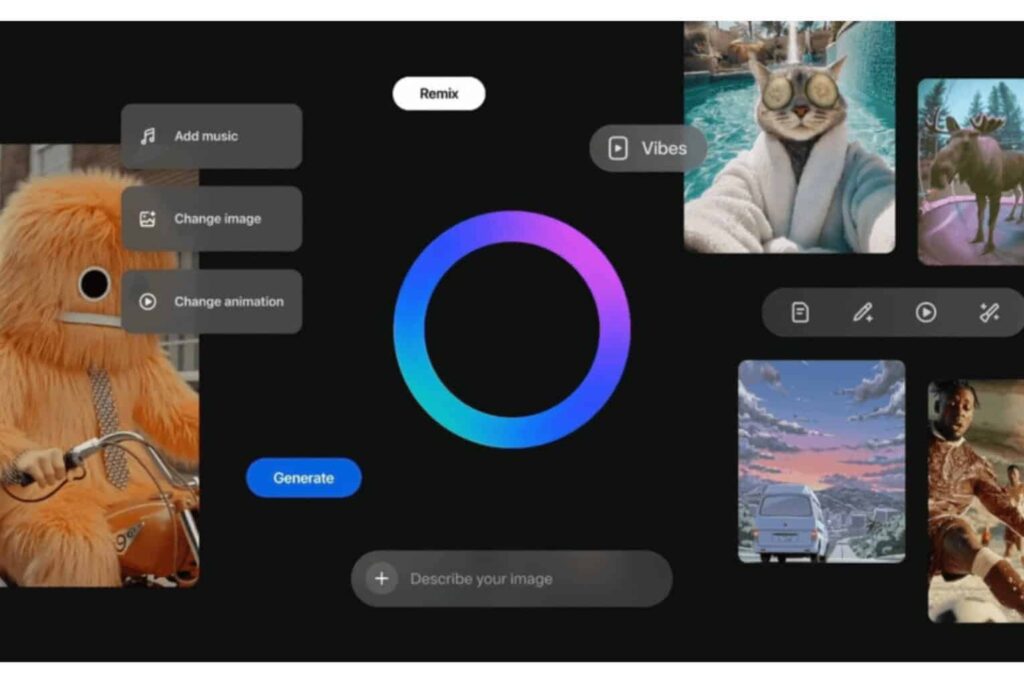
Meta Platforms, the parent company of Facebook and Instagram, has unveiled its latest innovation in social media and artificial intelligence: Vibes, an AI-powered video feed designed to redefine how users create, share, and interact with video content. Accessible via the Meta AI app and through meta.ai, Vibes allows users to generate, remix, and distribute short-form videos using advanced AI tools. This move underscores Meta’s strategy to integrate cutting-edge AI technology into its platforms and compete aggressively in the fast-growing short-form video market. (Gulf News)

What is Vibes and How it Works

Vibes operates as a dedicated feed within the Meta AI app, providing users with an extensive library of AI-generated video content. Users can create original videos from scratch using AI-powered tools, customize visuals, overlay music, and apply stylistic enhancements. In addition to original content, Vibes enables a remix feature, allowing users to transform existing videos by adding their unique creative elements. This encourages community-driven content creation and fosters a collaborative environment where creators can build upon each other’s work.

The platform also supports seamless cross-platform sharing, allowing videos made on Vibes to be posted directly to Instagram and Facebook Stories or Reels. This integration helps creators reach a wider audience while keeping them within Meta’s ecosystem. Early feedback suggests that Vibes offers an intuitive interface that caters to both casual users and professional content creators. (Times of India)

Features Driving User Engagement

Several features set Vibes apart from existing social media video feeds:

  1. AI Video Generation – Users can produce entirely new videos using AI, selecting from pre-set templates, themes, and effects.

  2. Remix Capabilities – Existing videos can be reimagined with different music, overlays, or visual effects, providing infinite creative possibilities.

  3. Personalized AI Feed – The more a user engages, the more tailored the feed becomes, presenting content that aligns with individual preferences and interests.

  4. Integrated Music and Effects – Meta has partnered with multiple music and sound providers to give users a diverse library for enhancing their videos.

  5. Collaboration with Creators – Vibes includes features that allow multiple users to contribute to a single video project, encouraging interactive and community-oriented content creation.

Strategic Importance for Meta

The launch of Vibes represents a strategic push by Meta to maintain its leadership in digital content creation and social media engagement. By focusing on AI-driven video creation, Meta is positioning itself to compete with platforms like TikTok, YouTube Shorts, and Snapchat Spotlight, which dominate the short-form video landscape.

Meta’s CEO highlighted that integrating AI into video feeds allows the company to:

  • Expand creative possibilities for users.

  • Increase time spent on Meta platforms through engaging AI-driven content.

  • Capture the growing trend of short-form, interactive videos that appeal to younger audiences globally.

By leveraging AI technology, Meta not only enhances user experience but also creates new monetization avenues for advertisers, brands, and creators through innovative ad placements and sponsored content options within the Vibes feed.

User Experience and Feedback

Early users of Vibes have praised its ease of use and the quality of AI-generated content. The ability to remix videos provides a creative outlet for individuals who may lack advanced editing skills, while seasoned creators appreciate the advanced AI tools that allow for highly customized video production.

The platform’s recommendation algorithms analyze user interactions and engagement metrics to curate a feed tailored to each individual, improving content discovery and increasing engagement rates. Such personalization is expected to drive longer session durations and more frequent interactions across Meta’s suite of platforms.

Technological Innovations Behind Vibes

Vibes leverages a combination of machine learning, computer vision, and generative AI to produce high-quality video content. Key technological components include:

  • Generative AI Models – Capable of creating video frames, transitions, and visual effects from textual or graphical inputs.

  • AI Audio Synchronization – Automatically syncs music and sound effects with visual elements for professional-grade videos.

  • Real-Time Editing Tools – Enables users to preview changes instantly and make iterative adjustments.

  • Content Moderation Algorithms – Ensures compliance with community guidelines, filters harmful content, and detects copyright violations.

These innovations ensure that even novice users can create visually compelling videos without requiring specialized skills or expensive software.

Competitive Landscape

Meta enters a highly competitive space dominated by TikTok, Snapchat, and YouTube Shorts. However, Vibes differentiates itself through:

  • Seamless Integration with Meta Ecosystem – Users can leverage their existing networks on Instagram and Facebook for broader reach.

  • Advanced AI Tools – Offering more sophisticated generative capabilities compared to existing short-form platforms.

  • Community Remix Features – Encouraging collaborative creation, which is less prevalent in competing platforms.

Industry analysts believe that Vibes could significantly increase Meta’s engagement metrics, particularly among Gen Z and Millennial audiences who prioritize creative expression and interactive media experiences.

Challenges and Considerations

While Vibes offers significant potential, challenges remain:

  • Content Moderation – Ensuring AI-generated videos adhere to ethical standards and community guidelines is critical.

  • Privacy Concerns – Collecting and analyzing user data to personalize feeds may raise regulatory scrutiny.

  • Market Saturation – Competing against well-established platforms requires continuous innovation and marketing investment.

  • AI Bias and Ethics – Maintaining fairness and avoiding unintended biases in AI-generated content is essential.

Meta has acknowledged these concerns and is implementing robust moderation systems and transparent AI usage policies to address them.

Future Outlook

Meta plans to continuously expand Vibes’ capabilities by:

  • Introducing more AI models for advanced visual effects and storytelling.

  • Partnering with global creators to bring diverse content to the platform.

  • Integrating commerce features allowing creators to monetize their videos directly.

  • Expanding Vibes internationally to leverage Meta’s vast user base across multiple regions.

Analysts predict that Vibes could become a central hub for AI-powered video content within Meta’s ecosystem, potentially attracting millions of daily active users and redefining the digital content landscape.

Conclusion

Meta’s launch of Vibes represents a pivotal moment in the evolution of social media and AI-driven content creation. By providing a robust platform for generating and remixing AI videos, Meta is not only responding to current market trends but also setting the stage for the future of digital creativity.

As AI technologies continue to advance and user expectations for engaging content rise, Vibes is poised to become a key player in the short-form video market, offering innovative opportunities for creators, advertisers, and audiences alike.

Cross-Border B2C E-Commerce Market to Hit USD 4,482.6B by 2029

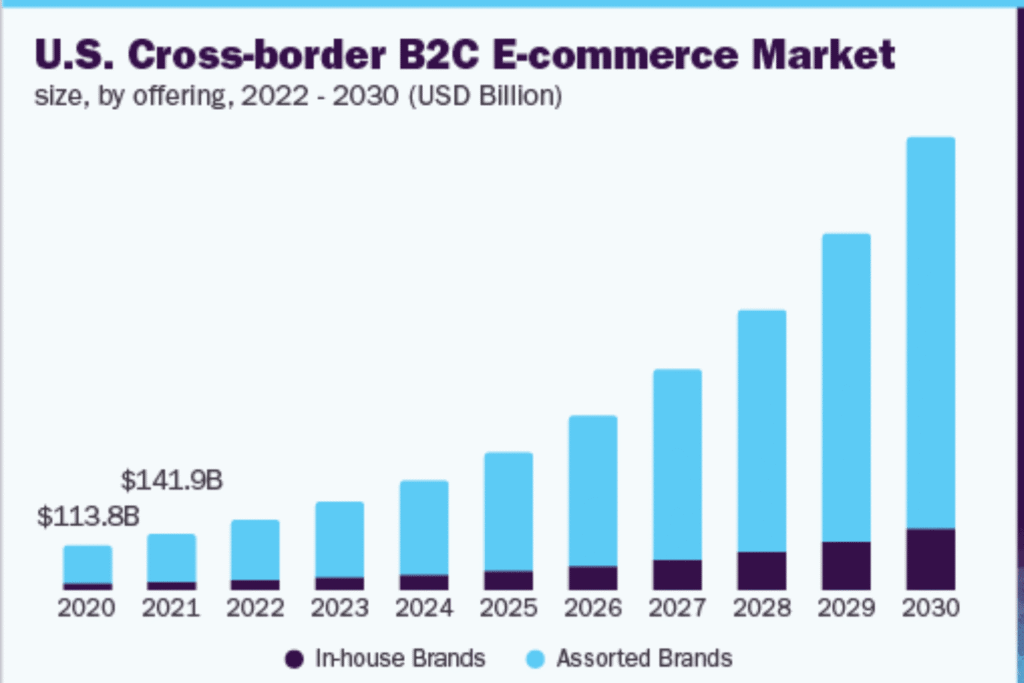
The global cross-border business-to-consumer (B2C) e-commerce market is undergoing a transformative phase, with projections indicating that it will reach USD 4,482.6 billion by 2029, growing at a robust compound annual growth rate (CAGR) of 25.1%. This unprecedented growth reflects the rising consumer preference for international online shopping, the increasing globalization of trade, and the rapid adoption of digital payment solutions. Businesses worldwide are now rethinking their strategies to capitalize on this expanding market, while consumers are benefiting from a wider selection of products, competitive pricing, and improved shopping experiences. (EIN Presswire)

Key Drivers Fueling Market Growth

Several critical factors are propelling the growth of cross-border B2C e-commerce globally:

  1. Rising Consumer Demand for Global Products
    Consumers are increasingly seeking products from international markets, driven by brand recognition, quality assurance, and unique product offerings not available locally. According to Grand View Research, the demand for overseas products is particularly high in categories like electronics, fashion, beauty, and health supplements.

  2. Advancements in Payment Solutions
    The proliferation of localized digital payment options has reduced friction in cross-border transactions. Secure payment gateways, multi-currency support, and buy-now-pay-later solutions have increased consumer confidence in purchasing internationally. Companies like PayPal, Mastercard, and Stripe are playing key roles in this digital transformation. (The Business Research Company)

  3. Improved Logistics and Supply Chains
    Efficient shipping networks, international fulfillment centers, and partnerships with global courier services have shortened delivery times. Companies are increasingly using advanced tracking systems and AI-driven inventory management to enhance cross-border logistics efficiency.

  4. Government Support and Trade Policies
    Many countries are introducing favorable trade policies and tax regulations to encourage cross-border e-commerce. Reduced tariffs, streamlined customs procedures, and government-backed e-commerce initiatives contribute to smoother international transactions.

  5. Digital Marketing and AI Personalization
    Businesses are leveraging AI and big data analytics to offer personalized shopping experiences, targeted promotions, and localized content. This level of customization not only improves customer engagement but also increases conversion rates and reduces cart abandonment.

Regional Insights

The cross-border B2C e-commerce market exhibits distinct trends across different regions:

  • Asia-Pacific: Dominates the global market due to high population, smartphone penetration, and strong export infrastructure. China remains the leading hub for cross-border e-commerce, both in terms of exports and consumer adoption. India, Japan, and Southeast Asian countries are rapidly growing markets.

  • Europe: Exhibits steady growth driven by intra-European trade and a high level of consumer trust in online transactions. Countries like Germany, the UK, and France are leading e-commerce exporters and importers.

  • North America: The United States and Canada maintain strong demand for international products, particularly from Asia and Europe. E-commerce giants and regional marketplaces facilitate easy cross-border shopping experiences.

  • Latin America and Africa: These emerging markets are witnessing gradual adoption of cross-border e-commerce, supported by improving internet penetration, mobile commerce, and digital payment infrastructures. Brazil, Mexico, South Africa, and Nigeria are emerging as key markets.

Understanding these regional dynamics is crucial for businesses seeking to expand internationally and optimize supply chain strategies.

Market Segmentation

Cross-border B2C e-commerce can be segmented based on product type, platform, and payment methods:

  1. By Product Type

    • Consumer Electronics: Smartphones, laptops, and accessories account for a significant share due to high demand for imported gadgets.

    • Fashion and Apparel: Clothing, footwear, and accessories drive market growth with trends like fast fashion and luxury items.

    • Health and Beauty: Supplements, skincare, and cosmetic products see high cross-border demand.

    • Home and Lifestyle: Furniture, décor, and kitchen appliances increasingly purchased internationally for better variety and pricing.

  2. By Platform

    • Online Marketplaces: Amazon, eBay, and Alibaba dominate as cross-border platforms offering multiple product categories.

    • Retailer Websites: Direct-to-consumer websites allow brands to maintain control over pricing, promotions, and customer experience.

    • Mobile Apps: The rise of mobile commerce is making cross-border purchases easier, especially in Asia-Pacific and Latin America.

  3. By Payment Method

    • Digital Wallets: PayPal, Apple Pay, and Alipay streamline cross-border payments.

    • Credit/Debit Cards: Remain the most popular method due to global acceptance.

    • Buy Now Pay Later (BNPL): Increasingly adopted in markets with younger consumers seeking flexible payment options.

Challenges Facing the Market

Despite promising growth, cross-border B2C e-commerce faces multiple challenges:

  1. Regulatory and Compliance Issues
    Varying customs regulations, import duties, and local taxation policies can complicate transactions. Businesses must invest in legal expertise and compliance strategies.

  2. Logistical Barriers
    International shipping delays, high costs, and inefficient return processes can affect consumer satisfaction. Companies are focusing on regional warehouses and partnerships to address these issues.

  3. Currency Fluctuations
    Exchange rate volatility can impact product pricing and profit margins. Companies often adopt hedging strategies or offer dynamic pricing to mitigate risk.

  4. Data Privacy and Security
    With increased international transactions, safeguarding personal and financial data becomes critical. Compliance with GDPR in Europe, CCPA in the U.S., and other regional regulations is mandatory.

  5. Cultural and Language Barriers
    Adapting websites, product descriptions, and customer service to local languages and cultural expectations is necessary for higher engagement and conversion rates.

Technological Innovations Shaping the Future

The growth of cross-border B2C e-commerce is being accelerated by several technological advancements:

  • Artificial Intelligence (AI): Personalized recommendations, demand forecasting, and fraud detection improve efficiency and customer satisfaction.

  • Blockchain: Enhances transparency in supply chains and ensures secure cross-border transactions.

  • Augmented Reality (AR) and Virtual Reality (VR): Allow consumers to virtually try products, increasing confidence in online purchases.

  • Automation and Robotics: Streamline warehousing, packaging, and delivery, reducing costs and turnaround times.

Such innovations not only facilitate seamless cross-border transactions but also allow companies to remain competitive in a rapidly evolving market.

Future Outlook and Investment Opportunities

The cross-border B2C e-commerce market is expected to maintain its rapid growth trajectory in the coming years. Key opportunities include:

  • Expansion in emerging markets like Latin America and Africa.

  • Leveraging AI and data analytics to provide hyper-personalized shopping experiences.

  • Developing sustainable logistics practices to meet consumer demand for eco-friendly solutions.

  • Offering flexible payment options to increase consumer reach and satisfaction.

Companies that can navigate regulatory complexities, adopt technological innovations, and understand regional market nuances are poised to capture significant market share. (The Business Research Company)

Conclusion

The cross-border B2C e-commerce market is on the brink of unprecedented expansion, with projections pointing to a USD 4,482.6 billion market by 2029 at a 25.1% CAGR. Factors such as rising consumer demand, advanced payment solutions, improved logistics, and technological innovations are driving this growth.

However, businesses must also navigate challenges including regulatory differences, logistics complexities, currency fluctuations, and data security concerns. Those that successfully implement scalable, customer-centric strategies and invest in innovative technologies will likely emerge as leaders in the global e-commerce ecosystem.

As the world becomes increasingly connected, cross-border B2C e-commerce represents not just an opportunity for revenue growth but also a pathway to international market expansion, improved consumer experience, and sustainable business practices.

Yapı Kredi & Mastercard Launch Digital Payments in Türkiye

Türkiye is entering a new phase in its financial technology journey as Yapı Kredi, one of the country’s leading banks, joins forces with Mastercard to roll out advanced digital payment solutions powered by the Masterpass infrastructure. This collaboration is designed to reshape the nation’s payment ecosystem, giving consumers and merchants more efficient, safer, and faster ways to complete transactions while contributing to Türkiye’s long-term vision of a cashless economy.

The initiative was officially announced in late September and reflects a growing trend in Türkiye where traditional banking institutions are increasingly partnering with global fintech leaders. According to TechAfrica News, the new system will focus heavily on QR code payments, contactless transactions, and simplified checkout experiences. This effort aims not only to modernize consumer habits but also to help small and medium-sized enterprises (SMEs) integrate cutting-edge payment technologies into their business models.

Digital Payments as a Cornerstone of Türkiye’s Economy

In recent years, Türkiye has become one of the most dynamic fintech markets in Europe and the Middle East. Consumers in the country have shown remarkable adaptability when it comes to adopting digital wallets, mobile banking apps, and contactless cards. A report by the Central Bank of the Republic of Türkiye highlights that card payments grew at double-digit rates annually throughout the last decade, making the nation one of the leaders in payment innovation.

The Yapı Kredi-Mastercard partnership directly responds to this environment by addressing consumer demand for safer and more convenient transactions. The partnership also aligns with Türkiye’s 2023 Digital Transformation Program, which emphasizes building a modern financial infrastructure that integrates global standards while supporting domestic innovation.

How Masterpass Integration Works

Through the Masterpass infrastructure, Yapı Kredi customers will gain access to a seamless checkout process across thousands of online and offline merchants. Masterpass serves as a digital wallet that securely stores card information and allows payments via one-click checkout, QR codes, or contactless technologies.

This system benefits merchants as well. Businesses no longer need to invest in complex systems to process digital transactions; instead, they can tap into Mastercard’s global ecosystem. This integration allows SMEs, which form a significant part of Türkiye’s economy, to reach wider audiences, reduce transaction costs, and operate with greater efficiency.

According to Mastercard, the adoption of Masterpass worldwide has already resulted in higher consumer satisfaction, reduced cart abandonment rates in e-commerce, and improved trust in digital payment systems. Türkiye’s inclusion in this network underscores its role as a regional hub for fintech adoption.

The Push Toward Financial Inclusion

One of the key goals of this initiative is to enhance financial inclusion in Türkiye. Despite the country’s rapid digital growth, millions of people remain underserved by traditional banking systems. Yapı Kredi and Mastercard aim to bridge this gap by offering user-friendly and secure digital solutions that can reach people in both urban and rural areas.

By promoting QR-based transactions, even those who do not have access to advanced smartphones or credit cards can participate in digital commerce. Such solutions play an essential role in ensuring that the benefits of financial technology are distributed more equally across society.

Industry experts note that financial inclusion is also a driver of economic growth. By integrating more individuals into the financial system, the country can boost consumer spending, encourage entrepreneurship, and improve overall economic resilience.

Türkiye as a Regional Fintech Pioneer

The collaboration between Yapı Kredi and Mastercard places Türkiye firmly on the map as a regional fintech leader. Other countries in the Middle East and North Africa are closely observing the success of digital payment rollouts in Türkiye, as the market is often seen as a testbed for innovative financial technologies.

With over 85 million people, a high rate of smartphone penetration, and a young population eager to embrace new technologies, Türkiye provides an ideal environment for global companies like Mastercard to launch large-scale digital initiatives.

A report from Statista forecasts that digital payments in Türkiye will continue to grow at an annual rate of over 15 percent, reaching billions of dollars in transaction volume by 2030. This projection highlights the strategic importance of initiatives like the Yapı Kredi-Mastercard partnership.

Challenges and Future Outlook

While the future looks promising, challenges remain. Cybersecurity risks, regulatory complexities, and consumer trust issues are potential hurdles for widespread adoption. However, both Yapı Kredi and Mastercard have emphasized their commitment to ensuring security standards that meet international benchmarks.

The introduction of an Innovation Lab, supported by Mastercard, is also expected to test and develop new digital solutions tailored for Türkiye’s unique market conditions. This lab will explore blockchain-based payment systems, AI-driven fraud detection, and sustainable fintech practices that align with global ESG standards.

Experts believe that the partnership will not only modernize payment methods but also pave the way for Türkiye to export its fintech expertise to neighboring regions. By becoming a hub for innovation, Türkiye could potentially influence digital transformation trends in both Europe and the Middle East.

Conclusion

The launch of the Yapı Kredi and Mastercard digital payment initiative represents more than just a banking upgrade. It is a step toward a fully integrated, cashless economy in Türkiye that emphasizes financial inclusion, technological innovation, and consumer convenience.

This collaboration showcases how traditional banks can align with global payment leaders to deliver cutting-edge solutions that respond to evolving consumer behaviors. It also demonstrates Türkiye’s ambition to position itself as a pioneer in the global fintech arena.

As digital payments continue to evolve, the partnership between Yapı Kredi and Mastercard may serve as a blueprint for other markets in the region, highlighting the importance of collaboration, innovation, and trust in building the future of finance.

Saudi Arabia Freezes Riyadh Rents for Five Years

Saudi Arabia has announced a five-year freeze on annual rent increases for residential and commercial properties in Riyadh, effective September 25, 2025. The decision, issued under directives from Crown Prince Mohammed bin Salman, aims to regulate landlord-tenant relations, curb soaring rents, and restore balance in the capital’s real estate market. (Gulf News) Gulf News

Background: Soaring Rents Prompt Regulatory Response

In recent years, Riyadh has experienced significant pressure in both housing and commercial lease markets. Rising demand, urban expansion, and inflation have led to steep increases in rent. Many tenants both residents and businesses faced rapidly escalating costs, prompting public concern and calls for regulatory intervention.

To address these issues, the Saudi leadership has stepped in. By issuing a directive to freeze rent increases, the government is taking a proactive approach to ensure affordability, protect renters, and avoid uncontrolled speculation in the housing and commercial leasing sectors. Gulf News

Key Provisions of the Rent Freeze

The legislative package accompanying the rent freeze includes several important measures designed to both stabilize and regulate the real estate rental market in Riyadh:

  1. Rent Increase Freeze
    Landlords are prohibited from raising rents—whether for existing leases or new ones—within Riyadh’s urban boundaries for the full five years. This applies to both residential and commercial properties. Gulf News

  2. Stabilization of Vacant Property Rents
    For vacant residential and commercial units, rent will be determined based on the most recent lease agreement. Newly built or newly unleased properties, however, will require mutual agreement between landlord and tenant. This aims to prevent landlords from arbitrarily imposing high rents on fresh leases.

  3. Mandatory Electronic Contract Registration (Ejar System)
    Lease contracts must be registered in the government’s “Ejar” system. After registration, there is a 60-day period during which objections can be raised. Once registered without dispute, contracts become legally valid. This measure increases transparency.

  4. Automatic Lease Renewal
    Unless either the landlord or the tenant provides notice at least 60 days before lease expiry, contracts renew automatically. Exceptions exist for cases such as structural defects, non-payment, or when landlords need the property for personal use.

  5. Dispute Resolution for Rent Valuation
    Landlords may contest valuations for properties that underwent major renovations or whose leases predate 2024. A dedicated authority committee will review such disputes and make rulings. Gulf News

  6. Penalties for Violations
    Financial penalties of up to 12 months’ rent can be imposed for breaches of the new rules. Corrective action and compensation may also be required. Informants who report violations may be entitled to up to 20% of collected fines.

  7. Oversight, Monitoring, and Reporting
    The Real Estate General Authority (REGA) is tasked with monitoring compliance, tracking rent levels, and producing regular market condition reports including price indices and other real estate indicators. The Crown Prince has instructed reporting mechanisms to ensure transparency and accountability.

Expected Impacts on Tenants, Landlords, and Investors

For Tenants

  • Stability and Predictability: Renters will benefit from predictable housing and rental expenses for the next five years. With no increases allowed, tenants can plan their long-term finances with less risk of sudden cost hikes.

  • Protection from Exploitation: New clauses like the stabilization of vacant unit rents and rent valuation review protect tenants from arbitrary increases or unfair valuations.

  • Improved Rights and Transparency: Mandatory contract registration and automatic renewals provide legal certainty for tenants, reducing the risk of disputes.

For Landlords and Property Owners

  • Reduced Revenue Growth: Landlords may see slower rent growth over the freeze period, especially for properties that otherwise would have been subject to market-driven increases.

  • Increased Regulatory Burden: Compliance with Ejar registration, renewal rules, and valuation dispute mechanisms will require more administrative work. Financial penalties for violations impose additional risk.

  • Possible Incentives for Renovation or Leasing: To maintain or improve revenue, landlords might invest in renovations or other property improvements that justify higher valuations, especially when contesting valuation disputes.

For Investors

  • Potential Lower Returns: Investors accustomed to inflation-adjusted rent increases may need to recalibrate expectations over the freeze period.

  • Long-Term Market Stability: The regulation aims to create a more stable rental market, which may attract more risk-averse investment and long-term projects.

  • Geographical Spread: If successful in Riyadh, similar regulatory actions might extend to other cities or regions, potentially shifting property market dynamics across Saudi Arabia.

Rationale Behind the Policy

The government’s intervention stems from a combination of factors:

  • Inflation and Cost of Living: Rising costs of goods, construction materials, and general inflation have driven up maintaining and operating properties, which in turn put upward pressure on rents.

  • Rapid Urbanization and Population Growth: Riyadh has been expanding rapidly, with new population influx from rural areas and increased migration, both domestically and internationally. This puts pressure on available housing and commercial space.

  • Concerns Over Housing Affordability: As rents rose steeply, many residents expressed concerns that housing was becoming less affordable, particularly in desirable urban areas.

  • Investment Environment and Social Stability: The government appears to be balancing investor rights with tenant welfare, aiming to maintain confidence in both real estate and residential well-being. By instituting strong oversight and transparency, authorities aim to foster trust in the regulatory framework.

Implementation and Oversight

To ensure the policy is effective, several implementation steps and oversight mechanisms have been put in place:

  • The Real Estate General Authority (REGA) will coordinate with other relevant government entities to enforce the rules, monitor rent data, and ensure transparency in how rents are set and enforced.

  • Market condition reports, including rental price indices, will be published regularly. These reports will help authorities assess whether the freeze remains suitable or needs to be modified.

  • Public awareness campaigns will be launched to inform landlords, tenants, and real estate stakeholders about the new rules, their rights, and obligations under the new regulations.

Potential Challenges and Risks

While the policy is designed to bring relief and stability, there are potential challenges:

  • Supply Constraints: If landlords deem rental income insufficient under the freeze, some may leave properties vacant rather than leasing at capped rates, which could reduce supply over time.

  • Maintenance and Quality Concerns: With limited rent increases, property owners may cut back on maintenance or upgrades, which could lead to deterioration in rental property quality.

  • Legal Disputes: Valuation disagreements, especially for renovated properties or older leases, may lead to increased legal or administrative conflict.

  • Market Distortions: Artificially capping rents can lead to grey-market dealings, under-the-table adjustments, or side agreements outside official lease contracts.

Broader Implications and Future Outlook

  • Model for Other Cities: Riyadh’s new regulatory framework could serve as a model for other Saudi cities facing similar rental affordability crises, such as Jeddah or Dammam. If successful, the policy may be extended or adapted in these areas.

  • Impact on Real Estate Investment: Investors may shift strategies, focusing on long-term leases, property upgrades, or alternative property uses to maintain profitability.

  • Strengthening Regulatory Institutions: Government bodies like REGA are likely to gain greater prominence and authority in overseeing real estate transactions; their effectiveness will be key to the policy’s credibility.

  • Tenant-Friendly Environment: Over time, such measures could lead to improved tenant rights, more equitable landlord-tenant relations, and a more balanced housing market.

Conclusion

Saudi Arabia’s decision to freeze rent increases in Riyadh for five years is a landmark regulatory move aimed at restoring fairness and controlling inflationary pressures in the real estate market. With strict measures like mandatory contract registration, automatic renewals, valuation dispute processes, and fines for non-compliance, the policy offers tenants greater protection and stability.

While landlords and investors will need to adapt, the initiative has the potential to transform the rental market, ensuring it remains accessible, transparent and sustainable. As enforcement begins and data emerges on its effects, the real testament to this policy will be whether it meaningfully eases the cost of living in Riyadh and promotes a healthier, more balanced real estate sector. Gulf News

Cloudflare Introduces NET Dollar Stablecoin

Cloudflare has revealed plans to issue a new U.S. dollar‑backed stablecoin called “NET Dollar,” anticipating that autonomous artificial intelligence agents will increasingly carry out online shopping and digital tasks on behalf of consumers. The move is part of Cloudflare’s broader strategy to reimagine internet commerce as it becomes more automated and agent‑driven. (Source: Investors.com)

In 2025, Cloudflare’s stock has risen sharply, reflecting investor confidence in its role in digital infrastructure, artificial intelligence, and cryptocurrency interoperation. The firm is aligning itself with trends including microtransactions, pay‑per‑use models, and agentic web protocols.

What is “agentic e‑commerce” and why does Cloudflare think it matters

The term “agentic e‑commerce” refers to e‑commerce systems where autonomous AI agents act on behalf of users. These agents may order groceries, schedule appointments, purchase services, or manage other tasks with minimal human intervention. Cloudflare expects that as AI agents become more capable, new models of payments and transactions will be needed.

Cloudflare’s view is that traditional ad revenue or static payment methods will become less central, while models based on small, frequent payments (microtransactions), fractional payments, and pay‑per‑use services will become more common. The company believes the internet’s financial infrastructure must evolve to support these shifts.

NET Dollar: Features, Purpose, and Strategy

“NET Dollar” will be a stablecoin pegged to the U.S. dollar, intended for secure and instant payments among software agents, developers, creators, and users. It is designed for global usage, enabling transactions that are typically too small for conventional payment rails to handle efficiently.

Cloudflare’s CEO Matthew Prince stated that the token will enable “instant global transactions for autonomous agents online,” further suggesting that microtransactions could replace some of the current reliance on advertisement or bank transfers in funding online content and services.

Underlying Initiatives: Protocols, Collaborations, and Standards

Cloudflare is participating in multiple efforts to establish protocols and standards that facilitate agentic commerce. One of these is the Agent Payments Protocol, which aims to secure AI agent‑driven commerce. Alongside that, Cloudflare is involved in x402, a protocol that enables machines (or agents) to transact more directly without human intermediaries.

Collaboration with companies in cryptocurrency and open standards is part of the strategy. These alliances are intended to build the infrastructure needed for widespread adoption of agentic payments, including cryptographically signed digital contracts to authorize and validate automated transactions.

Stock Performance and Market Sentiment

Cloudflare stock has gained about 93% over 2025 according to recent reporting, reflecting optimism that its infrastructure plays a central role in the evolving internet economy. On the day of the announcement, the stock closed at approximately $218.20. It has been rated highly in technical and accumulation/distribution analyses. (Source: Investors.com)

In analysis by Wall Street and market observers, strong ratings have been assigned based on Cloudflare’s innovations, its network security capabilities, and its capacity to support AI agents and edge computing. Investors are paying attention to how well Cloudflare can execute in building reliable AI‑driven payment rails.

Challenges and Considerations

Despite the optimism, there are challenges:

  • Regulatory scrutiny of stablecoins remains a concern, especially in jurisdictions where oversight of digital currencies is evolving.

  • Security and trust are critical; agentic commerce requires that AI agents transact safely, reliably, and without fraud.

  • Scalability and infrastructure performance must keep up AI agents, microtransactions, and global usage demand very low latency, high throughput, and robust global networks.

  • Consumer acceptance and developer adoption are necessary; new models of payments are only useful if widely used.

Cloudflare will need to address these issues as it rolls out NET Dollar and related technologies.

Implications for the Future of E‑Commerce and Digital Finance

If the vision holds, the structure of internet commerce could change significantly. Some expected outcomes:

  • More content creators, developers, and small businesses might rely less on advertising income and more on small transactions from users or agents.

  • Payments infrastructure may become more embedded in devices, services, and AI assistants rather than depending on human‑mediated interfaces.

  • The competition among companies to provide agent payments, secure AI protocols, and edge AI services will intensify. Major players in payments, cloud, and fintech are likely to respond or compete in this domain.

Cloudflare’s move could also accelerate stablecoin adoption, especially if regulatory frameworks become more supportive. It could also influence how e‑commerce platforms, marketplaces, or digital services design their user and AI agent interfaces.

Conclusion

Cloudflare’s announcement of NET Dollar signals a bold step into the future of commerce, one where AI agents act autonomously to perform transactions. With strong stock performance already behind it, collaborations on protocols and infrastructure underway, and a clear strategic direction, Cloudflare is positioning itself as a major player in the next generation of digital finance and e‑commerce.

However, success will depend on execution building secure, fast, and scalable systems; navigating regulatory landscapes; and achieving broad adoption among users, developers, and commerce platforms. If these pieces fall into place, agentic commerce and stablecoins could be much more central to how people transact online in the near future.

Dubai Rises to Global FinTech Top 4

Dubai has achieved a major milestone in the field of financial technologies. According to the latest Global Financial Centres Index (GFCI) released in 2025, the city has ranked among the world’s top four most influential FinTech hubs. This achievement highlights Dubai’s emergence not just as a regional power but as a key global center in digital finance.

The GFCI evaluates the world’s leading financial cities based on criteria such as economic stability, infrastructure, human capital, and innovation capacity. The index is considered one of the most trusted references globally by investors and policymakers alike.

In the FinTech-specific ranking, Dubai joined the ranks of global powerhouses such as Singapore, London, and New York. Furthermore, the city also improved its general financial center ranking, climbing to 11th place worldwide. This progress is attributed to Dubai’s sustained investments in technology and financial infrastructure over the past decade.

DIFC’s Role: More Than Just a Financial Ecosystem

The Dubai International Financial Centre (DIFC) stands out as the key institutional driver behind this success. DIFC hosts not only banks and investment firms but also companies operating in emerging fields such as FinTech, artificial intelligence, and data analytics. As of 2025, more than 1,500 tech-driven firms are operating within DIFC.

These companies have attracted over $4.2 billion in investments to date. DIFC provides a comprehensive ecosystem including legal infrastructure, tax benefits, access to investors, and international business connections. It also functions as a bridge between financial institutions and technology companies, fostering a collaborative and innovative business environment.

Programs like FinTech Hive, an accelerator based in DIFC, have positioned Dubai as a regional research and development hub for next-generation financial solutions.

Strategic Planning: The D33 Dubai Economic Agenda

Dubai’s FinTech success is no coincidence. It is part of a long-term economic plan known as the Dubai Economic Agenda D33, which aims to position the city among the world’s top four financial centers by 2033. Under this agenda, massive infrastructure projects have been launched alongside regulatory reforms designed to accommodate technology companies.

Projects within the D33 strategy include the expansion of digital financial services, the adoption of blockchain infrastructure, and the promotion of cashless payment systems. These initiatives aim not only to improve financial inclusion but also to diversify Dubai’s economy and create high-value jobs.

In addition, Dubai continues to attract foreign investment through digital nomad visas, streamlined business setup procedures, and alignment with global tax transparency standards.

International Location and Regional Strength

Dubai’s rise as a FinTech hub is also tied to its unique geopolitical position. Located at the crossroads of Europe, Asia, and Africa and supported by world-class aviation and maritime connectivity—the city is strategically positioned for regional and global operations.

Multinational corporations serving the Middle East, North Africa, and South Asia (MEASA) are increasingly choosing to develop their FinTech solutions from Dubai. This has allowed DIFC to evolve from a local financial zone into a regional innovation and financial powerhouse.

Talent Development and Educational Foundations

Sustainable growth in an advanced sector like FinTech requires a skilled and dynamic workforce. Dubai is proactively addressing this need by introducing sector-specific long-term visas, high-quality housing options, and flexible working environments to attract top global talent.

Moreover, partnerships between DIFC and local universities are helping to develop homegrown talent. Universities in Dubai now offer specialized programs in blockchain, digital payments, and data analytics, equipping students with the skills needed to thrive in the FinTech industry.

Key Findings from the GFCI Report

The GFCI does not only assess current performance but also analyzes the future potential of financial centers. In this regard, Dubai was ranked first globally in the category of “financial centers expected to gain the most influence in the future.” This distinction reflects the trust that global investors and decision-makers place in Dubai’s strategic trajectory.

The report also notes that Dubai is poised to lead in emerging areas such as green finance, digital asset management, and AI-driven financial services, in addition to its already strong FinTech presence.(https://gulfnews.com/business/markets/dubai-ranked-among-worlds-top-four-fintech-hubs-in-global-index-1.500283420)

Outlook and Future Expectations

Dubai’s rapid rise in the FinTech sector is redefining its place in the global economy. The city is no longer seen solely as a hub for tourism and trade, but as one of the new epicenters of digital transformation and innovation. DIFC’s leadership, combined with public policy support and private sector dynamism, suggests that Dubai’s FinTech ascent can be sustained.

In the coming years, Dubai is expected to continue its leadership in digital banking, crypto asset regulations, AI-powered financial analytics, and green FinTech solutions.

If strategic investments, regulatory agility, and talent development continue at this pace, Dubai will not only remain among the top four FinTech hubs but may well challenge for the very top spot.

UAE Pavilion Opens at Riyadh Digital Summit

The UAE inaugurated its national pavilion at the Global Digital Summit 2025 in Riyadh, Saudi Arabia, presenting the country’s advancements in digital transformation, artificial intelligence, and innovation. The event, organized by the Saudi Data and Artificial Intelligence Authority (SDAIA), brought together global policymakers, leading technology firms, and digital economy experts to exchange knowledge on the future of technology and its role in economic development.

A Platform to Showcase Digital Progress

The pavilion serves as a window into the UAE’s digital ecosystem. From fintech innovations and government e-services to cloud computing, blockchain adoption, and AI-powered solutions, the exhibition illustrates the country’s rapid digitalization across industries. Officials emphasized that this effort aligns with the UAE Centennial 2071 vision and the Dubai Digital Strategy 2030, which seek to build a competitive, knowledge-based economy driven by technological innovation.

Government representatives also highlighted the progress made in healthcare, logistics, energy, and education, sectors where digital tools are accelerating efficiency and expanding access. By sharing its achievements, the UAE aims to encourage knowledge transfer and inspire other economies across the Middle East.

Enhancing Regional Cooperation

The UAE’s participation strengthens cooperation with Saudi Arabia and the wider Gulf Cooperation Council. The summit itself has become an important regional hub for dialogue, innovation, and investment. By opening its pavilion, the UAE signaled its commitment to supporting integrated policies on digital infrastructure, data governance, and e-commerce development.

Reports from regional outlets such as Arab News note that Gulf states are collectively investing billions into smart cities, 5G networks, and AI ecosystems. Within this context, the UAE’s experience in building robust digital governance structures positions it as a leader and policy influencer in the region.

Spotlight on Artificial Intelligence and Emerging Technologies

Inside the pavilion, both startups and government-backed entities introduced projects in artificial intelligence, machine learning, autonomous vehicles, and cybersecurity. Several initiatives focused on sustainable technology, including smart energy grids and green mobility.

Delegates also presented AI-powered urban planning platforms designed to improve city services, reduce congestion, and lower carbon emissions. These projects reflect the UAE’s goal of balancing economic growth with environmental sustainability, a theme that resonates across international tech summits.

Building an Innovation Economy

The UAE’s participation in the summit is not limited to showcasing technology. It reflects a broader effort to transform the national economy through innovation. The country has invested in incubators, accelerators, and research hubs designed to support entrepreneurs and encourage cross-border collaboration.

By displaying successful case studies at the summit, the UAE highlighted its strategy of fostering public-private partnerships, which have already delivered results in areas such as mobile payments, cloud-based education, and telemedicine.

Boosting E-Commerce and Cross-Border Trade

One of the key themes of the pavilion is the integration of digital technologies into trade and retail. With the rise of e-commerce platforms across the Gulf, the UAE is positioning itself as a regional hub for cross-border trade. The emphasis is on creating seamless data flows, secure digital payments, and smart logistics systems that can handle the growth of online shopping in the region.

Research from Zawya suggests that the Middle East e-commerce sector is projected to reach record growth levels by 2030, driven by youth demographics and high smartphone penetration. The UAE, with its advanced infrastructure, is expected to play a leading role in this development.

Strengthening International Partnerships

Beyond regional cooperation, the UAE pavilion also attracted delegations from Asia, Europe, and North America. Bilateral meetings were held to explore investment opportunities, joint ventures, and research collaborations. Topics ranged from digital banking and cybersecurity frameworks to global standards on artificial intelligence.

UAE officials stressed the importance of building international trust through transparent data policies, reliable digital infrastructure, and cooperation on cybersecurity. The pavilion was described as a space not just for showcasing technology, but for building long-term global partnerships.

A Focus on Human Capital

Technology is only part of the story. The UAE delegation also placed strong emphasis on skills development. Programs in coding, digital literacy, and AI training are being expanded to prepare the workforce for future jobs. Officials underlined the importance of equipping young people with the skills needed to thrive in a rapidly changing digital economy.

This aligns with the government’s investments in educational reform, particularly in integrating science, technology, engineering, and mathematics into national curricula. Training initiatives are also being linked to the private sector to ensure alignment with labor market demands.

The Role of Sustainability

The Global Digital Summit featured sustainability as one of its central themes, and the UAE used its pavilion to demonstrate how digital tools can support climate action. Case studies included renewable energy monitoring systems, AI-powered water management platforms, and projects for reducing carbon emissions in transportation.

The country’s representatives reiterated that technological innovation must align with the UN Sustainable Development Goals and with the UAE’s own net-zero commitments for 2050.

Looking Ahead

The UAE’s presence at the Global Digital Summit in Riyadh demonstrates its ambition to play a central role in shaping the digital future of the Middle East. By opening a national pavilion, the country has positioned itself as a key regional player in areas such as artificial intelligence, e-commerce, smart governance, and sustainable technology.

Looking forward, experts expect that collaborations initiated at the summit will lead to new cross-border projects, joint research, and investment flows. As Gulf economies continue to diversify away from oil dependence, digital innovation is expected to become the backbone of future growth.

Conclusion

The inauguration of the UAE pavilion at the Global Digital Summit is both symbolic and practical. It reflects national pride in technological achievements while also serving as a platform for building regional and global partnerships. The exhibition of advanced projects in AI, fintech, sustainability, and e-commerce underlines the UAE’s determination to remain at the forefront of digital transformation in the Middle East.

By leveraging this momentum, the country is not only showcasing its progress but also shaping the trajectory of regional and international digital economies.

Jumia Launches E-Bike Deliveries in Kampala

Jumia Technologies AG has announced a strategic partnership with Spiro to introduce electric bicycles for its delivery operations in Kampala, Uganda. The piloting of e-bikes is intended to reduce emissions, lower operational costs, and modernize last-mile logistics in the city. GuruFocus

Background: Jumia’s Position and Challenges

Jumia is a pan-African e-commerce platform operating a marketplace, logistics services, and payments infrastructure. While its primary revenue comes from West Africa, the company continues to explore innovations across its markets. GuruFocus

However, Jumia faces significant financial headwinds. Its margins remain negative, and risk metrics such as a distressed Altman Z-score highlight the precariousness of its balance sheet. GuruFocus

Against this backdrop, introducing electric bikes signals both an environmental commitment and a bid to optimize costs and operations in its logistics network.

Why Electric Bikes? The Logic and Benefits

The move to electric bikes aligns with several trends and needs in the urban delivery space:

  • Cost efficiency: Electric bikes tend to have lower maintenance and energy costs compared to combustion-engine vehicles. Over time, this could reduce Jumia’s operating expenses in dense urban zones.

  • Emission reduction: Cities across Africa are grappling with pollution and carbon emissions. Electric delivery modes can support sustainability goals.

  • Traffic and accessibility: In congested or narrow city neighborhoods, bikes can maneuver more easily and avoid delays tied to vehicle traffic.

  • Brand image and regulation: Consumers and regulators increasingly favor green logistics. Early adoption of eco-friendly delivery methods can strengthen Jumia’s public image and prepare it for stricter emissions policies.

Globally, logistics firms are already using electric or cargo bikes for “last-mile” delivery in cities. For example, in Europe and North America, parcel carriers and food delivery platforms often rely on e-bikes in urban zones to combine speed, cost-effectiveness, and environmental benefits.

The Pilot in Kampala: Expectations and Challenges

The pilot in Kampala will deploy a certain number of e-bikes for daily deliveries across the city. Jumia aims to gauge how well these bikes perform under real conditions, evaluate cost savings, and assess integration with its existing fleet. GuruFocus

Nonetheless, several challenges lie ahead:

  • Battery life and range: Electric bikes must reliably cover routes without frequent recharging interruptions.

  • Infrastructure: Charging stations, secure parking, and maintenance facilities must be available or developed.

  • Weather, terrain, and load: Roads, inclines, heavy cargo, and local weather affect performance.

  • Operational integration: E-bikes must be seamlessly scheduled and routed alongside existing motorbike or van fleets.

  • Safety and theft: Bikes may be vulnerable to theft or damage; secure practices must be put in place.

How Jumia addresses these will influence whether the pilot becomes a permanent fixture.

Strategic Implications for Jumia and Beyond

If successful, the electric bike initiative can influence Jumia’s broader logistics strategy:

  1. Scalability across markets
    Kampala could serve as a template for other African cities where similar conditions apply dense traffic, narrow streets, and growing emissions pressure.

  2. Cost-structure reshaping
    Savings in fuel, maintenance, and possibly lower insurance and taxes (in green schemes) could help the company to mitigate its heavy losses in delivery operations.

  3. Competitive differentiation
    Eco-conscious consumers may prefer platforms that actively reduce carbon footprints. Jumia could market green delivery as a selling point.

  4. Partnerships and local ecosystems
    Collaborations with local mobility firms, power/charging providers, or municipal governments could accelerate adoption and infrastructure development.

  5. Regulatory preparedness
    As African cities tighten environmental regulations, having an electric delivery fleet positions Jumia ahead of potential restrictions on fossil-fueled vehicles.

Context: E-Mobility in African Logistics

The Jumia initiative is part of a broader trend toward sustainable mobility in urban Africa. Some recent examples:

  • In Nairobi, Kenya, several startups are rolling out electric motorcycles and bikes for delivery services.

  • In South Africa, logistics firms and ride-hailing platforms are exploring electric vehicle fleets, supported by government incentives and investments in charging infrastructure.

  • The African Development Bank has funded projects aimed at increasing clean transport infrastructure across the continent.

These efforts are driven by increasing urbanization, pollution challenges, and the declining cost of electric vehicle technologies and batteries.

Risks and Caveats

While promising, the pilot is not without risk:

  • If e-bikes underperform or face high maintenance, costs might outweigh benefits.

  • Infrastructure limitations (e.g. unreliable electricity supply) could hinder charging and uptime.

  • Adoption of only a small e-bike fleet may limit impact and learning for broader scaling.

  • The financial pressures on Jumia may lead to underinvestment or misallocation, reducing the pilot’s chances of success.

Given Jumia’s existing financial volatility, the success of this venture will depend heavily on execution and local conditions.

Outlook and Next Steps

Over the next months, Jumia will likely monitor key performance indicators: cost per delivery, reliability, battery degradation, route efficiency, and customer satisfaction. If metrics align favorably, the firm might roll out the e-bike model more broadly in Uganda and replicate in similar markets.

Moreover, Jumia might invest further in charging infrastructure, predictive maintenance, and route optimization tools informed by data. Partnering with local governments or energy firms could accelerate the deployment of green logistics assets.

From a market perspective, investors and analysts will watch closely whether this move contributes meaningfully to margin improvement or revenue growth in Jumia’s logistics segment.

Conclusion

Jumia’s introduction of electric delivery bikes in Kampala is a forward-looking step aimed at combining sustainability with operational efficiency. While the company grapples with financial and operational challenges, success in this pilot could become a strategic differentiator and template for other African cities. As urban logistics becomes ever more central to e-commerce, e-mobility may evolve from experimental to essential in defining resilient, competitive, and clean delivery networks.