
Dubai Rises to Global FinTech Top 4
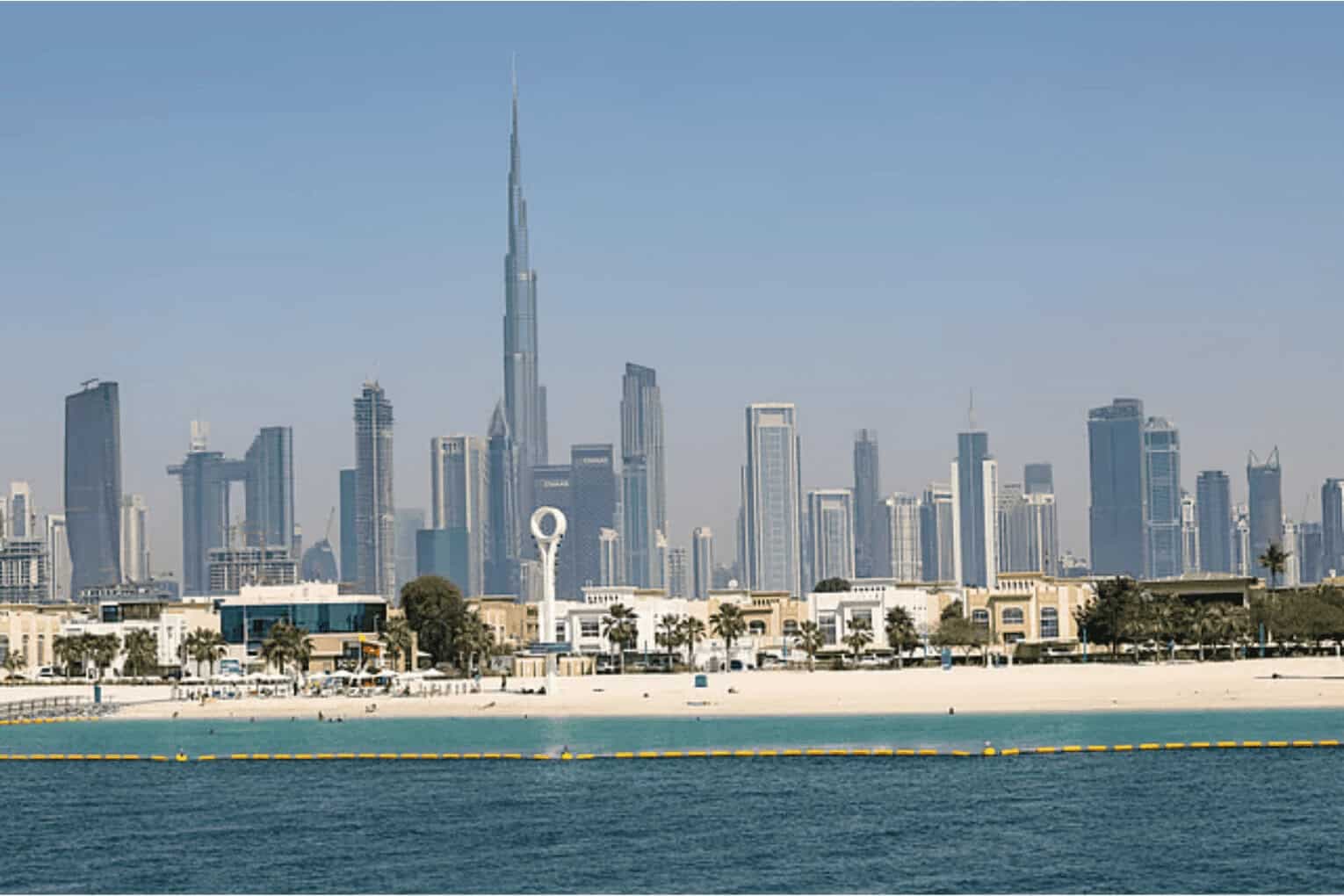
Dubai has achieved a major milestone in the field of financial technologies. According to the latest Global Financial Centres Index (GFCI) released in 2025, the city has ranked among the world’s top four most influential FinTech hubs. This achievement highlights Dubai’s emergence not just as a regional power but as a key global center in digital finance.
The GFCI evaluates the world’s leading financial cities based on criteria such as economic stability, infrastructure, human capital, and innovation capacity. The index is considered one of the most trusted references globally by investors and policymakers alike.
In the FinTech-specific ranking, Dubai joined the ranks of global powerhouses such as Singapore, London, and New York. Furthermore, the city also improved its general financial center ranking, climbing to 11th place worldwide. This progress is attributed to Dubai’s sustained investments in technology and financial infrastructure over the past decade.
DIFC’s Role: More Than Just a Financial Ecosystem
The Dubai International Financial Centre (DIFC) stands out as the key institutional driver behind this success. DIFC hosts not only banks and investment firms but also companies operating in emerging fields such as FinTech, artificial intelligence, and data analytics. As of 2025, more than 1,500 tech-driven firms are operating within DIFC.
These companies have attracted over $4.2 billion in investments to date. DIFC provides a comprehensive ecosystem including legal infrastructure, tax benefits, access to investors, and international business connections. It also functions as a bridge between financial institutions and technology companies, fostering a collaborative and innovative business environment.
Programs like FinTech Hive, an accelerator based in DIFC, have positioned Dubai as a regional research and development hub for next-generation financial solutions.
Strategic Planning: The D33 Dubai Economic Agenda
Dubai’s FinTech success is no coincidence. It is part of a long-term economic plan known as the Dubai Economic Agenda D33, which aims to position the city among the world’s top four financial centers by 2033. Under this agenda, massive infrastructure projects have been launched alongside regulatory reforms designed to accommodate technology companies.
Projects within the D33 strategy include the expansion of digital financial services, the adoption of blockchain infrastructure, and the promotion of cashless payment systems. These initiatives aim not only to improve financial inclusion but also to diversify Dubai’s economy and create high-value jobs.
In addition, Dubai continues to attract foreign investment through digital nomad visas, streamlined business setup procedures, and alignment with global tax transparency standards.
International Location and Regional Strength
Dubai’s rise as a FinTech hub is also tied to its unique geopolitical position. Located at the crossroads of Europe, Asia, and Africa and supported by world-class aviation and maritime connectivity, the city is strategically positioned for regional and global operations.
Multinational corporations serving the Middle East, North Africa, and South Asia (MEASA) are increasingly choosing to develop their FinTech solutions from Dubai. This has allowed DIFC to evolve from a local financial zone into a regional innovation and financial powerhouse.
Talent Development and Educational Foundations
Sustainable growth in an advanced sector like FinTech requires a skilled and dynamic workforce. Dubai is proactively addressing this need by introducing sector-specific long-term visas, high-quality housing options, and flexible working environments to attract top global talent.
Moreover, partnerships between DIFC and local universities are helping to develop homegrown talent. Universities in Dubai now offer specialized programs in blockchain, digital payments, and data analytics, equipping students with the skills needed to thrive in the FinTech industry.
Key Findings from the GFCI Report
The GFCI does not only assess current performance but also analyzes the future potential of financial centers. In this regard, Dubai was ranked first globally in the category of “financial centers expected to gain the most influence in the future.” This distinction reflects the trust that global investors and decision-makers place in Dubai’s strategic trajectory.
The report also notes that Dubai is poised to lead in emerging areas such as green finance, digital asset management, and AI-driven financial services, in addition to its already strong FinTech presence.(https://gulfnews.com/business/markets/dubai-ranked-among-worlds-top-four-fintech-hubs-in-global-index-1.500283420)
Outlook and Future Expectations
Dubai’s rapid rise in the FinTech sector is redefining its place in the global economy. The city is no longer seen solely as a hub for tourism and trade, but as one of the new epicenters of digital transformation and innovation. DIFC’s leadership, combined with public policy support and private sector dynamism, suggests that Dubai’s FinTech ascent can be sustained.
In the coming years, Dubai is expected to continue its leadership in digital banking, crypto asset regulations, AI-powered financial analytics, and green FinTech solutions.
If strategic investments, regulatory agility, and talent development continue at this pace, Dubai will not only remain among the top four FinTech hubs but may well challenge for the very top spot.
Read more on
About the author
WORLDEF Editors
908 stories on WORLDEF since January 2025.
More from WORLDEF Editors →Related
Russian E-Commerce Market Faces Loss of 400 Million Orders and 400 Billion Rubles in Revenue

YouTube and Amazon Form Major E-Commerce Partnership: Videos Turn Into Shopping Channels

IGEXX 2026 to Bring Global E-Commerce Leaders to Istanbul
Dubai Economic Zones Reach 96% Occupancy as Company Numbers and AI Activity Surge
The week in commerce, before your competitors.
1,441 stories since January 2025, distilled into three newsletters. Pick the ones you want.