WORLDEF Prime Antalya 2026 - Upcoming Event

Register Now

Innovation Clusters 2025: Mapping Global and Regional Leaders

Innovation Clusters 2025: Mapping Global and Regional Leaders

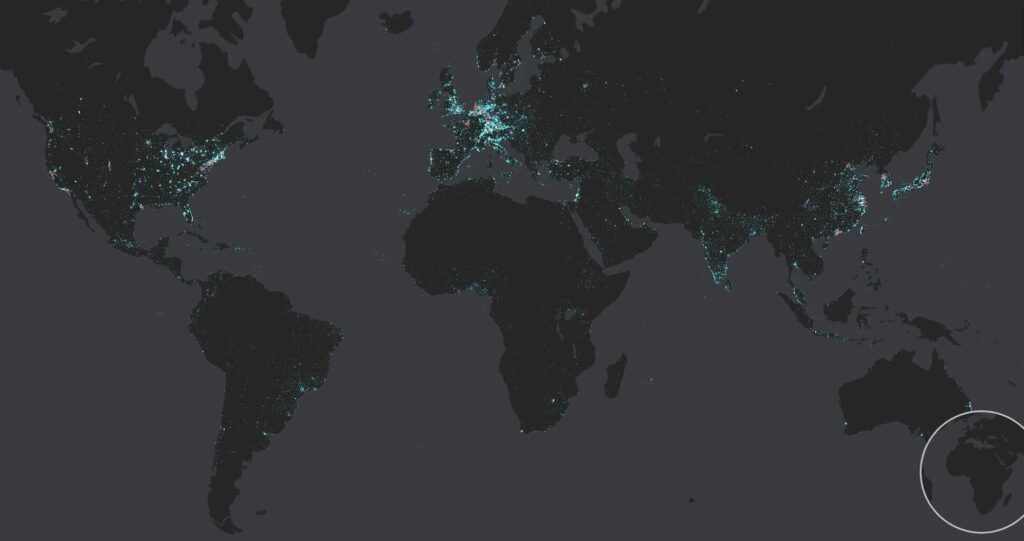
The Global Innovation Index (GII) 2025 reaffirms that innovation is increasingly concentrated in metropolitan clusters that bridge research, entrepreneurship, and investment. The world’s top 100 clusters now account for nearly 70% of global patent filings and venture capital activity, underlining their role as engines of economic transformation. Innovation Clusters 2025

Global Top Five: Asia and Silicon Valley Lead

The world’s most dynamic hubs remain firmly in East Asia and North America. Thanks to its strength in venture capital, Shenzhen-Hong Kong-Guangzhou takes the top spot, edging out Tokyo-Yokohama. San Jose-San Francisco holds third place, with Beijing and Seoul completing the global top five. Together, these clusters generate almost one in every five international patent applications. Other global climbers include New York City (7th), London (8th), and Los Angeles (10th), reflecting how the inclusion of VC data reshaped the rankings in favour of highly financialised ecosystems.

Rank Global City / Cluster Notes
1 Shenzhen–Hong Kong–Guangzhou (China / Hong Kong) Cross-border giant, now the world’s top cluster; strong in patents and VC.
2 Tokyo–Yokohama (Japan) Japan’s largest innovation hub, leading in patent filings and scientific output.
3 San Jose–San Francisco (United States) Silicon Valley powerhouse, unrivaled in venture capital deal activity.
4 Beijing (China) Research and tech hub driven by Tsinghua University and major tech firms.
5 Seoul (Republic of Korea) Anchored by Samsung and Seoul National University; strong corporate R&D and publications.

Türkiye and MENA in the Rankings

Tel Aviv–Jerusalem (19th) continues to lead in the Middle East and North Africa, underscoring Israel’s strong research-commercialisation pipeline. The Cairo cluster (83rd) represents Africa’s only top-100 hub, marking Egypt’s growing R&D and startup base. For Türkiye, Istanbul ranks 58th, led by Arçelik and Istanbul Technical University as top applicants and research anchors. This positions Istanbul as the only Turkish cluster in the global top 100, but one with significant symbolic weight for linking European and Middle Eastern innovation corridors. Innovation Clusters 2025

Iran’s Tehran (63rd) also consolidates its place. At the same time, Saudi Arabia’s Riyadh narrowly missed the top 100, ranked 101st, a sign of momentum in the GCC as the Kingdom invests heavily in R&D and venture ecosystems.

Rank in MENA City / Cluster Global Rank
1 Tel Aviv–Jerusalem (Israel) 19th globally
2 Istanbul (Türkiye) 58th globally
3 Tehran (Iran) 63rd globally
4 Cairo (Egypt) 83rd globally
5 Riyadh (Saudi Arabia) 101st (just outside the Top 100)

GCC and UAE: Rising Prospects

While the UAE does not yet host a cluster in the top 100, the report signals potential shifts. The Gulf’s concentration of capital, coupled with global ambitions in AI, renewable energy, and fintech, suggests that Emirates hubs like Dubai and Abu Dhabi are on the cusp of joining the list. Riyadh’s near-entry reinforces this narrative: GCC cities are moving from trade and finance to science-and-technology production. The lesson for policymakers and business leaders is clear; regional collaboration across the GCC could catalyse the emergence of a world-class innovation cluster, with Dubai and Abu Dhabi poised to benefit most from their global connectivity. Innovation Clusters 2025

A Story of Emerging Economies

Beyond the established giants, including Mexico City, Oslo, and Dublin, highlights how smaller economies are carving out niches in the global innovation map. In Asia, Indian clusters (Bengaluru, Delhi, Mumbai) recorded steep upward moves due to strong venture funding, signalling the power of entrepreneurial ecosystems in rebalancing innovation geography.

Beyond the Top 100: Emerging Middle-Income Hubs

A notable subplot in the 2025 cluster landscape is the rise of middle-income economy hubs outside the global Top 100. Four cities illustrate this momentum: Bangkok (Thailand), Ankara (Türkiye), Rio de Janeiro (Brazil), and Buenos Aires (Argentina). Each appears in the extended ranking and signals broader diversification of innovation geography beyond the traditional North America-Europe-East Asia triad. In parallel, Riyadh (Saudi Arabia) sits at 101st- effectively “next in line”with Dammam also featured in the extended table, underscoring the GCC’s accelerating push to convert capital depth into science–tech output and venture formation. Innovation Clusters 2025

These findings emphasise a dual challenge and opportunity for the MENA digital trade ecosystem. Türkiye, Israel, and Egypt provide proof of concept that the region can sustain globally visible clusters. The GCC, particularly the UAE and Saudi Arabia, is the next frontier. With venture capital inflows rising and AI research intensifying, Dubai could soon claim its place alongside Istanbul and Tel Aviv on the world’s innovation map. Innovation Clusters 2025 Innovation Clusters 2025 Innovation Clusters 2025 Innovation Clusters 2025


 

Valu Launches Egypt’s First Licensed BNPL with Noon

Valu, one of the leading fintech companies in the MENA region, has partnered with Noon to launch Egypt’s first licensed Buy-Now, Pay-Later (BNPL) experience. This initiative is made possible through a newly issued FinTech license by the Egyptian Financial Regulatory Authority (FRA), marking a significant milestone in Egypt’s rapidly evolving digital finance ecosystem. The partnership enables consumers to access flexible payment options while shopping online, empowering local e-commerce and enhancing financial inclusion.

Digital Onboarding for Seamless User Experience

The new BNPL solution provides a completely digital onboarding process for Noon shoppers in Egypt. Customers can sign up for Valu’s BNPL services directly within the Noon platform without the need to download a separate app. Using electronic Know Your Customer (eKYC) verification and e-signature technology, users can register with just their national ID. Once approved, they can immediately start making purchases with flexible installment plans, offering a fast and convenient way to manage payments without leaving the platform.

This fully digital process reflects the growing trend of embedded finance, where financial services are integrated seamlessly into everyday consumer experiences. It also addresses the common challenges faced by traditional credit systems, providing more accessible and inclusive financial options for Egyptian consumers.

Strengthening E-Commerce with Flexible Payments

Valu and Noon’s collaboration introduces a range of payment flexibility for online shoppers. Users can choose from multiple installment plans tailored to their budget and purchase amount. The BNPL option is available across various product categories, from electronics and home appliances to fashion and lifestyle items. By offering these flexible options, the partnership encourages higher consumer spending, reduces cart abandonment rates, and strengthens overall engagement on the Noon platform.

Furthermore, the BNPL solution is designed to be user-friendly. The integration allows users to view their available credit limit, manage repayment schedules, and track purchases directly within the Noon app, ensuring a seamless experience from browsing to checkout. This convenience is expected to significantly increase adoption rates among digitally savvy Egyptian consumers.

Valu’s Innovative Financial Solutions

Valu has been at the forefront of introducing innovative financial products in the region. Beyond BNPL, Valu offers personalized financing plans, instant cash-back programs, and credit solutions for high-value products. In Egypt, the platform is available at over 8,500 physical stores and online merchants, providing users with both in-store and digital payment flexibility.

The company’s solutions are designed to cater to a diverse range of financial needs, from everyday purchases to large-ticket items, allowing users to access funds responsibly while maintaining financial control. By combining advanced digital onboarding with flexible financing, Valu is transforming the way Egyptians interact with credit and e-commerce.

Impact on Financial Inclusion in Egypt

This launch represents a major step toward improving financial inclusion in Egypt. According to recent studies, a significant portion of the Egyptian population remains underserved by traditional banking systems, lacking access to credit or modern payment solutions. Valu’s BNPL service addresses this gap by providing transparent, accessible, and affordable credit options directly within the online shopping experience.

By integrating BNPL into a popular platform like Noon, Valu ensures that consumers can participate in the digital economy without encountering typical financial barriers. This contributes to greater economic participation, especially among younger generations and first-time credit users.

Industry Perspectives and Executive Insights

Omar Abdelhady, Valu’s Head of Product and Growth, emphasized the significance of this launch for Egypt’s digital finance landscape:

“This launch represents a significant advancement for integrated finance in Egypt. For the first time, users can digitally register, obtain spending limits, and start using Valu without leaving their shopping journey.”

Mostafa Salem, General Manager of Noon Egypt, highlighted the enhanced consumer experience brought by this collaboration:

“We believe shopping should be fast, simple, and rewarding. With Valu, we introduced a fully digital onboarding process in Egypt, allowing customers to access instant, flexible payments directly within the Noon platform.”

Their statements reflect the strategic importance of integrating innovative fintech solutions into everyday commerce and demonstrate the value of collaborative efforts between e-commerce platforms and financial service providers.

Growth Potential and Market Implications

The introduction of licensed BNPL services in Egypt is expected to accelerate e-commerce growth by enabling higher transaction volumes and encouraging repeat purchases. Consumers benefit from manageable payment plans, while merchants gain from increased sales, reduced payment friction, and enhanced customer loyalty.

This model also aligns with global trends in consumer finance. Markets in Europe, North America, and other parts of the MENA region have seen rapid adoption of BNPL services, with platforms integrating these offerings to increase engagement and revenue. Egypt’s emerging digital economy now has the opportunity to follow this trajectory, potentially transforming retail finance and consumer behavior in the country.

Challenges and Considerations

While BNPL services offer many advantages, they also present certain challenges that need careful management:

  1. Responsible Lending: Ensuring consumers do not overextend themselves financially is critical. Valu provides transparent repayment plans and clear terms to support responsible borrowing.

  2. Regulatory Compliance: Operating under the newly issued FinTech license requires adherence to FRA regulations, ensuring secure transactions and protection of consumer data.

  3. Market Education: As BNPL is relatively new in Egypt, consumer education is essential. Users must understand installment terms, repayment obligations, and benefits to maximize adoption safely.

  4. Competition: Other fintech and e-commerce players are likely to enter the BNPL space, making differentiation and superior user experience key to sustained success.

Looking Ahead: Future of BNPL in Egypt

Valu’s partnership with Noon sets a precedent for future fintech innovations in Egypt. Plans for expansion may include:

  • Extending BNPL services to additional online and offline retailers

  • Introducing advanced analytics for personalized credit limits and spending recommendations

  • Expanding payment flexibility options, including longer installment durations and dynamic offers

  • Enhancing mobile-first experiences to cater to a digitally engaged population

By continuing to innovate and adapt to consumer needs, Valu is positioning itself as a key player in Egypt’s fintech landscape, supporting economic growth while promoting financial inclusion.

Conclusion

Valu’s launch of Egypt’s first licensed BNPL experience with Noon represents a transformative development in the country’s digital finance ecosystem. The initiative demonstrates the potential of fintech to enhance consumer convenience, support local e-commerce, and promote financial inclusion. By providing flexible, accessible, and fully digital payment solutions, Valu and Noon are setting new standards for online shopping and financial services in Egypt.

This collaboration exemplifies how strategic partnerships between fintech companies and e-commerce platforms can drive growth, improve customer experiences, and contribute to broader economic development in emerging markets (Zawya).

Amazon Expands in South Africa with Pop-Up Shops

Amazon has intensified its presence in South Africa by launching temporary pop-up stores in Johannesburg and Cape Town, marking a significant step in its efforts to support local businesses and celebrate Heritage Month. The initiative, called “Shop Mzansi,” is designed to highlight South African-made products and provide small and medium-sized enterprises (SMEs) with a platform to reach a broader audience.

Locations and Event Schedule

The pop-up shops will operate in two key locations:

  • Johannesburg – Mall of Africa: September 18–21

  • Cape Town – Tyger Valley Centre: September 24–28

At each location, ten selected Shop Mzansi sellers will showcase a variety of products across multiple categories, including home goods, kitchen appliances, toys, fashion accessories, beauty products, and outdoor equipment. These pop-up shops are designed to give consumers an immersive shopping experience while providing local entrepreneurs with a physical platform to engage directly with customers (BusinessTech).

Features of the Pop-Up Shops

The temporary stores will go beyond traditional retail setups. Visitors can expect:

  • Product demonstrations by local sellers, providing insight into the craftsmanship and quality of the goods

  • Storytelling sessions, where sellers share the origin stories of their products and the inspiration behind their businesses

  • Interactive experiences, including app download incentives and exclusive offers for first-time Amazon.co.za customers

These features aim to create a strong connection between consumers and local entrepreneurs while promoting the concept of buying locally made products.

Shop Mzansi: A Platform for Local Entrepreneurs

Launched shortly after the introduction of Amazon.co.za in 2024, Shop Mzansi is an online storefront dedicated to South African sellers. The platform currently features thousands of products from more than 160 local brands. By providing exposure to a larger customer base, Shop Mzansi helps SMEs grow their businesses digitally, bridging the gap between local artisans and consumers across the country.

Shop Mzansi includes diverse categories such as:

  • Home and kitchen appliances

  • Outdoor and braai equipment

  • Toys and baby products

  • Luggage and travel accessories

  • Beauty and personal care items

By curating high-quality South African products, Amazon ensures that customers have access to authentic, locally produced goods, supporting the growth of small businesses and encouraging domestic entrepreneurship (BusinessTech).

Amazon’s Commitment to South Africa

Robert Koen, Managing Director for Amazon Sub-Saharan Africa, highlighted the importance of Heritage Month as an opportunity to celebrate South Africa’s entrepreneurial spirit:

“Heritage Month provides the perfect opportunity to celebrate the incredible creativity, craftsmanship, and entrepreneurial spirit of South African entrepreneurs.”

Through initiatives like Shop Mzansi and the pop-up stores, Amazon seeks to empower local sellers, create new business opportunities, and contribute positively to the country’s economy.

Enhancing the Online and Offline Ecosystem

Amazon’s expansion strategy in South Africa goes beyond pop-up shops. The company has invested in initiatives to enhance both the online and offline retail experience, including:

  • Seller Success Centre in Cape Town: Local businesses can register on the spot to sell on Amazon.co.za, receive guidance on listing products, and access support for order fulfillment

  • Expanded Product Range: Amazon has increased its offerings to include groceries, pet food, health supplements, and other high-demand categories

These efforts aim to integrate South African sellers into a global e-commerce ecosystem while providing local consumers with more variety and convenience.

Economic Implications

Amazon’s presence in South Africa represents a significant boost for the local economy. By facilitating access to larger markets for SMEs, the company supports entrepreneurship, job creation, and business sustainability. Small business owners benefit from exposure to a national and international customer base, increasing their revenue potential and brand recognition.

Furthermore, by organizing pop-up shops and interactive events, Amazon encourages the growth of offline retail experiences that complement its online platform, enhancing customer engagement and fostering loyalty among South African consumers.

Challenges and Considerations

While Amazon’s expansion brings numerous opportunities, it also introduces challenges:

  • Competition: Local retailers and established e-commerce platforms in South Africa may face increased competition from Amazon, requiring adaptation and innovation to remain competitive

  • Logistics and Supply Chain: Ensuring timely delivery and effective inventory management across a geographically diverse country remains a critical challenge

  • Sustainability: Balancing rapid growth with environmentally responsible practices, including packaging, shipping, and waste management, is increasingly important for maintaining a positive brand image

By addressing these challenges, Amazon can strengthen its long-term presence and maintain trust among consumers and local businesses.

Looking Ahead: The Future of Amazon in South Africa

Amazon’s pop-up shops and Shop Mzansi initiative reflect the company’s broader strategy to expand its footprint in South Africa. Key future initiatives may include:

  • Opening additional pop-up stores in other major cities to reach more consumers

  • Collaborating with local artisans and small businesses to co-develop unique product lines

  • Enhancing mobile and online shopping experiences to cater to a growing digital consumer base

  • Investing in technology and logistics infrastructure to ensure faster delivery times and reliable service

By continuing to invest in the South African market, Amazon positions itself as a major player in the region’s e-commerce landscape, offering opportunities for local businesses while providing consumers with access to a wide variety of products and services.

Conclusion

Amazon’s launch of pop-up shops in Johannesburg and Cape Town, coupled with the Shop Mzansi online storefront, represents a significant milestone for e-commerce in South Africa. By providing local SMEs with a platform to showcase their products, offering consumers interactive retail experiences, and expanding its product offerings, Amazon demonstrates a commitment to supporting local entrepreneurs and fostering economic growth.

The company’s strategic initiatives highlight the evolving nature of e-commerce in South Africa, blending online and offline experiences to enhance customer engagement and drive business opportunities. As Amazon continues to invest in the region, both consumers and local businesses stand to benefit from increased access, innovation, and market opportunities (BusinessTech).

Shein Gains 15 Million New Users in Europe

Shein, the Chinese online fashion platform, continues to strengthen its foothold in the European e-commerce market. Between February and July 2025, the platform recorded an average of 145.7 million unique monthly users across Europe, marking an increase of 15.2 million users compared to the previous six months. This growth demonstrates Shein’s ability to attract and retain customers in a highly competitive online retail environment (Ecommerce News Europe).

Comparison with Competitors

During the same period, Temu, another Chinese e-commerce platform, reached 115.7 million monthly users in Europe, reflecting a growth rate of 12.5 percent. Despite this, Shein remains ahead by roughly 30 million users, highlighting its dominant position. AliExpress continues to lead the overall Chinese platform landscape in Europe, with approximately 190 million monthly users, demonstrating the competitive nature of international e-commerce in the region (Ecommerce News Europe).

The comparison underscores Shein’s ability to not only grow its user base rapidly but also maintain a strong competitive edge over other emerging platforms in Europe.

Regional User Distribution

Shein’s user distribution varies significantly across European countries. France leads in terms of active users, with 27.3 million unique monthly visitors. Spain follows closely with 25.8 million users, while Italy records 22.8 million. Germany, one of Shein’s fastest-growing markets, has 19.9 million active monthly users, representing a 24 percent increase compared to the previous period. Poland ranks fifth with 8.8 million users. These numbers illustrate Shein’s strategic penetration into key European markets and its focus on areas with high online shopping engagement (Ecommerce News Europe).

The growth in Germany is particularly noteworthy due to the country’s strong purchasing power and developed e-commerce infrastructure. Shein’s success in this market is attributed to local marketing efforts, warehouse facilities that reduce shipping times, and an adaptation of the platform to local consumer preferences.

Revenue Growth Across Europe

In addition to user growth, Shein has experienced substantial revenue expansion in European markets. Germany alone contributed approximately 2 billion euros in revenue in 2023, reflecting the market’s importance to Shein’s European strategy. The United Kingdom also demonstrated strong growth, with revenue increasing by 32 percent in 2024 to reach 2.3 billion euros. These figures indicate that Shein is not only expanding its user base but also converting engagement into significant financial performance (Ecommerce News Europe).

Revenue growth across multiple markets demonstrates the platform’s capacity to scale operations effectively while adapting to diverse consumer behaviors.

Factors Driving Growth

Several key factors have contributed to Shein’s rapid expansion in Europe:

  1. Affordable Fashion: Shein provides a wide range of clothing and accessories at competitive prices, attracting budget-conscious consumers seeking trendy items.

  2. Fast Fashion Model: The platform’s ability to quickly produce and deliver fashion items in response to current trends ensures that customers frequently return for new offerings.

  3. Targeted Digital Marketing: Shein’s use of social media campaigns, influencer partnerships, and personalized advertising increases brand visibility and engagement.

  4. Localized Fulfillment Centers: By establishing local warehouses in strategic locations, Shein reduces shipping times and improves the customer experience.

  5. Mobile-Friendly Interface: The platform’s mobile app and website offer a seamless shopping experience, catering to the increasing number of mobile shoppers in Europe.

  6. Diverse Product Selection: Beyond clothing, Shein offers beauty, home, and lifestyle products, broadening its appeal to a wide consumer demographic.

These combined strategies have allowed Shein to capture new users effectively while maintaining high retention rates.

Challenges and Regulatory Scrutiny

Despite its impressive growth, Shein faces several challenges in Europe. Regulatory compliance remains a key concern, especially with the European Union implementing the Digital Services Act, which requires platforms to adhere to strict content moderation and transparency standards. Failure to comply could result in fines or restrictions, potentially impacting Shein’s operations.

Sustainability is another challenge. As a fast fashion retailer, Shein has faced criticism over environmental impact, production practices, and waste management. European consumers are increasingly aware of sustainability issues, and addressing these concerns is crucial for maintaining brand reputation and trust.

Competition also poses a risk. Local European retailers and global e-commerce players continue to vie for market share. Platforms such as Zalando, ASOS, and local boutique marketplaces offer alternatives that appeal to consumers seeking regional brands or more sustainable options (Ecommerce News Europe).

Consumer Engagement and Marketing Strategies

Shein leverages advanced data analytics to track consumer preferences, purchasing habits, and browsing behavior. Personalized product recommendations, email marketing campaigns, and app notifications ensure users remain engaged and return frequently. Influencer marketing and social media content creation amplify the brand’s visibility, especially among younger demographics who are highly active on platforms like Instagram, TikTok, and YouTube.

Promotional campaigns, such as seasonal discounts, flash sales, and exclusive app offers, further drive conversions and help Shein maintain a competitive advantage in crowded markets.

Strategic Expansion Plans

Looking forward, Shein aims to solidify its presence in Europe through further investment in logistics infrastructure, localized operations, and targeted marketing. Expanding warehouse capacity, enhancing distribution networks, and implementing environmentally friendly initiatives are key priorities. The company also plans to diversify product categories, entering lifestyle and home segments more aggressively to broaden its market appeal.

Shein’s strategy demonstrates an understanding of the European e-commerce landscape and a commitment to sustained growth, balancing rapid expansion with operational efficiency.

Economic and Market Implications

Shein’s rapid growth has wider implications for the European e-commerce market. Its increasing user base puts pressure on competitors to innovate and improve customer experience. Local retailers may need to enhance digital marketing efforts, optimize fulfillment processes, and offer more personalized services to remain competitive.

For policymakers, Shein’s dominance highlights the importance of regulatory frameworks that ensure fair competition, consumer protection, and sustainability standards. Monitoring market concentration and platform influence is essential for fostering a healthy e-commerce ecosystem in Europe.

Conclusion

Shein’s acquisition of 15 million new European users within a six-month period underscores the platform’s strong growth trajectory. Its ability to combine affordable fashion, fast production cycles, localized logistics, and targeted marketing has enabled it to outpace competitors like Temu while remaining behind AliExpress in total user base. Key markets such as Germany, France, Spain, and Italy have shown significant adoption, reflecting Shein’s strategic focus on high-potential regions.

The platform’s growth presents both opportunities and challenges. While it continues to expand its market share and revenue, it must navigate regulatory requirements, sustainability concerns, and competitive pressures. The coming years will likely see Shein investing further in logistics, technology, and product diversification to consolidate its position as a leading fast fashion e-commerce platform in Europe (Ecommerce News Europe).

Strong Platform Dependence Shapes Turkey’s E-Commerce Market

Turkey’s e-commerce sector is witnessing significant growth, yet a striking feature of the market is the heavy reliance of sellers on a few dominant platforms. Online merchants often operate exclusively on one marketplace, leaving them highly dependent on platform algorithms, pricing policies, and terms of service. Trendyol and Hepsiburada, two of Turkey’s leading e-commerce platforms, exert a particularly strong influence on the market (Ecommerce News Europe).

E-Commerce Growth in Turkey

In 2023, total e-commerce spending in Turkey surged by 62% in local currency terms. While much of this growth reflects inflationary pressures, in euro terms, the market grew by approximately 16%, reaching a total of €61.5 billion (around $89.6 billion). The number of online transactions also rose significantly, totaling roughly six billion purchases throughout the year (Ecommerce News Europe).

This growth highlights the increasing importance of online retail in the Turkish economy. As consumers continue to embrace digital shopping, sellers are facing both opportunities and challenges, especially in terms of competition and dependency on major platforms.

Geographic Concentration: Istanbul’s Dominance

Despite the sector’s overall expansion, e-commerce activity remains highly concentrated in Istanbul. The city accounts for nearly 63.3% of online retail spending in Turkey, with about 93% of Istanbul residents engaging in e-commerce. By contrast, online shopping penetration in other provinces remains below 30%, illustrating significant regional disparities (Ecommerce News Europe).

This geographic concentration has several implications. Businesses located outside Istanbul face challenges in reaching a large online consumer base, which may limit their growth potential. For marketplaces, focusing resources on Istanbul ensures high engagement but reinforces regional imbalances in access to e-commerce opportunities.

Platform Dependence and Its Implications

One of the most critical issues in Turkey’s e-commerce landscape is platform dependence. Data indicates that 78% of platform sellers operate exclusively on a single marketplace. This means that most small and medium-sized sellers rely heavily on a single set of algorithms, advertising tools, and policy frameworks.

While this strategy allows merchants to focus on familiar systems and maximize efficiency on one platform, it exposes them to considerable risk. Any changes in the platform’s algorithms, fees, or policies can significantly affect their sales performance and overall business stability (Ecommerce News Europe).

Trendyol: The Dominant Player

Trendyol stands out as the undisputed leader in the Turkish e-commerce sector. Headquartered in Istanbul and largely owned by China’s Alibaba Group, Trendyol continues to expand its influence both domestically and internationally. In 2022, the company launched services targeting customers in Germany and has gradually extended its reach into other European countries (Ecommerce News Europe).

Trendyol’s dominance is evident in both its extensive product range and its high traffic levels. Its position has a direct impact on sellers, who often prioritize Trendyol over other marketplaces due to its large customer base. However, this concentration of power also raises concerns about market competition and the bargaining power of small merchants.

Hepsiburada and Market Competition

Hepsiburada, another major player, maintains a strong presence in Turkey’s e-commerce ecosystem. While it does not match Trendyol’s scale, it continues to attract sellers looking for alternatives and diversified sales channels. Despite this, the high market concentration means that many sellers still face significant reliance on one dominant platform, limiting their flexibility and increasing vulnerability to policy changes or algorithm adjustments.

Risks for Sellers and Entrepreneurs

The heavy platform dependence presents several risks. Sellers may experience abrupt declines in visibility or traffic due to algorithm updates. Additionally, platform fee changes or shifts in advertising costs can dramatically alter profit margins. For startups and smaller enterprises, these factors can be particularly challenging, as they often lack the resources to diversify across multiple platforms.

To mitigate these risks, industry experts recommend that sellers adopt a multi-channel approach. Expanding presence across different marketplaces, social media, and direct-to-consumer channels can help reduce vulnerability and provide greater control over sales performance.

Opportunities Amid Platform Dependence

Despite the risks, the strong platform ecosystem offers opportunities for growth and development. High traffic platforms provide sellers with access to a large, ready-made customer base, allowing for faster revenue generation. Moreover, the platforms offer tools for marketing, analytics, and logistics, which can support small businesses in managing operations more efficiently.

Sellers can leverage platform data to optimize product listings, pricing strategies, and advertising campaigns. By using analytics tools, they can identify trends, adjust inventory, and target specific customer segments effectively. These capabilities, however, are largely dependent on the sellers’ familiarity with the platform’s features and tools (Ecommerce News Europe).

Regional Implications and Digital Transformation

The concentration of e-commerce activity in Istanbul, coupled with platform dependence, underscores the need for a more balanced digital transformation across Turkey. Expanding digital literacy, internet infrastructure, and e-commerce adoption in other regions can help reduce disparities and create more equitable opportunities for sellers nationwide.

Furthermore, government initiatives aimed at supporting SMEs and promoting e-commerce growth could play a key role in diversifying market access and reducing reliance on dominant platforms. By providing incentives, technical support, and training, authorities can empower entrepreneurs to explore multi-channel sales strategies.

Conclusion

Turkey’s e-commerce market is growing rapidly, driven by increasing consumer demand and technological adoption. However, the heavy dependence of sellers on a few dominant platforms, particularly Trendyol and Hepsiburada, presents both challenges and opportunities. Sellers face risks related to algorithm changes, fee adjustments, and market concentration, but they also gain access to large customer bases and platform tools.

The future of Turkish e-commerce will likely involve strategies to balance platform reliance with multi-channel expansion, regional digital development, and stronger support for SMEs. As the sector matures, addressing platform dependence and promoting market diversification will be critical to sustaining growth and ensuring a competitive, inclusive e-commerce ecosystem (Ecommerce News Europe).

Amazon Opens First Fulfillment Center in Abu Dhabi to Boost UAE E-Commerce

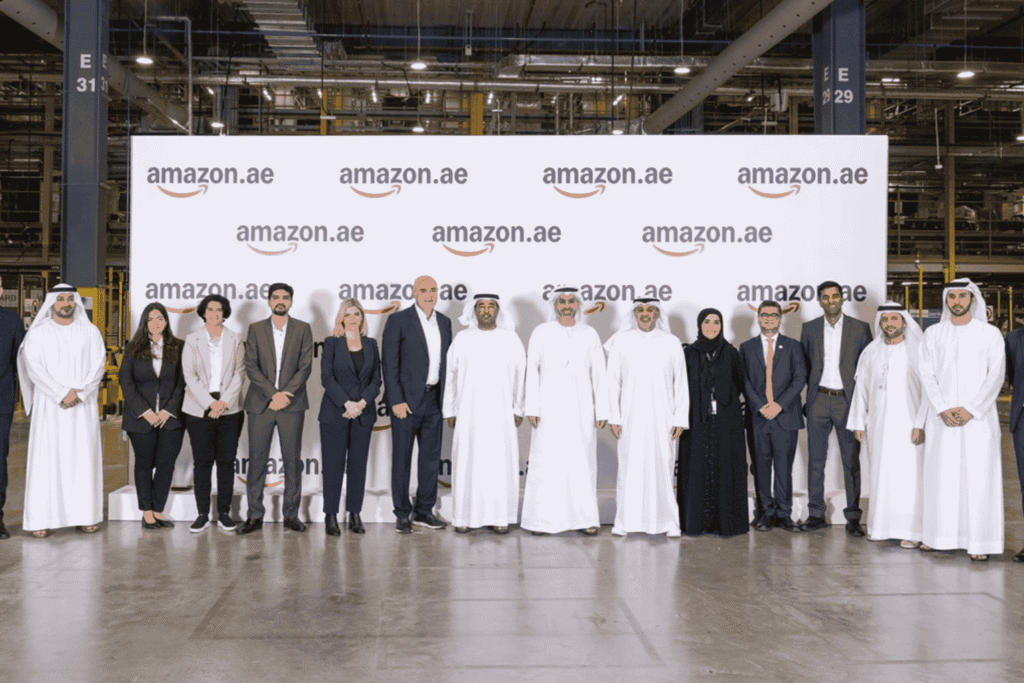
Amazon has officially inaugurated its first fulfillment center in Abu Dhabi, marking a significant milestone in the UAE’s e-commerce and logistics sectors. This state-of-the-art facility, located within the Khalifa Economic Zones Abu Dhabi (KEZAD), aims to enhance delivery speeds, support small and medium-sized enterprises (SMEs), and foster innovation in the region.

Strategic Location in KEZAD

The new fulfillment center is strategically situated in KEZAD, a premier industrial and logistics hub in Abu Dhabi. KEZAD offers seamless connectivity to major transportation networks, facilitating efficient distribution across the UAE and beyond. This location aligns with Amazon’s commitment to enhancing its logistics capabilities in the region and supports the UAE’s broader vision of boosting its digital economy and strengthening its global trade presence.

Advanced Automation and Operational Excellence

Equipped with cutting-edge automation technologies, the fulfillment center is designed to streamline operations and accelerate order processing. Automated systems handle sorting, packaging, and inventory management, ensuring quick and accurate fulfillment of customer orders. This technological advancement supports Amazon’s goal of providing timely deliveries to meet the growing demands of online shoppers. The Times of India

Capacity to Handle 8 Million Units

The facility boasts a significant storage capacity, capable of handling up to 8 million units. This ample capacity enables Amazon to maintain a diverse inventory, catering to a wide range of customer needs. By housing a vast array of products, the center ensures that customers have access to a comprehensive selection of goods, enhancing their shopping experience. Arabian Business

Empowering SMEs and Entrepreneurs

Amazon’s new fulfillment center serves as a catalyst for local entrepreneurship and the growth of SMEs in the UAE. By providing access to Amazon’s vast logistics network, small businesses can reach a broader customer base, facilitating their expansion in the digital marketplace. This initiative aligns with the UAE’s vision to foster a thriving digital economy and support the growth of local enterprises.

Innovation Lab and Sustainability Initiatives

The facility features an Innovation Lab dedicated to exploring cutting-edge technologies and sustainable practices. This lab serves as a hub for research and development, focusing on innovations that enhance operational efficiency and reduce environmental impact. Through these initiatives, Amazon demonstrates its commitment to sustainability and technological advancement in the region. The Times of India

Impact on UAE’s E-Commerce Sector

The establishment of Amazon’s fulfillment center in Abu Dhabi marks a significant milestone in the UAE’s e-commerce sector. By enhancing logistics capabilities and providing support to SMEs, the facility contributes to the growth and diversification of the digital economy. This development underscores the UAE’s position as a leading hub for e-commerce and innovation in the Middle East.

Strategic Partnership with ADIO

The launch of the fulfillment center is a result of a strategic partnership between Amazon and the Abu Dhabi Investment Office (ADIO). This collaboration aims to attract investment that drives innovation, supports entrepreneurship, and creates job opportunities in the region. The partnership reflects the UAE’s commitment to fostering a conducive environment for digital commerce and technological advancements.

Future Prospects and Expansion Plans

Looking ahead, Amazon plans to expand its operations in the UAE to meet the growing demand for e-commerce services. The company aims to leverage its advanced logistics network and technological innovations to provide customers with faster deliveries and a wider range of products. Additionally, Amazon is committed to supporting local businesses and contributing to the UAE’s economic diversification efforts.

Conclusion

The opening of Amazon’s fulfillment center in Abu Dhabi represents a significant step forward in the UAE’s e-commerce and logistics sectors. By enhancing delivery speeds, supporting SMEs, and fostering innovation, the facility contributes to the growth of the digital economy and reinforces the UAE’s position as a leading hub for e-commerce in the Middle East.

Generative AI and Retail Media Transforming MENA E-Commerce

The e-commerce landscape in the Middle East and North Africa (MENA) is undergoing a profound transformation driven by the rise of generative artificial intelligence and retail media technologies. These two innovations are not only reshaping how products are marketed and sold but also redefining the consumer experience by offering richer visuals, personalized engagement, and smarter business strategies. According to industry experts, the fusion of AI-powered content generation with retail media platforms is set to accelerate growth in an already booming sector (Saudi Press).

Understanding Generative AI and Retail Media

Generative artificial intelligence refers to advanced machine learning systems capable of producing new visual and textual content. In the context of e-commerce, this means generating product images from different angles, creating lifestyle scenarios, and enhancing visual presentations without costly photo shoots. Such tools allow shoppers to preview items in realistic settings, from clothing to electronics to home furnishings, thereby bridging the gap between expectation and reality.

Retail media, on the other hand, is the practice of using digital marketplaces and retailers’ own platforms as advertising channels. Brands and merchants invest in retail media to gain visibility within online marketplaces, improve product rankings, and reach shoppers with contextually relevant promotions. This trend has quickly become one of the fastest-growing segments of digital advertising worldwide.

Applications in MENA’s Marketplaces

Dubai-based software company 24TTL is among the leading players driving this innovation. The firm recently introduced 24AI, a generative AI solution designed to provide visually compelling product content for online retailers. This technology boosts the digital shelf presence of products, helping them stand out in crowded marketplaces such as Amazon, Noon, and Talabat.

In addition, 24TTL’s product 24ORM offers online reputation management and real-time monitoring across more than 300 digital stores. It enables brands to analyze competitor movements, detect inconsistencies in product content, and adjust strategies quickly. By merging AI-generated visuals with retail media insights, businesses can optimize both visibility and conversion rates (Saudi Press).

Enhancing Consumer Confidence and Reducing Returns

High-quality visuals and detailed product presentations play a crucial role in building consumer trust. By enabling buyers to see items from multiple perspectives, AI-generated imagery reduces uncertainty and minimizes the risk of disappointment after purchase. This has a direct impact on return rates, which remain a significant challenge for online retailers.

Categories such as fashion, home décor, and consumer electronics particularly benefit from enhanced visual storytelling. When customers can interact with realistic product representations, they are more likely to make confident purchasing decisions, leading to higher satisfaction levels and long-term loyalty.

Dynamic Pricing and Data-Driven Strategies

Generative AI is not limited to creating visuals. Combined with big data analytics, it supports dynamic pricing strategies by monitoring consumer behavior, demand fluctuations, and market conditions. Sellers can adjust prices in real time, maximizing profitability while staying competitive.

This capability is especially important in MENA, where consumer preferences are diverse and seasonal shopping patterns strongly influence demand. Retailers equipped with AI-driven pricing systems can respond instantly to changes, avoiding revenue loss and improving overall efficiency.

Rapid Growth of MENA E-Commerce

The MENA region has seen an unprecedented surge in online shopping. In 2023, the sector recorded a 68 percent growth, with projections estimating the total market to reach 57 billion US dollars by 2026. The United Arab Emirates remains a leading hub, with its e-commerce market valued at approximately 11.4 billion dollars in 2023 and expected to expand to 17.2 billion dollars by 2027.

This growth is fueled by a young, tech-savvy population, high smartphone penetration, and government-backed initiatives promoting digital transformation. The combination of these factors creates fertile ground for innovations such as generative AI and retail media.

Investment and Expansion Strategies

To scale its operations in the region, 24TTL is actively seeking new partnerships and funding opportunities. The company aims to integrate its technology with major marketplaces and strengthen its presence across the Gulf. Its growth plan includes raising up to 5 million dollars in external investment to expand research, development, and deployment of AI-driven retail media solutions (Saudi Press).

The strategic move reflects a broader trend in the region: global and regional investors are increasingly looking to support digital commerce solutions that combine AI, automation, and advanced analytics.

Opportunities and Challenges

The adoption of generative AI and retail media presents both opportunities and challenges for businesses.

Key opportunities include:

  • Improved consumer engagement through visually rich content,

  • Reduced return rates and higher customer satisfaction,

  • Increased visibility for small and medium-sized enterprises,

  • More efficient use of advertising budgets through retail media platforms.

However, challenges remain:

  • Ensuring consistent quality standards across platforms,

  • Addressing data privacy and regulatory compliance,

  • Managing the costs of adopting and integrating new technologies,

  • Overcoming infrastructure limitations such as internet bandwidth in some markets.

Balancing these opportunities and challenges will determine how quickly businesses in the MENA region can capitalize on the potential of these technologies.

The Road Ahead

Experts predict that generative AI and retail media will become standard components of e-commerce strategies in the next few years. As competition intensifies, retailers that fail to adopt these tools risk falling behind.

The future of shopping in MENA will likely feature hyper-personalized experiences, AI-driven product recommendations, and seamless visual content that replicates the in-store shopping experience. Retail media networks will further amplify brand visibility, creating new revenue streams for marketplaces while enabling sellers to connect directly with their target audiences.

Conclusion

The integration of generative artificial intelligence and retail media is transforming the MENA e-commerce sector at an unprecedented pace. From enhancing visual storytelling and reducing product returns to enabling dynamic pricing and personalized shopping experiences, these technologies are reshaping the way consumers and businesses interact.

With rapid market growth, strong investor interest, and ambitious companies such as 24TTL leading the way, the region is set to become a global hub for AI-driven retail innovation. The coming years will reveal not just the commercial potential of these tools but also their role in defining the future of digital commerce in the Middle East and North Africa.

Google and PayPal Partner on AI-Powered Payments

A new era is unfolding in the digital payments ecosystem. Tech giant Google and global payment leader PayPal have signed a multi-year strategic partnership aimed at transforming payment processes with the help of artificial intelligence. The collaboration seeks to deliver safer, faster, and more personalized solutions for both users and businesses.

In recent years, the rapid growth of e-commerce, the rise of online transactions, and the widespread adoption of mobile shopping have pushed financial technology companies to innovate continuously. Consumers are demanding not only security but also speed and convenience in every payment experience. By joining forces, Google and PayPal are taking a step designed to meet these needs and redefine global digital payments.

The Core of the Partnership

Under the agreement, PayPal’s branded checkout, Hyperwallet, and Payouts solutions will be integrated into various Google platforms. As a result, users within the Google ecosystem will be able to complete purchases more seamlessly using PayPal’s trusted infrastructure. This integration promises faster transactions while enhancing security.

On the Google side, artificial intelligence will play a central role. AI systems will detect suspicious activities in real time, improve fraud prevention, and personalize payment recommendations based on user habits. Machine learning models will allow Google to anticipate and block fraudulent transactions before they occur.

Google’s Strategic Role

Google has long been investing in payment technologies through services such as Google Pay. With this partnership, the company is deepening its integration of AI into financial transactions.

Key contributions from Google include:

  • Faster payment processing, reducing checkout times to just a few seconds,

  • AI-driven fraud detection and prevention,

  • Personalized payment recommendations based on user behavior,

  • Integration of PayPal’s solutions into Google Cloud and Google Play.

Through these steps, Google aims to strengthen its ecosystem, making it more cohesive and user-friendly.

PayPal’s Gains

PayPal, already a leader in digital payments, faces growing competition from players such as Apple Pay, Amazon Pay, Stripe, and emerging fintech startups. By partnering with Google, PayPal secures several strategic advantages.

The partnership enables PayPal to:

  • Reach a wider customer base by integrating into Google platforms,

  • Strengthen its role in business-to-business (B2B) transactions with Hyperwallet and Payouts,

  • Leverage Google’s AI technologies to enhance security,

  • Boost brand visibility and maintain a strong global position.

What Changes for Users?

End users are likely to feel the effects of this partnership most directly. Google service users will now see PayPal options more prominently and be able to complete payments with just a click.

Key benefits for users include:

  • Faster, smoother checkout experiences,

  • Extra protection through AI-powered security,

  • Payment recommendations tailored to shopping habits,

  • Lower-cost and faster international money transfers.

With mobile shopping on the rise, these improvements will be particularly significant for consumers worldwide.

Opportunities for Businesses

E-commerce platforms, app developers, and digital service providers also stand to benefit from this integration. For businesses, the most important outcomes are enhanced security and reduced delays in payment processing.

Additional benefits include:

  • Easier acceptance of payments in international markets,

  • A competitive advantage for small and medium-sized enterprises,

  • Lower transaction costs,

  • Higher customer satisfaction rates.

For SMEs in particular, access to secure and globally recognized payment methods is critical for scaling operations.

The Role of Artificial Intelligence

Artificial intelligence is at the heart of this partnership. Google’s machine learning–based solutions will shape the future of digital payments. The role of AI includes:

  • Real-time detection of suspicious activities to prevent fraud,

  • Personalized payment recommendations tailored to user behavior,

  • Stronger identity verification systems,

  • Analytical insights for businesses to make data-driven decisions.

This not only enhances security but also improves the user experience by making payment flows more intuitive (TechCrunch).

Market Dynamics and Competition

The global digital payments market is highly competitive. Tech giants and fintech firms are constantly developing new solutions. Competitors such as Apple, Amazon, and Stripe already have a strong foothold, but the Google-PayPal alliance is expected to reshape the dynamics.

PayPal’s stock value rose after the announcement, reflecting investor optimism about the long-term potential of the partnership. For Google, expanding payment options strengthens user loyalty to its ecosystem and solidifies its leadership in digital services.

Potential Challenges

Like any major collaboration, this partnership comes with challenges. The foremost concerns revolve around data security and user privacy. Since AI systems rely on vast amounts of data, safeguarding this information is essential.

Other challenges include:

  • Compliance with diverse regulations across different countries,

  • Ensuring smooth user adoption of new AI-powered payment methods,

  • Implementing the technology consistently across markets.

Success will depend not only on technological integration but also on regulatory compliance and transparent communication with users.

Future Expectations

Industry experts view this partnership as a turning point in digital payments. Over the coming months, details of the integration and its regional impacts will become clearer.

The collaboration is expected to encourage other tech and financial companies to pursue similar AI-powered initiatives. Artificial intelligence is likely to become a standard in payment systems in the next few years, making everyday transactions more secure, faster, and personalized.

Conclusion

The partnership between Google and PayPal represents a significant milestone in the evolution of digital payments. By combining PayPal’s trusted infrastructure with Google’s AI expertise, the companies aim to deliver a more secure, efficient, and user-friendly payment ecosystem.

For consumers, it means faster and safer checkout experiences. For businesses, it promises stronger global competitiveness and better customer satisfaction. For the payments industry as a whole, it highlights artificial intelligence as not just the future, but the present reality of financial technology.

In short, Google and PayPal’s move underscores how AI is set to transform not only the way people shop and pay online, but also the broader dynamics of global finance.

Abu Dhabi Unveils Its First Licensed Driverless Delivery Pods in Masdar City

Abu Dhabi has marked a major milestone in its smart mobility roadmap by debuting its first officially licensed driverless delivery vehicles in Masdar City. This move aligns with the UAE’s long-term vision for integrating artificial intelligence (AI), sustainability, and advanced logistics into everyday life. Launched as part of a pilot program, the initiative is not just a technological showcase it is a signal of the UAE’s intent to take a leadership position in autonomous urban logistics.

Masdar City, known globally as one of the most sustainable urban developments, has once again become the testing ground for futuristic technology. Through this project, Abu Dhabi has taken a concrete step in transitioning from experimental models to regulated, operational deployments in real-world settings.

A First for Abu Dhabi: Official Plates for Autonomous Delivery

One of the most notable aspects of this launch is the issuance of an official license plate to the driverless delivery vehicle. This is the first time such a plate has been granted in the emirate for an autonomous vehicle operating in public space.

Developed by Autogo, a subsidiary of K2, the vehicle is the result of collaboration between key public and private entities, including the Integrated Transport Centre (ITC), 7X’s logistics arm EMX, the Abu Dhabi Investment Office (ADIO), and the Smart and Autonomous Systems Council (SASC). The vehicle is fully electric, powered by AI navigation systems, and designed for low-speed, last-mile deliveries in controlled urban areas.

According to reporting by the Times of India, the vehicles are expected to transform delivery models across the region, reducing traffic congestion, emissions, and human operational costs.

Sustainability and Smart Cities: Why Masdar?

Masdar City was not chosen randomly for this initiative. It represents the UAE’s commitment to green development and clean tech. As a planned city powered primarily by renewable energy, Masdar offers the ideal infrastructure for testing clean autonomous vehicles.

The autonomous pods are part of a wider push to reduce the environmental impact of last-mile deliveries a segment known for its disproportionate carbon footprint. Because they are small, electric, and programmed for efficiency, these pods serve both environmental and economic purposes.

Moreover, Masdar has long served as a hub for pilot programs, including solar-powered transit, autonomous shuttles, and drone deliveries. The city is a living lab, and this new deployment fits squarely within its ethos.

Objectives of the Pilot Program

The pilot is not just about testing vehicles; it’s about gathering deep insights into how driverless delivery can fit into a modern, growing city. Objectives include:

  • Validating navigation in mixed traffic conditions, including interactions with human drivers and pedestrians.

  • Testing vehicle response to unexpected changes in urban environments, including construction detours or erratic human behavior.

  • Analyzing environmental data, such as how much energy is saved or emissions are reduced compared to conventional delivery vehicles.

  • Monitoring logistics KPIs, such as delivery speed, route optimization, and reliability.

The pilot is set to run for several months, with real-time data collection being used to fine-tune operations and evaluate long-term viability.

From Pilot to Expansion: What Comes Next?

If successful, the program could quickly scale to other parts of Abu Dhabi and the broader UAE. Residential communities, university campuses, hospitals, and commercial zones are all candidates for the next phase.

Tariq Al Wahedi, Group CEO of 7X, emphasized that the project supports the emirate’s broader goal of developing a green economy. He noted that the pilot allows stakeholders to refine not only the technology but also the policy and legal frameworks needed to scale such solutions responsibly.

The Abu Dhabi Investment Office (ADIO) has also backed the project as part of its ongoing investment in next-generation mobility and AI-led solutions. The hope is that with adequate support, the UAE can become a global exporter of smart logistics technologies.

Integration with AI and Urban Infrastructure

These pods are not simply remote-controlled vehicles; they are fully autonomous systems. They rely on real-time data, machine learning algorithms, LIDAR, and computer vision to navigate urban environments. They are capable of:

  • Detecting road signs, traffic lights, and obstacles.

  • Making route adjustments on the fly in response to traffic or weather conditions.

  • Communicating with central control systems to optimize delivery schedules.

  • Ensuring customer notification via mobile apps upon arrival.

This level of automation requires robust digital infrastructure, which Abu Dhabi has been investing in heavily. Integration with 5G networks, city-wide IoT sensors, and digital identity systems makes this level of autonomy possible.

Global Context: A Race Toward Autonomous Urban Logistics

Cities around the world are racing to adopt autonomous last-mile delivery. In the U.S., companies like Nuro have deployed driverless pods in select cities. In China, JD.com and Meituan have been testing robotic couriers for years. However, few of these programs have official licensing from traffic authorities.

That’s where Abu Dhabi’s project stands out. By granting an official license plate and integrating these vehicles into its regulated traffic system, Abu Dhabi is moving faster than many of its Western and Asian counterparts.

As noted in a 2024 report by Gulf News, the UAE has invested billions into autonomous vehicle tech, with Masdar and Yas Island serving as key innovation hubs. With the successful rollout of these pods, Abu Dhabi moves closer to becoming a leader not only in autonomous transportation but in intelligent urban systems overall.

Legal, Ethical, and Societal Considerations

The move to autonomous delivery raises important questions that Abu Dhabi authorities are already considering:

  • Who is liable in the event of an accident?

  • What data is collected, and how is privacy protected?

  • How are jobs affected, especially for workers in delivery and logistics?

Authorities are working on regulatory frameworks that aim to address these challenges proactively, with a focus on safety, transparency, and ethical data use.

Final Thoughts: A Smart Future on the Move

Abu Dhabi’s introduction of licensed, driverless delivery vehicles in Masdar City is a testament to the UAE’s bold vision for the future of urban life. This is not merely a tech showcase; it’s a carefully planned initiative aimed at aligning mobility, sustainability, and digital innovation.

As cities globally wrestle with traffic congestion, environmental impact, and logistics inefficiencies, Abu Dhabi may offer a model for how governments and private companies can collaborate to build smarter, greener urban environments.

The pilot will serve as a valuable case study not only for the UAE, but for cities worldwide watching to see if the future of urban delivery has, in fact, arrived.

Dubai’s GITEX: A Global Tech Power

Dubai’s GITEX, originally a regional technology exhibition, has evolved into a global geo-economic force by 2025, symbolizing the city’s rapid transformation into a leading technology and innovation hub. This annual event, once a modest trade show, now attracts thousands of global tech leaders, startups, governments, and investors, making it a critical platform shaping the future of digital economies worldwide.

From Humble Beginnings to Global Recognition

GITEX, short for Gulf Information Technology Exhibition, started in 1981 as a small-scale event in Dubai aimed at showcasing emerging technologies to the Gulf region. Over four decades, it has grown exponentially, adapting to fast-paced technological advancements such as cloud computing, artificial intelligence (AI), cybersecurity, and blockchain.

The expansion of GITEX mirrors Dubai’s own ambitions to position itself as a global innovation leader. The city’s commitment to digital transformation and smart city initiatives has fueled GITEX’s growth into a comprehensive forum for technology discussions, product launches, and policy dialogues.

A pivotal moment came in 2016 with the launch of GITEX North Star, a segment dedicated to startups and entrepreneurship. This initiative has made GITEX a magnet for innovators seeking exposure, funding, and partnerships. As a result, GITEX not only serves as a marketplace for technology but also as an incubator for emerging businesses.

Global Expansion: Beyond Dubai’s Borders

By 2025, GITEX had transcended its Dubai origins, expanding its footprint to 11 cities worldwide including Casablanca, Singapore, Lagos, and Berlin. This geographic diversification demonstrates Dubai’s intent to export its innovation ecosystem and foster international collaboration.

This global expansion also reflects the rising importance of emerging markets in the technology sector. By establishing GITEX events across Africa, Asia, and Europe, Dubai is facilitating the integration of these regions into the global digital economy. This approach strengthens Dubai’s position as a bridge connecting East and West in tech innovation and trade.

The global GITEX network provides a platform for local startups to access international markets, for investors to discover new opportunities, and for governments to share policy frameworks that encourage tech growth. This interconnectedness is vital in today’s rapidly changing economic landscape, where technology underpins virtually every sector.

Dubai’s Strategic Vision and Geo-Economic Influence

Dubai’s strategic use of GITEX aligns with its broader vision to lead in digital infrastructure and AI development. The emirate’s focus on these technologies aims to diversify its economy beyond oil and establish it as a global knowledge-based economy.

GITEX acts as a showcase for Dubai’s initiatives, such as its AI Strategy 2031 and Smart Dubai projects, which integrate AI and data analytics into public services and urban management. These initiatives highlight how GITEX is not just a trade show but a reflection of Dubai’s ambition to leverage technology for socio-economic progress.

Moreover, GITEX facilitates partnerships between governments and the private sector, accelerating investment in digital infrastructure. By convening global technology leaders, GITEX helps Dubai drive policy conversations around cybersecurity, digital governance, and data privacy, all crucial in building trust in digital ecosystems.

The event’s success further enhances Dubai’s geo-economic influence, positioning it as a vital node in global tech supply chains and innovation networks. According to reports by Arabian Business, GITEX contributes significantly to Dubai’s economy and supports its broader ambitions as a regional and global technology hub. (Arabian Business, 2025)

Driving Innovation and Entrepreneurship

A core feature of GITEX is its focus on innovation and entrepreneurship. The event offers dedicated zones for startups, venture capitalists, and incubators, creating a vibrant ecosystem for new ideas and disruptive technologies.

The GITEX Future Stars program, for example, attracts thousands of startups from around the world each year. These companies showcase cutting-edge solutions across sectors like fintech, healthtech, and renewable energy. For many entrepreneurs, GITEX serves as a launchpad to scale their businesses internationally.

Investment flows at GITEX have increased substantially, with numerous deals signed during the event. This reflects the confidence of global investors in Dubai’s tech ecosystem and its ability to nurture high-potential ventures. It also demonstrates GITEX’s role as a meeting point where capital meets innovation.

The Role of Public and Private Sector Collaboration

Dubai’s success with GITEX also stems from strong collaboration between government entities and the private sector. The government’s active involvement in digital policies, infrastructure investments, and regulatory reforms creates a conducive environment for technology growth.

Private sector players, including global tech giants and local startups, bring innovation and competition to the market. Together, they form a dynamic ecosystem showcased at GITEX, where new technologies are tested and adopted.

This collaboration is essential in addressing global challenges such as climate change, public health, and cybersecurity. GITEX provides a platform for stakeholders to co-create solutions that have both local impact and global relevance.

Future Outlook: Sustaining Growth and Expanding Influence

Looking ahead, GITEX is expected to maintain its momentum and further solidify Dubai’s position on the global tech map. Plans to integrate more advanced technologies like quantum computing, extended reality (XR), and advanced AI promise to keep the event at the forefront of innovation.

The continued expansion of GITEX’s global footprint will likely foster more inclusive growth, enabling emerging markets to leapfrog into digital economies. Dubai’s model of leveraging technology to drive economic diversification serves as an example for other cities aspiring to become innovation hubs.

As geopolitical and economic landscapes evolve, GITEX’s role as a geo-economic force will become increasingly important. Its capacity to bring together diverse players and facilitate cross-border collaboration is vital for building resilient, future-ready economies.