WORLDEF Prime Antalya 2026 - Upcoming Event

Register Now

MENA Startup Funding Drops to $337.5M

Startup investment in the MENA region experienced a notable decline in August 2025, totaling $337.5 million, according to data from Tech in Asia (Tech in Asia). This represents a decrease of nearly 25% compared to July 2025, reflecting a period of reduced investment activity in the region. While the MENA startup ecosystem has shown impressive growth over recent years, this slowdown highlights both market challenges and emerging opportunities for investors and entrepreneurs.

Reasons Behind the Investment Decline

Several factors have contributed to this drop in funding:

  1. Global Economic Uncertainty – Volatility in international markets, rising interest rates, and inflation concerns have made investors more cautious. Many venture capitalists are focusing on sustainable investments and carefully evaluating risk before committing capital.

  2. Investor Risk Perception – High-risk startups, particularly in early stages, face challenges in securing funding as investor appetite shifts towards more stable, revenue-generating ventures.

  3. Sectoral Saturation – Certain verticals, such as ride-hailing or basic e-commerce, have become increasingly saturated, reducing the perceived attractiveness of new investments in these areas.

  4. Regulatory and Policy Changes – Emerging regulations and taxation policies in some MENA countries may have temporarily slowed investor activity.

This combination of factors suggests that the current funding environment is favoring later-stage startups and businesses with proven traction rather than early-stage speculative projects.

Country-Level Investment Distribution

August’s funding was unevenly distributed across MENA countries:

  • United Arab Emirates (UAE): Approximately 40% of the total funding, led by fintech and SaaS startups in Dubai and Abu Dhabi.

  • Saudi Arabia: About 30%, reflecting the Vision 2030 strategy to diversify the economy and foster entrepreneurship.

  • Egypt: Around 15%, with Cairo and Alexandria remaining central hubs for health tech and logistics startups.

  • Qatar and Kuwait: The remaining 15%, with growing interest in e-commerce and AI-driven solutions.

The UAE continues to dominate the MENA startup ecosystem due to its well-established tech hubs, international connectivity, and investor-friendly regulations. Saudi Arabia’s recent policy reforms and funding initiatives have also significantly strengthened its startup landscape (Tech in Asia).

Sectoral Breakdown of Funding

Funding distribution by sector shows which industries are attracting investor attention despite the slowdown:

  • Fintech: 35% – Digital payment solutions, blockchain applications, and neobanks remain highly attractive due to strong demand across MENA.

  • HealthTech: 25% – Telemedicine, health monitoring apps, and biotech startups have gained traction, particularly following the pandemic’s emphasis on healthcare innovation.

  • E-Commerce: 20% – Online retail platforms, logistics tech, and marketplaces continue to attract interest, though competition remains high.

  • Artificial Intelligence & Data Analytics: 15% – Startups focusing on AI-driven insights and big data solutions are increasingly being recognized for their scalability potential.

  • Other Sectors: 5% – Including travel tech, edtech, and cleantech startups.

Fintech’s dominance is partly due to growing financial inclusion and government-backed digital payment initiatives across MENA countries. HealthTech’s rising share reflects increasing healthcare digitization and investment in medical infrastructure.

Investor Profiles

August’s funding trends also highlight who is investing:

  • Angel Investors – High-net-worth individuals continue to support early-stage startups, often through seed funding rounds.

  • Venture Capital Firms (VCs) – VC activity remains concentrated on fintech and health tech, seeking startups with strong growth potential.

  • Government-Supported Funds – National development funds and government-backed programs play a significant role in nurturing startups aligned with economic diversification goals.

  • Corporate Venture Arms – Established companies are exploring strategic investments in tech-driven startups to foster innovation and potential partnerships.

These investor profiles indicate a shift toward measured, strategic investments in startups with clear revenue models and market traction, reducing exposure to high-risk ventures.

Key Deals in August

Some of the notable deals in August 2025 include:

  • Fintech startup “PayWave ME” raising $45 million in a Series B round in the UAE, aiming to expand its digital payment solutions across the Gulf region.

  • HealthTech platform “MedAI” securing $25 million in funding to scale AI-based diagnostics and telemedicine services in Saudi Arabia.

  • E-commerce logistics startup “QuickShip” receiving $20 million to enhance last-mile delivery solutions across Egypt and neighboring markets.

These deals underline investor confidence in scalable business models addressing real market needs, even amid broader market caution.

Implications for MENA’s Startup Ecosystem

While August’s figures reflect a slowdown, the long-term outlook remains positive:

  1. Selective Investment Approach – Investors are becoming more selective, leading to higher-quality funding and sustainable growth for startups.

  2. Increased Focus on Profitability – Startups are emphasizing revenue generation and operational efficiency over rapid expansion.

  3. Diversification of Funding Sources – Emerging alternative financing, including corporate partnerships, crowdfunding, and government grants, is supplementing traditional venture capital.

  4. Sectoral Shifts – HealthTech, fintech, and AI-driven solutions are poised to lead the next wave of innovation in MENA.

The slowdown also provides startups an opportunity to refine business models, strengthen operational infrastructure, and build investor confidence ahead of future funding rounds.

Future Outlook

Experts expect a rebound in investment activity in the final quarter of 2025. Key factors driving this recovery include:

  • Government Initiatives – Incentive programs, innovation hubs, and startup accelerators in the UAE, Saudi Arabia, and Egypt are expected to stimulate investment.

  • International Investor Interest – Global venture funds are likely to return with a focus on MENA’s most promising startups, particularly in fintech, AI, and health sectors.

  • Strategic Mergers and Acquisitions – Consolidation in certain sectors may lead to increased investment in scalable, high-potential startups.

Nevertheless, the global economic landscape and regional policy changes will continue to influence investment trends. Startups with strong fundamentals, revenue streams, and innovative solutions are likely to remain attractive to investors.

Conclusion

August 2025’s funding slowdown in MENA, totaling $337.5 million, signals a temporary cooling in the region’s startup ecosystem. However, it also highlights a maturing market where quality, sustainability, and strategic growth take precedence. Investors are now prioritizing startups with proven scalability, revenue potential, and sectoral relevance.

Despite the short-term decline, MENA’s startup ecosystem continues to demonstrate resilience, supported by fintech innovation, healthcare digitization, and AI-driven solutions. With government initiatives, international interest, and sector-specific growth, the region remains a promising hub for entrepreneurial activity and strategic investment (Tech in Asia).

As the year progresses, monitoring funding trends and sectoral shifts will be crucial for understanding the trajectory of MENA’s dynamic startup landscape. For investors, entrepreneurs, and policymakers alike, the August data serves as both a cautionary signal and an opportunity for long-term strategic planning.

7X Launches NXN National Logistics Network

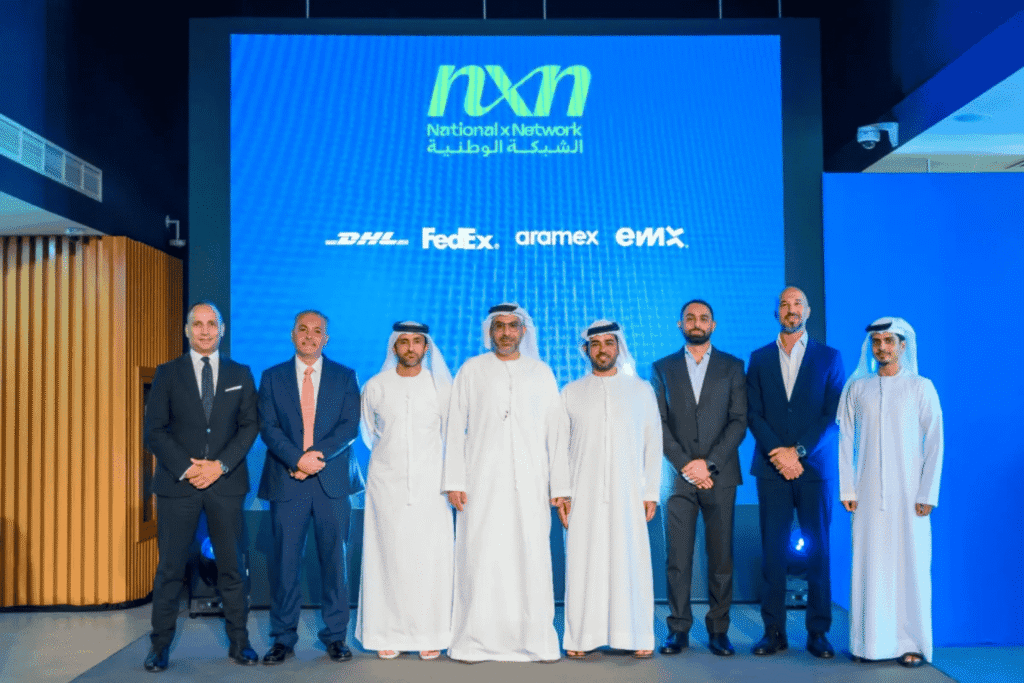
7X, the UAE’s leading logistics and postal service provider, has officially launched NXN – the National Network for Logistics, marking a transformative step in the country’s logistics sector. The announcement coincided with the 28th Universal Postal Congress, highlighting the UAE’s strategic focus on enhancing logistics infrastructure and e-commerce support (Zawya).

What is NXN?

NXN is a digital logistics platform designed to integrate both local and international logistics providers under a single, cohesive ecosystem. Supported by 7X’s digital infrastructure, Waslah, and integrated with the UAE’s digital mailbox system WAYN, NXN delivers a unified logistics experience for individuals, small and medium enterprises, and e-commerce companies.

The network currently encompasses over 87 branches, more than 1,000 last-mile delivery points, and smart lockers, providing customers with flexible and secure delivery options. NXN enables same-day or next-day deliveries, offering multiple drop-off and pick-up points, while providing full visibility through digital channels (Zawya).

Supporting E-Commerce and SMEs

NXN is particularly significant for the e-commerce sector and SMEs. It offers dark store solutions and comprehensive logistics support that allow businesses to optimize their operations. By providing access to an integrated logistics network, NXN helps reduce operational costs for SMEs and allows e-commerce businesses to scale efficiently.

The platform also supports the growing online retail market in the UAE, which has seen a rapid surge in demand over the past few years. With digital commerce expected to contribute significantly to the country’s GDP, initiatives like NXN are critical to sustaining this growth and improving service quality.

Aligning with UAE’s Digital Transformation Goals

The launch of NXN aligns closely with the UAE’s broader digital transformation initiatives, including the “We the UAE 2031” strategy and the Zero Bureaucracy program. These initiatives aim to empower businesses through digital solutions, enhance operational efficiency, and solidify the UAE’s position as a leading trade and logistics hub in the region.

NXN leverages advanced technology, including real-time tracking, AI-powered routing, and smart locker systems, to streamline delivery operations and provide a seamless customer experience. These innovations also reduce manual errors, improve operational efficiency, and ensure timely delivery of parcels (Zawya).

Strategic Partnerships and Collaborations

7X has established strategic partnerships with global and regional logistics providers such as DHL, Aramex, and FedEx. These partnerships form the backbone of NXN, expanding its network reach, optimizing delivery routes, and enhancing service quality for businesses across the UAE.

By collaborating with these partners, NXN ensures that both domestic and international shipments are processed efficiently and cost-effectively. This integration is crucial for SMEs and e-commerce platforms seeking reliable logistics solutions without incurring excessive costs.

NXN’s Four Core Pillars

NXN operates on four foundational pillars that define its service framework:

  1. Send: Offers local and international shipment solutions through a wide-reaching network.

  2. Receive: Provides flexible pick-up options, including home delivery, smart lockers, and return management.

  3. Store: Incorporates smart lockers, dark stores, and specialized logistics centers for efficient storage and handling.

  4. Enable: Supports SMEs and businesses with digital infrastructure, analytics, and tailored logistics solutions.

These pillars ensure that NXN delivers not only parcels but also a comprehensive logistics ecosystem for all types of customers.

Enhancing Last-Mile Delivery

One of NXN’s key strengths lies in last-mile delivery optimization, a critical component for the UAE’s booming e-commerce sector. The platform provides fast, reliable, and trackable deliveries, which are essential for high-value or time-sensitive products.

Smart locker deployment and automated routing reduce delivery times and improve customer satisfaction. Additionally, NXN’s technology ensures transparency, allowing customers and businesses to monitor shipments in real-time, thereby enhancing trust and reliability (Zawya).

Economic and Sectoral Impacts

The launch of NXN is expected to generate economic benefits by creating jobs, improving operational efficiency, and supporting SMEs. By streamlining logistics and reducing costs, the platform enhances the competitiveness of e-commerce businesses in the UAE.

NXN also contributes to the UAE’s ambition of becoming a regional logistics hub, setting benchmarks for innovation, sustainability, and operational excellence. The network’s integration of digital solutions and partnerships with global carriers positions the UAE as a model for modern logistics ecosystems.

Sustainability and Technological Innovation

Sustainability is embedded into NXN’s operations. Smart routing algorithms reduce fuel consumption, while electric vehicle integration in the delivery fleet is being explored to minimize carbon emissions.

Moreover, NXN’s digital infrastructure supports data-driven decision-making, enabling predictive analytics for route optimization, warehouse management, and resource allocation. This approach ensures not only operational efficiency but also reduces the environmental impact of logistics activities (Zawya).

Future Outlook

NXN represents a long-term strategic vision for 7X and the UAE’s logistics sector. By creating a unified, technology-driven network, NXN aims to support the rapid growth of e-commerce, enhance SME capabilities, and provide residents with a superior delivery experience.

Looking ahead, 7X plans to expand NXN’s services, incorporating more advanced AI features, integrating regional logistics partners, and extending the network to cover remote areas in the UAE. This expansion will ensure nationwide coverage and reinforce the UAE’s position as a global logistics hub.

Conclusion

The launch of NXN – the National Network for Logistics – by 7X is a game-changer for the UAE’s logistics and e-commerce sectors. By uniting local and international logistics providers under a single platform, NXN offers seamless delivery, storage, and operational support to SMEs, e-commerce businesses, and consumers alike.

The network exemplifies how technology, strategic partnerships, and digital transformation initiatives can revolutionize logistics operations, ensuring faster, safer, and more sustainable delivery services. NXN not only meets the current demands of the UAE’s growing e-commerce market but also sets a benchmark for future innovation in the region (Zawya).

With NXN, 7X demonstrates its commitment to empowering businesses, enhancing customer experiences, and advancing the UAE’s logistics capabilities on both national and international levels.

Temu Partners with Horoz Lojistik for Turkey Deliveries

Chinese global e-commerce platform Temu has announced a strategic partnership with local logistics giant Horoz Lojistik to enhance its operations in Turkey. The agreement is set to ensure the fast, secure, and efficient delivery of Temu’s large and over-30-kilogram products across the country. In a rapidly growing Turkish e-commerce market where logistics infrastructure plays a critical role, this Temu-Horoz collaboration marks an important milestone (Paratic).

The Growth Potential of E-Commerce in Turkey

Turkey presents an attractive market for e-commerce due to its young population and rapid digital adoption. In recent years, increased internet penetration and mobile device usage have accelerated online shopping. According to official statistics, Turkey’s e-commerce volume reached approximately 520 billion TL in 2024, with an expected annual growth rate exceeding 20% in the coming years.

This growth creates significant opportunities for companies providing efficient logistics and distribution solutions. The Temu-Horoz partnership is strategically designed to leverage these opportunities and improve customer satisfaction in the Turkish market (Ekonomist).

Horoz Lojistik’s Role and Expertise

Horoz Lojistik is one of Turkey’s leading logistics companies with a widespread distribution network. It offers warehousing, transportation, and last-mile delivery services with proven expertise. Through this partnership, Horoz Lojistik will utilize its extensive infrastructure to ensure Temu’s products are delivered quickly and safely to customers across Turkey.

This collaboration is particularly critical for large-volume products exceeding 30 kilograms, which require more coordination and specialized handling than standard packages. Horoz Lojistik’s experience and infrastructure will allow Temu to seamlessly manage these complex deliveries.

Temu’s Growth Strategy in Turkey

Temu is rapidly growing as a global e-commerce brand. In Turkey, the company aims to respond quickly to customer demands and strengthen its logistics infrastructure through its partnership with Horoz Lojistik. This strategic move is intended to increase operational efficiency, improve customer satisfaction, and expand market share.

Temu continues to optimize its technological infrastructure and logistics partnerships to offer faster delivery times and a wider product range. This approach ensures a smooth, reliable, and convenient shopping experience for Turkish customers (Yandex).

Innovations in Last-Mile Delivery

Horoz Lojistik will provide Temu with end-to-end services, including last-mile delivery, warehouse management, and logistics tracking. Delivering large-volume products directly to consumers requires specialized expertise, and Horoz Lojistik’s network across Turkish cities ensures this process is efficient and secure.

Additionally, technology-driven delivery tracking will allow Temu customers to monitor their orders in real-time. This transparency enhances the overall customer experience, reduces delivery uncertainties, and builds trust.

Impact on the E-Commerce Sector

The Temu-Horoz collaboration could set a new benchmark in Turkish e-commerce logistics. Efficient large-volume product delivery solutions may inspire other platforms to enhance their logistics capabilities.

Moreover, this partnership contributes to the strengthening of Turkey’s logistics infrastructure while increasing competition in the e-commerce sector. As the market expands, innovative solutions like this one will be critical in meeting customer expectations and maintaining service quality (Paratic).

Customer Experience and Operational Efficiency

This partnership not only provides faster deliveries but also boosts Temu’s operational efficiency. Horoz Lojistik’s expertise in warehouse management, transportation, and optimization ensures smoother and more sustainable operations for Temu in Turkey.

Customers will receive orders faster and more reliably, while Temu can optimize logistics costs and increase profitability. This improvement directly strengthens Temu’s competitive position in the Turkish e-commerce market.

Future Outlook

The rapid growth of e-commerce in Turkey continues to drive demand for logistics and delivery solutions. The Temu-Horoz partnership aims to meet this demand while establishing a long-term impact in the sector.

In the coming years, Temu will reach a wider customer base, reduce delivery times, and enhance customer satisfaction. Horoz Lojistik’s expertise ensures logistics processes are managed efficiently and sustainably, supporting Temu’s broader growth strategy in the Turkish market.

Conclusion

Temu’s decision to entrust its Turkish deliveries to Horoz Lojistik represents a major development for both the e-commerce sector and the two companies involved. This strategic partnership ensures that large-volume products are delivered more quickly, safely, and efficiently, helping Temu expand its market share in Turkey.

The collaboration also sets an example for the future of e-commerce logistics in Turkey, potentially establishing new industry standards and encouraging other global platforms to invest in the market. By combining Temu’s growing e-commerce capabilities with Horoz Lojistik’s logistics expertise, this partnership is poised to reshape the Turkish e-commerce landscape.

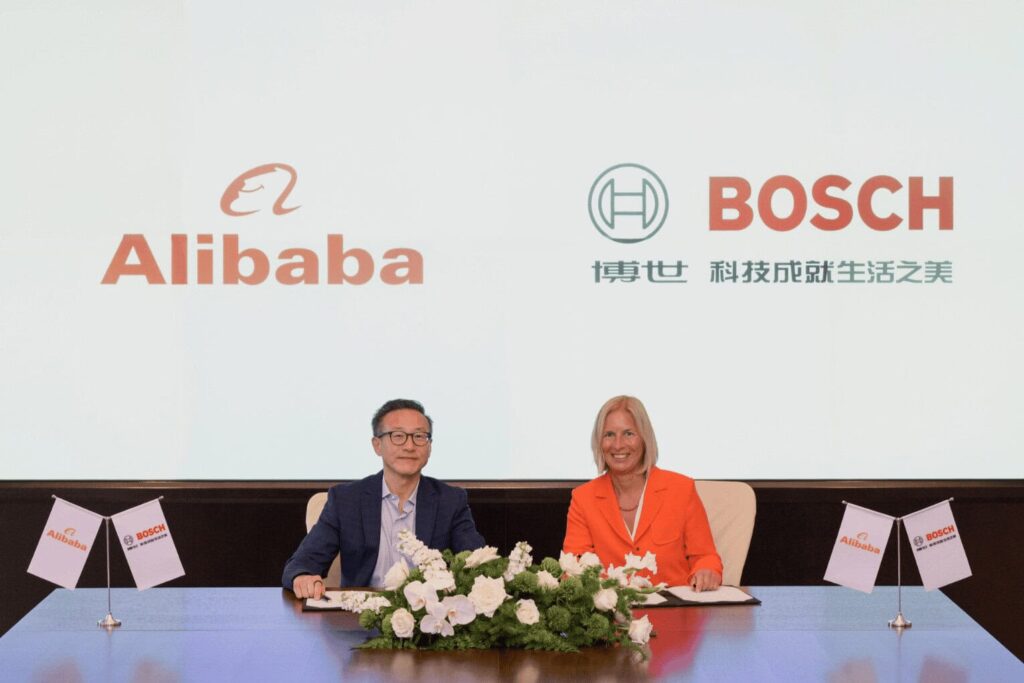
Alibaba and Bosch Expand Digital Partnership

Leading technology and services provider Bosch and global e-commerce and cloud computing giant Alibaba Group have announced an expansion of their strategic partnership aimed at accelerating digital transformation. This collaboration seeks to strengthen Bosch’s global operations and boost its e-commerce presence by leveraging Alibaba’s artificial intelligence and cloud computing infrastructure (Alibaba Group Official Website).

The Importance of Collaboration in Digital Transformation

Today, digital transformation has become a critical factor for companies to increase competitiveness and enhance customer experience. Established technology companies like Bosch need strong partnerships in cloud technology and AI to improve their digital capabilities and make their operations more efficient. Alibaba Group, as a major player offering e-commerce, AI, and cloud computing services worldwide, is expanding its global influence through such collaborations.

This new partnership between Bosch and Alibaba signifies a mutual pooling of resources and technological expertise to accelerate digitalization efforts. Bosch aims to achieve higher efficiency and innovation in its business processes by utilizing Alibaba’s advanced AI models and cloud infrastructure.

AI-Powered Innovations

One of the primary goals of the collaboration is to increase AI-driven business innovations. Alibaba’s AI technologies will be applied to enhance Bosch’s applications, particularly in the automotive sector. For example, Qwen-based multimodal models will be tested to improve the in-vehicle intelligent system experience, enabling more natural and intuitive interactions between drivers, passengers, and their vehicles.

Furthermore, Bosch and Alibaba are working on next-generation automated driving solutions that could revolutionize autonomous vehicle technology. Scene recognition systems powered by Qwen’s visual language model will enable autonomous cars to perceive their surroundings more accurately. These advancements aim to improve safety and performance in the automotive sector and pave the way for future driverless car technologies.

Strengthening Global E-Commerce Strategy

Bosch plans to expand its product variety in the Chinese market via Alibaba’s e-commerce platforms and respond faster to consumer demands. Alibaba, in turn, supports Bosch’s customer outreach in China through comprehensive omni-channel digital marketing strategies.

Based on this collaboration model in China, Bosch’s e-commerce operations will also expand to Southeast Asia, Spain, and Latin America through Alibaba’s global platforms such as Lazada, Miravia, and AliExpress. This enables Bosch to deliver innovative, high-quality products more effectively to consumers in different regions.

Partnership in Cloud Computing Infrastructure

Alibaba Cloud will play a critical role in Bosch’s digital transformation. Bosch will utilize Alibaba Cloud’s high-performance cloud solutions to optimize manufacturing processes and accelerate product development. This will allow Bosch to strengthen its global operations with a more flexible and scalable infrastructure.

Additionally, through data analytics and AI integration, Bosch will better analyze customer needs and continuously improve its products. Alibaba Cloud’s global data center network will provide seamless support for Bosch’s business operations in various countries.

Competitive Advantage Through Digital Transformation

Digital transformation is essential for global companies like Bosch and Alibaba to gain a competitive edge in the market. This partnership allows Bosch to develop digitally empowered products while Alibaba expands its cloud and AI services to offer more innovative solutions to its clients.

Experts note that technologies such as AI and cloud computing increase efficiency, reduce costs, and boost customer satisfaction in business processes. The Bosch-Alibaba collaboration enables both companies to maximize these benefits.

Sustainability and Future Vision

The partnership also contributes to sustainability goals. With digital technologies, Bosch can develop new solutions to increase energy efficiency and reduce environmental impact. Alibaba’s cloud infrastructure offers innovative approaches to lowering carbon footprints.

Both companies invest in environmental sustainability and corporate social responsibility, aiming for technology to create positive impacts not only in business but also in society. This approach highlights that competition in the modern business world is shaped not only by financial success but also by environmental and social contributions.

Future Expectations

The expanded partnership between Alibaba Group and Bosch is expected to bring more innovative projects in the coming years. Advances in AI, automation, and cloud technologies will create new opportunities across many sectors, from automotive to retail.

Industry experts foresee that as digital transformation accelerates, the Bosch-Alibaba collaboration will lead the sector and set an example for other companies. Especially in emerging markets, such strategic partnerships are expected to stimulate economic growth and technological progress.

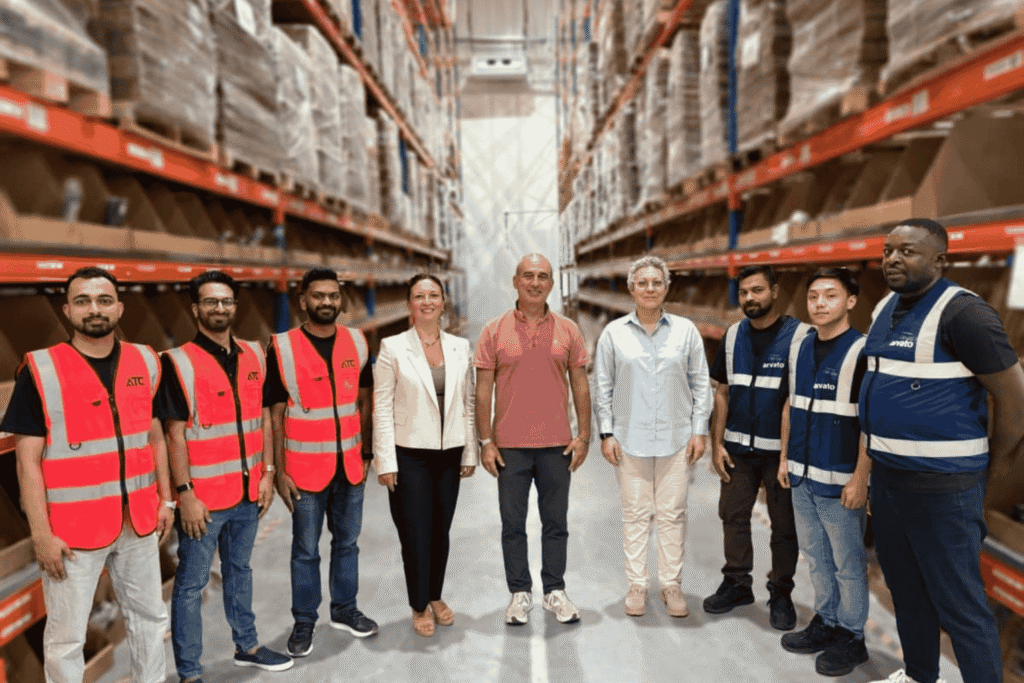
Arvato and ATC Launch Strategic Data Center Logistics Hub in the UAE

German-based global logistics provider Arvato and Ireland-based data center logistics specialist ATC Computer Transport & Logistics (ATC) have jointly opened a new data center logistics hub in Dubai, United Arab Emirates. This collaboration aims to address the rapidly growing digital infrastructure demands in the region and establish a strong position in the data center services market across the Middle East (logisticsmiddleeast.com).

Increasing Digital Infrastructure Investments in the Middle East

The Middle East, especially the UAE, Saudi Arabia, and other Gulf countries, have been placing significant emphasis on digital infrastructure investments in recent years. The region’s technological infrastructure is rapidly advancing through projects such as data center developments and international submarine fiber optic cable initiatives. For instance, Saudi Arabia’s “Vision 2030” program prioritizes digital transformation with substantial investments. Similarly, Dubai’s digital transformation initiatives aim to position the region as a global technology and data center hub (logisticsmiddleeast.com).

Within this context, data center logistics plays a critical role. Since data centers consist of highly sensitive and secure equipment, expert handling is essential during transport. The partnership between Arvato and ATC is a strategic move to meet this growing need.

Arvato’s Expanding Presence in the Region

Arvato is a global player with strong expertise in e-commerce and logistics. Recently, the company expanded its Middle East operations by opening a new 3,300 square meter regional headquarters in Dubai CommerCity. This facility focuses on regional logistics and digital commerce services, offering comprehensive solutions to customers (logisticsmiddleeast.com).

Arvato’s new venture into data center logistics will further strengthen its role in the Middle East’s digital commerce ecosystem. The company’s extensive global network continues to support the logistics infrastructure for e-commerce and digital services in the region.

ATC’s Expertise and the Importance of the Partnership

ATC Computer Transport & Logistics is renowned for its specialization in data center transportation and technical installations. The company provides precise handling, assembly, and technical support services needed during data center setup. The partnership with Arvato helps both companies solidify their positions in the data center logistics market across the Middle East (logisticsmiddleeast.com).

This collaboration brings together expertise in both technical and logistical fields. As a result, integrated solutions will be offered to customers during the setup, maintenance, and expansion of data centers. Considering the increasing digital infrastructure investments in the region, the importance of such comprehensive services is rising.

The Challenges and Importance of Data Center Logistics

Data centers are complex structures that use high-tech equipment and require sensitive energy and cooling infrastructure. Therefore, equipment transportation demands extreme care, and logistics services must be timely and flawless. Any error in transport or installation can lead to losses worth billions.

The new logistics hub established by Arvato and ATC will support customers through every phase of logistics processes. Especially as major data centers and cloud service providers increase their investments in the region, the importance of integrated logistics solutions grows.

The Role of Logistics in UAE’s Digital Transformation

The UAE, particularly Dubai and Abu Dhabi, is a regional leader in digital transformation. The country’s digital infrastructure, data centers, and cloud services are growing rapidly. Government initiatives such as “Smart Dubai” and “UAE Digital Government” aim to expand digital services widely. This, in turn, increases the importance of data centers and their logistics (UAE Government Portal).

The logistics center established by Arvato and ATC in Dubai will operate to support these goals. The companies will play a critical role in ensuring the smooth operation of digital infrastructure in the region.

Regional Competition and Future Outlook

The Middle East competes with Asia and Europe in data center investments. Regional governments and private sectors are allocating substantial resources to strengthen digital infrastructure. The partnership between Arvato and ATC will increase the quality of logistics services in the region, providing a competitive edge.

Experts predict the data center logistics market in the Middle East will grow annually by more than 20% over the next five years.

Conclusion: Logistics and Data Centers in the Digital Age

The data center logistics hub launched by Arvato and ATC in the UAE is a significant milestone in the region’s digital transformation journey. The partnership aims to set new standards in logistics while aligning with the increasing digital infrastructure investments.

Such collaborations are crucial for enhancing the Middle East’s competitiveness in the digital economy and securing a strong position in the global data center market.

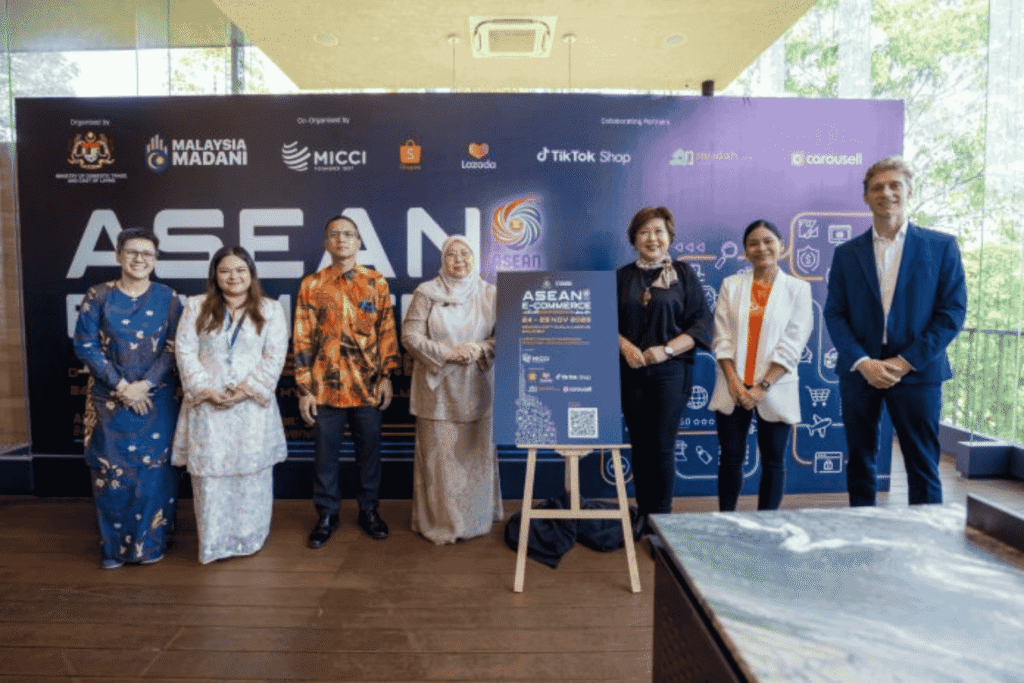
Malaysia to Host First ASEAN E‑Commerce Conference in November

Malaysia is gearing up to host the inaugural ASEAN E-Commerce Conference on November 24–25, 2025, at the prestigious Grand Hyatt Kuala Lumpur. This event aligns with Malaysia’s current ASEAN Chairmanship and represents a critical step toward accelerating digital transformation and fostering collaboration among Southeast Asia’s rapidly growing economies. The conference is jointly organized by the Ministry of Domestic Trade and Cost of Living (KPDN) and the Malaysia E-Commerce Chapter under the Malaysian International Chamber of Commerce and Industry (MICCI) (Business Today).

This high-profile gathering will convene more than 350 participants from government, private sector, and civil society, including policymakers, regulators, business leaders, e-commerce platforms, and entrepreneurs from across the 10 ASEAN member states. Themed “ASEAN E-Commerce Transformation: Bridging Gaps, Enhancing Competitiveness,” the two-day conference features 14 sessions with 33 expert panellists discussing pressing issues and opportunities within the digital economy.

The Growing Importance of ASEAN’s Digital Economy

Southeast Asia’s digital economy has emerged as one of the fastest-growing regions globally, driven by increasing internet penetration, smartphone adoption, and evolving consumer behavior. According to data from the Department of Statistics Malaysia, Malaysia’s domestic e-commerce revenue reached RM1,230.6 billion in 2024. The first half of 2025 alone saw RM625 billion in revenue, marking a year-on-year growth of RM13.5 billion (Business Today).

On a regional scale, ASEAN’s digital economy generated US$11 billion in profits in 2024 almost triple the 2022 figure. Experts project that by 2030, ASEAN’s digital economy could surpass US$1 trillion, with e-commerce as a key growth driver (The Vibes).

These statistics underscore the urgency of coordinated regional efforts to build a sustainable and inclusive digital ecosystem. The ASEAN E-Commerce Conference aims to facilitate dialogue on harmonizing regulations, strengthening consumer protection, and tackling challenges such as digital piracy, counterfeit goods, and last-mile logistics  issues that significantly impact cross-border online trade.

Key Themes and Stakeholders

The conference will focus on several critical themes, including creating a trusted e-commerce marketplace that fosters transparency and safety for consumers and businesses alike. Enhanced consumer protection policies will be discussed to empower buyers and sellers with confidence in digital transactions.

Digital finance solutions, particularly innovations like Buy Now Pay Later (BNPL), will also be examined for their potential to improve affordability and expand market access, especially for micro, small and medium enterprises (MSMEs). MSMEs remain the backbone of ASEAN economies, and their inclusion in the digital economy is vital for equitable growth.

Minister of Domestic Trade and Cost of Living, Datuk Armizan Mohd Ali, will officiate the conference, highlighting the Malaysian government’s commitment to supporting digital trade. The keynote address will be delivered by James Dong, President of International Marketplace at Alibaba International Digital Commerce Group, emphasizing the role of global platforms in driving regional e-commerce growth (Business Today, The Sun).

Additional notable speakers include representatives from Shopee, Alibaba, the Federation of Malaysian Consumers Associations (FOMCA), and Thailand’s Consumer Protection Board, ensuring diverse perspectives from across the public and private sectors.

Strengthening Regional Cooperation and Digital Inclusion

Malaysia’s hosting of this event reflects its broader strategy to position itself as a digital hub for ASEAN. Deputy Minister Datuk Dr Fuziah Salleh emphasized that building regional partnerships and aligning regulatory frameworks are essential to maximizing the benefits of digital trade (The Sun).

By promoting cooperation, the conference aims to reduce barriers for businesses engaging in cross-border e-commerce, streamline customs processes, and encourage knowledge sharing about best practices. This collaborative approach is expected to accelerate digital transformation across ASEAN, enabling more inclusive participation from rural communities, women entrepreneurs, and startups.

Christina Tee, President of the Malaysian International Chamber of Commerce and Industry, underlined the importance of creating trust between industry players and regulators to foster an enabling environment for innovation and sustainable growth.

Contextualizing the Conference Within ASEAN’s Digital Initiatives

The ASEAN E-Commerce Conference builds upon prior regional initiatives such as the ASEAN Online Sales Day (AOSD) 2025 webinar hosted by Malaysia earlier this year. This event focused on cross-border e-commerce promotion and highlighted the digital economy’s potential to exceed USD 300 billion by 2025 (Malaysia SME, MATRADE).

In addition, Malaysia has been actively involved in the ASEAN Digital Content Summit and the ASEAN AI Business Summit, events that foster digital creativity, entrepreneurship, and technological innovation within the region. These efforts collectively demonstrate Malaysia’s leadership in advancing ASEAN’s digital agenda (MDEC, Malaysia SME).

Economic Implications and Future Prospects

The rapid growth of e-commerce has significant implications for the ASEAN economy. Expanding digital trade can create jobs, increase GDP contributions, and provide consumers with access to a broader range of products and services at competitive prices. It also encourages innovation in logistics, payment systems, and customer service.

However, challenges remain. Last-mile delivery inefficiencies, digital payment adoption gaps, cybersecurity threats, and uneven regulatory standards can hinder the full potential of e-commerce in the region. The ASEAN E-Commerce Conference will serve as a platform to address these issues by bringing together stakeholders to share experiences, collaborate on solutions, and develop actionable roadmaps.

Registration and Participation

The conference is open to all interested stakeholders, with registrations currently underway on the official event website. Early bird registration offers discounted rates and closes on October 15, 2025. Organizers encourage participation from e-commerce businesses, policymakers, digital innovators, and representatives from MSMEs to foster diverse and productive discussions (Business Today).

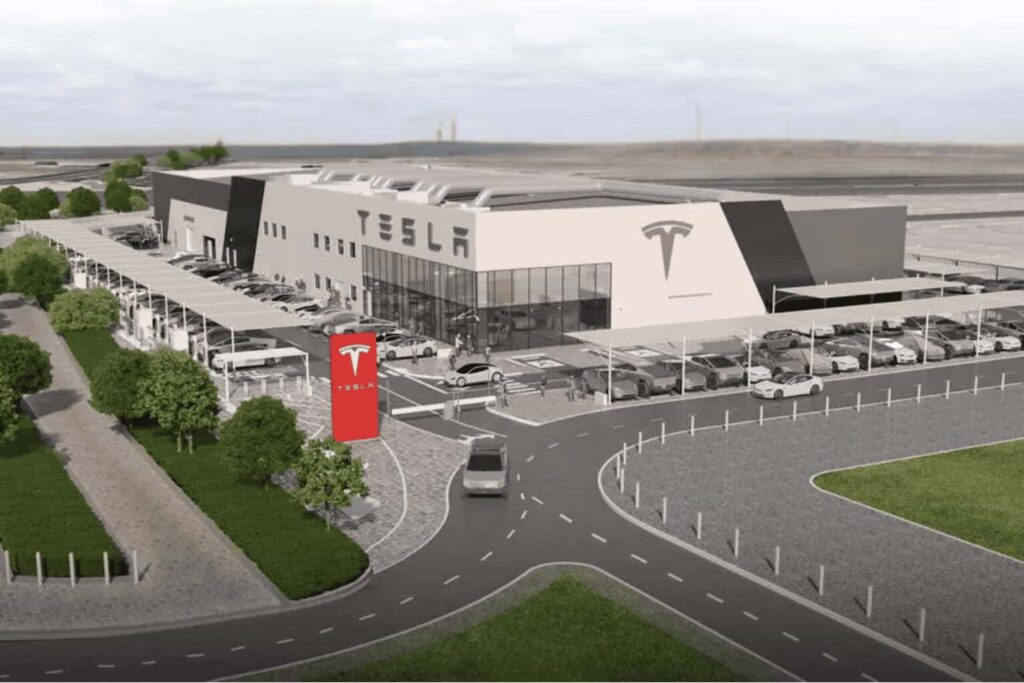
Aldar to Deliver UAE’s First Tesla Experience Centre on Yas Island

Aldar, the UAE’s leading real estate developer, has announced plans to deliver the country’s first Tesla Experience Centre on Yas Island. The build-to-suit facility will integrate a showroom, service centre, and delivery hall into a single, fully optimized location. This milestone represents not only an expansion for Tesla in the UAE but also a significant step for Aldar in establishing Yas Island as a premier hub for global brands (Aldar).

Strategic Expansion in the UAE

Founded as one of the UAE’s largest real estate firms, Aldar has consistently focused on delivering projects that combine functionality, design, and strategic location. The Tesla Experience Centre is part of Aldar’s broader plan to expand its industrial, logistics, and retail portfolio while supporting the UAE’s vision to attract international brands.

According to Jassem Saleh Busaibe, CEO at Aldar Investment, “This build-to-suit development for one of the world’s most recognisable brands represents another step in the evolution of Aldar’s industrial and logistics offerings. It reflects the confidence global companies have in Aldar as a partner of choice, and in Yas Island as a strategic base for long-term growth” (Aldar press release).

Tesla, known worldwide for its innovative electric vehicles, has been steadily increasing its footprint in the Middle East. Establishing a purpose-built centre in Abu Dhabi reinforces its commitment to the region and provides a dedicated venue for customers to explore, purchase, and service Tesla vehicles in a single location.

Facility Features and Sustainability

The new facility will cover more than 5,000 square meters of leasable space, offering a full range of services including vehicle display, service bays, and delivery areas. The centre will also include 170 dedicated parking spaces and 20 Tesla Supercharger V4 stalls to accommodate visitors and operational needs.

Sustainability is a central focus. The facility aims to achieve an Estidama 3 Pearl rating and incorporate Net Zero-aligned design principles. Features include high-efficiency HVAC systems, low-emission construction materials, rooftop solar panels, LED lighting, and rainwater recycling systems to support landscaping and operations (Gulf Business). These features not only minimize the building’s environmental footprint but also enhance long-term operational efficiency.

Strategically located along the E12 highway, the centre will be easily accessible to both Abu Dhabi and Dubai residents. This prime positioning strengthens Tesla’s regional logistics network while providing customers with a convenient and seamless experience. The project is slated for completion by 2027, marking a key milestone for both Aldar and Tesla in the region.

Regional Market Context

The UAE continues to attract global brands across multiple sectors, including technology, automotive, retail, and lifestyle. Yas Island has emerged as a preferred destination for high-profile developments due to its strategic location, connectivity, and supportive infrastructure. Tesla’s decision to establish its first dedicated experience centre in Abu Dhabi highlights the region’s growing importance in the global EV market.

Electric vehicle adoption in the UAE has accelerated significantly over the past five years, driven by government incentives, environmental policies, and increasing consumer awareness. Tesla, as a leading EV brand, has capitalized on these trends by expanding its sales, service, and delivery infrastructure across key markets in the Gulf (Arabian Business).

Strategic Significance for Aldar

For Aldar, the Tesla Experience Centre exemplifies the company’s expertise in build-to-suit developments tailored for international clients. By delivering a facility that meets Tesla’s exact specifications, Aldar reinforces its reputation as a trusted partner capable of handling complex, high-value projects.

The project also expands Aldar’s industrial and logistics capabilities. As more global companies seek purpose-built facilities in the UAE, Aldar’s experience with Tesla positions it to capture further opportunities in the fast-growing industrial and commercial property sector.

Customer Experience and Brand Engagement

The integrated design of the Tesla Experience Centre is aimed at creating a seamless and elevated customer journey. By combining display, service, and delivery functions under one roof, Tesla can enhance operational efficiency while providing a convenient and premium experience for clients.

This approach is particularly important in the EV market, where customer education and engagement play a crucial role. The centre will allow potential buyers to explore Tesla’s latest vehicles, learn about technology features, and experience the brand firsthand. By centralizing these services, Tesla can also streamline after-sales support and strengthen long-term customer loyalty.

Economic and Environmental Impact

Beyond customer experience, the Tesla Experience Centre is expected to generate economic value through job creation and increased commercial activity in the Yas Island area. Construction, operations, and ancillary services will contribute to the local economy while promoting innovation and sustainability.

The centre’s green design aligns with the UAE’s broader sustainability objectives, which include reducing carbon emissions, promoting renewable energy, and enhancing energy efficiency across the built environment. Aldar’s focus on Net Zero-aligned design reflects a growing trend among developers to incorporate environmental responsibility into flagship projects.

Regional and Global Implications

Tesla’s first purpose-built centre in the UAE marks a strategic step in the company’s Middle East expansion plan. It signals confidence in the region’s EV market potential and reinforces Abu Dhabi as a hub for technology, innovation, and sustainable development.

For the UAE, the project demonstrates the country’s appeal to global brands seeking premium, strategically located facilities. It also underscores Yas Island’s continued evolution as a world-class destination for both business and lifestyle experiences.

Conclusion

Scheduled to open by 2027, the Tesla Experience Centre on Yas Island represents a milestone for both Aldar and Tesla. It combines cutting-edge infrastructure, sustainability, and an enhanced customer experience to set a new standard for automotive and real estate developments in the UAE.

By partnering with Tesla, Aldar not only strengthens its position as a leading developer of build-to-suit projects but also contributes to the UAE’s strategic goal of fostering innovation and sustainable growth. This development is a tangible example of how global brands and local developers can collaborate to create landmark projects that drive economic, technological, and environmental progress in the region (Aldar).

OpenAI to Rival Linkedin with Jobs Platform

OpenAI, the artificial intelligence company behind ChatGPT, has officially announced a new venture that marks its expansion beyond AI chatbots. The company is developing the OpenAI Jobs Platform, an artificial intelligence-powered hiring system set to launch in mid-2026. This new product aims to compete directly with Linkedin and other job networking platforms by using AI to improve how businesses and workers connect.

According to a TechCrunch report, OpenAI’s Head of Applications, Fidji Simo, revealed that the platform is intended to serve not only large corporations but also underserved sectors such as small businesses and local governments. These groups often lack access to modern recruitment tools, and the OpenAI Jobs Platform is designed to close that gap.

The new platform will use OpenAI’s language models to match candidates and employers based on skillsets, not just traditional resumes or keywords. The goal is to make the hiring process smarter, faster, and more accessible across industries.

Positioning Against LinkedIn

OpenAI’s new product enters a space long dominated by Linkedin, which is owned by Microsoft  OpenAI’s largest investor. As noted by CNBC, the competitive overlap has raised eyebrows due to Microsoft’s deep financial and infrastructural involvement with both companies. Despite this, OpenAI is moving forward with its hiring solution, which it believes will outperform existing platforms through deeper AI integration.

Linkedin has made strides in incorporating artificial intelligence, including tools for AI-based job recommendations and recruiter assistance. However, OpenAI claims that its Jobs Platform will reimagine the recruitment pipeline from the ground up using generative AI.

Reid Hoffman, a co-founder of LinkedIn and early OpenAI backer, has so far not commented publicly on the overlap between the two platforms.

OpenAI Academy and Workforce Certification

Alongside the OpenAI Jobs Platform, the company is launching a national certification program through its OpenAI Academy. This initiative will assess individuals’ fluency in AI tools  a skill increasingly seen as essential in today’s workplace. The company plans to begin pilot programs in late 2025.

As reported by Outlook Business, OpenAI aims to certify up to 10 million Americans by 2030. Walmart has already partnered with OpenAI for early deployment of the program, suggesting broad corporate interest in AI-based upskilling.

These certifications will eventually integrate directly into the OpenAI Jobs Platform, allowing employers to identify and filter candidates based on verified AI competencies, rather than just education history or previous job titles.

Government Support and National Strategy

The announcement comes amid a broader national push to improve AI literacy across the U.S. OpenAI executives, including CEO Sam Altman, recently participated in White House-led discussions focused on workforce development and the role of AI in the future of jobs.

As highlighted by Superpower Daily, the platform was presented as part of OpenAI’s response to calls for equitable access to AI-driven tools. The company views its new platform as a way to democratize hiring and educational opportunity at a national scale.

OpenAI is also working closely with education and labor organizations to ensure that the certification process is inclusive and reflective of actual skills, not just theoretical knowledge.

Smarter Hiring with Generative AI

Unlike traditional recruitment systems that rely heavily on keyword filtering, the OpenAI Jobs Platform will use AI to analyze context, intent, and relevance in resumes and job descriptions. The platform is expected to include features such as personalized job matching, career path guidance, resume generation, and even mock interviews  all powered by OpenAI’s proprietary models.

This approach may help address long-standing issues in recruitment, such as poor job fit, resume inflation, and lack of diversity in candidate pools. OpenAI says the platform is built to recognize potential in non-traditional candidates by evaluating their capabilities rather than their credentials alone.

Moving Beyond ChatGPT

The development of the OpenAI Jobs Platform is part of a broader shift at OpenAI to move beyond consumer-facing chatbots and into more enterprise-oriented applications. The Applications Division, led by former Instacart CEO Fidji Simo, is reportedly working on a variety of new tools including productivity apps, a browser-based assistant, and possibly a social platform.

According to TechCrunch, these projects are part of OpenAI’s long-term goal to embed AI into everyday business operations and services.

The Jobs Platform is OpenAI’s first major move into employment services and could position the company as a full-service AI infrastructure provider across industries.

Ethical Considerations and Algorithmic Transparency

As with any AI system that deals with people’s lives and careers, concerns have been raised about potential bias, transparency, and privacy. OpenAI has stated that fairness, safety, and accountability will be built into the platform’s core design. The company has not yet detailed its data privacy practices, but it is expected that rigorous compliance with regulatory standards will be part of the final rollout.

Experts note that any large-scale AI hiring system must address algorithmic bias and offer clear, explainable decision-making processes, especially when used by public-sector employers.

Conclusion

The OpenAI Jobs Platform, set to launch in 2026, represents one of the company’s most ambitious projects to date. Combining AI-powered job matching with national-level certification, the platform aims to revolutionize how workers and employers find each other in the digital economy.

With support from major employers, government partnerships, and strong demand for AI-integrated hiring tools, the platform could become a central part of the future job market. Whether it can compete directly with LinkedIn remains to be seen, but OpenAI’s technological edge may give it a significant advantage as the world adapts to AI-driven work.

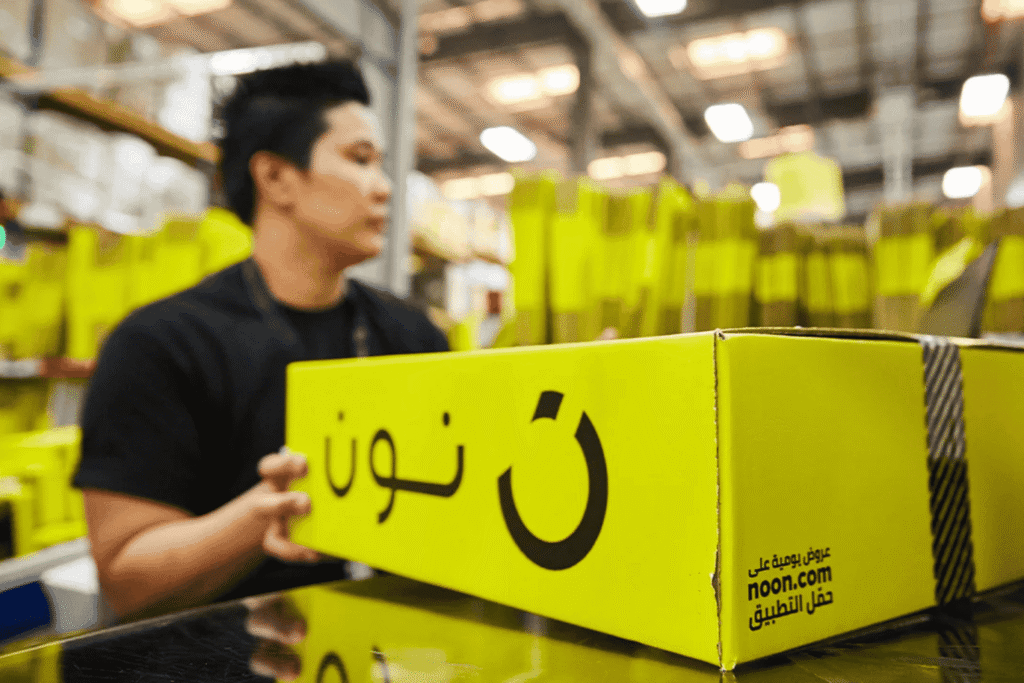
Noon Targets Dual IPO in Saudi Arabia and UAE Within Two Years

Middle Eastern e-commerce powerhouse Noon has set its sights on a dual initial public offering (IPO) within the next two years, with listings planned simultaneously in Saudi Arabia and the United Arab Emirates. The move would not only mark a milestone for the company itself but also represent one of the most significant public listings in the region’s fast-developing digital economy. Noon’s management has emphasized that the company is now close to profitability, making the timing more favorable for attracting institutional investors and public shareholders (Waya Media).

Building a Regional Giant

Launched in 2016 with major backing from Saudi Arabia’s Public Investment Fund (PIF) and UAE-based businessman Mohamed Alabbar, Noon has evolved into a central player in Middle Eastern e-commerce. Over the past nine years, it has raised approximately $2.7 billion in funding, pushing its valuation to nearly $10 billion. The company now operates across Saudi Arabia, the UAE, and Egypt, three of the region’s largest consumer markets.

Alabbar has consistently positioned Noon as a homegrown alternative to global giants such as Amazon. Speaking to investors, he stressed that the firm is “close to profitability,” underscoring how operational scale, logistics efficiency, and a diversified portfolio of services are paving the way for sustainable growth (Financial Times).

Logistics, Technology, and Autonomous Delivery

Logistics remains the backbone of Noon’s competitive strategy. The company operates large fulfillment centers and has built a last-mile delivery network that spans thousands of vehicles. However, Noon is now betting on automation to reduce costs and improve efficiency.

Its new plan involves the deployment of autonomous delivery robots and driverless vehicles. Instead of purchasing these systems outright, Noon intends to lease them  a strategy designed to reduce the financial burden of high-tech investments while maintaining flexibility. According to Alabbar, the integration of autonomous solutions could allow Noon to cut its current 40,000-strong delivery workforce by half by 2027. This would be one of the most significant efficiency gains in the region’s logistics sector (Khaleej Times).

The company also views these investments as a step toward building a scalable infrastructure capable of handling increasing order volumes while addressing regional challenges such as traffic congestion, delivery delays, and high labor costs.

Financial Performance and Challenges

Despite its rapid growth, Noon has not been immune to challenges. The company achieved a gross merchandise value (GMV) of between $5 and $6 billion in 2024, a sign of healthy transaction volume. However, profitability has remained elusive due to structural factors. Low average order values, particularly in emerging markets, have pressured margins. Additionally, grocery delivery — an area of focus for Noon — tends to generate weaker returns compared to electronics and fashion.

Alabbar has been vocal about changing investor expectations. “The model of allowing modern technology firms to run at a loss for years is no longer acceptable,” he said, signaling that Noon intends to achieve profitability before the IPO rather than relying on long-term speculative growth. This stance contrasts with global peers like Amazon, which endured years of losses before achieving consistent profits.

Competitive Landscape

Noon competes directly with Amazon, which entered the Middle Eastern market through its acquisition of Souq.com in 2017. The company also faces pressure from fast-fashion giant Shein, global furniture retailer Ikea, and newer entrants like Meituan’s Keeta service from China.

These competitors are capitalizing on consumer demand for convenience and competitive pricing, but Noon maintains an edge through local market knowledge, strong regional partnerships, and a customer base loyal to a brand that positions itself as “built for the Middle East.”

Still, maintaining this advantage requires ongoing investment in logistics, customer experience, and technology. Noon’s ability to expand without burning excessive capital will be closely scrutinized by potential IPO investors.

Expansion Beyond the Middle East

While Noon’s roots are firmly in the Gulf, the company’s ambitions extend far beyond. It has revealed plans to enter India, one of the world’s fastest-growing e-commerce markets, where consumer spending and digital adoption are expanding at breakneck speed. Entering such a large market will present challenges — including intense competition from Amazon India, Flipkart, and Reliance’s JioMart — but it also offers immense growth potential.

Additionally, Noon is actively considering mergers and acquisitions (M&A) as part of its long-term strategy. This could include acquiring niche players in the Middle East to strengthen its market share, or partnerships that allow it to accelerate its international expansion.

Broader Market Context

Noon’s IPO ambitions come at a time when Gulf capital markets are seeing increased activity. In the first half of 2025, between 24 and 27 IPOs were completed in the Gulf region, raising between $3.5 and $4 billion. Notably, more than 85 percent of those offerings took place in Saudi Arabia, underscoring the kingdom’s dominant position in regional equity markets.

In contrast, the UAE accounted for just $163 million in IPO proceeds over the same period. Analysts believe Noon’s dual listing in Riyadh and Dubai could help balance this disparity, attracting greater investor interest to both markets while enhancing regional financial integration (Arab News).

If successful, Noon’s offering could also serve as a blueprint for other regional startups, encouraging more technology firms to pursue public listings instead of relying solely on private capital.

Investor Expectations

For investors, Noon’s value proposition lies in a blend of growth potential, regional dominance, and improving financial discipline. The company’s ability to demonstrate a clear path to profitability will be critical to the IPO’s success. Institutional investors will also closely examine Noon’s cost structure, customer acquisition strategies, and resilience against global competition.

Market analysts note that Noon’s dual IPO would test investor appetite for technology stocks in a region still dominated by traditional sectors such as energy, banking, and real estate. The listing could therefore be a litmus test for how far Gulf financial markets have evolved toward supporting digital-first enterprises.

A Symbol of Regional Transformation

Beyond financial metrics, Noon’s IPO represents something larger: the coming of age of the Middle Eastern digital economy. It signals that local champions can compete with global giants and that Gulf investors are willing to back homegrown innovation at scale.

Alabbar’s insistence on prioritizing profitability reflects a pragmatic approach aligned with evolving investor sentiment. In his words: “Patience, investor trust, and profitability can never be ignored.”

If Noon succeeds in delivering on its promises, the IPO could mark the beginning of a new era for regional technology companies, paving the way for more listings and accelerating the transformation of Gulf economies toward diversification and digitalization.

Conclusion

Noon’s target of going public in Saudi Arabia and the UAE within two years is more than just a financial event. It is a statement of intent, showcasing the company’s ambition to be both profitable and globally competitive.

With its investments in automation, its planned expansion into India, and its disciplined focus on financial sustainability, Noon stands at the forefront of a rapidly evolving market. Should the IPO succeed, it will not only secure Noon’s position as one of the Middle East’s leading e-commerce firms but also establish it as a symbol of the region’s digital future.

London Is Losing Millionaires but Holding on to Their Billions

London, long regarded as a global hub for the wealthy, is experiencing a decline in its millionaire population. Despite this, the city continues to serve as a major financial center where billionaires manage and grow their wealth. Recent data from With Intelligence indicates that although ultra-rich families are relocating their residences, London remains one of the most important hubs for family offices worldwide (Business Insider).

Tax Changes and Wealth Migration

The UK government introduced tax reforms in April that impose a 40 percent inheritance tax on worldwide assets held by residents living abroad (UK Government Tax Guidelines). This reform has encouraged many billionaires to move to lower-tax jurisdictions such as Monaco, Switzerland, and the United Arab Emirates. High-profile figures like Lakshmi Mittal and Richard and Ian Livingstone have relocated to take advantage of these benefits.

While relocating may reduce tax liabilities for some individuals, many billionaires continue to maintain their financial operations and investments in London. Analysts point out that moving personal residence is significantly easier than relocating complex financial networks that involve multiple banks, investment portfolios, and legal structures.

Family Offices Remaining in London

Despite the migration of some wealthy residents, London remains a central hub for family offices. With Intelligence reports that roughly one-third of the 259 single-family offices registered in the UK continue to operate in London. These offices, including LK Advisers, London & Regional Group Properties, and Seatankers Management, continue to manage vast portfolios and oversee day-to-day financial operations for ultra-wealthy families.

Alastair Graham, director of family offices at With Intelligence, explains, “Private capital gravitates toward centers with the strongest support ecosystems. London remains Europe’s largest asset management hub.” He notes that London continues to outpace other European financial centers including France, Germany, and Switzerland due to its deep professional networks, legal expertise, and investment infrastructure.

Record Levels of Millionaire Migration

The Henley Private Wealth Migration Report 2025 highlights that the UK is expected to lose 16,500 millionaires this year. This is the highest number of millionaires leaving any country, more than double the losses reported in China. Analysts attribute this trend to a combination of higher taxes, post-Brexit regulatory uncertainty, and stricter rules for investor migrants.

The report also shows that many of the departing millionaires are not necessarily selling off assets but shifting their personal residences to optimize tax planning. This subtle but significant shift reflects a broader trend in wealth management: maintaining financial operations in established centers while optimizing personal fiscal exposure abroad.

London’s Enduring Financial Advantages

London’s appeal is not solely tax-driven. The city hosts a dense network of investment professionals, over 180 banks, and leading private client law firms (City of London Corporation Report 2025). This network allows billionaires to manage their assets securely and efficiently. Graham notes that many ultra-wealthy individuals may relocate their residences, but they continue to manage their financial affairs in London.

Furthermore, London offers access to global financial markets, a large pool of experienced professionals, and advanced infrastructure for complex wealth management needs. Approximately 50 family offices in the UK manage around $81 billion in assets on behalf of non-resident clients. Graham adds, “Among London’s family offices, 52 percent of total assets—or $179 billion—come from offices serving clients living abroad,” underscoring London’s role in global wealth management.

Long-Term Implications for the UK Economy

The migration of millionaires may have broader implications for the UK economy. While London retains its ultra-wealthy clients through family offices, the departure of millionaires can affect local economies, consumer spending, and real estate markets. Economists warn that without policy adjustments, the UK may see a growing wealth gap and pressure on certain service sectors that rely on the spending power of affluent residents.

At the same time, the stability of family offices and London’s position as a financial hub may offset these effects. By maintaining sophisticated wealth management networks, the city ensures that a significant portion of global wealth continues to flow through London-based institutions.

Future Considerations

Looking ahead, tax reforms and proposed wealth taxes could further influence migration trends. Policymakers face the challenge of balancing revenue generation with retaining high-net-worth individuals who contribute to the UK’s financial ecosystem. Graham warns that overly aggressive tax policies may prompt more ultra-wealthy families to relocate entirely, potentially diminishing London’s role as a premier wealth management center.

Conclusion

Even as London loses some of its millionaire residents, it remains a key global financial hub. The continued presence of family offices, banks, and professional services ensures the city’s role in wealth management remains strong. The relocation of wealthy individuals alongside the stability of family offices highlights London’s strategic position in the international financial landscape (Business Insider.