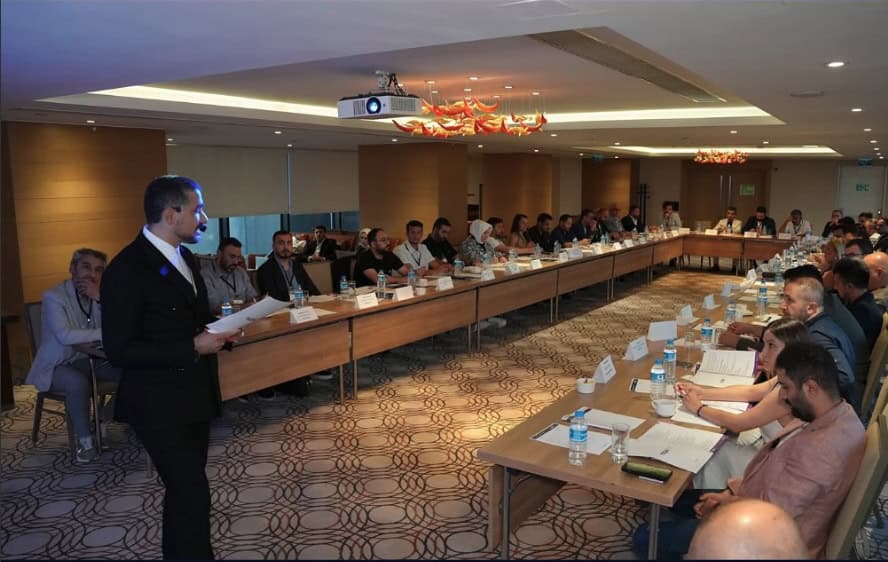
WORLDEF Prime Antalya 2026 - Upcoming Event

Register Now

Gen Z is the Engine of Social Commerce: They do not just watch, they co-create

A new media grammar is taking hold across Gen Z: They do not just watch, they co-create. YouTube’s latest culture study shows that today’s 14–24-year-olds see themselves as creators, shape trends, and prefer videos born inside communities over traditional, top-down formats. In the United States sample, two-thirds of Gen Z say people their age drive what others talk about online; they spend far more time with user-generated video and significantly less with TV and films. This is not a passing fad but a durable shift in how culture is made and distributed.

Gen Z: They do not just watch, they co-create

A new YouTube Culture & Trends report on the “Next-Gen” media language, built on Google/SmithGeiger surveys in April 2025, argues that today’s teens don’t merely consume, they co-author what the internet talks about. In the United States sample, 66% of 14–24-year-olds say that people their age shape online conversation; Gen Z also spends 26% less time with TV and films than the average person and 54% more time on social platforms and user-generated video. Large majorities report that creators influence their humor, habits, and personal style—the culture loop is participatory, not broadcast.

This shift sits on vast, always-on distribution: the world counted 5.41 billion social-media users by mid-2025 (roughly two-thirds of humanity), a scale that turns niche creator trends into mainstream demand within days. Meanwhile, social platforms and creators are capturing a growing share of ad spend—2025 is the first year creator media is set to overtake traditional media in advertising revenue, signaling where attention—and purchase influence—now lives.

Money is following attention. Analysts expect social commerce to scale from hundreds of billions to US$1.2 trillion by 2025, with longer-run projections pointing to multi-trillion growth by 2030 as “scroll → chat → buy” turns habitual for younger cohorts. In Southeast Asia—a bellwether for mobile-first retail—the digital economy reached US$263 billion GMV in 2024 (+15% year on year), while leading marketplaces and wallet rails tightened the loop between creator discovery and checkout.

Crucially, creators don’t just entertain; they validate purchases. Recent surveys show younger shoppers disproportionately trust creator recommendations and act on them more frequently than older cohorts a strong signal for brands still over-investing in polished monologues instead of community proof.

What does this mean for e-commerce?

  1. Treat the audience as co-authors. Design launches for remix: publish shoppable videos, provide sounds/templates, and feature the best community clips on product pages. Measure not only clicks, but co-creation rate (duets, stitches, remixes) as a predictor of repeat.

  2. Collapse discovery and checkout. Make chat-to-purchase native; prioritise wallet flows in the markets where they dominate. Streaming’s rise means your “ads” should feel like creator content and live where people actually watch.

  3. Invest where the flywheel compounds. Returns orchestration for social orders, rights-safe UGC ingestion, moderation, and multilingual PDP automation are the rails that turn culture into commerce.

YouTube’s data shows a world where creators and communities now set the cultural agenda and platforms distribute it at planetary scale. The winners in e-commerce will be the operators who build for that reality: creator-native, video-first, and engineered for one-tap conversion.

In short, the audience is now the studio and the store. With billions of people on social platforms and over a billion hours of video watched daily, creator-led culture moves products across borders faster than any campaign calendar. Social commerce is racing toward a multi-trillion-dollar scale this decade; the brands that win will treat community content as the front page, collapse discovery and checkout into one flow, and measure co-creation (remixes, stitches, templates used) alongside clicks. Marketplaces should reward verified user videos and build rails for returns, rights, and moderation; investors should fund these “boring” pipes where margins compound. Ignore this shift, and you will overspend for attention that does not convert. Build for it, and you turn culture into a flywheel of repeatable, global e-commerce growth.

Gen Z Gen Z Gen Z Gen Z Gen Z


WGN: MENA’s Operating System for Measurable Growth

WGN and MENA Ecommerce: From Visibility and Trust to Revenue

Global commerce has long ceased to be merely an equation of product and price. Today, what determines competition is speed, trust, the right partnerships, and the quality of access to information. At WORLDEF, we have observed this transformation from the inside for years and engaged with thousands of entrepreneurs and institutions. I can state plainly: capital alone does not make success durable. What makes capital work are relationships of trust, scalable collaborations, and a disciplined growth culture. WORLDEF Growth Network (WGN) was born precisely from this need. It is not a club or a chain of events left to the coincidences of random encounters. We aim to establish a relationship system that produces commercial outcomes and connect it with global networks, starting from the MENA region.

The easiest way to explain this system is to recall the world’s reference-based networks. These models teach us two critical lessons: First, relationships do not translate into productivity without rhythm. Second, trust is built together with performance. WGN adapts these two lessons to the realities of digital commerce. Meeting flows, role definitions, follow-up mechanisms, and measurement sets are predefined. Each gathering is not merely a conversation; each meeting is a working session linked to the next concrete step.

The backbone of WGN is a weekly cadence. At the beginning of each meeting, members clearly set out the two target accounts they are focused on that week, the connections they need, and the point at which they are stuck. Then come matched one-on-one meetings. The aim is not quick introductions. By day’s end, everyone holds a to-do list to carry into the following week. Growth happens not with applause but with follow-up appointments on the calendar.

The distinctive side of the model is non-overlapping sectoral representation and the guest policy. In each group, only one representative from the same field participates. This arrangement moves competition from the room to the market. Guests create a qualified candidate pool for the group and experience the culture on-site. In this way, sustainable growth is achieved. The aim here is not volume but quality. When the right representatives come together, new business models, unexpected partnerships, and efficiency gains emerge.

Let us come to WGN’s value philosophy. In our lexicon, gain is an outcome; the first cause is contribution. We are designing an order in which the giver gains. See this not as a romantic call for solidarity, but as a rational growth strategy. When you bring to a member access to the right supplier, a suitable payment method, or a realistic marketplace tactic, what returns to you in the medium term is not merely thanks. You obtain better prices. Your collection periods shorten. Your cash flow becomes predictable. As the ecosystem accelerates, the momentum of individual players also increases.

Without discipline, this philosophy remains an emotional declaration. For this reason, referrals do not flow randomly. Each referral is recorded on the platform, its quality is marked, and its outcome is visible. Participation status, number of referrals made, conversion rate from business meetings, and contribution score are monitored regularly. In short: measurement, transparency, and improvement. If a connection does not yield business, we look for the reason. Did expectations not align, were the offer terms unrealistic, or did delivery times not fit the market’s needs? This feedback loop raises referral quality within a few months. Trust is institutionalized in this way.

WGN systematises not only relationships but also capability. To this end, we have designed an Academy: a learning space aligned with our meeting discipline and follow-up mechanisms in which modules such as implementing the “Give to gain” approach and professionalizing referral management are delivered online and in person.

A global perspective exists not through words but through practice. The trust-based relations WORLDEF has built along the Istanbul–Dubai–Riyadh line are the most concrete proof. While tightening connections within MENA, we think of the region together with Europe, Africa, and Asia, because we know that a brand born in the United Arab Emirates can be linked to the Eastern European supply pool via Istanbul, and that an initiative manufacturing in Morocco can, while selling in Riyadh, scale multilingual customer service in Cairo. These cases are not theoretical; they are discussed weekly at our tables. The world no longer flows linearly. Permeability between networks determines who will grow quickly.

At the center of the approach that differentiates WGN lies an order in which the giver gains. Relationships that proceed only with “What do I get?” clog quickly. Producing value and circulating knowledge and opportunity yield a more substantial return in the long run. This principle is not a romantic appeal to solidarity; on the contrary, it is a data-driven growth logic. When the ecosystem accelerates in this way, everyone gains. Short-term, zero-sum calculations slow growth.

We also value proactive engagement with the regulatory framework. Trade data policies, consumer protection, principles for using artificial intelligence, and cross-border VAT practices directly affect the pace of growth. As WORLDEF, we have been in dialogue with public actors for years. WGN will make this bridge more functional. We will share our field data and member experience with policy-makers. Our aim is not to complain but to produce solutions. Every simplification that opens an entrepreneur’s breathing space increases the region’s competitiveness.

So who should join this network? WGN is not for everyone. Profiles seeking only sales and motivated by short-term opportunism will struggle in this system. We are looking for professionals who keep their word, put their knowledge into circulation, and take a long-term view of the region. From software producers to logistics providers, payment institutions to brands, marketplace managers to content and growth agencies, education companies to product suppliers a broad spectrum at the same table yields concrete efficiencies. When different specializations sit together, new business models emerge.

My recommendation to members is clear. In the first month, aim to give rather than take. Bring two opportunities from your network to the table: plan, schedule, measure. Now, let me answer the question: Is WGN a relationship club? No. WGN is a commercial system that produces measurable results. It grants visibility, institutionalizes trust, and makes revenue possible. The sequence is as follows. First, you become visible. Then you earn trust. In the final step, revenue shows itself. When you track this triad in parallel, you achieve durable growth at both the individual and ecosystem level.

My observation is this: over the next five years, the MENA region is poised to be the most dynamic stage for digital commerce. A young population, high mobile penetration, infrastructure investments, and a public-sector commitment to reform support this potential. But potential does not turn into performance on its own. What will ensure this are deliberate collaborations, transparent data-sharing, and a growth model that centers trust. WORLDEF Growth Network steps in precisely here. We want to build this model together.

Let the final word be a statement of intent. WGN was established to turn relationships into opportunities and trust into lasting partnerships. Every meeting will be tied to the next concrete step. Every referral will be tracked. Every success will be made visible. We see success not as an individual race but as the joint production of the ecosystem. If you, too, want not merely to meet but to produce together, not merely to talk but to see measurable results, this network is for you. Our door is open. Bring your first contribution. The rest will follow together.

Omar Nart
WORLDEF CEO

Ralph Lauren Enters the AI Era with Personalized Style Tool

Iconic fashion brand Ralph Lauren has embraced artificial intelligence with the launch of a new AI-powered tool called “Ask Ralph,” designed to provide personalized style recommendations to its users. Developed in collaboration with Microsoft and leveraging OpenAI’s Azure platform, the tool uses Ralph Lauren’s extensive design archives and lookbooks to offer fashion guidance and advice (WSJ).

Personalized Fashion Recommendations

Ask Ralph allows users to ask questions about style choices for different occasions. For instance, it can answer queries such as whether certain colors or outfits are appropriate for specific events. The AI draws on decades of Ralph Lauren’s fashion expertise to provide recommendations while also challenging traditional style norms. The tool is designed to give users a virtual styling experience that is both interactive and educational.

Fashion experts note that AI-powered style assistants are becoming increasingly popular as consumers look for more personalized shopping experiences. Ask Ralph combines AI insights with human fashion expertise, creating a bridge between technology and the art of styling.

The Role of AI in Fashion Retail

The integration of AI into fashion retail is part of a larger trend where technology is used to enhance customer experience. Retailers are increasingly leveraging AI for product recommendations, inventory management, and consumer engagement. Ralph Lauren’s new tool demonstrates how legacy brands can adopt cutting-edge technology to remain relevant and offer value to tech-savvy customers.

Ask Ralph uses natural language processing to understand user questions and provide tailored responses. By analyzing historical fashion trends, event contexts, and seasonal preferences, the AI delivers recommendations that reflect both current fashion sensibilities and Ralph Lauren’s classic aesthetic.

Enhancing Customer Engagement

By introducing an AI-powered stylist, Ralph Lauren aims to strengthen customer engagement both online and in-store. Users can interact with the tool via the brand’s mobile app or website, receiving guidance for outfit combinations, accessory pairings, and seasonal wardrobe planning. The interactive nature of the platform encourages users to experiment with different styles and fosters brand loyalty.

The company has emphasized that Ask Ralph is designed to complement, rather than replace, traditional human stylists. The AI acts as a first touchpoint, helping customers make informed decisions before consulting in-person experts if needed.

Bridging Tradition and Technology

Ralph Lauren is known for its iconic designs, timeless pieces, and commitment to quality. By integrating AI into its customer experience, the brand seeks to merge its traditional fashion values with modern technological innovation. The initiative reflects a broader movement in the fashion industry where artificial intelligence is leveraged to personalize experiences while maintaining brand heritage.

Executives at Ralph Lauren have stated that Ask Ralph also serves an educational purpose. Users not only receive style suggestions but can also learn about fashion history, proper outfit coordination, and the rationale behind design choices. This educational element enhances the tool’s value and encourages repeat engagement (WSJ).

Impact on the Fashion Industry

Analysts believe that AI-powered styling tools will become increasingly central to the retail sector. As consumers demand more personalized experiences, brands that leverage AI to enhance their offerings are likely to gain a competitive edge. Tools like Ask Ralph not only provide practical styling advice but also help retailers collect insights on consumer preferences, driving future product development and marketing strategies.

The move also highlights the potential for AI to influence the creative aspects of fashion. While AI can analyze trends and preferences, human designers remain crucial for producing innovative and aesthetically compelling collections. The combination of AI-driven recommendations and human creativity represents a new frontier in fashion retail.

Future Prospects

Looking ahead, Ralph Lauren plans to expand the capabilities of Ask Ralph, incorporating more interactive features and possibly integrating virtual reality elements for a fully immersive styling experience. The company aims to ensure that technology enhances rather than diminishes the brand’s iconic status and customer experience.

By adopting AI technology, Ralph Lauren sets an example for other legacy fashion brands on how to modernize their approach, appeal to younger audiences, and maintain relevance in a digital-first retail environment.

Bettr Launches AI-Powered Financing for E-Commerce Vendors

Bettr, an Ant International-backed financial technology provider, has officially launched an AI-powered accounts receivable financing platform aimed at e-commerce vendors. The platform is designed to provide fast, reliable, and flexible working capital access to online merchants, particularly as global e-commerce activity peaks during year-end sales periods (IBS Intelligence).

Tackling a Persistent Financing Gap for E-Commerce Sellers

E-commerce businesses often face challenges securing financing to expand inventory, run marketing campaigns, and manage operational costs. Traditional lending methods tend to be slow, cumbersome, and inflexible, often overlooking the dynamic needs of online businesses. Bettr’s solution addresses these gaps through automation, AI-driven decision-making, and real-time analytics.

Industry reports indicate that access to timely working capital is one of the most significant hurdles for small and medium-sized online vendors. Many businesses struggle to scale during peak sales periods because they cannot secure financing quickly enough. Bettr’s AI-powered platform aims to empower sellers by streamlining access to funding, helping them scale inventory, optimize sales, and navigate seasonal demand spikes.

How Bettr’s AI-Powered Platform Works

The platform integrates multiple sources of real-time data, including invoices, sales history, transaction records, and customer ratings, to create a comprehensive risk profile for each vendor. Using machine learning algorithms, it evaluates creditworthiness, predicts cash flow patterns, and provides personalized financing offers.

The AI system continuously updates risk assessments based on vendor performance, seasonal trends, and market conditions. This adaptive approach allows Bettr to provide rapid approval decisions—often within hours—versus traditional loans that may take weeks. By relying on AI-driven insights rather than solely on static credit scores, the platform offers fairer, more accurate evaluations.

The platform also allows vendors to track their financing applications, repayment schedules, and disbursement history through a single digital dashboard. This centralized view simplifies financial management, reduces administrative burdens, and improves overall operational efficiency.

Security and Regulatory Compliance

Security and regulatory compliance are core components of Bettr’s platform. Continuous monitoring detects potential fraud or anomalies, while automated risk assessment protocols ensure that each transaction meets compliance standards. The system also incorporates encryption and secure data handling practices, safeguarding both vendor and lender information (IBS Intelligence).

This proactive risk management, combined with AI-powered decision-making, creates a secure and reliable financing environment, giving merchants the confidence to grow their operations without fear of financial setbacks.

Enhancing Digital Financial Transformation

Bettr’s AI financing solution represents a broader movement toward digital transformation in financial services. As e-commerce expands globally, digital lending platforms have become essential for businesses requiring fast, flexible, and adaptive funding solutions. Bettr’s system not only accelerates access to capital but also introduces predictive analytics and data-driven insights, enabling merchants to make informed business decisions.

By automating critical lending processes, the platform reduces human intervention, eliminates paperwork bottlenecks, and allows vendors to focus on growth initiatives, such as marketing campaigns, inventory management, and customer engagement.

Regional and Global Implications

While the platform targets global e-commerce vendors, it is particularly impactful in emerging markets where access to traditional financing is limited. Regions such as the Middle East, Southeast Asia, and Africa often have growing online retail sectors but face constraints in capital availability. Bettr’s AI-driven approach allows vendors in these markets to compete on a global scale, access funding quickly, and manage business expansion effectively.

The launch also aligns with the growing trend of financial technology firms addressing the small business lending gap. By leveraging AI and automation, Bettr provides scalable and cost-effective solutions, reducing the reliance on manual underwriting and traditional banking infrastructure.

Supporting Sustainable Growth for E-Commerce Businesses

Beyond quick access to funds, Bettr’s platform supports sustainable business growth. AI insights allow merchants to forecast sales trends, manage cash flow efficiently, and plan inventory purchases strategically. Vendors can optimize marketing campaigns, manage seasonality risks, and scale operations without overextending financial resources.

Financial analysts note that AI-powered lending platforms are increasingly critical in enhancing financial inclusion. Small and mid-sized e-commerce sellers, which often drive innovation and employment, can now access working capital without facing prohibitive barriers posed by traditional credit systems.

Preparing for Peak E-Commerce Seasons

With the year-end sales period approaching, access to rapid funding is vital for online merchants. Bettr’s platform ensures that sellers can maintain inventory levels, support high order volumes, and maximize revenue during high-demand periods. The predictive capabilities of the AI system also help anticipate cash flow shortages, allowing vendors to plan ahead and avoid operational disruptions.

The Future of AI in E-Commerce Financing

Industry experts predict that AI-powered financing will continue to expand as e-commerce grows. Platforms like Bettr serve as a blueprint for integrating technology with financial services to meet modern business needs. By reducing approval times, personalizing lending offers, and enabling real-time insights, these solutions empower merchants to focus on growth rather than administrative processes (IBS Intelligence).

Furthermore, Bettr’s launch is expected to influence other financial service providers, encouraging adoption of data-driven lending, predictive risk modeling, and automated workflows across the industry.

IQ Robotics Joins Logistics Leaders Saudi 2025

IQ Robotics, a leading provider of robotic and automation solutions for logistics, has been confirmed as a Gold Sponsor for Logistics Leaders Saudi 2025, taking place in Riyadh on September 15 at the Hyatt Regency Riyadh Olaya (Logistics Middle East). The sponsorship underscores IQ Robotics’ commitment to advancing the logistics and supply chain sector in Saudi Arabia and the wider Middle East region.

A Growing Logistics Market

Saudi Arabia’s logistics industry is undergoing rapid transformation, driven by Vision 2030’s goals of economic diversification, digitalization, and infrastructure expansion. The country is investing heavily in ports, warehouses, and transportation networks, while embracing technological innovation to streamline supply chains (Arab News). Automation and robotics are becoming increasingly critical to meet growing demand, improve efficiency, and reduce operational costs.

IQ Robotics specializes in providing intelligent robotics solutions designed to automate warehousing, last-mile delivery, and inventory management processes. By participating as a Gold Sponsor, the company aims to showcase its latest innovations and connect with regional logistics leaders, policymakers, and potential clients.

Event Objectives and Key Highlights

Logistics Leaders Saudi 2025 is one of the region’s premier conferences and exhibitions focused on supply chain management, freight, warehousing, and digital logistics solutions. The event brings together leading figures from the private and public sectors to explore opportunities, challenges, and technological advancements shaping the industry (Logistics Middle East).

IQ Robotics’ Gold Sponsorship provides the company with a platform to present its robotics solutions, including automated guided vehicles, warehouse automation systems, and AI-powered inventory management software. These technologies are designed to enhance efficiency, reduce human error, and support sustainable logistics operations.

Speakers at the event will address topics such as digital transformation, supply chain resilience, e-commerce fulfillment, and the adoption of smart warehouse technologies. Attendees will gain insights into the latest industry trends and network with leading logistics providers, technology vendors, and investors from across the GCC region.

IQ Robotics’ Strategic Goals in Saudi Arabia

Saudi Arabia represents a key market for IQ Robotics due to its ambitious logistics expansion plans and growing adoption of automation technologies. The company aims to strengthen its partnerships with local logistics operators and demonstrate how its solutions can help optimize operations, improve throughput, and reduce operational costs.

According to company representatives, participating in Logistics Leaders Saudi 2025 as a Gold Sponsor allows IQ Robotics to directly engage with stakeholders, understand market needs, and tailor solutions to regional requirements. The sponsorship reflects the company’s long-term vision of supporting Saudi Arabia’s logistics transformation and helping businesses adapt to a more automated, technology-driven supply chain environment (Logistics Middle East).

The Role of Robotics in Modern Logistics

The adoption of robotics and automation is becoming increasingly crucial in the logistics sector, especially in the GCC, where e-commerce growth and consumer demand are rising rapidly. Automation technologies can significantly reduce operational costs, improve accuracy, and enhance warehouse safety. IQ Robotics’ solutions are designed to integrate seamlessly with existing logistics infrastructure, providing a scalable approach to automation.

Experts predict that robotics and AI-driven logistics solutions will play a central role in the region’s supply chain modernization over the next decade. Companies that adopt these technologies early will benefit from increased efficiency, faster delivery times, and higher customer satisfaction.

Networking and Knowledge Sharing Opportunities

Logistics Leaders Saudi 2025 provides participants with the chance to share knowledge, network with industry leaders, and explore collaborations. By attending, IQ Robotics can showcase its technological capabilities to a diverse audience, including government officials, logistics service providers, and international investors.

The event also emphasizes sustainable logistics practices, digitalization, and innovative approaches to supply chain management, reflecting broader trends in the global logistics industry. IQ Robotics’ participation demonstrates the company’s commitment to driving innovation and supporting the Kingdom’s logistics growth.

Future Prospects and Regional Impact

IQ Robotics’ involvement in the conference is expected to strengthen its presence in Saudi Arabia and expand its influence across the GCC logistics market. By highlighting practical solutions for warehouse automation and supply chain efficiency, the company aims to accelerate the adoption of robotics and smart technologies throughout the region.

The sponsorship also signals to regional stakeholders that IQ Robotics is a key partner for companies seeking to modernize their logistics operations. With Vision 2030 and growing demand for automated solutions, Saudi Arabia presents an ideal environment for robotics companies to scale their operations and demonstrate real-world impact (Arab News).

Oman Future Fund Launches SME Lending Portfolio

Oman is taking a decisive step toward strengthening its entrepreneurial ecosystem with the launch of a dedicated SME lending portfolio by the Future Fund of Oman, managed under the Oman Investment Authority (OIA). The initiative aims to bridge one of the most persistent gaps in the economy: the limited access of small and medium-sized enterprises (SMEs) to reliable and timely financing (WAYA).

Why SMEs Matter for Oman’s Economy

Globally, SMEs account for more than 90 percent of all businesses and contribute significantly to GDP and employment. In Oman, SMEs are seen as key drivers of the country’s Vision 2040 diversification strategy. Yet, despite their importance, many SMEs face barriers in accessing capital from traditional banks, due to high collateral requirements, strict credit checks, and lengthy approval processes.

The new portfolio directly addresses these challenges by offering fast-track financing within two weeks of application, alongside flexible repayment plans designed to ease the operational burden on entrepreneurs. By reducing bureaucratic delays and improving financial inclusion, the program is expected to inject dynamism into Oman’s private sector and support long-term sustainable growth.

Beehive Partnership and AI-Driven Evaluation

The lending portfolio is managed by Beehive, a regional fintech platform that has been pioneering peer-to-peer and SME financing solutions since 2014. Beehive employs artificial intelligence (AI)-based assessment tools to evaluate loan applications. Instead of relying solely on traditional financial statements, the system analyzes a wide range of data points, from transaction histories to business performance indicators, allowing for more accurate and fair risk assessments.

This approach speeds up the process and expands financing opportunities to businesses that might otherwise be overlooked by conventional banks. Beehive’s involvement also represents the first time a fintech financing provider has been fully integrated into the Future Fund’s ecosystem.

Building on Oman’s Investment Momentum

Since its establishment in January 2024, the Future Fund has already invested in 45 projects across 10 different sectors, committing 1.249 billion Omani rials (OMR). Of this, 885 million OMR has come from foreign direct investment, with 333 million OMR contributed directly by the Fund. These projects have collectively created over 1,600 jobs and are helping diversify Oman’s economy away from oil dependence.

The SME portfolio is seen as a natural extension of this strategy, ensuring that not only large-scale projects but also grassroots businesses receive the support they need to thrive. By empowering SMEs, the Fund is contributing to a more inclusive model of economic growth that distributes opportunity across the private sector.

Voices from the Ground

Rashid bin Sultan al-Hashmi, Senior Director at the Future Fund, highlighted how the new initiative emerged from direct engagement with entrepreneurs during nationwide roadshows. “We listened to what business owners needed most. Time and again, we heard that access to credit for operational expenses was the biggest challenge. This portfolio is designed as a practical solution to keep businesses moving forward,” he said.

Peter Tavener, Co-founder and CFO of Beehive, emphasized the significance of the partnership. “This collaboration validates our model and underscores the importance of fintech innovation in solving regional financing challenges. By combining Beehive’s technology with the Future Fund’s mission, we are in a stronger position to meet SME lending demand and contribute to Oman’s sustainable development”.

Supporting Vision 2040 Goals

Oman’s Vision 2040 is centered on creating a knowledge-based economy that reduces reliance on hydrocarbons, promotes private sector leadership, and fosters innovation. SMEs and startups are central to this transformation. By improving access to capital, the Future Fund is aligning with several key Vision 2040 pillars:

  • Human capital development: enabling entrepreneurs to grow their businesses and create jobs for Omani youth.

  • Economic diversification: reducing dependence on oil by supporting companies across technology, services, manufacturing, and green energy.

  • Private sector empowerment: positioning SMEs as engines of growth and innovation.

As Oman faces a competitive regional environment, with Saudi Arabia and the UAE also scaling SME financing initiatives, this move helps ensure the country remains an attractive destination for both domestic and foreign investors.

The Regional Context: Gulf States Betting on SMEs

Across the GCC, governments are accelerating SME-focused policies. Saudi Arabia has been offering financial packages under its Vision 2030 strategy, while the UAE has developed a supportive regulatory framework for startups and fintechs. Oman’s new portfolio demonstrates that it, too, is committed to empowering entrepreneurs, ensuring SMEs can access not just capital but also networks, mentorship, and growth opportunities.

By leveraging fintech platforms like Beehive, Oman is positioning itself at the cutting edge of regional innovation. The use of AI in credit assessment, in particular, reflects a global trend where alternative data is increasingly used to support underserved businesses.

Long-Term Impact and Future Prospects

The success of the SME lending portfolio could pave the way for additional tools and products tailored to entrepreneurs, including digital banking solutions, micro-lending schemes, and venture capital initiatives. Analysts suggest that if the portfolio achieves wide adoption, it could significantly boost Oman’s ranking in global ease-of-doing-business indexes, while also fostering a stronger entrepreneurial culture.

Moreover, as global investors increasingly seek emerging markets with strong fintech infrastructure, Oman’s proactive measures could attract greater foreign investment into the SME space.

Middle East Fintech Growth Accelerates with Digital Payments and AI

The Middle East is fast emerging as a global leader in the fintech revolution. According to Nauman Hassan, Regional Director at Paymentology, the region’s rapid adoption of digital payments, forward-looking regulatory frameworks, and AI-driven innovations are positioning it among the world’s most influential fintech markets (The Fintech Times).

Digital Payments Becoming the Norm

Saudi Arabia has become a case study in how quickly consumer behavior can evolve when technology and regulation align. Contactless payments rose from just 4 percent in 2017 to 98 percent by 2024 (Arab News). The national payments network MADA recorded more than one billion e-commerce transactions in four years, marking a six-fold increase. One in three smartphone users now relies on mobile wallets, while the Sarie instant payments system has integrated seamlessly into daily life.

The United Arab Emirates (UAE) is experiencing similar momentum. By 2024, Visa reported that 84 percent of merchants were accepting contactless payments. Apple Pay, Google Pay, and Samsung Pay are widely used, but local platforms such as PayBy and E-wallet are scaling at impressive speed. Tap-to-Phone adoption grew by 500 percent year-on-year, empowering microbusinesses to enter the digital economy.

Egypt is also seeing a fintech transformation. The central bank recently licensed onebank, the nation’s first fully digital bank, aiming to expand mobile banking access and improve financial inclusion.

Regulation as a Catalyst

In Saudi Arabia, Vision 2030 reforms and fintech sandbox programs are creating a supportive environment for startups. Open banking has already been rolled out, covering account data sharing and payment initiation, with plans to expand into open finance.

The UAE, meanwhile, launched one of the world’s most advanced regulatory frameworks for a dirham-based stablecoin in 2025. Financial free zones such as DIFC and ADGM continue to attract global fintechs. Jordan is also making progress, with its central bank launching open banking pilots earlier this year.

Global Players Betting Big

The region’s importance is evident from the level of global investment. Visa opened its fourth global innovation hub in Riyadh at the end of 2024. Mastercard partnered with UAE’s Zand Bank to improve cross-border payments (Zawya). Western Union invested 200 million dollars into STC Pay, strengthening Saudi Arabia’s fintech ecosystem.

Local fintech leaders are also making waves. Saudi Arabia’s Tabby, a Buy Now, Pay Later (BNPL) giant, reached a valuation of 3.3 billion dollars in 2025 and now serves over 15 million users (Bloomberg). Its Tabby Card is accepted at more than 4,000 stores across the UAE. Meanwhile, UAE-based Mamo is supporting SMEs with multi-currency cards and expense management solutions.

Expanding Financial Inclusion

The Arab region still has one of the highest rates of unbanked adults globally, with around 65 percent outside the formal financial system (World Bank). Yet progress is clear: in Egypt, 71.5 percent of adults now hold a transaction account, while in Saudi Arabia the figure is 74.3 percent.

Saudi Arabia was also among the first countries to regulate BNPL products, giving consumers and merchants confidence in the model. Youth-focused debit cards are onboarding new generations, while SME lending tools are expanding access to capital. AI-powered credit scoring, using alternative data such as utility bills and mobile phone records, is helping banks and fintechs extend loans to underserved customers.

The Next Frontier: Stablecoins and AI

Stablecoins such as USDC and EURC are now available in UAE free zones, and Abu Dhabi is piloting a dirham-backed stablecoin (CoinDesk). These digital currencies could transform remittances, a sector worth hundreds of billions annually in the Middle East.

Artificial intelligence is also on the rise. Earlier this year, the UAE government made ChatGPT Plus available for free nationwide, signaling its commitment to democratizing AI and driving digital literacy. From fraud detection to personalized banking, AI is expected to play a central role in shaping the future of finance.

A Market Built on Collaboration

According to Nauman Hassan of Paymentology, the unique strength of the Middle East lies in its collaborative model: “When partnership and purpose come together, innovation enhances financial inclusion. This is what makes the Middle East one of the most exciting fintech markets in the world today.”

Hassan notes that the region is not simply adopting global trends but shaping its own path. Innovations in BNPL regulation, AI-driven credit scoring, and stablecoin frameworks are being watched closely by other emerging markets.

Asia and E-Commerce: Writing the Next Chapter

Asia and E-Commerce

Asia-Pacific is not just catching up in online retail but setting the pace. Phones have become the default storefront and service desk, turning short videos, chat, and one-tap payment into everyday shopping. Roughly one-fifth of global retail spending already happens online, and a large share flows through Asian platforms, logistics networks, and digital wallets. With more than a billion people active inside a single messaging ecosystem, “chat to checkout” is no longer a trend but a habit. Asia and E-Commerce

What follows explains why this matters now: how mobile rails, trusted local brands, and fast delivery are rewriting buyer expectations; how marketplaces can design for reliability and repeat purchase; and where investors should place capital as the region’s scale meets discipline. If you sell, operate, or fund in commerce, this is the chapter you cannot skip.

Asia’s commerce story is no longer about cheap scale. It’s a trusted scale; local brands with explicit claims, mobile-first buying habits, and supply chains powered by the world’s most advanced chips. That combination already leads global e-commerce and still has headroom.

1- Trust at Scale: Local brands, factual claims, wider carts

Shoppers in India, Southeast Asia and China now default to mobile, check labels, and buy in chat. India’s retail market alone is projected to climb from US$1.06T (2024) to US$1.93T by 2030, with online penetration accelerating evidence that demand and digital rails are converging, not colliding.

Southeast Asia’s digital economy rebounded to US$263B Gross Merchandise Value (GMV) in 2024 (+15% YoY), with e-commerce and food delivery leading the bounce, clear proof that “discovery in short video, conversion in-app” is now a habit across the region.

Why does it matter? Sellers that show ingredient transparency, origin, and delivery reliability win the add-to-cart. Marketplaces that make chat the front door raise trust and repeat. Investors should prioritise rails payments, returns orchestration, and cross-border compliance over vanity GMV.

Asia E-Commerce Projections against Europe

2- Mobile Rails: From scroll to doorstep

Asia-Pacific’s mobile industry added US$950B to GDP in 2024 (5.6%), and it’s on track for US$1.4T by 2030, the economic proof that phones are the default retail channel. The region also leads in online retail share, with a higher e-commerce penetration than any other region, while e-commerce globally reached ~20.5% of retail sales in 2025. Asia and E-Commerce

Inside these rails, payments are frictionless; digital wallets are the leading online method in 8 of 14 APAC markets, and in practice account for ~70% of regional e-commerce transaction value, a decisive shift toward one-tap checkout. Commerce also lives inside super-apps: Weixin/WeChat counts 1.411 billion monthly active users, and WeChat Mini-Programs facilitated double-digit GMV growth in Q2 2025, keeping chat-to-checkout mainstream. Finally, discovery is catching up with delivery: in Southeast Asia, video commerce has surged to ~20% of e-commerce GMV (from ~5% in 2022), turning short video into a primary demand engine.

3- Capacity and capital: Chips + discipline

Behind the tap-to-buy is silicon. More than 90% of the world’s most advanced chips are still fabricated in Taiwan, predominantly by TSMC, making Asia the quiet metronome of retail tech, from recommendations to payments latency. TSMC’s AI surge underscores resilience: record quarterly sales in Q2-2025 and the most significant capacity expansion in its history. Capital is present but choosy: Asia VC ticked from US$12.6B (Q1’25) to US$12.8B (Q2’25), still subdued, but stabilising and favouring infrastructure over flash.

If you sell, build, or fund in commerce, treat Asia not as a region but as the operating system for the next decade. This is where trust at scale is being perfected: clean labels, chat-based checkout, creator-led discovery; built on mobile rails that move customers from scroll to doorstep in minutes, and on silicon that powers payments, recommendations, and logistics. Your mandate is to localize SKUs and narratives by city tier and language, make messaging the primary funnel, hard-wire compliance, returns, and cross-border tax into the stack, and schedule launches with buffers for chip and freight cycles—partner early with Asian brands and with regional rails for payments, logistics, and data. Marketplaces should publish clear AI guardrails and run seller universities that raise the floor. Investors should prioritize unglamorous infrastructure where margins compound. Ignore Asia and you will price risk incorrectly, mistime launches, and pursue customers with a playbook shoppers no longer use. Built in Asia, for Asia, and with Asia; otherwise, you will go against the future. 

Asia and E-Commerce Asia and E-Commerce Asia and E-Commerce Asia and E-Commerce Asia and E-Commerce

Emaar Misr Signs Red Sea Tourism Deal

Emaar Misr for Development (EMFD.CA), a leading Egyptian real estate developer, has signed a major agreement with regional partners to launch a large-scale tourism development project on the Red Sea coast of Egypt. The total investment is projected to reach 900 billion Egyptian pounds, approximately 18.58 billion US dollars. The announcement was made during a televised event in Cairo, attended by Egyptian Prime Minister Mostafa Madbouly, highlighting the government’s support for large-scale investments in tourism and real estate sectors (Reuters).

Partners and Investment Structure

The agreement includes several major stakeholders: Emaar Misr for Development, Sky Tower for Real Estate Development, and Golden Coast, a subsidiary of City Stars from Saudi Arabia. Emaar Misr, a subsidiary of Dubai-based Emaar Properties, holds nearly full ownership of EMFD.CA, reinforcing its strategic influence in Egypt’s real estate market. Sky Tower will manage significant aspects of construction, project planning, and operational development. The partnership with Saudi investors emphasizes cross-border collaboration and demonstrates confidence in Egypt’s tourism and economic growth potential.

The project is part of a broader strategy to attract foreign investment and stimulate domestic economic activity. Investors are expecting long-term returns not only from tourism revenues but also from ancillary economic benefits such as job creation, infrastructure development, and increased demand for local goods and services. The involvement of multiple high-profile stakeholders ensures both financial stability and operational expertise.

Project Overview and Goals

The development, named Marassi Red Sea, aims to transform the coastal region into a premier tourist destination, including luxury resorts, marinas, recreational facilities, and eco-friendly hotels. Officials expect the project to generate between 100 and 200 million US dollars in annual revenue once operational. The plan also emphasizes sustainable development, aiming to minimize ecological impact while maximizing economic benefits.

Prime Minister Mostafa Madbouly highlighted the importance of tourism for Egypt’s economy, stating that projects like Marassi Red Sea will strengthen the country’s position as a global destination. By attracting international visitors and investors, the project contributes to broader economic goals, including increasing foreign exchange reserves, expanding employment opportunities, and supporting local businesses.

Economic Context and Investment Importance

Egypt’s economy has faced challenges including foreign exchange constraints, regional conflicts, and global market fluctuations. Large-scale investment projects are critical for economic recovery and growth. In 2024, Abu Dhabi’s state investment fund, ADQ, committed 35 billion US dollars to develop 170 square kilometers along Egypt’s Mediterranean coast, demonstrating growing interest from Gulf-based investors. Projects such as Marassi Red Sea play a similar role in bolstering economic resilience and creating sustainable development pathways.

The tourism sector has historically been one of Egypt’s largest sources of foreign exchange. Enhancing infrastructure along the Red Sea coast not only attracts high-end tourism but also encourages investment in transport, hospitality, and local service industries. The cumulative effect of these investments is expected to stimulate broader economic growth across the region.

Environmental and Social Considerations

While the project promises economic benefits, environmental sustainability is a significant concern. Coastal ecosystems along the Red Sea, including coral reefs and sea turtle nesting sites, are sensitive to large-scale construction. Authorities and developers have pledged to implement measures that minimize ecological disruption, including environmental impact assessments, responsible waste management, and the use of sustainable construction materials.

Local communities are also stakeholders in the development. Employment opportunities in construction, hospitality, and service sectors will provide significant benefits to residents. Training and workforce development programs are planned to ensure that the local population can benefit directly from the project, supporting social and economic inclusion.

Projected Impact on Tourism

Marassi Red Sea is expected to elevate Egypt’s position in the global tourism market. With luxury resorts, high-end marinas, and integrated recreational facilities, the project targets both domestic and international travelers. Analysts predict that once completed, the region could host hundreds of thousands of tourists annually, significantly contributing to Egypt’s GDP.

The project aligns with broader government initiatives to diversify Egypt’s economy beyond traditional sectors. Tourism infrastructure projects are strategically located to complement other investments, including transportation networks, airports, and maritime facilities, creating a holistic growth ecosystem.

Investor Confidence and Market Implications

Emaar Misr, Sky Tower, and Golden Coast have expressed strong confidence in the project’s long-term viability. Beyond direct revenue generation, investors view the project as a strategic asset that strengthens Egypt’s regional competitiveness. The scale and ambition of the development attract further foreign investment, positioning Egypt as a key player in regional tourism markets (Reuters).

Moreover, the project is expected to stimulate downstream economic activity. Construction supply chains, hospitality management, transportation services, and retail sectors will experience growth, creating a multiplier effect across the economy. By providing stable employment and fostering infrastructure development, Marassi Red Sea contributes to long-term economic resilience.

Long-Term Outlook

The success of Marassi Red Sea will depend on multiple factors, including effective project management, environmental stewardship, and market demand for luxury tourism. Developers plan to implement phased construction to allow for careful monitoring and adjustment based on market feedback. This approach minimizes risk and ensures that quality standards are maintained throughout the development process.

Government policies supporting foreign investment, sustainable development, and economic diversification will also play a critical role in the project’s success. With the Red Sea region’s natural beauty and strategic location, the project has the potential to become a model for large-scale tourism development in the Middle East and North Africa.

Conclusion

Emaar Misr’s Red Sea tourism development project represents one of the largest investment initiatives in Egypt in recent years. With a projected investment of nearly 19 billion US dollars, the project is poised to create significant economic, social, and environmental impacts. By combining luxury tourism, sustainable practices, and strategic investment partnerships, Marassi Red Sea is expected to reinforce Egypt’s position as a global tourism destination. The involvement of regional and international investors highlights confidence in Egypt’s economic potential and underscores the importance of large-scale, multi-sector development projects for long-term growth (Reuters).

As construction progresses, the project will be closely watched by investors, policymakers, and environmental groups alike. Its success could set a benchmark for future large-scale tourism investments in Egypt and across the Middle East, highlighting the balance between economic growth, social inclusion, and environmental stewardship.

Africa Warehouse Occupancy Hits 83%

According to the Knight Frank Africa Industrial Market Report 2025, the continent’s modern warehousing occupancy rate reached 83 percent, showing a significant increase of 10.7 percent year-on-year. This growth highlights Africa’s rising importance as a logistics and trade hub, driven by booming e-commerce, technological adoption, and regional trade expansion (Zawya).

Factors Driving the Increase in Warehouse Occupancy

Several factors have contributed to the surge in modern warehouse occupancy in Africa. The first and most important is the rapid growth of e-commerce. Online retail is becoming a key driver of warehouse demand. By 2025, Africa’s e-commerce market is projected to exceed 75 billion dollars. Nigeria alone is expected to reach 8.53 billion dollars with a compound annual growth rate of 11.8 percent, while South Africa’s e-commerce market is forecasted to grow from 35.23 billion dollars in 2024 to 74.79 billion dollars by 2033. This strong growth in online retail is creating a continuous demand for warehousing and distribution centers to support faster delivery times and expanded product offerings.

The second factor is the development of agro-industrial sectors. Agriculture contributes approximately 32 percent of Africa’s GDP and employs over 65 percent of the population. Agro-industrial growth has led to increased demand for cold storage and modern warehousing facilities. Initiatives such as Nigeria’s 538 million dollar Special Agro-Processing Zones program are expected to boost agricultural efficiency by 60 percent, creating further demand for logistics and storage solutions. Warehouses equipped for cold storage, temperature-sensitive goods, and perishable products are in high demand across countries like Nigeria, Kenya, and South Africa.

Trade expansion also plays a major role. Regional trade corridors and agreements, such as the African Continental Free Trade Area, are facilitating cross-border commerce. Increased trade volumes necessitate strategically located warehouses in key industrial hubs and port cities. Countries such as Egypt, South Africa, and Kenya have seen significant investments in warehouse infrastructure near ports and transport routes to accommodate the growing volume of goods and reduce delivery times. Companies are increasingly looking for logistics solutions that enable them to efficiently move products across borders, driving demand for modern warehousing (Zawya).

Technological adoption is another important factor. Warehouses in Africa are increasingly integrating automation, robotics, artificial intelligence, and warehouse management systems. These technologies enhance operational efficiency, reduce labor costs, improve inventory tracking, and allow businesses to scale more effectively. Tenants are increasingly seeking technologically advanced warehouses that can support complex logistics operations, including last-mile delivery and cold chain management. This trend is contributing to higher occupancy rates as modern facilities provide advantages over older, less efficient warehouses.

Country-Level Analysis

Certain countries in Africa are leading in warehouse development and occupancy rates. South Africa remains the dominant market for industrial real estate, with Johannesburg, Cape Town, and Durban seeing the highest rental rates and occupancy. Warehouses in these regions are strategically located near urban centers and transport corridors, facilitating efficient distribution. Egypt is also experiencing strong growth, particularly in 6th of October City and the Suez Canal Economic Zone, where warehouse occupancy has reached 95 percent. Government investments, including a 120 million dollar pharmaceutical manufacturing facility, are further stimulating demand in the industrial real estate sector.

Nigeria continues to expand its warehouse infrastructure, especially in Lagos and Abuja, driven by e-commerce growth and agro-industrial development. Kenya’s Nairobi region is seeing a surge in modern warehouse demand due to regional trade, infrastructure improvements, and logistics requirements for multinational corporations. The strategic location of warehouses near highways, ports, and airports is crucial for reducing transportation costs and improving delivery efficiency. These key markets are setting the benchmark for industrial property development across the continent.

Sector-Specific Demand

Different sectors are contributing to increased warehouse demand. E-commerce remains the primary driver, followed by retail distribution, pharmaceuticals, and agro-processing. Companies are increasingly seeking warehouses that provide flexible storage, advanced security, and climate control. The need for specialized storage for temperature-sensitive goods, particularly in pharmaceuticals and food, has led to a growth in cold storage facilities. This trend is expected to continue as consumer demand for faster delivery and a wider range of products grows.

Retail and logistics companies are investing in automation and smart warehouse systems to improve efficiency and reduce operational risks. Inventory management solutions, such as AI-based demand forecasting, are being adopted to ensure optimal stock levels and reduce waste. The integration of digital tools in warehouse management is attracting tenants willing to pay premium rents for modern facilities.

Sustainability and ESG Considerations

Sustainability and environmental, social, and governance (ESG) compliance are increasingly important for warehouse tenants and investors. Many tenants are prioritizing buildings with green certifications, energy-efficient systems, and renewable energy solutions. For example, Kenya’s Tatu City cold storage facility is among the first in Africa to achieve LEED Gold certification. South African companies, including Woolworths, have invested in clean energy solutions for their distribution centers, and Botswana is exploring electric vehicle adoption for logistics operations. Incorporating sustainability measures improves operational efficiency, reduces costs, and aligns with global ESG standards, attracting a wider pool of tenants and investors.

Investment and Market Opportunities

The growing demand for modern warehouses presents numerous investment opportunities. Africa’s industrial real estate market is maturing, attracting both local and international investors. However, there is a continued shortage of Grade A warehouse facilities in urban centers and along major trade corridors. This supply-demand imbalance creates opportunities for developers to invest in high-quality warehouses equipped with advanced technology and sustainability features.

Investors are particularly interested in multi-use facilities that can accommodate e-commerce, retail distribution, and cold storage operations. Strategic locations near ports, industrial zones, and major highways are highly sought after. Joint ventures between local developers and international investors are becoming more common, allowing for the transfer of expertise and technology while meeting the growing demand.

Future Outlook

Looking ahead, warehouse occupancy rates in Africa are expected to remain strong. The combination of e-commerce growth, agro-industrial development, trade expansion, and technological adoption will continue to drive demand for modern warehouses. Countries such as South Africa, Nigeria, Egypt, and Kenya are likely to remain key markets, but there is also potential in emerging markets such as Ghana, Morocco, and Tanzania.

Sustainability will play an increasingly important role, as tenants and investors demand energy-efficient buildings, ESG compliance, and smart warehouse solutions. Developers who incorporate these elements into their facilities are expected to gain a competitive advantage. Additionally, the expansion of regional trade agreements and infrastructure improvements will further support warehouse demand across the continent.

Conclusion

Africa’s modern warehouse sector is experiencing significant growth, with occupancy rates reaching 83 percent in 2025. The surge is driven by e-commerce, agro-industrial development, trade expansion, and technological integration. Key markets such as South Africa, Egypt, Nigeria, and Kenya are leading this growth, while sustainability and ESG considerations are shaping future developments. The demand for high-quality, technologically advanced, and strategically located warehouses presents significant opportunities for investors and developers. As Africa’s logistics and industrial real estate sectors continue to evolve, modern warehouses will play a crucial role in supporting economic growth, trade efficiency, and technological adoption.