WORLDEF Prime Antalya 2026 - Upcoming Event

Register Now

Dubai Launches AI Immigration Corridor

Dubai International Airport (DXB), one of the world’s busiest aviation hubs, has unveiled a groundbreaking innovation in passenger processing: an AI-powered smart immigration corridor known as the “Red Carpet.” Deployed at Terminal 3, this system enables eligible passengers to pass through immigration in seconds without the need to present passports or boarding passes.

Developed in collaboration with the General Directorate of Residency and Foreigners Affairs (GDRFA) and Dubai Airports, the Red Carpet corridor is currently being used for selected outbound travellers. Authorities have announced plans to expand the system to arriving passengers, positioning DXB at the forefront of airport innovation.

According to airport officials, the corridor can identify travellers in just six to fourteen seconds using facial recognition and AI algorithms. It eliminates the need for physical documentation and human interaction during passport control.

This initiative aligns with Dubai’s wider vision to transform the travel experience through cutting-edge technology, reduce congestion, and increase security, speed, and passenger satisfaction.

Khaleej Times – September 2025

A First of Its Kind in the World

The Red Carpet corridor is being hailed as a global first in terms of its operational model. Unlike traditional immigration counters or even e-gates, this smart corridor allows passengers to walk through without stopping. High-resolution facial recognition cameras scan and verify identities in real time, using databases maintained by immigration authorities.

The system is capable of processing up to 10 people simultaneously and is designed to accommodate families or travel groups moving together. Officials report that the new system is already reducing wait times and improving traffic flow at peak travel periods.

According to Major General Obaid Muhair bin Suroor, Deputy Director General of GDRFA, the system represents a major shift in how airports can handle immigration securely while offering a seamless experience.

How the System Works

Passengers eligible for the corridor must have their biometric data already registered with the UAE immigration system—either through a previous visit, residency status, or Emirates ID. Here’s how the process works:

  • As passengers approach the corridor, facial recognition cameras scan their features.

  • Artificial intelligence software verifies the traveller’s identity against official government records.

  • If approved, the passenger continues walking without any interruption.

  • If the system flags any irregularities, immigration officers are alerted for further inspection.

There are no physical barriers or document checks. The traveller’s journey through immigration becomes completely contactless.

This is part of a growing global trend to create frictionless travel experiences by removing paper-based documentation and replacing it with biometric data and AI validation.

Time Efficiency and Operational Benefits

Traditional immigration processes can take several minutes per passenger. With the Red Carpet corridor, clearance times have dropped to under 15 seconds. This results in significant improvements in passenger throughput, especially during busy travel seasons like Eid, Christmas, or summer holidays.

Operationally, this also reduces the strain on airport immigration officers, allowing them to focus on complex or exceptional cases instead of routine passport stamping.

Dubai Airports expects the corridor to become an essential tool in managing increasing passenger volumes in the years ahead. In 2024 alone, DXB handled over 90 million passengers, maintaining its position as the world’s busiest airport for international travellers.

Source: Airports Council International  2024 Passenger Traffic Rankings

Strategic Alignment with UAE’s AI Vision

The Red Carpet project supports the UAE’s national Artificial Intelligence Strategy 2031, which aims to make the country a global leader in AI implementation across all sectors, including aviation and public services.

The airport already offers several other smart services:

  • Biometric check-in and boarding

  • Real-time flight tracking via mobile apps

  • Contactless payment and duty-free purchases

  • AI-driven security surveillance and analytics

By adding AI-powered immigration clearance to this list, DXB is advancing toward the goal of becoming a fully autonomous airport ecosystem.

Source: UAE Government Portal – AI Strategy 2031

Security and Privacy Considerations

While the new system brings speed and convenience, it also raises important questions about privacy and data protection. Authorities have stated that the biometric data used in the Red Carpet corridor is encrypted and stored securely, and all procedures comply with UAE privacy laws and international security standards.

Nonetheless, experts argue that transparency around data handling policies will be critical to maintaining public trust, especially as such systems become more widespread.

Additionally, backup protocols are in place for scenarios where the system fails or manual verification becomes necessary.

Expansion and Future Developments

As of September 2025, the system is available only to a select group of outbound passengers using Terminal 3, which primarily serves Emirates Airlines. However, the next phase will extend the service to arriving passengers, as well as more departure gates within the terminal.

Longer-term plans include integration with Terminal 1 and 2, and even rollout to Dubai’s second airport, Al Maktoum International (DWC), which is set to become the world’s largest airport by capacity in the coming decades.

Dubai also aims to offer this technology to other government agencies and possibly license it for use at other international airports in the Gulf region and beyond.

Global Comparisons

While other airports such as Changi (Singapore), Schiphol (Amsterdam), and Incheon (South Korea) have begun using biometric screening and smart gates, Dubai’s system is unique in its ability to allow free, uninterrupted walking through the corridor without physical checks.

It is also among the few systems in the world capable of simultaneously processing multiple individuals in a single pass-through corridor, making it more efficient for families and group travellers.

This puts DXB in a strong position to influence the future direction of global aviation security and smart border management.

Industry Impact

The success of the Red Carpet corridor is likely to have ripple effects across the aviation industry. Key potential impacts include:

  • Increased adoption of biometric technologies at international airports

  • Shift in immigration staffing models and training needs

  • Greater focus on cybersecurity in border management systems

  • Enhanced demand for smart infrastructure investments in travel hubs

It may also influence policy decisions, particularly around visa issuance, passenger data management, and airport design.

Conclusion

Dubai’s launch of the Red Carpet smart corridor marks a significant milestone in global aviation. By fusing biometric identity verification with artificial intelligence, the emirate is redefining how passengers interact with borders.

As the system expands to more travellers and terminals, it promises to enhance the airport experience, improve security, and set a global benchmark for the future of travel. Dubai once again proves its leadership in digital innovation and its vision of becoming not just a transport hub, but a technology hub.

As global travel rebounds and passenger expectations evolve, smart systems like the Red Carpet corridor will be vital to ensuring airports remain efficient, secure, and customer-centric.


Gulf Wealth Funds Drive Economic Transformation

A recent report by the International Monetary Fund (IMF) reveals the growing role of sovereign wealth funds (SWFs) in the economic transformation of Gulf Cooperation Council (GCC) countries. No longer limited to managing reserves or stabilizing budgets, these funds are now fueling investments in services, technology, and renewable energy, helping the region transition toward more sustainable and diversified growth models.
IMF – Economic Diversification in the GCC (2024)

Shifting from Oil Dependency to Economic Diversity

For decades, countries such as Saudi Arabia, the United Arab Emirates, Qatar, Kuwait, Bahrain, and Oman heavily relied on oil exports to drive economic growth. However, global energy transitions, climate targets, and fluctuating oil prices have made this model increasingly unsustainable.

Recognizing the risks of overdependence on hydrocarbons, many GCC countries have launched ambitious economic reform programs aimed at diversification. At the heart of these reforms are the region’s sovereign wealth funds.

The New Role of Sovereign Wealth Funds

According to the IMF, Gulf sovereign wealth funds have evolved from passive financial institutions into strategic drivers of domestic and international investments. These funds are now playing a central role in building knowledge economies by supporting sectors such as technology, healthcare, logistics, renewable energy, and tourism.

For instance, Saudi Arabia’s Public Investment Fund (PIF) is the financial backbone of major “giga-projects” like NEOM, Qiddiya, and the Red Sea tourism developments. PIF has also invested in electric vehicle manufacturer Lucid Motors, supporting the development of the country’s first EV production facility.

In the UAE, Mubadala is actively investing in semiconductor technologies, artificial intelligence, and clean energy through global partnerships. The Abu Dhabi Investment Authority (ADIA) continues to be one of the world’s largest and most influential sovereign funds.
SWFI – Sovereign Wealth Fund Rankings (2024)

Sectoral and Geographic Investment Shifts

The IMF report highlights a significant change in foreign direct investment (FDI) patterns in the Gulf. While energy was historically the main magnet for capital inflows, the services sector has now taken center stage.

Before 2019, only around 30% of FDI was directed toward services. From 2020 to 2023, this figure increased to about 70%, encompassing sectors like logistics, ICT, finance, healthcare, and education—areas critical for job creation and long-term sustainability.

Gulf SWFs have also redirected outward investments from traditional Western markets to emerging economies in Africa, South Asia, and Southeast Asia, focusing on scalable projects in infrastructure, energy, and digital technology.

Renewable Energy Takes the Lead

As the GCC positions itself for a carbon-neutral future, renewable energy has become a top priority. Sovereign wealth funds are taking the lead in financing the green transition. In Saudi Arabia, PIF has committed billions of dollars to solar and wind projects. Companies like ACWA Power, backed by PIF, are spearheading some of the world’s largest clean energy initiatives.

Masdar, the UAE’s flagship clean energy firm, is expanding both domestically and internationally. A strategic partnership with the United States aims to unlock $100 billion in clean energy investments over the coming years.

Other countries like Kuwait, Qatar, and Bahrain are pursuing similar paths. Gulf-based funds are investing in solar plants in Morocco and Jordan, helping strengthen regional energy security and reduce carbon emissions.

Measurable Economic Impact

Quantitative analysis from the IMF underscores the substantial economic impact of foreign investment on non-oil GDP. A 1% increase in inward FDI as a share of GDP leads to over a 1% rise in non-oil GDP within four years.

In contrast, domestic investment contributes more modestly to growth, adding around 0.3 to 0.4% to GDP over a similar period.

The data suggests that foreign capital brings not only funding but also knowledge, innovation, and international networks. Moreover, sovereign funds act as catalysts, attracting private investors by lowering perceived risks in new or underdeveloped sectors.

Strategic Policy Recommendations

The IMF emphasizes that sustaining this transformation will require policy enhancements across several fronts. Improving the investment climate is essential. This includes reducing regulatory uncertainty, strengthening rule of law, ensuring property rights, and increasing transparency.

SWFs should remain active and strategic, not only deploying capital but also fostering technology transfer, local employment, and entrepreneurship. Investments should align with broader sustainability and resilience goals.

In addition, diversification should go beyond services and into sectors like advanced manufacturing, export-oriented industries, agri-tech, and regional logistics hubs, which can add further resilience and productivity to Gulf economies.

Regional Cooperation and Integration

Investment and trade among GCC countries have increased in recent years, strengthening regional integration. Intra-GCC investments now form a meaningful share of capital flows, reflecting growing economic alignment.

Joint infrastructure projects, digital connectivity, and green energy grids can further this cooperation. Enhanced regional coordination will help GCC nations position themselves more effectively in global value chains.

Conclusion: Building Resilient, Sustainable Economies

The Gulf is undergoing a profound economic shift. Sovereign wealth funds are at the core of this transformation, driving capital into technology, services, and renewable energy sectors.

The journey away from oil dependency is still ongoing. Continued structural reforms, stronger private sector ecosystems, and regional cooperation will be essential to maintaining momentum. As new global challenges emerge climate change, AI disruption, supply chain volatility GCC countries that invest today in innovation and resilience will be better prepared for tomorrow.

For the Gulf, the future lies not in oil, but in building knowledge-driven, diversified, and sustainable economies that can thrive in a post-carbon world.

Dubai to Go Fully Cashless by 2026

Dubai, the commercial and technological hub of the United Arab Emirates, is taking a bold step towards becoming a fully cashless society by the year 2026. Under the newly launched “Dubai Cashless Strategy,” the city plans to digitize the majority of all financial transactions across both public and private sectors. This move is not only an economic reform but also a social and technological transformation that could redefine how cities operate in the 21st century.

What is the Dubai Cashless Strategy?

The Dubai Cashless Strategy, introduced by the Dubai Digital Economy Council, aims to eliminate cash usage in the city by 2026. The goal is to ensure that at least 90% of all financial transactions in the city are carried out using digital payment methods. This includes payments in transportation, retail, government services, and even in traditional markets and street vendors.

According to an official announcement from the Dubai Media Office, the initiative is part of the broader Digital Dubai vision to accelerate innovation, promote financial inclusion, and create a sustainable digital economy. You can read the full statement from the Dubai Media Office here.

Why is this Transformation Important?

Moving away from physical currency brings multiple advantages. Digital payment systems improve transparency, reduce tax evasion, and simplify record-keeping. Eliminating the need for physical cash also reduces risks associated with theft, counterfeit money, and the logistics of cash handling.

As highlighted in a report by Khaleej Times, the city expects this transition to generate more than AED 8 billion in annual economic benefits, primarily through efficiency gains, cost savings, and increased fintech investment.

Steps Already Taken Toward Going Cashless

Dubai has already implemented several initiatives in preparation for a fully cashless environment. For instance:

  • The Roads and Transport Authority (RTA) has digitized 97% of its services.

  • In 2024 alone, over 679 million transportation-related transactions were processed digitally.

  • These digital payments resulted in AED 4.4 billion in revenue.

Digital Nol cards, widely used in metro stations, trams, and buses, have reduced transaction times by up to 40%. Taxis and market stalls have started accepting QR code-based payments, making it easier for residents and tourists to use digital wallets instead of cash.

Global Media Spotlight on Dubai’s Vision

The initiative has attracted global attention. According to The National, the Dubai government aims for 90% of all transactions to be cashless by 2026. The report also highlights Dubai’s plan to integrate artificial intelligence and fintech innovations into the core of this transformation.

Next-Generation Payment Technologies

Dubai’s cashless future is not limited to existing technologies. The strategy includes the implementation of cutting-edge solutions such as:

  • Palm vein recognition for biometric payments

  • AI-powered customer service and fraud prevention

  • Blockchain-based identity verification and secure digital wallets

These advancements are expected to provide fast, secure, and contactless payment experiences for both residents and visitors.

How the Retail and Service Sector Will Adapt

As part of the city-wide shift, all retail outlets, restaurants, pharmacies, and service providers will be required to support digital payments. This includes credit and debit cards, mobile wallets, QR codes, and NFC-based payment systems.

Businesses will also benefit from better data analytics, enabling them to offer personalized services and improve customer satisfaction through digital tools.

Challenges and Risks to Overcome

Despite the benefits, the transition to a cashless society poses several challenges:

  • Cybersecurity threats and data privacy concerns

  • Limited digital literacy among certain demographics

  • Exclusion risks for low-income and elderly residents

  • Initial investment costs for businesses to upgrade systems

To address these issues, the government plans to expand free Wi-Fi zones, launch public awareness campaigns, and implement inclusive policies to ensure that no one is left behind in the digital transition.

Dubai’s Global Ambitions

Dubai is not just aiming to modernize its local economy; it seeks to become one of the top five most cashless cities in the world. Competing with cities like London, Stockholm, and Singapore, Dubai plans to lead in fintech adoption, smart infrastructure, and digital innovation.

The strategy also benefits the tourism sector. Tourists will be able to pay for transportation, shopping, and services using their mobile phones or international cards, without the need to exchange cash. This convenience is expected to enhance the city’s global appeal and boost tourism revenue.

Conclusion: Dubai as a Digital City Model

Dubai’s Cashless Strategy is far more than a policy change it represents a bold vision for the future. Its successful implementation depends on infrastructure readiness, public trust, regulatory alignment, and ongoing innovation.

If Dubai achieves its 2026 target, it could serve as a global model for other cities exploring digital transformation. With proactive governance, private sector collaboration, and inclusive digital access, Dubai is positioning itself not just as a smart city, but as a pioneer in the global cashless economy.

Google Cloud Unveils AI Shopping Assistant

Google Cloud has announced a groundbreaking solution for the retail and e-commerce sectors: the Conversational Commerce Agent (PR Newswire). This AI-powered platform aims to transform shopping experiences by enabling brands to interact with customers in a more personalized, engaging, and efficient way (Google Cloud Blog).

What is the Conversational Commerce Agent?

The Conversational Commerce Agent is an AI assistant built on Google Cloud’s Vertex AI platform. It allows customers to ask questions, receive recommendations, and complete transactions seamlessly through natural language. Designed especially for e-commerce sites and online retailers, the solution transforms shopping from a simple task into an interactive and personalized experience (Valtech Blog).

The AI-powered assistant analyzes user intent to suggest the most suitable products and accelerate the shopping process. For example, if a customer is searching for a specific clothing item, the agent can recommend similar products, price ranges, and user reviews. It can also offer personalized services such as meal recipes, shopping lists, or curated product suggestions (PR Newswire).

Benefits of AI-Enhanced Shopping Experiences

Google Cloud representatives emphasize that the Conversational Commerce Agent not only simplifies shopping but also strengthens customer relationships (Google Cloud Blog). Key advantages of the platform include:

  1. Personalized Recommendations: The AI analyzes previous purchases and preferences to provide tailored suggestions for each customer.

  2. Fast and Efficient Communication: Customers can ask questions about products and receive instant AI-driven responses.

  3. Two-Way Conversation: The agent engages users in interactive dialogues rather than providing one-way information (Valtech Blog).

  4. Increased Sales and Conversion Rates: A personalized and streamlined shopping experience helps businesses boost sales.

  5. Multi-Channel Integration: The platform can integrate with online stores, mobile apps, and social media channels (Google Cloud Developer Guide).

Google Cloud’s AI Strategy

Google Cloud has been investing heavily in AI and machine learning technologies in recent years (PR Newswire). The Conversational Commerce Agent is part of this strategy, aiming to accelerate digital transformation for businesses of all sizes. Google seeks to make AI solutions accessible not only to large enterprises but also to small and medium-sized businesses (Google Cloud Blog).

A Google Cloud spokesperson said, “Our goal is to help brands interact with customers in more meaningful and personal ways. The Conversational Commerce Agent redefines the shopping experience by enabling us to understand customer needs better” (Valtech Blog).The Future of Retail and E-Commerce

AI-powered chatbots are becoming increasingly important in the e-commerce sector (PR Newswire). Customers now demand a seamless, fast, and personalized shopping experience. Google Cloud’s new solution addresses this demand, making interactive AI-driven assistance an integral part of online retail (Google Cloud Developer Guide).

Experts predict that the Conversational Commerce Agent will be particularly valuable during holiday seasons, promotional campaigns, and peak shopping periods, enhancing both sales and customer satisfaction (Valtech Blog). It also helps businesses better analyze customer behavior and optimize their strategies accordingly.

SEO-Optimized Features and Technology

The Conversational Commerce Agent supports both text-based and voice interactions (Google Cloud Blog). Built on Google Cloud’s Vertex AI infrastructure, it uses natural language processing and machine learning to accurately understand user intent. As a result, users can quickly find the products they are looking for and complete their purchases faster.

The platform also offers multilingual support, making it effective in global markets (Google Cloud Developer Guide). This ensures that brands can provide consistent, high-quality service to customers across different regions.

Conclusion and Outlook

The Conversational Commerce Agent opens the door to AI-powered, personalized shopping experiences in the e-commerce and retail sectors. Businesses can leverage this technology to enhance customer engagement, increase sales, and strengthen brand loyalty (PR Newswire). Customers, in turn, benefit from faster, more personalized, and interactive shopping experiences.

Industry analysts believe AI-powered shopping assistants will become a standard feature of e-commerce in the coming years, and Google Cloud’s leadership in this area is expected to usher in a new era for the sector (Valtech Blog).

Grandiose Launches AI-Powered GrandChef

Grandiose Supermarket, a leading retail chain in the United Arab Emirates, has taken a significant step in transforming the grocery shopping experience with the launch of GrandChef, an AI-powered shopping assistant. The platform is designed to make shopping smarter, faster, and more personalized by leveraging artificial intelligence and data analytics. GrandChef integrates seamlessly with Grandiose’s mobile app, enabling customers to receive product recommendations, plan meals, and optimize their shopping lists based on individual preferences, dietary requirements, and recipe inspiration. (Arabian Business)

How GrandChef Works

GrandChef is available through Grandiose’s iOS and Android applications. Users can input dietary preferences, search for specific recipes, or look for meal inspiration. Based on these inputs, the AI assistant suggests relevant products and organizes them into a digital shopping list. The system also learns from past purchases, enabling it to refine recommendations over time. By automating the decision-making process, GrandChef saves time for shoppers while providing a tailored experience that adapts to individual tastes and needs.

The AI assistant is not limited to product recommendations. It can also suggest alternative ingredients, provide cooking tips, and recommend complementary items, making it a versatile tool for both everyday shoppers and cooking enthusiasts. The goal is to create an integrated experience that combines convenience, personalization, and culinary inspiration, helping users make informed shopping decisions.

Integration of Microsoft AI Technology

GrandChef is powered by Microsoft’s artificial intelligence technologies, including machine learning algorithms and natural language processing. This integration allows the system to understand customer inputs in a conversational manner, delivering relevant suggestions and actionable insights. The collaboration with Microsoft ensures that GrandChef remains scalable, secure, and capable of processing large amounts of data efficiently.

Microsoft’s AI framework also allows GrandChef to continuously learn from interactions, improving the accuracy of its recommendations over time. This ensures that the assistant evolves alongside consumer preferences and seasonal trends, providing a dynamic and engaging shopping experience.

Strategic Importance for Grandiose

The launch of GrandChef aligns with Grandiose Supermarket’s broader digital transformation strategy. As part of Ghassan Aboud Holding, Grandiose has prioritized technology adoption and customer-centric innovation to enhance both operational efficiency and the retail experience. The introduction of GrandChef represents a convergence of technology and retail expertise, positioning Grandiose as a leader in the Middle East’s smart retail segment.

By leveraging AI, Grandiose can streamline inventory management, forecast product demand more accurately, and reduce operational inefficiencies. The data collected through GrandChef interactions provides valuable insights into consumer behavior, enabling the company to adjust stock levels, offer personalized promotions, and plan marketing campaigns that resonate with customers.

Executive Perspectives

Grandiose CEO, Mussaab Aboud, emphasized the transformative potential of GrandChef, stating, “GrandChef represents the future of shopping by combining advanced technology with our commitment to customer satisfaction. It is designed to make the grocery experience more intuitive and efficient, while supporting the UAE’s vision for innovation and smart technology adoption.”

Marcin Piekarczyk, Grandiose Technology Director, highlighted the collaborative aspect of the project, stating, “By integrating Microsoft AI solutions with our retail expertise, we are introducing a new era of intelligent shopping. GrandChef demonstrates how technology can enhance everyday activities and provide meaningful value to our customers.”

Enhancing Customer Engagement

One of the key benefits of GrandChef is its ability to increase customer engagement. The AI-powered assistant encourages users to explore new products, try different recipes, and make healthier or more sustainable choices. Personalized suggestions based on past purchases and preferences foster a sense of connection between the brand and its customers, driving loyalty and repeat engagement.

Additionally, GrandChef’s user-friendly interface allows customers to interact with the system intuitively. Features such as recipe suggestions, meal planning, and alternative ingredient recommendations make the shopping experience interactive and enjoyable. The assistant also accommodates various dietary restrictions, including vegetarian, vegan, gluten-free, and low-sugar options, further personalizing the experience for diverse consumer needs.

Supporting Sustainability and Reducing Food Waste

Beyond personalization and convenience, GrandChef contributes to sustainability by minimizing food waste. By providing precise ingredient recommendations and portion guidance, the AI assistant helps shoppers buy only what they need for specific recipes. This reduces the likelihood of surplus purchases that may go unused, promoting more responsible consumption habits.

The platform also educates users on meal planning, storage tips, and ingredient substitution, encouraging shoppers to adopt sustainable practices. This approach aligns with global trends in environmentally conscious retail and demonstrates Grandiose’s commitment to social responsibility.

Future Developments and Expansion

Grandiose plans to continue expanding the capabilities of GrandChef. Future updates may include voice-activated interactions, integration with smart kitchen devices, and predictive shopping lists that anticipate consumer needs before they browse the store. The company is also exploring partnerships with local food producers and startups to enrich the variety of recommendations offered through the platform.

By continuously improving GrandChef, Grandiose aims to maintain its competitive edge in the UAE retail market while setting a benchmark for AI adoption in the region. The company sees significant potential for AI-driven personalization not only in grocery shopping but also across its broader retail and e-commerce operations.

Regional Impact and Industry Implications

The launch of GrandChef has broader implications for the Middle East retail sector. It signals an increasing emphasis on technology-driven customer experiences and the growing importance of artificial intelligence in day-to-day shopping. Retailers in the region are now exploring similar AI applications, from automated checkout systems to predictive inventory management, reflecting a trend toward smarter, data-driven operations.

GrandChef also supports the UAE’s national AI strategy, which aims to position the country as a global leader in artificial intelligence and digital innovation. By introducing AI into retail, Grandiose contributes to building a technology ecosystem that encourages innovation, enhances operational efficiency, and improves quality of life for consumers.

Conclusion

Grandiose Supermarket’s GrandChef represents a significant milestone in retail innovation, offering a personalized, AI-powered shopping experience that blends convenience, efficiency, and culinary inspiration. By integrating Microsoft AI technology, the platform delivers intelligent recommendations, meal planning support, and sustainability guidance to shoppers. The launch underscores Grandiose’s commitment to digital transformation, customer-centric innovation, and regional leadership in smart retail. As AI technology continues to evolve, GrandChef is poised to redefine the grocery shopping experience across the UAE and potentially the broader Middle East.

Veritas Capital Raises $14.4B for Tech Investments

Veritas Capital Fund Management has successfully closed its largest technology-focused fund, Veritas Capital Fund IX, raising a total of $14.4 billion. This exceeds its initial $13 billion target and surpasses the previous fund’s $10.7 billion. The firm focuses on acquiring and investing in companies operating in highly regulated sectors, including defense, healthcare, energy infrastructure, education, and financial services. Fund IX reflects Veritas’s continued commitment to identifying and supporting technology-driven businesses with strong growth potential and strategic importance. (WSJ)

Investor Profile and Global Participation

Veritas Capital Fund IX attracted a broad range of domestic and international investors. Major U.S. public pension funds, including the Arkansas Teacher Retirement System, California Public Employees’ Retirement System, and New York State Common Retirement Fund, were among the largest contributors. Investors from Europe, Asia, and the Middle East also participated, reflecting global confidence in Veritas’s investment strategy.

Veritas itself committed approximately $400 million, representing 2.8 percent of the fund as a general partner. This stake aligns the firm’s interests with its investors and demonstrates confidence in the fund’s potential to deliver strong returns. The diverse investor base underscores Veritas’s reputation as a trusted partner in technology-focused private equity.

Strategic Focus and Investment Approach

Veritas Capital primarily targets companies with valuations exceeding $1 billion, often engaging in complex mergers, acquisitions, and carve-out transactions. The firm is recognized for its carve-out strategy, where it acquires divisions from larger companies and transforms them into independent, high-performing operations. This approach allows Veritas to unlock hidden value and optimize operational efficiency.

To date, Veritas has completed around 40 successful carve-out transactions, positioning the firm as an expert in navigating complex regulatory environments and restructuring processes. The firm’s strategic focus on sectors with high regulatory oversight ensures that its portfolio companies maintain strong compliance while pursuing growth. (WSJ)

Past Successes and Case Studies

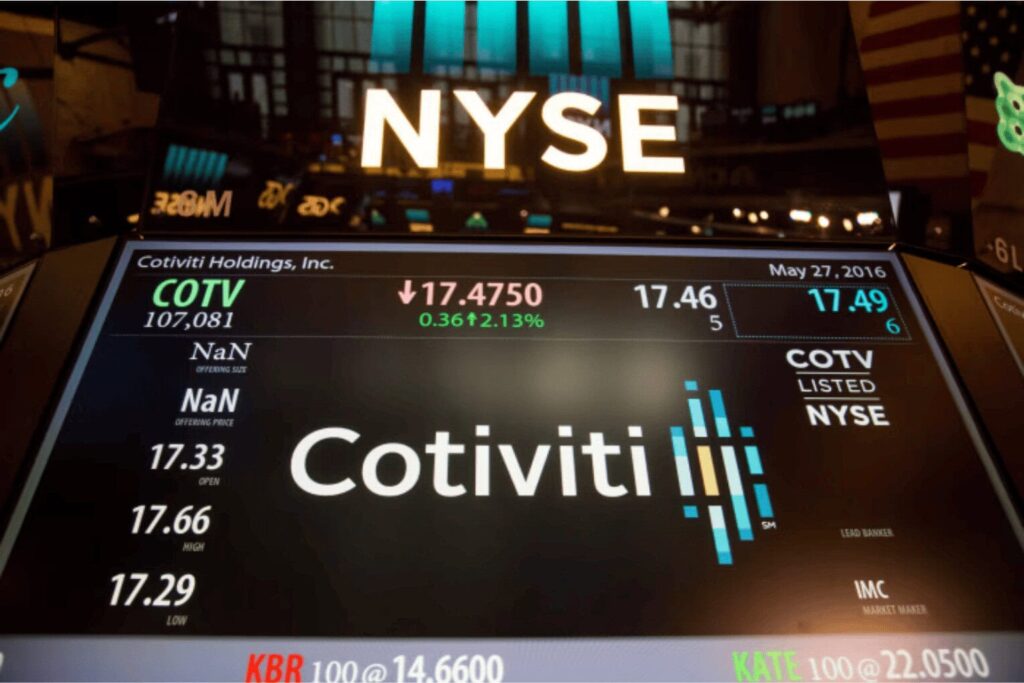
Veritas Capital has a proven track record in technology-driven investments. In 2023, the firm sold Guidehouse, a public-sector consulting firm, to Bain Capital for $5.3 billion. The company also sold a stake in Cotiviti, a healthcare technology provider, to KKR & Co., with the transaction valuing the company at $11 billion.

These successes highlight Veritas’s ability to identify and execute profitable transactions while maintaining focus on operational improvements and long-term value creation. By consistently delivering strong returns, the firm reinforces investor confidence and sets the stage for future growth. (WSJ)

Sectoral Priorities of Fund IX

Veritas Capital Fund IX is particularly focused on technology companies operating in sectors that require high levels of regulatory compliance. Key areas of investment include:

  • Defense: Supporting technology solutions that enhance national security and government efficiency.

  • Healthcare: Investing in digital health, software solutions, and services that improve patient outcomes and operational efficiency.

  • Energy Infrastructure: Backing companies that develop innovative solutions for sustainable energy and utility management.

  • Education Technology: Funding platforms that enhance learning outcomes and digital learning experiences.

  • Financial Services: Supporting fintech and technology-enabled financial solutions that transform traditional banking and investment processes.

By concentrating on these sectors, Veritas aims to generate both financial returns and strategic impact, enhancing technology adoption and innovation in critical industries.

Navigating Challenges in a Complex Market

The private equity environment is challenging, particularly for funds focusing on regulated sectors. Veritas Capital has successfully navigated market volatility, regulatory changes, and investor expectations. Its experience in carve-outs, operational restructuring, and complex mergers allows the firm to mitigate risks while maximizing value for investors.

Additionally, portfolio companies often operate in fast-evolving sectors where technology adoption, cybersecurity, and compliance standards are constantly changing. Veritas’s hands-on management approach and industry expertise help portfolio companies adapt, innovate, and thrive under these conditions.

Current Portfolio Overview

Veritas Capital currently manages a portfolio of approximately 18 companies, collectively generating $25 billion in annual revenue and employing over 110,000 people. This portfolio reflects Veritas’s commitment to supporting companies that play a pivotal role in regulated technology sectors.

The portfolio demonstrates a balance of growth, stability, and strategic importance, with companies ranging from defense technology providers to healthcare software innovators. By diversifying across sectors and geographies, Veritas reduces risk while positioning its portfolio for long-term success.

Global Impact and Expansion

Veritas Capital Fund IX underscores the growing role of private equity in shaping global technology sectors. By investing in companies with strategic significance, the firm not only delivers financial returns but also influences technological innovation and industry development worldwide.

International participation in Fund IX indicates that investors see significant potential in regulated technology sectors. As these industries expand and adopt new technologies, Veritas’s strategic investments could have a lasting impact on innovation, operational efficiency, and global competitiveness.

Future Outlook and Opportunities

Looking ahead, Veritas Capital aims to continue leveraging its expertise in technology and regulated sectors to identify high-value investment opportunities. The firm’s strategy combines operational improvement, digital transformation, and regulatory compliance to drive value creation.

As technology becomes increasingly central to defense, healthcare, education, and financial services, Veritas’s investments are well-positioned to capture growth opportunities. The firm’s disciplined approach, combined with strong industry relationships and operational know-how, provides a competitive advantage in a complex market. (WSJ)

Conclusion

The successful closing of Veritas Capital Fund IX demonstrates the firm’s ability to attract global investors and deliver strategic investments in highly regulated technology sectors. By raising $14.4 billion, Veritas not only exceeded expectations but also solidified its reputation as a leader in private equity for technology-driven businesses.

The fund’s investments are expected to support digital transformation, enhance operational efficiency, and drive innovation across critical industries. As Veritas continues to expand its portfolio and influence, Fund IX positions the firm for sustained growth and long-term success in global technology investments.

India Sees Surge in Family Offices

The number of family offices in India has experienced a remarkable increase, growing from just 45 in 2018 to nearly 300 by 2024. This rapid growth reflects the increasing desire among ultra-high-net-worth individuals to manage family wealth more strategically and professionally. Family offices are private wealth management entities dedicated to serving the financial and investment needs of a single family or a small group of wealthy families. Beyond mere financial management, these offices also engage in strategic ventures, philanthropic projects, and long-term investment planning. (Entrepreneur India)

Evolution of Family Offices: From Preservation to Strategy

Historically, family offices primarily focused on preserving family wealth and managing family businesses. Over the years, however, their role has evolved to include professional investment management, risk diversification, and global market participation. Modern family offices prioritize intergenerational wealth transfer, ensuring that financial assets are preserved and grown across multiple generations.

These offices now integrate advanced financial analytics, professional portfolio management, and risk assessment strategies, ensuring that families are equipped to navigate volatile markets and capitalize on new investment opportunities. This professionalization marks a significant shift from traditional approaches to wealth management, highlighting the growing sophistication of India’s ultra-rich.

Case Study: Sharrp Ventures and Strategic Investment

Sharrp Ventures, the investment office of the Harsh Mariwala family, has been operating since 2014. The firm primarily invests in startups and businesses in India, providing them with capital and strategic guidance to support their growth. Sharrp Ventures focuses on companies with strong governance, robust management structures, and high growth potential, particularly in the consumer sector.

This approach demonstrates the evolution of family offices from passive wealth custodians to active investors, fostering entrepreneurship and contributing to India’s economic development. Such strategic involvement also allows families to influence industries they are passionate about, aligning investments with long-term values and objectives. (Entrepreneur India)

Challenges Faced by Family Offices in India

Despite their rapid growth, family offices in India face several challenges. Regulatory changes, fluctuating tax laws, and international compliance requirements can complicate operations. Additionally, intergenerational differences, family disputes, and succession planning issues may affect the effectiveness of family offices.

Many family offices are now adopting structured governance frameworks, hiring professional advisors, and integrating legal and financial compliance tools to overcome these obstacles. By addressing these challenges proactively, family offices can ensure sustainability and continuity over generations.

GIFT City: A Hub for International Finance

The Gujarat International Finance Tec-City is emerging as a significant financial hub for family offices in India. Offering tax incentives, regulatory flexibility, and access to international markets, GIFT City is attracting family offices looking to expand globally.

However, adoption of GIFT City remains limited due to infrastructure constraints and awareness gaps. As more family offices recognize its potential, GIFT City could become a central hub for wealth management and cross-border investment in India, providing an ecosystem for global financial transactions and advisory services.

Technology Integration in Modern Family Offices

Modern family offices are increasingly leveraging technology to optimize operations. Data analytics, artificial intelligence, and advanced portfolio management software allow these offices to make informed investment decisions, monitor risk exposure, and identify emerging market trends.

This technological integration enables family offices to operate more efficiently, enhance transparency, and offer customized solutions to individual family members. Furthermore, digital tools facilitate seamless intergenerational communication, ensuring that investment strategies and family values are consistently upheld.

Corporate Governance and Succession Planning

Strong corporate governance practices are critical to the sustainability of family offices. Implementing clear decision-making processes, accountability frameworks, and succession plans helps prevent conflicts among family members.

Family offices increasingly emphasize governance boards, advisory committees, and formalized investment policies. These measures not only preserve wealth but also support responsible leadership transitions, ensuring that family offices remain effective across generations. Succession planning has become a central aspect of family office strategy, reducing the risk of operational disruption and fostering long-term stability.

Economic and Social Impact

The proliferation of family offices in India has broad economic implications. By investing in startups, SMEs, and emerging industries, these offices stimulate entrepreneurship, innovation, and job creation.

Family offices also play a crucial role in philanthropy, directing resources to social initiatives, education programs, and healthcare projects. This combination of strategic investment and social responsibility helps bridge economic gaps and contributes to India’s broader development agenda. (Entrepreneur India)

Globalization and International Investment Opportunities

As Indian family offices become more sophisticated, they are increasingly exploring international markets. Investing abroad allows families to diversify risk, access new asset classes, and participate in global growth opportunities.

Family offices are also collaborating with global financial institutions and international advisors to ensure regulatory compliance and optimize returns. This trend not only strengthens the families’ portfolios but also enhances India’s presence in global wealth management networks. (Entrepreneur India)

The Future of Family Offices in India

The future of family offices in India looks promising, with continued growth expected in both number and influence. Modernization, technology adoption, governance, and strategic investment planning will define the next era of family offices.

As these offices expand, they are likely to play a significant role in shaping India’s financial landscape, supporting entrepreneurship, driving innovation, and contributing to social development. The increasing professionalization of family offices indicates that India’s wealth management sector is evolving rapidly, aligning with global best practices while addressing domestic economic opportunities.

Conclusion

The rise of family offices in India represents a shift from traditional wealth management to professionalized, strategic, and sustainable financial governance. These offices are redefining how ultra-high-net-worth families manage wealth, plan for succession, and invest in both domestic and international opportunities.

By combining technology, governance, strategic investment, and philanthropy, family offices are not only preserving wealth but also contributing to India’s economic growth and social development. As the sector continues to mature, family offices are poised to become a critical component of India’s financial ecosystem.

Mastercard Introduces Agentic Pay Platform

Mastercard has announced the launch of Agentic Pay, a new AI-driven payment solution designed to revolutionize digital commerce. This initiative is part of Mastercard’s strategy to integrate artificial intelligence into payments, providing developers and merchants with innovative tools to create seamless, secure, and intelligent transaction experiences. By leveraging Ralph Lauren Enters the AI Era with Personalized Style ToolAI capabilities, the company aims to streamline payments, enhance security, and expand opportunities for global commerce.

What is Agentic Pay?

Agentic Pay is an AI-focused payment platform that enables intelligent agents and AI assistants to conduct payment transactions securely using Mastercard APIs. Through the Model Context Protocol (MCP) servers, the platform provides structured, machine-readable content that AI tools can access and interpret. This enables developers to build smarter applications that interact with Mastercard’s payment infrastructure while maintaining high security standards.

Agentic Pay supports integrations with leading AI platforms such as Claude, Cursor, and GitHub Copilot, allowing developers to utilize advanced AI capabilities when creating payment solutions. The platform also provides tools for monitoring transaction performance, optimizing user experiences, and ensuring compliance with Mastercard’s security requirements. (The Paypers)

Developer Tools and Capabilities

Mastercard has provided Agentic Pay with a comprehensive suite of tools to facilitate adoption and development:

  • Agent Toolkit: Supports AI agents in accessing and interpreting Mastercard APIs.

  • Agent Sign-Up: Simplifies developer registration for AI-powered Mastercard products.

  • Insight Tokens: Allows AI agents to securely access permitted Mastercard data, enabling personalized and informed transaction decisions.

These tools aim to accelerate development and enable companies to implement AI-driven payments efficiently. By providing secure access to payment data and services, Mastercard ensures that AI solutions enhance the end-user experience while remaining compliant with security standards.

Consulting Services for Businesses

In addition to its developer tools, Mastercard offers Agentic Consulting Services, designed to help issuers, merchants, buyers, and AI providers design and implement intelligent commerce experiences. This consulting service provides guidance on integrating AI-powered payments, optimizing workflows, and maximizing the benefits of AI-enabled transaction systems.

Agentic Consulting Services also focus on helping businesses understand AI capabilities, identify suitable use cases, and deploy solutions that are innovative and compliant with international payment standards.

Enhancing Security and Compliance

Security is a top priority for Mastercard’s Agentic Pay. The company is working with the FIDO Alliance and the Payments Working Group to establish a robust payment verification standard. This standard provides digital identities that verify transaction details, including the amount, vendor, and product, enhancing security and operational efficiency.

Through these measures, all participants in the transaction ecosystem, including AI agents, merchants, and banks, can verify approved payments safely and efficiently. This reduces fraud risks, improves efficiency, and ensures that AI-driven transactions meet high security standards.

Pilot Programs and US Launch

Mastercard plans to roll out Agentic Pay in the United States ahead of the 2025 holiday season. Citi and US Bank Mastercard cardholders will be among the first to experience AI-assisted payment transactions. Additionally, AI-driven commerce platforms such as PayOS will integrate with the solution, offering consumers smart and automated payment experiences.

The initial rollout in the US serves as a testbed for adoption and feedback, which will help refine the platform before a broader international launch. Mastercard expects to expand the program globally within the following year, positioning Agentic Pay as a transformative tool for digital commerce worldwide.

AI in Digital Payments: Transforming Commerce

Agentic Pay represents a broader trend in the payments industry toward AI integration. AI-powered systems can analyze consumer behavior, anticipate needs, and facilitate faster and more secure transactions. For merchants, this means higher conversion rates and more efficient transaction management. For consumers, AI improves personalization, reduces friction, and enhances overall payment experiences.

Mastercard aims to provide both the infrastructure and the guidance necessary to ensure that AI-driven payments are not only possible but secure, reliable, and scalable. (The Paypers)

Global Implications and Market Opportunities

The introduction of Agentic Pay has broader implications for the global payments industry. As AI adoption increases, businesses across sectors from retail to fintech can benefit from intelligent payment solutions that optimize efficiency and reduce costs.

AI-driven payments also enable cross-border commerce, real-time transaction monitoring, and innovative financial products. Mastercard’s solution provides a framework for these opportunities, ensuring that businesses and consumers can adopt new technologies without compromising security.

Mastercard’s Strategic Vision

Mastercard considers Agentic Pay a cornerstone of its strategy to lead the digital commerce revolution. By combining AI with secure payment processing, the company aims to create a scalable ecosystem that benefits developers, merchants, and consumers alike.

The initiative demonstrates Mastercard’s commitment to innovation in the payments sector, providing businesses with tools to stay competitive and consumers with enhanced shopping experiences. As digital commerce grows globally, solutions like Agentic Pay will play a critical role in shaping the future of transactions. (The Paypers)

Conclusion

Agentic Pay marks a significant step forward in AI-powered payments. By offering developer tools, consulting services, and secure transaction protocols, the platform is positioned to redefine digital payments.

For developers and businesses, Agentic Pay creates opportunities to innovate, streamline operations, and enhance customer experiences. For consumers, it promises smarter, faster, and safer transactions.

As Mastercard rolls out the platform in the US and prepares for a global launch, Agentic Pay is likely to become a benchmark for AI integration in payments, demonstrating the potential of intelligent, automated, and secure commerce solutions. (The Paypers)

Pattern Eyes $2.6 Billion Valuation in US IPO

American e-commerce company Pattern is preparing for a major milestone with its planned initial public offering (IPO) on Nasdaq. The firm is targeting a valuation of up to $2.6 billion, reflecting the growing investor confidence in e-commerce and online retail platforms. Pattern intends to offer between 21.4 million shares at a price range of $13 to $15 per share, potentially raising up to $321 million in capital. The IPO is being closely watched as a sign of renewed activity in the US public markets and a growing appetite for e-commerce stocks. (Reuters)

The Founding and Evolution of Pattern

Pattern was originally founded in 2013 in Lehi, Utah, under the name iServe by entrepreneurs David Wright and Melanie Alder. Initially operating from a small home office, the company quickly expanded its operations and became one of the largest sellers on Amazon and other major online platforms. Pattern specializes in helping consumer brands manage and optimize their online retail presence, particularly across marketplaces such as Amazon, Walmart, eBay, TikTok Shop, and Mercado Libre.

In 2021, Pattern completed a $225 million funding round led by Knox Lane, which valued the company at around $2 billion. This investment allowed Pattern to accelerate its platform development and expand its service offerings to international brands seeking online growth. (Reuters)

Business Model and Market Strategy

Pattern operates as an e-commerce “accelerator,” providing technology, logistics, and marketing solutions for brands looking to scale across multiple online marketplaces. The firm handles everything from inventory management to digital advertising campaigns, allowing brands to maximize sales and improve visibility. As of 2024, more than 90% of Pattern’s revenue came from consumer product sales on Amazon alone, underlining the company’s strong presence on the world’s largest online marketplace. (Reuters)

The company’s business model is highly scalable, leveraging technology to monitor performance, optimize listings, and provide real-time analytics for its clients. This approach has allowed Pattern to capture a significant portion of the e-commerce market and to attract high-profile clients seeking to expand digitally without building internal infrastructure.

IPO Details and Investor Interest

Pattern plans to list on Nasdaq under the ticker symbol “PTRN.” The offering will be managed by major investment banks including Goldman Sachs and J.P. Morgan, who will act as lead underwriters. The IPO comes at a time when investor confidence in the e-commerce sector is increasing, following successful public debuts of companies such as Figma and Circle. Analysts note that the e-commerce market is projected to generate $8.3 trillion globally by the end of 2025, making Pattern’s timing strategically advantageous. (Reuters)

The IPO also serves as a liquidity event for early investors and employees who have been part of Pattern’s growth journey. The offering is expected to attract both institutional and retail investors, drawn by the firm’s strong revenue growth, established marketplace presence, and innovative operational model.

Financial Performance Highlights

Pattern reported $1.14 billion in revenue during the first half of 2025, alongside net income of $47 million. These figures represent a 35% year-over-year increase in revenue and a 34% increase in net profit, demonstrating robust growth and operational efficiency. The company’s solid financial performance underpins investor interest in the upcoming IPO and positions Pattern as a reliable player in the e-commerce sector. (Reuters)

The revenue growth has been driven primarily by Pattern’s ability to scale its clients’ products on Amazon, but also by expanding to other marketplaces such as Walmart and TikTok Shop. Diversification across multiple platforms ensures that the company mitigates risks and maximizes potential revenue streams.

Industry Context and E-Commerce Trends

The global e-commerce industry continues to experience rapid growth. By 2025, total global e-commerce revenue is expected to reach $8.3 trillion, driven by increased online shopping adoption, mobile commerce expansion, and cross-border trade. Pattern’s IPO aligns with this broader trend, positioning the company to capture market share from both domestic and international brands.

Analysts also highlight the importance of e-commerce accelerators like Pattern in helping brands navigate increasingly complex digital marketplaces. With consumer behavior shifting towards online shopping, companies like Pattern provide the tools and infrastructure necessary for brands to compete effectively.

Global Expansion and Marketplace Integration

Pattern’s growth strategy involves deepening its presence in major marketplaces worldwide. By integrating brands across Amazon, Walmart, eBay, TikTok Shop, and Mercado Libre, Pattern ensures its clients can reach millions of customers quickly and efficiently. The company’s technology-driven approach automates many processes, from inventory management to performance analytics, which enables brands to scale without adding internal staff or operational overhead.

This global approach also positions Pattern as a key partner for international brands seeking entry into the US e-commerce market. By providing end-to-end services, Pattern reduces barriers for smaller or medium-sized brands and enhances their chances of success in highly competitive marketplaces.

Future Outlook and Strategic Opportunities

Looking ahead, Pattern’s IPO is expected to fund further technological enhancements, expand market reach, and potentially acquire complementary businesses. Investors are closely monitoring the company’s ability to maintain growth while continuing to deliver strong client outcomes.

The IPO also highlights broader opportunities in the e-commerce services sector. With more brands seeking expert assistance to navigate digital marketplaces, companies like Pattern are likely to see increasing demand for their services. Success in this IPO could reinforce Pattern’s leadership position and allow it to capitalize on the growing e-commerce trend globally.

Conclusion

Pattern’s planned $2.6 billion IPO represents both a significant milestone for the company and a reflection of broader trends in the global e-commerce market. Its proven business model, robust financial performance, and strong marketplace presence make it a compelling opportunity for investors.

With the IPO, Pattern is positioned to accelerate growth, expand global reach, and support a growing number of brands in navigating the complex online retail landscape. The company’s entry into the public markets will be closely watched by investors and industry analysts, as it could set a benchmark for other e-commerce-focused firms looking to go public.

Justyol bags $1M to scale beyond fashion

Moroccan-based e-commerce startup Justyol has raised a fresh $1 million in investment and stock financing, positioning itself as one of the rising players in the regional digital trade sector. With this new capital, the company plans to scale its operations, diversify its product portfolio, and strengthen cross-border commerce infrastructure. What began as a fashion and lifestyle marketplace is now preparing to expand into electronics and home goods, aiming to meet broader consumer demand in North Africa. (Tech in Africa, Waya Media)

Structure of the funding: Capital and stock support

The $1 million funding package consists of two components. About $400,000 came from an undisclosed angel investor as equity, while $600,000 was provided by Turkish investment firm Danis Group as stock financing. This hybrid financing model is designed not only to support Justyol’s growth but also to provide greater flexibility in inventory management, a critical factor for e-commerce platforms. The process was facilitated with the support of Nomadic Minds, a consulting firm specialized in startup funding.

The founding vision of Justyol

Established in 2022, Justyol initially focused on connecting Moroccan consumers with fashion and lifestyle products from Turkey. However, the company’s mission soon grew beyond simple retail. Its leadership emphasizes building long-term infrastructure for cross-border commerce, enabling customers to access global products at competitive prices. CEO Ahmed Badran explains that the company is not just creating a marketplace but also laying the foundations for the future of regional digital trade.

From fashion to electronics and home goods

One of the major impacts of the recent funding round is the ability to expand Justyol’s product categories. While fashion and lifestyle items remain important, the company is now moving into electronics and home goods. This diversification allows Justyol to target a wider range of demographics, meeting the needs of families, professionals, and tech-savvy consumers. At the same time, it has the potential to reshape shopping behaviors in North Africa, where demand for diverse products continues to grow. (Arab Founders)

Impressive growth performance

Justyol’s performance metrics highlight its rapid rise. The platform has surpassed 250,000 active customers, processes more than 30,000 orders each month, and reports an annual growth rate of 300 percent. Such numbers are rare in the e-commerce sector and play a key role in attracting investor confidence. The figures also demonstrate that Justyol is no longer just a local player but is building the foundation to become a significant regional competitor. (Daba Finance, Lucidity Insights)

Strategic partnerships driving scale

Partnerships are central to Justyol’s business model. On the supply side, the company collaborates with global e-commerce platforms such as AliExpress and Trendyol. For logistics, it works with providers including Aramex, Cathides, and Colis Privé to ensure reliable deliveries. Payment integration has been achieved with solutions like CMI and Payzone, streamlining checkout processes for customers. This ecosystem of partners strengthens Justyol’s ability to provide efficient, customer-friendly service. (Waya Media, Lucidity Insights)

Future goals: Regional expansion and Series A preparation

Following this new investment, Justyol has several priorities. First, it plans to increase spending on marketing and sales in order to strengthen its market share in Morocco. It also aims to improve operational capacity and logistics infrastructure to deliver a smoother and faster shopping experience. The company is actively preparing for regional expansion, particularly across North Africa and the Middle East, where cross-border demand for online shopping continues to rise. Additionally, this stage lays the groundwork for a potential Series A funding round, with Justyol positioning itself as a strong candidate for larger institutional investment. (Tech in Africa, Daba Finance)

Why this step matters for regional e-commerce

E-commerce across North Africa is experiencing rapid growth, fueled by a young population, rising internet penetration, and the widespread use of mobile devices. However, cross-border trade in the region still faces challenges in logistics, customs, and payment systems. Justyol’s model addresses these barriers by offering integrated solutions that benefit both consumers and suppliers. This positions the company not just as a startup but as a key contributor to the region’s digital economy. (Arab Founders, Lucidity Insights)

Conclusion

Justyol’s $1 million funding marks a significant milestone in its journey from a niche fashion platform to a diversified cross-border e-commerce player. By expanding product categories, growing its customer base, and forming strategic partnerships, the company is strengthening its position in Morocco and preparing to scale across the MENA region. With an annual growth rate of 300 percent and strong investor backing, Justyol is poised to become one of the leading forces shaping the future of cross-border trade in North Africa. What started in Morocco could soon influence e-commerce strategies across the wider region.