
Gulf Wealth Funds Drive Economic Transformation
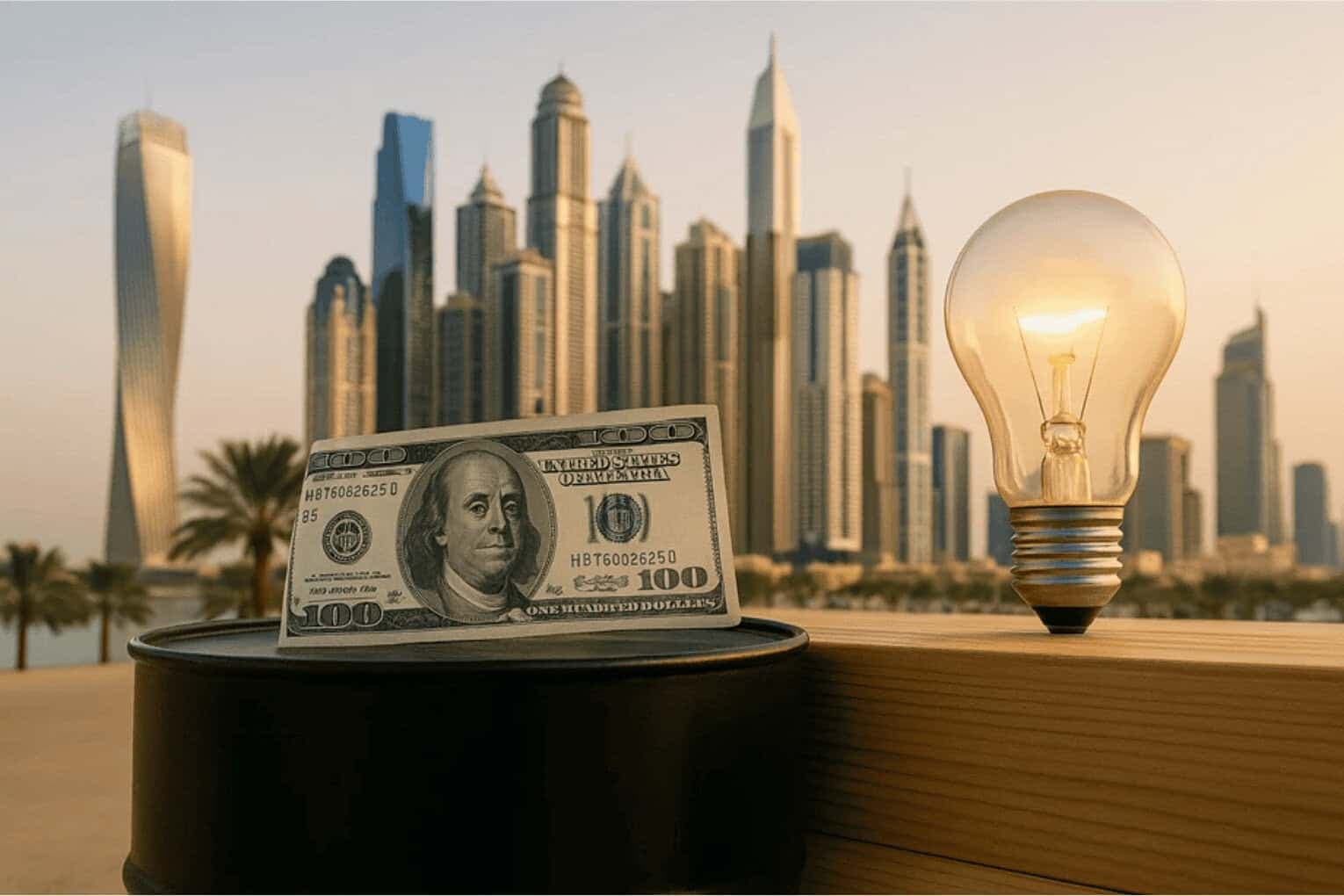
A recent report by the International Monetary Fund (IMF) reveals the growing role of sovereign wealth funds (SWFs) in the economic transformation of Gulf Cooperation Council (GCC) countries. No longer limited to managing reserves or stabilizing budgets, these funds are now fueling investments in services, technology, and renewable energy, helping the region transition toward more sustainable and diversified growth models.
IMF, Economic Diversification in the GCC (2024)
Shifting from Oil Dependency to Economic Diversity
For decades, countries such as Saudi Arabia, the United Arab Emirates, Qatar, Kuwait, Bahrain, and Oman heavily relied on oil exports to drive economic growth. However, global energy transitions, climate targets, and fluctuating oil prices have made this model increasingly unsustainable.
Recognizing the risks of overdependence on hydrocarbons, many GCC countries have launched ambitious economic reform programs aimed at diversification. At the heart of these reforms are the region’s sovereign wealth funds.
The New Role of Sovereign Wealth Funds
According to the IMF, Gulf sovereign wealth funds have evolved from passive financial institutions into strategic drivers of domestic and international investments. These funds are now playing a central role in building knowledge economies by supporting sectors such as technology, healthcare, logistics, renewable energy, and tourism.
For instance, Saudi Arabia’s Public Investment Fund (PIF) is the financial backbone of major “giga-projects” like NEOM, Qiddiya, and the Red Sea tourism developments. PIF has also invested in electric vehicle manufacturer Lucid Motors, supporting the development of the country’s first EV production facility.
In the UAE, Mubadala is actively investing in semiconductor technologies, artificial intelligence, and clean energy through global partnerships. The Abu Dhabi Investment Authority (ADIA) continues to be one of the world’s largest and most influential sovereign funds.
SWFI, Sovereign Wealth Fund Rankings (2024)
Sectoral and Geographic Investment Shifts
The IMF report highlights a significant change in foreign direct investment (FDI) patterns in the Gulf. While energy was historically the main magnet for capital inflows, the services sector has now taken center stage.
Before 2019, only around 30% of FDI was directed toward services. From 2020 to 2023, this figure increased to about 70%, encompassing sectors like logistics, ICT, finance, healthcare, and education, areas critical for job creation and long-term sustainability.
Gulf SWFs have also redirected outward investments from traditional Western markets to emerging economies in Africa, South Asia, and Southeast Asia, focusing on scalable projects in infrastructure, energy, and digital technology.
Renewable Energy Takes the Lead
As the GCC positions itself for a carbon-neutral future, renewable energy has become a top priority. Sovereign wealth funds are taking the lead in financing the green transition. In Saudi Arabia, PIF has committed billions of dollars to solar and wind projects. Companies like ACWA Power, backed by PIF, are spearheading some of the world’s largest clean energy initiatives.
Masdar, the UAE’s flagship clean energy firm, is expanding both domestically and internationally. A strategic partnership with the United States aims to unlock $100 billion in clean energy investments over the coming years.
Other countries like Kuwait, Qatar, and Bahrain are pursuing similar paths. Gulf-based funds are investing in solar plants in Morocco and Jordan, helping strengthen regional energy security and reduce carbon emissions.
Measurable Economic Impact
Quantitative analysis from the IMF underscores the substantial economic impact of foreign investment on non-oil GDP. A 1% increase in inward FDI as a share of GDP leads to over a 1% rise in non-oil GDP within four years.
In contrast, domestic investment contributes more modestly to growth, adding around 0.3 to 0.4% to GDP over a similar period.
The data suggests that foreign capital brings not only funding but also knowledge, innovation, and international networks. Moreover, sovereign funds act as catalysts, attracting private investors by lowering perceived risks in new or underdeveloped sectors.
Strategic Policy Recommendations
The IMF emphasizes that sustaining this transformation will require policy enhancements across several fronts. Improving the investment climate is essential. This includes reducing regulatory uncertainty, strengthening rule of law, ensuring property rights, and increasing transparency.
SWFs should remain active and strategic, not only deploying capital but also fostering technology transfer, local employment, and entrepreneurship. Investments should align with broader sustainability and resilience goals.
In addition, diversification should go beyond services and into sectors like advanced manufacturing, export-oriented industries, agri-tech, and regional logistics hubs, which can add further resilience and productivity to Gulf economies.
Regional Cooperation and Integration
Investment and trade among GCC countries have increased in recent years, strengthening regional integration. Intra-GCC investments now form a meaningful share of capital flows, reflecting growing economic alignment.
Joint infrastructure projects, digital connectivity, and green energy grids can further this cooperation. Enhanced regional coordination will help GCC nations position themselves more effectively in global value chains.
Conclusion: Building Resilient, Sustainable Economies
The Gulf is undergoing a profound economic shift. Sovereign wealth funds are at the core of this transformation, driving capital into technology, services, and renewable energy sectors.
The journey away from oil dependency is still ongoing. Continued structural reforms, stronger private sector ecosystems, and regional cooperation will be essential to maintaining momentum. As new global challenges emerge climate change, AI disruption, supply chain volatility GCC countries that invest today in innovation and resilience will be better prepared for tomorrow.
For the Gulf, the future lies not in oil, but in building knowledge-driven, diversified, and sustainable economies that can thrive in a post-carbon world.
Read more on
About the author
WORLDEF Editors
921 stories on WORLDEF since January 2025.
More from WORLDEF Editors →Related
Russian E-Commerce Market Faces Loss of 400 Million Orders and 400 Billion Rubles in Revenue

YouTube and Amazon Form Major E-Commerce Partnership: Videos Turn Into Shopping Channels

IGEXX 2026 to Bring Global E-Commerce Leaders to Istanbul
Dubai Economic Zones Reach 96% Occupancy as Company Numbers and AI Activity Surge
The week in commerce, before your competitors.
1,458 stories since January 2025, distilled into three newsletters. Pick the ones you want.