WORLDEF Prime Antalya 2026 - Upcoming Event

Register Now

Rothschild Expands Middle East Wealth Management

Swiss-based financial institution Rothschild & Co has announced a strategic agreement with Liechtensteinische Landesbank (LLB) to expand its wealth management operations in the Middle East. According to the Financial Times (source), the move highlights the growing competition among global banks seeking to capture the rising wealth in the Gulf region.

Agreement Details and Regional Growth

LLB had been active in Abu Dhabi and Dubai for nearly two decades. As Reuters reported (source), the bank decided to close its Gulf offices and redirect clients to Rothschild & Co. The deal could see around 1 billion Swiss francs in client assets transferred to Rothschild.

Rothschild will take over LLB’s Dubai office and absorb its 20-member team. With this addition, the wealth management division in the region will employ about 25 people. The company stated in its official announcement (source) that this creates a stronger base in the Gulf, positioning Dubai as a central hub for private banking services.

Competition in Wealth Management

The move comes at a time when tax pressures in Europe and the UK are pushing high-net-worth individuals to relocate to low-tax financial centers. The Financial Times notes (source) that the United Arab Emirates has become a top choice for wealthy families and entrepreneurs seeking stable regulation and favorable tax conditions.

Dubai has in recent years introduced residency visas and investment-friendly programs that attract international investors. According to market observers, these policies have boosted demand for specialized wealth management, making the UAE an increasingly important destination for global banks.

LLB’s Withdrawal and Strategic Refocus

LLB’s decision to exit the Gulf reflects its focus on core European markets. The bank has chosen to concentrate on Liechtenstein, Switzerland, Austria, and Germany. Reuters explained (source) that high compliance costs in the Middle East were a key factor in this strategic shift.

By handing over its Dubai operations, LLB ensures continuity for its clients while cutting back on regulatory burdens. For Rothschild, this represents an opportunity to scale up quickly without the challenges of entering the market from scratch.

Rothschild’s Broader Ambitions

Rothschild is not new to the Middle East. The bank has been present in the region through its investment banking and alternative investment units. With the addition of wealth management, the group now offers a more integrated set of services.

This approach reflects a wider industry trend. Several major Swiss and international banks, including UBS and Julius Baer, have also expanded in Dubai to serve ultra-high-net-worth clients. Financial Times observed (source) that demand for succession planning, family office services, and cross-border investment solutions is steadily increasing, and Rothschild aims to compete directly in this growing segment.

Executive Perspectives

Executives emphasized the scale of the opportunity. Laurent Gagnebin, CEO of Wealth Management in Switzerland, told the Financial Times (source) that the move represented “a decade of growth achieved in a single step.”

Chairman Alexandre de Rothschild stated in the company’s press release (source) that the agreement reflects the firm’s strong confidence in the UAE as both a regional and global hub for wealth accumulation.

Saeed Al Awar, Head of the Middle East, added that welcoming LLB’s clients and employees demonstrates Rothschild’s long-term commitment to the region.

Dubai as a Global Financial Center

Dubai has built a reputation as one of the fastest-growing financial hubs in the world. With infrastructure such as the Dubai International Financial Centre (DIFC), the emirate has attracted not only private banking but also fintech startups, asset managers, and sovereign wealth funds. Its strategic location between Europe, Asia, and Africa makes it a convenient base for international wealth managers.

Analysts point out that Dubai’s financial services sector is supported by strong government initiatives, including free zones and regulatory frameworks aligned with global standards. This environment, combined with the growing number of wealthy residents, provides fertile ground for institutions like Rothschild to expand their client base.

Global Context of Rothschild & Co

Rothschild & Co employs 4,600 staff worldwide. The group manages €38 billion in assets under management and oversees €29 billion in alternative investments through its Five Arrows subsidiary. According to official data (source), these figures underline the importance of adding the Middle East as a fully integrated part of its global operations.

Industry experts expect further consolidation in the region as more banks seek to serve wealthy clients who are diversifying their holdings internationally. For Rothschild, the integration of LLB’s business not only accelerates growth but also positions the firm as a long-term player in the Gulf.

Conclusion

The agreement between Rothschild & Co and LLB is more than an asset transfer. It signals a deepening commitment to the Middle East, anchored in trust, integrated services, and long-term strategy. By reinforcing its base in Dubai and Abu Dhabi, Rothschild strengthens its global presence and underscores the Gulf’s rising role as a center for wealth management in the years ahead.
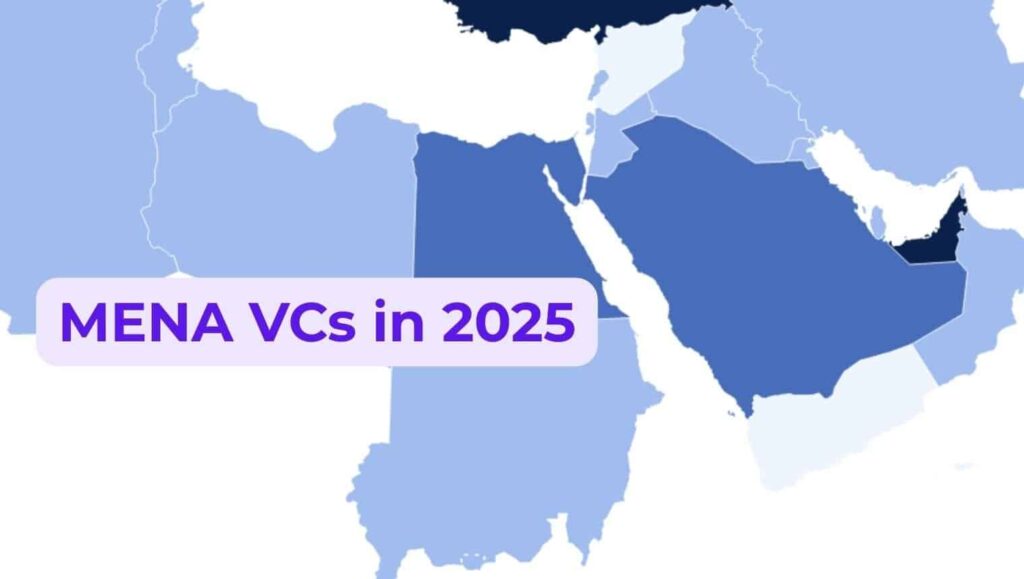
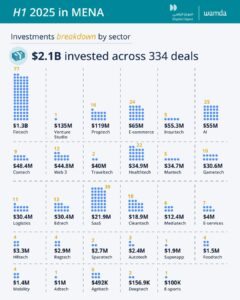
MENA Venture Capitals in 2025: Fintech Dominates, Sectors Diversify

After a turbulent 2024, MENA Venture Capitals show clear signs of revival. Investment flows, which slowed last year amid global rate pressures and a cautious investor mood, are gaining new momentum as sovereign funds, global managers, and local investors all re-enter the market with renewed appetite. The surge in July, when startups raised $783 million in a single month, marked the region’s most substantial showing in 2025 and a sharp reversal from June’s trough.

MENA Venture Capitals: Diverging Data, One Clear Trend

Two of the region’s most trusted trackers, Wamda and MAGNiTT, recorded the rebound with different numbers. Wamda tallied $2.1 billion in funding across 334 deals during the first half of 2025, representing a 134% year-on-year jump. MAGNiTT, using a stricter equity-only methodology, reported $1.5 billion across roughly 310 deals, the best half-year since 2022.

The discrepancy lies in accounting. Wamda includes venture debt, which has become an increasingly important part of MENA startup financing. Roughly $930 million, or 44% of H1’s total, came from debt instruments, reflecting how founders blend equity and credit to manage working capital while controlling dilution. The rise of venture debt signals a more sophisticated capital market but introduces new risks if not handled carefully.

Sector Breakdown: Fintech Dominates, Sectors Diversify

Fintech overwhelmingly leads MENA venture allocation in H1-2025, attracting ~$1.3B across 77 deals, roughly three-fifths of all capital, while the rest of the market fragments across smaller, earlier-stage categories. A single venture-studio vehicle accounts for $135M, underscoring how programmatic builders can move the needle with one announcement. Proptech ($119M; 16 deals) and E-commerce ($65M; 24 deals) remain steady mid-pack performers, whereas AI ($55M; 25 deals) and Healthtech ($34.9M; 22 deals) show breadth of activity but smaller check sizes. SaaS posts the highest deal count (39) yet a modest $21.9M, a classic sign of seed-heavy momentum. Long-tail verticals, from Contech ($48.4M) and Web3 ($44.8M) to Cleantech ($18.9M), signal experimentation rather than capital concentration.

This mix suggests two practical moves for founders: (1) if you’re outside fintech, optimize for proof of revenue and efficiency to win bigger tickets; (2) consider studio or corporate-venture partnerships where category checks are thin but strategic demand is strong. For WORLDEF readers, the takeaway is clear: fintech may dominate the headlines, but the real story is in the rising breadth of sectors, where today’s small checks could seed tomorrow’s regional champions.

Saudi Arabia’s Scale-Up Moment

If 2024 marked a regional slowdown, 2025 will be Saudi Arabia’s breakout year. According to MAGNiTT, Saudi startups raised around $860 million in H1, a 116% increase compared to last year. Wamda’s methodology puts the figure even higher, at $1.34 billion. Either way, the Kingdom captured the lion’s share of capital, powered by sovereign co-investment vehicles and an expanding mid-stage pipeline.

Programs run by Saudi Venture Capital Company (SVC), Sanabil Investments, and major private funds such as STV and RAED Ventures are playing an outsized role. Their strategy is clear: close the long-standing gap in Series A and B funding, while encouraging later-stage growth rounds that can keep companies rooted in the Kingdom rather than forcing early exits.

Dubai Anchors Its Fund-of-Funds

Meanwhile, Dubai is strengthening its role as a hub for general partners (GPs) and international capital. The Dubai Future District Fund (DFDF) recently confirmed $1.65 billion in capital commitments, supporting more than 190 startups through direct investments and fund-of-fund allocations. The program is directly linked to the emirate’s D33 economic strategy, which seeks to double the size of Dubai’s economy over the next decade. MENA Venture Capitals

By backing both startups and the funds that invest in them, DFDF is building a flywheel that attracts specialist managers in fintech, proptech, and logistics. For founders, this means greater co-investment opportunities and faster access to regional syndicates.

Qatar Steps Into the Arena

Not to be outdone, the Qatar Investment Authority (QIA) is using its $1 billion fund-of-funds to turn Doha into a serious venture capital magnet. Half of the capital has already been deployed, and the sovereign wealth fund is evaluating eight new VC firms for additional commitments. Importantly, QIA is nudging these firms to establish a physical presence in Doha, creating a new triangular activity corridor linking Doha, Riyadh, and Dubai. MENA Venture Capitals

For startups, this could translate into more options for regional headquarters and a more substantial base for talent recruitment, as Qatar aligns its venture push with its broader diversification agenda. MENA Venture Capitals

Infrastructure: Powering the AI Wave

Beyond startup rounds, capital also moves into the complex infrastructure needed to sustain the region’s digital economy. In partnership with Energy Capital Partners, Abu Dhabi’s ADQ announced a $25 billion+ program to finance data-centre-oriented power projects. With AI and compute-intensive models dominating new business plans, reliable power and data-center capacity are emerging as critical enablers of the ecosystem.

This infrastructure build-out provides a strong signal for VCs and founders alike: the Gulf is preparing to fund and host startups at scale. MENA Venture Capitals

Why This Matters?

For entrepreneurs, the message is clear:

  • Raise locally, syndicate regionally. The combination of Saudi sovereigns, Dubai’s DFDF, and Qatar’s QIA creates a powerful regional capital triangle.
  • Expect blended instruments. Venture debt is no longer exotic; it is now mainstream.
  • AI readiness is non-negotiable. The region’s most extensive checks are increasingly tied to compute-intensive business models, making infrastructure and efficiency a competitive advantage. MENA Venture Capitals

The outlook for investors is equally compelling. The capital plumbing looks stronger than in years, sovereigns are more coordinated, and local GPs are maturing. While global macro risks persist, MENA’s venture market is no longer a sideshow; it is positioning itself as a serious growth engine in the global startup economy. MENA Venture Capitals

Saudi Mada E-Commerce Grows 72%

E-commerce spending through Mada cards in Saudi Arabia experienced a significant increase in June 2025, rising 72 percent compared to the same month the previous year. Total transaction value reached approximately SAR 25.97 billion (equivalent to around USD 6.93 billion) during this period. Alongside this growth, the number of transactions processed via the Mada payment network also increased substantially, climbing by 59.4 percent to a total of 141.55 million transactions Arab News.

Mada’s Role in Saudi Arabia’s Digital Payment Ecosystem

Mada is the national payment network of Saudi Arabia, connecting banks, ATMs, and point-of-sale (POS) systems across the Kingdom. As the primary domestic payment system, it facilitates seamless and secure electronic debit transactions. The network plays a critical role in supporting the rapid growth of e-commerce within the country by enabling efficient payment processing for online retail, mobile applications, and digital wallets Arab News.

The increase in Mada card transactions is indicative of the wider digital transformation occurring across Saudi Arabia’s financial and retail sectors. This transformation aligns with the Kingdom’s Vision 2030 agenda, which prioritizes the development of a diversified and digitally advanced economy.

Surge in Online Transactions

The data for June 2025 highlights the ongoing shift in consumer behavior towards digital commerce. With 141.55 million transactions processed through Mada’s infrastructure, the payment network is handling a rapidly growing volume of online purchases. The 59.4 percent increase in transactions reflects a stronger consumer preference for digital payments over traditional cash methods.

Integration with Global Payment Networks

In addition to the domestic payment growth, the Saudi Central Bank (SAMA) introduced an enhanced e-commerce payments interface earlier in 2025. This interface enables merchants in Saudi Arabia to integrate Mada with international payment networks such as Visa and Mastercard. The development aims to increase payment processing speed, improve security, and facilitate cross-border commerce for businesses and consumers alike (Arab News).

This strategic move by SAMA strengthens Saudi Arabia’s payment infrastructure and supports the Kingdom’s ambition to become a regional hub for digital commerce and fintech innovation.

High Internet Penetration and Local Platform Usage

According to recent reports, internet penetration in Saudi Arabia is extremely high, with approximately 99 percent of the population having access to the internet. This high connectivity underpins the surge in online retail activity within the Kingdom.

Furthermore, data shows that 93 percent of e-commerce purchases are made through local platforms. This trend underscores the success and trust Saudi consumers place in domestic online marketplaces, reflecting a mature and growing digital economy within the country.

Implications for Saudi Arabia’s Economy

The sharp increase in Mada card e-commerce spending signals several important trends for the Saudi economy:

  • Consumer Confidence in Digital Payments: The widespread use of Mada for online purchases illustrates growing consumer trust in digital financial services.

  • Shift Away from Cash Transactions: As more consumers adopt digital payment methods, cash usage is decreasing, aligning with global trends towards cashless societies.

  • Enhanced Payment Infrastructure: The integration of Mada with international payment networks increases the efficiency and security of payment processing, benefiting merchants and buyers alike.

  • Growth of Domestic E-Commerce Platforms: The dominance of local platforms in e-commerce transactions highlights the strength of Saudi Arabia’s homegrown digital economy and supports national economic diversification goals.

These developments contribute to Saudi Arabia’s Vision 2030 objectives, which include fostering innovation, supporting digital transformation, and expanding the non-oil economy sectors.

Future Outlook

Looking ahead, the continued growth of digital payments and e-commerce is expected to accelerate. Investments in fintech, regulatory reforms, and payment infrastructure improvements will play a crucial role in sustaining this upward trend.

Saudi Arabia is positioned to become a leading digital economy in the Middle East, with Mada serving as a cornerstone of its domestic payment ecosystem. The ongoing expansion of e-commerce spending and transaction volumes suggests that consumers and businesses alike will continue embracing digital solutions for their payment and retail needs (Arab News).

Nippon Express Unveils Cross-Border E‑Commerce Service

Nippon Express Co., Ltd., a leading global logistics company and member of the NX Group, has officially launched a new cross-border e-commerce logistics service aimed at streamlining the delivery process for overseas sellers targeting Japanese consumers. The newly developed service utilizes the company’s proprietary DCX (Digital Commerce Transformation) web application and marks a strategic effort to simplify cross-border fulfillment for international e-commerce operators entering Japan’s growing direct-to-consumer (D2C) market.

This initiative reflects the rising number of Japanese consumers purchasing from global e-commerce platforms, further emphasizing Japan’s strategic importance as an online retail destination in Asia Logistics Manager.

Solving Key Frictions in Cross-Border Fulfillment

The newly introduced solution addresses some of the key bottlenecks faced by international merchants looking to enter the Japanese market: complicated customs clearance, inconsistent delivery timelines, and high last-mile costs. With this system, sellers upload their order data to the DCX platform, generate local shipping labels for Japan, and ship their consolidated packages to designated Nippon Express overseas warehouses.

From that point forward, the NX Group takes full control of the process, handling import operations, customs documentation, domestic shipping, and final-mile delivery. The service drastically reduces the complexity and cost of cross-border operations historically one of the main barriers to entry into Japan’s e-commerce market The STAT Trade Times.

Optional Inventory and Operational Support

Beyond standard logistics, the service also offers value-added options. Nippon Express provides inventory management and product dispatch services at its foreign logistics centers. This enables sellers to outsource entire logistics workflows right from warehouse operations to customer delivery within a single platform. By combining this with DCX’s analytics features, merchants can optimize their inventory levels, forecast demand, and adjust procurement schedules based on real-time data.

The system supports proactive supply chain planning, making it especially beneficial for e-commerce brands operating on slim margins or navigating seasonal demand spikes.

Intelligent Forecasting and AI Integration

One of the distinctive features of the DCX-enabled platform is its AI-powered forecasting tool. The “Business Insight” function offers sellers detailed analytics on delivery times, customer behavior, and shipping efficiency. These insights allow merchants to better understand their end users in Japan and fine-tune operational decisions accordingly.

Furthermore, the platform integrates seamlessly with popular e-commerce systems such as Shopify and others, making it easy for global merchants to onboard without needing dedicated technical support.

Initial Launch Regions and Future Plans

The service has initially been rolled out in North America, Europe, and South Asia. These regions represent some of the highest volumes of international exports into Japan’s consumer market. Nippon Express has already announced its plans to extend the program to include additional regions potentially Southeast Asia and Oceania by mid-2026.

This aligns with the company’s broader global strategy to expand digital, AI-driven logistics solutions in the B2C and D2C sectors. The company has emphasized that its long-term vision includes building smart logistics networks optimized for e-commerce, not just traditional freight forwarding.

Growing Demand in Japan for International Goods

Japan is among the world’s most digitally connected nations, with a mature consumer base known for its high standards in delivery reliability, packaging, and customer service. According to the Ministry of Economy, Trade and Industry (METI) of Japan, cross-border e-commerce purchases by Japanese consumers have increased significantly over the past five years, particularly from North America and China.

The total value of cross-border B2C e-commerce purchases by Japanese consumers reached over USD 3.2 billion in 2024 and is expected to cross USD 4 billion by 2026. This growth is being driven by demand for niche international brands, beauty and wellness products, electronics, and sustainable goods segments well-served by D2C business models.

With these shifts, logistics providers that can offer seamless integration, fast customs clearance, and last-mile reliability are gaining competitive advantages. Nippon Express aims to capture this opportunity by delivering a full-stack logistics solution specifically tailored for this cross-border surge.

Integration with Japan’s Domestic Network

Nippon Express’s competitive edge is reinforced by its extensive domestic logistics network within Japan. The company maintains warehouses, sorting hubs, and last-mile delivery fleets in all major urban centers including Tokyo, Osaka, Nagoya, and Fukuoka.

By coupling its global air cargo services with this dense local infrastructure, the company can ensure same-day or next-day delivery for many imported e-commerce orders a delivery speed that meets or exceeds customer expectations in Japan.

Part of a Larger Digital Transformation

The cross-border e-commerce logistics service is part of a broader digital transformation roadmap at Nippon Express. The company has already rolled out several digital tools in recent years including “e-NX Visibility” for supply chain tracking, API-based logistics integrations, and autonomous warehouse robotics.

The DCX platform is the centerpiece of this transformation, serving as both a control tower and an execution tool for merchants and supply chain partners alike.

Market Outlook and Strategic Importance

E-commerce logistics is now one of the fastest-growing segments of global freight operations. According to a report by Statista, the global cross-border e-commerce logistics market is projected to grow at a CAGR of 13.1% through 2030. Asia-Pacific remains the most dynamic region in this sector, accounting for over 35% of cross-border transactions globally.

Japan’s large consumer base, trust in logistics performance, and cultural openness to global brands place it at the heart of this transformation. Nippon Express’s initiative reflects not only a response to market trends but also a proactive step to redefine its role in the e-commerce value chain.

Conclusion

With the launch of its new DCX-powered logistics service, Nippon Express is setting a new standard for cross-border e-commerce logistics into Japan. The service simplifies international fulfillment by offering digital integration, AI-driven insights, and operational support across the logistics spectrum. Positioned between advanced technology and extensive physical infrastructure, the company is well-placed to serve the growing needs of international sellers entering the Japanese market.

As global demand for e-commerce goods continues to rise, especially in high-trust, high-expectation markets like Japan, services like this are not just advantageous they are essential.

Toll Group Breaks Ground on State-of-the-Art Logistics Facility at Dubai South

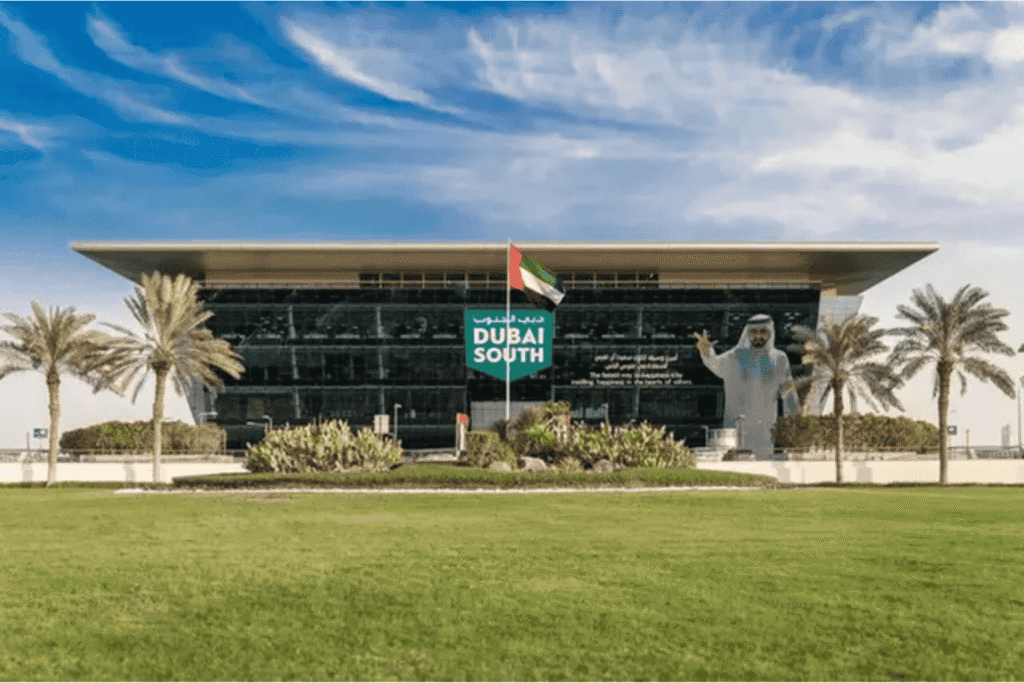
Toll Group, via its majority-owned joint venture CWT‑SML Logistics, has commenced construction of a new logistics facility DC6 located in the Dubai South Logistics District. The groundbreaking ceremony, held on August 28, 2025, marks a strategic expansion of the company’s presence in the Middle East and North Africa (MENA) region Zawya.

Spanning 25,000 square meters, the DC6 facility will include 15,620 square meters of warehouse space, mezzanine levels, operational offices, and four customizable chambers. The design also incorporates temperature-controlled sections, enabling efficient handling of a wide range of goods. Once operational, the center will have the capacity to store more than 30,000 pallets, supporting large-scale logistics operations throughout the region Zawya.

Strategic Facility for MENA Logistics Growth

The facility is scheduled for completion by August 2026. Once launched, it will offer comprehensive third-party logistics (3PL) services, including inbound and outbound stock handling, value-added services (VAS), and cross-border transportation. This development supports Toll Group’s regional growth strategy and complements Dubai South’s role as a key logistics hub connecting air, land, and sea routes (Zawya).

Environmental Design and LEED Certification Target

DC6 is being constructed with sustainability at its core. The facility aims to achieve LEED Silver certification through a range of eco-friendly measures such as solar energy generation, water recycling systems, and energy-efficient lighting. These efforts align with the UAE’s national sustainability goals and reflect Toll Group’s global commitment to reducing environmental impact Zawya.

Leadership Commentary on DC6 Launch

Robert Reiter, President of Toll Global Forwarding, stated that the groundbreaking represents the company’s dedication to innovation and service excellence in the MENA region. He added that DC6 will serve as a flexible and sustainable logistics platform for regional and international clients.

Suhail Qureshi, Chairman of CWT‑SML Logistics, highlighted that the facility is a direct result of strategic investment and long-term planning. He emphasized the joint venture’s focus on client-centric and environmentally aligned operations, further reinforcing its leadership position in regional logistics Zawya.

From the host city perspective, Mohsen Ahmad, CEO of the Logistics District at Dubai South, noted that the project reaffirms Dubai’s position as a preferred destination for logistics investment. He also emphasized that the presence of global players like Toll Group adds long-term value to Dubai South’s growing logistics ecosystem.

Integration with Dubai South’s Vision

Dubai South’s Logistics District is a critical component of Dubai’s wider economic development plan. The district provides seamless multimodal connectivity and is home to major infrastructure such as Al Maktoum International Airport and Jebel Ali Port. The area also features dedicated zones like EZDubai, an e-commerce hub, and the Contract Logistics Zone, which supports large-scale warehousing and distribution.

By locating DC6 within this ecosystem, Toll Group ensures that its clients benefit from world-class logistics infrastructure, regulatory support, and strategic positioning that facilitates efficient regional and global distribution.

Toll Group’s Expansion Strategy

With a legacy of over 130 years, Toll Group operates across 30+ countries and supports more than 20,000 global customers. The company employs approximately 14,000 people and runs an extensive network that spans 140 countries. The development of DC6 is part of Toll’s strategic growth plan following its acquisition of a majority stake in CWT‑SML Logistics in 2023, increasing its ownership from 20% to 55%.

This move has enabled greater operational alignment and direct investment in infrastructure projects like DC6, designed to meet the logistics needs of clients across sectors such as retail, healthcare, food, and electronics.

Economic and Sector Impact

The UAE logistics sector plays a vital role in national GDP and is one of the fastest-growing segments of the economy. According to UAE government data, ongoing investments in transport infrastructure and supply chain digitization are expected to drive double-digit growth in the sector over the next five years.

As the region continues to experience rising demand for e-commerce, temperature-sensitive goods, and just-in-time delivery models, facilities like DC6 are well-positioned to support this evolution. The project will not only expand Toll’s operational capabilities but also contribute to local job creation and industrial diversification in the UAE.

Conclusion

The launch of construction for DC6 by Toll Group marks a significant step in the development of the UAE’s logistics infrastructure. Set within the strategic framework of Dubai South, the facility combines environmental sustainability, technological innovation, and regional logistics integration. Upon completion in 2026, it is expected to serve as a cornerstone of Toll Group’s operations in the MENA region and a model for future-ready logistics hubs.

UAE Reinforces Its Status as a Global Hub for Corporate Headquarters in 2025

The United Arab Emirates continues to bolster its reputation as a preferred destination for global corporations establishing regional or global headquarters. This trend is driven by a combination of forward-thinking legislation, robust digital and financial infrastructure, and the UAE’s strategic geographic positioning connecting Asia, Africa, and Europe Gulf News Malaysia Sun.

Strong Investor Confidence and Global Rankings

The UAE’s appeal is reflected in its performance in the Kearney Foreign Direct Investment (FDI) Confidence Index. In 2025, the UAE ranked ninth globally, holding second place among emerging markets, underscoring widespread investor trust Economy Middle EastKhaleej Times. This follows an earlier leap to eighth place in the 2024 index, where it was the only MENA country among the global top ten, and second among emerging markets after China ZawyaAletihad Newspaper.

Investor confidence is linked to the UAE’s projected economic performance, including anticipated GDP growth of 4.8% in 2025 and 6.2% in 2026, and infrastructure investments such as the Etihad Rail project Economy Middle East.

Corporate Expansion and New Headquarters in 2025

A number of multinational firms announced or completed their move to the UAE in 2025:

  • PayPal opened its regional headquarters in Dubai in April, its first in the Middle East and Africa, serving over 80 markets Gulf News.

  • Veon, the Nasdaq-listed telecom company, relocated its global headquarters to Dubai Gulf News.

  • Partners Group, a global private equity firm, launched a regional office in Abu Dhabi in June Gulf News.

  • Bitcoin.com joined Dubai’s DMCC Crypto Centre Gulf News.

  • Fortress Investment Group opened an office in Abu Dhabi to drive its global strategy Gulf News.

In addition to these newcomers, established global giants including Meta, Google, Microsoft, Oracle, Amazon, Cisco, Visa, and Mastercard continue to operate regional offices in the UAE Gulf News.

Leadership Perspective on UAE’s Investment Climate

Industry leaders have praised the UAE’s business environment:

  • Mohamed Karam, Regional Manager at InSinkErator (Whirlpool), attributes the country’s appeal to its dynamic environment, advanced infrastructure, and forward-looking legislation, alongside a strong push toward sustainability and a circular economy Gulf News.

  • Vinay Surana, Regional CEO for Allianz Partners, highlighted the UAE’s economic strength and innovation-driven business model Gulf News.

  • Hasan Onder, President of Daikin Middle East, Turkey, and Africa, emphasized the UAE’s open economy, rapid technology adoption, and reputation as a long-term investment destination Gulf News.

Supporting Trends: Financial Sector Growth and Job Market Dynamism

Dubai, in particular, is experiencing notable expansion in the financial services sector, with investment banks, wealth managers, and asset managers increasing their presence in Dubai International Financial Centre (DIFC). As of mid-2025, DIFC employed over 46,000 professionals a 10% increase in two years FN London.

The UAE job market also remains buoyant. In Q3 2025, over half of companies across various sectors were actively recruiting, driven by stable economic conditions, diversification efforts, and infrastructure investments The Times of India.

A Magnet for Startups and Wealth Managers

The Gulf’s appeal extends beyond corporates:

  • A growing number of startup founders are relocating from Europe, Asia, Africa, and North America, attracted by the UAE’s tax-free salaries, ownership freedoms, and long-term residency options The Times of India.

  • Wealth management firms are flocking to Dubai, with asset and wealth managers in DIFC expanding from 350 to 410 between 2023 and end of 2024. Projections suggest the UAE will be the sixth-largest booking center globally by 2028, managing $1.5 trillion in assets FN London.

Qualities Giving UAE the Edge

The UAE’s rise as a corporate hub rests on multiple pillars:

  • Strategic geographic location providing seamless access to major global markets.

  • Progressive legislative framework and innovation-friendly policies.

  • High-quality digital and transport infrastructure, including investments in rail connectivity.

  • Tax-efficient regime, including free zones and free ownership regimes.

  • Diversified economy with active efforts in sectors like tech, fintech, tourism, and logistics.

  • Strong investor confidence, evidenced by FDICI rankings and economic forecasts.

Conclusion: A Hub That Continues to Attract

As the UAE continues to attract both legacy multinationals and innovative startups, it reinforces its position as a forward-looking global business center. Its appeal lies not just in investment numbers, but in its eco-system: from leadership vision and infrastructure, to regulatory transparency and quality of life.

With continued execution on infrastructure projects, policy innovation, and economic diversification, the UAE appears poised to further entrench its position among the world’s most attractive destinations for global investment and corporate regional headquarters.

UAE Embarks on AI-Driven Transformation with National AI Strategy 2031

The United Arab Emirates has launched its National Artificial Intelligence Strategy 2031, aiming to transform the country into a global AI leader within a decade. Officially endorsed by the UAE Cabinet in April 2019, this long-term plan forms a core component of the broader Centennial 2071 vision, emphasizing AI as a fundamental driver of national progress and innovation UAE Cabinet.

Strategic Objectives Fueling the Vision

The strategy is built around eight interlinked objectives designed to establish a resilient AI ecosystem:

  1. Position the UAE as a global AI destination, with initiatives like the “UAI” certification to strengthen credibility and attract talent UAE CabinetLinkedIn.

  2. Enhance competitiveness in key sectors such as energy, logistics, tourism, healthcare, education, and cybersecurity UAE CabinetMagazine.

  3. Create a vibrant AI ecosystem by supporting startups through funding, accelerators, and incentive schemes to attract foreign firms KloverGlobal AI Law.

  4. Implement AI-driven government services to streamline public delivery and improve quality of life UAE CabinetTrinity Corporate Services.

  5. Attract and train AI talent through programs like AI curricula, scholarships, and public training initiatives Trinity Corporate Servicesfutureuae.com.

  6. Advance AI research by establishing virtual institutes and building partnerships with global institutions LinkedInfutureuae.com.

  7. Invest in data infrastructure and AI-ready datasets to enable testing and innovation futureuae.comBeam AI.

  8. Strengthen governance and regulation to ensure ethical, fair, and secure AI deployment LinkedInfutureuae.com.

Projected Economic Impact

The strategy is expected to contribute up to AED 335 billion (approximately USD 91 billion) to the UAE’s economy by 2031, accounting for about 14% of GDP and 20% of non-oil sectors KloverMagazine. These figures underscore AI’s central role in the nation’s economic diversification agenda.

Infrastructure and Institutional Foundations

To support these ambitions, the UAE is establishing a robust AI infrastructure:

  • The Mohamed bin Zayed University of Artificial Intelligence (MBZUAI), founded in 2019 and located in Masdar City, is the world’s first graduate research university dedicated exclusively to AI and recently launched its first undergraduate AI program Wikipedia.

  • AI-focused hubs like Hub71 (Abu Dhabi) and Area 2071 (Dubai), along with accelerators and partnerships involving Mubadala, G42, and global tech firms, form the core of a thriving AI ecosystem LinkedInlcdmedia.net.

  • Investment in cutting-edge infrastructure includes supercomputing projects such as Stargate UAE and building the world’s largest AI data center cluster in collaboration with international partners like OpenAI Financial TimesSOO Group.

AI-Powered Governance Initiatives

The UAE is breaking new ground by integrating AI into governance. A National Artificial Intelligence System will act as an advisory member in the Cabinet and federal boards by early 2026—a global first for AI in government The Sun.

Abu Dhabi also aims to become the world’s first fully AI-native government by 2027, backed by a AED 13 billion investment in digital infrastructure. This initiative will support over 200 AI-driven solutions across public services and predict a shift toward automated, efficient governance Reddit.

Sector Applications and Smart Infrastructure

AI is being deployed across vital sectors:

  • Smart city projects in Dubai and Abu Dhabi harness AI for traffic management, energy optimization, and predictive maintenance lcdmedia.netLinkedIn.

  • In healthcare, tools like RAHMA enable AI-enhanced diagnostics and personalized treatment planning lcdmedia.net.

  • Government services rely on AI for efficiency, including automation in visa processing and public administration LinkedInReddit.

  • In urban environments like Masdar City, smart grids and autonomous systems support resource-efficient living LinkedInMagazine.

Language, Research, and Inclusion

The UAE is leading AI development tailored to regional needs, such as creating Falcon Arabic an AI language model and Jais, an open-source large language model optimized for Arabic and English The Times of IndiaWikipedia. These projects reflect growing emphasis on preserving cultural and linguistic heritage through AI innovation.

Accountability and Implementation

The UAE has established structured pillars to implement its strategy: focusing on industry assets, smart governance, secure data frameworks, and talent development. A system of annual AI Value Reports will track outcomes like economic contribution, talent growth, and carbon savings Beam AI.

Challenges Ahead

Key challenges include cultivating local talent, maintaining AI ethics, ensuring data privacy, addressing algorithmic bias, and aligning with cultural norms. Investment in education and governance frameworks will be decisive for the strategy’s long-term impact Financial TimesLinkedIn.

Conclusion

The UAE’s National AI Strategy 2031 presents a holistic blueprint to integrate AI across public, economic, and societal dimensions. Backed by strong political intent, significant investments, and inclusive governance, the strategy positions the country as a global AI frontrunner. As execution continues, the next decade could witness profound transformations in how the UAE lives, works, and innovates.

GCC E‑Commerce Market Eyeing a Topline of USD 2,020.6 Billion by 2033

A new report from IMARC Group forecasts a dramatic rise in the Gulf Cooperation Council (GCC) e‑commerce market, projecting it to grow from USD 507.2 billion in 2024 to USD 2,020.6 billion by 2033, representing a compound annual growth rate (CAGR) of 15.3 percent. This remarkable surge underscores the region’s accelerating shift toward digital commerce. OpenPR+1

Market Growth Drivers

The GCC region is undergoing profound digital transformation, driven by exceptionally high internet access and mobile adoption. The region boasts nearly universal internet penetration and smartphone usage, positioning it at the forefront of mobile‑first e‑commerce. OpenPR

Government‑led programs such as Saudi Vision 2030 and initiatives like Dubai’s Smart City project are accelerating this trend. These policies focus on digital infrastructure, fintech ecosystems and smart retail, thereby elevating e‑commerce accessibility and consumer confidence. OpenPR

Changing consumer behavior, especially among younger, tech‑savvy demographics, also plays a pivotal role. Surveys suggest that over 90 percent of GCC residents in Saudi Arabia and the UAE now shop online regularly, showcasing a strong preference for digital retail channels. OpenPR

Emerging Market Trends

The report highlights several notable trends shaping the GCC e‑commerce ecosystem:

  • Mobile Commerce (m‑commerce): With such widespread smartphone adoption, platforms are investing heavily in seamless mobile user experiences, supporting app-based and responsive designs that drive higher conversion rates. OpenPR

  • Social Commerce: Increasingly, platforms like Instagram, TikTok, WhatsApp, and Snapchat serve as primary discovery and sales channels, blending social media and commerce instinctively. OpenPRbriefingwire.com

  • Sustainable Practices & Eco‑Logistics: With growing environmental awareness, green logistics and eco-friendly packaging are emerging as key competitive differentiators in the GCC market. OpenPR

  • AI‑Driven Retail Innovation: Artificial intelligence is empowering personalized shopping experiences, predictive inventory management, conversational commerce, and fraud detection, reshaping customer engagement across the region. OpenPRMenafn

Market Segmentation — By Type, Transaction, and Country

The e‑commerce sector in the GCC spans several product categories including home appliances, apparel, cosmetics, groceries, books, and others. Transactions are divided into B2C, B2B, C2C, and more. Geographically, the market includes Saudi Arabia, UAE, Qatar, Bahrain, Kuwait, and Oman. IMARC GroupOpenPR

Quick Commerce: A Fast‑Emerging Subset

Quick commerce (q‑commerce) is another high‑growth niche, offering ultra-fast deliveries—often within minutes. This market was valued at USD 2.1 billion in 2024 and is expected to reach USD 22.6 billion by 2033, reflecting a CAGR of 30.2 percent. IMARC Group

Alternative Forecasts: A Slower—but Steady—Growth Scenario

Another analysis by Market Research Future (MRFR) offers a contrasting, more conservative forecast for the GCC e‑commerce market. This outlook estimates growth from USD 236.9 billion in 2024 to USD 510 billion by 2035, with a CAGR of approximately 7.2 percent over the period 2025–2035. Market Research Future

Focusing specifically on the business‑to‑consumer segment (B2C), the market is projected to rise from USD 124.1 billion in 2024 to USD 353.0 billion by 2035, at a 9.97 percent CAGR. Market Research Future

Broader Context and Comparative Outlook

Beyond the GCC, the Middle Eastern e‑commerce market as a whole was estimated at USD 1,888 billion in 2024. IMARC projects this broader region to reach USD 10,957 billion by 2033, exhibiting an even more aggressive CAGR of 21.6 percent. IMARC Group

Conclusion

The GCC e‑commerce sector is on the cusp of rapid expansion, fueled by digital transformation, supportive government policies, rising mobile commerce, and increasing consumer adoption. High projections by IMARC signal GDP‑level growth quadrupling over a decade while MRFR offers a steadier outlook. Quick commerce and AI‑enabled customer experiences are emerging as differentiators, and social and mobile shopping continue to redefine retail behaviors.

Whether planning for rapid scalability or sustainable growth, stakeholders in the region from retailers to tech providers must strategically align with evolving market dynamics. The path ahead promises both vast opportunity and heightened competition.

Desertcart Celebrates 10 Years of Cross-Border E-Commerce Growth

Desertcart, the UAE-based cross-border e-commerce platform, celebrates its 10th anniversary in 2025, marking a decade of transforming online shopping in the Middle East and North Africa (MENA) region. Founded in 2014 with the goal of bridging the gap between consumers in emerging markets and global products, Desertcart has expanded rapidly, establishing itself as a leader in cross-border e-commerce by providing access to millions of products from around the world (bizpreneurme.com).

The journey began with Desertcart’s first warehouse opening in Dubai in 2015, a strategic move that enabled the company to improve product availability and reduce delivery times significantly. This logistical foundation has been key to Desertcart’s success, allowing it to serve customers not only in the UAE but across the entire MENA region and beyond (bizpreneurme.com).

Expanding Product Variety and Reach

Desertcart’s core value proposition is its extensive product range. The platform offers over 100 million products, spanning diverse categories such as electronics, beauty, wellness, home goods, and fashion. This extensive catalog is made possible through partnerships and sourcing from key global markets including the United States, Europe, South Korea, and Japan (bizpreneurme.com, mid-east.info, zawya.com).

The platform’s ability to introduce products that are often unavailable in local stores addresses a critical gap in the regional e-commerce landscape. For example, the rising demand for Korean beauty products and Japanese electronics has been met by Desertcart’s targeted sourcing strategies, helping the company tap into emerging consumer trends in the region (mid-east.info).

Growth Metrics and Membership Programs

In 2025 alone, Desertcart has delivered over 1.5 million items, reflecting a remarkable 70% year-over-year growth. This growth is supported by a dedicated community of more than 30,000 Pro Members who benefit from faster shipping options, exclusive deals, and special promotions. The Pro Membership program, launched in 2022, has proven instrumental in driving customer loyalty and repeat purchases, setting Desertcart apart from competitors in the regional market (bizpreneurme.com, mid-east.info).

The rapid growth in order volume underscores the increasing acceptance and reliance on cross-border e-commerce in MENA. According to a report by Statista, the MENA e-commerce market is expected to reach over 48 billion USD by 2025, growing at an annual rate of approximately 13%, positioning Desertcart to capitalize on this rising demand (statista.com).

Leadership Vision and Technological Investments

Rahul Swaminathan, CEO of Desertcart, reflects on the company’s decade-long journey: “Our mission has always been to make global products accessible to Middle Eastern consumers. Ten years later, we are proud to serve millions of customers who trust us to bring unique, hard-to-find products to their doorsteps” (bizpreneurme.com).

Desertcart’s COO, Miquel Pancorbo, emphasizes the importance of early investments in infrastructure and technology. The company has continuously enhanced its warehouse capabilities and integrated artificial intelligence (AI) tools to analyze customer behavior and preferences. These AI-driven insights enable more personalized shopping experiences, targeted marketing, and efficient inventory management (bizpreneurme.com, mid-east.info).

Responding to Market Trends: Back to School Campaign

As part of its customer-centric approach, Desertcart recently launched its annual Back to School campaign, offering a curated selection of products including backpacks, stationery, tech gadgets, and footwear. This initiative simplifies the shopping process during a traditionally hectic season, meeting the needs of families across the region (bizpreneurme.com).

By addressing seasonal demand with tailored campaigns, Desertcart demonstrates an understanding of local market dynamics, further strengthening its position as a leading e-commerce provider.

Challenges and Future Outlook

While Desertcart’s growth story is impressive, the company also faces challenges common to cross-border e-commerce businesses. These include navigating complex customs regulations, managing international shipping logistics, and addressing payment and currency exchange issues. However, Desertcart’s ongoing investments in technology and partnerships with logistics providers are helping to mitigate these obstacles.

Looking forward, Desertcart plans to expand its regional warehouses to reduce delivery times further and enhance service reliability. The company also aims to leverage advanced AI and machine learning algorithms to optimize supply chain management and offer even more personalized shopping experiences (bizpreneurme.com).

Regional Impact and Economic Contribution

Desertcart’s success also contributes to the broader economic development of the MENA region. By facilitating access to global products, the company supports consumer choice and drives digital transformation. Moreover, Desertcart’s expansion creates employment opportunities in warehousing, logistics, IT, and customer service sectors.

According to a report by Bain & Company, cross-border e-commerce is a critical driver of growth in emerging markets, providing consumers with access to wider product assortments and competitive prices. Desertcart’s pioneering role in MENA exemplifies how digital platforms can foster inclusive economic development.

Conclusion

As Desertcart celebrates a decade of operations, its journey highlights the transformative power of cross-border e-commerce in emerging markets. With continuous innovation, customer focus, and strategic expansion, Desertcart is well-positioned to lead the next phase of e-commerce growth in the Middle East.

By connecting millions of consumers with products from across the globe, Desertcart not only meets evolving market needs but also sets a benchmark for how technology and logistics can overcome geographical barriers in retail.

Middle East Embraces the Economic Partnership Model

Across the Middle East, a quiet transformation is underway in how companies approach workforce engagement and productivity. In a bid to stay competitive in a rapidly evolving global market, many organizations are adopting the economic partnership model a system that redefines employees as active contributors to profitability, rather than passive task executors.

This shift is rooted in both economic necessity and strategic foresight. As businesses face rising operational costs, low engagement levels, and talent retention challenges, they are looking inward to their people as the key to unlocking untapped value and long-term growth.

A Global Issue: The High Cost of Disengagement

According to Gallup’s State of the Global Workplace 2023 report, low employee engagement costs the global economy approximately 8.8 trillion dollars every year. This figure represents nearly 9 percent of global GDP and highlights the urgent need for companies worldwide to rethink their approach to human capital.

In the Middle East, the impact is similarly felt across industries such as retail, energy, technology, and logistics. Companies are recognizing that employee disengagement is not just a cultural issue it is a financial risk. The economic partnership model is emerging as a potential solution, one that aligns employee motivation with organizational performance.

Understanding the Economic Partnership Model

The economic partnership model encourages employees to take ownership of results by contributing ideas, identifying efficiencies, and supporting continuous improvement efforts. Employees are empowered to participate in the company’s value creation process whether through reducing costs, improving customer experience, or increasing operational speed.

For instance, a customer service employee at a tech firm proposed changes to the company’s website that resulted in a 40 percent decrease in support calls and a 15 percent increase in customer satisfaction. In another example, a warehouse employee streamlined inventory processes, saving the company 50,000 dollars annually. These are not isolated success stories; they are indicators of what is possible when employees are treated as partners in success.

(Bizpreneur Middle East, 2024)

Shifting Leadership and Organizational Culture

Adopting this model requires more than operational tweaks. It involves a mindset shift across the organization. Traditional hierarchies often limit innovation to top-level management, while the economic partnership model promotes distributed responsibility and collaborative problem-solving.

Managers must transition from supervisors to facilitators. Their role becomes one of enabling, mentoring, and recognizing employee contributions. This shift improves trust, boosts morale, and often leads to stronger team cohesion.

Gallup’s research supports this, showing that companies with high employee engagement have 43 percent lower turnover rates compared to those with low engagement levels. Employee retention improves when individuals feel their ideas matter and that they are making a meaningful impact.

Demographics Driving Adoption in the Middle East

One of the reasons the Middle East is well-positioned to adopt the economic partnership model is its demographic makeup. The International Labour Organization reports that more than 60 percent of the region’s workforce is under the age of 35. This younger generation tends to seek purpose, flexibility, and autonomy in their careers, making them more receptive to participative business models.

This shift is further supported by large-scale regional initiatives that promote economic reform, private sector growth, and innovation. Programs such as Saudi Arabia’s Vision 2030 and the UAE’s Centennial 2071 encourage investment in human capital and the adoption of future-oriented business models.

The India–Middle East–Europe Economic Corridor (IMEC), a strategic trade route linking Asia, the Middle East, and Europe, is also pushing companies in the region to become more agile and globally competitive. As regional infrastructure improves and market access expands, businesses are being urged to optimize internal operations and workforce engagement.

(ILO, Wikipedia)

Financial Benefits of the Model

The benefits of the economic partnership model are not limited to culture or morale. There is strong financial evidence supporting its implementation. According to PwC’s Workforce of the Future report, companies with highly engaged employees are, on average, 21 percent more profitable than those with disengaged workforces.

Companies that embrace this model report faster innovation cycles, reduced operational waste, and improved customer loyalty. These outcomes not only enhance competitiveness but also contribute directly to financial performance.

Retention, in particular, becomes a key advantage. Recruiting and training new staff can be costly, particularly in sectors experiencing skill shortages. By creating a work environment where employees feel valued and heard, companies reduce turnover and preserve institutional knowledge.

Challenges and Implementation Strategy

Despite its advantages, the transition to an economic partnership model comes with challenges. Businesses must develop new performance metrics that go beyond traditional KPIs. Managers may require training to adopt more supportive leadership styles. Feedback systems, incentive structures, and internal communications must all be realigned to support the model.

Experts recommend piloting the approach in select departments to test outcomes and build internal support. Early success stories can help reinforce the business case for wider adoption.

Cultural sensitivity is also important. While younger employees may embrace the model quickly, older or more traditionally-minded staff may need more time and support to adapt.

A Vision for the Future of Work

The economic partnership model is gaining traction because it aligns with broader global trends flexible work, purpose-driven employment, and decentralized leadership. In the Middle East, where modernization, economic diversification, and youth empowerment are national priorities, the model offers a promising path forward.

By treating employees as strategic partners, companies can unlock higher levels of performance, foster innovation, and build a resilient organizational culture that is ready for the future.

As the region continues to open itself to global investment and talent, businesses that embrace this model may not only improve internally, but also stand out as regional and international leaders in workplace transformation.