WORLDEF Prime Antalya 2026 - Upcoming Event

Register Now

WORLDEF Growth Network Launch Event Marks a New Chapter

A Vision Beyond Networking

WORLDEF Growth Network is not just another business network. It is designed as a system that prioritizes commercial success but goes far beyond it. The core idea is simple yet powerful: transforming relationships into opportunities, and trust into long-lasting cooperation. With this approach, WGN sets out to create an ecosystem where members build sustainable ties that actively shape the digital economy.

To mark its debut, the launch was hosted at the Ramada Hotel in Istanbul Tekstilkent, welcoming representatives from across the e-commerce landscape. Throughout the event, participants engaged in one-on-one networking sessions, while collaboration-focused meetings gave a taste of what the network truly stands for.

Omar Nart: Our Vision is to Build a Digital Trade Network in MENA Where Everyone Wins

Speaking at the opening of the program, WORLDEF CEO Omar Nart highlighted that WORLDEF Growth Network is a structure that brings together professionals from the world of e-commerce and retail technologies under one roof.

Nart said, “With its disciplined organizational model, innovative approach, and people-centered vision, WGN aims to generate revenue for its members. Our mission is not only to increase our members’ business volume but also to ensure that they grow as part of a community that adds value to each other. At WGN, relationships are built not just through referrals but on mutual trust and a shared understanding of mutual benefit. Here, success is not individual; it is built as a collective force based on the ecosystem. Our vision is to create a trust-based digital trade network in MENA where everyone wins.”

What Makes WORLDEF Growth Network Different?

At its heart, WORLDEF Growth Network is built on the principle of “the giver wins.” Here, members are encouraged to create opportunities not only for themselves but also for others because contribution naturally brings returns. Instead of random connections, WGN cultivates purposeful, systematic relationships.

Five Trends Reshape MENA E-commerce in 2025

Arab AI Leaders Propel Gulf’s Rise in Global AI

Two prominent Arab figures have earned a place on TIME100 AI 2025, signaling the Gulf region’s growing influence in artificial intelligence. Tareq Amin, CEO of Saudi Arabia’s HUMAIN, and Sheikh Tahnoun bin Zayed Al Nahyan, UAE’s National Security Advisor and Chairman of G42, are changing the AI landscape with groundbreaking initiatives.

Their inclusion reflects substantial Gulf investment in AI infrastructure, localized language technology, and global partnerships—positioning the Middle East not just as a consumer of AI, but as a strategic contender.

Humain: Arabic Language Model Built for the Region

Tareq Amin heads HUMAIN, an AI startup launched by Saudi Arabia’s Public Investment Fund aimed at building sovereign AI capabilities. The company focuses on developing advanced Arabic language models tailored to the linguistic and cultural nuances of the Middle East. This move addresses the major gap in accessible AI tools for 400 million native Arabic speakers (Financial Times, 2025).

HUMAIN is also launching a $10 billion venture fund to support AI startups across the US, Europe, and Asia, with potential partnerships with key industry players like OpenAI and Andreessen Horowitz—highlighting the region’s global ambitions (Financial Times, 2025).

The company has already announced a major partnership with Nvidia and AMD to develop high-performance AI infrastructure domestically, ensuring it remains independent from foreign technology dependencies. In addition, HUMAIN is building cloud services and data centers within Saudi Arabia, in line with Vision 2030 goals to diversify the economy and promote technological self-sufficiency (Reuters, 2025).

Stargate UAE: World-Class AI Infrastructure in Abu Dhabi

In the UAE, Sheikh Tahnoun is driving the Stargate UAE project: one of the world’s largest AI data center complexes, outside the United States. Spearheaded by G42, this initiative includes a 5 gigawatt AI campus featuring a 1 gigawatt GPU cluster in Abu Dhabi. The first 200 megawatt phase is expected to be operational by the end of 2026, powered by a collaboration with OpenAI, Oracle, Nvidia, Cisco, and SoftBank (The National News, 2025; Wall Street Journal, 2025).

The scale of this project will position the UAE as a major AI infrastructure hub globally, enabling rapid development and deployment of AI applications. In addition, G42’s partnership with Microsoft involves a $1.5 billion investment to develop AI talent and infrastructure, ensuring a sustainable pipeline of skilled professionals to maintain and expand AI innovation within the region (Wired, 2025).

Gulf Investment & Sovereignty Strategy

Saudi Arabia and the UAE are channeling immense resources—via sovereign wealth funds like the PIF and Abu Dhabi’s investment portfolios—into AI infrastructure, language models, and startup support. HUMAIN’s funding and G42’s infrastructure projects reflect a broader push toward ensuring AI sovereignty and economic diversification (Wired, 2025).

This strategy extends beyond technology to include governance and ethical frameworks for AI use. Both nations are actively developing policies to ensure that AI technologies are deployed responsibly and in line with cultural values and legal standards. This focus on AI ethics and governance is viewed as a crucial step to balancing innovation with societal needs (Financial Times, 2025).

Bridging Gaps in Research, Talent & Governance

Despite their scale of investment, the Gulf states face ongoing challenges, especially in building local AI research capabilities and workforce depth. To address these issues, initiatives are underway to attract international talent through specialized visas, tax incentives, and partnerships with global institutions like Nvidia, AMD, and Mistral (Financial Times, 2025).

In parallel, education systems are being overhauled to integrate AI and data science skills, nurturing a new generation of AI experts who can contribute to and sustain the region’s technological ambitions. Universities and research centers in the Gulf are partnering with international counterparts to develop advanced curricula and conduct cutting-edge AI research.

Shaping the AI Narrative

Tareq Amin and Sheikh Tahnoun’s presence on TIME100 AI 2025 is not merely individual recognition; it signals the Middle East’s transition from tech adopters to strategic AI innovators. Through HUMAIN, localized language AI becomes a cultural asset. Through G42, the region builds compute power that rivals global superpowers.

As global AI competition intensifies, the Gulf states are carving out a unique position—integrating national vision, financial muscle, and technological ambition into a new AI reality.

With ambitious projects, strategic investments, and a clear vision for the future, Saudi Arabia and the UAE are rapidly becoming key players in the global AI ecosystem.

Shein and Temu May Have Cost South Africa Over 8,000 Jobs, Report Finds

Global fast-fashion e-commerce giants Shein and Temu have come under scrutiny in South Africa after a new report linked their explosive growth to significant job losses in the country’s retail and manufacturing sectors. According to a study released by the Localisation Support Fund (LSF), the platforms are responsible for the loss of over 8,000 potential jobs between 2020 and 2024 in South Africa’s clothing, textiles, footwear, and leather (R‑CTFL) industries.

The findings point to a deeper economic dilemma: the allure of low-cost, fast-delivered goods from international sellers is clashing with the country’s efforts to preserve domestic industry, protect jobs, and promote inclusive economic development.

Rapid Market Penetration, Disruptive Impact

The LSF report estimates that Shein and Temu recorded a combined R7.3 billion in sales in 2024 alone, accounting for 3.6% of the total R‑CTFL retail market and an astonishing 37% of online sales in the sector. While their growth signals booming e-commerce engagement among South African consumers, the repercussions for local manufacturers and retailers have been devastating (IOL, 2025).

Between 2020 and 2024, the platforms are believed to have caused:

  • R960 million in lost domestic manufacturing sales

  • 2,818 lost potential manufacturing jobs

  • 5,282 unrealized retail employment opportunities

This cumulative loss underscores how offshore platforms are reshaping local retail ecosystems shifting value away from domestic producers and eroding job creation pipelines.

How Did It Happen?

Experts attribute the disruption to a confluence of factors, particularly how Shein and Temu leveraged trade loopholes, data-driven sales tactics, and cost advantages in offshore manufacturing. Until 2024, the South African Revenue Service (SARS) allowed de minimis imports (under R500 in value) to enter the country duty-free and VAT-exempt. While South African retailers paid up to 45% in import duties and an additional 15% VAT, platforms like Shein and Temu circumvented these costs entirely.

This created an unfair pricing advantage, with international platforms able to undercut local retailers significantly. SARS eventually closed this loophole in late 2024, but the damage was already extensive (Zawya, 2025).

Courtney Grant, a senior researcher at BMA, noted that these platforms scaled up faster than any South African retailer in recent history: “What took local retailers 10 to 15 years to build, Shein and Temu achieved in less than five, largely by externalizing costs and bypassing trade regulations.”

Projected Future Job Losses

If growth continues unchecked, the LSF warns that South Africa could face up to 34,000 job losses by 2030. These include:

  • 16,400 manufacturing jobs

  • 18,300 retail jobs

  • R6.2 billion in lost manufacturing output

The retail and fashion sector which historically employs tens of thousands of South Africans, particularly women and low-income workers is especially vulnerable.

South Africa’s online retail penetration rate reached 9.9% in 2024, a marked improvement from 2.4% in 2015. However, it still lags far behind the global average of 35.6% and emerging e-commerce leaders like Brazil and Vietnam. This slow digital uptake leaves local businesses with limited resources and capacity to compete with international behemoths (Mail & Guardian, 2025).

Calls for Policy Reform and Accountability

The political fallout has been swift. ActionSA, a South African political party, has called for an urgent parliamentary inquiry. They demand accountability from the Minister of Trade, Industry and Competition, the Finance Minister, and SARS leadership over why the de minimis loophole was allowed to persist for so long despite industry warnings.

Local trade unions, including the South African Clothing and Textile Workers’ Union (SACTWU), have echoed this frustration. Describing the situation as “smash-and-grab economics,” the union argued that global platforms exploited weak enforcement and tax inconsistencies to undermine domestic production.

Proudly South African, a pro-local campaign, urged consumers and policymakers alike to reflect on the long-term damage of cheap, offshore e-commerce. “Each purchase from these platforms may seem affordable,” one spokesperson said, “but it’s a silent vote against South African jobs, families, and industries” (IOL Business Report, 2025).

E-Commerce Reform vs. Protectionism

This crisis has reignited debates on how to balance open markets with local development priorities. Some argue for tighter import controls and more robust digital taxation measures to level the playing field. Others caution that overly protectionist policies could hurt consumers and discourage innovation.

However, most agree that localization policies must be central to any recovery strategy. Industry leaders are calling for:

  • Increased investment in South African e-commerce platforms

  • Modernization of logistics and fulfillment infrastructure

  • Government procurement policies favoring local production

  • Incentives for SMEs to digitize and scale sustainably

As the global digital economy continues to evolve, countries like South Africa must choose between passive consumption and proactive participation. Without targeted intervention, the next generation of retail jobs and manufacturers could be lost to foreign-owned platforms optimized for global scale but indifferent to local impact.

Conclusion

Shein and Temu’s dramatic entrance into the South African retail space has exposed vulnerabilities in trade policy, digital competitiveness, and local industrial capacity. While they represent the future of ultra-fast, low-cost e-commerce, their unchecked growth also presents significant economic and social challenges for developing nations.

As regulators, unions, industry groups, and consumers reevaluate the rules of engagement, one thing is clear: the battle for the future of South African retail is no longer in shopping malls it’s online.

JD.com Tops China’s 500 Largest Private Firms List

Chinese e-commerce giant JD.com has secured the top spot on China’s prestigious list of the 500 largest private companies for 2025. This milestone reflects JD.com’s robust financial growth, extensive strategic investments, and its expanding footprint both domestically and internationally. The company’s success story highlights the critical role of innovation, logistics infrastructure, and diversification in maintaining competitive advantage in today’s fast-evolving digital economy.

A Leading Force in China’s E-commerce Landscape

JD.com stands alongside Alibaba as one of China’s two largest e-commerce platforms, competing fiercely in a market that continues to grow at a rapid pace. The company’s rise to the top of the list of China’s largest private firms is based on comprehensive criteria including revenue size, profitability, market influence, and innovation capacity (Macau Business, 2025).

The backbone of JD.com’s competitive edge lies in its robust logistics network. Unlike many competitors, JD.com has heavily invested in building and owning a nationwide logistics system, including warehouses, delivery fleets, and automated sorting centers. This investment allows JD.com to offer same-day or next-day delivery services to millions of customers across China, significantly enhancing user satisfaction and loyalty.

Additionally, JD.com has strategically expanded into high-growth sectors beyond traditional e-commerce. The company now offers services in healthcare, fresh food delivery, and fintech, diversifying its revenue streams and reducing dependence on core retail sales. This multi-sector approach supports sustained growth and resilience against market fluctuations.

Strategic International Expansion: A European Ambition

Beyond domestic success, JD.com has made ambitious moves to expand its international footprint, particularly in Europe. In a landmark deal valued at €2.2 billion, JD.com partnered with German electronics retailer Ceconomy, gaining significant influence over major retail brands MediaMarkt and Saturn (Macau Business, 2025).

This strategic partnership is designed to accelerate JD.com’s entry into the European market, leveraging Ceconomy’s established retail presence and customer base. By integrating its e-commerce platform with Ceconomy’s physical stores, JD.com aims to create an omnichannel shopping experience, blending online convenience with offline accessibility. This move aligns with JD.com’s broader vision to become a global leader in retail and digital services.

In addition to Europe, JD.com continues to strengthen its position in neighboring markets such as Hong Kong and Macau. The company has experienced remarkable growth during China’s 618 shopping festival in these regions, doubling both user numbers and order volumes. These gains underscore JD.com’s regional influence and capacity to capitalize on cultural shopping events.

Driving Innovation through Technology and Sustainability

Technology innovation remains at the core of JD.com’s growth strategy. The company is pioneering the use of advanced logistics technologies, including drone and robotic deliveries, to improve efficiency and reduce delivery times. By automating last-mile deliveries and leveraging artificial intelligence for demand forecasting and inventory management, JD.com enhances operational precision and cost-effectiveness (Macau Business, 2025).

In parallel, JD.com has committed to sustainability goals, recognizing the growing importance of environmental responsibility. The company actively works to reduce its carbon footprint by adopting green packaging solutions, optimizing delivery routes to lower emissions, and investing in renewable energy projects. These initiatives not only contribute to global climate efforts but also resonate with eco-conscious consumers, particularly among younger demographics.

Challenges in a Competitive and Regulated Market

Despite its strong positioning, JD.com faces significant challenges. Competition within China’s e-commerce sector remains fierce, with Alibaba and emerging platforms continually innovating and vying for market share. Moreover, evolving regulatory frameworks both in China and abroad introduce compliance complexities and operational risks.

JD.com must also navigate geopolitical uncertainties and trade tensions that could impact its international expansion plans. Economic fluctuations and shifting consumer behaviors in global markets further add to the strategic risks.

Looking Ahead: Growth, Diversification, and Global Ambitions

Nevertheless, JD.com’s solid financial foundation and commitment to innovation position it well for sustained growth. The company is expected to continue expanding into new markets and service areas, leveraging its technological edge and logistics capabilities to drive customer acquisition and retention.

Analysts predict that JD.com’s international ventures, particularly in Europe and Southeast Asia, will become increasingly important revenue drivers in the coming years. Furthermore, ongoing investments in digital health, fintech, and fresh food delivery signal JD.com’s intent to broaden its ecosystem and deepen customer engagement.

Conclusion

JD.com’s achievement as the top private company in China’s 500 largest firms list for 2025 marks a significant milestone in its corporate journey. The company’s strategic blend of logistics excellence, technological innovation, international expansion, and sustainability commitments underscore its role as a leading force in the global e-commerce landscape.

As JD.com continues to grow and adapt, its ability to balance competitive pressures and regulatory demands will be crucial to maintaining its market leadership and delivering long-term value to shareholders and customers alike.

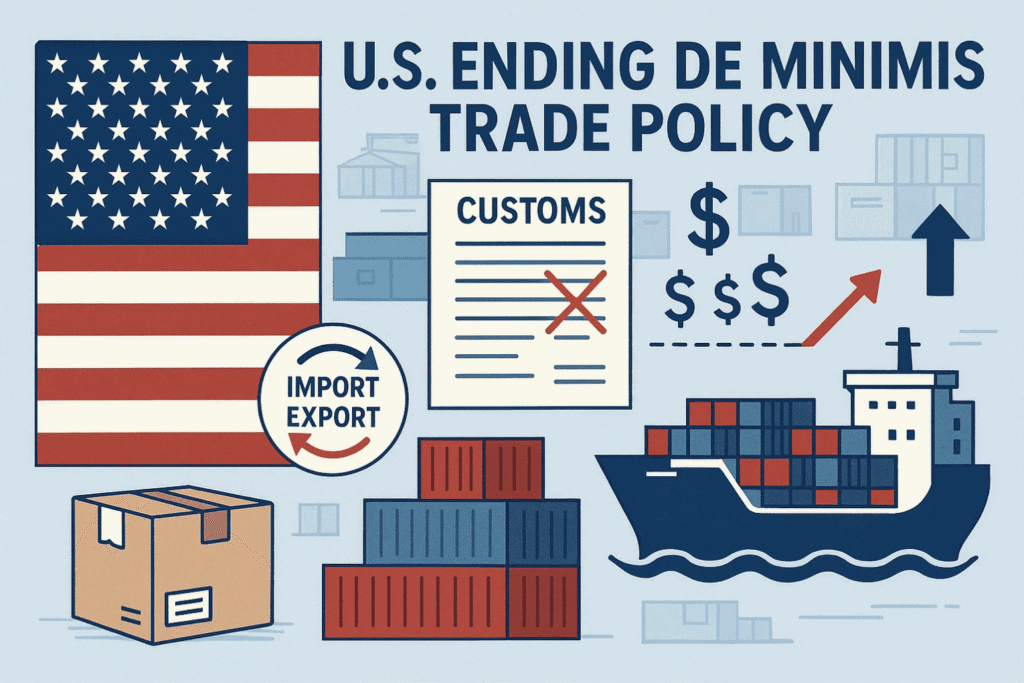
De Minimis Ends: New Tariffs in U.S. Trade

The long-standing “de minimis” exemption in the United States, which allowed individual consumers to import low-value goods without paying customs duties, officially ended on August 29, 2025. This regulation particularly affects low-value shipments from countries like China. From now on, even a $1 item will be subject to customs duties. Cards are being reshuffled for both consumers and international small businesses.

Under the new system implemented by U.S. Customs and Border Protection (CBP), all imported goods must be declared and any applicable duties must be paid. This step is linked to the rapid growth of China-based e-commerce platforms in the U.S. market in recent years and the resulting tax revenue losses.

According to Reuters, over 1.36 billion packages entered the U.S. under the “de minimis” exemption in 2024 alone. The vast majority of these packages came from Chinese platforms such as Temu, AliExpress, and Shein (Reuters, August 29, 2025). These companies were able to sell low-priced products to the U.S. without paying any customs duties, weakening domestic producers’ competitiveness and reducing government tax revenues, as well as allowing uncontrolled product entry.

Security Concerns and Illegal Trade Played a Role

According to the Financial Times, the U.S. government’s decision was motivated not only by economic reasons but also by security concerns. In recent years, fentanyl and other dangerous substances have been detected in low-value packages, especially those originating from China, sparking serious public concern (Financial Times, August 2025).

Initially, restrictions targeted shipments from China and Hong Kong. However, the decision was soon extended to cover all countries. The U.S. administration argued that the policy should not be China-specific but globally applicable to maintain fair trade principles.

What Consumers Can Expect

For millions of U.S. consumers shopping online from abroad, this regulation means significant changes. Small products that previously entered duty-free will now be taxed at rates varying between 10% and 50%, depending on the product type and country of origin.

Platforms like Shein and Temu, which gained significant market share in the U.S. by selling low-cost clothing, accessories, and home goods, will now have to factor these tariffs into their pricing. Consumers shopping on these platforms will need to pay duties either at checkout or upon delivery. Shipping times may also increase due to extended customs processing.

Impact on Small Businesses

Not only consumers but also small exporters will be affected. Entrepreneurs selling products overseas through platforms such as Etsy, eBay, and Amazon must now prepare customs declarations for every shipment, calculate tariffs, and manage additional logistics. This creates a significant operational burden, especially for small-scale sellers.

For SMEs exporting to the U.S. from countries like Turkey, India, or Eastern Europe, this process will be both costly and time-consuming. Some businesses plan to withdraw from the U.S. market or rely on third-party logistics providers to manage shipments.

International Postal Services Temporarily Suspend Shipments

The rapid implementation of the new rules caught some national postal services unprepared. Australia Post, India Post, Royal Mail, and several European postal operators announced temporary halts or restructurings of shipments to the U.S.

According to AP News, the Universal Postal Union (UPU) warned that this sudden change is straining the international logistics system, potentially causing delays in developing countries’ shipments (AP News, August 2025).

U.S. Government Seeks Temporary Solutions

The U.S. Treasury Department plans to introduce a fixed-rate tariff system during a six-month transition period for certain large platforms that meet compliance standards. However, this relief will not extend to small or independent sellers.

Domestic Producers Welcome the Change, Retail Giants Adjust

The National Retail Federation (NRF) has welcomed the change, stating that duty-free imports of low-cost products from abroad have created unfair price competition for U.S. manufacturers.

Retail giants such as Walmart, Target, and Costco, which already pay import tariffs, are expected to be less affected by the change. These companies may even benefit from reduced pressure from low-priced competitors.

A New Era in Trade Policy

Experts believe the U.S. decision to end the “de minimis” exemption could trigger similar actions in global trade policies. Canada, the European Union, and some South American countries are reportedly considering comparable regulations to close tax loopholes in low-value shipments.

This decision may set an example at a time when the rules of digital commerce are being rewritten and national tax policies must align with e-commerce realities.

Advice for Consumers

Consumers need to act cautiously under the new system. Choosing platforms that provide “duties included” pricing, verifying total costs before ordering, and understanding customs procedures are essential.

Also, considering possible shipping delays, buying from local suppliers for urgent needs becomes a safer option.

Journify Expands into Saudi Market

Journify, a fast-growing AI-powered customer data platform, has officially expanded into Saudi Arabia through a strategic collaboration with AstroLabs, a Gulf-based market entry partner. The company, which operates from headquarters in the United States and the UAE, has established a new office in Riyadh to support local clients more effectively and to accelerate adoption of its first-party data activation tools.

Founded in 2023, Journify offers tools that help brands collect, unify, and activate their first-party data across key advertising platforms like Meta, Google, TikTok, and Snapchat. Unlike traditional marketing platforms, Journify works server-side, ensuring privacy compliance, higher data accuracy, and real-time campaign optimization.

The decision to expand into Saudi Arabia follows a strong commercial performance. Earlier in 2025, Journify raised a 4 million dollar seed round led by Silicon Badia, joined by other investors such as RZM Investment, Shorooq Partners, Bunat Ventures, and Plug and Play. This funding supported the company’s rapid growth across the Gulf and helped build its AI roadmap, including agent-based automation and predictive marketing tools.

In less than nine months after its March 2024 launch, Journify achieved 1 million dollars in annual recurring revenue. Its platform has already been used by regional brands to reach more than 30 million users across the MENA region. According to company statements, this rapid adoption reflects rising demand for privacy-first, performance-driven marketing solutions (The Fintech Times).

The company’s flagship product, AdBooster, enables advertisers to upload, process, and activate their first-party customer data on major ad platforms. This includes campaign execution without relying on third-party cookies, which are being phased out globally. Journify’s technology helps marketers achieve significantly higher match rates, reduced customer acquisition costs, and improved return on ad spend (ROAS) (Zawya).

Journify has already delivered strong results for Saudi-based companies. Jarir Bookstore, a leading regional retailer, used the platform to activate first-party data across Meta platforms, achieving a 182 percent improvement in ROAS and a 51 percent decrease in cost per acquisition. Similarly, Baytonia, a home goods brand, saw an 80 percent lift in performance on TikTok with a 44 percent cost reduction, all powered through Journify’s integrations (Zawya).

Taoufik El Jamali, co-founder and CEO of Journify, stated that Saudi Arabia is one of the fastest-growing digital economies in the world. He explained that the company’s new presence in Riyadh is designed to bring it closer to its customer base and to build local capacity, especially as demand rises for compliant, intelligent marketing infrastructure (The Fintech Times).

Alex Nicholls, Director of Expansion at AstroLabs, emphasized that the Kingdom’s businesses are looking for enterprise-grade tools that combine AI, privacy compliance, and real-time activation. Journify’s platform, he noted, fits the need for brands that want to unify customer data and measure the impact of their marketing spend more effectively (The Fintech Times).

Journify’s expansion supports Saudi Arabia’s Vision 2030, which places digital transformation at the center of national economic growth. The Kingdom has made significant investments in its digital infrastructure, e-commerce ecosystem, and marketing technology sectors. Journify aims to support local brands operating in industries such as retail, finance, and logistics—sectors that are rapidly scaling digital operations.

Beyond customer-facing campaigns, the company is also enhancing its product offering to support marketers with AI agents capable of optimizing campaigns without manual intervention. These include predictive bidding models, creative testing automation, and attribution modeling tools. The engineering and product teams are being expanded, with a focus on hiring locally in Saudi Arabia and across the GCC.

To accommodate growing interest, Journify is investing in customer success operations and localized support. The Riyadh office will serve as both a commercial and technical hub, providing training, onboarding, and performance optimization for regional partners and agencies.

As third-party cookies become obsolete, advertisers are shifting toward solutions that allow them to maintain audience targeting, campaign attribution, and regulatory compliance. Journify’s focus on server-side data handling and privacy-first architecture positions it strongly in a landscape where compliance and performance go hand in hand.

Data from the Middle East and North Africa e-commerce market indicates continued growth. In 2024, digital ad spending across the region surpassed 7 billion dollars, a 20 percent increase from the previous year. As more brands move marketing budgets toward measurable, high-ROI solutions, demand for platforms like Journify is expected to grow sharply.

In addition to Saudi Arabia, the company plans further expansion across the GCC, including deeper operations in the UAE and planned market entries in Kuwait and Bahrain. Journify also continues to build relationships with global advertising platforms such as TikTok, Amazon Ads, and Google Cloud to ensure regional compatibility and maximum integration support.

Journify’s entry into Saudi Arabia signals a broader trend in the Gulf: the convergence of marketing, AI, and data governance. With its product, team, and funding foundation in place, Journify is aiming to become one of the leading martech platforms in the Middle East.

De Minimis Import Exemption Ends August 29

The United States will eliminate its longstanding de minimis tariff exemption on August 29, ending duty‑free import treatment for all packages valued at $800 or less. The change, enacted by an executive order from President Trump, expands beyond a previous focus on China and Hong Kong, making the policy global in scope. Previously, low‑value goods could enter the U.S. without duties, but this exemption has now been revoked due to concerns about smuggling, tariff avoidance, and public safety risks (AP News).

What Is the De Minimis Rule and Why Is It Ending?

Originally introduced in the 1930s and raised to an $800 threshold in 2016, the de minimis rule was intended to streamline customs operations. It allowed many consumer goods to enter without duties, accounting for roughly 1.36 billion shipments valued at $64.6 billion in 2024 alone. However, critics have long argued that it became a tool for illicit use, including the import of illicit substances and unsafe products, while eroding domestic retail businesses’ competitiveness.

President Trump described the exemption as a “big scam” that harmed American interests. The policy’s removal comes amid efforts to tighten trade enforcement, address manufacturing competition, and combat drug smuggling, including synthetic opioids shipped through low‑value parcels .

New Tariffs and Fees on Small Imports

Under the new policy, all packages valued at $800 or less will now be subject to either standard ad valorem tariffs or a temporary flat fee ranging from $80 to $200 per package. The flat‑fee structure, applied by postal carriers, will be in place for six months as a transitional measure. After that, only percentage‑based tariffs will apply. Exceptions remain for personal gifts under $100 and in‑person imports up to $200 (AP News.)

Postal and Shipping Disruptions Worldwide

International postal and logistics providers have already responded. In Europe, Asia, and Australia, several postal services including Royal Mail and Australia Post—have suspended or modified shipment routes to the U.S., citing insufficient time to adapt to new customs procedures (AP News). These disruptions affect both commercial imports and individual shipments, particularly from small and medium‑sized sellers.

Retailers and Payment Platforms Respond

Companies that rely on low‑cost e commerce goods, such as Shein and Temu, have started adjusting prices or reducing deliveries to the U.S. market. Some retailers have suspended U.S. shipping until clarity emerges around customs processes (WSJ).

Adyen, a European fintech provider, projected significant financial pressure due to the change. The company warned that the tariff revision would negatively affect its Asia‑Pacific clients selling into the U.S., leading it to temper its full‑year revenue expectations and triggering an approximate 18 percent drop in its stock value.

Shifts in Import Strategies and Trade Infrastructure

To manage increased charges and delays, many e‑commerce providers and importers are turning to U.S. Foreign Trade Zones (FTZs). These zones allow imports to be stored duty‑free until they are needed for sale. Logistics firms like ShipBob have doubled their FTZ storage capacity, enabling companies to defer duty payments until sale and reduce administrative burdens (WSJ).

Consumer Impact and Advice

Consumers should prepare for rising prices and potential delays, especially during the holiday shopping season. Courtney Griffin of the Consumer Federation of America notes that many packages are expected to take longer due to added customs scrutiny. Experts recommend purchasing domestically, reviewing shipping policies for added fees, and guarding against scams.

Lori Wallach, of the American Economic Liberties Project, adds that increased inspections resulting from the elimination of the de minimis rule will enhance safety and compliance, even if it means short‑term inconvenience.

Legal and Regulatory Background

Earlier in 2025, U.S. Customs and Border Protection (CBP) issued proposed regulatory changes to tighten de minimis use. Shipments under $800 covered by tariffs—such as Section 201, 232, or 301 duties would be disallowed from the exemption, and importers must include 10‑digit tariff classifications when importing under the basic process. Additionally, a new “enhanced entry process” requiring advance electronic data was introduced provisionally.

These proposals aimed to close loopholes exploited by e‑commerce platforms and address enforcement gaps while maintaining consumer protections.

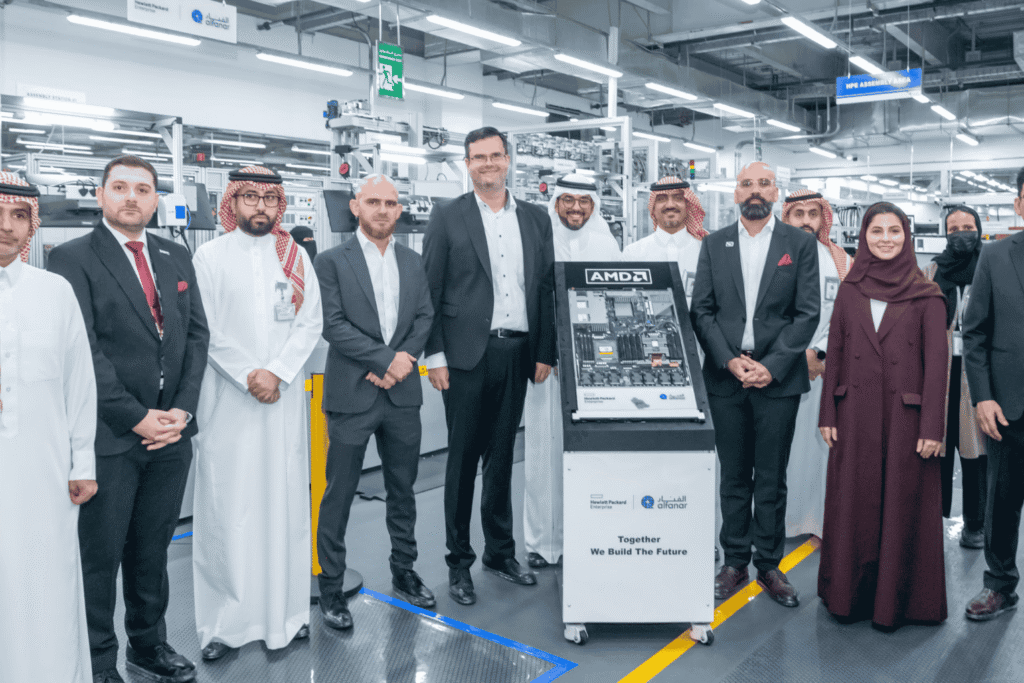
HPE and Partners Boost Saudi Server Production

Hewlett Packard Enterprise (HPE), AMD, and alfanar have announced a significant expansion of locally manufactured server models in Saudi Arabia, marking an important milestone for the region’s technology sector. As part of this collaboration, HPE’s latest ProLiant DL365 and DL385 Gen11 servers are now being assembled at alfanar’s production facility in Riyadh and have been officially launched to the market. These servers carry the Saudi Tech logo, highlighting their local origin, and are intended not only for the domestic Saudi market but also for export to neighboring countries such as Jordan, Egypt, and the Gulf Cooperation Council (GCC) member states (TechAfrica News).

This initiative plays a crucial role in Saudi Arabia’s Vision 2030 plan, which aims to diversify the economy and develop a knowledge-based society by boosting local manufacturing capabilities and fostering digital infrastructure. By enhancing the local production of high-performance computing equipment, the country is reducing its reliance on imports and strengthening its position as a regional technology hub.

The newly introduced servers are powered by cutting-edge 5th generation AMD EPYC processors, known for their exceptional performance and energy efficiency. These processors are designed to handle demanding workloads such as artificial intelligence (AI), real-time analytics, and cloud computing applications. This makes the servers highly suitable for industries undergoing digital transformation, including finance, healthcare, and government sectors. Zaid Ghattas, AMD’s Regional Sales Director, emphasized the importance of EPYC processors in enabling regional digital transformation and supporting emerging technologies in the Middle East (HPE Newsroom – August 2025).

Mohammad Alrehaili, General Manager of HPE Middle East, highlighted the strategic benefits of local manufacturing, particularly in terms of enhancing data security and operational flexibility within the region. He noted that producing servers locally not only helps reduce supply chain vulnerabilities but also allows for faster and more tailored customer support and service delivery. This approach aligns with increasing demands for data sovereignty and compliance with regional regulations (Zawya Press Release).

The production facility in Riyadh, managed by alfanar, became operational in 2024 and has a workforce primarily composed of women, reflecting Saudi Arabia’s broader social goals of increasing female participation in the workforce. This inclusive hiring strategy is supported by specialized training programs developed collaboratively by HPE, AMD, and alfanar, aiming to build local technical skills and ensure a sustainable talent pipeline for the country’s expanding technology manufacturing sector.

The partnership between HPE and alfanar was initially established in 2023, and the first locally manufactured server models were launched in 2024, earning national product certification. This achievement is a testament to Saudi Arabia’s commitment to reducing dependency on foreign imports and building a self-sufficient technology ecosystem within the kingdom. These developments also contribute to regional economic growth and innovation by providing locally tailored solutions for digital infrastructure needs (CST – Saudi Digital Technology Recognition).

The applications for these new server models are broad and diverse. They range from AI-driven real-time video analytics to the processing of sensitive healthcare data, and from cloud-based public services modernization to enhancing enterprise IT infrastructure. The advantages of local manufacturing extend beyond logistics and cost efficiency; they include enhanced compliance with data protection laws and improved system reliability due to reduced shipping times and faster maintenance capabilities.

Saudi Arabia’s expanding production capabilities are also expected to boost the country’s export volumes in the technology sector. By serving not only the domestic market but also neighboring regions, the kingdom is reinforcing its strategic economic diversification plans and its ambitions to grow non-oil revenues. The ICT sector in Saudi Arabia recorded a 9.2 percent growth in 2024, reflecting increasing investment and demand in technology-related fields.

This collaboration serves as an exemplary model of successful synergy between global technology leaders and local manufacturing enterprises. HPE, AMD, and alfanar are jointly advancing high-tech manufacturing in the region while simultaneously fostering workforce development through targeted education and training initiatives.

In summary, the local production of HPE’s Gen11 server models in Saudi Arabia represents a significant advancement in the country’s digital sovereignty strategy. It demonstrates the kingdom’s capacity to manufacture advanced technology domestically and reflects a broader commitment to building a resilient, innovative, and competitive technology ecosystem in the Middle East.

NTT DATA and Cisco Drive AI Expansion in Middle East and Africa

NTT DATA, a global leader in digital business and IT services, has partnered with Cisco to release a new IDC InfoBrief titled Wired for Intelligence: A CIO Guide to Enterprise Networking for AI. This report offers strategic guidance for businesses in the Middle East and Africa aiming to adopt artificial intelligence through network modernization. (NTT DATA press release, August 27 2025)

The Role of Networking in AI Adoption

Artificial intelligence, particularly generative AI, demands vast volumes of data to be transmitted quickly and securely. Traditional networks often fall short in terms of scalability and responsiveness. According to the IDC report, over 78 percent of enterprises consider advanced networking capabilities crucial when choosing providers for AI infrastructure. Modern, AI-ready networks must support features such as predictive maintenance, self-healing, anomaly detection, and secure edge-to-cloud connectivity. (NTT DATA press release)

Leadership Perspectives

  • Hani Nofal, SVP of Technology Solutions at NTT DATA for the Middle East and Africa, emphasized the regional importance:
    “Across the Middle East, governments and enterprises are embracing AI to drive national visions and digital transformation agendas. But without modern, secure, and intelligent networks, these ambitions risk being constrained.” (TechAfrica News report)

  • Dilip Kumar, Global Head of Technology Solutions at NTT DATA, added:
    “As two market leaders, NTT DATA and Cisco are well positioned to help clients modernize their digital infrastructure foundations for the AI era.” (NTT DATA press release)

  • Brink Sanders, SVP of Global Networking Sales at Cisco, stated:
    “Our partnership with NTT DATA equips clients with the technology and expertise needed to build secure and connected networks.” (NTT DATA press release)

  • Chris Barnard, VP of European Infrastructure at IDC, observed:
    “Your network will make or break your AI transformation. Overcoming the challenges of legacy networking technologies is essential.” (NTT DATA press release)

  • TT 

Key Takeaways from the IDC InfoBrief

The InfoBrief offers a clear framework for achieving AI readiness through:

  1. Assessing infrastructure readiness against AI workload demands

  2. Integrating security and governance measures

  3. Transforming networks into software‑defined, automated, cloud-connected systems

  4. Utilizing analytics and machine learning within the network for optimization and cost efficiency

The report also provides benchmarking tools for organizations in the MEA region, enabling them to assess their infrastructure maturity relative to global standards.

A Decades-Long Partnership Accelerates Digital Transformation

NTT DATA and Cisco have collaborated for over thirty years on infrastructure projects worldwide. In June 2025, they launched AI‑powered Software‑Defined Infrastructure (SDI) services tailored for Cisco environments. These services deliver intelligent automation, real-time insights, infrastructure optimization, and cost efficiency. (NTT DATA press release June 10 2025)

NTT DATA’s Full-Service Modernization Offering

Under the network modernization initiative, NTT DATA provides:

  • Strategic advisory services

  • Technology sourcing for AI‑ready infrastructure

  • Implementation via professional services

  • Software-Defined Infrastructure and SASE deployment

  • Managed network services across edge, cloud, and on‑prem environments

  • Adoption support to ensure effective use of infrastructure investments

Why the Middle East and Africa Matter

Governments in the UAE, Saudi Arabia, Egypt, Kenya, and South Africa are heavily investing in AI and smart infrastructure. However, IDC research indicates that network infrastructure often lags, creating bottlenecks in AI deployment (TechAfrica News report). Aligning with Global Trends

Globally, AI adoption is rapidly accelerating. A 2024 Deloitte global survey showed that while 65 percent of enterprises are piloting or implementing AI, over half face delays due to infrastructure limitations. Modern networks that support AI across cloud, edge, and on‑prem environments are becoming a crucial competitive advantage.

Conclusion

The NTT DATA and Cisco collaboration, exemplified by the IDC InfoBrief and intelligent infrastructure services, marks a significant milestone for AI transformation in the Middle East and Africa. By enabling modern, secure, and scalable networks, organizations in the region gain a vital foundation for delivering enterprise-grade AI capabilities positioning them for long-term innovation and progress.

ByteDance Launches Global Meal Program

ByteDance, the Chinese technology giant and parent company of TikTok, has launched a new global initiative aimed at enhancing employee welfare through improved food and meal assistance services. The company has begun rolling out free or subsidized meal programs across its international offices, marking another step in its employee-focused strategy to strengthen engagement and morale in a competitive tech environment (LinkedIn, 2025).

The initiative comes at a time when global companies are re-evaluating workplace benefits to accommodate evolving work models, particularly in hybrid and post-pandemic office environments.

What Does the Meal Assistance Program Include?

Unlike traditional cash bonuses or one-time incentives, ByteDance’s new support model focuses on offering continuous, tangible services in employees’ day-to-day routines. In various offices, employees now receive freshly prepared meals either entirely free or at subsidized rates along with access to snacks, beverages, and in some locations, mobile food truck services.

According to internal announcements shared by employees on Linkedin, the program is being implemented globally and tailored to the specific needs of each regional office (LinkedIn, 2025). ByteDance’s goal appears to be the creation of a more comfortable and productive office experience for employees, particularly as companies worldwide seek to encourage teams back to physical workspaces.

Employee Feedback Suggests Strong Support

Feedback on platforms like Glassdoor reveals a largely positive reception to ByteDance’s food service enhancements. Numerous employees have reported access to high-quality meals served daily. One employee based in the United States noted that lunch and dinner options are offered daily in the office, while another mentioned the return of diverse snack options and beverages (Glassdoor, 2025).

Some users have highlighted regional differences, noting that food trucks or vendor partnerships are used in places where in-house cafeterias are not feasible. Others commented on the overall convenience of not having to leave the workplace for meals, which contributes to better time management and a more cohesive workday. A few reviews mention slight reductions in meal service over time, but even these point out that ByteDance continues to offer above-average perks compared to many companies in the sector.

These reviews align with the company’s broader reputation for offering generous employee benefits and for adapting these offerings based on employee feedback and local logistics.

ByteDance’s Track Record of Employee Support

This is not ByteDance’s first employee support initiative. In August 2022, the company announced a one-time financial aid plan, granting employees who worked 26 or more days that month an additional bonus equal to half their monthly salary. That initiative, which cost ByteDance approximately 100 million yuan (around 14 million USD), was seen as a morale boost during the post-COVID recovery period.

The current meal assistance program reflects a similar spirit, though it is not monetary in form. Rather, it demonstrates an ongoing shift toward long-term, quality-of-life investments that support employees’ daily needs and foster a more sustainable work environment.

A Strategic Move in a Competitive Tech Market

Across the technology sector, companies are expanding their employee benefit offerings in an effort to retain and attract talent amid intense competition. According to a 2023 report by Business Insider, benefits such as free meals, wellness programs, and flexible scheduling have become key differentiators for job seekers and a factor in employee retention (Business Insider, 2023).

While the concept of employer-provided meals isn’t new—pioneered by companies like Google and Facebook its return or reinforcement after the pandemic represents a renewed focus on in-person culture. For ByteDance, it also serves as a tool to encourage office attendance and rebuild post-pandemic team dynamics, which can suffer in remote or hybrid models.

Moreover, the implementation of such a program at scale across ByteDance’s international offices underscores the company’s capacity to manage global HR operations while remaining attentive to local contexts.

A Buffer Against External Pressures

In recent years, ByteDance has faced mounting regulatory scrutiny in several Western markets, particularly concerning data privacy and national security issues related to TikTok. These pressures have led to investigations, attempted bans, and political hearings in countries such as the United States and the United Kingdom.

During such times, internal stability becomes a crucial priority. By investing in employee satisfaction and well-being, ByteDance reinforces workplace cohesion and signals long-term commitment to its workforce, regardless of geopolitical developments.

According to TechCrunch, corporate benefits play a crucial role in building resilience within organizations, especially during times of uncertainty. Employee satisfaction, in turn, is directly linked to productivity and brand loyalty both of which are essential in safeguarding business continuity.

Conclusion

ByteDance’s new meal assistance program is a continuation of its efforts to prioritize the needs of its global workforce. Whether through previous financial aid schemes or current in-office services, the company is maintaining a consistent focus on employee well-being.

By enhancing everyday work experiences, ByteDance not only supports its existing talent but also strengthens its employer brand in a competitive global market. The move reflects a broader trend in the tech industry, where companies are increasingly investing in workplace culture and employee quality of life—not just as a perk, but as a core strategic pillar.