WORLDEF Prime Antalya 2026 - Upcoming Event

Register Now

UAE Women Inspire the World

From pilots to astronauts, from Olympic athletes to entrepreneurs, Emirati women stand as powerful representatives of the UAE’s modernization and development journey. With groundbreaking achievements, the country continues to be recognized as a global role model for women’s empowerment.

On August 28, the UAE celebrated Emirati Women’s Day 2025, marking more than five decades of women’s accomplishments. This year’s theme emphasizes the spirit of participation and social unity, highlighting women’s central role in national progress.

Inspiring the World: Female Pilots, Astronauts, and Olympians

The success stories of Emirati women are no longer confined within national borders. Female pilots, the first Emirati woman astronaut, and Olympic equestrian Latifa Bin Maktoum proudly represent the UAE on the global stage. Latifa Bin Maktoum, in particular, has become a symbol of women’s strength and determination through her Olympic equestrian achievements (Khaleej Times).

Women’s advancement in STEM fields is equally remarkable. Nearly 46 percent of STEM graduates in the UAE are women, while half of the workforce in the space sector is also female. These numbers reflect the UAE’s strong vision of science, technology, and innovation, where women play a vital role.

Global Initiatives Inspired by Sheikha Fatima

Known as the “Mother of the Nation,” Sheikha Fatima bint Mubarak has been the driving force behind the women’s movement in the UAE since the 1970s. By founding the General Women’s Union (GWU), she set a long-term vision for women’s empowerment.

Today, her legacy continues through global initiatives such as the Sheikha Fatima bint Mubarak Women, Peace and Security initiative, the Arab Women’s Economic Empowerment Observatory, and rural women’s empowerment projects in Africa (GWU). These efforts extend the impact of Emirati women beyond the region, reaching communities across Africa and Asia.

Leading in Gender Equality Rankings

The UAE has become a global leader in gender equality. In the 2025 UNDP Gender Equality Index, the country ranked 13th worldwide and first regionally, outperforming many Western nations (UNDP report).

Key milestones on this journey include the 2018 equal pay legislation, the 2021 labor law mandating equal pay in the private sector, and the launch of the National Strategy for Women Empowerment 2023–2031.

Today, women hold 50 percent of the seats in the Federal National Council, making the UAE one of the top countries worldwide for gender-balanced parliamentary representation. In the Cabinet, women occupy 26 percent of ministerial positions, leading critical portfolios such as education, climate change, community development, and family affairs.

Women Entrepreneurs Driving Economic Growth

Emirati women are not only leaders in politics but also a strong force in business. More than 25,000 Emirati businesswomen own over 50,000 commercial licenses, with total investments exceeding AED 60 billion.

This highlights the UAE’s supportive ecosystem for women entrepreneurs. Their contributions not only strengthen economic diversification but also inspire younger generations.

Notable figures include Reem Al Marzouqi, a Dubai-based innovator in technology, as well as collaborations with leading regional businesswomen such as Lubna Olayan. In emerging sectors like fintech, e-commerce, and artificial intelligence, Emirati women are making their mark in the global economy.

Female Diplomats and Global Representation

Women’s influence extends to diplomacy and international relations. The UAE has appointed female ambassadors to more than 13 countries. Among them, Lana Nusseibeh stands out as the UAE’s Permanent Representative to the United Nations, where she actively promotes the country’s vision on peace, security, and sustainability.

Beyond diplomacy, female ambassadors play key roles in economic cooperation, cultural diplomacy, and humanitarian initiatives, proving that Emirati women are shaping global decision-making platforms.

Women in Education, Technology, and Space

Education remains the cornerstone of women’s empowerment in the UAE. Women represent the majority of university graduates and are playing a pivotal role in research, technology, and space exploration.

Female engineers and scientists have been instrumental in national projects such as the Hope Mars Mission. Their presence ensures that women are at the heart of the UAE’s ambitions in the space economy and digital transformation.

Emirati Women’s Day: From Legacy to the Future

According to Noura Khalifa Al Suwaidi, Secretary-General of the GWU, Emirati Women’s Day is a cherished national occasion to honor women’s achievements over the past fifty years. She emphasized that Emirati women not only contribute to national development but also play significant roles in peace, security, and sustainable growth.

By securing women’s rights through constitutional protections, federal laws, and national strategies, the UAE has established a comprehensive framework for gender equality. Today, Emirati women’s achievements stand as a source of inspiration not only for their nation but for women worldwide.


UP Fintech Reports Record Q2 Growth

UP Fintech Holding Limited , a global digital brokerage platform serving investors worldwide, has reported its unaudited financial results for the second quarter ended June 30, 2025. The company achieved its highest quarterly revenue and net income to date, driven by continued customer growth, higher asset inflows, and rising investor activity across its core markets (GlobeNewswire, 2025).

The company announced revenue of $138.7 million, up 13.1 percent from the previous quarter and a substantial 58.7 percent increase year-over-year. Net income attributable to ordinary shareholders stood at $41.4 million, which is a 36.2 percent increase over Q1 and more than 15 times higher than in Q2 of 2024. On a non-GAAP basis, net income reached $44.5 million, rising 23.5 percent quarter-over-quarter and nearly eightfold from the same period last year. Cumulatively, the first half of 2025 has already surpassed the company’s total net income for all of 2024 (GlobeNewswire, 2025).

CEO Wu Tianhua described the quarter as one of exceptional progress, fueled by a combination of product innovation, regional expansion, and operational focus.

During the quarter, UP Fintech added 39,800 new depositing customers, bringing its total number of deposit-holding clients to 1,192,700. This puts the company on track to meet its goal of acquiring 150,000 new depositors in 2025. In terms of capital, total account balances climbed to a record $52.1 billion. This growth was fueled by $3 billion in net new asset inflows and $3.2 billion in mark-to-market gains resulting from favorable market conditions (GlobeNewswire, 2025).

The company also reported that average net asset inflow per new client exceeded $20,000. In major markets such as Hong Kong and Singapore, the number was closer to $30,000, contributing to double-digit quarter-over-quarter asset growth in those regions.

In addition to expanding its retail customer base, UP Fintech introduced new features for its Singapore clients, allowing them to invest using CPF and SRS accounts. These tools enable investors to use their retirement savings for equity investments while benefiting from tax advantages, enhancing the company’s appeal in the region (GlobeNewswire, 2025).

Institutional services also saw strong growth. UP Fintech underwrote seven Hong Kong IPOs and four U.S. IPOs during the quarter, including two U.S. listings where it acted as the sole bookrunner. The company’s ESOP (Employee Stock Ownership Plan) business continued expanding, with 30 new enterprise clients added, bringing the total to 663 by the end of June.

Revenue breakdowns reveal strength across all core business lines. Commission revenue reached $64.8 million, a 90.1 percent increase year-over-year. Interest income totaled $58.7 million, up 32.8 percent, while other income including IPO distribution, wealth management, and foreign exchange doubled to $12.5 million. These figures indicate the company’s growing diversification beyond traditional brokerage operations (FinanzNachrichten, 2025).

Meanwhile, operating expenses remained relatively stable at $71 million, a modest increase of 2.8 percent from the same period last year. Higher trading volumes led to increased clearing and execution fees, along with incremental marketing and compensation costs. However, general and administrative expenses dropped significantly due to lower bad debt provisioning, which helped maintain healthy operating margins (FinanzNachrichten, 2025).

Wu Tianhua emphasized that the company’s focus on acquiring high-quality customers and building long-term client value continues to pay off. He also noted that ongoing product development and expansion into high-potential markets remain central to the firm’s strategy.

Looking ahead, UP Fintech plans to deepen its presence in its current core markets and explore new regions with emerging investor demand. The company is also looking to expand its wealth management offerings and pursue further institutional opportunities, particularly in the IPO and ESOP spaces.

A conference call to discuss these results in more detail will be hosted by company management later today.

Jeanswest Opens First Store in Dubai, Marks Global Retail Comeback

Australian fashion label Jeanswest has officially entered the United Arab Emirates market with the opening of its first physical store in Dubai. This move signals the brand’s renewed focus on international retail after a significant digital pivot in its home country. The launch not only highlights Dubai’s importance as a global fashion hub but also reflects a broader trend of established Western brands targeting the Middle Eastern market as part of their long-term growth strategies (Khaleej Times, 2025).

Founded in Perth in the late 1970s, Jeanswest built its reputation on casual denim, durable quality, and accessible pricing. Over the decades, it became a household name in Australia and New Zealand, particularly among young adults and families. However, in early 2025, the brand closed all its remaining Australian stores, shifting entirely to an e-commerce model. This bold transition allowed Jeanswest to focus on digital innovation, sustainability, and international expansion.

Now, with the Dubai launch, the brand is returning to physical retail but this time with a renewed approach. “Our goal is not just to sell products,” the company stated during the launch announcement. “We aim to create an authentic, personalised experience that resonates with the tastes of local customers. The new store in Dubai marks only the beginning of a fresh approach to the Middle Eastern market, a market that can no longer be overlooked or treated as secondary” (Khaleej Times, 2025).

Why Dubai?

Dubai’s retail landscape is among the most dynamic in the world, attracting brands from every continent. With its high-income population, strong tourism sector, and advanced infrastructure, the city provides fertile ground for global labels looking to engage with a wide and diverse audience. Jeanswest’s entry into this competitive market suggests confidence in both its brand strength and the region’s retail potential.

Though the company has not disclosed the exact location of its Dubai outlet, industry watchers speculate that it will likely be housed in one of the city’s top-tier shopping centers, such as The Dubai Mall or Mall of the Emirates. These venues offer brands access to steady footfall, premium retail space, and a cosmopolitan consumer base.

The Brand’s Evolution

Jeanswest’s evolution mirrors the broader shifts in global retail. From its roots as a traditional mall-based brand in Australia, the company has gradually adapted to changing consumer behavior. In recent years, it has leaned into sustainable production practices, personalized online shopping experiences, and streamlined logistics. Shutting down domestic stores was a difficult decision, but it allowed the brand to reallocate resources toward technology, marketing, and overseas growth.

The brand’s expansion into the UAE forms part of a wider movement in global retail, described by analysts as a “migration south.” In this trend, established Western brands are increasingly targeting Southern Hemisphere and Middle Eastern markets, seeking to tap into growing middle-class consumer demand and emerging digital ecosystems (Khaleej Times, 2025).

Personalization and Localization

Jeanswest emphasized that the new Dubai store is not a mere replication of its Australian model. Instead, the store has been curated to reflect regional preferences in fashion, sizing, and customer service. The company noted that local consumers in the UAE expect tailored experiences something that has influenced the store layout, product mix, and even customer engagement strategies.

With a focus on personalization, the brand aims to stand out in a crowded market by offering high-quality denim wear with a local flavor. This effort reflects a deeper understanding that success in international retail requires more than just physical presence it requires cultural awareness and adaptability.

What’s Next?

Industry experts believe that this launch could be a stepping stone for further regional expansion. If successful, Jeanswest may explore store openings in neighboring Gulf countries such as Saudi Arabia, Qatar, Kuwait, and Bahrain. These markets share many of Dubai’s retail characteristics and have shown increasing appetite for affordable yet stylish fashion brands.

Additionally, the company plans to continue enhancing its digital offerings alongside physical retail. This hybrid strategy balancing e-commerce and in-store experiences aligns with global consumer trends that favor convenience, speed, and human interaction.

As e-commerce continues to dominate globally, Jeanswest’s Dubai debut demonstrates that brick-and-mortar retail is far from obsolete especially when supported by data, digital insight, and cultural adaptation.

Miva Launches AI-Powered Vexture Search

Miva, a prominent e-commerce platform provider, has unveiled Vexture, a powerful AI-driven search technology designed to transform product discovery for online shoppers. By focusing on understanding customer intent rather than just keywords, Vexture aims to deliver more accurate, relevant, and personalized search results that significantly improve the shopping experience and increase conversion rates (PR Newswire, 2025).

Traditional e-commerce search engines rely heavily on keyword matching, which often leads to poor results when shoppers use vague descriptions, misspellings, or complex queries. Vexture addresses these challenges by leveraging advanced natural language processing (NLP) and machine learning techniques to interpret the meaning behind shopper queries, enabling smarter and faster product discovery (PR Newswire, 2025).

Understanding Shopper Intent with AI

At its core, Vexture combines private AI embeddings generated from each merchant’s unique product catalog with contextual search data to analyze the true intent behind every search query. This hybrid approach allows Vexture to process a wide variety of inputs from short, specific phrases to long, conversational requests and return the most relevant products, even if the exact keywords don’t appear in the product listings (PR Newswire, 2025).

Vexture’s AI is also capable of handling common issues like typos, synonyms, and ambiguous language, ensuring that customers aren’t frustrated by zero-result searches or irrelevant product suggestions. This capability is particularly valuable for large stores with extensive catalogs, where traditional search methods can struggle to connect shoppers with the right items (PR Newswire, 2025).

Key Features of Vexture

  • Intent-Based Search: Unlike conventional keyword matching, Vexture uses AI to understand the meaning behind search queries, improving accuracy and relevance.

  • No-Code Customization: Integrated with Miva’s PageBuilder platform, merchants can create customized search result pages without coding skills, enabling more engaging and branded user experiences.

  • Private and Secure: Vexture operates using local data within the merchant’s infrastructure, eliminating reliance on slower, third-party services that can compromise speed or security.

  • Smart Tuning: The AI automatically classifies search queries into three types — Specific, Broad, and Sparse — and applies tailored logic for each, removing the need for manual ranking rules or complex weighting adjustments.

  • Fast Deployment: Fully integrated into the Miva platform, Vexture can be enabled instantly in preview mode. Merchants can test and tune the search performance with real user data before launching live.

  • Improved Conversion Rates: By reducing zero-result searches and enhancing product discovery, Vexture helps retailers boost customer satisfaction and sales.

How Vexture Enhances Ecommerce Discovery

Search functionality is a critical component of any online store, directly influencing how quickly and effectively customers find products. Poor search experiences can lead to lost sales and decreased customer loyalty. Vexture’s intent-based approach ensures that shoppers get relevant product suggestions that match their needs and preferences, even when their search terms are vague or imprecise.

The AI’s ability to handle complex queries and learn from real-time data helps merchants better understand customer behavior and adjust their offerings accordingly. This dynamic search system also provides valuable analytics, allowing sellers to identify trends and optimize their catalogs.

Seamless Integration with Miva’s Ecosystem

Vexture is designed to work seamlessly within Miva’s e-commerce platform, which is known for its flexibility and ease of use. Because it is built on top of the PageBuilder no-code platform, merchants don’t need advanced technical skills to customize the search experience or update search parameters. This democratization of AI-powered search allows businesses of all sizes to benefit from cutting-edge technology without large IT investments.

Industry Impact and Future Outlook

As e-commerce competition intensifies globally, technologies like Vexture represent a significant step forward in providing personalized, intuitive shopping experiences. By understanding shopper intent and delivering accurate results, AI-powered search tools can reduce bounce rates, increase average order values, and foster customer loyalty.

Miva’s launch of Vexture aligns with broader industry trends where artificial intelligence is increasingly embedded into retail solutions to automate and enhance business operations. The company plans to continue expanding Vexture’s capabilities and integrating more AI features to stay ahead of evolving customer expectations.


About Miva

Founded over 20 years ago, Miva provides a flexible e-commerce platform designed to help retailers, wholesalers, and direct-to-consumer brands grow their online businesses. With a focus on usability, security, and performance, Miva empowers merchants to deliver engaging digital storefronts and increase revenue through advanced technology solutions.

Trendyol Launches Three Open-Source AI Models

Trendyol, one of Turkey’s leading e-commerce platforms, has launched three innovative open-source artificial intelligence (AI) models aimed at revolutionizing the online shopping experience. These models, focused on image processing, were developed using Trendyol’s extensive e-commerce data and infrastructure and are now publicly available through the Hugging Face platform (Swipeline, 2025).

With millions of daily transactions and product interactions, Trendyol has emphasized the importance of leveraging AI to improve product discovery, catalog management, and the overall quality of its visual content. By releasing these models as open-source, the company aims to encourage wider adoption and collaboration within the AI and e-commerce communities, enabling developers worldwide to enhance their platforms with cutting-edge technology.

DinoV2 Image Similarity Model

The DinoV2 Image Similarity model has been fine-tuned specifically for e-commerce use cases. It enables more accurate and faster visual search by helping users find products that look similar to the ones they are interested in. This model supports Trendyol’s recommendation engines and visual search tools by improving product matching, which directly contributes to better customer engagement and satisfaction.

Visual search is rapidly gaining traction in online retail, as it allows customers to search using images rather than text, which is often more intuitive and efficient. DinoV2’s ability to distinguish fine visual details between products enhances user experience and can increase conversion rates by simplifying the discovery process (Swipeline, 2025).

E-Commerce Product Image Encoder

Built on the ConvNeXt architecture, the E-Commerce Product Image Encoder model helps detect duplicate or visually similar products within Trendyol’s vast catalog. Managing product duplicates is a critical challenge for large e-commerce platforms as it affects search quality and inventory management.

By accurately encoding product images into rich feature vectors, this model aids in clustering similar items, improving the platform’s ability to organize product catalogs, filter redundant listings, and present more relevant search results. This enhancement not only benefits the backend operations but also improves the shopper’s journey by reducing confusion caused by duplicate entries (Swipeline, 2025).

Background Removal Model

The third model, an optimized version of the IS-Net architecture, focuses on automatically removing backgrounds from product photos, particularly for fashion and portrait images. Clean and professional product images are essential for e-commerce success, as they influence buying decisions and overall brand perception.

This background removal model simplifies and accelerates the photo editing process by allowing bulk removal of distracting or inconsistent backgrounds. The result is a more uniform and visually appealing product presentation, which can enhance the quality of listings and ultimately drive higher sales (Swipeline, 2025).

Insights from Dr. Tolga Ahmet Kalaycı

Dr. Tolga Ahmet Kalaycı, Data Science Director at Trendyol Group, elaborated on the company’s AI development philosophy: “At Trendyol, we are continuously addressing challenges related to catalog quality, content moderation, and the semantic representation of our products. To effectively solve these issues at scale, we go beyond off-the-shelf AI solutions, developing and customizing models tailored to our specific needs. These models are deployed in live production environments, processing millions of transactions every day” (Swipeline, 2025).

His statement highlights Trendyol’s commitment to innovation and quality in both product data management and customer experience, driving the company’s competitive edge in the fast-growing e-commerce market.

The Significance of Open-Source AI

By making these AI models open-source, Trendyol is not only advancing its own technological capabilities but also contributing to the global AI ecosystem. This transparency and willingness to share cutting-edge tools promote collaboration among researchers, developers, and other companies in the retail sector.

Open-source models encourage faster innovation cycles, allowing external developers to adapt, improve, or build upon Trendyol’s technology for diverse use cases. This can accelerate the adoption of AI-driven solutions across various industries, fostering a more dynamic and inclusive tech environment (Swipeline, 2025).

Future Outlook

Looking ahead, Trendyol plans to continue enhancing its AI portfolio and expanding the practical applications of these technologies within its platform. The company aims to leverage AI to streamline operations, enhance personalization, and offer customers a seamless shopping experience.

As the e-commerce landscape becomes increasingly competitive, investments in AI-driven automation and improved data quality are essential to meet evolving consumer expectations. Trendyol’s proactive approach positions it well to remain a leader in the region while contributing to the broader AI and retail innovation communities.

Ranpak Expands E-Commerce Reach with Walmart Automation Deal

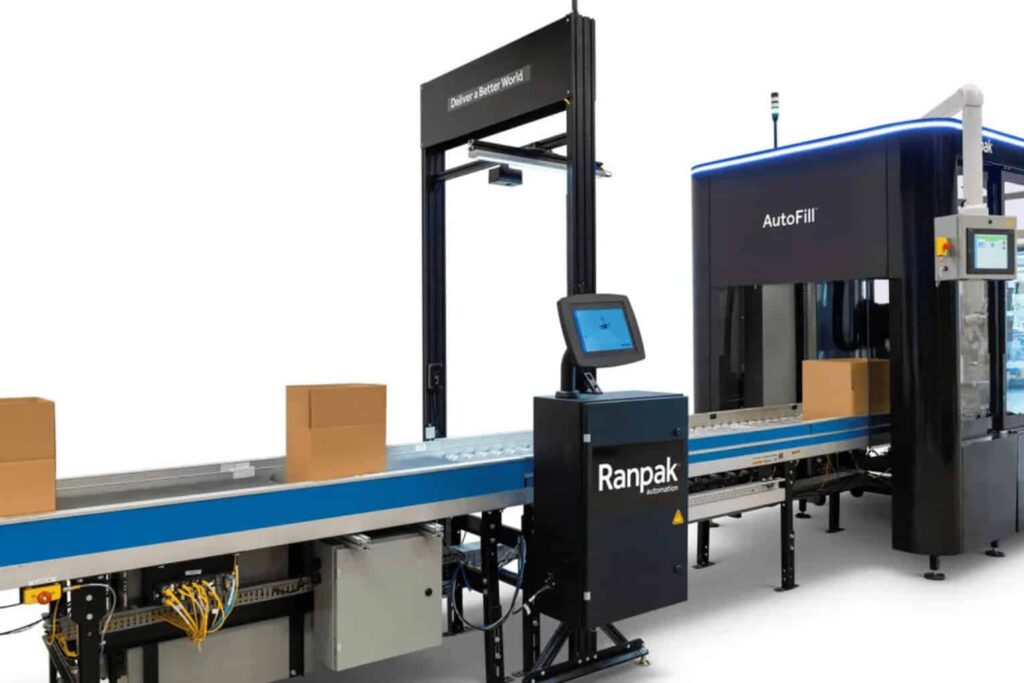
Packaging technology company Ranpak has announced a major multi-year partnership with retail giant Walmart, marking its second major e-commerce alliance of the year after Amazon. The move is part of Ranpak’s broader strategy to scale its automation technology across North America’s largest fulfillment networks (Packaging Dive, 2025).

The announcement was confirmed by Ranpak CEO Omar Asali in an interview with Packaging Dive, where he highlighted the importance of the new collaboration. Walmart has already deployed Ranpak’s AutoFill systems at a fulfillment center near Indianapolis. With the new agreement, the technology will be installed at four additional distribution centers located in Chicago, Dallas, Philadelphia, and Sacramento.

The AutoFill system is designed to automate the packing of e-commerce orders by accurately measuring and filling empty spaces in shipping boxes with eco-friendly paper filler. This not only protects products during transit but also reduces waste compared to traditional plastic fillers or air pillows. By automating the void fill and taping process, the system significantly reduces the need for manual labor, which is a critical advantage amid ongoing labor shortages in the logistics sector.

This Walmart partnership comes on the heels of Amazon’s $400 million equity investment in Ranpak earlier this year, which gave Amazon a 17% stake in the company (Packaging Dive, 2025). These collaborations with two of the largest retailers globally highlight Ranpak’s growing prominence in the automation and sustainable packaging space.

In his comments to Packaging Dive, CEO Omar Asali emphasized that while Ranpak continues to serve small and mid-sized businesses with its traditional paper-based packaging products, the company’s automation offerings are now seeing rapid adoption among large scale enterprises. This shift reflects broader industry trends where automation and sustainability are becoming priorities for e-commerce fulfillment.

A standout feature of Ranpak’s automation technology is its proprietary DecisionTower system, which integrates artificial intelligence and computer vision to optimize packing efficiency. DecisionTower scans the inside of each box, identifies the size and placement of items, and calculates the exact amount of paper filler needed to ensure safe shipping. It can even detect hard-to-see or transparent objects, ensuring comprehensive protection for diverse product types. The system then automatically fills and seals the box, while continuously collecting data to improve performance over time (Packaging Dive, 2025).

Maximizing system uptime is another key benefit of DecisionTower. The AI-enabled system can detect defective or improperly sized boxes before they enter the packing line, preventing jams and minimizing downtime. This capability is especially valuable in large fulfillment centers, where operational disruptions can result in costly delays and missed shipping deadlines.

Asali also addressed the current economic climate, noting that despite ongoing uncertainties, the largest e-commerce companies like Walmart and Amazon are expected to maintain or even increase their shipping volumes. Their scale, pricing power, and investments in automation provide them with a competitive advantage during fluctuating market conditions. Asali expressed confidence in a strong holiday season for Ranpak’s clients in the fourth quarter of 2025 (Packaging Dive, 2025).

To further improve operational efficiency, Ranpak implemented a 3% reduction in its workforce in April 2025 and followed this with a corporate reorganization in July. These strategic moves aim to streamline the company’s structure, reduce costs, and enhance service levels for its expanding enterprise customer base (Packaging Dive, 2025).

Sustainability remains at the core of Ranpak’s mission. The company is intensifying efforts to reduce its environmental impact by increasing the proportion of recycled and post-consumer fibers used in its packaging materials. Ranpak is also committed to sourcing 100% of its paper from Forest Stewardship Council (FSC) and Sustainable Forestry Initiative (SFI) certified suppliers. Moreover, it is working to electrify its transportation fleet to lower carbon emissions across its supply chain, targeting reductions in Scope 1, 2, and 3 emissions (Packaging Dive, 2025).

These combined strategies automation, efficiency, and sustainability position Ranpak to meet the growing demands of a market increasingly focused on fast, reliable, and environmentally responsible fulfillment solutions. The partnerships with Walmart and Amazon exemplify how the company is becoming a key player in the future of e-commerce packaging.

Nvidia Launches Jetson Thor, Empowering Robots with Advanced AI Brains

Nvidia has taken a significant step forward in robotics technology with the unveiling of its newest computing platform, Jetson Thor. Designed to equip robots with highly advanced artificial intelligence capabilities, Jetson Thor aims to revolutionize how machines perceive their environment, make decisions, and operate autonomously in real-time.

Jetson Thor is powered by Nvidia’s latest Blackwell GPU architecture and comes equipped with an impressive 128 GB of RAM. This configuration delivers approximately 7.5 times the AI processing power compared to Nvidia’s previous Jetson Orin module. Complementing the GPU is a 14-core ARM CPU and 96 fifth-generation Tensor Cores, providing the computational strength needed to execute complex AI tasks such as computer vision, sensor fusion, and natural language processing efficiently (Computerworld).

The versatility of Jetson Thor allows it to be applied across a broad spectrum of robotics applications. From humanoid robots designed to perform intricate and delicate tasks to rugged industrial automation robots operating in manufacturing, mining, and logistics sectors, the platform supports environments requiring real-time processing and high adaptability. Nvidia’s vision centers on creating robots that are not only faster and more powerful but also smarter and capable of making complex decisions in dynamic and unpredictable settings (Computerworld).

Jensen Huang, Nvidia’s CEO, emphasized the critical role robotics will play in the company’s future. “Robotics represents one of the largest opportunities outside of AI,” Huang stated during the product launch event. The introduction of Jetson Thor solidifies Nvidia’s leadership in AI-driven robotics, positioning the company to expand its influence into industries that demand intelligent, autonomous machines (Computerworld).

One of the defining features of Jetson Thor is its ability to integrate multiple AI processing workloads and sensor data streams on a single platform. This integration simplifies the design and deployment of robots, reducing the need for numerous separate processing units. The result is lower power consumption and decreased latency, both crucial for applications where split-second decisions matter—such as autonomous navigation, real-time obstacle avoidance, and human-robot collaboration (Computerworld).

Industry analysts suggest that Nvidia’s Jetson Thor will accelerate the adoption of intelligent robots in sectors traditionally reliant on manual labor. By arming robots with sophisticated AI “brains,” companies can enhance workplace safety by delegating hazardous or repetitive tasks to machines. This also leads to improved operational efficiency and productivity. For example, in manufacturing environments, robots can quickly adapt to changes on the assembly line, performing quality checks and handling materials with precision. Similarly, in logistics, AI-enabled robots can optimize warehouse workflows and streamline last-mile delivery processes (Computerworld).

The launch of Jetson Thor also reflects a growing trend toward edge computing in robotics, where AI processing is performed directly on the robot rather than relying on cloud services. This approach enhances response times and data privacy, which is essential for sensitive applications such as healthcare robots, security patrols, and autonomous vehicles. Processing AI workloads locally ensures that robots can operate effectively even in environments with limited or no internet connectivity (Computerworld).

Looking ahead, Nvidia’s investment in platforms like Jetson Thor positions the company at the forefront of robotics innovation. The platform is expected to serve as the backbone for the next generation of intelligent machines capable of collaborating safely with humans, performing complex tasks autonomously, and transforming industries ranging from manufacturing and logistics to healthcare and beyond.

In summary, Nvidia’s Jetson Thor represents a major breakthrough in robotic computing. By delivering unmatched AI processing power in a compact and energy-efficient package, Jetson Thor empowers robots to become smarter, faster, and more adaptable than ever before. As robotics continues to evolve rapidly, Nvidia’s new platform will be a crucial enabler of this transformation, paving the way for smarter factories, safer workplaces, and more efficient logistics worldwide.

Brazilian Entrepreneur Reshapes Amazon E‑Commerce Education

Brazilian entrepreneur Larissa Faria is gaining international attention for her pioneering role in democratizing access to Amazon’s massive e‑commerce infrastructure. Through her education platform Amazoneros de Elite, Faria is empowering entrepreneurs particularly from Latin America and other underrepresented regions to successfully build and scale businesses on Amazon.com, the world’s largest online retail platform.

Her mission is driven by a clear philosophy: that digital borders shouldn’t limit entrepreneurial potential. “My mission is to break down the barriers that keep entrepreneurs from entering the U.S. e‑commerce market,” Faria says. “If I can open that door for one person, I can open it for thousands.”Business Insider

Accessible Learning in a Complex Marketplace

Launched as a practical and scalable education initiative, Amazoneros de Elite has already reached more than 2,500 students across 15+ countries. The program’s core focus is to simplify the complexity of selling on Amazon U.S. by offering guided modules, live training, tools for product research, logistics management, and platform compliance.

What sets the program apart is its inclusivity Faria designed it for people with little or no prior experience in online retail. Many of her students come from small cities or emerging economies with limited access to formal training. The curriculum is bilingual and tailored for Latin American learners, but it has also gained traction with audiences in Europe, Africa, and Southeast Asia.

Track Record of Success

Numerous participants have used the training to generate over $100,000 in Amazon sales. Others have gone from zero to building sustainable income streams in a matter of months. These outcomes are possible due to the hands-on nature of Faria’s approach, which blends strategic theory with daily operational guidance everything from product listing optimization to managing customer reviews.

Faria brings deep expertise to her work. She holds 10 official Amazon certifications, covering areas such as seller performance, logistics, and marketplace analytics. In recognition of her impact, she has received eight awards from e‑commerce platforms like Hotmart, Kiwify, Digital Manager Guru, and Full Sales System. She was also honored with the Faixa Preta (Black Belt) award from Brazilian marketing icon Érico Rocha—a title reserved for entrepreneurs achieving over seven figures in revenue through digital education.Business Insider

Digital Presence and Community Reach

Over the past three years, Faria has organized 24 large-scale online summits and workshops, attracting over 100,000 registered participants. These events offer more than passive content they feature live strategy sessions, success stories, interactive Q&As, and networking opportunities among students. Her focus is not just on technical knowledge but on building a strong sense of community among aspiring entrepreneurs who often feel isolated in their business journeys.

Faria has built a significant digital presence, with more than 131,000 subscribers on YouTube and over 90,000 followers on Instagram. Her book and downloadable e‑books on Amazon selling have further contributed to her educational reach. Across platforms, she consistently shares free content to support those who cannot yet afford formal courses, staying true to her mission of accessibility.

Breaking the Perception Barrier

A critical part of Faria’s work involves challenging misconceptions that selling on Amazon is only feasible for those in the U.S. or with large startup capital. “Many of our students begin with less than $500,” she notes. “We show them how to find low-cost, high-demand products, how to handle cross-border logistics, and how to grow steadily through data-based decisions.”

By offering clear, achievable entry points, Amazoneros de Elite is not just a training program it’s a pathway to upward mobility for thousands of people. Her students often return as mentors in later cohorts, further expanding the movement and reinforcing a cycle of peer-driven success.

Future Vision and Strategic Growth

Faria is now preparing to expand Amazoneros de Elite into a multilingual platform, with plans for English, Spanish, and Portuguese tracks. She is also building partnerships with logistics providers, Amazon-certified tools, and payment gateways to give her students better operational infrastructure.

Additionally, in-person events and mentorship retreats are in the works for 2026, aiming to build deeper regional networks and raise the visibility of Amazon entrepreneurs from the Global South.

“We’re still just getting started,” Faria says. “There are millions of people who want to enter the world of e‑commerce but feel overwhelmed. My role is to clear the path and walk alongside them as they step into global markets.”

Conclusion

Larissa Faria is redefining what it means to be a global e‑commerce educator. Through her platform Amazoneros de Elite, she is not only teaching people how to sell online—she’s equipping them to build careers, overcome economic limitations, and participate in the digital economy on their own terms. Her growing movement reflects the evolving nature of global entrepreneurship: borderless, digital-first, and driven by knowledge.

Klarna Plans US IPO Amid Market Rebound, Targets $14 Billion Valuation

Swedish fintech giant Klarna is making a fresh push toward going public, with plans to launch its long-anticipated U.S. initial public offering (IPO) as early as next month. After delaying earlier this year due to turbulent market conditions, Klarna is now targeting a valuation between $13 billion and $14 billion—significantly lower than its once-lofty $45 billion mark in 2021, but seen as a strategic move aligned with current market conditions (Reuters).

IPO Timing and Strategic Context

Klarna’s IPO revival coincides with a broader rebound in tech and fintech listings. Industry peers such as Figma and Circle have recently seen successful public debuts, boosting confidence in the investment climate. Klarna paused its earlier IPO attempt in April 2025 due to geopolitical tensions and inflation-driven volatility that had shaken investor sentiment globally.

The current plan is to list on a U.S. exchange most likely the Nasdaq before the end of Q3 2025. The offering is expected to raise around $1 billion, with share pricing tentatively set in the $34 to $36 range. According to people familiar with the matter, the move is being closely monitored by global investors interested in fintech’s performance during a maturing phase of digital finance adoption.

Financial Performance and Growth Indicators

Klarna’s updated financials provide a stronger case for public listing than in previous quarters. In Q2 2025, Klarna reported a 20% year-over-year increase in revenue, reaching $823 million. It also posted an operating profit of $29 million—the latest sign that the company has successfully shifted from growth at all costs to a more sustainable business model. Active users have also increased to 111 million globally, marking a 31% rise compared to the same period last year (Reuters).

The company, known for its “Buy Now, Pay Later” (BNPL) services, has diversified its offerings in recent years, adding open banking tools, personal finance insights, and a growing presence in the U.S. Klarna now earns revenue through a combination of merchant fees, consumer interest on financing products, and partnerships with major retailers.

Revised Valuation Strategy

Klarna’s expected valuation of $13–14 billion reflects a recalibrated market perspective. While well below the company’s 2021 peak valuation—once one of Europe’s most valuable startups—the new target is seen as realistic and more aligned with investor expectations in a post-ZIRP (zero interest rate policy) economy. In today’s landscape, public market investors are favoring profitability, clarity in monetization, and disciplined growth.

Sources suggest Klarna’s executives see the IPO as not just a capital-raising event, but a credibility milestone. A successful public listing would enable the company to pursue expansion in North America and Southeast Asia, where demand for flexible credit remains high and fintech penetration is accelerating.

Industry Outlook and Competitive Landscape

The broader fintech sector has experienced significant consolidation and a slowdown in venture funding over the past 18 months. However, as interest rates stabilize and consumer spending patterns normalize, the IPO window is cautiously reopening. Klarna’s re-entry into the IPO race is being viewed as a litmus test for the sector’s resilience.

In the BNPL space, competition remains strong from rivals like Afterpay (owned by Block), Affirm, and PayPal, all of which are also adjusting to regulatory scrutiny and economic tightening. Klarna’s edge may lie in its diversification strategy and early investments in AI-driven credit scoring and personalized user journeys.

Risks and Considerations

Despite renewed optimism, several risks remain. Regulatory pressure on BNPL products continues to intensify across both the U.S. and Europe. Klarna has been proactive in working with authorities, but potential rule changes around consumer protection and credit disclosures could impact profitability.

Market volatility, inflation surprises, or unexpected global events could also derail listing timelines. Analysts note that while investor sentiment has improved, caution still governs many portfolio decisions—especially around tech and fintech IPOs.

Conclusion

Klarna’s upcoming IPO represents a significant milestone for the European fintech sector and the BNPL industry globally. With a more grounded valuation, stronger financials, and clearer strategic direction, Klarna is positioning itself for long-term success in public markets. If successful, the listing could restore momentum for other fintech unicorns waiting on the sidelines.

By choosing a valuation that reflects both opportunity and discipline, Klarna is signaling maturity not just in its numbers, but in how it communicates its future to the market. The IPO will be closely watched not just as a company milestone, but as a signal for the broader fintech sector’s next chapter.

Xtend Launches Marketplace First E-Commerce Solution for Southeast Asia

Xtend, a prominent digital marketing technology provider, has introduced a new marketplace‑first e‑commerce solution tailored for Southeast Asia’s key platforms: Shopee, Lazada, and TikTok Shop. Designed to improve in‑platform visibility, engage shoppers with strong purchase intent, and drive measurable sales growth, this offering tackles the region’s most pressing challenges in e‑commerce and performance marketing (voiceofasean.com).

Scope and Supported Platforms

This solution is specifically crafted for the dominant marketplaces in Southeast Asian Shopee, Lazada, and TikTok Shop where a large share of online shopping occurs within the platforms themselves, rather than on traditional direct‑to‑consumer channels (voiceofasean.com). According to Statista, the e‑commerce market in Southeast Asia is forecast to grow at a compound annual growth rate (CAGR) of 8.79% between 2025 and 2029, reaching an estimated volume of USD 187.16 billion by 2029 (voiceofasean.com).

Key Features and Functional Highlights

A cornerstone of Xtend’s offering is the SHOPit Brand Discovery tool. It features curated product catalogs that direct qualified traffic to brand pages within marketplaces. The solution integrates dynamic listings, native ad placements, and branded showcases, all while offering programmative audience extension and commerce‑backed inventory to align brand messaging with shopper intent and platform behavior (voiceofasean.com).

Another strength is marketplace‑native measurement: brands can track the full journey from impression to return on ad spend (ROAS) without needing additional pixels or SDKs. The solution also leverages first‑party commerce signals to reveal shopper category intent, repeat purchase patterns, and conversion trends inside the platforms.

The performance‑based pricing model, particularly apt for major campaigns like 9.9 and 11.11, offers low‑risk activation. Brands can plug and play activating campaigns swiftly by leveraging existing Shopee seller setups without creating landing pages or uploading catalogs.

Official Market Launch and Platform Recognition

Xtend officially revealed this new solution at the Shopee Super Summit 2025 in Indonesia, where it appeared as Shopee’s preferred solution partner. The summit, one of the region’s largest e‑commerce gatherings, brought together sellers, creators, and partners to explore innovations driving in‑platform growth (voiceofasean.com).

Strategic Goals and Brand Implications

With rising advertising costs and fierce competition within mid‑funnel pathways, brands are seeking more efficient ways to attract and convert shoppers. Xtend’s marketplace‑first approach, built on real shopping behavior data, offers brands the ability to strengthen their influence within platform ecosystems—converting visibility into sustainable business growth (voiceofasean.com). Vignesh Muralidharan, Xtend’s Chief Commercial Officer, emphasized that the solution is grounded in real‑time shopping behavior, helping brands build and convert influence within marketplace environments (voiceofasean.com).

Broader Context and Regional Relevance

In Southeast Asia, marketplaces such as Shopee, Lazada, and TikTok Shop dominate the e‑commerce ecosystem. Given this competitive landscape and rising ad costs, brands are under intense pressure to achieve visibility and conversion especially in the mid‑funnel phase, where consumer decisions are still forming. Xtend’s integrated toolset offers brands improved positioning, targeting accuracy, and data‑driven insights to navigate this complexity. Tools like SHOPit Brand Discovery enable brands to stand out earlier in the shopping journey, improving both conversion metrics and long‑term brand equity.

Why It Matters for Brands in SEA

Marketplace‑first solutions align marketing strategy directly with platform mechanics where the majority of purchases happen. By embedding discovery, targeting, and attribution within the platforms themselves, brands can engage effectively with shoppers at the most decisive moments and make smarter budget decisions using real behavioral data. This approach supports higher ROI, better conversions, and sustainable brand growth.

Conclusion

Xtend’s launch of its marketplace‑first e‑commerce solution marks a significant advancement in Southeast Asia’s digital commerce landscape. Anchored by the SHOPit Brand Discovery tool, this solution empowers brands with enhanced visibility, precise targeting, and measurable performance all within the native environment of Shopee, Lazada, and TikTok Shop. The unveiling at the Shopee Super Summit underscores the platform readiness and industry recognition of Xtend’s approach. In a fiercely competitive market, Xtend’s native, data‑driven methodology provides a clear, strategic edge for brands aiming for measurable and sustainable growth in SEA’s booming e‑commerce space.