WORLDEF Prime Antalya 2026 - Upcoming Event

Register Now

Flutterwave Surpasses $1 Billion in Africa–Asia Transactions in H1 2025

Flutterwave has achieved a remarkable milestone, processing roughly $1 billion in transactions between Africa and Asia during the first half of 2025. This accomplishment is part of the company’s half-year financial highlights, showcasing its rapid cross-border expansion and operational resilience.

Strategic Growth Fueled by Partnerships and Operational Efficiency

A significant driver of this growth has been Flutterwave’s new partnerships with leading East Asian payment platforms such as Norafirst and Skyee. These alliances have enabled smoother, higher-volume cross-border payments and reinforced the company’s commitment to global presence.

Operational enhancements have also contributed to the strong performance. By June 2025, Flutterwave’s monthly profit margin had doubled compared to its 2024 average, a result of tighter cost controls and heightened operational efficiency. In addition, enterprise payments saw approximately 20% year-on-year growth in total payment volume (TPV), as the company refined its focus on core high-value segments.

Flutterwave’s global expansion is further supported by regulatory achievements, having secured 20 new U.S. Money Transmitter Licenses, bringing the total number of direct licenses to 34. At the same time, the company has deepened its operations in key African markets such as Ghana, Senegal, Cameroon, and Zambia. It also completed its first group-wide audit, aligning its financial reporting with international standards.

The company’s CEO, Olugbenga “GB” Agboola, emphasized: “We’re not chasing vanity metrics. We’re building a company that outlasts the hype, that scales with discipline, and that puts African innovation at the center of the global economic map.”

Additional strategic moves in H1 2025 included partnerships with Chapter AI to enhance social commerce across 11 African countries; collaboration with Global Remit to extend remittance operations to the UAE, UK, EU, and U.S.; and integration with Circle to enable stablecoin settlements for enterprise clients.

As the Send App re-enters the European market, Flutterwave looks well-positioned to capitalize on growing remittance flows and solidify its role as a global fintech leader.
NBK Automobiles Launches Interactive Mercedes-Benz Online Configurator

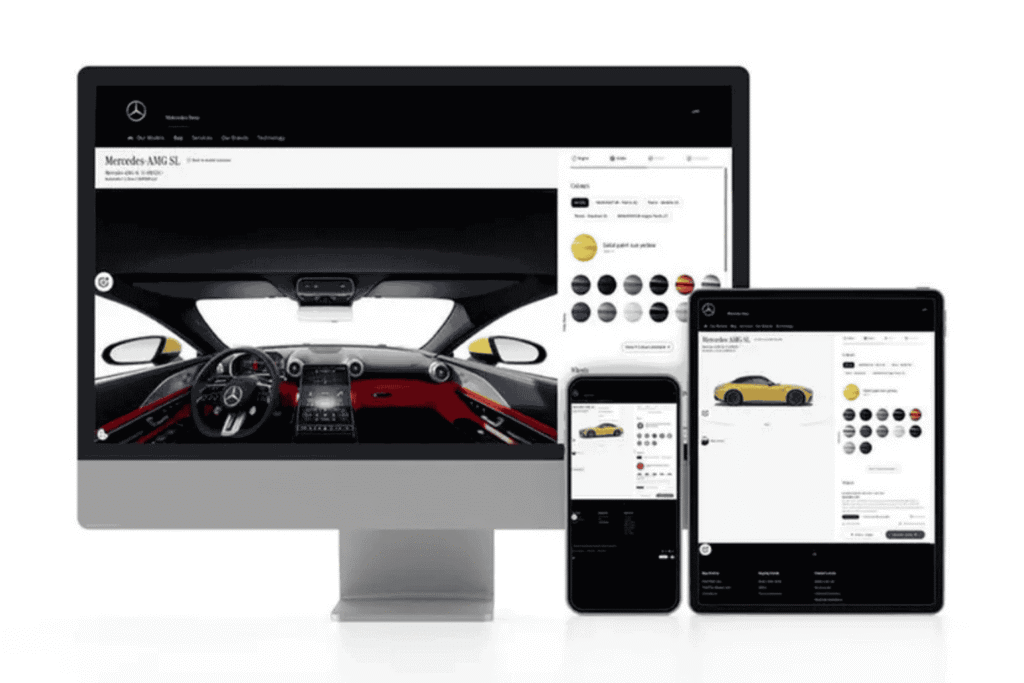
Nasser Bin Khaled Automobiles (NBK), the authorized general distributor of Mercedes-Benz in Qatar, has introduced a powerful digital tool designed to enhance the customer experience—an interactive online car configurator that allows users to customize their own Mercedes-Benz models from the comfort of their home.

A Personalized Digital Journey for Car Enthusiasts

The “Configure Your Own Car” feature enables prospective buyers to explore a wide range of Mercedes-Benz models—including sedans, SUVs, sports coupes, and luxury variants—while tailoring every detail to match their preferences. From selecting exterior paint colors and interior materials to choosing wheel designs and add-on technology packages, users are empowered to build a car that fits both their style and lifestyle.

Unlike traditional configurators, NBK’s platform offers a real-time, 3D visualization of the selected vehicle, complete with instant pricing updates as customizations are made. Customers can save their configurations, share them, or even request a test drive or more information directly from NBK through the portal.

This digital launch marks another milestone in NBK Automobiles’ commitment to innovation and premium customer service. By merging digital convenience with luxury automotive branding, the company is redefining how vehicles are researched, configured, and ultimately purchased in Qatar.

NBK Automobiles has been representing Mercedes-Benz in the Qatari market since 1957, and continues to evolve in line with changing consumer expectations. Offering access to prestigious marques such as Mercedes-Maybach, Mercedes-Benz, and Mercedes-AMG, the new configurator underscores NBK’s mission to deliver personalized, cutting-edge experiences to its growing customer base.

With this tool, NBK not only enhances engagement but also positions itself at the forefront of Qatar’s automotive digital transformation—where innovation, customer empowerment, and luxury converge.

Egypt Logs 416 Million E‑Commerce Conversations in a Year

Crowd Analyzer’s latest regional analysis reveals that Egypt’s online retail ecosystem is gaining momentum. Between 2024 and early 2025, Egyptians generated over 416 million digital discussions related to e‑commerce—a figure that places the country behind Saudi Arabia (749 million) but ahead of the UAE (367 million). This surge underscores Egypt’s rapidly evolving digital consumer landscape.

Price Sensitivity and Trust Deficit Define Egyptian E‑Commerce

Breaking down the conversation trends, price emerged as the dominant factor, mentioned in 74.3 % of e‑commerce dialogues. In contrast, delivery (15.4 %) and customer service (9.3 %) trails behind—highlighting value-driven shopping behavior.

Despite the growth in discussions, consumer sentiment reflects lingering trust issues. Only 59 % of Egyptian online shoppers report satisfaction, citing concerns over returns, product quality, and exchanges. By comparison, Saudi Arabia fares slightly better at 66 %, while the UAE leads with a robust 83 % satisfaction rate, supported by advanced digital infrastructure and streamlined customer experiences.

In terms of purchasing categories, electronics dominate the market, accounting for 33.5 % of transactions. Digital goods follow at 16.6 %, clothing at 15.8 %, health and beauty items at 11.5 %, and home and furniture products at 8.4 %. Books (8.3 %) and jewelry/accessories (5.8 %) complete the mix, showing a diverse but tiered interest across sectors.

Interestingly, consumer payment habits remain conventional in Egypt: 90 % of purchases are on cash-on-delivery (COD), while only 10 % rely on digital payments. This strong preference for COD shows that despite rising digital engagement, a majority of shoppers still hesitate to pay upfront.

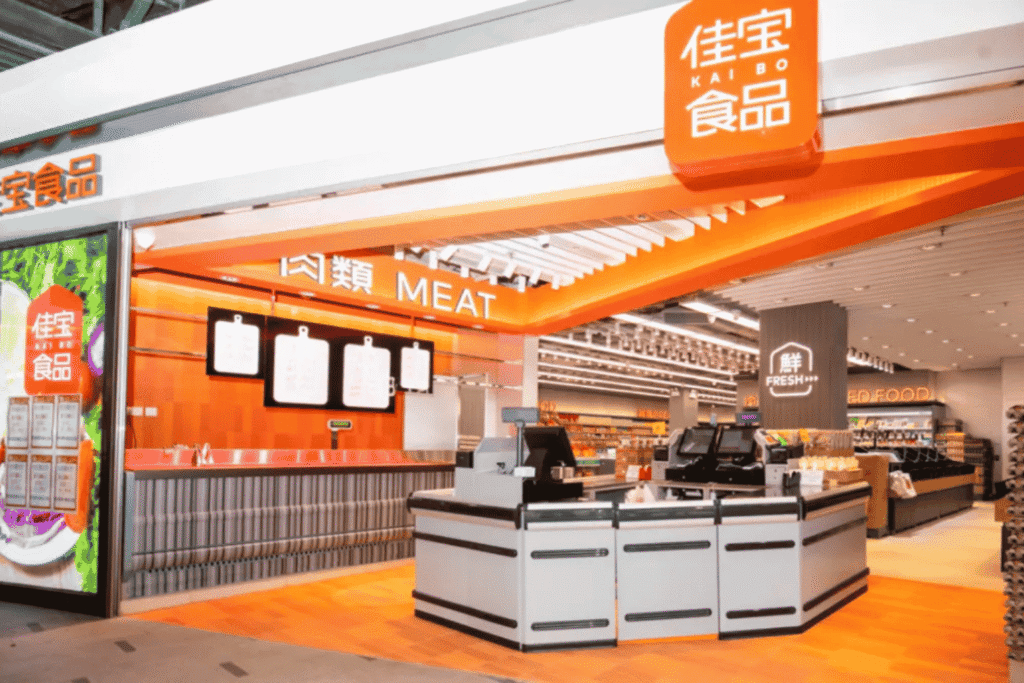
JD.com Strengthens Hong Kong Foothold with Kai Bo Supermarket Acquisition

JD.com has completed the acquisition of Kai Bo Food Supermarket, a well-established grocery chain in Hong Kong, marking a strategic entry into physical retail within the region. The deal consolidates JD.com’s omnichannel ambitions, merging its robust logistics capabilities with Kai Bo’s local presence.

Seamless Omnichannel Integration Paves the Way for Hong Kong Retail Innovation

Founded in 1991, Kai Bo Food Supermarket has grown into a familiar name across Hong Kong, operating approximately 90 outlets and employing over 1,000 people. Through the acquisition, JD.com gains immediate access to Kai Bo’s network, enabling a swift expansion of its brick-and-mortar operations. The supermarket chain will now become part of JD.com’s “Innovative Retail” division, with Kai Bo’s founder appointed to lead the transition, preserving local expertise and continuity.

To celebrate the acquisition, JD.com is launching a three-day, store-wide 20% discount event across all Kai Bo outlets, offering both loyalty to existing customers and a strong launchpad for new offerings via the integrated supply chain.

This move signals JD.com’s intensified push into the Greater Bay Area. By combining its digital-first, supply chain-driven approach with Kai Bo’s physical footprint, JD aims to deliver fresh produce and everyday goods to consumers faster and more efficiently. The synergy opens the door to replicating its successful mixed-model retail formats—such as its SEVEN FRESH hypermarkets—across Hong Kong, bridging the gap between online convenience and physical accessibility.

Market analysts see this acquisition as a crucial step in reshaping Hong Kong’s retail sector, offering competitive pressure and raising standards in food retail through efficient delivery and product variety. As JD.com brings its technology into stores, merchants and consumers alike stand to benefit from innovation in pricing, inventory, and service levels.

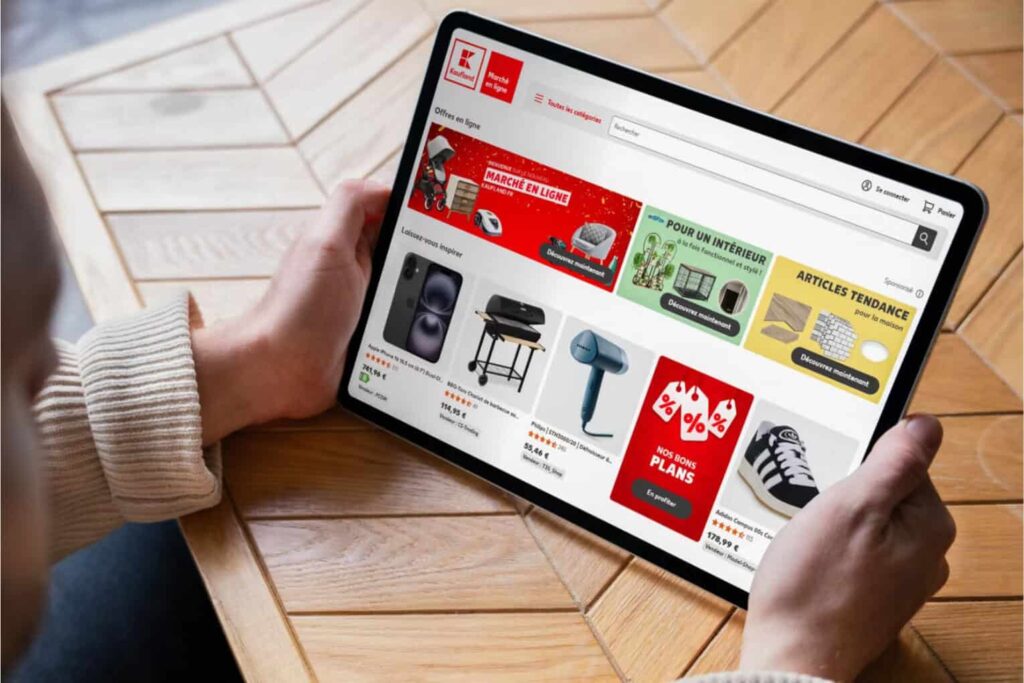
Kaufland Expands Its Online Marketplace to France

Kaufland, the German retail giant and part of the Schwarz Group, has officially launched its online marketplace in France. This move brings the platform’s total active markets to six and marks a strategic leap in its mission to establish the largest pan-European e-commerce presence.

French consumers can now access over three million items across 6,400+ categories, ranging from electronics and home appliances to sports, baby products, fashion, and accessories. At launch, more than 2,800 online sellers have already joined the platform. This expansion enables French merchants not only to sell domestically via Kaufland.fr but also to tap into existing markets in Germany, the Czech Republic, Slovakia, Poland, and Austria—and soon, Italy.

A European Marketplace Alternative for Sellers and Shoppers

The expansion into France is part of Kaufland’s broader strategy to become a leading European alternative to global e-commerce giants. By integrating France and soon Italy into its ecosystem, the marketplace now potentially reaches up to 140 million customers across Europe. This growth opens up tremendous opportunities for sellers and provides consumers with an extensive, locally compliant shopping experience.

Kaufland’s marketplace leverages its proprietary “Global Marketplace” solution, allowing merchants to manage their inventory, orders, and product data across all supported countries through a single registration portal. The platform offers automated services in product translation, local currency payment processing, and multilingual customer support—simplifying international expansion for SMEs and large brands alike.

Citing its success in earlier expansions into Austria and Poland, as well as its established presence in Germany and Central Europe, the company sees the French launch as a logical and highly promising next step. The platform’s user-focused approach—ranging from comprehensive product range to trusted European standards—aims to win both consumer trust and merchant loyalty.

As Kaufland continues its roll-out into Italy later this summer, the company emphasizes that its “Europe for Europe” philosophy underpins every strategic decision—prioritizing data protection, fairness, and close collaboration with partners to reshape the regional e-commerce landscape.

Nedbank Acquires iKhokha to Expand SME Digital Services

Nedbank Group has announced the acquisition of South African fintech company iKhokha in a cash deal valued at approximately $93 million. This move marks a significant step in Nedbank’s broader strategy to empower small and medium-sized enterprises (SMEs) through digital innovation and inclusive financial services.

Founded in 2012, iKhokha has gained recognition for providing affordable payment solutions and digital tools tailored for small businesses. With services ranging from mobile point-of-sale (mPOS) devices and business management apps to working capital support, the company has supported thousands of entrepreneurs across South Africa. Its digital platform processes over R20 billion in payments annually and has disbursed more than R3 billion in business funding to merchants.

Combining Fintech Agility with Banking Infrastructure

Through this acquisition, Nedbank aims to integrate iKhokha’s agile fintech model into its traditional banking ecosystem, creating a seamless service offering for SMEs. iKhokha will continue to operate under its brand as a wholly owned subsidiary, with its existing leadership team remaining in place to ensure continuity and innovation.

Nedbank officials emphasized that this partnership will enable the bank to serve small businesses more effectively, providing them with faster, smarter, and more accessible financial tools. The bank sees the acquisition as a long-term investment not only in digital transformation but also in economic development, by helping local entrepreneurs scale and sustain their businesses.

The deal also marks a successful exit for iKhokha’s investors, including major venture capital and development finance institutions. With this new backing, iKhokha is expected to expand its reach, enhance its technology offerings, and potentially explore markets beyond South Africa.

This acquisition positions Nedbank as a key player in Africa’s growing fintech ecosystem, signaling its commitment to digital financial inclusion and to building future-ready solutions for the continent’s most dynamic business segment—its SMEs.

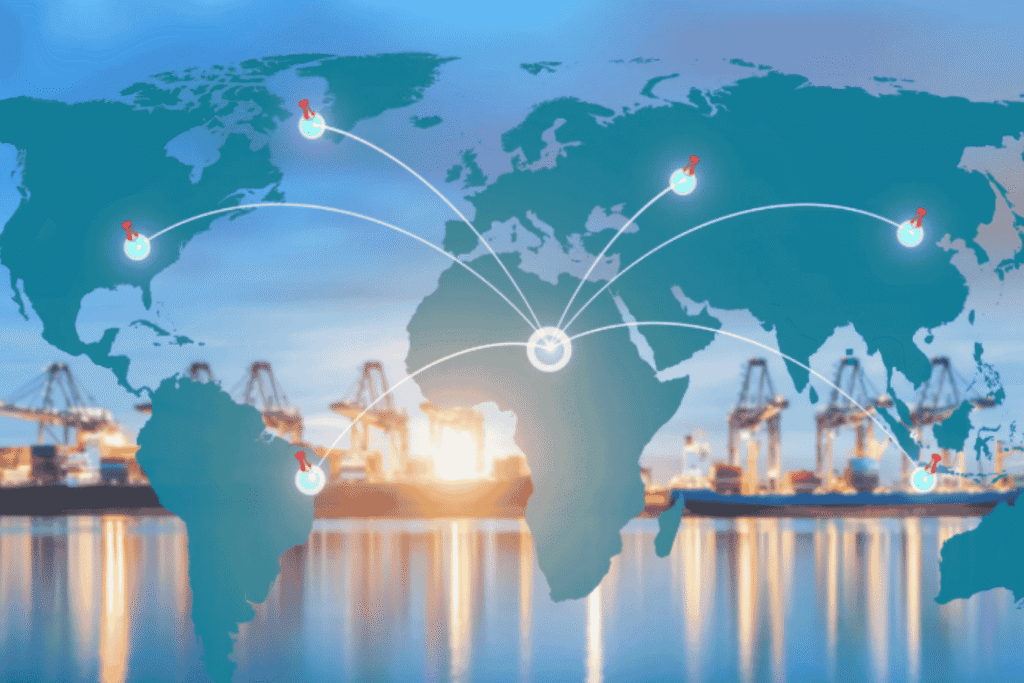
Fulfilment Bridge and Royal Mail Launch MEA-to-Global Cross-Border Logistics Corridor

Fulfilment Bridge, a leading e-commerce logistics provider, has partnered with Royal Mail International to establish a robust cross-border logistics corridor linking the Middle East and Africa (MEA) region to major global destinations. This collaboration leverages Fulfilment Bridge’s advanced technology-driven supply chain infrastructure alongside Royal Mail’s expansive postal network to offer scalable, transparent, and reliable international shipping solutions.

The new corridor focuses initially on key MEA markets including Egypt, Tunisia, Morocco, and the United Arab Emirates. Thousands of online sellers across these countries will now benefit from streamlined export capabilities, enabling them to access global e-commerce markets more efficiently than ever before.

Integrated End-to-End Solution Enhances Cross-Border E-Commerce

The partnership introduces an integrated logistics solution that eliminates friction throughout the shipping journey. From consolidated order processing and customs clearance to destination customs approvals and tracked deliveries, the collaboration ensures a seamless experience for sellers and buyers alike.

Kais Khadhraoui, CEO of Fulfilment Bridge, highlighted the strategic significance of the partnership: “This is not just a shipping lane; it’s an export infrastructure initiative. By combining Royal Mail’s global postal expertise with our end-to-end logistics technology, we provide sellers with a truly plug-and-play cross-border solution.”

Already operational, the corridor is expected to expand over the coming quarters to include other vital trade hubs within the African continent, amplifying trade flow and e-commerce growth opportunities.

This initiative reinforces both companies’ commitment to strengthening global e-commerce logistics networks. It enables MEA region sellers to overcome traditional barriers such as complex customs processes and unreliable shipping services, empowering them to compete on a global stage.

As cross-border e-commerce continues to surge, strategic partnerships like this will be crucial in connecting emerging markets with worldwide consumers, driving economic growth and digital trade transformation across the MEA region.

Saudi Arabia’s HUMAIN Launches “Allam”: A Homegrown Milestone in Arabic AI

Saudi Arabia is fast cementing its role as a rising power in artificial intelligence with its national AI venture, HUMAIN, preparing to unveil a trailblazing Arabic language model that promises both linguistic depth and cultural nuance. Set to launch at the end of August, Allam—a foundational AI model developed entirely from scratch on Saudi soil—is designed for sophistication in both classical Arabic and regional dialects, signaling a pivotal leap for Arabic AI innovation.

Allam, a First-of-its-Kind Saudi AI Model, Poised to Bridge Language and Culture Through Advanced Technology

At the LEAP25 conference, HUMAIN’s CEO confirmed the imminent debut of ALLaM 34B, a model expressly tailored for the Arabic-speaking world. The model will be rolled out through HUMAIN Chat, a newly developed, free application similar in spirit to ChatGPT but enriched by all-Arabic capabilities and context-aware responses.

Crafted by a dedicated team of 40 PhD-level researchers, Allam isn’t merely an iteration—it’s a fully new architecture infused with regional linguistic and cultural sensitivities. It supports fluent conversation in classical Arabic and local dialects—Saudi, Egyptian, Jordanian, Lebanese—while maintaining awareness of social and political nuances.

This launch is part of Saudi Arabia’s Vision 2030 digital transformation agenda, aiming to position the Kingdom as a global AI leader. HUMAIN benefits from strategic partnerships with global tech giants, ensuring robust AI infrastructure and services.

Allam’s introduction reflects Saudi Arabia’s ambition to move from consumers to creators of AI technology rooted in cultural authenticity. The project aims to foster an ecosystem of developers, institutions, and government bodies leveraging localized, responsible AI solutions.

Tunisia Ushers in a New Era: Africa’s First 100% Digital Hospital Poised to Transform Healthcare

Tunisia is on the brink of a groundbreaking leap in healthcare innovation with the announcement of what will become Africa’s first fully digital hospital. Revealed by Aymen Chekhari, responsible for Artificial Intelligence and digital systems at Tunisia’s Ministry of Health, the initiative was unveiled on August 14, 2025, and marks a historic milestone for the nation and continent.

This proposed digital hospital will serve as the central hub within the Ministry of Health, coordinating a nationwide network of medical professionals through advanced telemedicine infrastructure. Leveraging a platform of interconnected public health facilities, the system will facilitate remote consultations, enabling patients across Tunisia—regardless of geographical constraints—to access specialized care efficiently and effectively.

Embedding AI and Telemedicine to Democratize Specialized Care Nationwide

At the heart of Tunisia’s vision lies the powerful combination of artificial intelligence and a digitally integrated healthcare system. By anchoring operations within the Ministry of Health, the new hospital model ensures centralized oversight while enabling distributed service delivery. Medical professionals, located remotely, will be able to consult, diagnose, and assist patients in regions where access to specialized services has traditionally been limited.

This move not only represents a triumph of technological modernization in healthcare but also a profound step toward democratizing access to healthcare across Tunisia. Patients in rural or underserved regions stand to benefit significantly, as the digital hospital bypasses traditional physical barriers and opens access to expert diagnoses, second opinions, and efficient referrals without the need for travel.

Tunisia’s endeavor positions it as a trailblazer in Africa’s digital health landscape, setting an example for the entire region. The project aligns with broader digital transformation strategies, leveraging AI-driven tools to enhance healthcare quality, improve patient outcomes, and support the evolving architecture of modern medical systems.

As this ambitious plan moves into implementation, it holds the promise of reshaping healthcare delivery—not just for Tunisia, but serving as a replicable model across nations seeking innovative, scalable, and equitable medical solutions.

Digital Coaching Emerges as a Key Driver in GCC Workforce Transformation

Gulf Cooperation Council (GCC) countries are accelerating workforce transformation efforts as part of broader national development goals — and at the center of this shift is digital coaching. Unlike traditional leadership development tools, digital coaching is no longer limited to senior executives. It is now being integrated across all levels of organizations, transforming how talent is nurtured and retained.

AI-Powered Coaching Supports Nationalisation, Productivity, and Inclusive Growth

Advanced digital coaching platforms, powered by artificial intelligence, offer personalized feedback, real-time progress tracking, and culturally tailored content. These tools are helping companies in the GCC align with nationalisation strategies by accelerating the growth of local talent and preparing them for leadership roles. In particular, initiatives like Emiratisation in the UAE are benefiting from these scalable and data-driven solutions.

Digital coaching also promotes inclusive leadership by enabling greater participation from women, youth, and individuals from diverse backgrounds. Beyond traditional performance metrics, it contributes to employee engagement, well-being, and long-term career development.

Market trends suggest significant growth in this sector. In the UAE alone, the digital coaching market is projected to quadruple by 2034, driven by increasing investment from both public and private sector stakeholders. This upward trajectory reflects a broader recognition of coaching as a strategic investment rather than a supplementary HR function.

Looking ahead, leadership development programs in the GCC are expected to be increasingly integrated with Environmental, Social, and Governance (ESG) goals. This marks a major shift in how digital coaching is positioned — not just as a learning tool, but as a foundational pillar in workforce and business transformation.