WORLDEF Prime Antalya 2026 - Upcoming Event

Register Now

The UAE Poised to Become a New Global Logistics Hub Linking Asia to the World

The United Arab Emirates (UAE) elevated its position in global aviation and logistics in 2025, thanks to a powerful combination of Emirates SkyCargo’s Asia-focused air freight strategy and Abu Dhabi Airports’ infrastructure expansion. Together, these developments are redefining the country’s role in international trade.

The increasing volume of cargo flowing from East and Southeast Asia is transforming the UAE from a mere transit point into a strategic logistics hub. With fast air connectivity, digitized infrastructure, and strategic partnerships, the UAE is positioning itself at the heart of global supply chains.

Emirates SkyCargo’s Intense Asia Operations and Abu Dhabi Airport’s Record Cargo Volume Signal Regional Power Shift

Emirates SkyCargo has ramped up operations across Asia, now offering a total weekly capacity of 21,000 tonnes. The recent launch of new flights to Hangzhou has enabled the airline to operate departures from East and Southeast Asia every 30 minutes—an unprecedented frequency that directly addresses the speed demands of modern global commerce.

Meanwhile, Abu Dhabi Airports recorded a major achievement in the first half of 2025, handling 344,795 tonnes of air cargo. This growth is supported by a strategic partnership with Chinese e-commerce giant JD Property, which will see the construction of a 70,000 m² advanced logistics facility at Zayed International Airport. The facility will feature automated systems, smart warehousing, and technology-driven logistics solutions aimed at managing high volumes of e-commerce goods.

Together, these two developments mark a significant shift in regional logistics dynamics. Emirates SkyCargo’s extensive flight network, paired with Abu Dhabi’s robust ground infrastructure, is enabling the UAE to emerge as an indispensable node in the global logistics map—bridging Asia and the rest of the world with unprecedented efficiency and scale.

Google Launches Commerce Media Suite to Boost Festive Season Sales

Google has introduced the Commerce Media Suite, a new advertising solution designed to help brands and merchants increase their sales on quick commerce and e-commerce marketplaces during the festive season. The suite integrates Google Ads to connect brands with high-intent shoppers across various platforms such as Search, Shopping, YouTube, Display, Discover, and Gmail. These ads direct users to product listings on popular marketplaces like Blinkit, Swiggy, Zepto, and Myntra.

AI-Driven Performance Tools for Enhanced Transparency

Powered by Google’s AI-driven performance tools, the Commerce Media Suite offers enhanced transparency, self-service capabilities, and access to first-party data from marketplaces. Brands can track the impact of their ad spend against product and category-level sales, enabling them to make data-driven decisions and optimize their advertising strategies.

The suite was launched ahead of the festive season to capture rising consumer demand. Early adopters have already reported positive results. For instance, ITC’s Aashirvaad Select reported a 4x return on ad spend using the solution on Blinkit. Similarly, RENÉE Cosmetics recorded an 11.5% sales increase and a 48% reduction in cost per order.

Google positions the Commerce Media Suite as a tool for brands to drive profitability and expand reach in competitive online marketplaces. By leveraging Google’s extensive advertising ecosystem and advanced AI capabilities, brands can effectively engage with consumers and drive sales during the high-demand festive season.

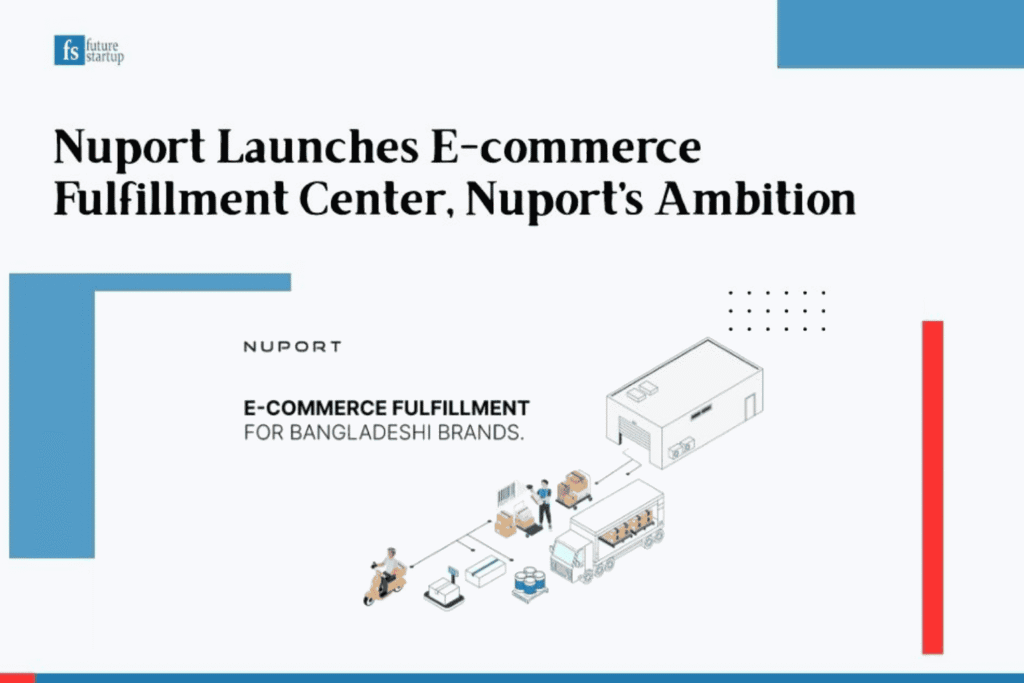
Nuport Launches E-commerce Fulfillment Center in Dhaka

Nuport, a Dhaka-based automated e-commerce fulfillment platform, has launched its first fulfillment center in Mirpur, Dhaka. The 1,000-square-foot facility aims to provide end-to-end solutions for order management, inventory control, and shipping, catering to online businesses looking to scale efficiently.

Strategic Expansion to Meet Growing Demand

Founded in 2021 by Fahim Salam and Christopher Li, Nuport initially focused on automating supply chain operations for e-commerce businesses through its SaaS platform. Over time, the company recognized the need for integrated fulfillment services as customer demand grew. This led to the establishment of the fulfillment center, which offers services such as smart storage with custom racking systems, tailored packaging, quick picking processes, and integrated shipping across multiple couriers.

The facility is designed to serve businesses processing at least 20 orders daily, with products valued at ৳1,000 or higher. Pricing starts at ৳35 per order, with storage options ranging from ৳250 to ৳1,000 monthly. This move allows Nuport to control quality, reduce costs through economies of scale, and capture more value from each customer relationship.

Nuport’s expansion into fulfillment services also enables the company to serve international clients. For instance, it now handles complete import and distribution operations for a Dubai-based client with no physical presence in Bangladesh, acting as a comprehensive e-commerce infrastructure provider.

The launch of the fulfillment center marks a significant step in Nuport’s vision to build Bangladesh’s largest e-commerce supply chain network. The company plans to replicate this model in other major cities like Chittagong and Khulna, aiming to streamline operations for thousands of merchants and enhance the efficiency of the e-commerce ecosystem in Bangladesh.

Amazon Launches ‘Haul’ in Australia Offering Products Under $25

Amazon has expanded its footprint in Australia by launching Amazon Haul, a new shopping platform dedicated to offering a wide variety of products priced under $25. Available through the Amazon Shopping app, Amazon Haul targets budget-conscious consumers looking for affordable options across multiple categories including fashion, beauty, homewares, pet care, and lifestyle items.

Affordable Shopping Made Simple and Convenient

To celebrate the launch, Amazon is providing substantial introductory discounts, with many items available for as low as $10 during a limited promotional period. Shoppers spending over $40 are eligible for additional savings, further encouraging bulk purchases. The platform also emphasizes hassle-free returns, offering customers a 15-day window to return items under the change-of-mind policy, ensuring confidence in their purchase decisions.

Amazon Haul is currently in beta, rolling out to a select group of Australian users via the app. This soft launch allows Amazon to gather user feedback and fine-tune the shopping experience before a broader public release. Customers can access Haul directly by searching for it within the app or through the main navigation menu.

This initiative reflects Amazon’s ongoing strategy to meet evolving consumer demands by blending affordability with convenience. By offering a curated selection of lower-priced products, Amazon is appealing to shoppers looking for value without compromising on variety or quality.

With economic factors such as easing inflation and lower interest rates encouraging consumer spending, the timing of Amazon Haul’s introduction could significantly impact Australia’s competitive e-commerce market. The platform’s focus on affordability and seamless mobile access may help Amazon capture a larger share of the price-sensitive segment.

Overall, Amazon Haul represents a strategic effort to deepen customer engagement and loyalty in Australia by simplifying the discovery and purchase of everyday essentials and trendy items alike—at prices that resonate with a broad audience.

Amazon Launches Same-Day Delivery of Fresh Groceries in 1,000 U.S. Cities

Amazon has taken a major step in expanding its grocery services by rolling out same-day delivery of perishable items, including fresh produce, dairy, frozen meals, and baked goods, across 1,000 cities and towns in the United States. This move marks a significant acceleration in the company’s commitment to reshaping the way Americans shop for everyday essentials.

A Unified Shopping Experience for the Modern Consumer

Unlike traditional grocery platforms, Amazon’s updated system allows customers to combine perishable grocery items with non-food products—such as electronics or household supplies—in a single shopping cart. This unified model simplifies the user experience and strengthens Amazon’s position as an all-in-one marketplace. With same-day delivery now applied to fresh food, the boundaries between conventional retail and digital commerce are becoming increasingly blurred.

Prime members can access this service free of charge for orders over $25, while non-members are offered the convenience for a flat fee. Behind the scenes, Amazon utilizes a highly specialized logistics system, complete with temperature-controlled storage, insulated packaging, and six-stage quality checks to ensure freshness and safety from fulfillment center to doorstep.

The expansion is also part of a broader strategy to extend access to rural communities, with Amazon committing billions to infrastructure that will support faster delivery services in over 4,000 smaller towns by the end of the year. This democratization of convenience allows residents in underserved areas to enjoy the same level of access as those in metropolitan regions.

Market reactions have been swift. Major competitors in grocery delivery, including Instacart, Walmart, and DoorDash, are now facing increased pressure to respond. Analysts suggest that Amazon’s aggressive expansion could shift consumer expectations across the entire grocery sector, making same-day service the new standard rather than a premium feature.

With this latest rollout, Amazon is signaling that its ambitions go beyond online retail—it is aiming to become an indispensable part of everyday life, delivering everything from headphones to honeycrisp apples with unmatched efficiency.

Tanzanian Digital Auction Platform Eyes East and West Africa Expansion

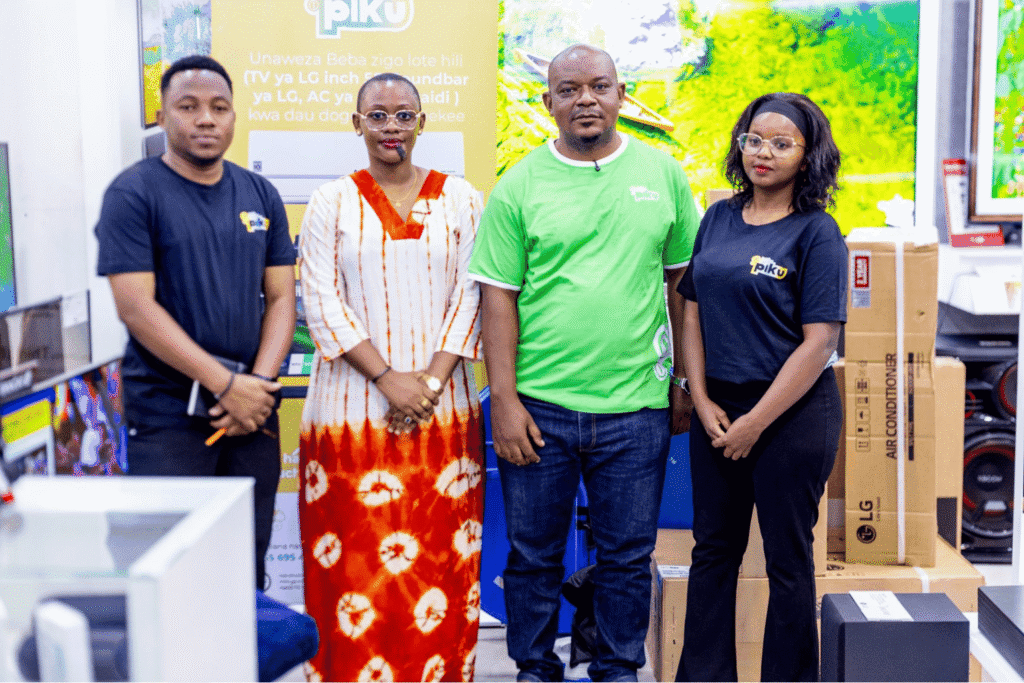
Tanzania’s fast‑growing digital commerce scene just welcomed a bold new contender: Piku, a unique platform blending e-commerce with gamified auctions. After nearly two decades of development, the platform is now setting its sights on expanding across East and West Africa within the next three years—aiming to become a continental digital commerce powerhouse.

Transforming Online Shopping Through Auctions and Social Impact

What makes Piku stand out is its distinctive auction model, which allows users to bid on products—ranging from electronics to overseas travel packages—for as little as Sh1,000. The gamified format attracts engagement and excitement, while also offering value to price-conscious consumers. In the months ahead, Piku plans to expand into full direct sales, allowing vendors—such as cosmetics shop owners—to create their own storefronts, auction their listings, and reach a broader audience.

Founded on patience and persistence, Piku has been incubating its platform for nearly 20 years—waiting for the digital ecosystem in Tanzania to mature. Investments in internet usage, improved digital payment systems, and mobile connectivity finally made it viable. So far, the company has poured approximately Sh800 million into the platform. With expansion underway, an additional Sh120 million is earmarked for prizes and marketing within the next three months, with potential growth in that budget depending on market response.

Piku’s ambitions extend beyond commercial performance. Nearly 35 percent of its revenue is committed to social responsibility initiatives via a newly planned Piku Foundation. The foundation intends to support key institutions such as Muhimbili Hospital and fund the education of talented students from underserved communities—an initiative that reflects the company’s commitment to leveraging tech for social good.

Looking ahead, Piku expects to hire a team of data analysts, software developers, and production staff—establishing formal office spaces to enable growth and operational scaling. As consumer behavior shifts increasingly online, platforms like Piku offer significant opportunities—not just for urban users, but even farmers and rural entrepreneurs can utilize such tech-driven solutions to connect with buyers and services across the region.

As Tanzania’s digital landscape evolves, platforms like Piku are emblematic of the creative, inclusive models rising from the region—not just meeting market needs, but also making sure benefits are shared across society.

Karachi Schoolgirl Teams up with Leading E‑Commerce Platform to Bring Hello Kitty Dreamland to Life

Driven by youthful imagination and strategic collaboration, 13-year-old Maryam Fatima from Karachi has teamed up with a renowned e-commerce brand—known for its global reach—to launch an enchanting virtual “Hello Kitty Land” experience. Fueled by her lifelong affection for the iconic character, Maryam’s initiative is both a celebration of creativity and a fresh example of Gen-Z digital entrepreneurship.

Merging Fan Passion with Brand Power

What began as playful sketches in school notebooks quickly evolved into something far bigger. Maryam’s concept—a digitalized world centered on Hello Kitty—caught the attention of marketing teams at a major e-commerce company. Inspired by her passion, the brand offered support to help bring her vision to life, providing a platform for exposure, design resources, and integration with their online presence.

The resulting “Hello Kitty Land” is more than just a fan-made tribute; it is a branded digital space featuring interactive elements inspired by Hello Kitty’s universe. Visitors can explore themed zones, participate in mini-games, unlock exclusive wallpapers and stickers, and engage with creative visual storytelling designed to spark nostalgia and delight among fans of all ages.

The collaboration highlights a new way forward for digital fan culture—where social media savvy and heartfelt creativity meet corporate support to deliver immersive experiences. For Maryam, it’s a powerful validation of her artistic talents; for the e-commerce partner, it’s an opportunity to deepen emotional engagement with a global audience by showcasing authentic, user-driven content.

This co-created digital experience also opens doors for community events, virtual meetups, and exclusive giveaways—potentially expanding into physical merchandise or live fan activities in the future. By nurturing such grassroots initiatives, brands demonstrate that their connection with consumers can go well beyond transactions—fostering meaningful narratives that resonate on a personal level.

In essence, Maryam’s “Hello Kitty Land” isn’t just a colorful online world—it is a testament to what happens when youthful imagination is embraced and amplified by the right support system. It exemplifies how modern brand engagement is evolving into participatory storytelling, where fans become creators and meaningful collaboration replaces one-way messaging.

Soup Restaurant to Launch AI-Driven Smart Kitchen Solutions through Strategic Joint Venture

Soup Restaurant Group is embarking on a transformative journey by entering a joint venture with Shanghai-based technology firm Xi Xiang Technology to develop AI-powered smart kitchen systems. This initiative signals the company’s intent to address persistent manpower constraints and rising operational costs within the Singaporean food and beverage sector through automation and innovation.

Intelligent Mechanization Aims to Boost Hygiene, Efficiency and Consistency

Under the terms of the agreement, Soup Holdings’ subsidiary, Soup Restaurants Investments (SRI), will own 51% of the venture, with Xi Xiang Technology holding the remaining 49%. The joint entity will be capitalized up to S$2 million in phased instalments and will focus on designing, manufacturing, marketing, leasing, and selling smart kitchen hardware and software tailored for clients in institutions such as schools, corporations, and government agencies.

This strategic move enables Soup to tackle multiple challenges at once. AI-assisted systems will help automate repetitive tasks like ingredient handling, cooking processes, and inventory tracking—minimizing dependence on human labor, enhancing hygiene standards, and ensuring uniform food quality across multiple outlets. Such benefits are invaluable for institutional clients who prioritize food safety and operational reliability, especially in a landscape marked by workforce shortages and heightened regulatory scrutiny.

Beyond technological enhancement, the collaboration signifies a forward-thinking expansion of Soup Holdings. In addition to its well-known restaurant brands—renowned for homestyle soups like the famed Samsui Ginger Chicken—the company operates ancillary businesses such as sourcing and manufacturing under the Samsui Supplies and Services division. By integrating smart kitchens into its portfolio, Soup is reinforcing its long-term strategy of diversification and resilience against industry volatility.

The timing of the joint venture is especially strategic. With labor costs climbing and operational efficiency becoming a competitive differentiator, a scalable model offering automated kitchens promises significant cost-saving and operational leverage. Sourcing and distributing smart kitchen solutions also opens new revenue streams beyond traditional restaurant sales, potentially establishing recurring income via leasing agreements and service contracts.

Ultimately, by combining F&B domain expertise with advanced technological capability, this joint venture positions Soup Restaurant Group to lead a new wave of automation in commercial kitchens across the region. If successful, the initiative could serve as a template for modernization in food services—where precision, hygiene, and scalability are seamlessly woven into daily operations.

Jump Scores $23 Million in Series A as Rodriguez and Lore Push into Fan-Centric Ticketing

Jump—a startup founded by former MLB star Alex Rodriguez, entrepreneur Marc Lore, and industry veteran Jordy Leiser—has successfully closed $23 million in Series A funding, bringing its total funding to approximately $58 million. The company is now valued at over $100 million, signaling strong investor confidence in its mission to transform the sports ticketing and fan experience industry.

From Legacy Systems to Seamless Fan Experiences

Jump is positioning itself as a one-stop platform for sports fan engagement—bundling ticketing, merchandise, concessions, and even in-game upgrades into a cohesive digital experience. Instead of navigating multiple services, fans interact with a unified system that blends convenience with personalization.

The startup has already secured partnerships with four professional sports franchises, including the NBA’s Minnesota Timberwolves and WNBA’s Lynx—teams co-owned by Rodriguez and Lore—as well as the North Carolina Courage and North Carolina FC. Operating under a software-as-a-service model, Jump charges licensing fees and retains a small percentage of transactions, allowing teams to maintain control over fan data and interactions.

Although annual revenue remains under $10 million, early results are promising. Teams using Jump report improved cost savings, increased ticket bundle sales, and richer fan engagement. The company’s AI-driven tools streamline offerings, enabling dynamic seat upgrades, bulk purchases, and personalized promotions—features rarely found in traditional ticketing platforms.

Rodriguez and Lore’s dual roles as team owners and startup founders give Jump a strategic testing ground and built-in showcase for its technology. Their ownership of the Timberwolves and Lynx—finalized in mid-2025—provides a real-world stage to fine-tune offerings and demonstrate value to other franchises.

With this new injection of capital, Jump plans to expand its team, enhance technical capabilities, and accelerate onboarding of new clients. By addressing long-standing shortcomings in the fan experience, the company aims to redefine how audiences engage with live sports—making every touchpoint personalized, effortless, and memorable.

Kenyan Fintech HoneyCoin Raises $4.9 Million to Revolutionize Cross-Border Payments

wThe round was spearheaded by Flourish Ventures and saw strategic participation from Visa Ventures, TLcom Capital, Stellar Development Foundation, Lava, Musha Ventures, 4DX Ventures, and Antler. This investment will support the company’s aggressive push into regions spanning Mozambique, Zambia, Rwanda, Francophone Africa, Latin America, and parts of Asia.

Scaling Blockchain-Based Payments to Serve Emerging Economies

Founded in 2020 by David Nandwa, HoneyCoin has engineered an infrastructure that enables rapid, low-cost cross-border payments. Leveraging stablecoins, its platform integrates with banks, mobile money networks, and global payment providers to settle transactions in mere hours instead of days. With 15 African countries currently onboard, and certifications secured in major markets including the U.S., Europe, Canada, Nigeria, Kenya, and Tanzania, HoneyCoin has built a robust regulatory and operational foundation.

The company now processes approximately $150 million in transactions each month, serving 350 enterprise clients and over 326,000 consumers via its consumer app, Peer. Impressively, it has maintained profitability for two consecutive years, with most revenue generated through B2B settlement and API-based acquiring services—some corporate clients pay up to $2,500 monthly for integration.

Fuelled by its proprietary AI-powered matching engine and a co-location network of partner banks, HoneyCoin delivers near-instantaneous and same-day settlements. These capabilities enable it to target Africa’s sprawling $329 billion cross-border payments market and compete with both global and regional fintech firms.

The freshly secured capital is earmarked for senior executive hires, advanced product development, and licensing efforts. Key upcoming products slated for Q3 2025 include a Visa-backed stablecoin debit card, a cross-border liquidity offering with Interswitch, a Banking-as-a-Service suite for Ghana, Malawi, and Tanzania, and a point-of-sale software solution tailored for East African merchants.

With consistent monthly B2B transaction growth of 16% and consumer usage rising 5% monthly, HoneyCoin is rapidly solidifying its position as a leading infrastructure provider for digital payments—potentially setting new standards for how money moves across borders in emerging economies.