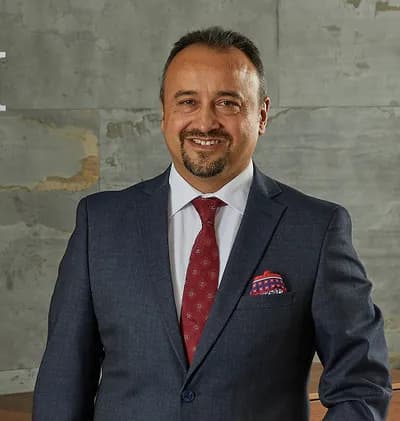
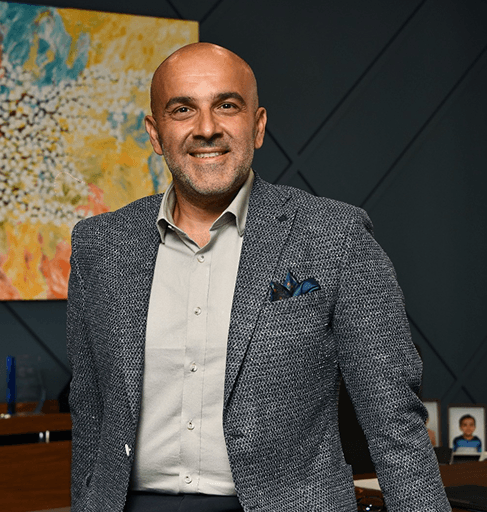
Cihat Özbekli
Cihat Özbekli is a senior management professional who, following many years of executive leadership and CEO experience at some of Türkiye’s leading institutions, now serves as a strategic thought partner to company owners, CEOs, boards of directors, business leaders, and next-generation successors.
His professional journey has been shaped largely within the complex structures of family-owned businesses, where he spent years at the center of operations, decision-making, and organizational transformation. This experience has provided him not only with deep managerial expertise, but also with the ability to understand people, organizational structures, relationships, balance, and change as interconnected dynamics.
With extensive experience in family business governance, leadership, institutionalization, restructuring, branding, retail, corporate culture, transformation, and generational transition, Cihat Özbekli does not define himself through a narrow area of specialization. Instead, he positions himself as a thought partner who brings clarity during complex periods, makes difficult questions visible, and supports capable people in building stronger and more sustainable organizations.
He is the founder of the Corporate Wellbeing Institute (Kurumsal İyilik Enstitüsü), which serves as the institutional reflection of this philosophy. For Cihat Özbekli, “corporate wellbeing” extends beyond good intentions; it represents organizations that are well-structured, well-managed, balanced, healthy, and sustainable. He believes that institutions, much like individuals, can possess a state of wellbeing. Accordingly, he views the Corporate Wellbeing Institute not merely as a consultancy organization, but as a platform for thinking, producing, developing, and sharing ideas — as well as a broader intellectual movement.
Today, his work is centered less on providing ready-made answers and more on creating space for the right questions. Rather than managing companies directly, he focuses on accompanying the people who lead them, helping them identify and understand the deeper structures behind visible organizational challenges. He believes that such guidance can only emerge through accumulated experience, wisdom, and a genuine commitment to sustainable organizational wellbeing.