WORLDEF ISTANBUL 2026 - Early Bird Registration Ends Soon

Register Now

Digital Access Barriers Challenge Africa’s Development

Digital Access

Africa’s digitalization process presents a significant opportunity for economic growth and job creation. However, digital accessibility issues on the continent are preventing millions of individuals and businesses from fully participating in the digital economy.

The digital readiness of Africa was extensively discussed during the 2026 World Bank Group and IMF Spring Meetings. Policymakers, industry leaders, and development partners emphasized the importance of increasing digital access and making digital services more accessible.

Strategic Interventions for Digital Access

During the Knowledge Café session organized by the World Bank Group’s Digital & AI team, it was highlighted that digital access, infrastructure, and device costs remain major barriers. Participants pointed out that the costs of devices, data, and electricity are limiting Africa’s digitalization efforts. Nevertheless, progress in network coverage across the continent was acknowledged as a positive step.

It was emphasized that Africa’s digital strategies should be aligned with broader economic development goals. Stakeholders reiterated the importance of policy interventions and cross-sector collaboration to make digital access more affordable and inclusive.

Digital Transformation Expands Economic Opportunities

Digital transformation offers vast opportunities, especially for Africa’s rapidly growing workforce and youth population. Participants agreed that overcoming digital access barriers would make the continent’s workforce more productive and foster more entrepreneurs. The increase in digital skills and the provision of suitable digital infrastructure are seen as key factors that will enhance economic development and productivity across the continent.

Global Efforts to Expand Digital Access

The Spring Meetings provided a platform for global leaders to discuss how digital innovation and smart policies can support job creation and sustainable growth. Digitalization is playing an increasingly central role in expanding economic opportunities, particularly in Africa.

Overcoming digital readiness issues is crucial for Africa to achieve its sustainable growth goals. Global cooperation, sector-specific investments, and strategic steps by governments will accelerate the continent’s digitalization process and lay the foundation for future economic growth.

Wildberries Enters Ethiopia in 2026 as Digital Trade Growth Surges

Wildberries Enters Ethiopia in 2026 as Digital Trade Growth Surges

Wildberries has officially launched operations in Ethiopia, opening its marketplace to local sellers and enabling them to reach international customers.

The move marks a significant step in the company’s expansion strategy, positioning Ethiopia as one of its first major entry points into the African e-commerce landscape.

Ethiopian products reach global audiences

Through the platform, Ethiopian businesses can now offer a wide range of goods to international buyers, including coffee, textiles, leather products, and handmade items.

The integration into the marketplace is expected to strengthen export potential for small and medium-sized enterprises while increasing global visibility for locally produced goods. It also provides sellers with access to a structured digital environment that simplifies cross-border trade.

Cross-border e-commerce gains traction

The launch reflects a broader trend of growing cross-border e-commerce activity, particularly in emerging markets.

By leveraging Wildberries’ logistics and marketplace infrastructure, Ethiopian sellers are able to access international markets more efficiently, reducing traditional barriers such as distribution complexity and limited reach.

Partnership supports digital economy development

The entry into Ethiopia follows cooperation with Ethiopian Investment Holdings, aimed at supporting the country’s digital economy and e-commerce ecosystem.

Through this initiative, Wildberries is contributing to improvements in logistics capabilities, technology transfer, and the creation of new opportunities for local businesses to scale beyond domestic markets.

Two-phase marketplace rollout

In its initial phase, Ethiopian products will be made available to international consumers through Wildberries.

A second phase is expected to introduce foreign sellers to the Ethiopian market, further expanding trade flows and strengthening the country’s position within global e-commerce networks.

Source

Africa Postal Transformation Gains Momentum: 5 Key Insights from the 44th PAPU Council

44th PAPU Council: 4 Strategic Moves Advancing Africa’s Postal Transformation

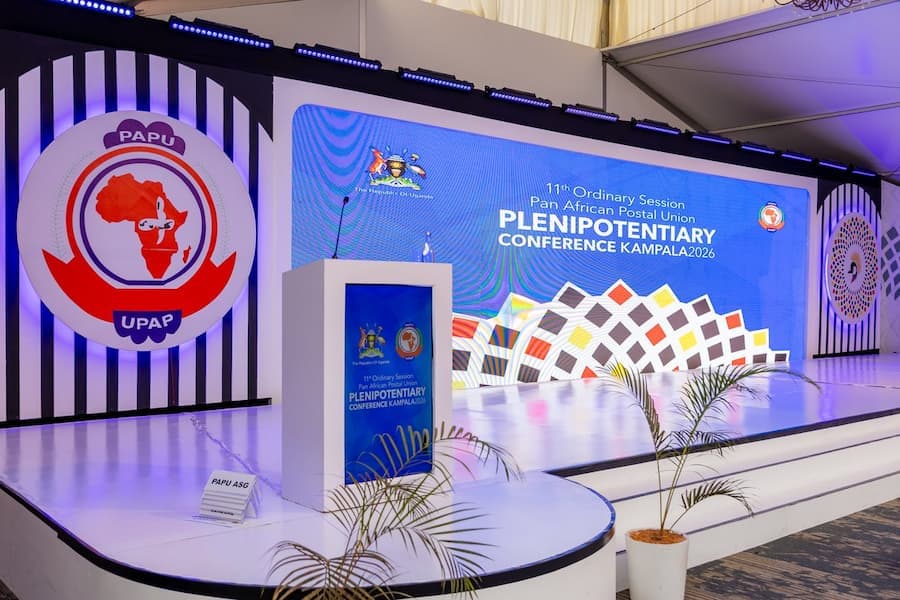
Africa’s postal sector is undergoing a major transformation as leaders gather in Kampala for the 44th Ordinary Session of the Administrative Council of the Pan-African Postal Union (PAPU). The high-level meeting brings together ministers, regulators, and industry stakeholders to redefine the future of postal services across the continent.

Once seen as a traditional mail delivery system, the postal industry is now evolving into a critical pillar of digital trade, logistics, and economic development. This shift is largely driven by the rapid growth of e-commerce and the increasing need for efficient last-mile delivery solutions.

From Mail to E-Commerce Infrastructure

Globally, the postal and courier sector is valued at over $400 billion, handling billions of items annually. Today, its role extends far beyond letters-serving as a backbone for e-commerce logistics, cross-border trade, and digital services.

In Africa, postal networks process more than one billion items each year, supporting small businesses and enabling access to wider markets. As online shopping grows, these networks are becoming essential in connecting digital transactions with physical delivery.

Driving Financial Inclusion and Accessibility

Postal systems are increasingly being used to expand financial inclusion, particularly in underserved and rural communities. By integrating digital payment solutions, postal infrastructure provides access points for individuals and small businesses to participate in the formal economy.

In countries like Uganda, post offices are being transformed into citizen service centers, offering government services and digital access to populations with limited internet connectivity.

Technology at the Core of Transformation

Emerging technologies are at the center of this transformation. Industry leaders emphasize the adoption of track-and-trace systems, digital addressing, and data-driven logistics to improve efficiency and transparency.

These innovations are helping postal operators meet modern consumer expectations, including real-time tracking, faster delivery, and reliable cross-border logistics.

Supporting Africa’s Trade and Integration

The modernization of postal networks is also aligned with broader continental initiatives such as the African Continental Free Trade Area (AfCFTA). By strengthening logistics and delivery infrastructure, postal services are playing a vital role in boosting regional trade and economic integration.

This positions the postal sector as a strategic enabler of Africa’s digital economy, supporting both local entrepreneurs and international commerce.

A Strategic Asset for the Digital Future

Experts at the PAPU session highlighted that postal networks are no longer just service providers but strategic national assets. They now sit at the intersection of logistics, digital connectivity, and public service delivery.

As discussions continue in Kampala, policymakers are expected to focus on practical strategies to modernize operations, enhance efficiency, and strengthen cross-border logistics systems.

The outcomes of this session are set to shape a more connected, inclusive, and resilient postal ecosystem-one that supports Africa’s rapidly growing digital economy.

Source: Ministry of ICT and National Guidance Uganda