WORLDEF Prime Antalya 2026 — Super Early Bird Discounts

Register Now

A First from Emirates SkyCargo: Passenger Aircraft Converted into a Giant Cargo Aircraft

Emirates

Emirates SkyCargo became the first airline cargo carrier to commercially operate the Boeing 777-300ERSF model converted from a Boeing 777-300ER passenger aircraft. The aircraft registered as A6-EBK entered service with a flight carrying more than 100 tons of cargo from Hong Kong to Dubai. This step stood out as one of the important parts of Emirates’ fleet expansion strategy aimed at the increasing need for air cargo capacity in e-commerce, retail, and global trade logistics.

Transformation from Passenger Aircraft to Cargo for Emirates

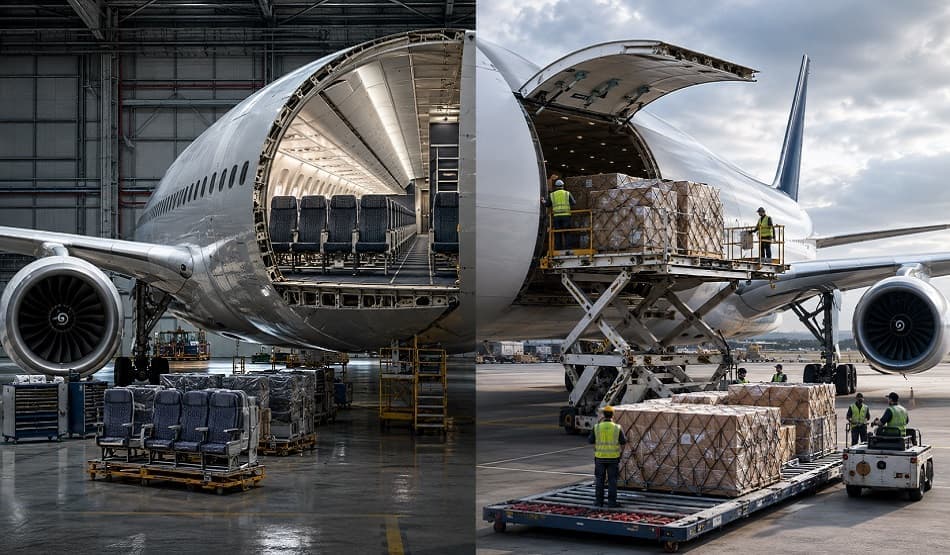
The Boeing 777-300ERSF added to Emir ates SkyCargo’s fleet is not a model that came out of the factory as a cargo aircraft; it was prepared by converting a Boeing 777-300ER, previously used as a passenger aircraft, in a way suitable for cargo operations. During the conversion process, passenger seats, overhead baggage compartments, kitchen areas, and lavatories were removed. The aircraft’s internal structure was rearranged to carry heavy cargo pallets.

New Systems Added for Cargo Operations

A large cargo door was added to the main deck of the converted aircraft, the floor structure was strengthened, and motorized rollers, guide rails, and locking systems were installed for loading processes. In addition, smoke detection, fire suppression, ventilation, environmental control, and temperature management systems suitable for cargo operations were also put into service. Thus, the aircraft designed to carry passengers was converted into a special freighter model suitable for high-volume cargo transportation.

Emirates Increases Capacity for E-Commerce Cargo

Emirates’ converted Boeing 777-300ERSF aircraft offers a payload capacity of 100 tons and a cargo volume of 811 cubic meters. This capacity means 25 percent more cargo volume compared to the Boeing 777-F production freighter aircraft. The aircraft has 47 pallet positions, and this configuration provides 10 additional pallet positions compared to the Boeing 777-F.

These features are important especially for bulky e-commerce products, retail shipments, pharmaceuticals, perishables, and time-sensitive cargo. The fact that e-commerce products account for approximately 20 percent of global air cargo tonnage makes this transformation move by Emirates more strategic.

Fleet Expansion Move from Emirates SkyCargo

Badr Abbas, Senior Vice President of Emirates SkyCargo, stated that putting the first converted Emirates Boeing 777-300ERSF aircraft into operational service marks a new step in terms of fleet expansion and operational agility. Abbas said they aim to meet the increasing demand for air cargo capacity for the rapid transportation of products worldwide by converting former Boeing 777-300ER passenger aircraft.

Abbas also stated that, together with Boeing 777-F production freighter aircraft, they increased their global cargo network from just over 40 points in February to 62 points; and that they offer customers scalable capacity, flexibility, and connectivity through their Dubai hub.

New Converted Aircraft to Join the Fleet by 2027

The Boeing 777-300ERSF became the sixth new freighter aircraft to join Emirates SkyCargo operations since March 2026. The company plans to take delivery of five additional Boeing 777-F aircraft and one more converted Boeing 777-300ERSF by December 2026. Emirates SkyCargo aims to add three additional converted Boeing 777-ERSF aircraft to its fleet in 2027. With this fleet expansion, Emirates aims to respond to the increasing capacity needs of global trade, cross-border e-commerce, and retail logistics through its Dubai-based network.

6 Critical Challenges Reshaping Europe’s E-Commerce Gateways

6 Critical Challenges Reshaping Europe’s E-Commerce GatewaysSlug Generator

Europe’s e-commerce logistics model is undergoing a structural transformation. What once relied heavily on a few dominant gateways across Europe is now evolving into a more distributed system shaped by speed, fragmentation, and flexibility.

The rise of cross-border e-commerce has fundamentally changed cargo dynamics across Europe. Instead of large, predictable shipments, logistics networks are now handling high-frequency, low-volume flows moving across multiple routes. This shift is forcing operators to rethink systems originally designed for scale, not agility.

At the same time, traditional hubs such as Frankfurt, Amsterdam, and Paris remain important – but they are no longer sufficient on their own. Logistics players across Europe are increasingly adopting multi-hub strategies, integrating secondary airports and regional fulfilment centres to reduce congestion and improve delivery performance.

Speed, Technology and New Trade Routes Take the Lead

Speed has become non-negotiable. Next-day delivery is rapidly turning into a baseline expectation across Europe, rather than a competitive advantage. To meet this demand, companies are relying more on air cargo and hybrid logistics models, especially for high-value and time-sensitive goods.

Technology is playing a defining role in this transformation. AI-driven forecasting, real-time tracking, and automated cargo handling systems are enabling logistics providers to operate with greater precision. Performance is no longer just about capacity – it is about visibility, coordination, and responsiveness.

Meanwhile, geopolitical developments and shifting trade corridors are adding new complexity. Airspace restrictions and evolving economic routes are forcing companies to rethink traditional pathways, accelerating the emergence of alternative gateways connecting Europe with Asia and the Middle East.

Infrastructure Pressure and the New Competitive Reality

This transformation is placing increasing pressure on infrastructure. Airports and logistics hubs across Europe must scale rapidly through automation, expanded cargo capacity, and specialised facilities. Without these investments, bottlenecks will become unavoidable.

Ultimately, Europe’s e-commerce gateways are no longer defined by location alone. They are defined by how efficiently they operate within a broader network. Competitive advantage is shifting from size to flexibility – and from physical infrastructure to intelligent, connected systems.

Source: Air Cargo Week

Air Cargo Shifts: 5 Ways E-Commerce Growth Is Reshaping Global Logistics

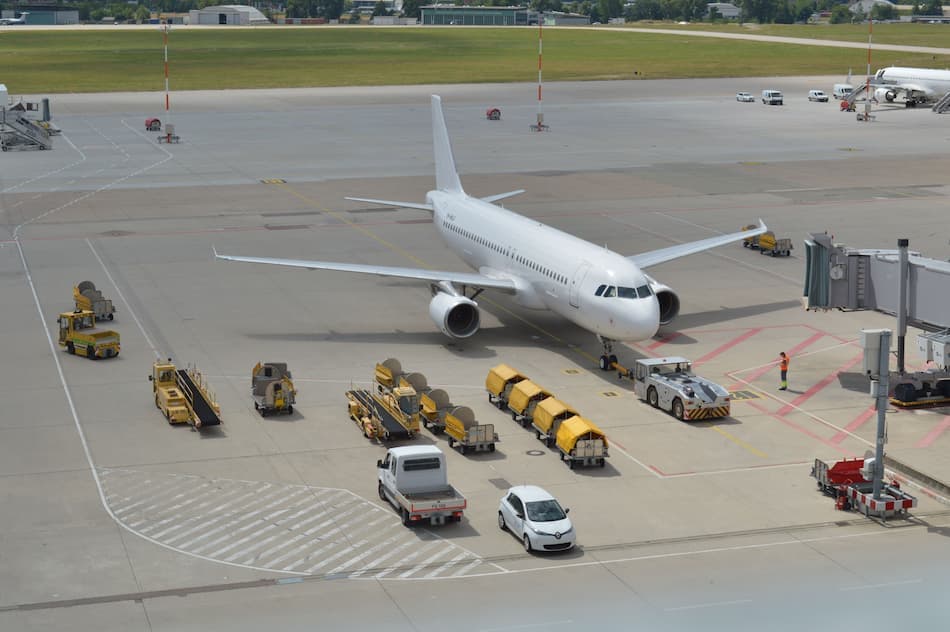
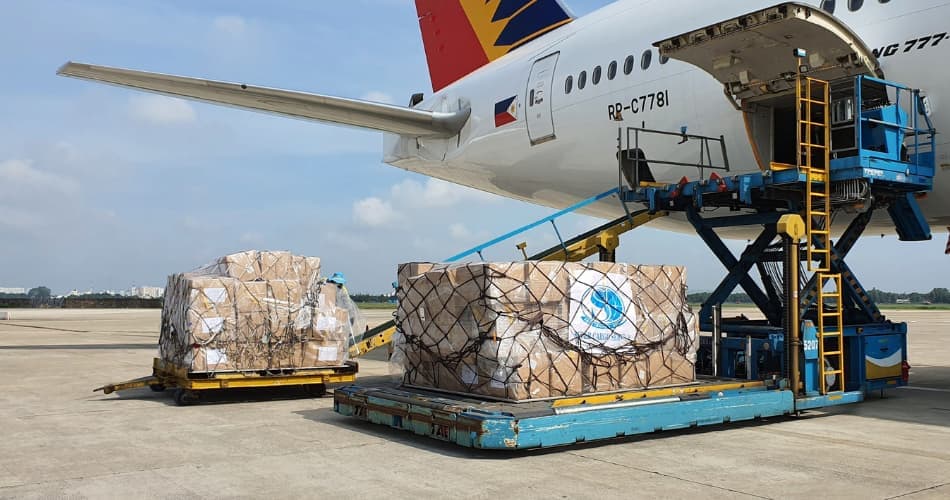
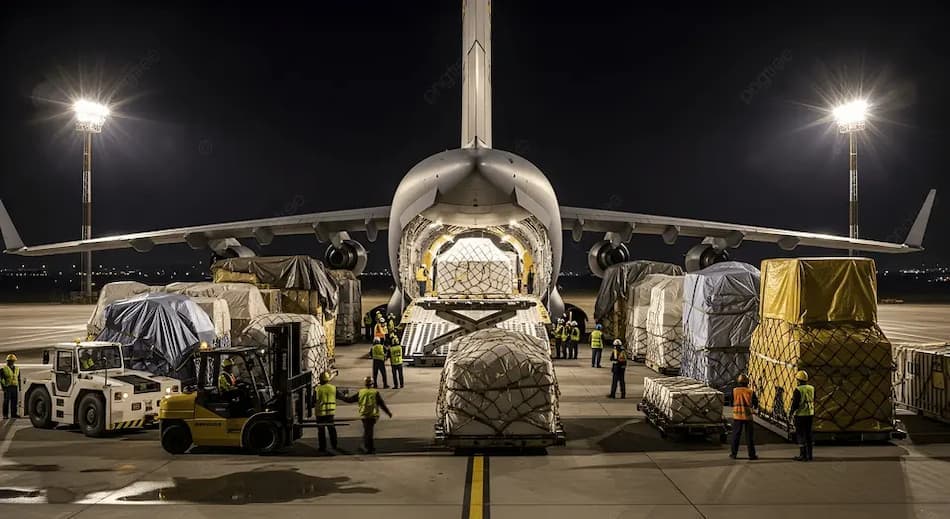
Air cargo aircraft loading freight at an international airport logistics hub

Global air cargo networks are undergoing significant changes as geopolitical tensions and the rapid growth of e-commerce reshape the movement of goods across international markets.

Airlines, logistics companies and cargo operators are increasingly adjusting their routes and supply chain strategies to respond to shifting trade patterns, regulatory pressures and disruptions in key aviation corridors. At the same time, the continued expansion of cross-border online shopping is driving strong demand for faster and more reliable air freight services.

Industry analysts say the intersection of geopolitical developments and digital commerce is accelerating structural changes across the global air freight sector.

E-Commerce Demand Continues to Drive Air Freight Growth

The rapid expansion of e-commerce has become one of the most important forces shaping global air cargo demand. Online marketplaces and international retailers rely heavily on air freight to transport high-value and time-sensitive goods quickly between production centers and consumer markets.

As consumers increasingly expect faster delivery times, logistics providers are expanding their air freight capacity and improving operational efficiency to support global e-commerce supply chains.

Air freight offers a major advantage for online retail shipments because of its speed and reliability compared with other transportation methods. This makes it a critical component of cross-border e-commerce logistics, particularly for electronics, fashion products and other high-demand consumer goods.

Industry data suggests that e-commerce shipments now represent a growing share of global air cargo volumes, reflecting the increasing role of digital commerce in international trade.

Geopolitical Developments Affect Global Cargo Routes

Recent geopolitical tensions have also created new challenges for the air freight industry. Disruptions affecting certain regions, particularly in parts of the Middle East, have forced airlines to adjust flight paths and rethink their logistics strategies.

Air cargo carriers that previously relied on established aviation corridors must now consider alternative routes, which can increase operating costs and extend transit times.

These developments highlight how geopolitical uncertainty can quickly influence global logistics networks. However, air cargo operators have demonstrated flexibility by adapting their routes and maintaining supply chain continuity despite changing conditions.

Trade Policies and Regulations Add Complexity

In addition to geopolitical risks, shifting trade policies and regulatory changes are also influencing global cargo flows.

Tariffs, export controls and evolving trade regulations can alter the economics of cross-border shipping, forcing logistics companies and online retailers to reconsider traditional supply chain routes.

As a result, many global companies are diversifying their logistics strategies and investing in more resilient supply chain infrastructure to reduce exposure to policy changes.

This approach allows businesses to maintain stable international delivery operations even as the regulatory environment continues to evolve.

Air Cargo Industry Adapts to a Changing Market

Despite these challenges, the long-term outlook for the air cargo industry remains closely tied to the continued growth of e-commerce.

Airlines and logistics providers are investing in digital technologies, automation and improved tracking systems to increase efficiency and support the rising volume of online retail shipments.

New cargo hubs and logistics infrastructure are also being developed in several regions as companies seek to strengthen supply chain resilience and improve global connectivity.

As geopolitical dynamics and global trade patterns continue to shift, air freight will remain a critical backbone of international e-commerce logistics, ensuring that goods move quickly and efficiently across borders.

The evolving relationship between geopolitics and digital commerce is likely to continue reshaping global air cargo networks in the years ahead.

Source: Aviation Week