WORLDEF ISTANBUL 2026 - Early Bird Registration Ends Soon

Register Now

Salesforce’s 2-Platform ChatGPT Pilot Signals Positive Shift Toward AI-Powered Commerce Channels

Salesforce’s 2-Platform ChatGPT Pilot Signals Positive Shift Toward AI-Powered Commerce Channels

Salesforce is taking a major step into the future of digital commerce, piloting an integration with ChatGPT that could redefine how products are discovered and sold online. The initiative highlights a broader industry shift toward AI-driven shopping experiences, where conversational interfaces are becoming new sales channels.

The pilot program, currently involving dozens of retailers, enables merchants using Salesforce Commerce Cloud to integrate their product catalogs directly into ChatGPT. This allows products to appear within AI-driven conversations, effectively turning ChatGPT into a discovery and potential transaction layer for e-commerce.

Brands such as Crocs and Pacsun are already participating in early tests, signaling strong interest from retailers looking to tap into emerging AI ecosystems. The integration focuses on “syndication,” ensuring that product listings are visible and accessible within AI platforms where consumers are increasingly spending time.

ChatGPT Integration Reshapes Digital Commerce Discovery

At its core, this move reflects the rise of “agentic commerce” a model where AI assistants guide users through the entire shopping journey, from discovery to purchase. Instead of browsing traditional websites, consumers can interact with AI tools, ask for recommendations, and potentially complete transactions within a single conversational flow.

Salesforce has indicated that its strategy extends beyond a single AI partner. The company is also exploring integrations with other large language models, including those from Anthropic and Google, aiming to create a flexible ecosystem where merchants can reach customers across multiple AI-driven platforms.

This aligns with broader developments in the industry, where AI is increasingly embedded into commerce infrastructure. Through initiatives like Agentforce Commerce, Salesforce is building capabilities that allow brands to connect product catalogs, pricing, and checkout systems directly into AI environments, enabling seamless in-chat purchasing experiences.

For retailers, this shift opens new opportunities but also introduces new challenges. Visibility in AI-generated results may become as critical as search engine rankings, forcing brands to rethink content strategies, product data optimization, and digital merchandising.

Despite being in the early stages, Salesforce’s pilot signals a clear direction for the future of commerce. As AI platforms evolve into transactional environments, the traditional boundaries between discovery, engagement, and purchase are beginning to disappear.

Ultimately, the integration of Salesforce and ChatGPT represents more than a technical upgrade it marks the emergence of a new commerce paradigm where conversations, not clicks, drive online shopping.

Source

Global Premium Food E-Commerce Expands as CarniStore Secures $12.2 Million Investment

Global Premium Food E-Commerce Expands as CarniStore Secures $12.2 Million Investment

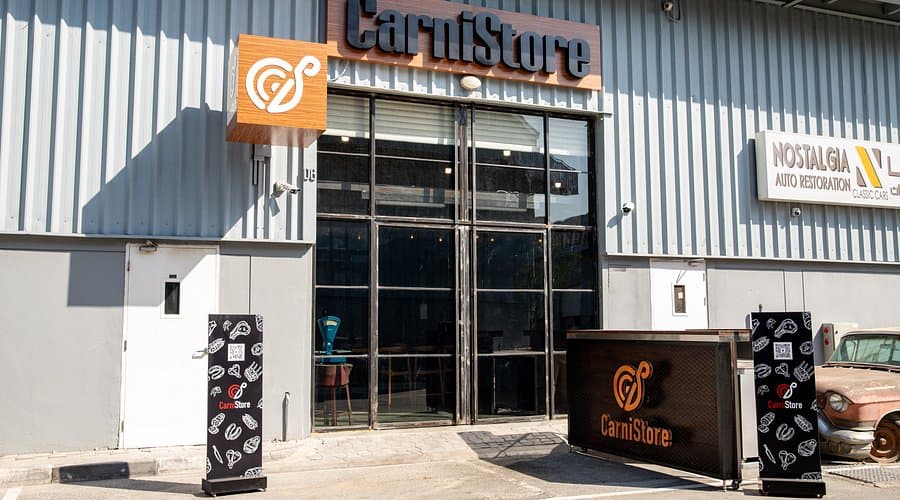
The premium food e-commerce sector is gaining momentum as UAE-based platform CarniStore secured a $12.2 million strategic investment from Emirates Growth Fund (EGF), signalling strong investor confidence in digital-first food retail models.

Founded in 2018, CarniStore operates a vertically integrated, digital-first premium protein platform, combining sourcing, in-house production, and online retail across meat, seafood, poultry, and smoked products.

Scaling Premium Food Through Digital-First Operations

The new funding will support CarniStore’s industrial-scale expansion, allowing the company to introduce new product verticals, enhance operational capacity, and strengthen its position in the UAE’s premium food segment.

Unlike traditional food retailers, CarniStore’s model blends heritage butchery expertise with a consumer-centric e-commerce experience, positioning it at the intersection of food innovation and digital commerce.

The investment also highlights a broader shift toward vertically integrated food e-commerce platforms, where companies control sourcing, processing, and distribution to ensure quality and efficiency at scale.

Strategic Push Toward Regional Expansion

Beyond operational growth, the partnership with Emirates Growth Fund is expected to strengthen CarniStore’s governance, go-to-market strategy, and institutional readiness-key steps as the company prepares for regional expansion.

The deal marks EGF’s first investment in the food sector, underlining the increasing importance of food security, local production, and premium supply chains within the UAE’s economic strategy.

For the wider e-commerce ecosystem, the move reflects a growing investor focus on specialized vertical marketplaces-particularly in sectors where quality control, logistics, and sourcing play a critical role.

Source: Wamda

Network Growth After Yassir’s Uno Retail Chain Acquisition in 2026

Yassir expanding retail network after acquiring Uno retail chain in Algeria

Network expansion is accelerating in North Africa as Algerian super app Yassir acquires the Uno retail chain to strengthen its hybrid retail and e-commerce strategy. The deal marks an important step in the company’s effort to integrate physical stores, online commerce, payments and logistics into a single consumer ecosystem.

Expanding Yassir’s Physical Retail Network

Retail strategy is becoming increasingly central to the growth plans of Algerian super app Yassir after the company acquired the Uno retail chain from Cevital Group. The move signals a shift toward a hybrid commerce model designed to expand the company’s growing retail footprint while connecting physical stores with digital services such as e-commerce, payments and logistics.

Following the acquisition, the Uno stores are expected to be rebranded as Yassir Market, with the first flagship location planned for the Bab Ezzouar Shopping Center in Algeria. The transformation aims to integrate offline retail operations with the company’s existing online marketplace and delivery platform while strengthening its nationwide store presence.

Industry analysts say this approach reflects a broader global trend in which digital platforms invest in physical retail infrastructure to build stronger commerce infrastructure and improve last-mile logistics.

Hybrid Retail and Digital Commerce Network

Yassir’s strategy focuses on building a connected commerce network where customers can shop both online and in-store while using the same digital infrastructure.

The stores will offer a wide selection of products, including groceries, consumer goods, cosmetics, premium products and quick-service food options. At the same time, the locations are expected to function as fulfillment points supporting the company’s online orders and delivery network.

By combining retail locations with digital commerce services, Yassir aims to create a seamless shopping experience that links in-store purchases with online ordering, payments and delivery across its expanding platform.

Integrated Payments and Loyalty Programs

The expansion will also rely heavily on Yassir’s financial technology infrastructure. Transactions across the retail network are expected to run through Yassir Cash, the company’s payment system supported by thousands of agents across the country.

Customers will also be able to access rewards through the Yassir+ loyalty program, which allows shoppers to collect and redeem points across multiple services within the platform.

This integrated payment and loyalty ecosystem is designed to keep consumers within Yassir’s digital environment while strengthening long-term engagement across the company’s growing service network.

Building a Wider Commerce Infrastructure

Beyond consumer retail, the company is also developing a B2B logistics network that could support wholesale and institutional clients such as businesses, embassies and corporate organizations.

The strategy highlights Yassir’s ambition to evolve from a ride-hailing and delivery platform into a broader commerce infrastructure provider.

The acquisition also comes as the North African retail sector undergoes shifts following the exit of several international players from parts of the regional grocery market. This environment may create new opportunities for local digital platforms to expand their presence and strengthen their regional commerce networks.

If successful, Yassir’s hybrid retail model could reshape how consumers in Algeria interact with both physical stores and digital commerce platforms while reinforcing the country’s evolving retail ecosystem.

Source: Global Cosmetics News