WORLDEF Prime Antalya 2026 — Super Early Bird Discounts

Register Now

Syria’s Startup Ecosystem Reaches Milestone as Labby Secures $10 Million

Syria’s Startup Ecosystem Reaches Milestone as Labby Secures $10 Million

Syria’s emerging startup ecosystem has reached a historic milestone after Damascus-based super app Labby secured $10 million in funding from a consortium of investors from the United Arab Emirates and Saudi Arabia. The investment is being described by Syrian officials as the country’s first direct foreign investment in a technology startup, signaling renewed regional confidence in Syria’s digital economy. 

Founded in 2024 by Mohammad Fawaz, Labby has rapidly positioned itself as one of Syria’s most ambitious technology companies by building an integrated digital platform designed to simplify everyday consumer services.

Building Syria’s First Super App

Labby operates as a super app, bringing together multiple services within a single platform. Its ecosystem currently includes:

  • Ride-hailing
  • Food delivery
  • E-commerce
  • Digital payments
  • Additional on-demand services

The company aims to make digital transactions more accessible while expanding technology-enabled services for consumers across Syria. 

Funding to Accelerate Expansion

The newly raised capital will be used to:

  • Accelerate product development
  • Expand digital service offerings
  • Strengthen technology infrastructure
  • Grow operations across Syria
  • Invest in talent acquisition and innovation

The funding is expected to help Labby scale its platform while supporting the country’s broader digital transformation initiatives. 

A Turning Point for Syria’s Startup Landscape

Beyond Labby itself, the investment represents a significant step for Syria’s startup ecosystem. Regional investors backing a locally developed technology company may encourage additional cross-border investments and contribute to rebuilding confidence in the country’s innovation sector.

The announcement also aligns with Syria’s recent efforts to strengthen its digital economy through initiatives supporting entrepreneurship, technology infrastructure, and startup development. 

Outlook

Labby’s $10 million funding round demonstrates growing interest from regional investors in Syria’s technology sector. As the company expands its super app and digital services, the investment could pave the way for more venture capital activity, helping accelerate innovation and digital transformation across the country.

Source

Qatar’s Digital Payments and E-Commerce Continue Strong Growth in 2026

Qatar’s Digital Payments and E-Commerce Continue Strong Growth in 2026

DOHA, Qatar – Qatar’s digital economy continues to gain momentum as new data from the Qatar Central Bank (QCB) reveals significant growth in e-commerce, point-of-sale (POS), and instant payment transactions during May 2026.

The latest figures highlight consumers’ increasing preference for digital payment methods and online shopping, reinforcing Qatar’s broader strategy to accelerate financial technology adoption and reduce reliance on cash.

Card Payments and E-Commerce Continue to Expand

Card transaction volumes climbed 24% year-over-year, reaching 72.34 million transactions in May 2026. POS payments remained the dominant channel, growing from 42.74 million to 53.82 million transactions compared with the same month last year.

Online e-commerce transactions also recorded robust growth, increasing from 9.45 million to 12.62 million, reflecting the continued expansion of digital retail and growing consumer confidence in online shopping.

In terms of value, total card transactions reached QR24.41 billion, while POS transaction value rose to QR9.82 billion, up from QR8.55 billion a year earlier. Online e-commerce transaction value remained stable at approximately QR3.91 billion, demonstrating resilient consumer spending through digital channels.

Digital Banking Transactions Accelerate

Beyond retail payments, Qatar’s digital banking infrastructure also recorded remarkable growth.

Transactions processed through the Tahweel interbank transfer system surged 58% in value to QR64.24 billion, while transaction volumes jumped 160% year-over-year, reflecting increasing reliance on electronic fund transfers across the country.

Fawran Sees Record Adoption

Qatar’s instant payment platform, Fawran, continued its rapid expansion throughout 2026.

Transaction value increased 159% to QR6.71 billion, while transaction volume climbed 149% to 4.1 million. Meanwhile, registered Fawran accounts reached 3.86 million, highlighting the platform’s growing popularity among consumers and businesses alike.

Qatar Strengthens Its Digital Economy

The latest figures demonstrate Qatar’s accelerating transition toward a digitally driven financial ecosystem, supported by expanding payment infrastructure, growing consumer confidence in electronic payments, and continued investment in financial technology.

As digital commerce, instant payments, and fintech innovation continue to advance, Qatar is reinforcing its position as one of the Middle East’s fastest-growing digital payment and e-commerce markets.

Source

Checkout and SNB Formed a Strategic Partnership to Grow Digital Payments

Checkout

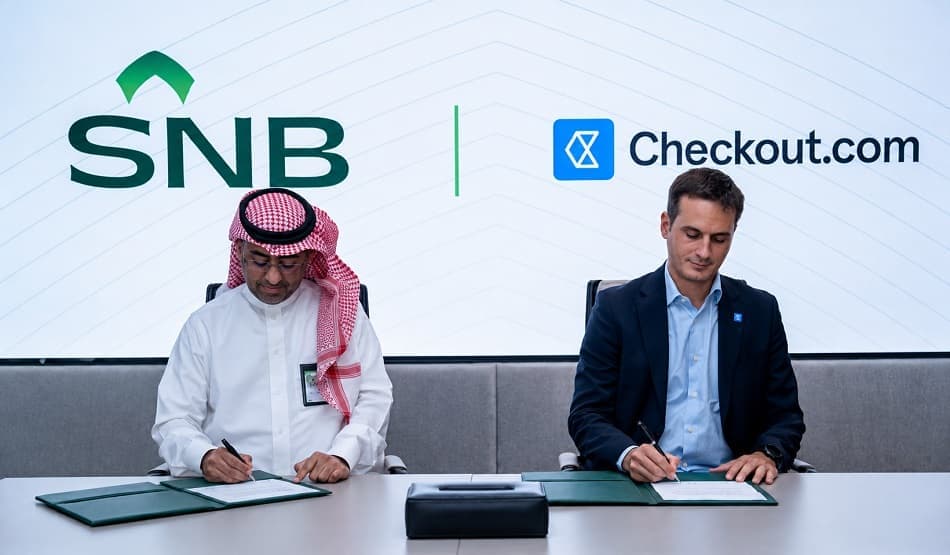
Checkout.com has formed a strategic partnership with Saudi National Bank (SNB), Saudi Arabia’s largest acquiring bank, to accelerate digital payments and support e-commerce growth. The cooperation aims to strengthen the development of digital commerce in the Kingdom and provide a smoother payment experience for businesses and consumers.

In addition to being Saudi Arabia’s largest acquiring bank, SNB is positioned as the fastest-growing e-commerce acquiring bank in the MENA region. The new partnership will further strengthen the bank’s position as the preferred financial partner, especially for international sellers seeking to enter the Saudi Arabian market.

Advanced Payment Infrastructure with Checkout

Checkout’s global payment infrastructure offers transaction support in more than 145 currencies. The company processed more than $300 billion in e-commerce payment volume internationally in 2025. Thanks to this infrastructure, sellers seeking to operate in Saudi Arabia will be able to benefit from stronger payment acceptance capabilities and opportunities to scale their operations.

The partnership will enable businesses to offer more flexible, fast, and reliable payment options to customers from different markets. This is critically important in terms of Saudi Arabia standing out as one of the fastest-growing digital economies in the region.

Strategic Support for E-Commerce Growth

The cooperation between SNB and Checkout will not be limited only to facilitating payment processes. The partnership also aims to support seller growth, encourage innovation in financial technologies, and make the digital commerce ecosystem in Saudi Arabia more competitive.

In a market where e-commerce is developing rapidly, a secure and uninterrupted payment infrastructure provides an important competitive advantage for brands. In this context, Checkout’s global experience and SNB’s strong position in the local market will offer businesses new opportunities for both regional and international growth.

Aligned with Saudi Vision 2030 Goals

The cooperation is also positioned in line with the Saudi Vision 2030 goals, which support Saudi Arabia’s digital transformation agenda. Within the scope of the partnership, SNB and Checkout will focus on encouraging innovation, facilitating the growth of sellers, and contributing to the development of the digital payment ecosystem in the Kingdom. This strategic step is considered an important development for the future of e-commerce in Saudi Arabia. The Checkout and SNB partnership will both facilitate international sellers’ entry into the market and contribute to providing consumers with faster, safer, and smoother payment experiences.

Saudi Arabia’s 85% E-Payments Milestone Signals Positive Digital Payment Boom

Saudi Arabia’s 85% E-Payments Milestone Signals Positive Digital Payment Boom

Saudi Arabia is rapidly moving toward a cashless economy, with electronic payments now representing 85% of total retail transactions in 2025, marking a significant leap in the Kingdom’s digital transformation journey. This milestone highlights the accelerating adoption of fintech solutions and the success of long-term government strategies aimed at reducing cash dependency.

The growth builds on strong momentum from previous years. In 2024, electronic payments already accounted for 79% of retail transactions, up from 70% in 2023, reflecting a steady and consistent shift toward digital payment methods.

This rapid adoption is largely driven by Saudi Arabia’s Vision 2030 initiative, which prioritizes financial innovation and aims to create a fully digital economy. Government-backed programs, combined with the expansion of payment infrastructure, have made digital transactions more accessible and convenient for both consumers and businesses.

E-Payments Drive Saudi Arabia’s Digital Economy Transformation

A key factor behind this growth is the widespread use of mobile wallets, contactless payments, and real-time banking solutions. Platforms like mada, SADAD, and sarie have significantly improved transaction speed and reliability, encouraging consumers to move away from cash. At the same time, smartphone penetration and internet accessibility have enabled seamless adoption across urban and rural areas.

E-commerce growth has also played a major role. As online shopping continues to expand in the Kingdom, digital payment methods have become the default option for transactions. Retailers are increasingly integrating advanced payment technologies to meet consumer expectations for speed, security, and convenience.

In addition, the rise of fintech companies is intensifying competition and innovation within the sector. Saudi Arabia had over 200 licensed fintech firms by 2024, with ambitions to significantly increase this number in the coming years. This dynamic ecosystem is contributing to the development of new payment solutions, including buy-now-pay-later (BNPL), embedded finance, and cross-border payment systems.

Despite this strong progress, challenges remain. Cybersecurity concerns, regulatory complexities, and the need for continuous infrastructure upgrades require ongoing attention. However, collaboration between regulators, banks, and fintech players continues to strengthen the overall ecosystem.

Looking ahead, Saudi Arabia is well-positioned to become one of the leading digital payment markets globally. The shift toward cashless transactions is not just a technological change, it represents a broader transformation in consumer behavior and financial systems. As adoption continues to rise, digital payments are expected to play an even more central role in shaping the future of commerce in the region.

Source

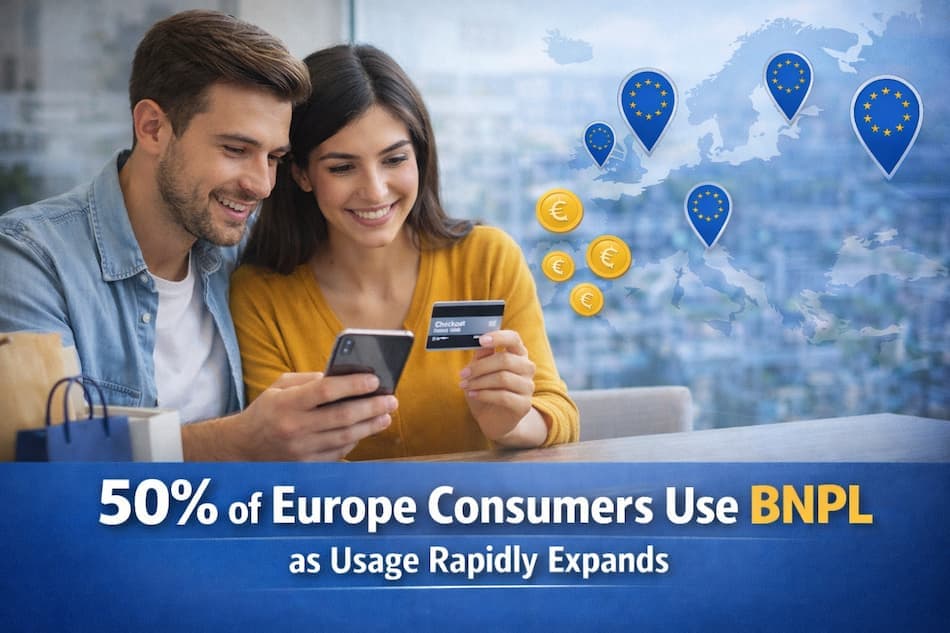
50% of European Consumers Use BNPL as Usage Rapidly Expands

50% of European Consumers Use BNPL as Usage Rapidly Expands

Half of European consumers adopt BNPL

Buy Now, Pay Later (BNPL) services are now used by 50% of consumers across Europe, according to data published by Ecommerce News Europe.

The report shows that BNPL has moved into the mainstream, with many consumers using these services multiple times per year as part of their regular online shopping behavior.

Adoption differs by market

Despite strong overall uptake, usage varies significantly between countries.

In markets such as Switzerland, BNPL penetration remains lower, with roughly one in four consumers using these services. The gap highlights the influence of local financial habits, credit culture, and regulatory frameworks across Europe.

Flexible payments reshape checkout

The growth of BNPL reflects a broader shift in payment preferences.

Installment-based options often interest-free are increasingly integrated into the checkout experience, offering consumers greater flexibility compared to traditional credit products. As a result, payment methods are playing a more central role in purchase decisions.

Regulatory scrutiny increases

The expansion of BNPL has drawn attention from regulators across the region.

Authorities are assessing the need for stricter consumer protection measures, including improved transparency, clearer terms, and stronger affordability checks. Proposed updates to consumer credit rules are expected to address gaps related to BNPL services.

Merchants respond to demand

For online retailers, BNPL is becoming a standard feature rather than an optional add-on.

Merchants are integrating these solutions to support conversion and align with evolving consumer expectations, while also navigating compliance requirements as regulatory oversight increases.

Source
Read more on WORLDEF.