WORLDEF ISTANBUL 2026 - Early Bird Registration Ends Soon

Register Now

E-Commerce Under Pressure: Why 1 Retailer Is Shutting Down Its Online Store

E-Commerce Reality Check: Why 1 Retailer Is Shutting Down Its Online Store

The decision by UK retailer The Works to exit e-commerce is drawing attention across the retail industry, highlighting a growing shift toward profitability over digital expansion.

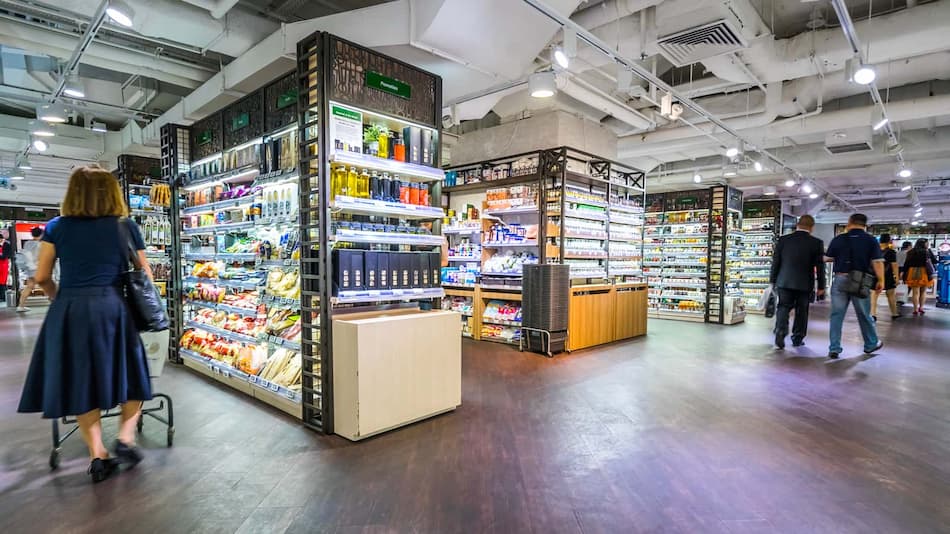
After more than a decade of online operations, the company has chosen to close its e-commerce channel and refocus entirely on its physical store network – a move that challenges the assumption that online retail is always essential for growth.

Why The Works Is Leaving E-Commerce

The Works first launched its e-commerce platform in 2012, but online sales never became a core revenue driver. More than 90% of total sales continued to come from physical stores, reflecting strong in-store customer demand.

At the same time, maintaining an online operation introduced ongoing challenges, including:

  • high operational costs
  • dependency on third-party logistics
  • complexity in managing fulfillment

Over time, these factors made it difficult for the company to achieve sustainable profitability online.

Refocusing on What Works

By exiting e-commerce, the retailer aims to simplify its business model and improve financial performance. The move is expected to reduce costs and allow the company to concentrate on its strongest channel – its extensive store network.

Rather than serving as a transactional platform, the company’s website will now act as a product browsing tool, encouraging customers to visit physical stores to complete purchases.

A Strategic, Not Emotional Decision

Industry insight suggests that this move has been under consideration for some time. For retailers operating on tight margins, e-commerce can introduce more pressure than value if not executed at scale.

In such cases, focusing on a store-led strategy can offer:

  • greater control over costs
  • improved margins
  • stronger customer engagement in physical locations

A Wider Signal for Retail?

While global e-commerce continues to expand, The Works’ decision reflects a more nuanced reality:

👉 Digital is not always profitable
👉 Omnichannel is not always necessary

Retailers are increasingly reassessing whether their digital channels truly support long-term growth – or simply add complexity.

What This Means for E-Commerce

The closure of The Works’ online store does not signal a decline in e-commerce itself, but rather a shift toward more disciplined, profit-driven strategies.

As the retail landscape evolves, businesses are moving away from “being everywhere” toward focusing on channels that deliver real value.

For some, that may still be digital-first.
For others, like The Works, the answer is clear – back to stores.

Source: InternetRetailing

E-Commerce at Risk? 1 Critical WTO Decision Could Reshape the Digital Economy

E-Commerce at Risk? 1 Critical WTO Decision Could Reshape the Digital Economy

The global digital economy is approaching a decisive moment as the upcoming WTO Ministerial Conference (MC14) puts the future of digital trade rules under intense scrutiny.

At the center of discussions is the long-standing e-commerce moratorium, a policy that has prevented countries from imposing customs duties on electronic transmissions such as software, digital content, and cloud-based services.

For over two decades, this rule has supported the rapid expansion of global e-commerce by ensuring that digital trade flows remain largely frictionless. Now, however, WTO members are divided on whether to extend or terminate it – a decision that could significantly impact the future of cross-border digital commerce.

A Turning Point for Global E-Commerce

The continuation of the moratorium would maintain a stable and predictable environment for businesses operating across borders. It would allow companies – from large enterprises to emerging startups – to continue accessing international markets without additional cost barriers.

On the other hand, removing the moratorium would give governments the ability to introduce tariffs on digital products and services. This could increase operational costs for companies relying on:

  • cloud infrastructure
  • SaaS platforms
  • digital marketplaces
  • streaming and content distribution

Such changes may not only affect large corporations but also disrupt smaller players that depend heavily on affordable digital tools.

The Revenue Debate

Supporters of ending the moratorium argue that governments are losing potential tax revenue by not applying tariffs to digital goods.

However, studies suggest that the fiscal impact is relatively limited. In many cases, countries already collect revenue through mechanisms such as VAT or GST on digital services. As a result, the additional income generated from tariffs may not be as significant as anticipated.

Who Faces the Biggest Impact?

The potential introduction of digital tariffs could disproportionately affect:

  • small and medium-sized enterprises (SMEs)
  • developing economies
  • women-led digital businesses

These groups often rely on accessible and low-cost digital infrastructure to participate in global trade. Any increase in costs could reduce their competitiveness and limit their ability to scale internationally.

Beyond Tariffs: A Governance Challenge

The debate extends beyond taxation. It also raises broader concerns about the future of global trade governance.

The e-commerce moratorium has been one of the few unified frameworks within the WTO addressing digital trade. If it is removed, there is a risk of fragmented national regulations replacing a coordinated global approach.

This could complicate cross-border operations and create uncertainty for businesses navigating multiple regulatory environments.

What Comes Next?

As WTO members prepare for MC14, the outcome of this decision will play a defining role in shaping the next phase of the digital economy.

Whether the moratorium is extended or not, one thing is clear:
the rules governing global e-commerce are entering a new era – one that will determine how digital trade evolves in the years ahead.

Source: Diplomacy.edu

Babylonstoren Brings a New Luxury E-Commerce Model to South Africa in 2026

Babylonstoren Brings a New Luxury E-Commerce Model to South Africa in 2026

South Africa’s e-commerce landscape is evolving with the expansion of Babylonstoren into the digital retail space, introducing a curated marketplace model focused on premium products and brand-driven experiences.

Rather than following the traditional mass-market marketplace approach, Babylonstoren is building a platform centered on quality, exclusivity, and storytelling. The marketplace brings together carefully selected products across categories such as food, homeware, and lifestyle—creating a refined online shopping environment that reflects the brand’s premium positioning.

Moving Beyond Traditional Marketplaces

Most e-commerce platforms in South Africa compete on scale, pricing, and product variety. Babylonstoren, however, takes a different route by focusing on a curated commerce model, where product selection is limited and intentional.

This approach aligns with a broader global shift in e-commerce, where consumers are increasingly drawn to platforms that offer clarity, trust, and premium experiences rather than overwhelming choice.

A Marketplace Built on Brand Experience

One of the key innovations behind Babylonstoren’s marketplace is its emphasis on experience over transaction. The platform is designed not just to sell products, but to create a cohesive brand environment where presentation, content, and storytelling play a central role.

Instead of standard product listings, the marketplace highlights:

  • Carefully curated collections
  • Strong visual identity
  • Integrated brand storytelling
  • A seamless and premium user journey

This model mirrors the experience of high-end physical retail, translated into a digital format.

Controlled Ecosystem for Premium Brands

Unlike traditional marketplaces that standardize seller presence, Babylonstoren offers a more controlled ecosystem where products align with a consistent brand vision.

This creates a “closed marketplace” environment, ensuring that every product fits within the platform’s premium positioning. As a result, the marketplace avoids the fragmentation often seen in larger, open platforms.

Differentiation in a Competitive Market

South Africa’s e-commerce sector is becoming increasingly competitive, with major players focusing on scale and fast delivery. Babylonstoren differentiates itself by targeting a niche segment of consumers who value quality, authenticity, and curated experiences.

This strategy allows the platform to stand out without directly competing on price-focusing instead on brand value and customer experience.

A New Direction for E-Commerce in Africa

Babylonstoren’s move into e-commerce reflects a broader transformation in how digital retail is evolving across Africa. As consumer expectations grow, there is increasing demand for platforms that combine commerce, content, and brand identity.

By introducing a curated luxury marketplace model, Babylonstoren signals a shift toward more specialized and experience-driven e-commerce platforms in the region.

Source: MyBroadband

Finland E-Commerce Market 2025: AI, Social Commerce and Global Competition Reshape the Industry

Finland E-Commerce Market 2025: AI, Social Commerce and Global Competition Reshape the Industry

Finland E-Commerce Market Reaches €5.6 Billion in 2025

Finland e-commerce market continues to expand, with total online retail spending reaching approximately €5.6 billion in 2025. The market grew by 4.8% year-on-year, confirming that digital commerce remains a core part of consumer behavior.

However, the nature of this growth is evolving. Rather than uniform expansion, the market is now driven by category-specific trends, shifting consumer habits and increasing global competition.

Finland E-Commerce Trends Show Strong Growth in Grocery, Health and Electronics

Growth within the Finland e-commerce ecosystem is not evenly distributed. Consumer electronics, cosmetics and health products, and grocery categories are leading the market.

Grocery e-commerce has reached a new level of maturity, with around 30% of consumers purchasing food or beverages online. This signals a structural shift where e-commerce is no longer limited to discretionary spending but is becoming embedded in everyday consumption.

In contrast, the fashion segment is facing pressure due to price competition from international platforms and the rise of second-hand commerce.

Top-Selling Categories in Finland E-Commerce Market

According to the report, the Finland e-commerce market is led by a small number of dominant product categories.

Consumer electronics is the largest category, accounting for approximately 23% of total online spending. It is followed by fashion (21%) and cosmetics and health products (17%), making these three segments the core of Finland’s e-commerce market

Other key categories include:

Food and beverages (13%)
Spare parts and DIY products (9%)
Home and interior products (8%)
Hobbies, leisure and pet products (7%)

This distribution shows that while traditional strong categories such as electronics and fashion continue to dominate, everyday consumption categories are gaining share.

In particular, the growth of groceries and health-related products indicates that Finland e-commerce is moving beyond occasional purchases toward more frequent, necessity-driven consumption.

Finland E-Commerce Platforms Face Rising Global Competition

Domestic platforms continue to dominate Finland e-commerce traffic. Local players such as K-Ruoka, Verkkokauppa.com and Tokmanni remain among the most visited platforms.

At the same time, international marketplaces including Temu, Amazon and AliExpress are increasing their presence. These platforms compete aggressively on pricing, assortment and mobile experience, making the competitive landscape more complex.

Cross-border e-commerce is also growing, with Finnish consumers increasingly purchasing from outside the European Union. This trend is intensifying pressure on local players to differentiate beyond price.

Social Media Becomes a Key Driver in Finland E-Commerce

One of the most important Finland e-commerce trends is the growing role of social media in the purchasing journey.

More than half of consumers now receive purchase inspiration from social platforms. This influence is expanding across all age groups, not just younger users.

A growing share of consumers are also making purchases directly through social platforms or through embedded links. This indicates that social commerce is becoming a core part of the e-commerce ecosystem.

AI Is Transforming Product Discovery in Finland E-Commerce

Artificial intelligence is emerging as a new layer in Finland e-commerce. Product discovery is increasingly shifting from traditional search engines to AI-driven systems.

This change requires businesses to rethink their visibility strategies. Structured product data, authentic customer reviews and machine-readable content are becoming critical for visibility.

E-commerce is moving toward AI-driven discovery models where recommendation systems play a central role.

Mobile Apps Are Reshaping Finland E-Commerce Behavior

Mobile apps are becoming increasingly important in Finland e-commerce. Adoption is particularly strong among younger consumers, who use apps for browsing, price comparison and purchasing.

Both local and international platforms are competing in this space, creating a hybrid ecosystem. Apps such as Vinted, Temu and AliExpress are gaining strong traction alongside domestic solutions.

Finland E-Commerce Outlook: Growth Continues but Market Becomes More Complex

The Finland e-commerce market is expected to continue growing in the coming years, but at a more moderate pace.

External factors such as logistics costs, global competition and geopolitical uncertainty are becoming more relevant for market performance.

More importantly, the structure of e-commerce is changing. The market is no longer defined only by digital adoption, but by platform competition, social influence and technological transformation.

Businesses operating in Finland e-commerce will need to adapt to this new reality. Success will depend on flexibility, strong positioning within digital ecosystems and the ability to integrate emerging technologies into the customer journey.

24 Hours of Disruption Raise New Concerns for E-Commerce After AWS Issues in Bahrain

24 Hours of Disruption Raise New Concerns for E-Commerce After AWS Issues in Bahrain

Amazon has flagged a disruption in its Amazon Web Services (AWS) region in Bahrain following reported drone activity, highlighting growing risks to global digital infrastructure. The incident reflects how geopolitical tensions are increasingly affecting cloud services that power e-commerce, fintech, and digital platforms worldwide.

Disruption Hits Core Cloud Infrastructure

AWS confirmed that its Bahrain region experienced service disruption linked to drone activity in the area. While the company has not confirmed a direct strike on the facility, it acknowledged operational impact and is assisting customers in shifting workloads to alternative regions.

This marks the second disruption in the region within a month, signaling ongoing instability affecting cloud infrastructure.

Ripple Effects Across E-Commerce and Digital Services

AWS plays a critical role in supporting e-commerce platforms, payment systems, and enterprise applications. Disruptions can impact everything from online transactions to logistics and customer experience.

Earlier incidents in the region caused outages affecting banking systems, delivery platforms, and digital services reliant on AWS infrastructure.

This underscores how deeply integrated cloud infrastructure is within the digital economy.

Geopolitical Risks Enter the Digital Economy

The disruption is linked to broader Middle East tensions and drone activity tied to ongoing conflict.

This situation highlights a new reality: digital infrastructure is no longer isolated from geopolitical risks. Data centers, once considered secure back-end systems, are now potential targets in modern conflicts.

Businesses Shift Toward Multi-Region Strategies

In response, Amazon is urging customers to migrate workloads to other AWS regions to ensure continuity.

This accelerates a growing trend in e-commerce and tech: multi-region and multi-cloud strategies to reduce dependency on a single location.

Companies are increasingly investing in redundancy, disaster recovery systems, and decentralized infrastructure.

A Wake-Up Call for the Global Digital Ecosystem

The Bahrain disruption highlights vulnerabilities in the infrastructure powering global commerce. Structural damage, power disruptions, and service outages reported in earlier incidents show how physical risks can directly impact digital operations.

As e-commerce continues to scale globally, ensuring resilience in cloud infrastructure will become a top priority for businesses and governments alike.

Source: Gulf News

E-Commerce in South Africa Surges: 5 Powerful Forces Transforming Retail, Media and ICT

5 Ways E-Commerce Is Transforming Retail, Media and ICT in South Africa

E-commerce is rapidly reshaping South Africa’s digital economy, influencing not only retail but also media and ICT sectors. As online shopping continues to grow, it is driving structural changes in how businesses operate, communicate, and deliver value to consumers.

The Shift from Traditional Retail to Digital-First Models

Retail in South Africa is no longer limited to physical stores. E-commerce has introduced a more customer-centric model, where convenience, accessibility, and speed define purchasing behavior. Consumers now expect seamless online experiences, flexible payment options, and fast delivery services.

This shift is pushing retailers to adopt omnichannel strategies, blending physical and digital experiences. Businesses that fail to adapt risk losing relevance in an increasingly competitive environment.

Retail Media Is Becoming a Key Growth Driver

One of the most notable transformations is the rise of retail media. As consumers spend more time online, brands are reallocating budgets from traditional advertising to digital platforms. Retailers themselves are becoming media owners, using their platforms and customer data to deliver targeted advertising.

This evolution is driven by strong digital adoption and high internet penetration, which enable brands to reach audiences more efficiently and measure campaign performance in real time.

At the same time, consumers are no longer passive. They actively engage with brands, expecting authenticity and culturally relevant messaging rather than generic campaigns.

ICT Infrastructure as the Backbone of Growth

The growth of e-commerce would not be possible without advancements in ICT. Improved broadband access, mobile connectivity, and secure digital payment systems are enabling smoother online transactions and expanding market reach.

Fintech innovations such as mobile wallets, instant payments, and buy-now-pay-later solutions are lowering barriers to entry for consumers and businesses alike.

This strong ICT foundation is essential, as it supports everything from logistics and payment processing to customer experience and data analytics.

Changing Consumer Behavior and Expectations

E-commerce is fundamentally changing how consumers interact with brands. Shoppers now demand personalized experiences, transparency, and fast service. Social media plays a major role in influencing purchasing decisions, turning platforms into key sales channels.

This behavioral shift forces companies to rethink their strategies – focusing more on data-driven marketing, personalization, and real-time engagement.

Challenges Slowing Full Potential

Despite strong growth, several challenges remain. High data costs, cybersecurity risks, and logistics inefficiencies continue to limit the full scalability of e-commerce.

Additionally, rural connectivity gaps and lack of digital skills among small businesses create barriers to inclusive growth. Addressing these issues requires collaboration between governments, private sector players, and technology providers.

The Bigger Picture

E-commerce in South Africa is not just a retail trend – it is a catalyst for broader economic transformation. It is redefining media strategies, accelerating ICT development, and reshaping consumer expectations.

As the ecosystem evolves, businesses that invest in digital infrastructure, data capabilities, and customer experience will be best positioned to lead the next phase of growth.

Source: ZAWYA

Pakistan Retail Growth: 53 Years of Naheed Driving an AI-Powered E-Commerce Shift

Pakistan Retail Growth: 53 Years of Naheed Driving an AI-Powered E-Commerce Shift

Pakistan’s retail sector is undergoing a major transformation, driven by digital adoption, e-commerce expansion, and increasing foreign investment. At the center of this shift is Naheed, a long-established retailer that is redefining how traditional retail and digital commerce can coexist.

Founded in the 1970s as a small grocery store in Karachi, Naheed has evolved into one of Pakistan’s leading omnichannel retailers. Today, the company operates a 52,000-square-foot retail hub and has built a strong e-commerce presence offering more than 80,000 products to customers across the country.

From Traditional Retail to Omnichannel Leadership

Naheed’s growth reflects a broader trend in Pakistan, where legacy retailers are transitioning toward digital-first models. By combining its physical store experience with a robust online platform, the company has created a seamless omnichannel ecosystem.

This approach has helped Naheed build strong customer trust, leveraging decades of brand recognition while adapting to modern consumer expectations. As a result, it has become one of the largest standalone e-commerce players in Pakistan.

AI and Technology Shape the Future

Innovation is playing a central role in Pakistan’s retail evolution. Naheed is now focusing on integrating advanced technologies, including plans to develop an AI-driven data center to enhance operations, customer insights, and scalability.

This move highlights how Pakistani retailers are increasingly investing in data and automation to stay competitive in a rapidly changing digital landscape.

UAE Partnerships Boost Pakistan Retail Growth

International collaboration is becoming a key driver of Pakistan’s retail transformation. Naheed is actively exploring partnerships with UAE investors, aiming to leverage their technological expertise and infrastructure capabilities.

According to company leadership, such collaborations could significantly accelerate innovation and unlock new growth opportunities for Pakistan’s retail ecosystem.

Expanding Product Ecosystems

To diversify its offering, Naheed has expanded beyond traditional grocery retail by launching new verticals such as Naheed Pharmacy, focusing on health, beauty, and wellness products.

This reflects a growing trend in Pakistan where retailers are evolving into multi-category platforms, similar to global marketplace models.

A Market with Strong Growth Potential

Pakistan presents a compelling opportunity for investors, supported by a young population, with around 65% aged between 18 and 35, and a rapidly growing middle class.

As digital infrastructure improves and consumer behavior shifts online, the country is emerging as a high-potential market for e-commerce and retail innovation.

Pakistan’s retail sector is entering a new phase where technology, partnerships, and omnichannel strategies are redefining the industry. Companies like Naheed are not only adapting to change but actively shaping the future of commerce in the region.

Source: Gulf News

Shein Expands with 600+ Sales Partners in Germany as Marketplace Growth Accelerates

Germany Sees Shein Expand with 600+ Sales Partners as Marketplace Growth Accelerates

Shein is accelerating its European expansion by building a strong local seller ecosystem, surpassing 600 sales partners in Germany as part of its growing marketplace strategy. The move signals a major shift in Shein’s business model, as the company evolves from a fast-fashion retailer into a broader e-commerce platform.

Germany has become one of Shein’s most important markets, with the platform reaching approximately 22.2 million monthly users. This growing user base is encouraging the company to deepen its presence by onboarding local small and medium-sized businesses (SMEs) and integrating them into its marketplace.

Marketplace Strategy Gains Momentum

Shein began opening its marketplace to European sellers in late 2023 and has since expanded operations across multiple countries. By enabling third-party sellers to join its platform, the company aims to diversify its product offering while strengthening its local supply chain.

To attract more partners, Shein is focusing on improving seller experience through simplified onboarding processes, better technology integration, and operational support. Tools and partnerships that streamline listing, inventory management, and order fulfillment are playing a key role in scaling this ecosystem.

Several German retailers have already joined the platform, reflecting growing interest among local businesses to leverage Shein’s large customer base and digital reach.

Logistics Investment Strengthens European Operations

A critical part of Shein’s strategy is its investment in logistics infrastructure. The company has established a major logistics hub in Poland, designed to improve delivery times and support sellers with efficient fulfillment services across Europe.

This development allows Shein to move closer to a hybrid marketplace model, combining global sourcing capabilities with localized distribution networks. Faster shipping and improved logistics are expected to enhance customer satisfaction while making the platform more attractive for sellers.

Rising Competition in the German Market

Despite its rapid growth, Shein faces intense competition in Germany’s e-commerce sector. Amazon continues to dominate the market, while other international platforms such as Temu and AliExpress are also expanding aggressively.

However, Shein’s strategy of combining affordability, trend-driven products, and an expanding marketplace model positions it as a strong challenger in the region.

A Shift Toward Platform Ecosystems

Shein’s expansion in Germany highlights a broader industry trend where digital retailers are transforming into full-scale marketplaces. By integrating local sellers and investing in logistics, Shein is building a scalable ecosystem that could reshape its role in global e-commerce.

As competition intensifies across Europe, Germany is emerging as a key battleground where global platforms compete for both consumers and sellers. Shein’s growing network of partners indicates that its marketplace strategy is gaining traction and could play a crucial role in its long-term growth.

Source: Ecommerce News Europe

Amazon to Invest €5 Billion in Poland as E-Commerce Market Continues to Expand

amazon to invest euro5 billion in poland as e-commerce market continues to expand

Amazon is planning to invest more than €5 billion in Poland between 2026 and 2028, reinforcing its long-term commitment to one of Europe’s fastest-growing e-commerce markets. The investment comes on top of the over €10 billion the company has already invested in the country since 2012, covering infrastructure, logistics, and support for local businesses.

The move highlights Poland’s growing importance in Amazon’s European strategy. As one of the region’s largest and fastest-developing economies, the country continues to attract major investments from global tech and e-commerce players.

Poland Emerges as a Key E-Commerce Hub

E-commerce in Poland has been expanding steadily, with online sales reaching approximately €21.5 billion in 2025, reflecting a 6.8% annual increase. Growth is expected to continue, with projections pointing to further expansion in 2026.

Consumer behavior is also shifting rapidly. Around 75% of Polish consumers shop online at least once a month, while 71% report feeling safer using online marketplaces, indicating growing trust in digital commerce platforms.

These trends are positioning Poland as a strategic market not only for domestic growth but also for cross-border e-commerce across Europe.

Logistics Expansion at the Core of Investment

A significant portion of Amazon’s new investment will focus on expanding its logistics network. The company plans to open a new 200,000-square-meter fulfillment center in Dobromierz, equipped with advanced automation and more than 5,000 robots.

With this addition, Amazon will further strengthen its operational footprint in Poland, where it already operates multiple fulfillment centers. The expansion aims to improve delivery speed, efficiency, and overall customer experience.

In addition to infrastructure, Amazon is also investing in localized solutions, including payment methods and services tailored to Polish consumers, signaling a deeper integration into the local market.

Competition and Market Position

While Amazon continues to scale in Poland, it still faces strong competition from local marketplace leader Allegro. Despite entering the market in 2021, Amazon has rapidly established itself as a key player, supported by continuous investments and infrastructure development.

The company’s strategy focuses not only on growth but also on strengthening Poland’s role in the broader European e-commerce ecosystem.

Amazon’s €5 billion investment signals more than just expansion – it reflects a long-term bet on Poland’s digital economy. As e-commerce adoption continues to rise and logistics capabilities improve, the country is increasingly becoming a central hub for online retail in Europe.

Source: Ecommerce News Europe

WTO Faces 2026 Deadline as U.S. Pushes for Permanent E-Commerce Tariff Ban

WTO headquarters in Geneva during discussions on global e-commerce tariff rules

The United States is intensifying efforts to make the World Trade Organization’s (WTO) long-standing e-commerce tariff moratorium permanent, a move that could significantly reshape global digital trade rules in 2026.

The moratorium, first introduced in 1998, prevents countries from imposing customs duties on electronic transmissions such as software, digital media and other online-delivered goods. While it has been renewed regularly, the current agreement is set to expire by March 31, 2026, unless WTO members reach a new consensus.

U.S. Push for Permanent Global E-Commerce Rules

Washington is now pushing for a permanent extension of the moratorium ahead of the WTO’s upcoming ministerial conference. The proposal aims to provide long-term certainty for businesses operating in the digital economy, particularly those involved in cross-border e-commerce.

Supporters argue that maintaining a tariff-free digital environment is essential for sustaining global e-commerce growth. Without the moratorium, companies could face new costs and regulatory fragmentation, potentially slowing down international digital trade.

The U.S. position is backed by several developed economies and global technology firms, which see the moratorium as a key pillar supporting innovation, entrepreneurship and seamless digital transactions.

Rising Opposition from Developing Economies

Despite strong support from advanced economies, the proposal remains controversial. Several developing countries have expressed concerns that making the moratorium permanent could limit their ability to generate revenue from digital imports.

As more goods and services shift from physical to digital formats, governments risk losing traditional tariff income. For some developing economies, customs duties represent a significant share of public revenue, making the issue both economic and political.

Critics also argue that the current system disproportionately benefits countries with strong digital export capabilities, widening the global digital divide.

High Stakes for Global Digital Trade

The outcome of the negotiations will have far-reaching implications for the future of global e-commerce. If the moratorium is extended permanently, it could reinforce a stable and open digital trade environment.

However, if negotiations fail and the moratorium expires, countries may begin introducing tariffs on digital goods, leading to increased costs for businesses and consumers. Such a shift could fragment global digital markets and create new barriers to cross-border e-commerce.

Outlook: Uncertainty Ahead of WTO Decision

With the deadline approaching, WTO members face mounting pressure to find common ground. The debate reflects broader tensions within the global trading system, where balancing innovation, fairness and economic sovereignty remains a challenge.

As digital trade continues to expand, the decision on the e-commerce tariff moratorium will play a critical role in shaping the next phase of global commerce.

Source: LA Times, WTO, industry analysis