WORLDEF ISTANBUL 2026 - Early Bird Registration Ends Soon

Register Now

Saudi Arabia Leads with 94 Points in a Positive Global Digital Readiness Ranking

Saudi Arabia Leads with 94 Points in a Positive Global Digital Readiness Ranking

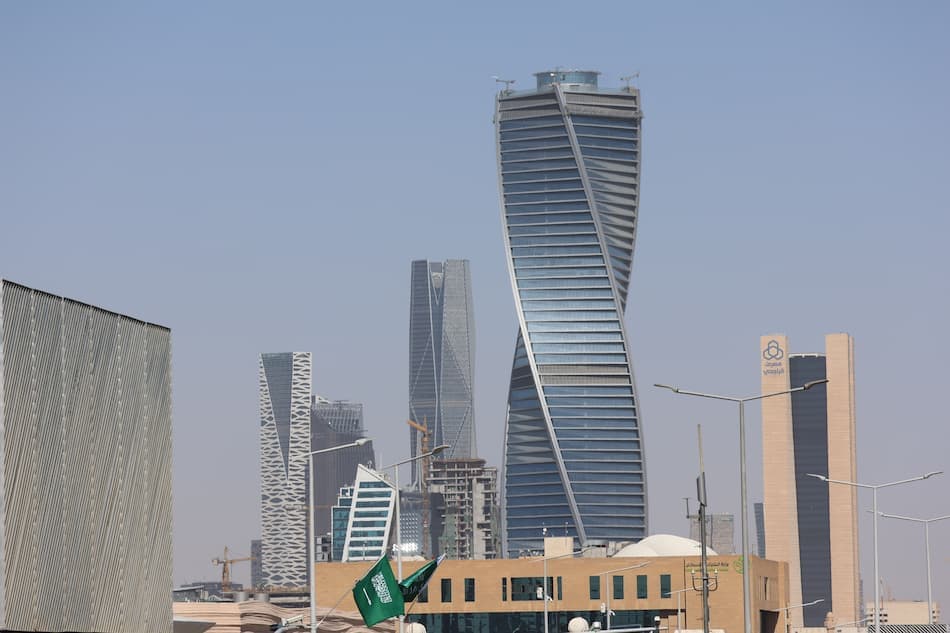
Saudi Arabia has secured the top global position in the International Telecommunication Union (ITU) Digital Readiness Index 2025, achieving a score of 94 out of 100. The ranking places the Kingdom in the “very high” category and reflects its rapid progress in digital infrastructure, connectivity, and technology-driven economic transformation.

The latest results mark a significant improvement from previous years, where Saudi Arabia ranked fourth globally with a lower score. The advancement underscores the country’s consistent investment in digital capabilities and its long-term strategy to position itself as a leading digital economy under Vision 2030.

Strong Performance Across Digital Infrastructure and Connectivity

The ITU Digital Readiness Index evaluates countries based on multiple indicators, including connectivity, digital infrastructure, and the effectiveness of digital services. Saudi Arabia’s high score highlights its strong performance across these areas, particularly in expanding access to high-speed networks and improving digital service delivery.

The Kingdom has made substantial progress in building advanced telecommunications infrastructure, which has been a key driver of its digital transformation. High mobile penetration rates, widespread broadband access, and ongoing 5G expansion have all contributed to strengthening the country’s digital ecosystem.

This infrastructure foundation has enabled both public and private sectors to accelerate digital adoption, supporting the growth of e-commerce, fintech, and digital services.

Digital Economy Driving Growth and Investment

Saudi Arabia’s leadership in digital readiness is closely linked to the rapid expansion of its digital economy. The ICT sector continues to play an increasingly important role in national economic growth, attracting both regional and international investment.

Government-led initiatives have focused on enhancing competitiveness, encouraging innovation, and creating a business-friendly environment for technology companies. These efforts are helping to position the Kingdom as a regional hub for digital commerce and emerging technologies.

The strong digital infrastructure and regulatory environment are also enabling businesses to scale efficiently, contributing to increased productivity and economic diversification.

Strategic Vision Behind the Transformation

The Kingdom’s achievement is largely driven by its long-term digital strategy under Vision 2030, which prioritizes technology as a key pillar of economic development. Investments in smart cities, digital government services, and innovation ecosystems have accelerated the pace of transformation.

Saudi Arabia has also focused on improving user experience in digital services, increasing accessibility, and fostering digital skills across the population. These initiatives ensure that digital transformation is not only infrastructure-led but also inclusive and sustainable.

Market Implications

Saudi Arabia’s top ranking in digital readiness signals a broader shift in the global digital economy, where countries with strong infrastructure, policy frameworks, and investment strategies are gaining a competitive edge.

For businesses operating in e-commerce and digital services, the Kingdom presents a rapidly evolving market with high growth potential. The combination of advanced connectivity, supportive regulation, and increasing consumer adoption creates a favorable environment for expansion.

As digital transformation continues to accelerate globally, Saudi Arabia’s progress highlights the importance of long-term strategy and sustained investment in building competitive digital economies.

Source:

Economy Middle East

Saudi Arabia’s 85% E-Payments Milestone Signals Positive Digital Payment Boom

Saudi Arabia’s 85% E-Payments Milestone Signals Positive Digital Payment Boom

Saudi Arabia is rapidly moving toward a cashless economy, with electronic payments now representing 85% of total retail transactions in 2025, marking a significant leap in the Kingdom’s digital transformation journey. This milestone highlights the accelerating adoption of fintech solutions and the success of long-term government strategies aimed at reducing cash dependency.

The growth builds on strong momentum from previous years. In 2024, electronic payments already accounted for 79% of retail transactions, up from 70% in 2023, reflecting a steady and consistent shift toward digital payment methods.

This rapid adoption is largely driven by Saudi Arabia’s Vision 2030 initiative, which prioritizes financial innovation and aims to create a fully digital economy. Government-backed programs, combined with the expansion of payment infrastructure, have made digital transactions more accessible and convenient for both consumers and businesses.

E-Payments Drive Saudi Arabia’s Digital Economy Transformation

A key factor behind this growth is the widespread use of mobile wallets, contactless payments, and real-time banking solutions. Platforms like mada, SADAD, and sarie have significantly improved transaction speed and reliability, encouraging consumers to move away from cash. At the same time, smartphone penetration and internet accessibility have enabled seamless adoption across urban and rural areas.

E-commerce growth has also played a major role. As online shopping continues to expand in the Kingdom, digital payment methods have become the default option for transactions. Retailers are increasingly integrating advanced payment technologies to meet consumer expectations for speed, security, and convenience.

In addition, the rise of fintech companies is intensifying competition and innovation within the sector. Saudi Arabia had over 200 licensed fintech firms by 2024, with ambitions to significantly increase this number in the coming years. This dynamic ecosystem is contributing to the development of new payment solutions, including buy-now-pay-later (BNPL), embedded finance, and cross-border payment systems.

Despite this strong progress, challenges remain. Cybersecurity concerns, regulatory complexities, and the need for continuous infrastructure upgrades require ongoing attention. However, collaboration between regulators, banks, and fintech players continues to strengthen the overall ecosystem.

Looking ahead, Saudi Arabia is well-positioned to become one of the leading digital payment markets globally. The shift toward cashless transactions is not just a technological change, it represents a broader transformation in consumer behavior and financial systems. As adoption continues to rise, digital payments are expected to play an even more central role in shaping the future of commerce in the region.

Source

Saudi Arabia, UAE and Oman Activate New Cargo Routes to Counter Strait of Hormuz Risks

Hormuz

Amid rising geopolitical tensions in the Gulf region, countries in the area have begun activating alternative logistics corridors to prevent potential disruptions in the Strait of Hormuz, one of the world’s most critical maritime trade chokepoints.

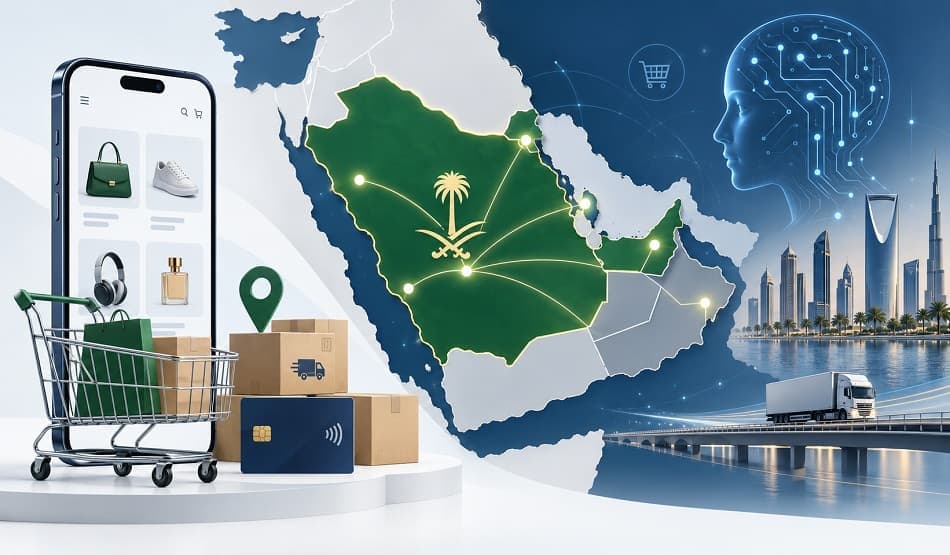
Saudi Arabia, the United Arab Emirates and Oman are reorganizing cargo flows through new land, rail and port connections to ensure that regional trade continues without interruption. These measures effectively create alternative cargo routes to mitigate risks related to the Strait of Hormuz.

In Saudi Arabia, a new logistics corridor program launched by the Saudi Ports Authority (Mawani) is linking Red Sea ports with Gulf markets. Jeddah Islamic Port, King Abdullah Port, the Yanbu ports, NEOM Port and Jazan ports have been positioned as key hubs within the new system. Containers arriving at these ports are transported by road to markets such as Kuwait, Bahrain, Qatar, the UAE and Oman, reducing trade dependence on the Strait of Hormuz.

UAE Identifies Alternative Routes to Hormuz

The United Arab Emirates is implementing a similar strategy. Part of the cargo traffic is being redirected to east-coast ports on the Gulf of Oman, including Fujairah and Khor Fakkan. Cargo arriving at these ports is then transported by road by DP World to Jebel Ali Port and other logistics centers.

At the same time, the national rail network operated by Etihad Rail has become an important part of the supply chain. Over the past nine days, more than 100 train trips have transported approximately 459,000 tonnes of cargo and nearly 8,000 containers.

Oman, meanwhile, is positioning the ports of Sohar, Duqm and Salalah as regional alternative gateways. The government has introduced new measures to accelerate customs and logistics processes, while facilitating transit operations through the Bayan electronic customs system.

Gulf Countries Handle a Significant Share of Cross-Border E-Commerce Shipments

These developments are not only critical for energy and industrial supply chains but also for global e-commerce logistics. As a major trade hub between Europe and Asia, Gulf countries handle a significant share of cross-border e-commerce shipments.

With the development of logistics corridors that bypass the Strait of Hormuz, e-commerce companies can maintain more secure and uninterrupted supply chains, particularly for electronics, fashion and consumer goods that require fast delivery.

According to experts, the new logistics infrastructure being established in the Gulf will not only serve as a safeguard during periods of crisis but will also strengthen the region’s strategic role in global trade and e-commerce logistics in the long term.