The UAE is taking another major step toward building a future-ready e-commerce logistics ecosystem. In a newly announced partnership, ENOC Group and 7X have signed a strategic agreement to accelerate digital transformation and last-mile innovation across the country.
The collaboration brings together ENOC’s extensive retail network with 7X’s logistics and transport capabilities creating new opportunities for faster, smarter, and more accessible delivery solutions.
A Strategic Move Toward Smarter Last-Mile Delivery
At the core of the partnership is a shared vision: improving last-mile efficiency, one of the most critical challenges in modern e-commerce.
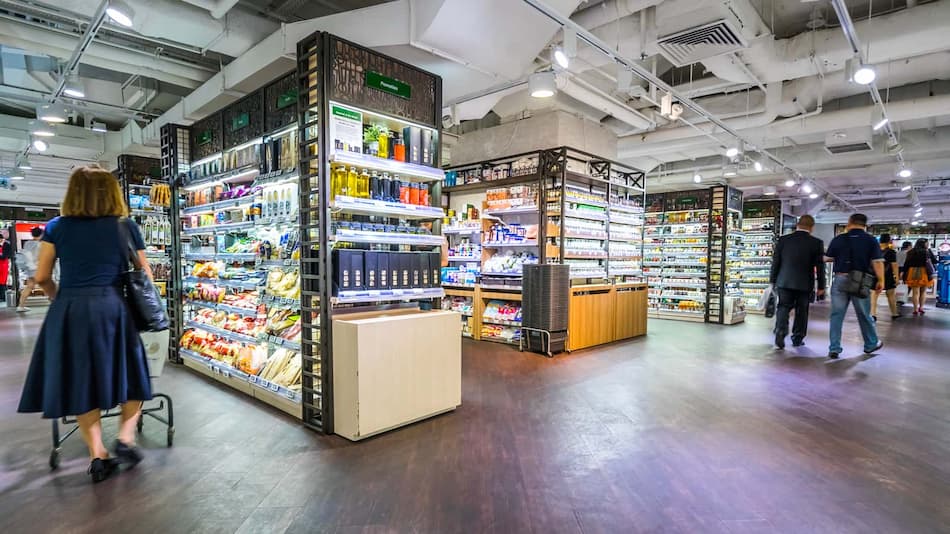
As part of the agreement, both companies will explore integrating 7X’s logistics infrastructure such as pick-up and drop-off (PUDO) points and smart lockers into ENOC’s nationwide retail network.
This move is expected to significantly enhance customer convenience while reducing delivery times and operational complexity for businesses.
Expanding Digital & Retail Capabilities
The collaboration goes beyond logistics. It also includes joint initiatives across:
These areas highlight a broader shift in the region: blending physical infrastructure with digital ecosystems to create seamless customer experiences.
For ENOC, this aligns with its growing role as more than just an energy provider evolving into a retail and mobility platform. For 7X, it strengthens its position as a key enabler of logistics innovation in the UAE.
Why This Matters for E-Commerce
This partnership reflects a larger trend reshaping global commerce: the rise of hyper-local fulfillment and integrated logistics networks.
By turning everyday locations like fuel stations into logistics touchpoints, companies can:
Reduce last-mile delivery costs
Improve delivery speed
Increase accessibility for customers
Support omnichannel retail strategies
In markets like the UAE where consumer expectations for speed and convenience are rapidly increasing these innovations are becoming essential rather than optional.
A Glimpse Into the Future of Logistics
The ENOC–7X partnership signals a future where logistics is no longer a backend function, but a customer experience driver.
As digital infrastructure, retail networks, and logistics systems continue to converge, we can expect:
More decentralized delivery models
Increased use of smart lockers and PUDO systems
Stronger integration between online and offline commerce
Ultimately, the companies that succeed will be those that can combine technology, infrastructure, and customer-centric design into one seamless ecosystem.
The UAE continues to strengthen its position as a global e-commerce hub, demonstrating resilience and efficiency even amid regional uncertainties. While global trade routes face disruptions, the country’s advanced logistics, digital infrastructure, and regulatory systems are ensuring that cross-border e-commerce remains uninterrupted.
A System Built for Speed and Stability
At the core of the UAE’s success is a highly integrated ecosystem combining logistics, digital platforms, and government frameworks. Today, nearly 98% of customs transactions are processed electronically, significantly reducing delays and enabling faster trade operations.
In many cases, shipments are cleared within minutes rather than hours, with up to 72% of cargo processed before arrival in Abu Dhabi. This level of efficiency allows businesses to maintain reliable delivery timelines and lower operational costs.
Strong Infrastructure Supporting Growth
Behind the seamless flow of goods lies a powerful logistics backbone. Dubai International Airport handled around 2.2 million tonnes of cargo, while DP World processed 88.3 million TEU globally, reinforcing the UAE’s role as a major trade gateway.
This infrastructure ensures that supply chains remain stable, even during periods of geopolitical tension, strengthening confidence among global businesses and investors.
Strategic Location Driving Global Access
The UAE’s geographic advantage allows companies to reach major markets across the Middle East, Africa, and South Asia within an eight-hour flight radius. This connectivity positions the country not just as a transit hub, but as a central control point for international trade flows.
Digital Transformation Accelerating Trade
Platforms like Dubai Trade and advanced customs systems have transformed trade processes. Tasks that once took up to 48 hours can now be completed in less than 10 minutes, significantly improving efficiency and reducing friction in cross-border e-commerce.
This digital-first approach enables businesses to operate with greater predictability, which is critical in today’s volatile global environment.
Rapid E-Commerce Market Expansion
The UAE’s digital commerce sector is also experiencing strong growth. The market reached approximately Dh32.3 billion in 2024 and is projected to exceed Dh50.6 billion by 2029, reflecting steady long-term expansion.
Across the wider MENA region, e-commerce is expected to grow from $34.5 billion to nearly $57.8 billion within the same period, with the UAE playing a central role in enabling this growth.
An Integrated Ecosystem for the Future
What sets the UAE apart is the alignment between infrastructure, regulation, financial systems, and technology. Free zones, advanced banking systems, and business-friendly policies all contribute to a seamless trade environment.
Looking ahead, the adoption of artificial intelligence and automation is expected to further enhance logistics efficiency and compliance processes, strengthening the country’s position as a global leader in digital trade.
As the global effects of the war in the Middle East continue to be seen, the Gulf countries, which held an important place in Türkiye’s cross-border e-commerce strategy, have been taken off the route. The new target of companies engaged in e-export in Türkiye has become Eastern Europe and the Turkic Republics. Twelve percent of e-export sales in Türkiye had been made to Gulf countries.
Due to the attacks by the United States and Israel against Iran and Iran’s subsequent targeting of Gulf countries, the war that broke out in the Middle East brought trade traffic almost to a halt. According to a report in Hürriyet, the war led to changes in Middle East cross-border e-commerce strategies in many countries. E-exporters in Türkiye also turned their route toward Eastern Europe and the Turkic Republics.
Türkiye’s Exports to Gulf Countries Fell 37 Percent Month-on-Month
According to the Turkish Ministry of Trade’s March 2026 data, Türkiye’s exports to Gulf countries fell by 37 percent month-on-month to $1.3 billion. In just one month, there was a loss of $815 million in exports to the countries of the region. The biggest loss was in Qatar, with a decline of 83 percent. In 2025, total exports to Gulf countries had amounted to approximately $31.1 billion, accounting for 11.4 percent of total exports.
Due to its logistics advantage, the Gulf region is also an important market for e-exports in Türkiye. The Gulf region had become a critical growth center in Türkiye’s e-export strategy. E-exports came under risk in the shadow of rising geopolitical tensions. According to sector representatives, Gulf countries, especially Dubai, the UAE, and Saudi Arabia, had been a “premium growth market” in recent years due to high basket averages, demand for luxury and fast-moving consumer goods, and the strong perception of Turkish brands.
Saudi Arabia Ranks First in E-Exports
According to the data of the Turkish Ministry of Trade, Saudi Arabia ranks first in e-exports in the Gulf region with a share of 39 percent. Iraq is in second place with 23.6 percent. Saudi Arabia, Iraq, and the UAE account for approximately 85 percent of Türkiye’s total e-exports to the Gulf region.
Representatives of the e-commerce and e-export sectors in Türkiye evaluated the effects of the Middle East war:
Mustafa Namoğlu: The war changed all plans and expectations
Mustafa Namoğlu, Co-Founder and CEO of ikas: “At the beginning of the year, there was a picture supporting sales to Gulf countries. However, the war changed all plans and expectations. High-value products see less demand during periods such as war, when general needs come to the forefront. Because the tension has affected energy markets, supply chains around the world have come under stress. This also leaves open the question of whether we can turn to other markets. Because the global economy has started to come under threat.”
Cenk Çiğdemli: European countries are leading this search
Cenk Çiğdemli, Member of the E-Commerce Council of the Union of Chambers and Commodity Exchanges of Türkiye (TOBB): “E-commerce companies focus all their campaigns on the Gulf. However, this changed with the war. Our companies are cautious about Gulf countries, and the search for alternative markets has accelerated. In this search, European countries are leading the way. North Africa, the Turkic Republics, and especially Eastern Europe are on our agenda. Investments and marketing budgets are shifting to these regions.”
Mustafa Gültepe: The war affected jewelry, cereals, and automotive the most
Mustafa Gültepe, Chairman of the Turkish Exporters Assembly (TİM): “Last month, our exports to all countries in the region except Oman declined. There is a loss of 30 percent in Iraq, 48 percent in the UAE, 41 percent in Iran, 29 percent in Saudi Arabia, 83 percent in Qatar, 70 percent in Kuwait, and nearly 81 percent in Bahrain. The war affected jewelry, cereals, and automotive the most.”
Sharjah’s innovation ecosystem is gaining momentum as the Sharjah Research, Technology and Innovation Park (SPARK) continues to attract startups and technology-driven businesses at scale.
In the early months of 2026 alone, SPARK recorded more than 1,200 licensing transactions, including new company formations and renewals. The steady inflow highlights sustained demand from startups and innovation-focused firms looking to establish and expand operations in the UAE.
The growth builds on a broader expansion of the ecosystem, which now includes more than 7,500 companies ranging from early-stage startups to global technology firms.
Startup Momentum Holds Despite Global Uncertainty
The continued rise in licensing activity comes at a time of global economic and geopolitical uncertainty. Despite these conditions, SPARK is seeing consistent interest from companies investing in long-term growth.
The park’s leadership has emphasized a shift toward scaling innovation into real economic value, with a focus on infrastructure, partnerships and commercialization. The model is designed not only to support early-stage startups but also to help companies grow beyond incubation and enter global markets.
Ecosystem Expansion and Global Positioning
SPARK’s ecosystem has expanded significantly, supported by partnerships with more than 30 local and international entities. These collaborations are helping connect startups with global markets, research institutions and industry networks.
New initiatives are also shaping the next phase of growth. The launch of BASE39, a dedicated hub for creative industries, signals a broader diversification beyond traditional technology sectors. The move aims to support design-led businesses and emerging talent, adding depth to the innovation ecosystem.
At the same time, international outreach remains a key driver. SPARK is actively working with global markets such as China and India to attract companies seeking entry into the UAE and the wider Middle East.
What This Means for the Regional E-Commerce Ecosystem
The rapid growth of SPARK reflects a broader shift in how innovation hubs compete globally. The focus is no longer limited to attracting startups, but on building integrated ecosystems that support scaling, partnerships and market access.
For e-commerce and technology businesses, this signals increasing opportunities in the UAE as a gateway to regional markets. With infrastructure, policy support and international connectivity aligned, Sharjah is strengthening its position as a hub for research, development and commercialisation.
As previously highlighted in WORLDEF’s coverage of global e-commerce expansion, ecosystems that combine innovation with scalability are becoming central to long-term growth strategies.
The pace of activity in early 2026 suggests that Sharjah’s approach is gaining traction. For startups and tech companies, the region is no longer just an entry point — it is becoming a destination for building and scaling global businesses.
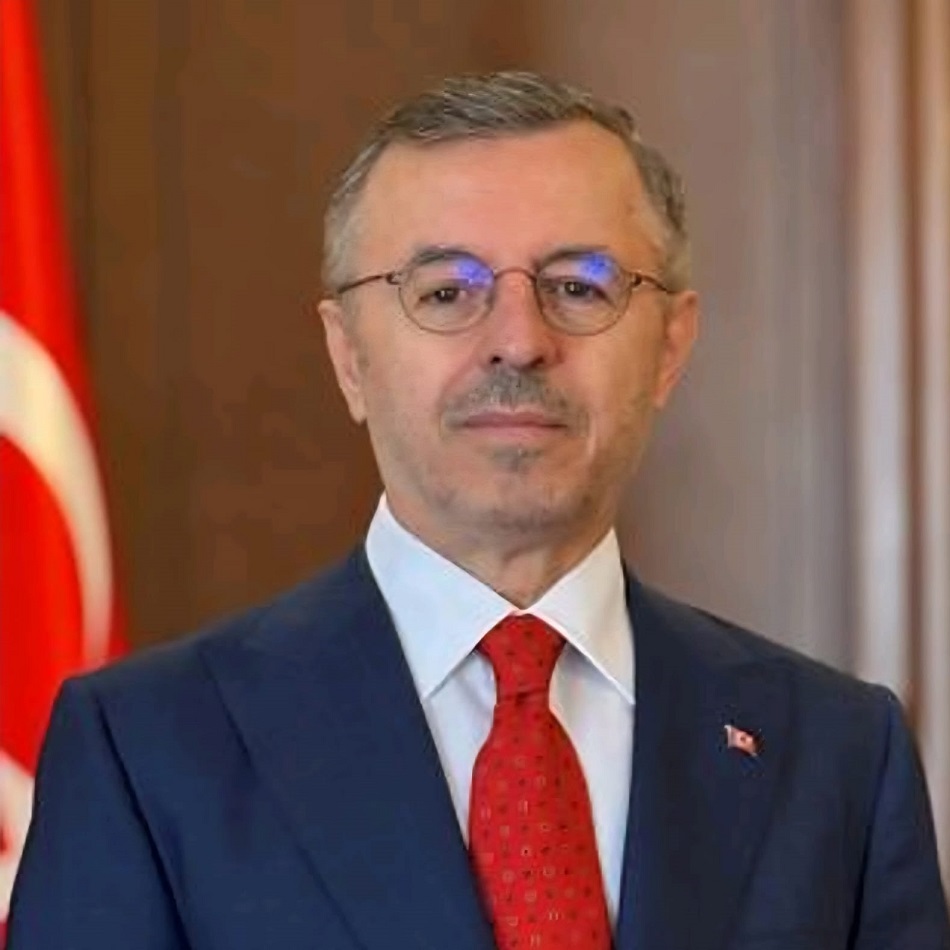
In this interview, we had the privilege of speaking with H.E. Mr. Lütfullah Göktaş, Ambassador of the Republic of Türkiye to the United Arab Emirates. We are grateful for his time and for sharing his thoughtful perspectives on the evolving Türkiye–UAE relationship. The conversation offers valuable insights into strategic partnership, digital trade, investment, and technological cooperation, while highlighting how shared visions and complementary economic strengths are shaping a deeper and more resilient bilateral framework.
UAE–Türkiye Strategic Outlook
The UAE and Türkiye have deepened their economic relationship significantly in recent years. How does the UAE view Türkiye as a partner in digital trade and the new economy?
I can approach this question from both perspectives because the viewpoints of Türkiye and the UAE are quite similar. Both nations view each other as beacons of stability in a volatile region. This alignment is not limited to the political sphere; it extends to financial, commercial, and investment sectors, where Türkiye and the UAE support one another’s endeavors and complement their respective future visions.
His Excellency President Recep Tayyip Erdoğan and His Highness President Sheikh Mohamed Bin Zayed Al Nahyan agreed to elevate Türkiye-UAE relations to the level of strategic partnership in 2023. The first meeting of the “High-Level Strategic Council” convened in Ankara last July, resulting in the signing of seven agreements, primarily in the fields of investment and economics.
The signing of the Comprehensive Economic Partnership Agreement (CEPA) in 2023 stands as the most robust testament to the flourishing relations between Türkiye and the UAE. Facilitated by the favorable environment created by this agreement, our bilateral trade volume doubled in 2023, exceeding $20 billion. In the following years, as UAE Minister of Foreign Trade His Excellency Thani Al Zeyoudi has stated, bilateral trade figures have reached even higher milestones, surpassing $40 billion.
Bilateral investments have become another cornerstone of our developing economic ties. Turkish companies have undertaken 149 projects worth $17.7 billion, making the UAE the 10th most important country globally for Turkish international contracting services.
These figures serve as concrete evidence of the complementary and mutually beneficial nature of the Turkish and Emirati economies. Our strategic partnership, expanding across commercial, investment, and financial fields, generates fruitful outcomes not only for our two nations but for the wider region and beyond as well. Rooted in the mutual benefit of the two countries and strategic visions of His Excellency President Erdoğan and His Highness President Sheikh Mohamed, our collaboration paves the way for a stable and secure future in a world where volatility and uncertainty have become the new norm.
What distinguishes Türkiye as an attractive destination for UAE investors and tech-driven companies?
Türkiye’s attractiveness for UAE investors lies in the rare convergence of scale, capability, and strategic geography—a combination that few markets currently offer in one package.
Türkiye is one of the largest consumer markets in its wider region, with over 85 million people, high digital adoption, and a consumption profile that supports rapid scaling of platforms, marketplaces, and digital services. For UAE investors accustomed to building regional champions, Türkiye provides both a substantial domestic base and a springboard to adjacent markets.
Türkiye has evolved into a production-plus-technology economy, rather than a purely consumption-driven one. Unlike many emerging markets, Türkiye combines advanced manufacturing, strong industrial supply chains, and a growing software and digital services layer. This allows UAE tech-driven companies not only to sell into Türkiye, but to build, test, and export from Türkiye, particularly into Europe, MENA, and Central Asia.
Thirdly, cost-efficiency with sophistication is a major differentiator. Türkiye offers globally competitive engineering, product, and operations talent at costs that remain attractive compared to Western Europe or even parts of Eastern Europe. For UAE investors facing rising global tech costs, Türkiye represents a market where capital can be deployed more efficiently without sacrificing quality or execution speed.
Another critical factor is geostrategic positioning. Türkiye sits at the intersection of multiple trade corridors and time zones, enabling near-real-time operational overlap with Europe, the Gulf, and Asia. For UAE companies building cross-border platforms—whether in e-commerce, fintech, logistics, or SaaS—this makes Türkiye an ideal operational and regional coordination hub.
Finally, there is a strategic alignment of long-term visions. UAE investors increasingly favor partnerships that deliver technology transfer, ecosystem development, and regional integration rather than short-term financial returns. Türkiye’s policy focus on high-value foreign direct investment, digitalization, and export-oriented growth resonates strongly with this approach.
In summary, Türkiye stands out not because it offers a single advantage, but because it brings together scale, talent, industrial depth, and regional reach in a way that aligns naturally with the UAE’s ambition to build globally competitive, tech-enabled platforms.
CEPA & Digital Market Integration
How do you see CEPA transforming bilateral e-commerce flows, especially by lowering barriers and enabling faster cross-border transactions?
The Türkiye-UAE Comprehensive Economic Partnership Agreement (CEPA) represents a key driver in accelerating bilateral e-commerce. By reducing regulatory and operational barriers, simplifying customs processes, and enhancing transparency, CEPA lowers the cost and complexity of cross-border online trade. This is especially impactful for small and medium-sized enterprises and digital startups, enabling them to access each other’s markets more easily while benefiting from Türkiye’s strong production and e-commerce capabilities and the UAE’s role as a global logistics and fintech hub.
At the same time, CEPA facilitates faster and more secure cross-border transactions by improving trade facilitation, logistics efficiency, and digital trade frameworks. Clearer rules on electronic payments, data flows, and consumer protection help build trust and encourage businesses to scale their operations with confidence. Beyond increasing transaction volumes, the agreement lays the foundation for a deeper digital partnership, positioning Türkiye and the UAE to strengthen regional e-commerce connectivity and jointly expand into third markets.
UAE Investments in Türkiye
Türkiye investments in UAE continue to grow across different sectors. What long-term strategic priorities guide these investments?
I can name multiple priorities. Nevertheless the most significant ones are: Strengthening the mutual development in the fields not only crucial for today, but also for the future; empowering the stability to foster a fertile environment for our business people to grow, cooperate and support our industries to innovate products for the benefit of the third parties; and last but not least, collaborate in the future technologies that will generate outcomes beneficial not only for Türkiye and the UAE, but also for the whole world.
In this respect, I can proudly state that we have already made significant progress towards these objectives. Currently, there are multiple data center projects in which UAE initiatives are investing in Türkiye. Simultaneously, Turkish companies are undertaking the Dubai Metro Blue Line project. DP World and AD Ports are leveraging Türkiye’s strategic location by collaborating with their Turkish partners on long-term logistics investments. Additionally, our multilateral cooperation with Iraq and Qatar on the “Development Road Project” elevates our solidarity to a playmaker position and is redefining the rules of global supply chain routes.
However, these are merely the first steps of our robust cooperation. We still have a long way to go and significant potential to fulfill in sectors such as tourism and hospitality, pharmaceuticals, manufacturing, food and agriculture, and advanced technologies and so on. Thanks to the cordial mutual relations between our Presidents, we are working diligently to pave the way for our business leaders, assisting them in carrying the flag of both nations in the field of economic diplomacy.
How do UAE companies perceive Türkiye’s digital infrastructure, talent pool, and entrepreneurial ecosystem?
UAE companies generally view Türkiye’s digital infrastructure as reliable, evolving, and capable of supporting long-term growth. The country has made steady progress in digital connectivity, payments systems, and technology adoption, which provides a supportive framework for modern business operations and cross-border collaboration.
Türkiye’s talent pool is widely recognized as one of its key strengths. The availability of well-educated, adaptable, and internationally experienced professionals contributes significantly to investor confidence. This human capital, combined with a strong culture of entrepreneurship, supports innovation and encourages the development of new business models and partnerships.
From the perspective of UAE companies, Türkiye’s entrepreneurial ecosystem reflects a growing maturity. It demonstrates not only creativity and ambition, but also an increasing capacity to scale and integrate with regional and global markets. This makes Türkiye a natural partner for UAE businesses seeking to expand their regional footprint through cooperation rather than competition.
What opportunities exist for collaboration between e-commerce platforms in the UAE and Turkish sellers looking to scale regionally?
The UAE’s advanced marketplaces, digital infrastructure, and logistics capabilities provide an ideal gateway for Turkish businesses to access wider regional markets, enabling faster entry, efficient fulfillment, and improved delivery performance. Through partnerships in areas such as seller onboarding, digital payments, marketing, data analytics, and shared fulfillment solutions, Turkish companies can scale more effectively while UAE platforms diversify their offerings with high-quality Turkish products. These collaborations go beyond immediate commercial gains, contributing to a more integrated and resilient regional e-commerce ecosystem that benefits both countries.
Innovation, Logistics & New Economy Sectors
With the rise of AI, last-mile delivery innovations, and digital logistics corridors, how do you see the next stage of UAE–Türkiye cooperation unfolding?
The next stage of cooperation between the United Arab Emirates and Türkiye will be shaped by a shared understanding that technology is a key enabler of sustainable economic partnership. As global trade becomes increasingly digital, both countries recognize the importance of aligning their strengths to support innovation, efficiency, and inclusive growth.
Artificial intelligence will sit at the center of this transformation. Ongoing data center investments by UAE players including G42’s Khazna, Gulf Data Hub’s Castle Investments and Damac’s Edgnex combined over USD 1 billion is a great testament of how AI will shape the future of this rapid transformation.
In this context, advances in artificial intelligence, digital logistics, and smart delivery solutions should be viewed not merely as technological developments, but as tools that deepen economic connectivity between our two nations. These technologies allow businesses—large and small—to operate more efficiently, reach new markets, and respond more effectively to changing consumer expectations.
The UAE and Türkiye are well positioned to complement one another. The UAE’s role as a regional logistics and digital commerce hub, combined with Türkiye’s strong production capacity and growing digital capabilities, creates a natural foundation for closer cooperation. Together, we can work toward trade corridors that are not only faster, but also more transparent, reliable, and resilient.
Importantly, this next phase of cooperation will be inclusive. By improving digital and logistics infrastructure, we are creating opportunities not just for major companies, but also for small and medium-sized enterprises to participate more actively in cross-border trade. This supports job creation, entrepreneurship, and long-term economic stability in both countries.
Looking ahead, UAE–Türkiye collaboration in digital trade and logistics reflects a broader commitment to partnership, openness, and shared prosperity. By continuing to engage in dialogue, align standards, and encourage collaboration between our private sectors, we can ensure that technological progress translates into tangible benefits for our economies and our people.
The next phase of UAE–Türkiye cooperation will focus on deeper technological and logistical integration. Advances in artificial intelligence create strong potential for joint efforts in areas such as enhanced customer experiences, while innovation in last-mile delivery through smart systems in warehousing and delivery models will improve efficiency and resilience. At the same time, developing digital logistics corridors with real-time data sharing and faster customs processes will further strengthen bilateral trade. By aligning standards and promoting public-private collaboration, Türkiye and the UAE can build seamless supply chains that connect multiple regions and position both countries as leaders in digital trade and smart logistics.
What role do events like WORLDEF Dubai 2026 play in bringing the two economies closer together in e-commerce, innovation, and investment?
They play an important role in strengthening ties between our two economies by creating a shared platform for collaboration in e-commerce, innovation, and investment. By bringing together policymakers, industry leaders, startups, and investors, these gatherings encourage the exchange of expertise, showcase new technologies, and help align strategic priorities. They also translate dialogue into tangible partnerships, offering Turkish companies greater access to regional capital and markets while enabling UAE stakeholders to engage directly with Türkiye’s dynamic digital and production ecosystems. In this way, such events function as strategic connectors that deepen bilateral cooperation and accelerate cross-border growth.
The United Arab Emirates (UAE) has launched the AI-powered “Promising Talents” platform in order to support young and promising talent across federal public institutions.
Promising Talents, which was launched by the Federal Authority for Government Human Resources, aims to strengthen the national workforce and prepare the professionals of the future starting today. The platform was designed in line with the UAE government’s vision to develop human capital. The goal is to raise a new generation of qualified and well-equipped specialists who can adapt to the transformations that will take place in the future.
The Era of Digital Infrastructure in Talent Management Begins with Promising Talents
“Promising Talents” was developed to manage talent management processes on the public side in a holistic way in a digital environment. The system integrates candidate profiles with the “Bayanati” human resources system and the “Jahiz” platform. In this way, all stages such as the identification, evaluation, development, onboarding, and retention of talent can be tracked through a single digital structure. Thanks to this infrastructure, it is aimed to create a more common and standardized approach in talent discovery and development processes across federal institutions.
It Will Support the Data-Driven Decision-Making Process
Promising Talents is not limited to only automating processes; it also provides analytical data and performance indicators. This structure contributes both to impact analysis and to increasing efficiency. Enabling institutions to make faster and data-based decisions is also among the prominent goals of the system.
Future Leadership Teams Are Targeted
Faisal bin Butti Al Mheiri, Director General of the Federal Authority for Government Human Resources, stated that the Promising Talents initiative is part of the effort to establish an integrated and sustainable human capital ecosystem. According to Al Mheiri, the platform will create a significant change with its smart and data-driven model in identifying and developing young talent. The new system is expected to contribute to a sustainable, innovative, and future-ready public administration model in the UAE.
UAE-based venture capital firm Phoenix Venture Partners (PVP) completed the third closing of its first fund, the Phoenix Venture Partners Innovation Fund. At this stage, the company added new investors from the United States, France, Saudi Arabia, Kuwait, and the United Arab Emirates to the fund structure.
The new investor group included institutional investors, single-family offices, and high-income individual investors. This development showed that international interest in innovation-focused ventures in the Gulf and MENA region continues.
Phoenix Venture Focuses on Early-Stage Ventures
Phoenix Venture Partners’ fund invests in early-stage ventures operating in areas such as fintech, healthtech, edtech, mobility, agrifood, energy, and consumer technologies. Although the fund’s main focus is the MENA region, the company is turning toward business models with growth potential on a global scale.
PVP continues to deploy capital especially into ventures developing scalable technology solutions and carrying high growth potential. With the goal of supporting the new generation of founders in the region, the company will keep the fund open to new commitments until its final closing in October 2026.
The Second Closing Came Last Year
The company had completed the second closing of its $50 million inaugural fund in March last year. With the third closing, Phoenix Venture Partners appears to have both expanded its investor base and increased its influence in the Gulf-based entrepreneurship ecosystem.
PVP Founder and CEO Steve Khayat emphasized that investor confidence has continued despite current regional sensitivities, noting that this demonstrates the resilience of the GCC venture capital ecosystem. Khayat also stated that the company will continue to support the regional entrepreneurship network, particularly Abu Dhabi Global Market (ADGM).
Pakistan’s retail sector is undergoing a major transformation, driven by digital adoption, e-commerce expansion, and increasing foreign investment. At the center of this shift is Naheed, a long-established retailer that is redefining how traditional retail and digital commerce can coexist.
Founded in the 1970s as a small grocery store in Karachi, Naheed has evolved into one of Pakistan’s leading omnichannel retailers. Today, the company operates a 52,000-square-foot retail hub and has built a strong e-commerce presence offering more than 80,000 products to customers across the country.
From Traditional Retail to Omnichannel Leadership
Naheed’s growth reflects a broader trend in Pakistan, where legacy retailers are transitioning toward digital-first models. By combining its physical store experience with a robust online platform, the company has created a seamless omnichannel ecosystem.
This approach has helped Naheed build strong customer trust, leveraging decades of brand recognition while adapting to modern consumer expectations. As a result, it has become one of the largest standalone e-commerce players in Pakistan.
AI and Technology Shape the Future
Innovation is playing a central role in Pakistan’s retail evolution. Naheed is now focusing on integrating advanced technologies, including plans to develop an AI-driven data center to enhance operations, customer insights, and scalability.
This move highlights how Pakistani retailers are increasingly investing in data and automation to stay competitive in a rapidly changing digital landscape.
UAE Partnerships Boost Pakistan Retail Growth
International collaboration is becoming a key driver of Pakistan’s retail transformation. Naheed is actively exploring partnerships with UAE investors, aiming to leverage their technological expertise and infrastructure capabilities.
According to company leadership, such collaborations could significantly accelerate innovation and unlock new growth opportunities for Pakistan’s retail ecosystem.
Expanding Product Ecosystems
To diversify its offering, Naheed has expanded beyond traditional grocery retail by launching new verticals such as Naheed Pharmacy, focusing on health, beauty, and wellness products.
This reflects a growing trend in Pakistan where retailers are evolving into multi-category platforms, similar to global marketplace models.
A Market with Strong Growth Potential
Pakistan presents a compelling opportunity for investors, supported by a young population, with around 65% aged between 18 and 35, and a rapidly growing middle class.
As digital infrastructure improves and consumer behavior shifts online, the country is emerging as a high-potential market for e-commerce and retail innovation.
Pakistan’s retail sector is entering a new phase where technology, partnerships, and omnichannel strategies are redefining the industry. Companies like Naheed are not only adapting to change but actively shaping the future of commerce in the region.
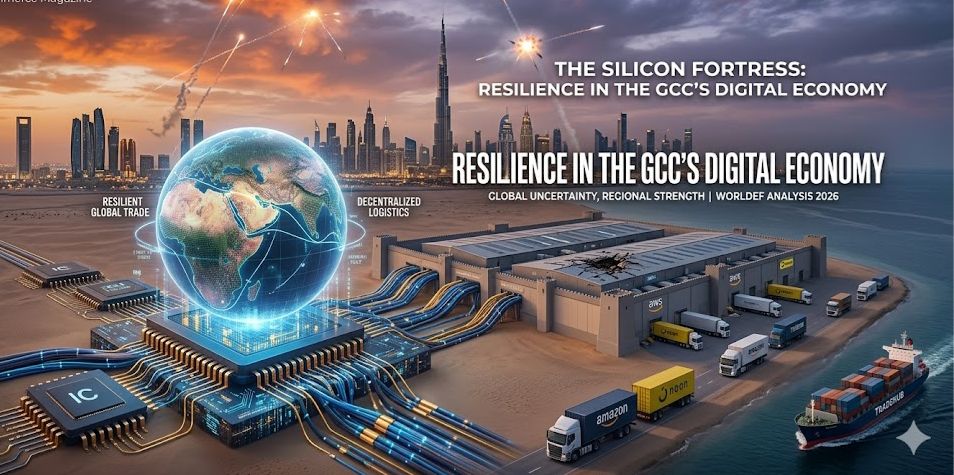
E-commerce in the GCC is facing its most significant resilience test to date. The sirens that echoed across Abu Dhabi and Dubai in early March 2026 told two very different stories. To the global news cycle, the sight of air defence streaks over the Burj Khalifa signalled a region at a breaking point. But on the ground, the reality was a testament to the UAE’s sophisticated national readiness. Despite almost 2000 drone and missile threats intercepted by the Ministry of Defence this month, there has been no chaos and no panic. Malls remain open, schools have seamlessly pivoted to remote learning, and the government’s 4-to-6-month strategic reserve of essential goods has kept shelves full and prices stable. Yet, while the streets are quiet, the digital economy, the “invisible engine” of the Gulf, is experiencing a profound and unprecedented stress test.
I. The Physicality of E-commerce: A Logistics Architecture Under Siege
The fundamental paradox of the Middle Eastern digital economy is its reliance on physical bottlenecks. While a consumer in Riyadh interacts with a sleek interface, the fulfilment of that transaction depends on a hyper-efficient network of shipping lanes and air corridors. The current escalation has exposed the jugular vein of this system: the Strait of Hormuz.
With the waterway effectively closed to commercial traffic, the maritime lifeblood of GCC e-commerce has slowed to a trickle. War-risk insurance premiums for containers have jumped to 1% of hull value, a staggering increase from the 0.02% seen in January. For the high-volume, low-margin world of digital trade, these costs are transformative. Furthermore, the GCC’s status as an aviation hub has been tested by the imposition of rolling airspace closures. With air-cargo capacity slashed, the “Next-Day Delivery” promise has, for many, been replaced by a “Wait-and-See” reality.
II. E-commerce Platforms as Geopolitical Infrastructure
In this crisis, e-commerce platforms have ceased to be mere marketplaces; they are now critical national infrastructure. The “real damage” became clear on March 1st, when Amazon Web Services (AWS) confirmed drone strikes damaged two data centres in the UAE and one in Bahrain. This was the first publicly confirmed military strike on a hyperscale cloud provider, and the ripple effects were immediate.
Amazon’s Defensive Pivot: Amazon temporarily shuttered its Abu Dhabi fulfilment centre and suspended deliveries across the emirate. While nearly 300,000 third-party sellers face delays, the company’s decision was rooted in a “safety-first” protocol rather than a failure of the system itself.
The Noon Resilience: Conversely, Noon has leveraged its hyper-local “dark store” network to maintain service. While global giants have paused, local players are proving that a decentralised, regional-first logistics model is better suited for a kinetic environment.
The Fintech Pulse: The strikes on cloud infrastructure led to “higher error rates” for digital payment gateways such as Tabby, Tamara, and PayTabs. However, the UAE’s rapid shift to software-based recovery paths has prevented a total financial freeze, allowing the domestic economy to continue functioning even as its global links are strained.
III. Supply Chain Fragility in a Digital Marketplace
The current crisis has effectively broken the traditional drop-shipping and cross-border models. The UAE, long the region’s re-export hub, is navigating a pincer movement of geopolitical risk.
Inventory Paralysis: As container routes are rerouted around the Cape of Good Hope, restocking lead times have doubled. For B2B platforms like Tradeling, this means empty shelves and stalled projects.
The Logistics Heavyweights: While Aramex and DHL continue to move goods, they are doing so under a “war-risk” framework. The rerouting of shipments to alternative ports and the rise in surcharges have made “free shipping” a relic of the pre-war era.
The Ambition Test: The GCC’s goal of becoming a $135 billion e-commerce market by 2025 is currently facing the reality of $90+ oil and 300% insurance spikes. This is a moment of forced evolution for every player from Namshi to Talabat.
IV. Solutions and the Path Forward
The damage is real, estimated to be a 1.8-percentage-point drag on 2026 GDP forecasts, but the solutions being forged in the heat of this crisis will define the next decade.
The Saudi Land Bridge: To bypass the Strait of Hormuz, the region is accelerating rail and road corridors connecting the UAE directly to Saudi Arabia’s Red Sea ports.
Sovereign Digital Rails: There is an urgent push for domestic payment systems and “Hardened Edge Computing”, smaller, decentralised data centres that can survive localised strikes without bringing down the entire regional network.
Decentralised Warehousing: The era of the “Mega-Fulfilment Centre” is giving way to a “Micro-Hub” strategy, distributing inventory across more locations to minimise the impact of a single facility’s closure.
Conclusion: A Negative Shock, a Positive Evolution
The outlook for the Gulf’s digital economy is a complex binary. In the short term, the outlook is negative: the loss of momentum during the crucial Ramadan season and the physical damage to infrastructure are significant setbacks. However, the long-term outlook is overwhelmingly positive.
By stripping away the illusion of “frictionless” trade, this crisis is forcing the GCC to build the world’s most resilient, sovereign digital ecosystem. The UAE and its neighbours are not just surviving a war; they are redesigning the architecture of the 21st-century economy. The “Silicon Mirage” has vanished, replaced by a “Silicon Fortress”, a digital economy that is as rugged as it is ambitious. The Gulf is no longer just a place where the world’s goods pass through; it is becoming the place where the future of resilient trade is written. The Gulf is moving from being a “transit hub” for global goods to a “fortress of inventory,” a shift that will ultimately make it the world’s most resilient digital market by 2027.
Amid rising geopolitical tensions in the Gulf region, countries in the area have begun activating alternative logistics corridors to prevent potential disruptions in the Strait of Hormuz, one of the world’s most critical maritime trade chokepoints.
Saudi Arabia, the United Arab Emirates and Oman are reorganizing cargo flows through new land, rail and port connections to ensure that regional trade continues without interruption. These measures effectively create alternative cargo routes to mitigate risks related to the Strait of Hormuz.
In Saudi Arabia, a new logistics corridor program launched by the Saudi Ports Authority (Mawani) is linking Red Sea ports with Gulf markets. Jeddah Islamic Port, King Abdullah Port, the Yanbu ports, NEOM Port and Jazan ports have been positioned as key hubs within the new system. Containers arriving at these ports are transported by road to markets such as Kuwait, Bahrain, Qatar, the UAE and Oman, reducing trade dependence on the Strait of Hormuz.
UAE Identifies Alternative Routes to Hormuz
The United Arab Emirates is implementing a similar strategy. Part of the cargo traffic is being redirected to east-coast ports on the Gulf of Oman, including Fujairah and Khor Fakkan. Cargo arriving at these ports is then transported by road by DP World to Jebel Ali Port and other logistics centers.
At the same time, the national rail network operated by Etihad Rail has become an important part of the supply chain. Over the past nine days, more than 100 train trips have transported approximately 459,000 tonnes of cargo and nearly 8,000 containers.
Oman, meanwhile, is positioning the ports of Sohar, Duqm and Salalah as regional alternative gateways. The government has introduced new measures to accelerate customs and logistics processes, while facilitating transit operations through the Bayan electronic customs system.
Gulf Countries Handle a Significant Share of Cross-Border E-Commerce Shipments
These developments are not only critical for energy and industrial supply chains but also for global e-commerce logistics. As a major trade hub between Europe and Asia, Gulf countries handle a significant share of cross-border e-commerce shipments.
With the development of logistics corridors that bypass the Strait of Hormuz, e-commerce companies can maintain more secure and uninterrupted supply chains, particularly for electronics, fashion and consumer goods that require fast delivery.
According to experts, the new logistics infrastructure being established in the Gulf will not only serve as a safeguard during periods of crisis but will also strengthen the region’s strategic role in global trade and e-commerce logistics in the long term.