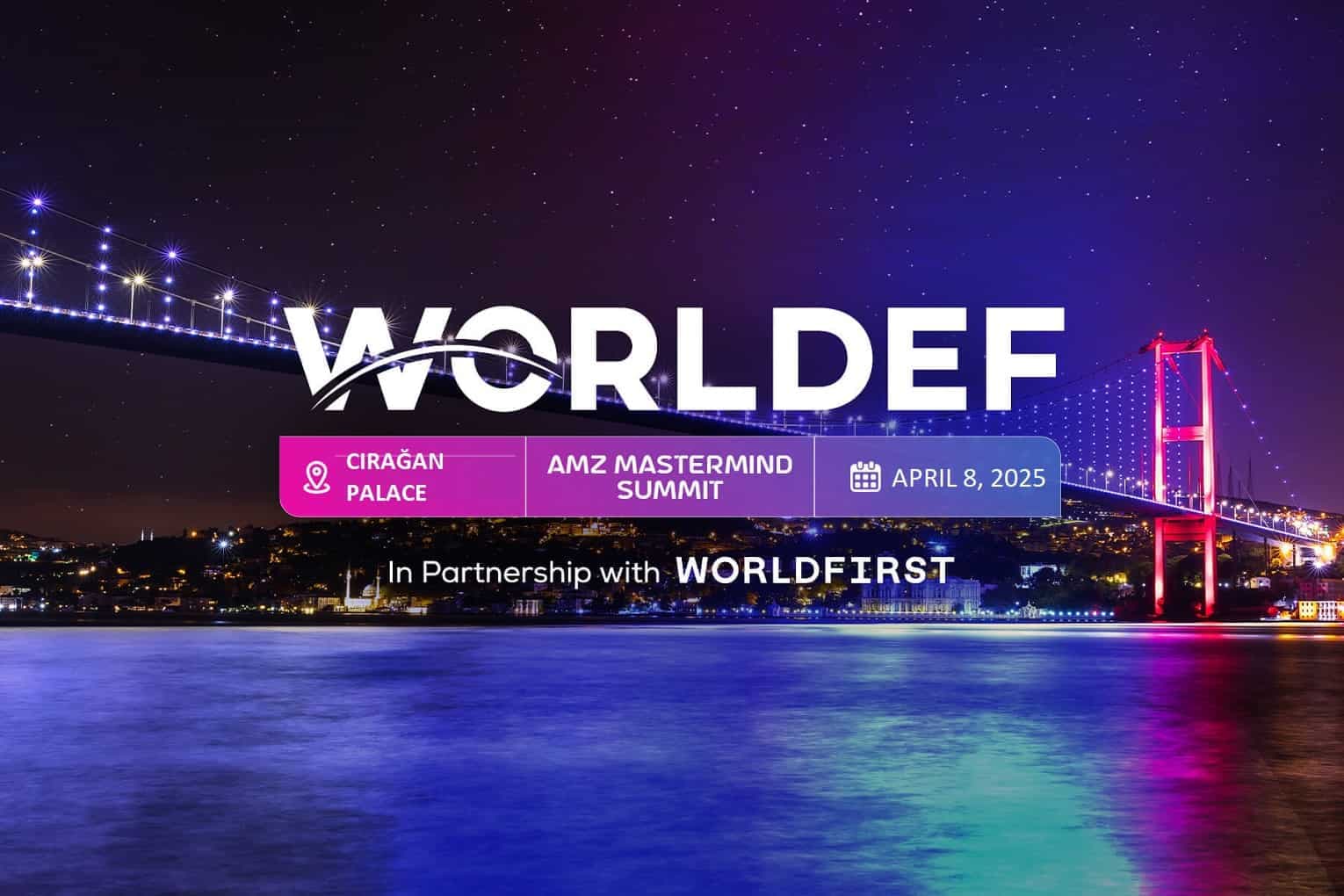
WORLDEF ISTANBUL 2026 - Upcoming Event

Register Now

WORLDEF DUBAI 2026 to Host the Startup Competition: Zero-to-One

Oraseya Capital is organizing a startup competition at WORLDEF DUBAI 2026. As part of the event, the “Zero-to-One Startup Competition” will take place on the second day of DUNE Venture Days, which is specifically designed for the venture capital world, free of charge, and by invitation only. The competition aims to support and highlight the most promising early-stage ventures.

Network International Becomes the First Payment Platform to Enable Stablecoin Payments in the UAE with AE Coin

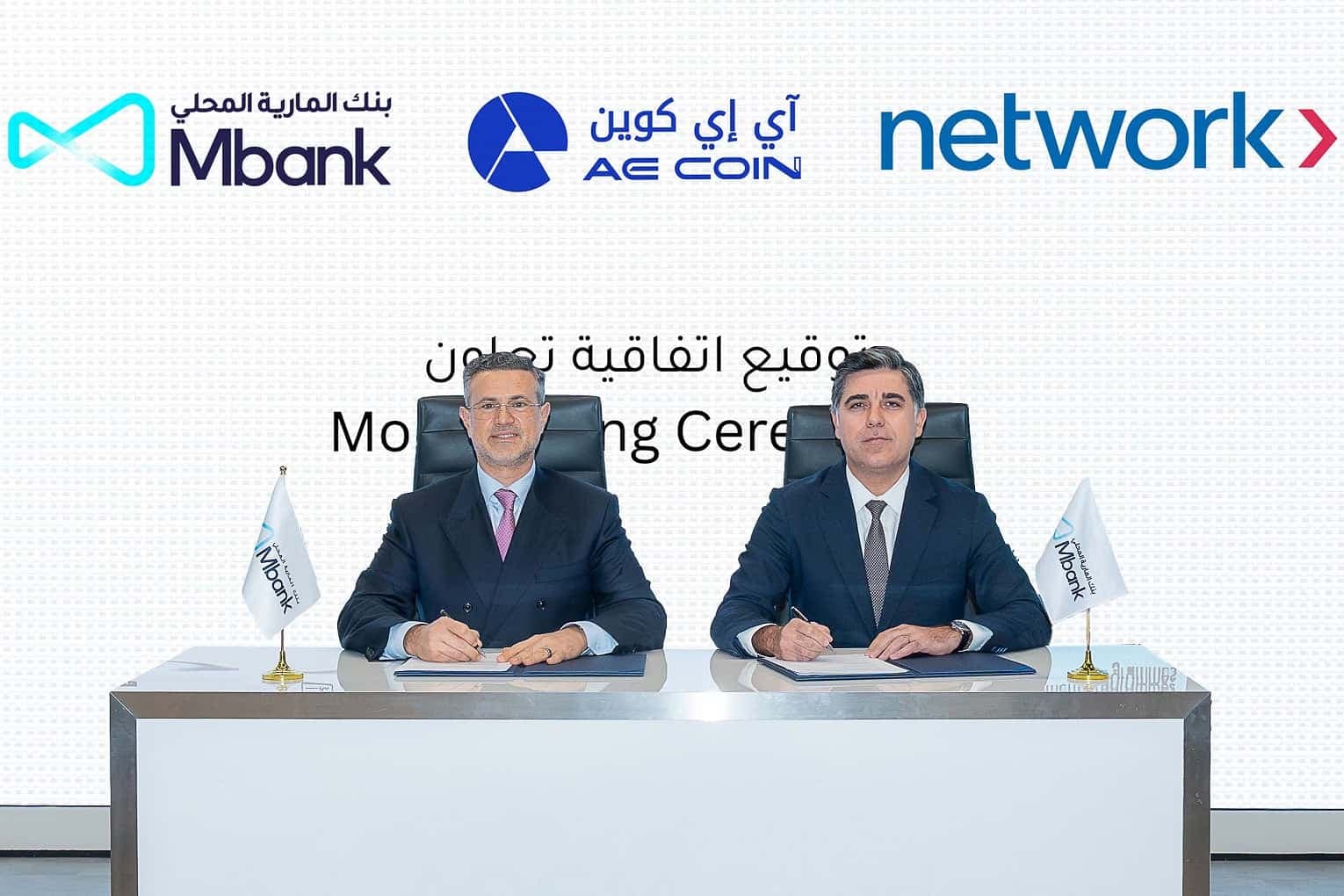
Network International, one of the leading fintech companies in the Middle East and Africa, has become the first payment platform to support regulated Stablecoin payments in the UAE through AE Coin acceptance. This milestone follows the signing of a Memorandum of Understanding (MoU) with Al Maryah Community Bank (MBank).

Through this partnership, AE Coin, the UAE’s first Central Bank-licensed and fully reserved AED-denominated stablecoin, will be integrated into Network International’s point-of-sale (POS) and e-commerce payment systems. This integration will allow merchants to seamlessly accept AE Coin for payments across both physical and digital channels.

Network International’s partnership aligns with its broader strategy to expand its digital payment ecosystem and solidify its market-leading position in supporting alternative and next-generation payment methods in the UAE. By accepting regulated AED stablecoins, the company continues to demonstrate its commitment to advancing digital payment solutions.

“Network’s Payment Infrastructure Will Enable Secure and Compliant AE Coin Acceptance”

Murat Cagri Suzer, Group CEO of Network International, emphasized the importance of the partnership: “As the first payments platform to enable Stablecoin acceptance in the UAE, our partnership with MBank is an important milestone in bringing regulated AE Coin payments into everyday commerce. Network’s payment infrastructure will enable secure and compliant AE Coin acceptance across POS and e-commerce channels, giving businesses and consumers greater flexibility and enhanced choice, while advancing the adoption of next-generation payment capabilities at scale.”

Expanding Payment Options for Merchants and Consumers

This new payment option offers merchants the ability to accept AE Coin as a secure and innovative payment method. It also provides consumers with an additional way to pay for products and services. The integration of AE Coin into the payment ecosystem will increase consumer choice and strengthen the UAE’s digital payments ecosystem.

Mohammed Wassim Khayata, CEO of Al Maryah Community Bank, stated, “This partnership represents a significant step forward in integrating regulated digital payments into everyday commerce in the UAE. By enabling AE Coin acceptance through the AEC Wallet in collaboration with Network International, we are offering merchants and consumers secure and compliant payment options. At MBank, our goal is to support innovations that are fully aligned with regulatory frameworks while providing real value to the market.”

UAE’s Leadership in Digital Payments and Stablecoin Adoption

This collaboration marks a significant milestone in the evolution of regulated stablecoin payments in the UAE. Ramez Rafeek, General Manager of AED Stablecoin LLC, said, “Enabling AE Coin acceptance across Network International’s POS and e-commerce infrastructure marks an important milestone in the evolution of regulated stablecoin payments in the UAE. This partnership demonstrates how a Central Bank-licensed, AED-denominated stablecoin can be seamlessly integrated into existing payment ecosystems and support real-world use cases at scale. It reflects the UAE’s leadership in building a trusted, future-ready digital payments environment.”

About the Partners

Network International is the leading fintech company in the Middle East and Africa, simplifying payments and commerce to help businesses and economies grow. The company serves over 250 financial institutions and more than 240,000 merchants in over 50 countries.

Al Maryah Community Bank is the UAE’s first fully integrated digital bank, offering an omnichannel experience to both individual consumers and businesses. The bank is focused on growth and innovation, supporting the UAE community and businesses.

AE Coin is a regulated stablecoin by the Central Bank of the UAE, offering secure, transparent, and efficient financial services. AE Coin, focused on payments, DeFi integration, and rewards systems, is redefining digital finance innovation in the region

Paribu Acquires CoinMENA at a USD 240 Million Valuation

Saudi Arabia, Recorded the Highest Monthly E-Commerce Sales of All Time

Saudi Arabia, in October 2025 e-commerce field-in up-to-now-of the highest monthly sales figure-to reached. This increase, strong consumer demand-its reflecting-while, expanding online platforms and cashless payment systems-their becoming widespread-with supported digital transformation agenda-of progressing-to pointed.

According to official data published by the Saudi Central Bank, digital transactions carried out via mada cards by exceeding 30.7 billion SAR the country’s digitalization process-in acceleration and electronic payment methods-to increasing dependence revealed.

Record Monthly Increase Showed That Digital Transformation Is Accelerating

According to the Saudi Central Bank’s October 2025 statistical bulletin, e-commerce transactions made with mada cards on a monthly basis to a historic level reached. Sales, by exceeding 30.7 billion SAR, compared to October 2024 on an annual basis percent 68 increase recorded.

When looked at with absolute figures, e-commerce sales from approximately 18.3 billion SAR level in the same month of last year by approximately 12.4 billion SAR increase showed. This strong rise, increasing consumer confidence, developing digital infrastructure and online retail and service platforms-their becoming widespread-with supported digital shopping-in noticeable expansion reflected.

In monthly comparison however, e-commerce sales in October by percent 6 increasing, compared to approximately 29.1 billion SAR level in September 2025 by approximately 1.6 billion SAR rose. This stable monthly growth, demand’s continuity and online channels-in mada card usage’s continuing to increase-to pointed.

Strong Quarterly Performance Reinforced Saudi Arabia Market’s Momentum

Beyond monthly data, figures announced by the Saudi Central Bank in the e-commerce sector-in strong a quarterly performance-to also attention drew. In 2025 year’s third quarter e-commerce sales carried out via mada cards approximately 88.3 billion SAR-to reached.

This level, compared to the previous quarter percent 15.2-of increase meaning-while, compared to approximately 76.6 billion SAR sales recorded in 2025’s second quarter 11.6 billion SAR-of additional a volume created. Continuing quarterly growth, both consumer and seller side-on digital payment solutions adoption’s increasing showed.

Cumulative data covering the January–October 2025 period also revealed the sector’s expansion. In this period e-commerce sales made with mada cards percent 47.3 increasing, compared to approximately 20.9 billion SAR level recorded in January by approximately 9.9 billion SAR rose.

Alignment with mada Payments and Vision 2030

Data shared by the Saudi Central Bank, e-commerce sites, mobile applications and digital wallets over mada cards-with carried out transactions covered. Credit card payments to the data included were not; this also all payment methods taken into consideration when total online expenditures’ even higher could be-to pointed.

mada-based e-commerce transactions-in sustainable growth, Saudi Arabia’s Vision 2030 within digital economy goals-with directly overlapped. This strategy, financial technologies, digital payments and cash usage’s reduction-through economic efficiency and transparency’s increasing-to strong emphasis makes.

Obtained record figures, Saudi Arabia’s in the region digital payments field-in the most dynamic markets-from one position-in once again revealed. While e-commerce platforms continue to expand and electronic payment usage deepen, the country in terms of digital commerce a regional center being position-its even further strengthened.

With digital infrastructure investments continuing and consumer behaviors increasingly to online channels shifting together-with, in Saudi Arabia retail and payment systems-in digital transformation’s in the coming years also continuing expected-is.

Saudi E-Commerce via mada Cards Soars 79%

Cross-Border Payment Company YeePay Partners with ADIO

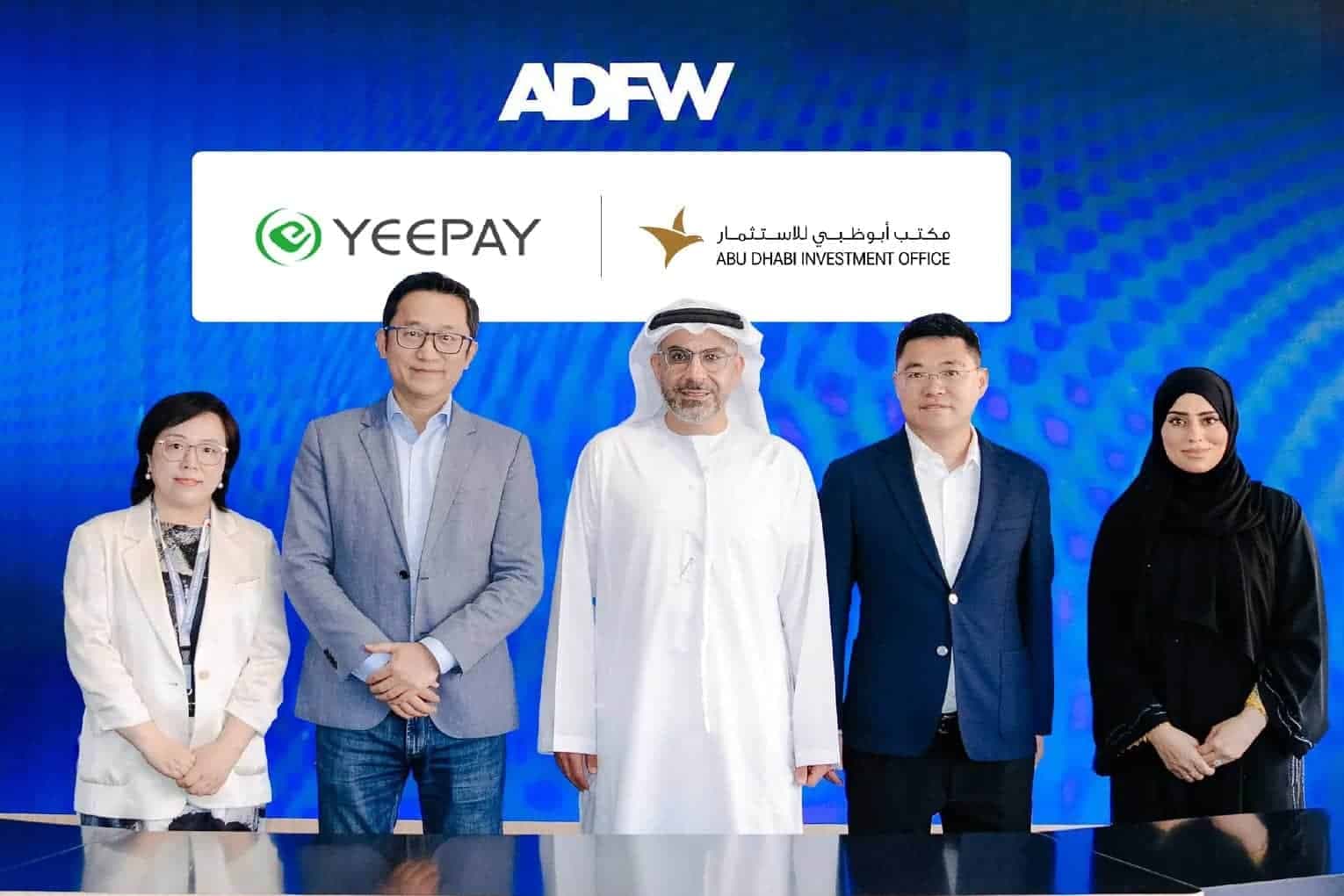
One of the leading fintech companies in cross-border payment solutions, YeePay, announced that it will establish its new regional headquarters and technology hub in Abu Dhabi, which will serve the Middle East and Africa region, within the scope of its strategic partnership with the Abu Dhabi Investment Office (ADIO). This step is considered as an important part of the company’s global expansion plans.

ADIO and YeePay signed a partnership within the scope of Abu Dhabi Finance Week 2025. The two companies stated that they will work together on joint initiatives aimed at increasing the interoperability of digital payment infrastructure between the UAE, China, and other international markets.

A Strategic Contribution to Abu Dhabi’s Fintech Ecosystem

Within the scope of the agreement, YeePay will join the Fintech, Insurance, Digital and Alternative Assets (FIDA) cluster managed by the Abu Dhabi Department of Economic Development (ADDED) and ADIO. This cluster stands out as a strategic initiative aiming to make the emirate a global hub for financial innovations.

Specializing in digital payments, compliant financial infrastructure, and cross-border transaction services, YeePay has a strong presence in Asia and is known for its rapidly growing operations in Europe and the Middle East. The company provides integrated payment solutions, risk management structures, and data-driven financial services that particularly support trade, e-commerce, and investment flows between China and the UAE.

YeePay’s Plan to Develop Next-Generation Payment Infrastructure from Abu Dhabi

YeePay aims to develop and scale innovative and compliant digital payment solutions from its new center in Abu Dhabi. The company plans to create secure, transparent, and efficient cross-border payment and settlement systems by working together with local regulators, financial institutions, and ecosystem partners.

The planned joint initiatives include the following:

  • Strengthening interoperability between local and global payment Networks
  • Developing digital settlement infrastructure for trade and e-commerce
  • Facilitating SMEs’ access to regional and global markets
  • Developing next-generation risk management and compliance solutions

ADIO and YeePay will also evaluate opportunities for knowledge sharing and talent development in fintech, compliance, and innovation, including collaborations with local universities and research institutions. Priority areas include AI-supported fraud prevention, data-driven financing solutions, and advanced analytics.

Leaders Emphasize Abu Dhabi’s Strength as a Global Fintech Hub

ADIO Director General Badr Al Olama stated that this decision shows Abu Dhabi has become an ideal base for global fintech companies: “YeePay’s plan to establish operations in Abu Dhabi reflects the strong and reliable regulatory environment the emirate offers for global expansion. Our collaboration will strengthen the cross-border payment network while creating new opportunities for businesses and investors in priority sectors.”

YeePay Co-Founder Chen Yu, on the other hand, emphasized Abu Dhabi’s strategic importance for regional growth: “Abu Dhabi, with its strategic location, supportive regulatory structure and dynamic digital economy, is an ideal center for YeePay’s growth in the region. Our collaboration with the FIDA cluster will allow us to strengthen our presence in the Middle East and Africa. From here, we aim to develop a secure, transparent, and efficient cross-border payment infrastructure that will facilitate trade, e-commerce and investment flows between China, the UAE and other key markets.”

A New Phase in Global Digital Payment Connections

As cross-border digital trade grows rapidly, YeePay’s expansion into Abu Dhabi is expected to play a critical role in strengthening payment connections between Asia, the Middle East, and Africa. This partnership supports Abu Dhabi’s goal of building one of the world’s most advanced fintech ecosystems, while also demonstrating YeePay’s commitment to shaping the future of secure and seamless international payment systems.

ADIO Launches Concierge Service for UHNWIs and Family Offices

Paribu Acquires CoinMENA at a USD 240 Million Valuation

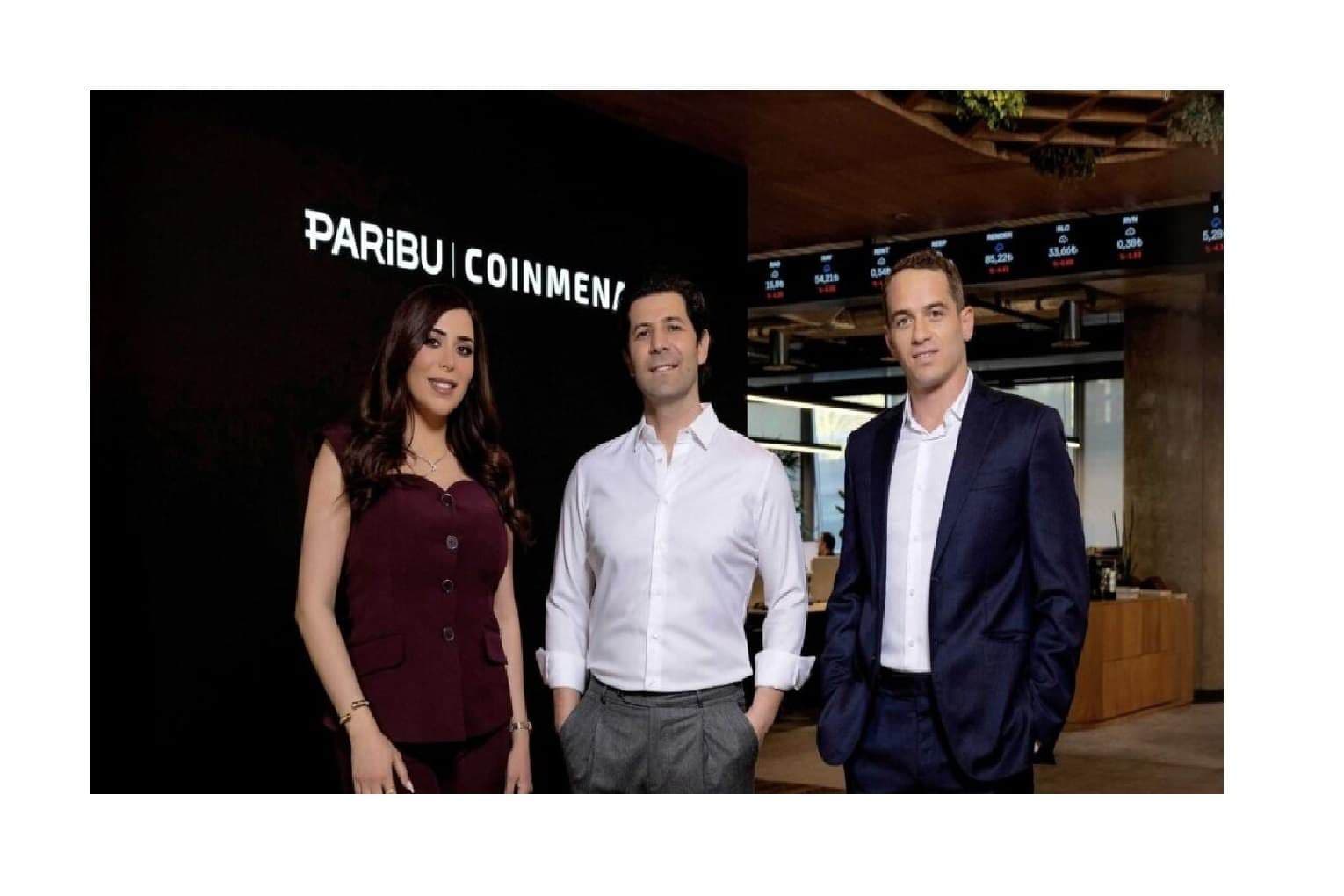
Paribu, which develops blockchain-based innovative products and services, has acquired CoinMENA through a deal valued at up to USD 240 million. With this transaction, Paribu has executed the largest fintech acquisition in Türkiye’s merger and acquisition history and completed the country’s first international acquisition in the crypto vertical.

CoinMENA Operates in Bahrain and Dubai

CoinMENA was founded in 2020 in Bahrain by Talal Tabbaa and Dina Sam’an. The company operates as a licensed crypto asset service provider under the entity “CoinMENA B.S.C.” CoinMENA FZE, located in Dubai, operates with a Virtual Asset Service Provider (VASP) license granted by the Dubai Virtual Assets Regulatory Authority (VARA).

To date, CoinMENA has raised nearly USD 20 million in investments from funds including BECO, Arab Bank Switzerland, Circle, and Bunat Ventures. The platform serves more than 1.5 million users across over 45 countries. Offering trading in more than 50 crypto assets with eight local currencies including the Bahraini Dinar, UAE Dirham, and Saudi Riyal CoinMENA also positions itself as one of the MENA region’s leading crypto asset platforms through its institutional services such as OTC (over-the-counter) infrastructure.

Yasin Oral: “We Are Proud to Sign Türkiye’s First International Agreement in the Crypto Vertical”

Paribu Founder and CEO Yasin Oral stated: “This agreement represents a milestone not only for Paribu but also for the crypto asset and financial ecosystems of Türkiye and the MENA region. As Paribu, we are proud to have executed Türkiye’s largest financial technology transaction and its first international agreement in the crypto vertical. CoinMENA, one of the leading crypto asset platforms in the MENA region, is a strategic choice for Paribu’s regional expansion goals.

This acquisition, which brings together Paribu’s technology infrastructure and CoinMENA’s regional insights, will set a new standard for the region’s digital asset and financial ecosystem by providing millions of users across MENA with regulated, fast, and secure financial services.”

“We Are Bringing Crypto Sector Consolidation to MENA”

Emphasizing that this acquisition positions Paribu as a licensed operator in the MENA region one of the markets with the highest levels of crypto adoption Yasin Oral continued: “As of 2025, we have completed our operational licensing applications for both our platform and our custody institution. With our ColdShield® technology developed by Paribu engineers, we have set new standards for digital asset custody in Türkiye and globally.

We have received our establishment license for Paribu Yatırım Menkul Değerler A.Ş., our fully authorized brokerage firm. Today, as regulatory frameworks become clearer and crypto sector consolidation becomes a global trend, we are extending this consolidation to the MENA region. From now on, a new chapter begins in Paribu’s growth journey.”

Talal Tabbaa: Regional Expertise Will Merge with Paribu’s Technological Capability

In a joint statement emphasizing the continuous growth and maturation of the MENA crypto asset market, CoinMENA Co-Founder Talal Tabbaa said: “Joining forces with Pari bu will help accelerate this momentum even further. By combining CoinMENA’s regional expertise with Paribu’s technological capability, we are preparing to build a comprehensive financial product ecosystem that will empower users in Türkiye and across the MENA region.”

Co-Founder Dina Sam’an added: “This acquisition represents the most significant milestone in CoinMENA’s history. The agreement validates the strength of the structure we have built so far. Together, we will set new standards for access and innovation in the region’s financial landscape.”

UAE Reinforces Its Status as a Global Hub for Corporate Headquarters in 2025

noon payments and NEOPAY Introduce the First AANI Instant Payment System

In a significant development for digital payments in the UAE, noon payments, in collaboration with NEOPAY, has launched the AANI Instant Payment System. This revolutionary solution simplifies, accelerates, and secures payment processes for merchants across the country. AANI, the first of its kind in the UAE, is seen as a crucial step in the country’s transformation in the digital payment sector.

AANI Instant Payment has been developed in alignment with the UAE’s broader financial modernization goals, particularly in parallel with the UAE Central Bank’s Financial Infrastructure Transformation (FIT) program, and supports the national Al Etihad Payments initiative. This collaboration aims to drive financial innovation and create a more efficient and secure digital economy.

AANI Ensures Instant Payment Collection

The AANI platform allows merchants to collect instant payments from their customers via mobile numbers, email addresses, or QR codes. This system provides a seamless and effortless payment experience for both businesses and consumers. Customers authorize payments directly through their banking apps or the AANI app, ensuring fast, secure, and reliable transactions.

AANI Utilizes NEOPAY’s AI-Powered Solutions

The new system offers merchants the ability to receive instant payments, improving cash flow and significantly reducing delays in payment processing. Using NEOPAY’s expertise in artificial intelligence (AI)-powered solutions, AA NI helps businesses achieve better cash flow management while lowering transaction costs compared to traditional payment methods.

Gadia: noon payments Empowers Businesses with Digital Payment Solutions

Mosam Gadia from noon payments stated, “At noon payments, we are committed to empowering small and medium-sized enterprises (SMEs) with smarter, faster, and more cost-effective digital payment solutions. AANI Instant Payments supports businesses in the UAE, while also aligning with the Central Bank’s vision for financial innovation.”

Pradhan: We’ve Enabled AANI in E-Commerce

Abhijit Pradhan from NEOPAY highlighted AANI’s role in the evolution of digital payments in the UAE: “Our collaboration with noon payments and Al Etihad Payments represents a significant milestone in the UAE’s digital economy. By enabling AA NI in e-commerce, we are offering businesses real-time, secure payment solutions while also supporting the country’s vision for a cashless future.”

Andrea Cianchetti from Al Etihad Payments added that the new system simplifies the process for both customers and merchants: “AANI makes paying and receiving payments incredibly simple. Customers no longer need to share card details; they can complete payments instantly using just a mobile number or QR code. For merchants, this means smoother transactions, faster access to funds, and an overall better customer experience.”

Supporting E-Commerce in the UAE

AA NI Instant Payments promises to revolutionize e-commerce in the UAE by offering merchants a faster and more efficient alternative. With its AI-powered features and commitment to secure transactions, AANI is shaping the future of digital payments. This development increases financial accessibility and supports economic growth in the region.

The collaboration with leading partners like noon payments and NEOPAY represents a significant step towards establishing the UAE as a global hub for digital commerce and innovation.

noon and Jahez Join Forces in Saudi Quick-Commerce Push

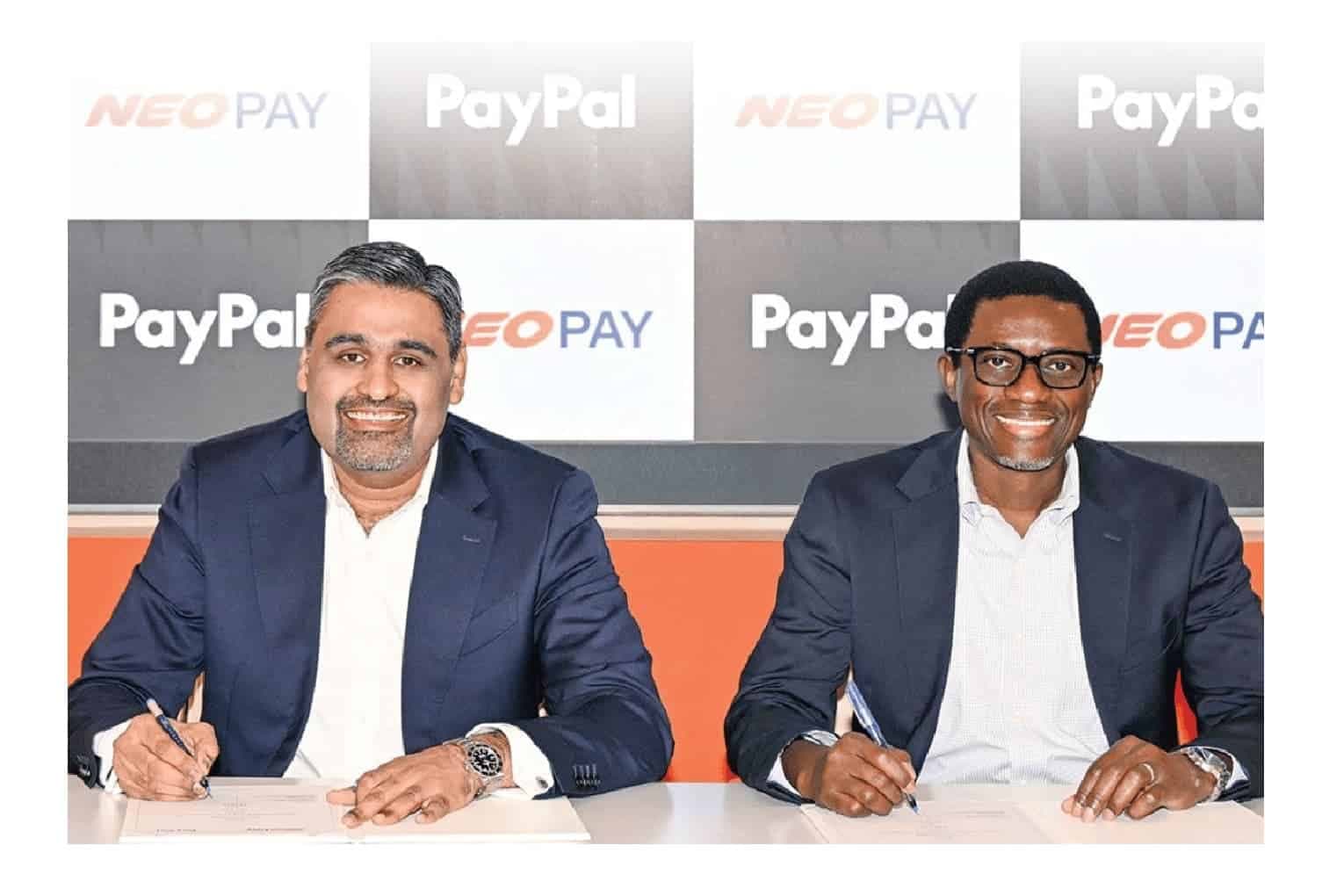
DP World, PayPal Sign MoU for Digital Payment Platform

DP World has entered into a Memorandum of Understanding (MoU) with global payments giant PayPal to jointly develop a cross-border digital payments platform. The goal: to drastically shorten settlement times and bring more transparency to international trade transactions.

Under the agreement, merchants, marketplaces, shippers, exporters, and importers will gain access to a system that promises to reduce payment processing from days (or even a week) to mere minutes.

DP World CEO: Speed and Transparency Matter

Sultan Ahmed bin Sulayem, Group Chairman & CEO of DP World, stated that logistics hinges on efficiency and trust. He emphasized that payments must match those values: “Payments linked to logistics are no different our collaboration with PayPal aims to provide our customers with options that are faster and more transparent than traditional systems without compromising security.”

PayPal President & CEO Alex Chriss added that global trade thrives when payments are instantaneous, transparent, and secure: “This partnership sets a new standard. For too long, global businesses have been underserved by traditional cross-border payment systems.”

Integrating Supply Chain and Payments Expertise

The collaboration will combine DP World’s broad logistics and supply chain network with PayPal’s mature payments infrastructure. The aim is to reduce “friction” in cross-border trade and make global business operations more seamless.

This initiative is part of DP World’s broader Digital Payments programme, which also includes plans to incorporate distributed ledger technologies and stablecoin-based settlement solutions via licensed payment partners.

Stablecoin Innovation for Global Trade

As part of the initiative, DP World is designing a multi-currency stablecoin solution to support settlement of cross-border trade transactions. This mechanism is intended to cut settlement costs, speed up processing, and enhance transparency in international payments.

Especially in emerging regions (Asia, Africa, Latin America), long settlement times and limited access to banking infrastructure have impeded trade. DP World’s stablecoin system targets these pain points.

DP World has clarified that it does not plan to launch its own sovereign stablecoin but will partner with existing payment and technology providers.

Implications & Outlook

  • Faster Settlements: In theory, payments that once required days or weeks could clear in minutes or hours.
  • Lower Costs & Barriers: By bypassing multiple intermediaries and correspondent banking fees, cross-border transactions may become more economical—especially for small and medium enterprises.
  • Regulatory Complexity: Deploying stablecoins and digital payment rails across jurisdictions will require compliance with AML/KYC rules and collaboration with authorities.
  • Ecosystem Effect: If successful, the model could drive more “multi-rail” payment architectures, where traditional banking rails coexist with blockchain and stablecoin solutions.

As DP World and PayPal proceed from MoU to implementation, global trade watchers will closely monitor whether this experiment will become a blueprint for seamless, secure digital cross-border payments in the years ahead.

Maktoum Meets PayPal CEO

HSBC to Open Wealth Centre for Affluent Clients in Dubai

Dinesh Sharma, HSBC’s head of international wealth and premier banking for the Middle East, North Africa and Türkiye, told The National that the bank remains fully committed to the region, particularly the UAE, which ranks among its top five global markets.

“As part of our Middle East wealth strategy, we recognise the importance of the UAE,” Sharma said. “Over the next three to four years, we are making the largest investment we’ve undertaken in two decades, focusing on four pillars: infrastructure, people, talent and marketing. We see the UAE positioning itself as a global wealth hub, and our investments are aligned with that vision.” Sharma did not disclose the size of the planned investment.

Wealth Surpasses $700 Billion in the UAE

The new wealth centre will be based at HSBC’s flagship Jumeirah branch. Sharma described the initiative as a natural step given the “historic influx of millionaires into the market.” He noted that personal financial assets in the UAE have surged more than 20 per cent over the past three years, now exceeding $700 billion.

According to Sharma, India has been the largest source of new millionaires in the UAE over the past decade, accounting for about 31 per cent, followed by other Middle Eastern markets at 20 per cent, Russia and the CIS at 14 per cent, and the UK and Europe at 12 per cent. “We are also seeing a growing wave of Chinese investors,” he added, pointing out that China was the fourth-largest real estate investor in the UAE last year, responsible for 9 per cent of transactions.

Number of Millionaires Tops 130,000

Overall wealth growth has pushed the number of millionaires in the UAE to more than 130,000. The new centre will provide HSBC’s premier and high-net-worth clients with a dedicated space to meet and consult with relationship managers. International wealth management and premier banking services remain at the core of HSBC’s UAE strategy, in a market that is the Arab world’s second-largest economy.

HSBC joins a roster of global banks and asset managers that have expanded operations in the UAE in recent years, turning the country into a magnet for international wealth migration. Investor-friendly reforms and the UAE’s role as a gateway to the Middle East, Africa and South Asia have helped attract major family offices, private banks and global financial institutions.

A report by Henley & Partners and New World Wealth projects that the UAE will draw a record 9,800 relocating millionaires in 2025, building on the estimated 81,200 millionaires and 20 billionaires already residing in Dubai as of 2024.

Scrutiny Over Client Base

HSBC has recently faced reports that it dropped more than 1,000 wealthy clients in the region as regulators increased scrutiny of high-risk accounts. Bloomberg and the Financial Times reported that the bank cut ties with individuals from markets such as Lebanon, Egypt and Qatar, some with assets exceeding $100 million.

Despite the move, Barry O’Byrne, HSBC’s chief executive for international wealth and premier banking, stressed that the bank remains “absolutely committed” to both its Middle East and Swiss wealth businesses and is pursuing significant growth in the region.

Sharma added that the Middle East, North Africa and Türkiye account for a vital share of the group’s overall revenues, generating 37 per cent of HSBC Middle East’s total revenue in 2024 and 13 per cent of its global wealth and premier banking revenue.

Looking ahead, Sharma said HSBC intends to expand further by opening additional wealth centres in the region, with Abu Dhabi under consideration as a potential location.

Middle East Can Lead the Next Decade of Digital Commerce

HALA Secures $157 Million Investment

The fintech company HALA, which provides embedded financial services to SMEs, raised $157 million in one of the region’s biggest Series B rounds. The funding was led by The Rise Fund, TPG’s multi-sector global impact investing strategy, and Sanabil Investments, a Public Investment Fund (PIF) company. This marks The Rise Funds’ first investment in Saudi Arabia and the wider Middle East. The round represents one of the largest fintech Series B financings in the region.

Other participants included QED, Raed Ventures, Impact 46, Middle East Venture Partners (MEVP), Isometry Capital, Arzan VC, BNVT Capital, Kaltaire Investments, Endeavor Catalyst, Nour Nouf Ventures, Khwarizmi Ventures, and Wamda Capital.

Strengthening HALA’s Position in Saudi Arabia

The funds will be used to strengthen HALA’s position in the Saudi market, expand embedded financial services and lending products designed to support SMEs and freelancers, and drive the company’s regional expansion. The investment highlights the strength of company business model, favorable demographics, and potential to create large-scale social impact. The fundraising follows HA LA’s impressive year-on-year growth, validating the robustness and scalability of its operating model. The model is designed for sustainable growth while also supporting Saudi Vision 2030’s goal of significantly increasing SMEs’ contribution to GDP.

“A Turning Point for HALA”

Esam Alnahdi, Co-founder and Chairman of HALA, said: “This landmark investment is a turning point for HALA, reflecting our relentless pursuit of innovation and excellence in serving small businesses. We are honored that our new investors recognize the potential of our vision and the impact we aim to make in the SME ecosystem. Our journey is just beginning, and this support fuels our drive to create meaningful change.”

About HALA

HALA Payments was founded by Esam Alnahdi (Chairman) and Maher Loubieh (CEO). Based in Saudi Arabia, it is a leading fintech company focused on empowering SMEs with innovative financial services. HA LA offers a comprehensive suite of embedded financial solutions, including business accounts, card issuance, payment and transfer services, POS solutions, financing, and corporate cards. The company currently serves more than 140,000 businesses and processes over $8 billion in annual transactions.

Saudi Arabia’s Outward Remittances Rise Over 15% in July 2025

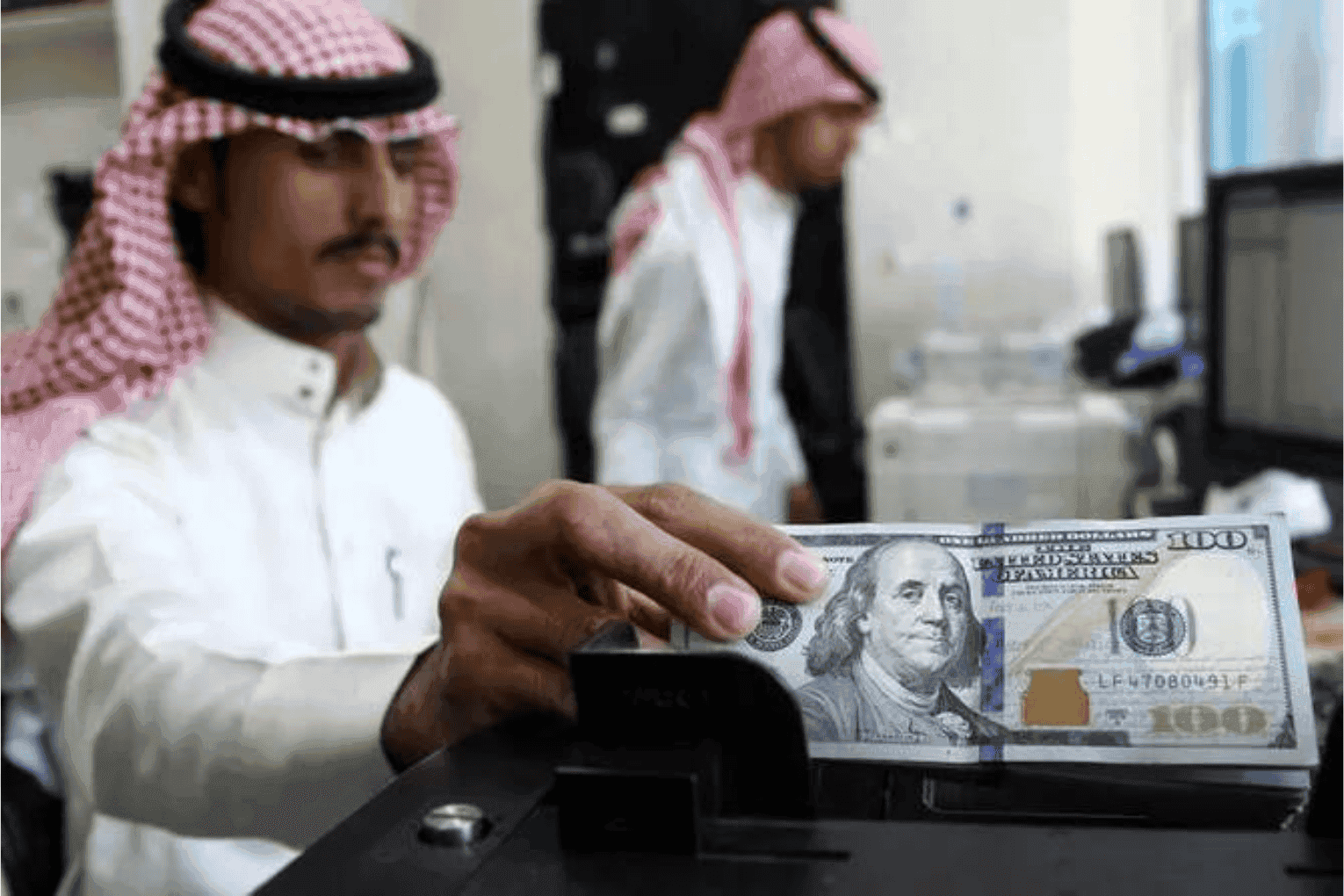
Saudi Arabia witnessed a significant increase in outward remittances in July 2025, with the total amount sent abroad rising by 15.4% year-on-year to reach approximately 14.91 billion Saudi Riyals (around $3.95 billion).This surge highlights ongoing economic activity within the Kingdom and the growing financial engagement of both Saudi citizens and expatriate workers with international markets. The data, released by the Saudi Arabian Monetary Authority (SAMA) in their latest report, reflects broader trends in remittance flows and provides insight into economic dynamics affecting the Kingdom (Arab News).

Detailed Breakdown of Remittance Growth

Outward remittances encompass the funds transferred by both expatriate workers living and working in Saudi Arabia and Saudi nationals sending money abroad for various reasons, such as family support, investment, education, and business activities. According to the latest figures from SAMA, the remittances sent by Saudi citizens themselves increased by 13.8% in July, totaling 6.61 billion Saudi Riyals (about $1.76 billion). This rise signals growing disposable incomes and increased financial interactions with the global economy by Saudi individuals (Saudi Arabian Monetary Authority).

Expatriate workers, who constitute a significant portion of Saudi Arabia’s labor force, have also increased their remittances substantially. During the first seven months of 2025, foreign workers transferred a total of 98.6 billion Saudi Riyals ($26.3 billion), marking a 22.26% rise compared to the same period in the previous year. These figures underscore the Kingdom’s role as a major regional economic hub and a vital source of remittance flows for neighboring countries and global markets (World Bank Remittance Data).

Economic Factors Driving Remittance Growth

Several economic factors have contributed to the increase in remittance volumes from Saudi Arabia. Firstly, the Kingdom’s ongoing economic diversification efforts under Vision 2030 have resulted in higher employment rates and wage growth across various sectors, especially outside the oil industry. As more individuals gain stable income sources, both locals and expatriates are better positioned to send money abroad (Arab News).

Secondly, improvements in the financial infrastructure and payment technologies have made cross-border transactions more efficient, secure, and accessible. Digital banking services, mobile payment platforms, and remittance-focused fintech companies have all contributed to reducing transaction costs and enhancing the speed of money transfers. These innovations encourage higher remittance volumes by simplifying the process for senders.

Thirdly, global inflationary pressures and rising costs of living in both Saudi Arabia and recipients’ home countries have also influenced remittance patterns. As families abroad face increased financial needs, expatriates often remit larger sums to support relatives, education expenses, healthcare, and day-to-day costs (World Bank).

Regional and Global Implications

Saudi Arabia’s remittance outflows hold considerable importance for many recipient countries, particularly in the Middle East, South Asia, and Africa. Countries such as India, Pakistan, the Philippines, and Egypt benefit significantly from remittances sent by expatriate workers in Saudi Arabia. These funds provide critical support for household incomes, contribute to poverty alleviation, and fuel local economic activities.

The rise in outward remittances can thus be seen as a reflection of Saudi Arabia’s economic position as a financial and labor hub in the region. For recipient countries, continued remittance inflows support economic stability and development efforts. As such, these flows play a crucial role in strengthening bilateral economic ties between Saudi Arabia and the wider international community (Arab News).

Policy and Regulatory Environment

The Saudi Arabian Monetary Authority (SAMA) plays a key role in overseeing remittance activities and ensuring regulatory compliance. Its policies are designed to protect consumers, prevent money laundering, and promote transparency in cross-border financial transactions. By maintaining a robust regulatory framework, SAMA helps build trust in the financial system and supports the Kingdom’s reputation as a secure environment for international money transfers.

Moreover, the government’s push for financial inclusion and digital transformation aligns with efforts to increase remittance accessibility. Initiatives to integrate more users into the formal financial system aim to reduce reliance on informal channels, which are often costlier and less secure.

Future Outlook for Remittances

Looking ahead, remittance flows from Saudi Arabia are expected to continue growing, driven by demographic trends, economic diversification, and technological advancements. The expatriate workforce is projected to remain sizable, while Saudi citizens are increasingly engaging in international financial activities, including investments and overseas education payments.

Furthermore, the Kingdom’s Vision 2030 goals emphasize enhancing the digital economy and financial services sectors. This focus will likely spur further innovations in cross-border payment solutions, fostering more efficient remittance channels and encouraging higher transaction volumes.

However, potential challenges such as geopolitical tensions, global economic uncertainties, and changes in labor migration patterns could impact future remittance trends. Continuous monitoring and adaptive policy measures will be essential to maintain steady growth and mitigate risks (World Bank Remittance Data).

Conclusion

Saudi Arabia’s outward remittance growth in July 2025, exceeding $4 billion and rising by over 15%, reflects a dynamic economic environment and deepening international financial connections. This trend not only benefits the Kingdom’s expatriate community and Saudi citizens but also provides vital economic support to many countries reliant on remittance inflows.

As the Kingdom advances its Vision 2030 objectives and strengthens its financial infrastructure, remittance flows will remain a key indicator of economic health and global integration. Policymakers, financial institutions, and market participants will need to collaborate to sustain growth, enhance service quality, and ensure that remittance channels remain secure, affordable, and accessible for all users.