WORLDEF Prime Antalya 2026 — Super Early Bird Discounts

Register Now

Premium E-Commerce Platform Hushday Secures $550,000 Investment

Founded in 2025 by Jennifer Cohen Solal and Riad Djabri, the Hushday offers consumers access to surplus stock of luxury and premium brands through an invitation-only model. It allows brands to maintain control over their pricing and positioning.

The startup, designed with a focus on the Gulf Cooperation Council (GCC) region, offers a solution that provides exclusivity, experience, and execution for both brands and consumers. The platform is strategically built to allow brands to conduct curated sales and reach valuable new audiences in an environment with high conversion rates.

Launching on May 2!

Hushday, the region’s first premium sales platform, has secured a pre-seed investment of $550,000 (2 million AED) from regional tech investors. The platform will be accessible exclusively via invitation in the UAE starting May 2, 2025. The startup plans to expand to Saudi Arabia, Qatar, and Kuwait by 2026. Additionally, it aims to develop a new channel for the growth of luxury and premium brands in the Middle East.

Jennifer Cohen Solal, Co-Founder and CEO of Hushday, said, “We are not trying to solve the stock problem. Our goal is to open a new and scalable growth path that allows brands to reach a young, price-sensitive, digital-first audience without compromising their identity.”

About Hushday: Exclusivity, Experience, Excellence

Global luxury brands have faced challenges in key markets like China in recent years. Consumer behaviors across the GCC are shifting towards value-driven, digitally-first experiences. In this context, Hushday aims to reshape premium retail for a new generation of shoppers and brands.

The startup draws inspiration from models like Veepee and Gilt in Europe. This GCC-focused, locally designed model offers exclusivity, experience, and excellence for those seeking more. The platform provides members with access to limited-time sales in categories such as fashion, beauty, accessories, electronics, home goods, and entertainment. Each sale is designed to be personalized, mobile-first, and geared towards creating rarity and excitement.

The founding team of Hushday has deep expertise in fashion, e-commerce, technology, and operations. They also have a proven track record of scaling high-growth businesses in Europe and the Middle East.


JAFZA to Strengthen UAE’s Logistics Infrastructure with $24.5 Million Investment

China’s E-Commerce Air Cargo Flights Are Being Canceled!

Following the Lunar New Year, air cargo volume from China to the US experienced a sharp decline. According to data tracking organization WorldACD, a weekly decrease of 20% was recorded at the end of January, followed by an additional 28% drop at the beginning of February. On an annual basis, tonnage decreased by 41%. WorldACD reported that air cargo volumes from China and Hong Kong to the US had declined for four consecutive weeks; during the week ending April 20 (Week 16), volumes fell by 7% compared to the previous week.

“E-Commerce Shipment Volume Dropped by 50%”

WorldACD also shared the following information: “Compared to Week 16 of last year, total traffic from China and Hong Kong to the US has dropped by 16%. In contrast, shipments from the entire Asia-Pacific region to the US only declined by 3%. This was due to strong exports from countries such as Vietnam (up 42%), Taiwan (up 30%), Thailand (up 24%), and Japan (up 12%). These figures do not include increased charter activities.”

Overall, e-commerce shipment volume has fallen by about 50% since mid-April compared to the same period last year. This decline in air cargo coincided with the US government’s suspension of the Section 321 “de minimis” exemption, which allowed low-value goods from China to enter duty-free.

Air Cargo Charter Flights Canceled

In response to the drop in demand, many e-commerce platforms and logistics providers canceled their charter flights. Global logistics company Dimerco reported ongoing cancellations of BSAs (block space agreements) and charters, particularly for shipments to the US, due to excess capacity relative to demand. The Loadstar described the market as “complete chaos” and added that Chinese shippers, due to falling air cargo rates, were looking to move from contracted rates to spot rates.

“Many Companies Avoid Placing New Orders”

Kathy Liu, Vice President of Global Sales and Marketing at Dimerco Express, stated: “Many shippers have entered a wait-and-see mode for shipments to the US. Due to uncertainty surrounding new tariffs between the US and China, many companies are avoiding placing new orders. Interestingly, however, demand out of Southeast Asia and Taiwan has remained relatively stable. We believe this is likely due to the 90-day tariff exemption granted by the US government for shipments from this region. This provides shippers there with a breathing space.”

Shift Toward Southeast Asia

As trade tensions between the US and China escalate, companies are restructuring their supply chains. German container shipping company Hapag-Lloyd announced that 30% of shipments from China to the US have been canceled and that demand is shifting toward Southeast Asian countries such as Vietnam, Cambodia, and Malaysia. This trend reflects businesses’ efforts to diversify production bases and reduce dependence on China.

Fluctuations in Air Cargo Will Continue!

Industry experts predict that fluctuations in the air cargo market will continue.
The combination of declining e-commerce demand, changing trade policies, and restructured supply chains suggests that the current downturn may persist in the short term.

Stakeholders are closely monitoring developments, noting that further disruptions could occur if trade tensions increase or if demand fails to recover. This situation once again highlights the fragility of global supply chains and the need to adapt to changing economic and geopolitical conditions.

“De Minimis” Exemption Expected to End on May 2

The “de minimis” exemption applicable to goods from China and Hong Kong is expected to end on May 2. Meanwhile, the US has implemented customs duty exemptions for smartphones and other technology products imported from China. These products are typically transported via air cargo.


Trump Administration Ends Duty-Free Status for E-Commerce Shipments from China

euShipments stands out with over 800 delivery methods in Europe

euShipments offers premium logistics and cross-border delivery solutions specifically designed for e-commerce businesses. By simplifying cross-border e-commerce, the company supports online merchants in growing within the European markets.

With a vision to become the essential logistics partner for e-commerce in Europe, euShipments strives to deliver efficiency and scalability in every aspect of its services. It aims to offer innovative solutions such as Returns Management, Cash-on-Delivery (COD), Refunds, and logistics operations that enhance the online user experience. We spoke with Vichren Bisset, CCO and Board Member of euShipments, about the brand’s story.

“Our logistics and fulfillment network covers over 27 European countries”

Vichren Bisset shared the following regarding the countries they currently serve and their target markets: “Currently, our fulfillment and logistics network covers over 27 European countries, enabling our clients to penetrate diverse and dynamic markets. We operate with 15 fulfillment centers strategically located across Europe and partner with 60+ last-mile couriers, offering the impressive over 800 delivery methods. In the near future, we aim to further strengthen our presence in Central and Eastern Europe (CEE) while exploring growth opportunities in Western European markets.”

“We aim to support Gulf-based online merchants in establishing their e-commerce presence in Europe”

Bisset also shared the company’s goals regarding the Gulf region: “While our primary focus is Europe, we are open to exploring partnerships and expansion opportunities that align with the needs of our over 1000 clients. Also, we aim to support Gulf-based online merchants in establishing and expanding their eCommerce presence in Europe. Our tailored fulfillment and delivery solutions ensure Gulf eCommerce businesses can meet the expectations and preferences of European online users and grow their market share effectively.”

The services euShipments offers to e-commerce brands

  • Warehousing and inventory management
  • Cross-border deliveries with optimized transit times via 60+ integrated carriers
  • Cash-on-Delivery (COD) solutions with daily payouts in multiple currencies and to diverse bank/fintech accounts
  • Returns management, including automated pickup requests and locker drop-offs
  • Real-time tracking and customer support

Vichren Bisset said, “Our services enable online merchants to expand into new markets, improve their operational efficiency, and enhance the customer experience. By taking care of logistics complexities, we allow merchants to focus on growing their businesses.”

“We have strategically grown by acquiring key e-commerce fulfillment and logistics companies in Europe”

Bisset stated, “Our team at euShipments.com is a dynamic mix of eCommerce logistics experts, IT specialists, and customer service professionals dedicated to delivering tailored eCommerce solutions. We have built a culture of innovation and problem-solving, ensuring that we provide the right logistics services to meet the unique needs of our clients. In recent years, euShipments.com has strategically expanded by acquiring key eCommerce fulfillment and logistics companies across Europe.

The combined experience of euShipments.com and its acquired companies – Croatian Pick&Pack, Romanina Helpship, and Slovak Swiss Point Data, exceeds 40 years in the eCommerce logistics industry. This extensive expertise enables us enhancing our logistics network and service offerings, providing client-centric custom solutions that meet the diverse needs of eCommerce businesses.”

Finally, euShipments CCO and Board Member Vichren Bisset said the following: “Our collaboration with WORLDEF has been extremelly useful in reaching new audiences and fostering connections within the global eCommerce ecosystem. As our dear partner, WORLDEF has provided us with valuable platform to share insights, engage with eCommerce professionals, and showcase our expertise. Together, we are contributing to the growth of eCommerce by promoting innovative logistics solutions and supporting online merchants in achieving their expansion goals. We look forward to strengthening this partnership further.”

Amazon FBA fees are changing

Amazon FBA fees were increased in 2023. In March 2025, Amazon made a change to the fees for consumers in Germany. In order to encourage box-free returns, customers who returned a product with a box were required to pay a fee.

Amazon has announced that it will reduce FBA fees. The fee adjustment to be made for online sellers covers a large portion of products in the clothing, accessories, backpack, and handbag categories. No information was provided on how much sellers will save in these categories or which products will be affected by this change.

“Package size and unit weight will be taken into account in Amazon FBA fees”

Previously, the higher value between unit weight and dimensional weight was used in FBA calculations. In a statement from Amazon, it was noted that shipping and packaging fees will now be calculated using a different method, saying, “As of May 15, 2025, we will calculate Amazon FBA fees for products in these categories based only on package size category and unit weight.”

According to the regulation, along with the existing 16 package size categories, 7 new package sizes will be added for the designated categories. In addition, products with high return rates will be exempt from the previously introduced return processing fee. This will apply to backpack and handbag products. Return processing fees collected for products in these categories since February 1 will now be removed or refunded. The Amazon FBA fee changes will apply in European markets.

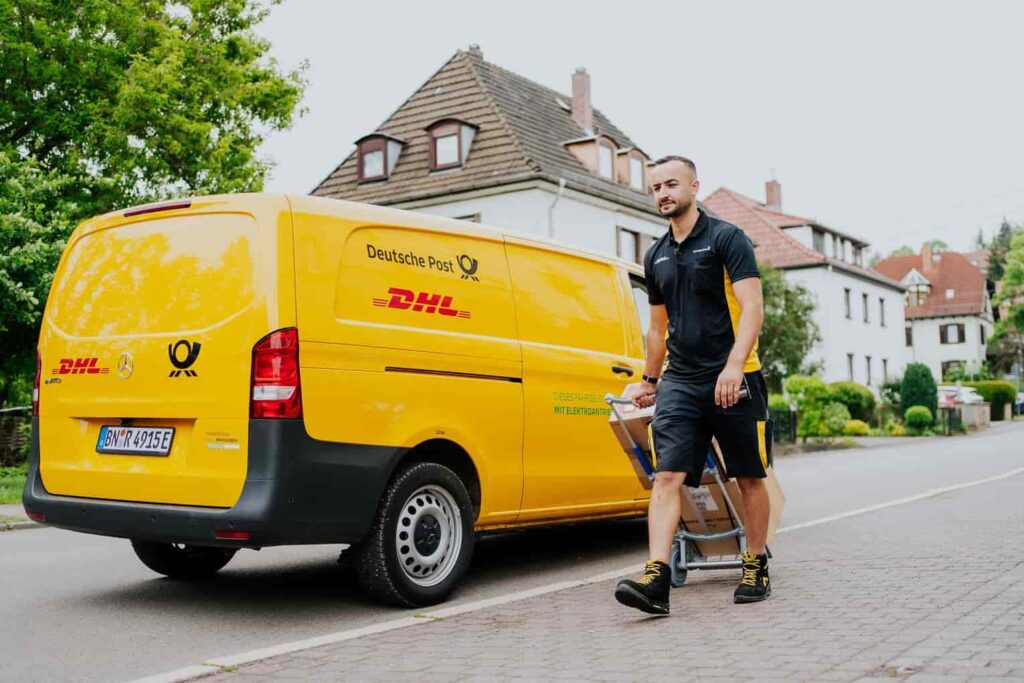
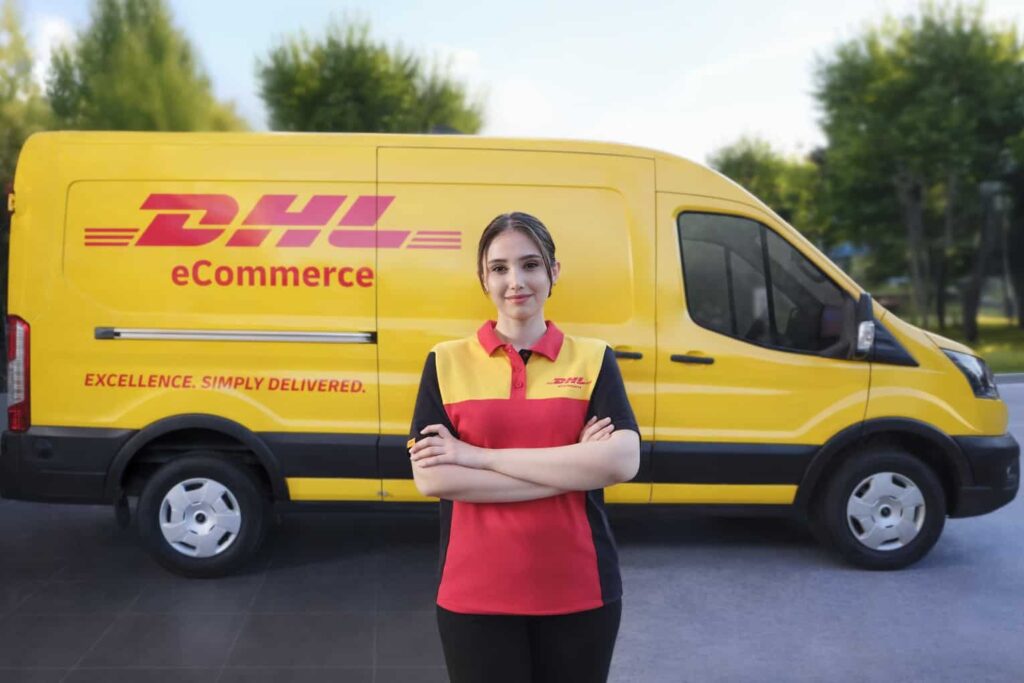
DHL Temporarily Halts Individual Shipments to the U.S. Over $800

Germany-based logistics company DHL has made a significant decision within the scope of new regulations enacted by the U.S. Customs and Border Protection on April 5. Accordingly, formal entry procedures are now mandatory for all shipments with a customs value exceeding $800. This situation directly affects the company’s operations.

DHL: The shipment of B2C deliveries will be temporarily suspended

In a statement regarding the matter, DHL Express noted that multi-day delays were occurring in packages sent to the U.S. due to increased customs procedures and stated that, to ease this burden, high-value shipments directed to individual consumers (B2C) would be temporarily halted.

The company’s statement included the following: “This change has led to an increase in formal customs procedures, which are being carried out by us 24/7. Although we are working intensely to manage this increase, shipments exceeding $800 — regardless of origin — may experience delays lasting several days. In order to manage this situation, as of Monday, April 21, 2025, until further notice, the shipment of goods with a declared value exceeding $800 to individual consumers (B2C) in the U.S. will be temporarily suspended.”

B2B Shipments Will Continue

The decision only covers shipments made to individual recipients. Business-to-business (B2B) shipments will continue. However, it was stated that delays may occur in these shipments as well. Shipments with a declared value under $800 will not be affected by this practice. DHL announced that shipments falling under the scope of the new practice will not be collected as of April 21 and will be temporarily suspended until further notice.

Tension Originating from Hong Kong

On the other hand, recently, Hongkong Post also took a similar step by announcing that it had suspended shipments to the U.S. via sea route. The institution described the U.S. decision to revoke duty-free trade privileges for packages arriving from China and Hong Kong as “bullying.”

DHL, however, stated that shipments originating from Hong Kong will continue to be processed in compliance with U.S. customs regulations and that they will support their customers in adapting to this process. The new regulation is expected to have serious effects on the global e-commerce chain, particularly for small and medium-sized businesses and individual consumers.

As of April 5, 2025, formal entry procedures are now required for all shipments sent to the U.S. with a declared customs value exceeding $800. This threshold was previously set at $2,500. This change was made due to the new U.S. customs regulations.


DHL and Temu Sign Memorandum of Understanding

Quiqup enters the Saudi Arabian market

This move by Quiqup is supported by the strategic backing of the Mohammed bin Rashid Innovation Fund (MBRIF). This support will help the company expand its operations and double its business volume over the past two years.

Founded in the UAE in 2017, Quiqup offers comprehensive logistics services focused on SMEs. The company provides warehousing, sorting, packaging, and delivery services. With this expansion into Saudi Arabia, commercial customers in the Kingdom will now have access to Quiqup’s reliable and efficient order fulfillment services.

“Our strong track record in the UAE forms a solid foundation for our operations in Saudi Arabia”

Fatima Yousif Alnaqbi, Assistant Undersecretary of the Support Services Sector at the UAE Ministry of Finance and MBRIF Ministry Representative, said the following on the matter: “Quiqup’s journey demonstrates how strategic support, when combined with innovation and market expertise, can support a company’s growth and create meaningful economic impact.”

Quiqup CEO Bassel El Koussa said, “Our expansion into Saudi Arabia was the natural next step in line with the evolving needs of our customers. In response to the increasing demand for seamless cross-border logistics solutions, we are proud to offer our services to neighboring markets. We view the GCC as a connected e-commerce ecosystem, where operational efficiency in one market boosts overall regional performance. Our strong track record in the UAE forms a solid foundation for our operations in Saudi Arabia.”

Quiqup doubled its business volume within two years

Thanks to MBRIF support, Quiqup scaled its operations and doubled its business volume within two years. It also grew its customer base by 77% annually between 2023 and 2024. Since 2021, the company has increased its number of customers 25-fold. Quiqup is on track to reach profitability in the fourth quarter of 2025. In 2024, Quiqup facilitated a trade volume of AED 580 million. Thus, it further solidified its role in strengthening the e-commerce supply chain. Quiqup also plans to expand into other markets within the GCC.


Saudia Cargo Focuses on E-Commerce with New Asia-Europe Route

Saudia Cargo Focuses on E-Commerce with New Asia-Europe Route

Saudia Cargo’s new cargo flights will be operated twice a week between Liège Airport (LGG) in Belgium and Zhengzhou Xinzheng International Airport (CGO) in China. Saudia Cargo’s direct flights from LGG to Dammam started on April 3. The company has increased the total number of weekly flights departing from Liège to 11.

The airline will also operate a weekly cargo flight from LGG to King Fahd International Airport in Saudi Arabia. The China flights are offered particularly in cooperation with e-commerce platforms, e-commerce sellers, and logistics providers. The airline has a cargo fleet consisting of seven “Boeing 747” and one “Boeing 777.”

“New Routes Support the Growth of the E-Commerce Sector”

In a statement from Saudia Cargo on the subject, it was said: “This strategic move aims to expand our global network and support the rapid growth of the e-commerce sector and trade between Asia and Europe via the Kingdom in line with the Saudi Vision 2030 goals.” It was also stated: “This highlights the company’s strong presence in the European continent and its role in the transportation of shipments requiring fast delivery.”

“Supports Saudi Arabia’s Position as a ‘Global Logistics Hub’”

Marwan Niazi, Senior Vice President of Commercial at Saudia Cargo, said: “These new strategic routes offer promising opportunities for our customers, contributing to the shaping of a new global trade era between Europe, the Middle East, and Asia while supporting Saudi Arabia’s position as a ‘global logistics hub’.”

Niazi also added: “The addition of the Liège and Zhengzhou routes will be a game changer in our operations. This will not only increase our capacity to meet the growing demand in the region but also further strengthen our position as one of the leading global air cargo companies. This expansion will allow us to offer advanced solutions that support the sustainable growth of our customers and partners and reflect our commitment to mutual success.”

Saudia Cargo Receives CEIV Fresh Certification

Meanwhile, the new flights of the Saudi air cargo company marked the second announcement the company made this week. Saudia Cargo has also been awarded IATA’s CEIV Fresh certification to support its growing operations in the transportation of perishable products. This certificate confirms the airline’s competence in transporting temperature-sensitive perishable products in accordance with IATA’s globally recognized standards.


DHL eCommerce enters Saudi Arabian market

JAFZA to Strengthen UAE’s Logistics Infrastructure with $24.5 Million Investment

Jebel Ali Free Zone (JAFZA) is investing $24.5 million (AED 90 million) in the second phase of its Logistics Park to meet the rising demand for high-quality logistics and warehousing solutions.

In a strategic move aligned with national growth goals, increasing market demand, and global supply chain trends, JAFZA is set to invest $24.5 million in the second phase of its Logistics Park. This expansion will increase the park’s total area to over 922,000 square feet. The expansion will also include 360,000 square feet of Grade-A infrastructure, including customizable units, temperature-controlled warehouses, and advanced office spaces.

$235.8 Billion Target for the Transportation and Logistics Market

The transportation and logistics market in the Middle East and Africa is expected to reach $235.8 billion by 2031. This expansion not only aims to provide value-added services such as labeling and packaging but will also support the UAE’s goal to increase its logistics sector to $200 billion annually within the next seven years.

Abdulla Al Hashmi, Chief Operating Officer of Parks and Zones at DP World GCC, said: “The expansion of JAFZA Logistics Park reflects our commitment to helping businesses compete globally while simultaneously attracting foreign investment into Dubai.” Al Hashmi further explained, “Phase 1 was fully leased before its completion, demonstrating the strong demand for high-quality logistics and warehousing. Phase 2 takes this a step further by offering flexible, high-quality solutions to support growth across multiple sectors.”

How the Expansion Will Meet the Rising Demand for Supply Chain Infrastructure

JAFZA serves as a key hub for global trade and is a central driver of economic growth in the UAE. Currently, it supports over 160,000 jobs, hosts 10,890 companies from 150 countries, and generates AED 620 billion ($168.8 billion) in trade annually. The first phase of the Logistics Park was completed in November 2023, featuring temperature-controlled warehouses, pharmaceutical storage units, and office spaces, spanning 562,507 square feet.

The expansion of JAFZA Logistics Park will offer advanced capabilities and increased capacity to meet the growing demand for supply chain infrastructure. With the significant expansion of the park to more than 922,000 square feet, JAFZA will be able to accommodate more businesses across industries such as electronics, food, automotive, pharmaceuticals, and fashion.

New infrastructure, including modern office spaces, dry and pharmaceutical-grade storage units, and enhanced energy capacity, will allow businesses to tailor their logistics setups according to supply chain requirements, increasing flexibility and operational efficiency.

The expansion of JAFZA Logistics Park will directly support the UAE’s plans to grow its logistics sector to AED 200 billion ($54.5 billion) annually within the next seven years.

What is JAFZA?

JAFZA (Jebel Ali Free Zone Authority) is the governing body of the Jebel Ali Free Zone in Dubai, UAE. JAFZA offers businesses opportunities such as tax advantages, duty-free trade, and modern infrastructure in a region that serves as a global trade hub. The zone is a strategic platform that encourages international companies to invest in the UAE. As an important logistics and trade center contributing to global commerce, JAFZA also provides a favorable investment environment for businesses across various sectors.


UAE Warehouse Rents Expected to Rise by Up to 10%

End-to-end trade facilitation in cross-border e-commerce: Stelcore

Stelcore enables brands to engage in global trade with full transparency and ownership by partnering with them. Currently operating in over 16 countries, Stelcore provides comprehensive end-to-end trade facilitation services. These services include listing brands on destination marketplaces and/or setting up their own D2C (Direct-to-Consumer) websites. Brands are relieved from the complexities of registration, regulatory compliance, and other operational challenges in target markets, as Stelcore manages these processes seamlessly. This allows brands to focus solely on scaling their business and increasing sales.

Speaking to WORLDEF E-COMMERCE, Stelcore Partner Viswanath S emphasized that the company differentiates itself by offering a comprehensive trade facilitation ecosystem across 16+ countries. He stated, “While competitors often provide fragmented solutions, Stelcore offers an integrated approach that enables brands to expand into global markets without complexity.”

Why Stelcore Stands Out?

  • Transparency and ownership: Unlike other players, Stelcore partners with brands to provide complete transparency and control over operations, allowing businesses to scale confidently.
  • End-to-end services: From being an Importer or Seller on Record to managing compliance, 3PL logistics, warehousing, D2C website management, and payment reconciliation, Stelcore ensures a smooth, hassle-free expansion process.
  • Strategic focus on D2C growth: In addition to marketplace listings, Stelcore empowers brands to build their D2C presence, an often-neglected yet critical growth driver.
  • Local expertise with global reach: Stelcore combines its deep understanding of local regulations, customer behavior, and operational nuances with a global footprint, giving brands a competitive edge.

Stelcore Provides end-to-end Support to Brands Globally

Viswanath S shared the following insights regarding the services they offer to global e-commerce brands: “Stelcore, with its long-standing expertise in the industry, has been providing a complete suite of comprehensive cross border and local trade enabling services, helping numerous brands and sellers succeed in the global markets.

Stelcore leverages years of experience to offer end-to-end brand support, including Importer on Record, Seller/Merchant on Record, Customer Relationship Management, 3PL Logistics, Warehousing, custom platforms, and payment reconciliation. These services enable brands to reach customers in 14+ global markets, driving sustainable growth. D2C (Direct to Consumers) serves as an additional sales channel that complements a brand’s existing sales strategies, offering an extra layer of support to enhance long-term, sustainable brand growth.”

Who is Viswanath S?

Viswanath S described his career with the following words: “I have extensive experience in the Middle East’s Retail and e-commerce sectors ~ 15 years, where I’ve had the opportunity to lead transformative initiatives. I am ex Noon / Namshi  (the biggest ecommerce player in the Middle east) & M H ALshaya  (the largest retail franchise) wherein cumulatively I have spent the rich part of my career.

My work has focused on building cross-border marketplace, growth and strategy, scaling private label businesses, product development, retail operations, developing streamlined operational frameworks for major platforms in the region to name a few.  I’m a Chartered Accountant and Certified Internal Auditor, and I’ve also been deeply involved in mentoring and investing in startups across various industries, fueling my passion for growth and innovation.”


Thomas Kipp: Access to Real-Time Data Will Be Crucial in the Coming Years

Rabbit Launches Operations in Saudi Arabia

The company has established a regional headquarters in Riyadh and operates through a network of strategically located dark stores across key neighborhoods. With a commercial license granted by the Saudi Ministry of Investment in 2022, Rabbit is prioritizing Saudi Arabia as a key market within its broader Gulf Cooperation Council (GCC) expansion plan. The company’s vision closely aligns with the goals outlined in Saudi Arabia’s Vision 2030.

E-Market Opportunity in Saudi Arabia Exceeds $2 Billion

Saudi Arabia presents an ideal market for Rabbit’s fast, convenient, and reliable service model. Online grocery shopping penetration currently stands at just 1.3%, compared to 5.3% in the UAE and 4.8% in the US—highlighting a significant growth opportunity. With a total grocery and food market worth $60 billion, even a 4% online penetration would equate to an addressable market exceeding $2 billion.

20-Minute Delivery Powered by AI and Efficiency

Rabbit’s business model integrates AI-driven product recommendations with ultra-fast delivery—fulfilling customer orders in as little as 20 minutes. Backed by high operational efficiency, the company addresses one of the most complex challenges in the quick commerce space. Success in this fast-evolving sector hinges on optimizing logistics, customer satisfaction, and sustainable unit economics—areas where Rabbit continues to innovate and improve.

Over 40 Million Deliveries to 1.4 Million Users

Rabbit’s entry into Saudi Arabia follows sustained, profitable growth in Egypt. Over the past three and a half years, the platform has served 1.4 million users and completed more than 40 million product deliveries. Revenue has grown 8.5x in the last two years. The company focuses on stocking top household essentials while prioritizing local customer preferences. More than 60% of Rabbit’s suppliers are local, supporting the company’s commitment to promote Saudi brands as it scales nationwide.

“We’re Building Rabbit Saudi Arabia for Saudis, by Saudis”

Co-founder and CEO Ahmad Yousry stated: “We’re proud to announce Rabbit’s expansion into Saudi Arabia. As a hyperlocal company, we’re bringing our advanced technology and operational expertise to transform grocery shopping for Saudi households—especially through the 20-minute delivery of local favorites. We’re building Rabbit Saudi Arabia for Saudis, by Saudis.”


DHL eCommerce enters Saudi Arabian market