WORLDEF ISTANBUL 2026 - Upcoming Event

Register Now

FiCommerce Moves One Step Closer to Operational Excellence with Its New Fulfillment Center

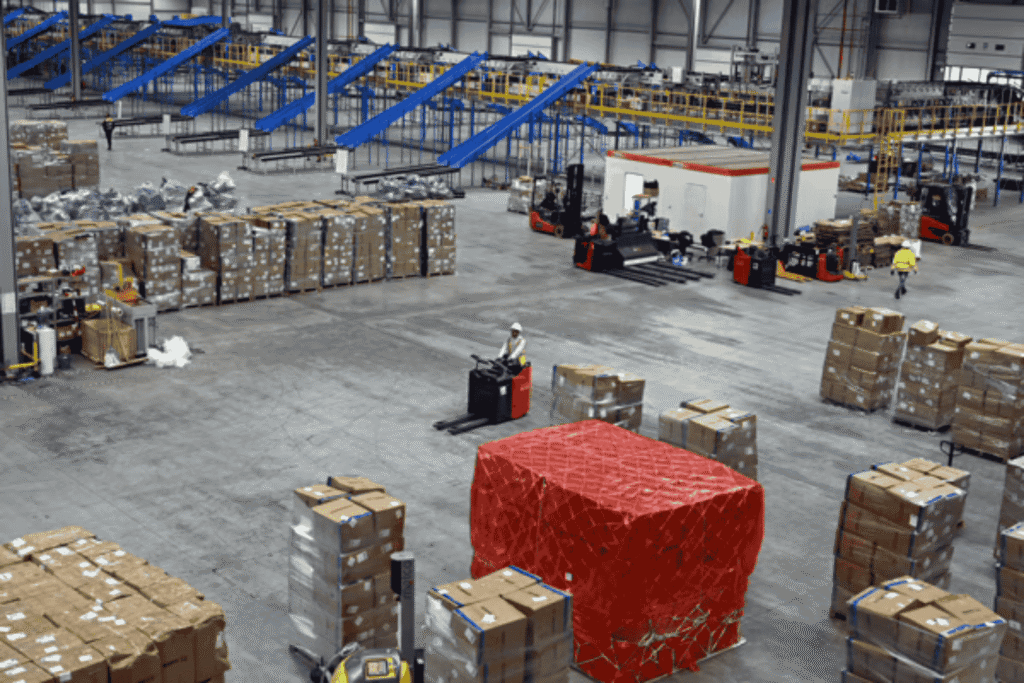
FiCommerce, a key player in e-commerce logistics and a prominent fulfillment service provider, is expanding its operational capacity. Marking a new milestone in its transformation journey, the company has officially opened a new fulfillment center in Gebze, Kocaeli, Türkiye. Sedat Aydın, Operations Director at FiCommerce, stated, “This building is not just a warehouse; it is a fulfillment center specifically designed to manage the complexity, volume, and speed of e-commerce logistics.” Aydın was a guest at WORLDEF E-COMMERCE!

“At FiCommerce, we believe that true innovation lies not only in meeting today’s e-commerce demands but also in anticipating the future,” said Aydın. “With this understanding, we set out to build a fulfillment center that not only meets expectations but redefines them. I can proudly say that this new facility is a tangible reflection of our vision, our commitment to operational excellence, and, most importantly, our promise to our customers.”

“This Building Is Not Just a Warehouse”

Emphasizing that the new fulfillment facility was designed with a single, clear objective in mind, Aydın continued, “That objective is to serve as a high-performance engine for modern e-commerce operations. Every decision—from macro-level layout to micro-level process flows—was centered around the needs of e-commerce businesses. Spanning approximately 6,000 square meters of accessible and efficient space, the structure was optimized with scalability and flexibility in mind. This building is not just a warehouse; it is a fulfillment center specifically designed to manage the complexity, volume, and speed of e-commerce logistics.”

Operational Excellence: Where Design Meets Data

Aydın underlined that every square meter of the facility reflects “our unwavering commitment to operational excellence.” He added, “While the physical infrastructure plays a fundamental role, the true performance is driven by the data-oriented processes built on top of it. That’s why, beyond the hardware and layout, we structured our workflows around the most critical metrics.

With a daily outbound capacity of 75,000 units, our operations are not only fast but also accurate, consistent, and scalable. Thanks to our 99.97% inventory accuracy rate, our clients have real-time access to their stock with minimal discrepancy. The 99.9% shipment accuracy rate is a result of strict quality controls, multi-layered verification systems, and our trained fulfillment teams. From inbound processing to dispatch, all functions are monitored via live KPI dashboards that feed our continuous improvement cycle. Here, efficiency is not a buzzword—it is the outcome of deliberate engineering.”

“Designed for Efficiency, Engineered for Resilience”

Highlighting that what makes the new fulfillment facility special is not just its size but also its intelligent design, Aydın explained, “The internal layout was optimized to enable seamless product flow, reduce in-warehouse transportation time, and maximize picking and packing efficiency.

In close collaboration with logistics engineers and system designers, we created a layout that minimizes friction and maximizes productivity in daily operations. From a structural and safety engineering standpoint, our facility is equipped with the latest fire safety systems and earthquake-resistant racking solutions. These features have been specifically developed for high-density and high-speed e-commerce environments.”

He also added, “Our infrastructure is also a showcase of resilience. The building, racking systems, and operational equipment were built using advanced engineering techniques to protect against earthquake and fire risks. In a region where such risks can disrupt operations, safeguarding our infrastructure for the future was non-negotiable. This means our clients can rest assured that their inventory is stored not only in a secure environment but also in one that is prepared for the unexpected.”

Facility Highlights of FiCommerce

One of the standout features of the FiCommerce Gebze fulfillment center is its temperature-controlled special storage areas. These sections, specially designed for climate-sensitive products, ensure the safety of items across categories such as fashion, cosmetics, electronics, and dietary supplements. To manage product diversity and improve accessibility, zone-based picking strategies and AI-assisted placement algorithms have been implemented.

As a result, storage space is utilized more efficiently, and high-frequency items are always kept within easy reach. Additionally, picker fatigue is reduced, and order fulfillment times are shortened. With an impressive daily outbound capacity of 75,000 units, the new fulfillment center can support both high-volume marketplace operations and specialized B2C projects with equal precision, speed, and reliability.

“We’re Investing Not Only in Infrastructure but in People”

Sedat Aydın emphasized that FiCommerce is not just building facilities but also creating environments where people can thrive. He pointed out that the modern social and rest areas within the new fulfillment center were designed with team cohesion and employee well-being in mind. He also noted their significant investment in ergonomic workstations, saying, “Because we believe that for operational excellence to be sustainable, our employees must be supported both physically and mentally. A high-performing logistics operation is only possible with high-performing people. We built this facility based on that truth.”

“In E-Commerce Logistics, Location Is Everything”

“In e-commerce logistics, location is everything,” said Aydın. “Placing this facility in the Kocaeli-Gebze region, right next to Istanbul, is no coincidence. The area lies at the intersection of critical transportation corridors. This allows us fast and efficient access to last-mile delivery providers, intercity carriers, and major distribution hubs. Its proximity to Istanbul shortens long-haul delivery times and enhances our ability to control service levels. In short, we are now much better positioned to meet both domestic and cross-border fulfillment needs.”

Our promise in the field of e-commerce fulfillment

Aydın continued, “Beyond its technical and operational strengths, this facility symbolizes a broader vision. It reflects our long-term commitment to raising the bar in e-commerce fulfillment and establishing a scalable foundation for future growth. This center is not merely an operational asset; it is a physical embodiment of our vision. It is proof of what can be achieved when strategy, design, technology, and the human factor converge for a common goal. It will be the blueprint for our future facilities, all of which will carry the same DNA of performance, resilience, and customer focus.”

“Smarter, Stronger, and More Scalable E-Commerce Logistics”

Sedat Aydın concluded his remarks by saying, “As we open the doors of this fulfillment center, we’re not just expanding our operational capacity. We’re also enhancing our ability to support our clients in a more holistic, efficient, and intelligent way. We thank our business partners for entrusting their operations to us. We are grateful to our team for turning this vision into reality. And to the future… This is just the beginning. Let this new fulfillment center symbolize the path we will walk together: Smarter, stronger, and more scalable e-commerce logistics.”

Widect: A New Era in Door-to-Door E-Export Logistics with the Assurance of Turkish Airlines

Established within Turkish Airlines to bring more agile and innovative solutions to e-commerce logistics in our country, Widect launched at the end of 2023. Starting operations in the first quarter of 2024, we offer door-to-door delivery service to Turkish e-exporters through the brand power and extensive flight network of Turkish Airlines. In a short time, we have reached over 3 million deliveries, providing our customers with both time and cost advantages, and added value to the sector with our digital solutions that simplify export procedures.

Wide-Direct-Connect (Widect): The DNA of Our Brand

As emphasized in its name, the Widect brand embarked on its journey with the vision of Wide-Direct-Connect. “Wide” represents our ability to reach all corners of the world through Turkish Airlines’ extensive destination network across 140 countries. “Direct” signifies our capability to provide door-to-door direct delivery services to various parts of the world thanks to Turkish Cargo’s logistics expertise. “Connect” reflects Widect’s vision of being a bridge connecting people, cultures, sellers, and buyers from different parts of the world. In this context, we continuously invest in and develop our operations to provide door-to-door services in all countries where we have cargo flights.

The Importance of E-Export for Our Country

Contributing to the development of e-export, which provides numerous benefits such as access to global markets, foreign currency inflow, economic diversification, and increased employment, is among Widect’s greatest motivations. Our main goals are to enhance Türkiye’s export potential, provide the necessary logistics solutions to increase the share of e-export within total exports to 10% by 2028, and position Istanbul as the global hub of e-commerce logistics. In this direction, we aim to exceed USD 1 billion in revenue by 2033 and raise our global market share above 1.5%.

US Tariffs and Impact on the Sector: New Opportunities for Türkiye

The new tariffs recently imposed by the United States on products of Chinese origin have led to significant shifts in global supply chains. Companies that heavily sourced from China are now seeking alternative suppliers, and major marketplaces that had not previously considered purchasing from Türkiye are quickly starting to work with Turkish businesses. The need for Chinese marketplaces to downsize in the US will lead them to focus on countries outside of America and increase competition.

The possibility of trade wars introducing additional tariffs in the global e-commerce flow could slow down growth rates. However, all these developments offer significant opportunities for Türkiye’s exports. At Widect, we are focusing on the US market to seize these opportunities and provide our exporters with a competitive advantage by offering express-speed service at economy pricing.

Artificial Intelligence Transformation in the Sector

Digitalization and artificial intelligence applications in the logistics sector play a critical role in creating competitive advantages. At Widect, we utilize AI in areas such as route optimization, software integrations, and rapid resolution of customer complaints. In doing so, we enhance our operational efficiency and deliver faster and higher-quality service to our customers. Looking ahead, we aim to make our logistics processes even smarter and more flexible through predictive analytics and automation solutions offered by AI.

Target Countries and New Routes

The United States has become our primary focus market following the recent tariffs. Through our fast and cost-effective services to the US, we ensure our exporters benefit from this opportunity to the fullest extent. The US is currently our largest market, and if the tariff balance continues, we expect this market to grow further.

In addition, we are planning to increase the number of injection points in Europe to facilitate direct flights to more countries. Our efforts to launch new services in the Middle East and Turkic Republics are ongoing. Hoping that the war will end soon, we are also preparing our services for Ukraine and Russia. By leading entry into niche markets such as Australia, we aim to enhance the global competitiveness of Turkish e-exporters.

Our Short- and Medium-Term Goals

As part of our growth strategy, we plan to launch our new warehouse in the last quarter of 2026. This new facility, with both handling and fulfillment infrastructure, will become a critical center not only for our own operations but also for our e-exporters. Especially with the implementation of the Domestic Transfer Center (YAM) Regulation, which is being intensively developed by our Ministry of Trade and is of great importance for our sector, Istanbul is expected to become one of the world’s leading e-commerce logistics centers.

With the YAM regulation, the increase in transit shipments and consolidation opportunities will reduce exporters’ logistics costs and further strengthen Istanbul’s position as a global hub. This will enable firms aiming to export to all parts of the world—not just major markets—to access new destinations with affordable logistics costs. Lower logistics costs will remove one of the biggest barriers to micro-exporting and entering new markets, allowing our exporters to send products at competitive prices to destinations that were previously inaccessible due to high costs.

Istanbul’s Journey to Becoming a Global E-Commerce Logistics HUB

Istanbul’s strong connectivity, its ability to reach over 60 capitals within a 7-hour flight, and the fact that nearly 40% of global passenger and cargo traffic passes through the city create a significant locational advantage. To replicate Turkish Airlines’ success in transit passengers and cargo in cross-border door-to-door shipments, we have initiated infrastructure and sorter investments. With regulatory adjustments that facilitate exports and transit cargo shipments, we will fully leverage Istanbul’s advantages and contribute to its transformation into a global e-commerce logistics hub.

The MENA Region and Türkiye’s Strategic Position

Türkiye occupies the most ideal location in the region for global transportation. It is particularly strategic for Asia and Middle East routes. As a bridge between Europe and Asia, we prioritize the sustainability of supply chain processes in the MENA region. Leveraging Istanbul’s location, we will rapidly dispatch shipments arriving from the Middle East to European countries without delays—thereby expanding the MENA trade volume, strengthening Türkiye’s transit network, and increasing efficiency and added value in commercial activities.

Sectoral Expectations and Future Outlook

Exporters expect increased market diversity, fast, reliable, cost-effective, trackable, and seamless logistics processes, and simplified customs procedures. At Widect, we continuously improve our services by following global trends and customer demands, working to simplify every process we touch. With digital transformation in the sector, new balances in global trade, and Türkiye’s strategic advantages, we are working with all our strength to maximize our country’s export potential.

With our vision to make Istanbul the center of global e-commerce logistics, we invite all industry stakeholders to join us on this journey. We will continue to work to enhance Türkiye’s export potential, increase the share of e-export within total exports, and position our country as a leader in global logistics.


Air Cargo is Growing in Türkiye!

Air Cargo is Growing in Türkiye!

According to the data from the General Directorate of State Airports Authority (DHMİ), domestic air cargo traffic in Türkiye’s airports reached 329,668 tons in the January–May 2025 period, increasing by 1.3 percent year-on-year.

International cargo traffic rose by 6 percent compared to the same period last year, reaching 1,539,714 tons. Thus, total cargo traffic in the first five months increased by 5.1 percent year-on-year to 1,869,382 tons.

“Türkiye is Advancing Toward Becoming a Transit Hub”

Serkan Eren, President of the International Transport and Logistics Service Providers Association, stated that Türkiye has entered a new phase in air cargo transportation driven by e-commerce.

Eren said: “E-commerce has gained significant momentum. Traditional airport-to-airport transportation in air cargo is now being replaced by door-to-door deliveries. This resembles the courier services that companies like DHL and UPS have been offering for years, but it’s transforming into a larger-scale model managed by exporters themselves.”

Highlighting Türkiye’s key role in this transformation, Eren pointed to the facilities that FedEx and Trendyol will establish at Istanbul Airport as concrete examples. “Thanks to strong airlines such as Turkish Airlines, Türkiye is advancing toward becoming a transit hub. E-commerce shipments are creating significant traffic both to our country and to Europe,” he said.

“Türkiye Has Become a Transit Point for Air Cargo Traffic”

Eren emphasized that with the expansion of China-based e-commerce platforms such as Temu into the European market, Türkiye has become one of the transit points in air cargo traffic. “In the past, ordering from China would mean waiting for a month. Now, deliveries are made in 3–5 days. This makes air cargo much more attractive,” he said.

Despite the rapid growth of e-commerce, Eren pointed out the challenges in air cargo capacity: “If you want to buy an aircraft, you need to wait 5–6 years. This puts pressure on the supply-demand balance. Therefore, flexible solutions and air-road combinations are becoming increasingly important,” he added.

First Drone Delivery Trial Conducted in Abu Dhabi

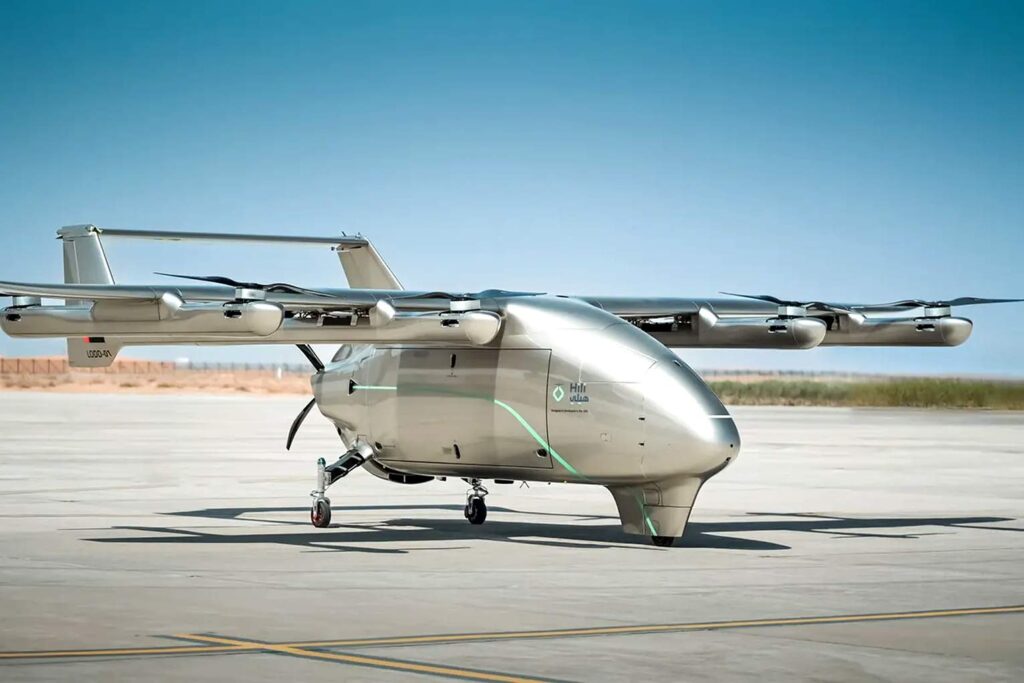
With the support of the Abu Dhabi Investment Office (ADIO), aviation technology company LODD and investment holding firm 7X, which operates in the transport and logistics sectors, carried out the first test flight for autonomous drone deliveries in the emirate. LODD and 7X aim to continue collaborating with regulators and industry stakeholders to develop procedures, ensure legal compliance, and gather operational insights for broader deployment.

During the inaugural test flight in Khalifa City, a drone successfully delivered a simulated package, collected from a local post office, to a designated drop-off point using a crane-like mechanism.

Drone Delivery Project Aims to Develop Smart and Integrated Mobility Solutions

The project, launched as part of the strategy of ADIO’s Smart and Autonomous Systems Council (SASC), aims to foster the development and adoption of smart and integrated mobility solutions in Abu Dhabi. It also forms part of a broader strategy for implementing smart transportation systems through ADIO’s Smart and Autonomous Vehicle Industries (SAVI) cluster.

This pilot project represents the first phase of a wider strategy to roll out drone-based logistics services across Abu Dhabi. Thanks to its progressive regulations and infrastructure readiness, the emirate is emerging as a leader in autonomous air transportation in the region.

“Drones Are Transforming Urban Delivery Networks”

Omran Malek, Head of ADIO’s SAVI Cluster, said: “At ADIO, we take pride in leading the development of advanced logistics technologies that will position Abu Dhabi as a global hub of innovation. This pilot project is a strong example of forward-thinking strategies and local partnerships that deliver long-term economic and infrastructural value.”

LODD CEO Rashid Al Manai stated, “Autonomous drones are transforming urban delivery networks. A single operator managing multiple deliveries simultaneously brings a new level of scalability and agility to the logistics chain. We are proud to collaborate with 7X, ADIO, the GCAA, and the Integrated Transport Centre to develop this technology in the UAE.”

Tariq Al Wahedi, CEO of 7X Group, added, “This milestone reflects our commitment to developing next-generation logistics solutions aligned with the UAE’s smart mobility vision. By integrating autonomous aerial technology into EMX’s national logistics ecosystem, we are enhancing operational reach and speed while building a more flexible and future-ready network.”

“We Provide Solutions To E-Commerce Companies With Our Technology Consultants”

Sürat Kargo‘s General Manager Cem Oğuz, noting the rapid growth of the cargo and transportation sector in Türkiye, particularly with the rise of e-commerce that began during the pandemic, referred to the Turkish Statistical Institute (TÜİK) 2024 report, which shows that the rate of individuals purchasing or ordering goods and services online (e-commerce) rose from 49.5% in 2023 to 51.7% in 2024.

Pointing out that approximately 5 million households in Türkiye receive cargo deliveries daily, Oğuz stated, “The market is expected to grow at a compound annual growth rate (CAGR) of 15% over the next five years. In this context, we are producing special solutions for e-commerce companies, our most important customer group, in collaboration with our professional consultants and partners, offering services both domestically and internationally. From dedicated customer service representatives to technology consultants, we provide support in every area.”

Investments Continue

Sürat Kargo, which increased its volume by 28% and its revenue by 40% in the second half of 2024 compared to the first half, aims to continue this growth into 2025 and maintain its investment efforts. Cem Oğuz provided the following information:

“We continued our investments in automatic parcel sorters and the next-generation software we developed entirely in-house throughout 2024. We will soon see the positive results of these investments. In 2025, we will continue to increase our sorter inventory with the most advanced technology products developed by international firms. We will be the first company in Türkiye to use our new sorters, with the number of sorters rising from 6 to 10. Our goal is to position Sürat Kargo as the brand that uses and leads the industry with the latest technologies.”

Growth in Global Markets

Evaluating the global cargo and transportation sector, Cem Oğuz stated, “E-commerce accounts for more than 80% of our total business volume, and its share in the market is continually increasing. The global logistics and transportation market is expected to grow at an average annual rate of 5.7% until 2030, reaching a volume of approximately $13 trillion by 2030.

While the share of e-commerce in total trade in developed European countries is around 30%, in Türkiye, this figure exceeds 20%. A 1% increase in e-commerce corresponds to about a 10% volume growth in the cargo sector. Accordingly, the sector is expected to grow by an average of 10-11% annually over the next 10 years, reaching a volume of $5.2 billion by the end of the decade.

With technological innovations, sustainable logistics solutions, and our ability to respond quickly to customer needs, we will lead this growth. Türkiye’s geographical location is uniquely positioned for international trade. Moreover, we have a population well-versed in manufacturing and service delivery. By combining these two key factors, we can seize significant international business opportunities. As Sürat Kargo, we will continue to increase our international activities, especially in neighboring geographies, by offering the most suitable solutions to these needs.”

Daily Cargo Delivery Exceeding 400,000

Sürat Kargo’s General Manager Cem Oğuz, noting that they handle an average of 400,000 parcels daily, and up to 750,000 parcels on busy days, stated that the number of employees has increased by about 40% compared to pre-pandemic levels.

He continued, “As in every sector, human resources management is critical in the cargo sector. We create a working environment that maximizes our employees’ potential. We support our employees with in-service training and closely monitor their development through performance evaluation systems. This approach distinguishes our company in the competitive market by ensuring customer satisfaction.”

“We Have Agreements With Traders Across Every Corner Of Türkiye”

Cem Oğuz stated that a few years ago, 80% of the calls to the call center were inquiries such as “Where is my package?” He explained that today, every piece of information is sent to customers in real-time, and cargo tracking can be done via smartphones. “Even if our customer is not at home, they can pick up their package from the trader locations or smart parcel lockers we are partnered with. As Sürat Kargo, we work with partnered traders or automated parcel lockers in every corner of Türkiye.

We call these ‘Süratli Trader Points.’ Our alternative service points are spreading rapidly based on a ‘win-win’ need. This allows the customer to receive their parcel at their convenience, without having to wait for delivery. Regulations in this area have also opened new opportunities; now, these points can be used not only for deliveries but also for sending cargo,” he said.

During the digitalization process, Oğuz added that a link sent to people waiting for their cargo now also includes the courier’s photo and vehicle information, which is crucial for security. “Our couriers take a photo of themselves every morning before setting out and share it on the Sürat Service Platform. Our customers can also track their parcels through this platform.

This is part of our digitization efforts. Also, the requirement for collecting identity numbers and signatures, which was mandatory until recently, has been eliminated. Digitalization and technological advancements are also advancing from a regulatory perspective. Now, instead of collecting signatures as proof of delivery, we resolve this with message confirmations, protecting our customers’ personal information.”

DHL Plans to Invest $545 Million in Gulf Logistics

DHL plans to invest more than $545 million in the Persian Gulf region by 2030. The United Arab Emirates and Saudi Arabia are targeted as strategic logistics hubs in these investments. As part of DHL’s global growth strategy, the investment will support infrastructure improvements for DHL’s Express, Global Forwarding, Supply Chain, and eCommerce divisions.

DHL’s logistics investments cover the following areas: new warehouse capacity, expanded road and air transport networks, improved last-mile delivery services, and the use of low-emission and digital logistics technologies.

DHL Express CEO: This Investment Reflects the Region’s Growing Strategic Importance

DHL Express CEO John Pearson said, “The Gulf Cooperation Council is rapidly becoming a global logistics and innovation hub. This investment reflects the region’s growing strategic importance in connecting Asia, Europe, and Africa.”

DHL Supply Chain CEO for Europe, the Middle East, and Africa, Hendrik Venter, stated, “Dubai has positioned itself as a regional e-commerce leader, and this transformation is rapidly increasing the demand for more advanced logistics services. Our investment in the region aims to meet this demand and enhance supply chain resilience for sectors such as energy, healthcare, and technology.”

“This Region Is No Longer Just a Transit Point”

DHL Global Forwarding CEO for the Middle East and Africa, Amadou Diallo, also said, “This investment is a reflection of our confidence in the Middle East’s economic future. We are expanding our operations to support our customers in navigating global trade complexities and managing supply chain disruptions.” Diallo added, “This region is no longer just a transit point. It is becoming one of the main engines of global trade — and we want to be ready for the next phase.”

DHL’s strategy focuses on building more agile and digitally integrated logistics networks shaped by changing trade flows and the increasing demand for speed, reliability, and sustainability.


DHL eCommerce enters Saudi Arabian market

AliExpress Launches “Local+” Fulfillment Service in Europe

AliExpress is following in the footsteps of competitors such as Amazon, Temu, and Shein in Europe. The company is launching a fulfillment service called “Local+” for European sellers. The new service allows retailers to outsource their shipping processes. The company, which has purchased 10 warehouses in the United Kingdom, Spain, and Germany for the fulfillment service, aims to accelerate the shipping process.

AliExpress Promises Delivery Within 7 Days at the Latest

E-commerce sellers in Europe have been able to sell on AliExpress since 2022. However, sellers were managing shipping processes themselves or through third-party providers. The new fulfillment warehouses will facilitate the shipping processes for European e-commerce sellers.

Products of sellers using the Local+ fulfillment solution will feature a special badge. AliExpress states that the products will be delivered to end consumers within seven days at the latest. Return processes will also be handled by AliExpress through Local+.

A Strategic Move Against Competitors!

The company states that the new fulfillment service has been launched to provide customers with a more familiar and practical shopping experience. However, experts interpret this move as “a strategic step aimed at maintaining competitiveness against rivals.” This is because Temu began using local warehouses for products belonging to sellers in Europe in recent months.

Duty-Free Import Threshold to Be Removed by 2028

On the other hand, due to VAT reforms, importing products from outside the European Union will become more expensive. The duty-free import threshold will be removed by 2028 at the latest. The European Commission is also considering applying an additional import tax of around two euros on orders coming from outside the EU.


AliExpress Expands Local Payment Options in Africa

Wildberries to Establish $150 Million Warehouse in Uzbekistan

Robert Mirzoyan, CEO of the merged company Wildberries & Russ, announced the company’s plans regarding Uzbekistan at the IV Tashkent International Investment Forum. According to the statement, the company will construct a warehouse covering 180,000 square meters in the Tashkent region. A land plot has already been designated for this facility.

Sales Volume of Uzbek Sellers on Wildberries Exceeds $1 Billion

Mirzoyan stated that over the past two years, the sales volume of Uzbekistan-based sellers on the Wildberries platform exceeded $1 billion. Shipments of Uzbek textiles to Kyrgyzstan, Belarus, and Kazakhstan via Wildberries doubled last year. Exports of Uzbek textile products to Russia, the company’s largest market, increased by 63%.

“Our goals in Uzbekistan are to build a full-fledged e-commerce infrastructure through logistics and financial technologies, unlock the country’s export potential, and integrate Uzbek products into global trade chains,” Mirzoyan said.

Meanwhile, Wildberries collaborated with Uzbekistan’s National Agency for Prospective Projects to launch a “Green Corridor” for exporters. This initiative aims to facilitate cross-border sales for Uzbek entrepreneurs in the 10 countries where Wildberries currently operates.

Wildberries Supports Entrepreneurs in Uzbekistan

Additionally, Wildberries announced the launch of the “Growth Platform” in Uzbekistan during the Tashkent International Investment Forum. This initiative aims to support and scale up small and medium-sized enterprises. Under the program, entrepreneurs will gain access to Wildberries & Russ’s advanced digital advertising tools, online sales training programs, and the company’s extensive infrastructure to export their products to other markets.

At the initial stage, approximately 100 Uzbek entrepreneurs selected in consultation with Uzbekistan’s Ministry of Investment, Industry, and Trade will take part in the platform. Participants include manufacturers of clothing, home textiles, footwear, bags, cosmetics, cleaning products, and household appliances. The initiative is expected to expand to include more sellers in the future.

Wildberries Processes Over 20 Million Orders Per Day

Wildberries was founded in Russia in 2004. The company operates in Armenia, Belarus, Georgia, Kazakhstan, Kyrgyzstan, Russia, Tajikistan, and Uzbekistan, and also partners with sellers in China and the UAE. To support its customers and sellers, Wildberries provides a state-of-the-art IT infrastructure and a developed logistics network consisting of more than 130 facilities and over 70,000 pick-up points. As of 2025, Wildberries serves more than 79 million customers and processes over 20 million orders daily.

NedLine Expands Its E-Commerce Logistics Network

Over the past three years, NedLine Logistics has significantly ramped up its investments in e-commerce logistics. The company has built an extensive network across Europe to facilitate B2C customs clearance and last-mile delivery—ensuring seamless cross-border e-commerce services. It also offers competitive transit shipping rates to distant countries, delivering end-to-end global e-commerce solutions. We spoke with Ali Türk, Founder of NedLine Logistics, about the company’s growth journey.

Ali Türk recalls, “We started in 2006 under the name ‘Ata Trans.’ By 2009, we had six vehicles—growing that fleet to 18. In 2014, we founded NedLine Logistics, consolidating transportation and logistics services under one roof. Today, we operate eight branches: six in the Netherlands, one in Belgium, and one in Turkey. Our primary focus now is to optimize e-commerce logistics to meet rising demand.”

“Experts Across Europe”

“Cross-border e-commerce is one of the fastest-growing areas in logistics,” Türk continues. “To simplify international e-commerce operations, we provide integrated B2C customs clearance services. Our automated digital systems accelerate these processes, reducing delays and enabling faster deliveries. We specialize in moving e-commerce packages using simplified customs procedures across various European markets. By closely collaborating with customs authorities and deploying digital systems, we ensure a frictionless cross-border experience for our clients.”

Last-Mile Delivery: A Critical Link

Last-mile delivery plays a key role in customer satisfaction. NedLine Logistics maintains an expansive delivery network throughout Europe to ensure packages reach consumers swiftly and efficiently.

Its offerings include:

  • Express deliveries with same-day and next-day options.
  • Scheduled shipments that offer flexibility for end customers.
  • Regional warehousing with strategically located distribution hubs to reduce transit times and optimize routes.

With advanced tracking technology, customers enjoy real-time order visibility, enhancing transparency and trust throughout the delivery process.

Technology at the Core

To remain competitive in e-commerce logistics, Türk emphasizes the company’s investment in innovation: “Our AI-powered route optimization enhances delivery efficiency, while real-time tracking and automated sorting streamline our operations. Our distribution centers are equipped with advanced warehouse management systems (WMS) to handle high-volume orders accurately and quickly. With full integration to leading e-commerce platforms, we offer online retailers a seamless, end-to-end logistics experience.” NedLine Logistics is also certified by leading organizations including TAPA, PayChecked, and KIWA (NEN4400), ensuring high standards in both security and operational excellence.

Green Logistics and Sustainability Initiatives

As e-commerce scales, so does the demand for sustainable logistics. Türk says, “At NedLine Logistics, we lead with a proactive approach—expanding our fleet of electric and low-emission vehicles for last-mile delivery. We utilize solar panels, smart lighting, and energy-efficient operations. We also offer solutions that help companies offset their emissions. By prioritizing sustainability, we help e-commerce businesses minimize environmental impact without compromising on efficiency.”

Aiming for Market Leadership

Looking ahead, NedLine Logistics is poised for further expansion, aiming to enhance delivery speed and cross-border capabilities. “Our goal is to become Europe’s leading e-commerce logistics provider,” Türk says. “We’re investing in automation, technology, and infrastructure to ensure scalable, efficient solutions for online businesses.” From humble beginnings with a single minivan to a cutting-edge logistics network, NedLine continues to redefine innovation and efficiency in e-commerce logistics.

About Ali Türk, Founder of NedLine Logistics

Ali Türk moved from Sivas, Turkey to the Netherlands at age 17, beginning his logistics career as a driver. His journey has since evolved into a remarkable success story. Today, as the Founder of NedLine Logistics, he leads a robust logistics network dedicated to e-commerce across Europe. What began in 2006 with a single vehicle has grown—by 2025—into a major logistics company employing over 400 people.

DHL to Introduce Monthly Fee for E-Commerce Sellers

In an announcement made in recent months, DHL had previously declared that it would implement a high surcharge during the busy period of November and December. The new fee to be applied in July was announced this week. E-commerce sellers using the DHL Business Customer Portal have been informed about the new pricing. The company noted that this new fee is linked to its annual price increase policy.

DHL’s Fixed Fees Range from 8 to 120 Euros

According to the information provided, a fixed monthly fee will be applied to e-commerce sellers starting from July 1. A monthly fixed fee will be charged for the “DHL Parcel” and “DHL Returns” services. However, the DHL Small Parcel service will not be affected by the new pricing. The new fee will be applied regardless of the number of shipments made per month. E-commerce sellers shipping with the company report that the fixed fees range from 8 to 120 euros.

“As Shipping Volume Increases, the Average Cost Per Package Decreases”

Meanwhile, DHL recently adjusted its shipping prices. A spokesperson from DHL said, “These amounts are tiered according to the rates individually agreed upon with our customers.” The spokesperson added: “A higher monthly fixed fee comes with a lower price per shipment. Thanks to the newly introduced monthly fixed fee, the average cost per package automatically decreases as shipping volume increases for our customers. This means that every additional shipment made with DHL contributes to growth.”


Name Change at MNG Kargo: Now DHL eCommerce!