WORLDEF ISTANBUL 2026 - Early Bird Registration Ends Soon

Register Now

Pinault Family Office Cuts Debt

The family office of French billionaire François Pinault has announced plans to reduce its debt and adopt a more cautious investment strategy amid declining revenues from its portfolio companies. This decision reflects the family office’s intent to safeguard wealth and maintain financial stability in the face of shifting market conditions (Bloomberg).

Background on the Pinault Family Office

François Pinault, one of France’s wealthiest individuals, oversees a diversified portfolio spanning luxury goods, art, and private investment holdings. The family office manages both personal and corporate wealth, ensuring that investments align with long-term strategic goals. In recent years, the family office has made significant acquisitions in global luxury brands, contemporary art collections, and alternative investment opportunities, contributing to its global prominence.

The Pinault family office has historically maintained a strong focus on diversification, allocating capital across multiple sectors including luxury, technology, art, and venture capital. This approach has allowed the family to maintain relative stability even during market volatility. However, the recent declines in revenue streams from key holdings, combined with rising debt obligations, have prompted a strategic reassessment.

Reasons Behind Debt Reduction

The primary driver behind the decision to reduce debt is the declining income from several portfolio companies. Shifts in global consumer behavior, particularly in the luxury goods sector, have affected sales and profitability. In addition, macroeconomic factors such as interest rate fluctuations, currency variations, and geopolitical uncertainties have increased the financial pressures on high-net-worth family offices.

By lowering leverage, the Pinault family office aims to create more financial flexibility, reduce interest expenses, and protect its assets against future economic shocks. Debt reduction also positions the office to weather market volatility while maintaining sufficient liquidity for operational needs and strategic initiatives.

Impact on Investment Strategies

As part of this cautious approach, the family office is expected to scale back on large-scale acquisitions and focus primarily on its core holdings that demonstrate stable returns. New investments may be selectively pursued, prioritizing sectors that are resilient to economic downturns, such as essential goods, digital technology, and certain art assets (Bloomberg).

Financial experts note that family offices often adopt conservative strategies during periods of uncertainty to protect generational wealth. The Pinault family office’s approach reflects a broader trend among Europe’s ultra-high-net-worth individuals who are adjusting portfolios to reduce exposure to highly leveraged investments.

Portfolio Adjustments and Divestments

Alongside debt reduction, the family office is reviewing its portfolio composition. Certain volatile assets, particularly in high-risk industries, may be divested to streamline holdings and optimize liquidity. This may include partial sales of minority stakes in businesses, or the monetization of non-core investments to focus resources on the most strategic areas (Bloomberg).

The adjustments are intended not only to stabilize finances but also to ensure that the family office can seize new opportunities when market conditions improve. Analysts suggest that the Pinault family office may look for discounted asset acquisitions in the medium term once risk levels normalize.

Financial Stability and Risk Management

The decision to reduce debt is closely tied to risk management. By lowering leverage, the family office can reduce exposure to interest rate fluctuations and potential market shocks. This strategic positioning allows the office to remain nimble in reallocating capital toward higher-return opportunities or defensive investments, as needed.

Furthermore, financial advisors emphasize that maintaining liquidity and limiting high-risk exposures is critical for family offices managing intergenerational wealth. The Pinault office is following these principles to secure long-term stability.

Implications for Luxury Holdings

The Pinault family office has significant stakes in global luxury brands. Strategic adjustments in investment and debt management may influence corporate decisions within these holdings, particularly regarding expansion projects, mergers and acquisitions, and capital allocation. Analysts predict a heightened focus on operational efficiency and sustainable growth rather than aggressive expansion during this period.

This approach could affect brand strategies, pricing policies, and international market penetration plans, signaling to the broader market the importance of prudence in managing high-value luxury portfolios.

Market Reactions and Investor Sentiment

Financial markets have closely observed the Pinault family office’s strategy. Investors and analysts view the debt reduction plan as a prudent move to strengthen balance sheets and mitigate risk. Some interpret the decision as a signal of caution in the luxury and art investment sectors, while others see it as a positive step toward long-term financial health.

This development also highlights the broader trend among Europe’s billionaire families, who are increasingly reassessing investment strategies in response to macroeconomic pressures, market volatility, and geopolitical uncertainty.

Long-Term Outlook

Looking forward, the Pinault family office is expected to continue emphasizing capital preservation, strategic allocation, and liquidity management. By reducing debt and optimizing the portfolio, the office positions itself to navigate market fluctuations while safeguarding generational wealth. Once economic conditions stabilize, selective investments may resume, particularly in sectors with stable growth prospects.

Experts anticipate that the office will maintain a balance between conservative financial management and opportunistic investments, ensuring long-term wealth sustainability while remaining adaptable to market dynamics.

QIA and Blue Owl Launch $3B Digital Platform

The Qatar Investment Authority (QIA) has partnered with global investment firm Blue Owl to launch a $3 billion digital infrastructure platform aimed at capitalizing on the growing demand for cloud adoption and data center services. This strategic collaboration reflects Qatar’s long-term vision to support a sustainable and technologically advanced economy while tapping into the rapidly expanding digital infrastructure market (Citywire).

Strategic Goals of the Platform

The newly formed platform seeks to address the increasing global need for digital infrastructure, including data centers, fiber networks, and cloud-based services. With businesses and governments worldwide accelerating their digital transformation initiatives, the demand for robust and reliable infrastructure has reached unprecedented levels. The partnership between QIA and Blue Owl positions the platform to become a major player in this sector (Citywire).

Focus on Cloud Adoption and Data Centers

The platform’s primary focus is on cloud adoption and data center development. As organizations continue to migrate workloads to the cloud, the need for high-performance, secure, and scalable data centers is increasing globally. By investing in this sector, the platform aims to provide businesses with reliable infrastructure solutions that support both growth and operational efficiency (Citywire).

Alignment with Qatar’s Digital Economy Strategy

This initiative is in line with Qatar’s broader digital economy strategy, which aims to leverage technology and innovation to drive economic growth and diversification. The platform is expected to contribute significantly to the country’s infrastructure development goals, attracting further investments in technology-driven sectors and strengthening Qatar’s position as a regional hub for digital innovation (Citywire).

Investment Structure and Funding

The $3 billion platform combines capital from QIA with Blue Owl’s investment expertise to create a dedicated fund focused on digital infrastructure assets. The collaboration is structured to identify high-potential projects and scale them effectively, ensuring returns for investors while fostering the growth of critical technology infrastructure. Early projects are expected to include state-of-the-art data centers in strategic locations, enabling low-latency connectivity for clients (Citywire).

Global Market Opportunity

The global digital infrastructure market is experiencing exponential growth, fueled by the widespread adoption of cloud computing, 5G networks, and IoT technologies. Analysts predict that data center and digital infrastructure investments will continue to rise over the next decade, creating lucrative opportunities for well-capitalized platforms like the QIA-Blue Owl partnership (Citywire).

Technological Innovation and Sustainability

The platform emphasizes not only scalability and performance but also sustainability. Investments are expected to focus on energy-efficient data centers, renewable energy integration, and environmentally responsible construction practices. By prioritizing sustainable infrastructure, the platform aligns with Qatar’s commitments to climate-conscious development and corporate responsibility (Citywire).

Strategic Implications for QIA

The launch of the digital infrastructure platform represents a strategic move by QIA to diversify its portfolio into technology-driven investments. By entering the digital infrastructure space, QIA is positioning itself at the forefront of the next wave of economic growth, ensuring that its investments align with both national development goals and global technology trends (Citywire).

Opportunities for Regional Development

Beyond global ambitions, the platform is expected to create significant opportunities within the Middle East region. By investing in regional digital infrastructure, the initiative will support local technology ecosystems, create jobs, and encourage knowledge transfer in emerging markets. This aligns with broader efforts to enhance the region’s technological capabilities and attract foreign direct investment (Citywire).

Collaboration with Technology Partners

Blue Owl brings expertise in structuring, funding, and scaling infrastructure projects, while QIA contributes its financial strength and strategic oversight. Together, they plan to collaborate with leading technology providers and operators to ensure that the platform’s projects meet international standards in reliability, security, and innovation. Early-stage partnerships are expected to focus on cloud services, colocation facilities, and high-speed network solutions (Citywire).

Future Outlook

The digital infrastructure platform is poised to expand over the next several years, targeting additional data centers, cloud hubs, and fiber networks across key international markets. Analysts expect the initiative to deliver robust returns for investors while positioning Qatar as a global leader in digital infrastructure development. The combination of strategic investment, technological expertise, and sustainability focus sets this platform apart as a benchmark for future digital infrastructure projects (Citywire).

Yapı Kredi & Mastercard Launch Digital Payments in Türkiye

Türkiye is entering a new phase in its financial technology journey as Yapı Kredi, one of the country’s leading banks, joins forces with Mastercard to roll out advanced digital payment solutions powered by the Masterpass infrastructure. This collaboration is designed to reshape the nation’s payment ecosystem, giving consumers and merchants more efficient, safer, and faster ways to complete transactions while contributing to Türkiye’s long-term vision of a cashless economy.

The initiative was officially announced in late September and reflects a growing trend in Türkiye where traditional banking institutions are increasingly partnering with global fintech leaders. According to TechAfrica News, the new system will focus heavily on QR code payments, contactless transactions, and simplified checkout experiences. This effort aims not only to modernize consumer habits but also to help small and medium-sized enterprises (SMEs) integrate cutting-edge payment technologies into their business models.

Digital Payments as a Cornerstone of Türkiye’s Economy

In recent years, Türkiye has become one of the most dynamic fintech markets in Europe and the Middle East. Consumers in the country have shown remarkable adaptability when it comes to adopting digital wallets, mobile banking apps, and contactless cards. A report by the Central Bank of the Republic of Türkiye highlights that card payments grew at double-digit rates annually throughout the last decade, making the nation one of the leaders in payment innovation.

The Yapı Kredi-Mastercard partnership directly responds to this environment by addressing consumer demand for safer and more convenient transactions. The partnership also aligns with Türkiye’s 2023 Digital Transformation Program, which emphasizes building a modern financial infrastructure that integrates global standards while supporting domestic innovation.

How Masterpass Integration Works

Through the Masterpass infrastructure, Yapı Kredi customers will gain access to a seamless checkout process across thousands of online and offline merchants. Masterpass serves as a digital wallet that securely stores card information and allows payments via one-click checkout, QR codes, or contactless technologies.

This system benefits merchants as well. Businesses no longer need to invest in complex systems to process digital transactions; instead, they can tap into Mastercard’s global ecosystem. This integration allows SMEs, which form a significant part of Türkiye’s economy, to reach wider audiences, reduce transaction costs, and operate with greater efficiency.

According to Mastercard, the adoption of Masterpass worldwide has already resulted in higher consumer satisfaction, reduced cart abandonment rates in e-commerce, and improved trust in digital payment systems. Türkiye’s inclusion in this network underscores its role as a regional hub for fintech adoption.

The Push Toward Financial Inclusion

One of the key goals of this initiative is to enhance financial inclusion in Türkiye. Despite the country’s rapid digital growth, millions of people remain underserved by traditional banking systems. Yapı Kredi and Mastercard aim to bridge this gap by offering user-friendly and secure digital solutions that can reach people in both urban and rural areas.

By promoting QR-based transactions, even those who do not have access to advanced smartphones or credit cards can participate in digital commerce. Such solutions play an essential role in ensuring that the benefits of financial technology are distributed more equally across society.

Industry experts note that financial inclusion is also a driver of economic growth. By integrating more individuals into the financial system, the country can boost consumer spending, encourage entrepreneurship, and improve overall economic resilience.

Türkiye as a Regional Fintech Pioneer

The collaboration between Yapı Kredi and Mastercard places Türkiye firmly on the map as a regional fintech leader. Other countries in the Middle East and North Africa are closely observing the success of digital payment rollouts in Türkiye, as the market is often seen as a testbed for innovative financial technologies.

With over 85 million people, a high rate of smartphone penetration, and a young population eager to embrace new technologies, Türkiye provides an ideal environment for global companies like Mastercard to launch large-scale digital initiatives.

A report from Statista forecasts that digital payments in Türkiye will continue to grow at an annual rate of over 15 percent, reaching billions of dollars in transaction volume by 2030. This projection highlights the strategic importance of initiatives like the Yapı Kredi-Mastercard partnership.

Challenges and Future Outlook

While the future looks promising, challenges remain. Cybersecurity risks, regulatory complexities, and consumer trust issues are potential hurdles for widespread adoption. However, both Yapı Kredi and Mastercard have emphasized their commitment to ensuring security standards that meet international benchmarks.

The introduction of an Innovation Lab, supported by Mastercard, is also expected to test and develop new digital solutions tailored for Türkiye’s unique market conditions. This lab will explore blockchain-based payment systems, AI-driven fraud detection, and sustainable fintech practices that align with global ESG standards.

Experts believe that the partnership will not only modernize payment methods but also pave the way for Türkiye to export its fintech expertise to neighboring regions. By becoming a hub for innovation, Türkiye could potentially influence digital transformation trends in both Europe and the Middle East.

Conclusion

The launch of the Yapı Kredi and Mastercard digital payment initiative represents more than just a banking upgrade. It is a step toward a fully integrated, cashless economy in Türkiye that emphasizes financial inclusion, technological innovation, and consumer convenience.

This collaboration showcases how traditional banks can align with global payment leaders to deliver cutting-edge solutions that respond to evolving consumer behaviors. It also demonstrates Türkiye’s ambition to position itself as a pioneer in the global fintech arena.

As digital payments continue to evolve, the partnership between Yapı Kredi and Mastercard may serve as a blueprint for other markets in the region, highlighting the importance of collaboration, innovation, and trust in building the future of finance.

Saudi Arabia Freezes Riyadh Rents for Five Years

Saudi Arabia has announced a five-year freeze on annual rent increases for residential and commercial properties in Riyadh, effective September 25, 2025. The decision, issued under directives from Crown Prince Mohammed bin Salman, aims to regulate landlord-tenant relations, curb soaring rents, and restore balance in the capital’s real estate market. (Gulf News) Gulf News

Background: Soaring Rents Prompt Regulatory Response

In recent years, Riyadh has experienced significant pressure in both housing and commercial lease markets. Rising demand, urban expansion, and inflation have led to steep increases in rent. Many tenants both residents and businesses faced rapidly escalating costs, prompting public concern and calls for regulatory intervention.

To address these issues, the Saudi leadership has stepped in. By issuing a directive to freeze rent increases, the government is taking a proactive approach to ensure affordability, protect renters, and avoid uncontrolled speculation in the housing and commercial leasing sectors. Gulf News

Key Provisions of the Rent Freeze

The legislative package accompanying the rent freeze includes several important measures designed to both stabilize and regulate the real estate rental market in Riyadh:

  1. Rent Increase Freeze
    Landlords are prohibited from raising rents—whether for existing leases or new ones—within Riyadh’s urban boundaries for the full five years. This applies to both residential and commercial properties. Gulf News

  2. Stabilization of Vacant Property Rents
    For vacant residential and commercial units, rent will be determined based on the most recent lease agreement. Newly built or newly unleased properties, however, will require mutual agreement between landlord and tenant. This aims to prevent landlords from arbitrarily imposing high rents on fresh leases.

  3. Mandatory Electronic Contract Registration (Ejar System)
    Lease contracts must be registered in the government’s “Ejar” system. After registration, there is a 60-day period during which objections can be raised. Once registered without dispute, contracts become legally valid. This measure increases transparency.

  4. Automatic Lease Renewal
    Unless either the landlord or the tenant provides notice at least 60 days before lease expiry, contracts renew automatically. Exceptions exist for cases such as structural defects, non-payment, or when landlords need the property for personal use.

  5. Dispute Resolution for Rent Valuation
    Landlords may contest valuations for properties that underwent major renovations or whose leases predate 2024. A dedicated authority committee will review such disputes and make rulings. Gulf News

  6. Penalties for Violations
    Financial penalties of up to 12 months’ rent can be imposed for breaches of the new rules. Corrective action and compensation may also be required. Informants who report violations may be entitled to up to 20% of collected fines.

  7. Oversight, Monitoring, and Reporting
    The Real Estate General Authority (REGA) is tasked with monitoring compliance, tracking rent levels, and producing regular market condition reports including price indices and other real estate indicators. The Crown Prince has instructed reporting mechanisms to ensure transparency and accountability.

Expected Impacts on Tenants, Landlords, and Investors

For Tenants

  • Stability and Predictability: Renters will benefit from predictable housing and rental expenses for the next five years. With no increases allowed, tenants can plan their long-term finances with less risk of sudden cost hikes.

  • Protection from Exploitation: New clauses like the stabilization of vacant unit rents and rent valuation review protect tenants from arbitrary increases or unfair valuations.

  • Improved Rights and Transparency: Mandatory contract registration and automatic renewals provide legal certainty for tenants, reducing the risk of disputes.

For Landlords and Property Owners

  • Reduced Revenue Growth: Landlords may see slower rent growth over the freeze period, especially for properties that otherwise would have been subject to market-driven increases.

  • Increased Regulatory Burden: Compliance with Ejar registration, renewal rules, and valuation dispute mechanisms will require more administrative work. Financial penalties for violations impose additional risk.

  • Possible Incentives for Renovation or Leasing: To maintain or improve revenue, landlords might invest in renovations or other property improvements that justify higher valuations, especially when contesting valuation disputes.

For Investors

  • Potential Lower Returns: Investors accustomed to inflation-adjusted rent increases may need to recalibrate expectations over the freeze period.

  • Long-Term Market Stability: The regulation aims to create a more stable rental market, which may attract more risk-averse investment and long-term projects.

  • Geographical Spread: If successful in Riyadh, similar regulatory actions might extend to other cities or regions, potentially shifting property market dynamics across Saudi Arabia.

Rationale Behind the Policy

The government’s intervention stems from a combination of factors:

  • Inflation and Cost of Living: Rising costs of goods, construction materials, and general inflation have driven up maintaining and operating properties, which in turn put upward pressure on rents.

  • Rapid Urbanization and Population Growth: Riyadh has been expanding rapidly, with new population influx from rural areas and increased migration, both domestically and internationally. This puts pressure on available housing and commercial space.

  • Concerns Over Housing Affordability: As rents rose steeply, many residents expressed concerns that housing was becoming less affordable, particularly in desirable urban areas.

  • Investment Environment and Social Stability: The government appears to be balancing investor rights with tenant welfare, aiming to maintain confidence in both real estate and residential well-being. By instituting strong oversight and transparency, authorities aim to foster trust in the regulatory framework.

Implementation and Oversight

To ensure the policy is effective, several implementation steps and oversight mechanisms have been put in place:

  • The Real Estate General Authority (REGA) will coordinate with other relevant government entities to enforce the rules, monitor rent data, and ensure transparency in how rents are set and enforced.

  • Market condition reports, including rental price indices, will be published regularly. These reports will help authorities assess whether the freeze remains suitable or needs to be modified.

  • Public awareness campaigns will be launched to inform landlords, tenants, and real estate stakeholders about the new rules, their rights, and obligations under the new regulations.

Potential Challenges and Risks

While the policy is designed to bring relief and stability, there are potential challenges:

  • Supply Constraints: If landlords deem rental income insufficient under the freeze, some may leave properties vacant rather than leasing at capped rates, which could reduce supply over time.

  • Maintenance and Quality Concerns: With limited rent increases, property owners may cut back on maintenance or upgrades, which could lead to deterioration in rental property quality.

  • Legal Disputes: Valuation disagreements, especially for renovated properties or older leases, may lead to increased legal or administrative conflict.

  • Market Distortions: Artificially capping rents can lead to grey-market dealings, under-the-table adjustments, or side agreements outside official lease contracts.

Broader Implications and Future Outlook

  • Model for Other Cities: Riyadh’s new regulatory framework could serve as a model for other Saudi cities facing similar rental affordability crises, such as Jeddah or Dammam. If successful, the policy may be extended or adapted in these areas.

  • Impact on Real Estate Investment: Investors may shift strategies, focusing on long-term leases, property upgrades, or alternative property uses to maintain profitability.

  • Strengthening Regulatory Institutions: Government bodies like REGA are likely to gain greater prominence and authority in overseeing real estate transactions; their effectiveness will be key to the policy’s credibility.

  • Tenant-Friendly Environment: Over time, such measures could lead to improved tenant rights, more equitable landlord-tenant relations, and a more balanced housing market.

Conclusion

Saudi Arabia’s decision to freeze rent increases in Riyadh for five years is a landmark regulatory move aimed at restoring fairness and controlling inflationary pressures in the real estate market. With strict measures like mandatory contract registration, automatic renewals, valuation dispute processes, and fines for non-compliance, the policy offers tenants greater protection and stability.

While landlords and investors will need to adapt, the initiative has the potential to transform the rental market, ensuring it remains accessible, transparent and sustainable. As enforcement begins and data emerges on its effects, the real testament to this policy will be whether it meaningfully eases the cost of living in Riyadh and promotes a healthier, more balanced real estate sector. Gulf News

Dubai Rises to Global FinTech Top 4

Dubai has achieved a major milestone in the field of financial technologies. According to the latest Global Financial Centres Index (GFCI) released in 2025, the city has ranked among the world’s top four most influential FinTech hubs. This achievement highlights Dubai’s emergence not just as a regional power but as a key global center in digital finance.

The GFCI evaluates the world’s leading financial cities based on criteria such as economic stability, infrastructure, human capital, and innovation capacity. The index is considered one of the most trusted references globally by investors and policymakers alike.

In the FinTech-specific ranking, Dubai joined the ranks of global powerhouses such as Singapore, London, and New York. Furthermore, the city also improved its general financial center ranking, climbing to 11th place worldwide. This progress is attributed to Dubai’s sustained investments in technology and financial infrastructure over the past decade.

DIFC’s Role: More Than Just a Financial Ecosystem

The Dubai International Financial Centre (DIFC) stands out as the key institutional driver behind this success. DIFC hosts not only banks and investment firms but also companies operating in emerging fields such as FinTech, artificial intelligence, and data analytics. As of 2025, more than 1,500 tech-driven firms are operating within DIFC.

These companies have attracted over $4.2 billion in investments to date. DIFC provides a comprehensive ecosystem including legal infrastructure, tax benefits, access to investors, and international business connections. It also functions as a bridge between financial institutions and technology companies, fostering a collaborative and innovative business environment.

Programs like FinTech Hive, an accelerator based in DIFC, have positioned Dubai as a regional research and development hub for next-generation financial solutions.

Strategic Planning: The D33 Dubai Economic Agenda

Dubai’s FinTech success is no coincidence. It is part of a long-term economic plan known as the Dubai Economic Agenda D33, which aims to position the city among the world’s top four financial centers by 2033. Under this agenda, massive infrastructure projects have been launched alongside regulatory reforms designed to accommodate technology companies.

Projects within the D33 strategy include the expansion of digital financial services, the adoption of blockchain infrastructure, and the promotion of cashless payment systems. These initiatives aim not only to improve financial inclusion but also to diversify Dubai’s economy and create high-value jobs.

In addition, Dubai continues to attract foreign investment through digital nomad visas, streamlined business setup procedures, and alignment with global tax transparency standards.

International Location and Regional Strength

Dubai’s rise as a FinTech hub is also tied to its unique geopolitical position. Located at the crossroads of Europe, Asia, and Africa and supported by world-class aviation and maritime connectivity—the city is strategically positioned for regional and global operations.

Multinational corporations serving the Middle East, North Africa, and South Asia (MEASA) are increasingly choosing to develop their FinTech solutions from Dubai. This has allowed DIFC to evolve from a local financial zone into a regional innovation and financial powerhouse.

Talent Development and Educational Foundations

Sustainable growth in an advanced sector like FinTech requires a skilled and dynamic workforce. Dubai is proactively addressing this need by introducing sector-specific long-term visas, high-quality housing options, and flexible working environments to attract top global talent.

Moreover, partnerships between DIFC and local universities are helping to develop homegrown talent. Universities in Dubai now offer specialized programs in blockchain, digital payments, and data analytics, equipping students with the skills needed to thrive in the FinTech industry.

Key Findings from the GFCI Report

The GFCI does not only assess current performance but also analyzes the future potential of financial centers. In this regard, Dubai was ranked first globally in the category of “financial centers expected to gain the most influence in the future.” This distinction reflects the trust that global investors and decision-makers place in Dubai’s strategic trajectory.

The report also notes that Dubai is poised to lead in emerging areas such as green finance, digital asset management, and AI-driven financial services, in addition to its already strong FinTech presence.(https://gulfnews.com/business/markets/dubai-ranked-among-worlds-top-four-fintech-hubs-in-global-index-1.500283420)

Outlook and Future Expectations

Dubai’s rapid rise in the FinTech sector is redefining its place in the global economy. The city is no longer seen solely as a hub for tourism and trade, but as one of the new epicenters of digital transformation and innovation. DIFC’s leadership, combined with public policy support and private sector dynamism, suggests that Dubai’s FinTech ascent can be sustained.

In the coming years, Dubai is expected to continue its leadership in digital banking, crypto asset regulations, AI-powered financial analytics, and green FinTech solutions.

If strategic investments, regulatory agility, and talent development continue at this pace, Dubai will not only remain among the top four FinTech hubs but may well challenge for the very top spot.

Mike Bezos Seeks CEO for Family Office

Mike Bezos, father of Amazon founder Jeff Bezos, is making significant moves to professionalize and expand his family office, Aurora Borealis. As the family office continues to oversee a sprawling portfolio estimated at $40 billion, the search for a Chief Executive Officer (CEO) is a critical step in transforming the operation from a small, family-led team into a fully institutionalized wealth management firm. This strategic development reflects the increasing complexity of managing vast multigenerational fortunes and the rising importance of family offices in global finance.

Background and Growth of Aurora Borealis

Founded in 2020, Aurora Borealis was created to manage the financial and philanthropic interests of Mike Bezos and his late wife, Jacklyn Bezos. Since its inception, the family office has been quietly but steadily growing, managing investments across a broad spectrum of sectors, including technology, real estate, education, and philanthropy. The passing of Jacklyn Bezos in August 2025 due to Lewy body dementia has accelerated the family’s decision to expand Aurora Borealis’ management team and capabilities to accommodate multiple generations of the Bezos family’s wealth.

Initially, Aurora Borealis operated with a small internal team, supplemented by external asset managers and advisors. However, as the portfolio has become more diversified and the family’s ambitions have expanded, the need for a dedicated CEO to oversee daily operations and strategic planning has become clear.

Appointment of a CEO and Search for CIO

In a notable development, Aurora Borealis recently appointed Valeria Alberola as its CEO. Alberola brings an impressive track record, having previously managed investment and philanthropic activities for Walmart heirs Ben and Lucy Ana Walton through their private family office, Zoma Lab. She holds an MBA from Northwestern University’s Kellogg School of Management and has prior experience at the management consulting firm McKinsey & Company. This blend of operational, financial, and strategic expertise makes her well-suited to lead Aurora Borealis through its next phase of growth (Financial Express).

Alongside the CEO role, Aurora Borealis is actively seeking a Chief Investment Officer (CIO). The CIO will be responsible for overseeing the family office’s diverse portfolio, which includes traditional assets like stocks and bonds as well as alternative investments such as private equity, venture capital, and real estate. Additionally, the CIO will coordinate with the Bezos Family Foundation, a nonprofit organization dedicated to supporting youth education initiatives, ensuring that the family’s philanthropic goals are integrated with investment strategies (Storyboard18).

The Growing Importance of Family Offices

The Bezos family’s decision to hire experienced executives to manage Aurora Borealis highlights a broader trend in wealth management. As fortunes grow and become more complex, ultra-high-net-worth families are increasingly establishing or expanding family offices to maintain control, privacy, and flexibility in managing their assets.

Family offices today do far more than just safeguard wealth; they act as comprehensive financial management firms that include investment management, tax planning, estate planning, philanthropic coordination, and even concierge services. These offices are staffed by professionals from top financial institutions and consulting firms to provide sophisticated governance and strategic foresight.

According to industry data, the number of family offices worldwide has grown substantially over the past decade. A report by Financial Times noted that global family offices manage trillions of dollars in assets, making them significant players in private markets and capital allocation. Their long-term investment horizon and capacity for patient capital allow them to invest in areas that traditional public funds may avoid, including early-stage startups, sustainable infrastructure, and social impact projects

Governance and Operational Structure at Aurora Borealis

Aurora Borealis operates under a Family Board structure, which includes senior family members and trusted advisors. This governance framework allows for strategic oversight while maintaining confidentiality and alignment with family values. The Family Board works closely with the CEO and other executives to define investment policies, risk management protocols, and philanthropic priorities.

The expansion of the management team, including the CEO and CIO roles, is expected to enhance operational efficiency and provide a clear chain of command. This professionalization of the family office model is becoming standard practice among the world’s wealthiest families as they seek to balance wealth preservation with growth and legacy building.

Philanthropy as a Core Component

Philanthropy remains a core component of Aurora Borealis’ mission. The Bezos Family Foundation focuses on youth education and related initiatives. As the family office expands, integrating philanthropic strategy with investment planning will become even more important. This integrated approach allows the family to achieve social impact goals while optimizing the financial returns that support their charitable giving.

Professional leadership at Aurora Borealis is expected to bring greater coordination between investment activities and philanthropic efforts. By doing so, the family office can leverage its capital more effectively to generate both financial and social value.

The Broader Financial Ecosystem

The expansion of Aurora Borealis also reflects the evolving role of family offices in the global financial ecosystem. With trillions of dollars in assets under management worldwide, family offices are increasingly influencing markets and shaping investment trends.

Unlike traditional institutional investors, family offices offer greater agility and a willingness to invest in niche or emerging sectors. This flexibility allows them to take on innovative and longer-term projects that align with their family’s values and objectives. For example, many family offices have been early investors in clean energy, technology startups, and healthcare innovation.

The presence of a seasoned CEO and CIO will enable Aurora Borealis to capitalize on these opportunities, positioning the family office as a significant and sophisticated market participant.

Challenges and Opportunities

Despite the advantages, managing a large family office comes with challenges. Balancing the interests of multiple family members, ensuring transparency while protecting privacy, and navigating regulatory requirements are ongoing concerns. The leadership at Aurora Borealis will need to address these issues to maintain trust and cohesion within the family.

Additionally, the family office must adapt to changing market conditions and technological advancements in wealth management. Incorporating data analytics, cybersecurity measures, and sustainable investing practices will be crucial for long-term success.

On the opportunity side, the appointment of a professional CEO and CIO opens new doors for growth. It allows Aurora Borealis to pursue strategic partnerships, diversify into alternative asset classes, and expand its philanthropic footprint.

Conclusion

Mike Bezos’ search for a CEO to lead Aurora Borealis marks a pivotal moment for the family office. As it grows from a closely held family operation to a professionalized institution, the office aims to safeguard and grow the Bezos family fortune across generations.

By hiring seasoned executives and adopting institutional governance practices, Aurora Borealis exemplifies the future of wealth management for ultra-high-net-worth families. The office is poised to become a leading player not only in investment management but also in philanthropy and impact investing.

This development also underscores the broader evolution in family offices worldwide, reflecting the increasing complexity and scale of family wealth in the 21st century.

Trendyol Hosts Dubai Partner Event

Trendyol Group, one of Türkiye’s leading e-commerce platforms, has taken another major step in its global expansion journey with a high-profile Partner Gathering held at Sofitel Dubai Downtown. The event brought together key ecosystem stakeholders, including strategic business partners, technology providers, international sellers, and logistics firms.

This gathering was organized to highlight Trendyol’s ambitious roadmap in the Gulf region, share its technological innovations, showcase marketplace success stories, and strengthen collaboration with global partners. As the company continues to grow its presence in the GCC markets, the Dubai event marked a pivotal moment in aligning regional strategy with platform capabilities.

Rapid Growth in the Gulf Market

Trendyol officially entered the Gulf market in 2023, launching operations in the United Arab Emirates, Saudi Arabia, and Kuwait. The company’s entry was driven by rising demand for fashion and lifestyle products, combined with a growing interest in Turkish brands and cross-border shopping.

During his keynote address, Trendyol CEO Erdem Inan emphasized the importance of the Gulf region not only as a growth market but also as a hub for innovation and digital commerce. With a mobile-first platform, diverse product range, and efficient delivery infrastructure, Trendyol has quickly gained traction among local consumers.

The platform’s user base in the Gulf region has expanded significantly within a year, demonstrating the strength of its logistics model and product offerings tailored to regional demand.

AI-Powered Marketplace Technology

A major theme of the event was the role of artificial intelligence in shaping the future of marketplaces. Erhan Harmankaya, Head of Product at Trendyol, presented the company’s latest AI-driven innovations designed to support sellers with automation tools for pricing, inventory, customer engagement, and content optimization.

These intelligent systems help sellers scale more efficiently, particularly during high-volume campaigns. Trendyol’s investment in predictive analytics, algorithmic insights, and automated operations enables merchants to stay competitive in a fast-moving market.

The company has introduced seller dashboards, performance tracking tools, and AI-powered listing recommendations all developed to empower partners to grow with data-informed decisions.

Marketplace Success and Strategic Partnerships

Sena Cücü, Head of International Marketplace, shared several compelling success stories from sellers who have rapidly scaled their businesses on Trendyol. Many of these brands, from both Türkiye and other international markets, have achieved strong performance through a combination of Trendyol’s local marketing support, cross-border logistics, and end-to-end seller tools.

One of the most prominent partners featured at the event was ChannelEngine a global integration provider that enables brands outside of Türkiye to list and sell on Trendyol’s marketplace seamlessly. Through its platform, ChannelEngine supports sellers with synchronized product data, inventory management, and order fulfillment across multiple international marketplaces, including Trendyol.

Their presence at the event underscored the growing importance of seamless technology integration in global e-commerce. In panel discussions, ChannelEngine representatives outlined how smart integration can reduce operational complexity and help brands enter new markets more efficiently.

Countdown to November Shopping Season

Another key topic was the upcoming November shopping season, which includes major global events like Singles’ Day, Black Friday, and Cyber Monday. These shopping peaks are particularly important for Trendyol, both in its home market and in the Gulf.

Sedat Mutlu, Head of International Business Gulf, highlighted Trendyol’s recent investments in logistics and last-mile delivery in preparation for the season. The company has improved its regional warehouse network and expanded its partnerships with local delivery services to ensure shorter delivery times and smoother customer experiences.

Thanks to these developments, delivery times in countries like the UAE and Saudi Arabia have dropped significantly a key factor in buyer satisfaction during high-demand campaigns. To support sellers, Trendyol has also rolled out dedicated marketing programs, algorithmic ranking enhancements, and AI-based demand forecasting for the campaign season.

These preparations are expected to contribute to record-breaking sales, as sellers leverage improved logistics, local visibility, and smart pricing tools to maximize performance.

Looking Ahead to 2025 and Beyond

While the event celebrated Trendyol’s recent milestones, it also focused heavily on the future. The company reiterated its vision to continue expanding in the GCC, driven by localized innovation, scalable technologies, and strong partnerships.

Speakers throughout the day emphasized that e-commerce is no longer just about transactions. Today’s marketplace ecosystem involves logistics optimization, data management, customer engagement strategies, and intelligent automation all of which Trendyol is investing in to stay ahead.

The company’s leadership team expressed a clear commitment to bringing more international sellers onto the platform, accelerating localization efforts, and continuing to embed AI into every layer of the marketplace experience.

In this new chapter of cross-border e-commerce, Trendyol aims to position itself as not just Türkiye’s e-commerce leader, but a digital powerhouse for the entire MENA region.

Conclusion

Trendyol’s Partner Gathering in Dubai reflected the platform’s global ambitions, its dedication to technology-driven growth, and its deepening partnerships with sellers and integrators around the world. From AI innovation to logistics optimization, and from international success stories to seasonal campaign strategies, the event showcased how Trendyol is transforming into a major player in the global e-commerce arena.

As the company gears up for a high-impact November season, with new sellers and partners onboard, its presence in the Gulf region is set to grow even stronger powered by data, collaboration, and a long-term vision for digital commerce.

DBS Family Office Reaches $780M AUM

DBS Group, Southeast Asia’s largest bank by assets, has announced that its multi-family office platform the DBS Multi Family Office Foundry VCC (DBS MFO) has reached $780 million in assets under management (AUM) as of September 2025. The Singapore-based platform, launched in 2023, has rapidly attracted wealthy families from around the world and is now aiming to double its AUM to $1.56 billion (S$2 billion) by the end of 2026 (Reuters).

A Scalable Alternative to Single-Family Offices

DBS MFO offers ultra-high-net-worth (UHNW) families an efficient alternative to building a single-family office. Using Singapore’s Variable Capital Company (VCC) structure introduced in 2020 — families can create sub-funds under a shared legal and operational framework, eliminating the administrative burden while maintaining full investment control. According to DBS’s official newsroom, the minimum entry point is S$15 million per family.

This plug-and-play model has proven attractive, particularly in volatile times when clients are seeking stability and efficiency. By outsourcing regulatory, compliance, and operational functions to DBS, families can focus on long-term strategies such as succession planning, philanthropy, and cross-border investment.

International Client Base and Growing Momentum

Since its launch, the platform has onboarded over 25 families from diverse regions including Greater China, India, Southeast Asia, and Europe. These families were drawn by Singapore’s political stability and favorable tax environment, as well as DBS’s comprehensive wealth planning capabilities.

In an interview with Reuters, Lee Woon Shiu, Group Head of Wealth Planning at DBS Private Bank, noted a sharp increase in interest over the past year:

“In the last nine months, we’ve seen more happen than maybe the last nine years.”

He attributes this acceleration to growing uncertainty in global markets, which has prompted many wealthy individuals to move quickly to formalize their wealth structures. Families that once hesitated are now looking to Singapore not just as a safe haven, but as a long-term base for financial operations.

Part of a Larger Trend in Singapore

The rise of DBS MFO is aligned with a broader push by Singapore to become a global hub for family offices. According to Singapore’s Economic Development Board (EDB), the number of registered family offices in the country grew from fewer than 400 in 2020 to over 1,500 by mid-2025 a nearly fourfold increase.

Much of this growth is being driven by regulatory innovations such as the VCC framework, which allows different sub-funds under a single umbrella. This structure offers tax efficiency, confidentiality, and flexibility in asset allocation key concerns for UHNW clients seeking to manage their wealth across jurisdictions.

DBS has been quick to capitalize on this momentum. The bank already serves more than one-third of Singapore’s existing single-family offices and has seen its own family office-related AUM more than double in the past two years (DBS).

Attracting New Capital and Future Growth

One of the most notable aspects of DBS MFO’s growth is that the $780 million in AUM represents entirely new capital not a transfer of existing DBS wealth clients. This suggests that the platform is expanding the bank’s overall reach into new markets and attracting families who may have otherwise looked to competitors in Hong Kong, Dubai, or Switzerland.

DBS is currently in active discussions with more than 15 additional families and expects to onboard several more by mid-2026. According to Reuters, the bank is confident in its goal to hit S$2 billion in assets by the end of 2026, driven by this growing demand.

A Flexible Step Before Establishing a Full SFO

DBS positions the MFO platform as a stepping stone for families who may eventually set up their own single-family office in Singapore. Rather than diving into complex infrastructure, clients can test the environment using the shared MFO model. Once familiar, they can choose to graduate to a bespoke structure.

This strategy addresses a common pain point: many families have the capital to build a full office but lack the experience or local understanding needed to do so effectively. By starting with the MFO, they get immediate access to DBS’s institutional support while retaining flexibility for future upgrades.

As explained by AINvest, this hybrid approach is gaining popularity in Asia, where rapid intergenerational wealth transfer is occurring and many second-generation family members are seeking modern, digital-first solutions.

Competitive Landscape and Challenges

Despite its rapid rise, DBS faces stiff competition from global private banks like UBS, JPMorgan, and HSBC all of which are expanding their family office offerings in the region. Additionally, tech-driven platforms and independent asset managers are emerging with digital-native solutions for younger wealth holders.

Challenges also include regulatory complexity, especially for families with multi-jurisdictional assets. While the VCC structure simplifies local governance, families still need cross-border legal and tax advice often requiring coordination among multiple service providers.

Another limitation is the relatively high capital threshold. With a minimum S$15 million requirement, the MFO is currently only accessible to UHNW families, potentially excluding a growing segment of “emerging wealth” clients. Some industry analysts have suggested that DBS could consider offering lighter versions of the platform in the future to capture this segment.

Outlook

If DBS reaches its goal of S$2 billion in AUM by 2026, it will not only validate the scalability of the MFO model but also reinforce Singapore’s position as Asia’s leading family office hub. The bank’s integrated “One Bank” approach combining investment management, wealth structuring, and private banking could become a blueprint for others seeking to serve this growing market.

As wealth continues to globalize, families are looking for adaptable, secure, and transparent solutions to manage their assets. DBS MFO appears well-positioned to meet this demand, offering both institutional reliability and tailored service two elements increasingly sought in today’s wealth management landscape.

PayPal Commits $100M to MEA Digital Growth

PayPal has announced a significant commitment of $100 million to accelerate digital growth and financial inclusion across the Middle East and Africa (MEA) region. This strategic investment aims to support the digital transformation of businesses, enhance payment infrastructure, and expand access to innovative financial services in one of the world’s fastest-growing digital economies.

Strengthening Digital Infrastructure in MEA

The $100 million funding will focus on improving digital wallets, payment gateways, and secure financial platforms tailored for the unique needs of the MEA markets. According to Innovation Village, the investment is part of PayPal’s broader strategy to help millions of unbanked or underbanked individuals in the region gain access to global digital commerce.

Internet and smartphone penetration in Africa and the Middle East has surged dramatically over the last decade, with over 70% internet penetration in some urban areas (Gulf News, 2025). This rapid connectivity growth creates an ideal environment for digital payment solutions to thrive, but infrastructure gaps still exist. PayPal’s investment is designed to address these gaps and build scalable financial ecosystems.

Empowering Small and Medium-sized Enterprises (SMEs)

A significant portion of PayPal’s investment will be channeled to empower SMEs in MEA by providing them with accessible digital payment tools, enabling cross-border trade, and facilitating online market expansion. The company highlights that supporting SMEs is crucial to the region’s economic development since these businesses represent the backbone of many economies.

By enabling these businesses to easily receive payments online and access global customers, PayPal expects to help foster entrepreneurship and economic resilience. This is particularly important in regions where traditional banking services may be limited or inaccessible to many small business owners.

Promoting Financial Inclusion and Cashless Payments

PayPal is also focusing on driving financial inclusion by partnering with local fintech startups, governments, and banks to encourage cashless payments. Millions in MEA remain excluded from formal financial systems, but digital payment adoption is steadily increasing (Investing.com, 2025).

These partnerships will aim to provide secure and user-friendly payment options for underserved populations, enabling easier access to e-commerce and financial services. By accelerating the adoption of cashless payments, PayPal hopes to reduce barriers and support inclusive economic growth.

Expanding PayPal’s Regional Presence

In April 2025, PayPal launched its first regional hub in Dubai, which acts as a gateway to the broader Middle East market. This office aims to deliver enhanced services to regional merchants and provide seamless access to international markets (Innovation Village, 2024).

Additionally, PayPal Ventures has made strategic investments in regional startups such as Tabby, Paymob, and Stitch, reinforcing its long-term commitment to the region’s digital commerce ecosystem. These investments strengthen PayPal’s influence and ability to innovate locally.

Challenges and Future Outlook

While the MEA region offers significant opportunities, challenges such as regulatory diversity, infrastructure limitations, and financial literacy gaps remain. PayPal plans to work closely with regulators and local partners to navigate these challenges effectively, ensuring compliance and building trust among users.

Experts from Gulf News predict that investments like PayPal’s will be instrumental in shaping the future of digital payments in the region, especially as governments push for digitization and economic diversification.

Conclusion

PayPal’s $100 million commitment to the Middle East and Africa underscores the company’s strategic focus on accelerating digital transformation and financial inclusion in emerging markets. By strengthening infrastructure, empowering SMEs, and promoting cashless payments, PayPal aims to play a pivotal role in the region’s evolving digital economy.

As the MEA region continues to embrace digital commerce, PayPal’s investments and partnerships position it as a leading enabler of growth and innovation, helping millions of businesses and consumers connect to the global economy.

Ortec Finance Hires Wealth Leader from SJP

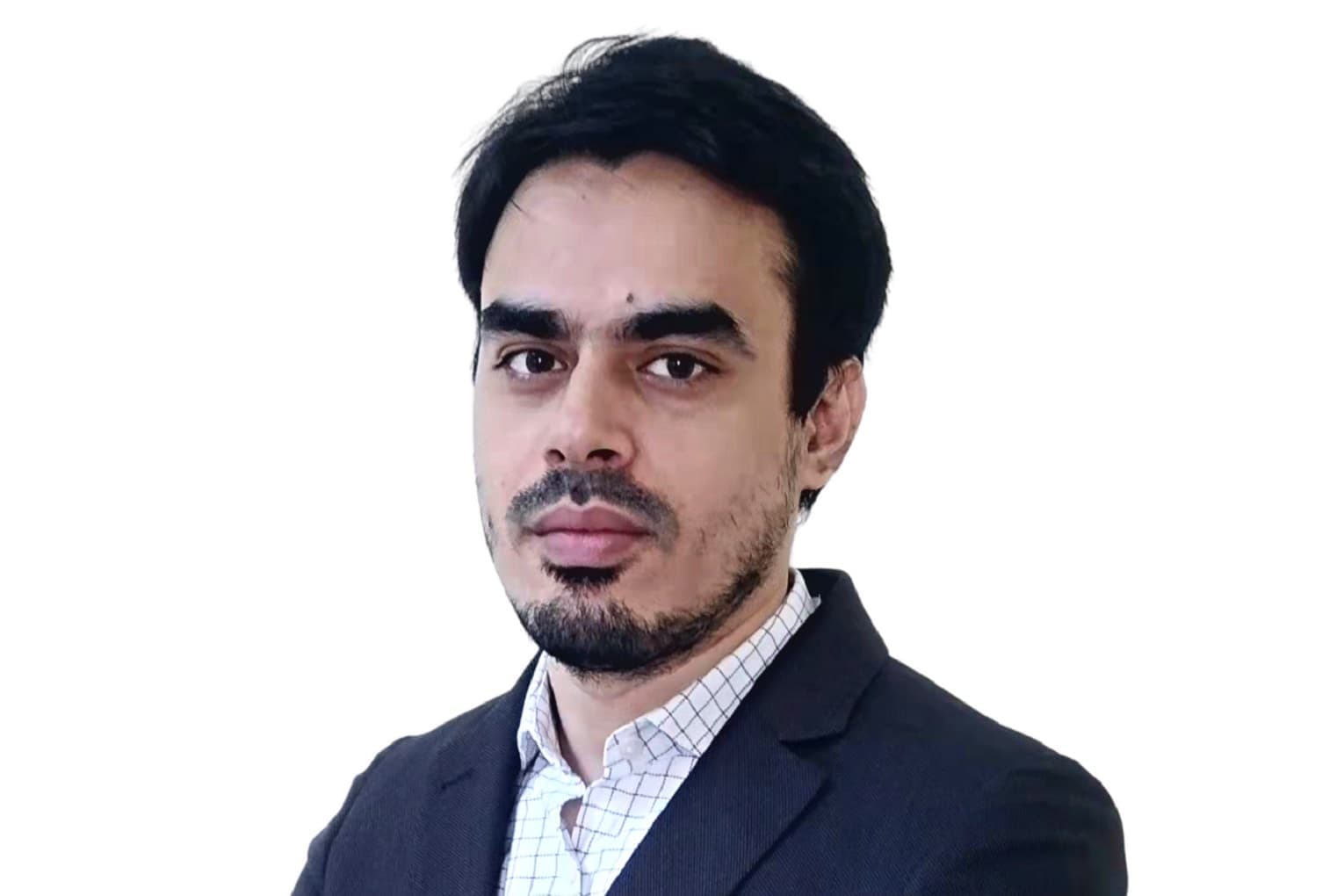
Ortec Finance, a global wealth technology firm, has appointed John O’Driscoll as Managing Director of Financial and Wealth Planning. O’Driscoll comes from St James’s Place (SJP) where he worked for over two decades. He now takes responsibility for product development strategy at Ortec, specifically for OPAL, the firm’s goals‑based financial planning tool. Fnlondon

He left SJP in May after a long tenure during which he oversaw business development and led the rollout of AI‑based financial planning tools used by SJP’s network of about 4,800 advisers. (Source: FN London) Fnlondon

Ortec Finance is headquartered in Rotterdam and operates globally with offices in London, Amsterdam, Zürich, New York, Toronto, Singapore and Melbourne. The company serves more than 600 clients and supports over fifteen trillion dollars in assets under management.Fnlondon

Role and Responsibilities

In his new role O’Driscoll will steer OPAL’s product roadmap. OPAL is a financial planning platform designed to help wealth managers, banks and pension providers with long‑term strategy planning. It uses scenario modelling and other tools to help clients forecast their financial goals. Fnlondon

Tessa Kuijl, Managing Director of Global Wealth Solutions at Ortec, said UK is an increasingly significant market for the company. She emphasized that O’Driscoll’s experience in advice architecture and his understanding of both advisory networks and technology will be essential to extend OPAL’s capabilities for clients in the UK and abroad.

Why This Move Matters

The wealth management and financial advisory industry is under pressure to adopt technology at speed. Digital solutions such as AI, automation and scenario‑based planning have become more than just niceties. They are core to delivering advice at scale, complying with regulations, and meeting client expectations. Ortec Finance has made OPAL a central tool in this trend.

With O’Driscoll, Ortec gains someone with deep experience in integrating technological tools into advice practices. His AI‑based work at SJP is directly relevant. Under his leadership at Ortec, OPAL may see further enhancements in automation, adviser workflows, and predictive modelling.

Ortec’s Broader UK Expansion

This appointment is part of Ortec’s bigger strategy to strengthen its presence in the UK market. The UK has become a key geography for growth for the wealth tech provider. Earlier in the year the company added Mark Glover, formerly of HSBC, to lead UK and Ireland wealth management.

Mark Glover’s hire had signaled Ortec’s intent to localize its offerings, invest in product innovation and build competitive advantage in advice and wealth planning tools. With O’Driscoll now on board, the company appears intent on pushing further in that direction.

Client Base and Scale

Ortec Finance supports a large and varied client base. As of the appointment, it is reported the firm has in excess of 600 clients globally managing around fifteen trillion dollars in assets. OPAL is used by some of Europe’s largest banks, pension providers and wealth managers in helping individuals and institutions plan for long term financial outcomes.

The scale of this base means enhancements to OPAL under new leadership could have wide‑ranging impact. Improvements in planning tools ripple out to many users. They may also bring competitive pressure on other tools in the wealth tech sector.

Challenges and Opportunities Ahead

In the UK regulatory environment the demands on advisers and wealth managers are growing. Clients expect more transparency, better risk modeling, efficient workflows, and digital tools. Technology providers face challenges around data privacy, regulatory compliance, as well as integration with legacy systems. Ortec will need to address these as it scales OPAL’s capabilities.

On the opportunity side AI and machine learning tools are increasingly accepted in financial services. Firms that can successfully combine human advice with technology and scenario‑based planning stand to gain both trust and market share. With O’Driscoll’s experience in rolling out AI tools, Ortec is well placed to benefit. Fnlondon+1

Industry Context

Ortec’s OPAL platform is one of several tools in the wealth tech space focusing on long‑term, goal‑based financial planning. It sits alongside other tools that offer predictive analytics, risk scenario modelling, retirement planning and cash flow forecasting. The trend in wealth management is toward platforms that integrate data sources, automate repetitive tasks, and empower advisers to deliver personalized service.

The move by Ortec to recruit senior advisers from established firms like SJP aligns with broader industry trends where leadership experience, domain knowledge, and technical acumen are at a premium. Firms trying to disrupt wealth management still require credibility. Such hires help bridge legacy advisory expectations with modern technology‑driven advice offerings.

What to Expect Next

With John O’Driscoll in place Ortec Finance will likely accelerate enhancements to OPAL’s roadmap. Potential areas of development include deeper AI‑based features, more automated scenario simulations, better integration with adviser CRM tools, and possibly expanded service‑offerings for retail and institutional clients in the UK.

Ortec may also explore making OPAL more user‑friendly for smaller advisory firms and financial planners who do not have large in‑house technology teams but need scalable tools.

Another likely step is increased collaboration with regulatory bodies, advisory networks, and client feedback loops to refine tool compliance, usability, and effectiveness.

Conclusion

John O’Driscoll’s move from SJP to Ortec Finance represents an important step for Ortec’s UK growth. His background combines advisory leadership, AI tool deployment, and business development. Under his stewardship OPAL is well placed to become more capable for UK advisers and institutions seeking robust long‑term financial planning tools. Ortec Finance’s global scale, strong client base, and recent strategic hires suggest that the company aims to raise the bar for advice planning in wealth tech. (Source: FN London) Fnlondon