WORLDEF ISTANBUL 2026 - Early Bird Registration Ends Soon

Register Now

Widect: Transforming E-Export Logistics in MENA

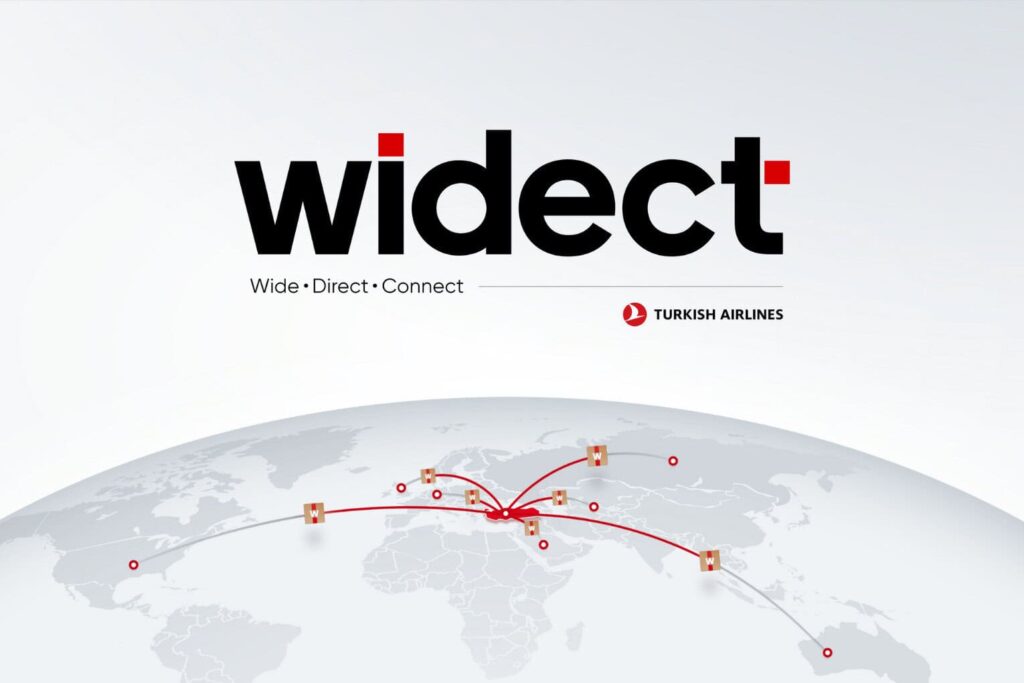
Widect delivers shipments quickly and safely to all corners of the world, leveraging Turkey’s strategic location, Turkish Airlines’ extensive flight network, and Turkish Cargo’s global logistics expertise. With its advanced tracking system, it allows customers to monitor their shipments in real-time and provides continuous and instant tracking information to recipients.

The e-commerce market in the MENA region is expected to reach a volume of 100 billion dollars by 2027. This growth makes speed and cost advantage in logistics more critical than ever. Turkey is positioned as a strategic logistics hub at the center of Asia and the Middle East routes, acting as a bridge between Europe and Asia. Loads coming from various countries and passing through Istanbul are directed to their destination country without delay, thanks to Turkey’s natural logistics hub status and infrastructure. By leveraging this advantage, Widect aims to increase trade volume by carrying traffic in reverse directions to regions like MENA, where its services are strong, strengthen Turkey’s transit network on e-commerce shipments, and increase efficiency in commercial activities.

Fast Service in the MENA Region

Widect stands out with its distinctive service offerings especially to Gulf countries such as Saudi Arabia, the United Arab Emirates, Kuwait, Qatar, Bahrain, and Oman. Supporting the intense e-commerce traffic in the region with door-to-door solutions, Widect directs its flights to points closest to the recipient address, minimizing delivery time and ensuring safe product delivery.

Data from the last three months show that 88% of its shipments are made to the MENA region. Of the products shipped, 67% are clothing and accessories, 23% are home textiles and decoration, and 10% are health and other categories. With the DDP customs clearance method, VAT and taxes incurred in the destination country are organized to be charged to the sender, allowing customs clearance to be completed quickly. This way, buyers do not face unexpected costs and experience a delivery as if the package was received domestically. Widect is able to dispatch 100% of customs-cleared packages for delivery the next day. According to delivery performance figures from the past three months, 30% of shipments are delivered within the first 2 days, and 90% within 3-4 days. By partnering with strategic suppliers in the region, it keeps the average delivery time at around 2.5 days, setting new standards in e-commerce logistics.

In addition to its fast delivery service, the Cash on Delivery (COD) solution developed in line with the region’s dynamics is also highly preferred by customers, and 20% of deliveries are made using this method. Widect continues to increase the diversity of services offered in the region based on customer demands, focusing on special solutions such as next-day delivery and fulfillment warehouse deliveries.

Intercontinental Distribution Competence

Widect continues to develop the strong services it has built in the MENA region on other routes according to customer needs. Adding new destinations every day to routes such as the United Kingdom, the United States, European countries, and Australia, it offers services to over 40 countries. Thanks to customs clearance procedures carried out at a single point in Europe, it provides uninterrupted service to 26 countries. In addition, through Turkish Airlines’ extensive flight network, it operates direct routes to high-volume destinations such as Germany and Romania. This offers not only cost advantages but also fast and reliable service access through regular and frequent flights. With its ongoing work on a return model, it aims to offer exporters easy and cost-effective processes, thereby increasing customer satisfaction and expanding international trade volume.

Widect adds value to exporters in every region it serves with its tailored solutions; by opening a new route to the Australian continent, it further expands Turkish exporters’ global reach and carries the strength of its global network to the Asia-Pacific. With its DDP (Delivered Duty Paid) solution applied in all regions, buyers can receive their orders without dealing with any taxes or additional procedures. This method provides exporters with a secure, fast, and cost-optimized delivery experience.

By developing its customs clearance and distribution methods, Widect aims to make delivery within 5 days the new standard in all regions and continues to invest towards this goal with determination.

Transit Services and Warehouse Investment

With its new warehouse investment that will soon be operational, Widect plans to expand its transit transportation and consolidation capabilities, thereby further reducing logistics costs for exporters. This step will strengthen Istanbul’s position as a global HUB, accelerate transit transportation between different regions, especially Gulf countries and Europe, and increase efficiency. Thus, micro-exporters will also be able to reach the world with competitive costs. It aims to increase its global market share to over 1.5% by 2033.

Turkey’s E-Export Vision

The main expectations of exporters are fast, reliable, low-cost, and trackable logistics processes along with smooth customs procedures. To meet these expectations, Widect continuously follows global trends and customer demands and develops its services by leveraging digital transformation and new trade dynamics.

Acting with the vision of making Istanbul the center of global e-commerce logistics, Widect invites all industry stakeholders to join this journey. It continues its efforts with determination to grow Turkey’s export potential, increase the share of e-export in total exports, and position the country as a global leader in logistics.

Syria and Morocco Deepen Postal and Digital Cooperation

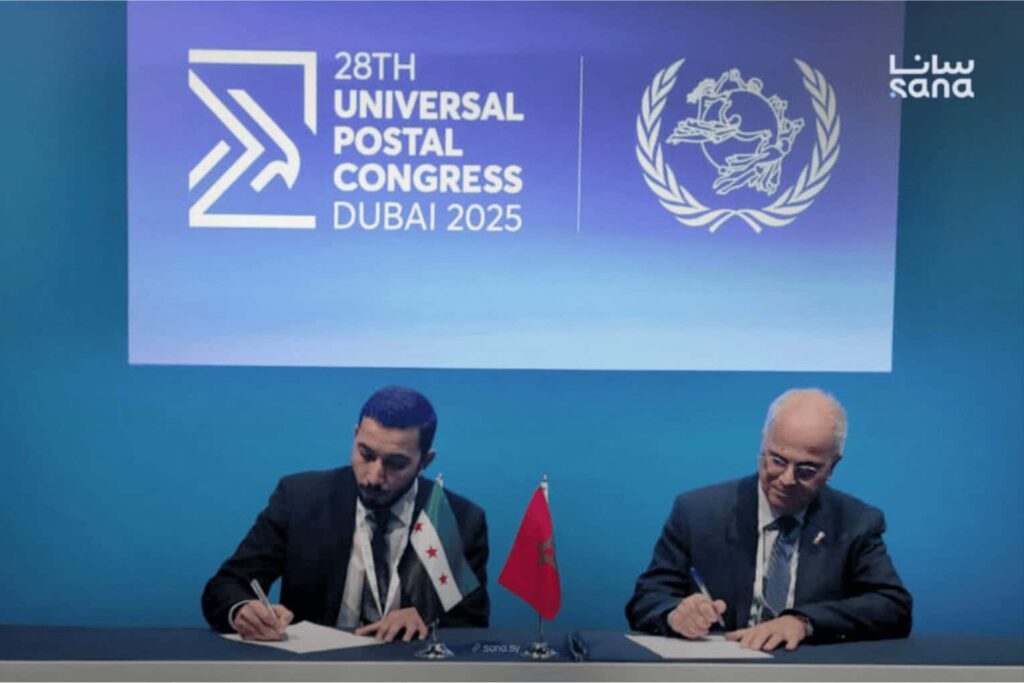
Syria and Morocco have signed recent agreements aimed at boosting collaboration in digital technologies, postal services, and financial remittances. The memoranda of understanding (MoUs) were formalised by senior postal administrators during the 28th Universal Postal Congress held in the United Arab Emirates. The goal is to modernise joint services and improve access for users in both countries.

Key Elements of the Agreements

Imad al‑Din Hamad, Director‑General of the Syrian Postal Corporation, and Ahmed Amine Touimi, Director‑General of Morocco Post Group, signed a memorandum focusing on several areas. These include sharing technical and technological know‑how, organising joint training programmes, and cooperating in electronic remittances, urgent mail, e‑commerce, and postal financial services. (SANA) الوكالة العربية السورية للأنباء – سانا

Another part of the plan involves improving postal service quality. Both parties will work on modernising postal operations, streamlining urgent mail delivery, and enhancing coordination at regional and international postal forums. The expectation is that these steps will benefit ordinary postal users in both Syria and Morocco. الوكالة العربية السورية للأنباء – سانا

In addition to the Syrian‑Moroccan MoU, Syria also entered a separate agreement with Turkey’s PTT (Turkish Post) through its Director General Hakan Gulten. That agreement focuses on boosting cooperation in shipping and e‑commerce sectors. الوكالة العربية السورية للأنباء – سانا

Strategic Rationale

The agreements reflect growing interest by many nations in upgrading postal networks and integrating financial services via postal systems. Postal corporations are often under‑utilised channels for financial inclusion, especially in regions where traditional banks have limited reach. By digitalising remittances and integrating e‑commerce, postal services can serve as critical infrastructure for underserved communities.

Syria and Morocco share a common interest in leveraging their postal services to bridge gaps in financial access, cross‑border trade, and digital payments. These sectors have seen rising demand globally. According to a UNCTAD report, e‑commerce and digital payments have accelerated sharply in developing countries, with postal operators playing a key role in last‑mile deliveries and payment settlements. الوكالة العربية السورية للأنباء – سانا+1

Benefits for Stakeholders

For postal users, the cooperation means expect faster, more reliable postal delivery, improved quality of urgent mail service, and more efficient financial services via postal channels. Electronic remittances could become quicker, cheaper, and more accessible. For businesses engaged in e‑commerce, particularly small sellers crossing national borders, better shipping and logistics cooperation between postal systems can reduce delays and costs.

For the two nations’ postal administrations, the MoUs offer opportunities to modernise technology stacks, train staff in newer competencies, and improve standards. They will likely share best practices in logistics, track‑and‑trace systems, and customer service. Institutional capacity building through joint training programmes is central to these improvements.

Challenges and Considerations

Implementing MoUs is only the start; translating them into meaningful results involves overcoming several hurdles. Infrastructure gaps are one concern. Postal systems in many places face limitations in digital infrastructure, connectivity, data management, and modern logistics facilities.

Regulatory and operational coordination across borders is also demanding. Harmonising rules for cross‑border shipments, customs procedures, electronic money transfers, and postal finance regulation will require negotiation, legal alignment, and cooperation at governmental levels.

Another concern is maintaining trust and reliability. Users will expect secure, transparent services. Postal financial services must ensure good customer protection, fraud prevention, and clear pricing for remittances and related services.

Outlook: What Steps May Follow

Moving ahead, both Syria and Morocco may undertake the following actions:

  • Establish shared technology platforms and training centres to build technical capacity among postal staff.

  • Pilot e‑commerce initiatives to test new delivery and payments models in select regions to refine operational workflows.

  • Develop joint remittance solutions which reduce costs and processing times, particularly for diaspora populations or people sending money across borders.

  • Upgrading postal infrastructure: better tracking, digital interfaces for customers, upgraded sorting and delivery facilities.

  • Engage with international postal bodies and logistics consortia to adopt standards and practices that allow smoother international postal cooperation.

Conclusion

The recent Syrian‑Moroccan and Syrian‑Turkish agreements mark significant steps toward modernising postal services in a way that combines traditional delivery with digital innovation. As both nations move forward with these plans, improvements in e‑commerce logistics, remittances, and urgent mail services could have a real impact on citizens, businesses, and cross‑border trade. Institutional collaboration, capacity building, and regulatory harmonisation will be key to turning these memoranda into positive change.

Egyptian Fintech MNT‑Halan Targets GCC Expansion

Egyptian fintech company MNT‑Halan has set its sights on growing operations in the Gulf Cooperation Council (GCC) region, particularly in the United Arab Emirates and Saudi Arabia. The company wants to serve low‑income and underserved populations, using recent partnerships and new product launches to deepen its financial inclusion mission. (AGBI) AGBI

From Digital Payments to Auto‑Loans

MNT‑Halan originally made its name by offering digital payments in Egypt, focused on customers who lacked access to traditional banking services. It began with mobile wallets and card services, then broadened into money lending, ecommerce, and payroll advances. (AGBI) AGBI

In the UAE, the fintech has introduced an auto‑loan product for used cars. This is a soft launch aimed at filling a gap in financing options for lower‑income consumers who often face difficulty accessing credit. (AGBI) AGBI

To strengthen its credit risk capabilities, MNT‑Halan recently partnered with Lean Technologies. That collaboration is intended to improve how the company assesses creditworthiness in new markets, allowing more lending with manageable risk. (AGBI) AGBI

GCC Ambitions and Market Dynamics

Omar Ramadan, CEO of MNT‑Halan GCC, is confident that opportunities exist, particularly in Saudi Arabia. He believes that, although the GCC is already home to numerous fintechs, banks, and finance companies, there is space for innovation especially in under‑served segments. (AGBI) AGBI

Saudi regulators are observed as progressive in building digital infrastructure, which makes the market more appealing for companies like MNT‑Halan that specialize in digital inclusion. (AGBI) AGBI

Scale and Track Record

MNT‑Halan became a unicorn in 2023 (startup valued at over $1 billion), demonstrating strong investor confidence. (AGBI) AGBI

In its UAE business, which has been running for about 18 months, the company reports having served approximately 1.5 million customers in payments and 220,000 in lending. It also entered a partnership with Al Ansari, a UAE‑based exchange company, to offer salary advances to employed people. (AGBI) AGBI

In Egypt, MNT‑Halan has underwritten 8 million customers, many with limited credit history or formal financial data. That experience is seen as a key strength for its expansion plans. (AGBI) AGBI+1

Financial Inclusion and Underserved Markets

An important part of the company’s strategy is to serve people who are often overlooked by traditional banks. These include low‑income consumers, those without substantial credit history, or users who are “underbanked.” MNT‑Halan believes its technology, data, and risk models give it advantage in those segments. (AGBI) AGBI

Saudi Arabia is especially interesting given its large market size and rapid growth in ePayments. For example, transactions through ePayments in Saudi Arabia have grown significantly in recent years, showing the government’s support for digital finance. (AGBI) AGBI

Challenges and Risks

Entering a new market involves regulatory, competitive, and operational challenges. MNT‑Halan will need to navigate licensing, risk regulation, consumer protection laws and local banking partnerships. These factors can slow down expansion or increase costs.

Competition is another concern. Even though Ramadan suggests there is room in the market, GCC fintech and finance companies are well established. To succeed, MNT‑Halan must offer differentiated products, superior user experience, and maintain trust.

Credit risk is always a factor, especially when lending to customers with limited financial history. The partnership with Lean Technologies aims to address this, by improving credit assessment models. However scaling up those models in new geography will require strong local data and regulatory alignment.

Supporting Data and Related Moves

MNT‑Halan has raised significant capital in recent periods. For example, in mid‑2024 it raised $157.5 million in a funding round led by IFC and others to support regional expansion. (FinTech Futures) FinTech Futures

The company has also made strategic acquisitions and obtained microfinance licenses in markets like Pakistan, further diversifying its footprint and gaining experience in financial services outside Egypt.

Outlook: What to Expect Next

In the coming months, MNT‑Halan is likely to formalize its entry into Saudi Arabia with licensing or partnerships with local fintech or financial institutions. It may roll out further auto‑loan, salary advance, or small consumer finance products targeting underserved segments.

Expansion will likely involve scaling digital infrastructure, risk assessment technologies, and local compliance frameworks. Also, physical presence or partnerships may help, especially for customer trust and service in underserved areas.

If successful, this expansion could establish MNT‑Halan as a regional leader in serving customers who have been traditionally excluded from mainstream banking, further pushing financial inclusion across the GCC.

Innovation Clusters 2025: Mapping Global and Regional Leaders

Innovation Clusters 2025: Mapping Global and Regional Leaders

The Global Innovation Index (GII) 2025 reaffirms that innovation is increasingly concentrated in metropolitan clusters that bridge research, entrepreneurship, and investment. The world’s top 100 clusters now account for nearly 70% of global patent filings and venture capital activity, underlining their role as engines of economic transformation. Innovation Clusters 2025

Global Top Five: Asia and Silicon Valley Lead

The world’s most dynamic hubs remain firmly in East Asia and North America. Thanks to its strength in venture capital, Shenzhen-Hong Kong-Guangzhou takes the top spot, edging out Tokyo-Yokohama. San Jose-San Francisco holds third place, with Beijing and Seoul completing the global top five. Together, these clusters generate almost one in every five international patent applications. Other global climbers include New York City (7th), London (8th), and Los Angeles (10th), reflecting how the inclusion of VC data reshaped the rankings in favour of highly financialised ecosystems.

Rank Global City / Cluster Notes
1 Shenzhen–Hong Kong–Guangzhou (China / Hong Kong) Cross-border giant, now the world’s top cluster; strong in patents and VC.
2 Tokyo–Yokohama (Japan) Japan’s largest innovation hub, leading in patent filings and scientific output.
3 San Jose–San Francisco (United States) Silicon Valley powerhouse, unrivaled in venture capital deal activity.
4 Beijing (China) Research and tech hub driven by Tsinghua University and major tech firms.
5 Seoul (Republic of Korea) Anchored by Samsung and Seoul National University; strong corporate R&D and publications.

Türkiye and MENA in the Rankings

Tel Aviv–Jerusalem (19th) continues to lead in the Middle East and North Africa, underscoring Israel’s strong research-commercialisation pipeline. The Cairo cluster (83rd) represents Africa’s only top-100 hub, marking Egypt’s growing R&D and startup base. For Türkiye, Istanbul ranks 58th, led by Arçelik and Istanbul Technical University as top applicants and research anchors. This positions Istanbul as the only Turkish cluster in the global top 100, but one with significant symbolic weight for linking European and Middle Eastern innovation corridors. Innovation Clusters 2025

Iran’s Tehran (63rd) also consolidates its place. At the same time, Saudi Arabia’s Riyadh narrowly missed the top 100, ranked 101st, a sign of momentum in the GCC as the Kingdom invests heavily in R&D and venture ecosystems.

Rank in MENA City / Cluster Global Rank
1 Tel Aviv–Jerusalem (Israel) 19th globally
2 Istanbul (Türkiye) 58th globally
3 Tehran (Iran) 63rd globally
4 Cairo (Egypt) 83rd globally
5 Riyadh (Saudi Arabia) 101st (just outside the Top 100)

GCC and UAE: Rising Prospects

While the UAE does not yet host a cluster in the top 100, the report signals potential shifts. The Gulf’s concentration of capital, coupled with global ambitions in AI, renewable energy, and fintech, suggests that Emirates hubs like Dubai and Abu Dhabi are on the cusp of joining the list. Riyadh’s near-entry reinforces this narrative: GCC cities are moving from trade and finance to science-and-technology production. The lesson for policymakers and business leaders is clear; regional collaboration across the GCC could catalyse the emergence of a world-class innovation cluster, with Dubai and Abu Dhabi poised to benefit most from their global connectivity. Innovation Clusters 2025

A Story of Emerging Economies

Beyond the established giants, including Mexico City, Oslo, and Dublin, highlights how smaller economies are carving out niches in the global innovation map. In Asia, Indian clusters (Bengaluru, Delhi, Mumbai) recorded steep upward moves due to strong venture funding, signalling the power of entrepreneurial ecosystems in rebalancing innovation geography.

Beyond the Top 100: Emerging Middle-Income Hubs

A notable subplot in the 2025 cluster landscape is the rise of middle-income economy hubs outside the global Top 100. Four cities illustrate this momentum: Bangkok (Thailand), Ankara (Türkiye), Rio de Janeiro (Brazil), and Buenos Aires (Argentina). Each appears in the extended ranking and signals broader diversification of innovation geography beyond the traditional North America-Europe-East Asia triad. In parallel, Riyadh (Saudi Arabia) sits at 101st- effectively “next in line”with Dammam also featured in the extended table, underscoring the GCC’s accelerating push to convert capital depth into science–tech output and venture formation. Innovation Clusters 2025

These findings emphasise a dual challenge and opportunity for the MENA digital trade ecosystem. Türkiye, Israel, and Egypt provide proof of concept that the region can sustain globally visible clusters. The GCC, particularly the UAE and Saudi Arabia, is the next frontier. With venture capital inflows rising and AI research intensifying, Dubai could soon claim its place alongside Istanbul and Tel Aviv on the world’s innovation map. Innovation Clusters 2025 Innovation Clusters 2025 Innovation Clusters 2025 Innovation Clusters 2025


Amazon Expands in South Africa with Pop-Up Shops

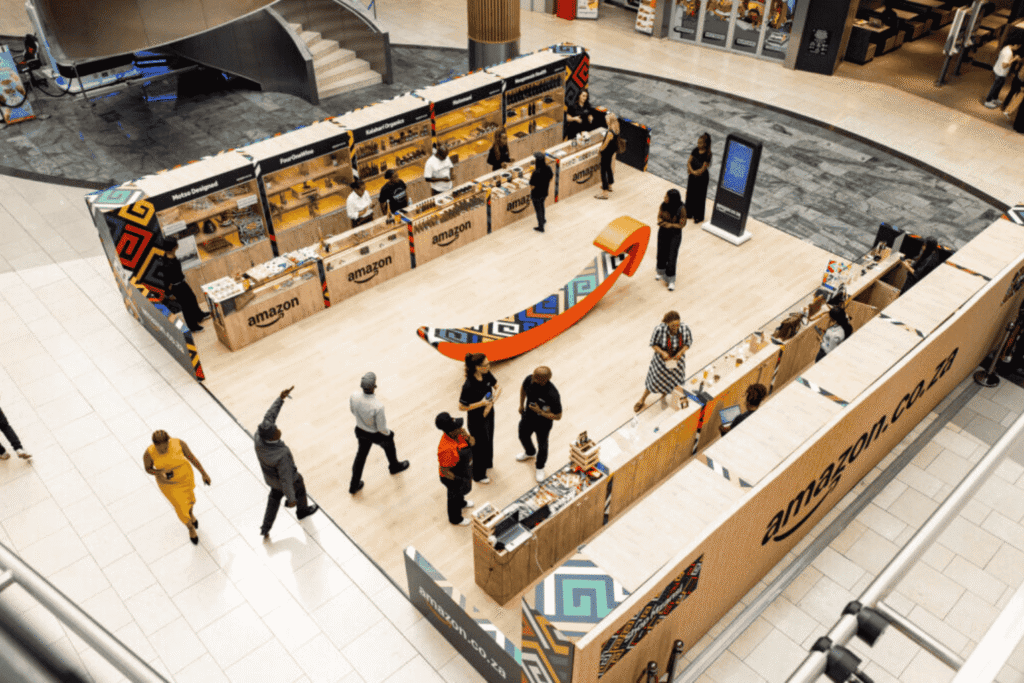
Amazon has intensified its presence in South Africa by launching temporary pop-up stores in Johannesburg and Cape Town, marking a significant step in its efforts to support local businesses and celebrate Heritage Month. The initiative, called “Shop Mzansi,” is designed to highlight South African-made products and provide small and medium-sized enterprises (SMEs) with a platform to reach a broader audience.

Locations and Event Schedule

The pop-up shops will operate in two key locations:

  • Johannesburg – Mall of Africa: September 18–21

  • Cape Town – Tyger Valley Centre: September 24–28

At each location, ten selected Shop Mzansi sellers will showcase a variety of products across multiple categories, including home goods, kitchen appliances, toys, fashion accessories, beauty products, and outdoor equipment. These pop-up shops are designed to give consumers an immersive shopping experience while providing local entrepreneurs with a physical platform to engage directly with customers (BusinessTech).

Features of the Pop-Up Shops

The temporary stores will go beyond traditional retail setups. Visitors can expect:

  • Product demonstrations by local sellers, providing insight into the craftsmanship and quality of the goods

  • Storytelling sessions, where sellers share the origin stories of their products and the inspiration behind their businesses

  • Interactive experiences, including app download incentives and exclusive offers for first-time Amazon.co.za customers

These features aim to create a strong connection between consumers and local entrepreneurs while promoting the concept of buying locally made products.

Shop Mzansi: A Platform for Local Entrepreneurs

Launched shortly after the introduction of Amazon.co.za in 2024, Shop Mzansi is an online storefront dedicated to South African sellers. The platform currently features thousands of products from more than 160 local brands. By providing exposure to a larger customer base, Shop Mzansi helps SMEs grow their businesses digitally, bridging the gap between local artisans and consumers across the country.

Shop Mzansi includes diverse categories such as:

  • Home and kitchen appliances

  • Outdoor and braai equipment

  • Toys and baby products

  • Luggage and travel accessories

  • Beauty and personal care items

By curating high-quality South African products, Amazon ensures that customers have access to authentic, locally produced goods, supporting the growth of small businesses and encouraging domestic entrepreneurship (BusinessTech).

Amazon’s Commitment to South Africa

Robert Koen, Managing Director for Amazon Sub-Saharan Africa, highlighted the importance of Heritage Month as an opportunity to celebrate South Africa’s entrepreneurial spirit:

“Heritage Month provides the perfect opportunity to celebrate the incredible creativity, craftsmanship, and entrepreneurial spirit of South African entrepreneurs.”

Through initiatives like Shop Mzansi and the pop-up stores, Amazon seeks to empower local sellers, create new business opportunities, and contribute positively to the country’s economy.

Enhancing the Online and Offline Ecosystem

Amazon’s expansion strategy in South Africa goes beyond pop-up shops. The company has invested in initiatives to enhance both the online and offline retail experience, including:

  • Seller Success Centre in Cape Town: Local businesses can register on the spot to sell on Amazon.co.za, receive guidance on listing products, and access support for order fulfillment

  • Expanded Product Range: Amazon has increased its offerings to include groceries, pet food, health supplements, and other high-demand categories

These efforts aim to integrate South African sellers into a global e-commerce ecosystem while providing local consumers with more variety and convenience.

Economic Implications

Amazon’s presence in South Africa represents a significant boost for the local economy. By facilitating access to larger markets for SMEs, the company supports entrepreneurship, job creation, and business sustainability. Small business owners benefit from exposure to a national and international customer base, increasing their revenue potential and brand recognition.

Furthermore, by organizing pop-up shops and interactive events, Amazon encourages the growth of offline retail experiences that complement its online platform, enhancing customer engagement and fostering loyalty among South African consumers.

Challenges and Considerations

While Amazon’s expansion brings numerous opportunities, it also introduces challenges:

  • Competition: Local retailers and established e-commerce platforms in South Africa may face increased competition from Amazon, requiring adaptation and innovation to remain competitive

  • Logistics and Supply Chain: Ensuring timely delivery and effective inventory management across a geographically diverse country remains a critical challenge

  • Sustainability: Balancing rapid growth with environmentally responsible practices, including packaging, shipping, and waste management, is increasingly important for maintaining a positive brand image

By addressing these challenges, Amazon can strengthen its long-term presence and maintain trust among consumers and local businesses.

Looking Ahead: The Future of Amazon in South Africa

Amazon’s pop-up shops and Shop Mzansi initiative reflect the company’s broader strategy to expand its footprint in South Africa. Key future initiatives may include:

  • Opening additional pop-up stores in other major cities to reach more consumers

  • Collaborating with local artisans and small businesses to co-develop unique product lines

  • Enhancing mobile and online shopping experiences to cater to a growing digital consumer base

  • Investing in technology and logistics infrastructure to ensure faster delivery times and reliable service

By continuing to invest in the South African market, Amazon positions itself as a major player in the region’s e-commerce landscape, offering opportunities for local businesses while providing consumers with access to a wide variety of products and services.

Conclusion

Amazon’s launch of pop-up shops in Johannesburg and Cape Town, coupled with the Shop Mzansi online storefront, represents a significant milestone for e-commerce in South Africa. By providing local SMEs with a platform to showcase their products, offering consumers interactive retail experiences, and expanding its product offerings, Amazon demonstrates a commitment to supporting local entrepreneurs and fostering economic growth.

The company’s strategic initiatives highlight the evolving nature of e-commerce in South Africa, blending online and offline experiences to enhance customer engagement and drive business opportunities. As Amazon continues to invest in the region, both consumers and local businesses stand to benefit from increased access, innovation, and market opportunities (BusinessTech).

Ray Dalio’s Shift to Family Office Life as CIO

One of the world’s most renowned investors, Ray Dalio, has entered a significant new phase in his financial career in 2025. Having founded the hedge fund giant Bridgewater Associates in 1975, Dalio has stepped away from managing the firm to fully dedicate himself to managing his family’s wealth through a family office. Now serving as the Chief Investment Officer (CIO), Dalio has opened a new chapter focused on overseeing his family’s financial future directly. This transition marks not only a personal milestone for Dalio but also signals emerging trends in the broader financial industry.

From Bridgewater to the Family Office: A Major Shift

Ray Dalio’s impact on the financial world was established and deepened through Bridgewater Associates. Managing trillions of dollars in assets worldwide, Bridgewater is known as one of the largest and most influential hedge funds. Dalio’s management and investment philosophies, famously summarized in his book Principles, have been widely referenced not only in finance but across various business fields.

However, in 2025, Dalio handed over Bridgewater’s leadership to a younger generation and decided to focus entirely on his family office. According to a Bloomberg report, Dalio said, “I’m the guy now,” emphasizing that decision-making authority and responsibility rest solely with him in this new role. (Bloomberg, 2025)

What Is a Family Office and Why Does It Matter?

Family offices are private entities established by ultra-high-net-worth individuals or families to manage their financial assets. These offices do much more than just investment decisions—they also provide services such as tax planning, asset allocation, risk management, philanthropic activities, and even family education.

The importance and number of family offices have been growing rapidly in recent years. In times of increased financial uncertainty, wealthy investors prefer managing their wealth through more personalized and controlled structures. Dalio’s shift to a family office model further enhances the prestige and appeal of this approach.

Behind Dalio’s choice lies a desire for more freedom in investment strategies as well as the intention to preserve his family’s financial legacy across generations. Bloomberg notes that Dalio’s move is raising the profile of family offices within the financial world. (Bloomberg, 2023)

Dalio’s Role as CIO

The CIO position in Dalio’s family office entails a much broader perspective than traditional fund management. Dalio not only analyzes market trends but also oversees portfolio diversification, risk management, and the development of sustainable long-term growth strategies.

According to Bloomberg, Dalio prioritizes investments that align with environmental, social, and governance (ESG) criteria. His approach also focuses heavily on innovation in technology sectors. This strategy contrasts with his earlier rapid and wide-ranging fund management at Bridgewater, instead favoring a more controlled, goal-oriented, and long-term investment outlook. (Bloomberg, 2025)

Dalio’s Financial Vision

With decades of market experience and lessons learned from multiple economic cycles, Dalio has developed a unique investment philosophy. He believes that during periods of economic uncertainty and global risk, building resilient portfolios is crucial. Diversifying asset classes and including alternative investments form the cornerstone of his strategy.

The family office structure allows Dalio to invest beyond traditional market instruments, including private equity, venture capital, and real estate. This approach targets not only financial gain but also sustainable and long-term growth.

Dalio’s Influence on the Financial Industry

Ray Dalio is considered a revolutionary figure in the hedge fund world. As the founder of Bridgewater Associates, he set new industry standards and became a pioneer in risk management. Now, by focusing on his family’s financial security through a personalized investment model, Dalio is charting a new course in finance.

His transition to a family office serves as inspiration for many high-level investors and fund managers. The family office model opens new opportunities for those seeking personal, controlled, and long-term investment strategies. Bloomberg reports that Dalio’s new role as CIO is expected to accelerate the rise of family offices globally. (Bloomberg, 2023)

Technology and Family Offices

Technology adoption in family offices is increasing rapidly. Tools like artificial intelligence, big data analytics, and blockchain are enabling faster and more accurate investment decisions. It is anticipated that Dalio’s family office will also embrace these technologies.

Digital transformation enhances transparency and traceability in asset management, benefiting both wealth owners and investors. Under Dalio’s leadership, the digitalization of family office management is being closely watched within the investment community.

Philanthropy and Creating Multi-Generational Value

Dalio’s family office extends beyond financial investments. Strategic planning includes education, philanthropy, and social impact projects. He aims to increase the influence of his family and foundation in these areas.

This holistic approach echoes Dalio’s “Principles” philosophy from his Bridgewater days, helping preserve family values while fostering sustainability.

Conclusion: A New Generation of Investment Leadership

Ray Dalio’s full transition to a family office marks a new era in the financial sector. As CIO, he is able to apply his experience and vision in a more personal, focused, and controlled way to safeguard his family’s wealth.

His strategies, emphasizing sustainability and technology, are opening new horizons for investors worldwide. This development signals that family offices and personalized wealth management will become even more prominent in the future of finance.

Saudi EXIM Bank and Turkish Eximbank Sign Credit Line Agreement

Saudi Export-Import Bank (Saudi EXIM) and Turkey’s official export credit agency, Turkish Eximbank, have recently signed a landmark credit line agreement aimed at significantly enhancing trade relations between the two countries. The signing ceremony took place in Istanbul, marking a strategic milestone in economic cooperation that will facilitate the expansion of commercial ties and trade volume, especially in non-oil sectors.

The agreement was officially signed by Mohammed AlAbdulmohsen, Head of Financial Institutions at Saudi EXIM Bank, and Taner Yavuz, Deputy General Manager of Strategy and Finance at Turkish Eximbank. Both officials highlighted the critical importance of this collaboration in easing the entry of Saudi products into the Turkish market and fostering mutually beneficial trade growth (GCC Business News).

Strategic Importance Within Vision 2030 Framework

This credit line agreement is a significant component of Saudi Arabia’s ambitious Vision 2030, which aims to diversify the Kingdom’s economy away from oil dependency and promote sustainable growth through enhanced export activities. Saudi EXIM Bank, operating under the supervision of the National Development Fund, plays a pivotal role in this national strategy by providing financial support to exporters and fostering international partnerships.

The partnership with Turkish Eximbank strengthens Saudi Arabia’s financial infrastructure for foreign trade, making it easier for Saudi exporters to access funding and navigate the competitive Turkish market. For Turkey, the agreement offers new opportunities to expand its export portfolio through closer cooperation with Saudi businesses.

Enhancing Bilateral Trade and Economic Cooperation

Trade relations between Saudi Arabia and Turkey have experienced steady growth in recent years, driven by complementary economic needs and expanding sectors. However, challenges such as financing access and regulatory complexities have sometimes limited the potential for faster growth. This credit line agreement addresses these issues by establishing a streamlined financing channel that supports exporters and importers from both countries.

Small and medium-sized enterprises (SMEs) are expected to benefit particularly from this arrangement, as the improved access to export finance will enable them to participate more actively in bilateral trade. This can stimulate job creation, innovation, and economic diversification in both markets.

Promoting Economic Diversification and Sustainability

Saudi Arabia’s Vision 2030 emphasizes reducing the economy’s reliance on oil revenues and increasing the share of non-oil sectors. By supporting the export of non-oil products and encouraging international trade partnerships, Saudi EXIM Bank contributes directly to these objectives. The credit line agreement with Turkish Eximbank is an essential part of this vision, offering the financial backing needed to promote industrial diversification and economic resilience.

Moreover, fostering such international financial partnerships helps Saudi Arabia align with global trade standards and improve its competitiveness in key export destinations like Turkey.

Future Prospects and Collaborative Initiatives

The signing parties have expressed commitment to further strengthening cooperation beyond this credit line agreement. Plans are underway to explore joint projects, trade facilitation programs, and innovative financing models that can further accelerate bilateral trade.

Both institutions recognize the importance of adapting to evolving market conditions and the growing role of digitalization in trade finance. Enhancing transparency, reducing transaction costs, and improving the efficiency of cross-border payments will be priorities in upcoming collaborations.

Conclusion: A Step Toward Deeper Economic Integration

The credit line agreement between Saudi EXIM Bank and Turkish Eximbank represents a milestone in economic diplomacy and trade finance between the two countries. It not only facilitates increased trade volumes but also lays the groundwork for sustainable, diversified economic growth aligned with Saudi Arabia’s Vision 2030.

This partnership signals strong confidence in the potential of Saudi-Turkish economic relations and is expected to inspire similar agreements in the region. As global trade dynamics evolve, such collaborations will be vital for countries seeking to strengthen their economic ties and foster mutual prosperity (GCC Business News).

Türkiye’s Growth Outlook Upgraded by Fitch

International credit rating agency Fitch Ratings has revised its outlook for Türkiye’s economy, upgrading the growth forecast for 2025 while expecting inflation to gradually slow down. The revision comes after stronger-than-expected economic activity in the second quarter of the year.

Taking into account recent developments in Türkiye’s economy since June, Fitch’s latest report paints a more optimistic picture of key macroeconomic indicators. The agency points to Türkiye’s continued tight monetary policy and some structural reforms as positive factors behind the improved projections.

Growth Projections for 2025 and Beyond

According to Fitch, Türkiye’s economy is expected to grow by 3.5 percent in 2025. This marks an increase of 0.6 percentage points from the previous forecast of 2.9 percent. The agency also expects growth of 3.5 percent in 2026, with a further acceleration to 4.2 percent in 2027.

These projections largely align with the Medium-Term Program (MTP) targets announced by Türkiye’s Ministry of Treasury and Finance, which aims for growth rates of 3.3 percent in 2025, 3.8 percent in 2026, and 4.3 percent in 2027 (Türkiye Treasury, 2024).

Key drivers behind Fitch’s upward revision include robust domestic demand, increased private sector investments, signs of export recovery, and a committed monetary policy stance.

Inflation Outlook

Fitch offers a more positive outlook on inflation, forecasting Türkiye’s annual inflation rate to decline to around 28 percent by the end of 2025. This would represent a significant improvement from the current inflation rate, which remains above 55 percent.

Inflation is projected to further fall to 21 percent in 2026 and 19 percent in 2027. The Central Bank of the Republic of Türkiye’s (CBRT) tight monetary policies and efforts to stabilize the exchange rate are expected to play a key role in achieving this decline (CBRT Inflation Report, 2025).

It is worth recalling that the CBRT raised its policy rate from 8.5 percent to 45 percent over the past year in a determined effort to combat inflation. The year 2025 is expected to mark a period where these measures start yielding results.

Interest Rate Cut Expectations

Fitch’s report predicts a total of 800 basis points in interest rate cuts by the CBRT during the upcoming months, bringing the policy rate down to 35 percent by the end of 2025. This suggests a gradual and controlled easing of monetary policy starting next year.

However, Fitch cautions that premature rate cuts before inflation reaches target levels could disrupt economic stability. The agency emphasizes the importance of a cautious, data-driven approach to monetary policy.

Current Account and External Financing

The report also discusses Türkiye’s current account balance, expecting a moderate narrowing in the deficit by 2025. Lower energy import costs, increased tourism revenues, and export recovery are seen as contributing factors to bringing the current account deficit to around 2.5-3 percent of GDP.

Türkiye’s external financing needs remain elevated but manageable. Recent increases in international reserves and renewed access to portfolio investments have helped mitigate some external financing risks.

Similar assessments have been made by institutions such as the International Monetary Fund (IMF) and the World Bank, which note Türkiye’s progress in rebalancing its external accounts.

Global Economic Context

Fitch Ratings revised its global growth forecast upward as well, projecting a 2.4 percent global growth rate for 2025, a 0.2 percentage point increase from earlier reports. The outlook for major economies like the United States, China, and the Eurozone remains mixed.

China’s growth forecast was raised to 4.7 percent, while the United States and Eurozone are expected to grow by 1.6 and 1.1 percent respectively. The ongoing high global interest rates, geopolitical tensions, and trade disputes continue to influence emerging markets’ performance.

For emerging economies like Türkiye, achieving stability and predictability in this challenging global environment is key to attracting investment and maximizing growth potential.

Risks and Uncertainties

While Fitch’s revisions are positive, the report highlights several risks that could impact Türkiye’s economic outlook, including:

  • Delays in reducing inflation

  • Potential deviations or premature easing in monetary policy

  • Volatility in global financial markets

  • Geopolitical tensions and regional risks

  • Household debt levels and private sector access to financing

These factors represent both opportunities and challenges for Türkiye’s macroeconomic stability.

Conclusion: An Increasingly Optimistic Outlook for Türkiye

Fitch’s latest assessment signals a gradual economic recovery for Türkiye in 2025 and beyond. The upward revision of growth forecasts and the expectation of easing inflation send positive signals to both domestic and international investors.

However, realizing this optimistic scenario requires Türkiye’s policymakers to maintain monetary discipline, advance structural reforms, and preserve a stable investment climate.

With these conditions met, Türkiye could enter 2025 with a more balanced and sustainable economic outlook, combining growth with price stability.

Gulf Wealth Funds Drive Economic Transformation

A recent report by the International Monetary Fund (IMF) reveals the growing role of sovereign wealth funds (SWFs) in the economic transformation of Gulf Cooperation Council (GCC) countries. No longer limited to managing reserves or stabilizing budgets, these funds are now fueling investments in services, technology, and renewable energy, helping the region transition toward more sustainable and diversified growth models.
IMF – Economic Diversification in the GCC (2024)

Shifting from Oil Dependency to Economic Diversity

For decades, countries such as Saudi Arabia, the United Arab Emirates, Qatar, Kuwait, Bahrain, and Oman heavily relied on oil exports to drive economic growth. However, global energy transitions, climate targets, and fluctuating oil prices have made this model increasingly unsustainable.

Recognizing the risks of overdependence on hydrocarbons, many GCC countries have launched ambitious economic reform programs aimed at diversification. At the heart of these reforms are the region’s sovereign wealth funds.

The New Role of Sovereign Wealth Funds

According to the IMF, Gulf sovereign wealth funds have evolved from passive financial institutions into strategic drivers of domestic and international investments. These funds are now playing a central role in building knowledge economies by supporting sectors such as technology, healthcare, logistics, renewable energy, and tourism.

For instance, Saudi Arabia’s Public Investment Fund (PIF) is the financial backbone of major “giga-projects” like NEOM, Qiddiya, and the Red Sea tourism developments. PIF has also invested in electric vehicle manufacturer Lucid Motors, supporting the development of the country’s first EV production facility.

In the UAE, Mubadala is actively investing in semiconductor technologies, artificial intelligence, and clean energy through global partnerships. The Abu Dhabi Investment Authority (ADIA) continues to be one of the world’s largest and most influential sovereign funds.
SWFI – Sovereign Wealth Fund Rankings (2024)

Sectoral and Geographic Investment Shifts

The IMF report highlights a significant change in foreign direct investment (FDI) patterns in the Gulf. While energy was historically the main magnet for capital inflows, the services sector has now taken center stage.

Before 2019, only around 30% of FDI was directed toward services. From 2020 to 2023, this figure increased to about 70%, encompassing sectors like logistics, ICT, finance, healthcare, and education—areas critical for job creation and long-term sustainability.

Gulf SWFs have also redirected outward investments from traditional Western markets to emerging economies in Africa, South Asia, and Southeast Asia, focusing on scalable projects in infrastructure, energy, and digital technology.

Renewable Energy Takes the Lead

As the GCC positions itself for a carbon-neutral future, renewable energy has become a top priority. Sovereign wealth funds are taking the lead in financing the green transition. In Saudi Arabia, PIF has committed billions of dollars to solar and wind projects. Companies like ACWA Power, backed by PIF, are spearheading some of the world’s largest clean energy initiatives.

Masdar, the UAE’s flagship clean energy firm, is expanding both domestically and internationally. A strategic partnership with the United States aims to unlock $100 billion in clean energy investments over the coming years.

Other countries like Kuwait, Qatar, and Bahrain are pursuing similar paths. Gulf-based funds are investing in solar plants in Morocco and Jordan, helping strengthen regional energy security and reduce carbon emissions.

Measurable Economic Impact

Quantitative analysis from the IMF underscores the substantial economic impact of foreign investment on non-oil GDP. A 1% increase in inward FDI as a share of GDP leads to over a 1% rise in non-oil GDP within four years.

In contrast, domestic investment contributes more modestly to growth, adding around 0.3 to 0.4% to GDP over a similar period.

The data suggests that foreign capital brings not only funding but also knowledge, innovation, and international networks. Moreover, sovereign funds act as catalysts, attracting private investors by lowering perceived risks in new or underdeveloped sectors.

Strategic Policy Recommendations

The IMF emphasizes that sustaining this transformation will require policy enhancements across several fronts. Improving the investment climate is essential. This includes reducing regulatory uncertainty, strengthening rule of law, ensuring property rights, and increasing transparency.

SWFs should remain active and strategic, not only deploying capital but also fostering technology transfer, local employment, and entrepreneurship. Investments should align with broader sustainability and resilience goals.

In addition, diversification should go beyond services and into sectors like advanced manufacturing, export-oriented industries, agri-tech, and regional logistics hubs, which can add further resilience and productivity to Gulf economies.

Regional Cooperation and Integration

Investment and trade among GCC countries have increased in recent years, strengthening regional integration. Intra-GCC investments now form a meaningful share of capital flows, reflecting growing economic alignment.

Joint infrastructure projects, digital connectivity, and green energy grids can further this cooperation. Enhanced regional coordination will help GCC nations position themselves more effectively in global value chains.

Conclusion: Building Resilient, Sustainable Economies

The Gulf is undergoing a profound economic shift. Sovereign wealth funds are at the core of this transformation, driving capital into technology, services, and renewable energy sectors.

The journey away from oil dependency is still ongoing. Continued structural reforms, stronger private sector ecosystems, and regional cooperation will be essential to maintaining momentum. As new global challenges emerge climate change, AI disruption, supply chain volatility GCC countries that invest today in innovation and resilience will be better prepared for tomorrow.

For the Gulf, the future lies not in oil, but in building knowledge-driven, diversified, and sustainable economies that can thrive in a post-carbon world.

Aldar to Deliver UAE’s First Tesla Experience Centre on Yas Island

Aldar, the UAE’s leading real estate developer, has announced plans to deliver the country’s first Tesla Experience Centre on Yas Island. The build-to-suit facility will integrate a showroom, service centre, and delivery hall into a single, fully optimized location. This milestone represents not only an expansion for Tesla in the UAE but also a significant step for Aldar in establishing Yas Island as a premier hub for global brands (Aldar).

Strategic Expansion in the UAE

Founded as one of the UAE’s largest real estate firms, Aldar has consistently focused on delivering projects that combine functionality, design, and strategic location. The Tesla Experience Centre is part of Aldar’s broader plan to expand its industrial, logistics, and retail portfolio while supporting the UAE’s vision to attract international brands.

According to Jassem Saleh Busaibe, CEO at Aldar Investment, “This build-to-suit development for one of the world’s most recognisable brands represents another step in the evolution of Aldar’s industrial and logistics offerings. It reflects the confidence global companies have in Aldar as a partner of choice, and in Yas Island as a strategic base for long-term growth” (Aldar press release).

Tesla, known worldwide for its innovative electric vehicles, has been steadily increasing its footprint in the Middle East. Establishing a purpose-built centre in Abu Dhabi reinforces its commitment to the region and provides a dedicated venue for customers to explore, purchase, and service Tesla vehicles in a single location.

Facility Features and Sustainability

The new facility will cover more than 5,000 square meters of leasable space, offering a full range of services including vehicle display, service bays, and delivery areas. The centre will also include 170 dedicated parking spaces and 20 Tesla Supercharger V4 stalls to accommodate visitors and operational needs.

Sustainability is a central focus. The facility aims to achieve an Estidama 3 Pearl rating and incorporate Net Zero-aligned design principles. Features include high-efficiency HVAC systems, low-emission construction materials, rooftop solar panels, LED lighting, and rainwater recycling systems to support landscaping and operations (Gulf Business). These features not only minimize the building’s environmental footprint but also enhance long-term operational efficiency.

Strategically located along the E12 highway, the centre will be easily accessible to both Abu Dhabi and Dubai residents. This prime positioning strengthens Tesla’s regional logistics network while providing customers with a convenient and seamless experience. The project is slated for completion by 2027, marking a key milestone for both Aldar and Tesla in the region.

Regional Market Context

The UAE continues to attract global brands across multiple sectors, including technology, automotive, retail, and lifestyle. Yas Island has emerged as a preferred destination for high-profile developments due to its strategic location, connectivity, and supportive infrastructure. Tesla’s decision to establish its first dedicated experience centre in Abu Dhabi highlights the region’s growing importance in the global EV market.

Electric vehicle adoption in the UAE has accelerated significantly over the past five years, driven by government incentives, environmental policies, and increasing consumer awareness. Tesla, as a leading EV brand, has capitalized on these trends by expanding its sales, service, and delivery infrastructure across key markets in the Gulf (Arabian Business).

Strategic Significance for Aldar

For Aldar, the Tesla Experience Centre exemplifies the company’s expertise in build-to-suit developments tailored for international clients. By delivering a facility that meets Tesla’s exact specifications, Aldar reinforces its reputation as a trusted partner capable of handling complex, high-value projects.

The project also expands Aldar’s industrial and logistics capabilities. As more global companies seek purpose-built facilities in the UAE, Aldar’s experience with Tesla positions it to capture further opportunities in the fast-growing industrial and commercial property sector.

Customer Experience and Brand Engagement

The integrated design of the Tesla Experience Centre is aimed at creating a seamless and elevated customer journey. By combining display, service, and delivery functions under one roof, Tesla can enhance operational efficiency while providing a convenient and premium experience for clients.

This approach is particularly important in the EV market, where customer education and engagement play a crucial role. The centre will allow potential buyers to explore Tesla’s latest vehicles, learn about technology features, and experience the brand firsthand. By centralizing these services, Tesla can also streamline after-sales support and strengthen long-term customer loyalty.

Economic and Environmental Impact

Beyond customer experience, the Tesla Experience Centre is expected to generate economic value through job creation and increased commercial activity in the Yas Island area. Construction, operations, and ancillary services will contribute to the local economy while promoting innovation and sustainability.

The centre’s green design aligns with the UAE’s broader sustainability objectives, which include reducing carbon emissions, promoting renewable energy, and enhancing energy efficiency across the built environment. Aldar’s focus on Net Zero-aligned design reflects a growing trend among developers to incorporate environmental responsibility into flagship projects.

Regional and Global Implications

Tesla’s first purpose-built centre in the UAE marks a strategic step in the company’s Middle East expansion plan. It signals confidence in the region’s EV market potential and reinforces Abu Dhabi as a hub for technology, innovation, and sustainable development.

For the UAE, the project demonstrates the country’s appeal to global brands seeking premium, strategically located facilities. It also underscores Yas Island’s continued evolution as a world-class destination for both business and lifestyle experiences.

Conclusion

Scheduled to open by 2027, the Tesla Experience Centre on Yas Island represents a milestone for both Aldar and Tesla. It combines cutting-edge infrastructure, sustainability, and an enhanced customer experience to set a new standard for automotive and real estate developments in the UAE.

By partnering with Tesla, Aldar not only strengthens its position as a leading developer of build-to-suit projects but also contributes to the UAE’s strategic goal of fostering innovation and sustainable growth. This development is a tangible example of how global brands and local developers can collaborate to create landmark projects that drive economic, technological, and environmental progress in the region (Aldar).