
Türkiye’s Growth Outlook Upgraded by Fitch
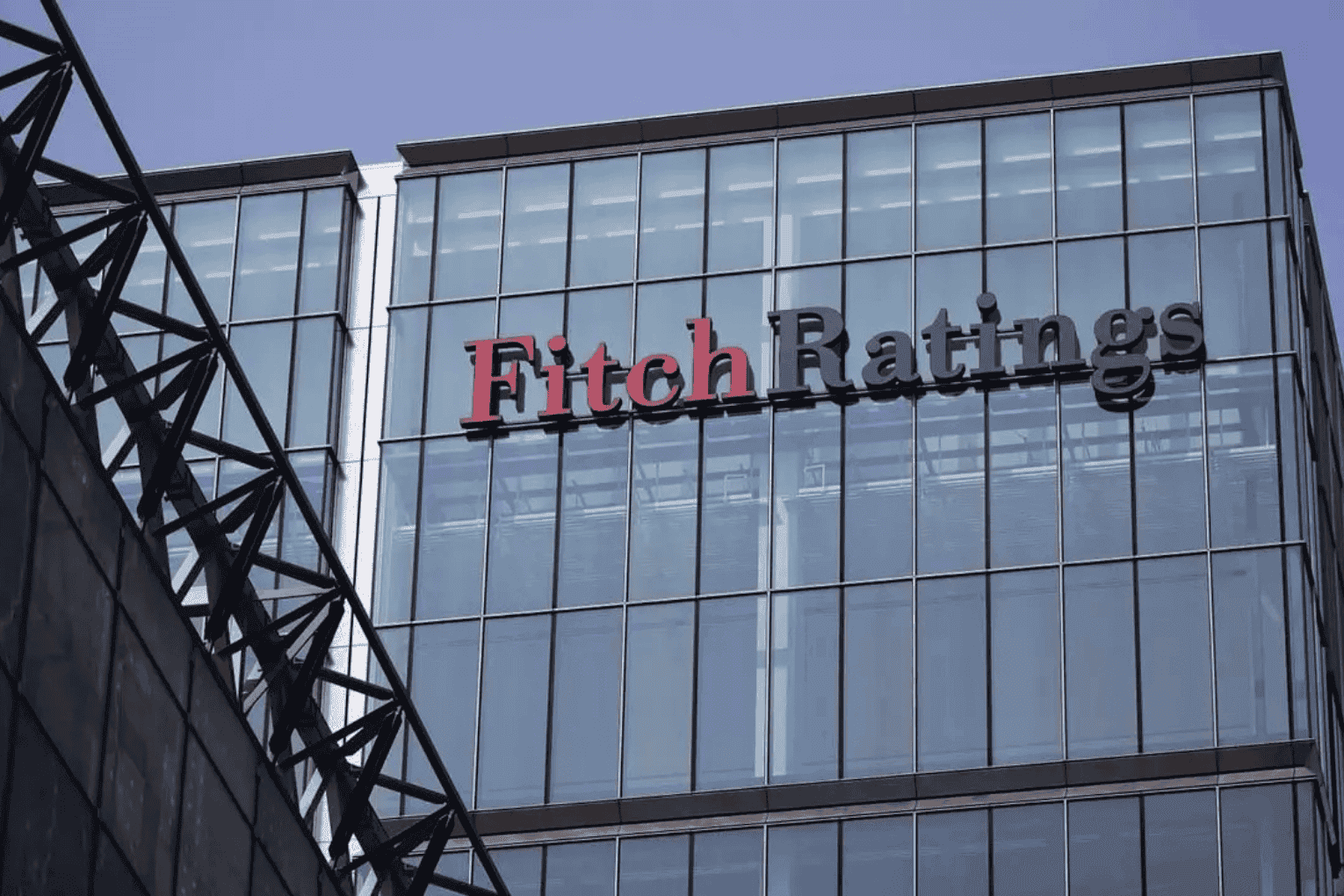
International credit rating agency Fitch Ratings has revised its outlook for Türkiye’s economy, upgrading the growth forecast for 2025 while expecting inflation to gradually slow down. The revision comes after stronger-than-expected economic activity in the second quarter of the year.
Taking into account recent developments in Türkiye’s economy since June, Fitch’s latest report paints a more optimistic picture of key macroeconomic indicators. The agency points to Türkiye’s continued tight monetary policy and some structural reforms as positive factors behind the improved projections.
Growth Projections for 2025 and Beyond
According to Fitch, Türkiye’s economy is expected to grow by 3.5 percent in 2025. This marks an increase of 0.6 percentage points from the previous forecast of 2.9 percent. The agency also expects growth of 3.5 percent in 2026, with a further acceleration to 4.2 percent in 2027.
These projections largely align with the Medium-Term Program (MTP) targets announced by Türkiye’s Ministry of Treasury and Finance, which aims for growth rates of 3.3 percent in 2025, 3.8 percent in 2026, and 4.3 percent in 2027 (Türkiye Treasury, 2024).
Key drivers behind Fitch’s upward revision include robust domestic demand, increased private sector investments, signs of export recovery, and a committed monetary policy stance.
Inflation Outlook
Fitch offers a more positive outlook on inflation, forecasting Türkiye’s annual inflation rate to decline to around 28 percent by the end of 2025. This would represent a significant improvement from the current inflation rate, which remains above 55 percent.
Inflation is projected to further fall to 21 percent in 2026 and 19 percent in 2027. The Central Bank of the Republic of Türkiye’s (CBRT) tight monetary policies and efforts to stabilize the exchange rate are expected to play a key role in achieving this decline (CBRT Inflation Report, 2025).
It is worth recalling that the CBRT raised its policy rate from 8.5 percent to 45 percent over the past year in a determined effort to combat inflation. The year 2025 is expected to mark a period where these measures start yielding results.
Interest Rate Cut Expectations
Fitch’s report predicts a total of 800 basis points in interest rate cuts by the CBRT during the upcoming months, bringing the policy rate down to 35 percent by the end of 2025. This suggests a gradual and controlled easing of monetary policy starting next year.
However, Fitch cautions that premature rate cuts before inflation reaches target levels could disrupt economic stability. The agency emphasizes the importance of a cautious, data-driven approach to monetary policy.
Current Account and External Financing
The report also discusses Türkiye’s current account balance, expecting a moderate narrowing in the deficit by 2025. Lower energy import costs, increased tourism revenues, and export recovery are seen as contributing factors to bringing the current account deficit to around 2.5-3 percent of GDP.
Türkiye’s external financing needs remain elevated but manageable. Recent increases in international reserves and renewed access to portfolio investments have helped mitigate some external financing risks.
Similar assessments have been made by institutions such as the International Monetary Fund (IMF) and the World Bank, which note Türkiye’s progress in rebalancing its external accounts.
Global Economic Context
Fitch Ratings revised its global growth forecast upward as well, projecting a 2.4 percent global growth rate for 2025, a 0.2 percentage point increase from earlier reports. The outlook for major economies like the United States, China, and the Eurozone remains mixed.
China’s growth forecast was raised to 4.7 percent, while the United States and Eurozone are expected to grow by 1.6 and 1.1 percent respectively. The ongoing high global interest rates, geopolitical tensions, and trade disputes continue to influence emerging markets’ performance.
For emerging economies like Türkiye, achieving stability and predictability in this challenging global environment is key to attracting investment and maximizing growth potential.
Risks and Uncertainties
While Fitch’s revisions are positive, the report highlights several risks that could impact Türkiye’s economic outlook, including:
- Delays in reducing inflation
- Potential deviations or premature easing in monetary policy
- Volatility in global financial markets
- Geopolitical tensions and regional risks
- Household debt levels and private sector access to financing
These factors represent both opportunities and challenges for Türkiye’s macroeconomic stability.
Conclusion: An Increasingly Optimistic Outlook for Türkiye
Fitch’s latest assessment signals a gradual economic recovery for Türkiye in 2025 and beyond. The upward revision of growth forecasts and the expectation of easing inflation send positive signals to both domestic and international investors.
However, realizing this optimistic scenario requires Türkiye’s policymakers to maintain monetary discipline, advance structural reforms, and preserve a stable investment climate.
With these conditions met, Türkiye could enter 2025 with a more balanced and sustainable economic outlook, combining growth with price stability.
Read more on
About the author
WORLDEF Editors
921 stories on WORLDEF since January 2025.
More from WORLDEF Editors →Related
Russian E-Commerce Market Faces Loss of 400 Million Orders and 400 Billion Rubles in Revenue

YouTube and Amazon Form Major E-Commerce Partnership: Videos Turn Into Shopping Channels

IGEXX 2026 to Bring Global E-Commerce Leaders to Istanbul

Dubai Economic Zones Reach 96% Occupancy as Company Numbers and AI Activity Surge

The week in commerce, before your competitors.
1,458 stories since January 2025, distilled into three newsletters. Pick the ones you want.