
Ray Dalio’s Shift to Family Office Life as CIO
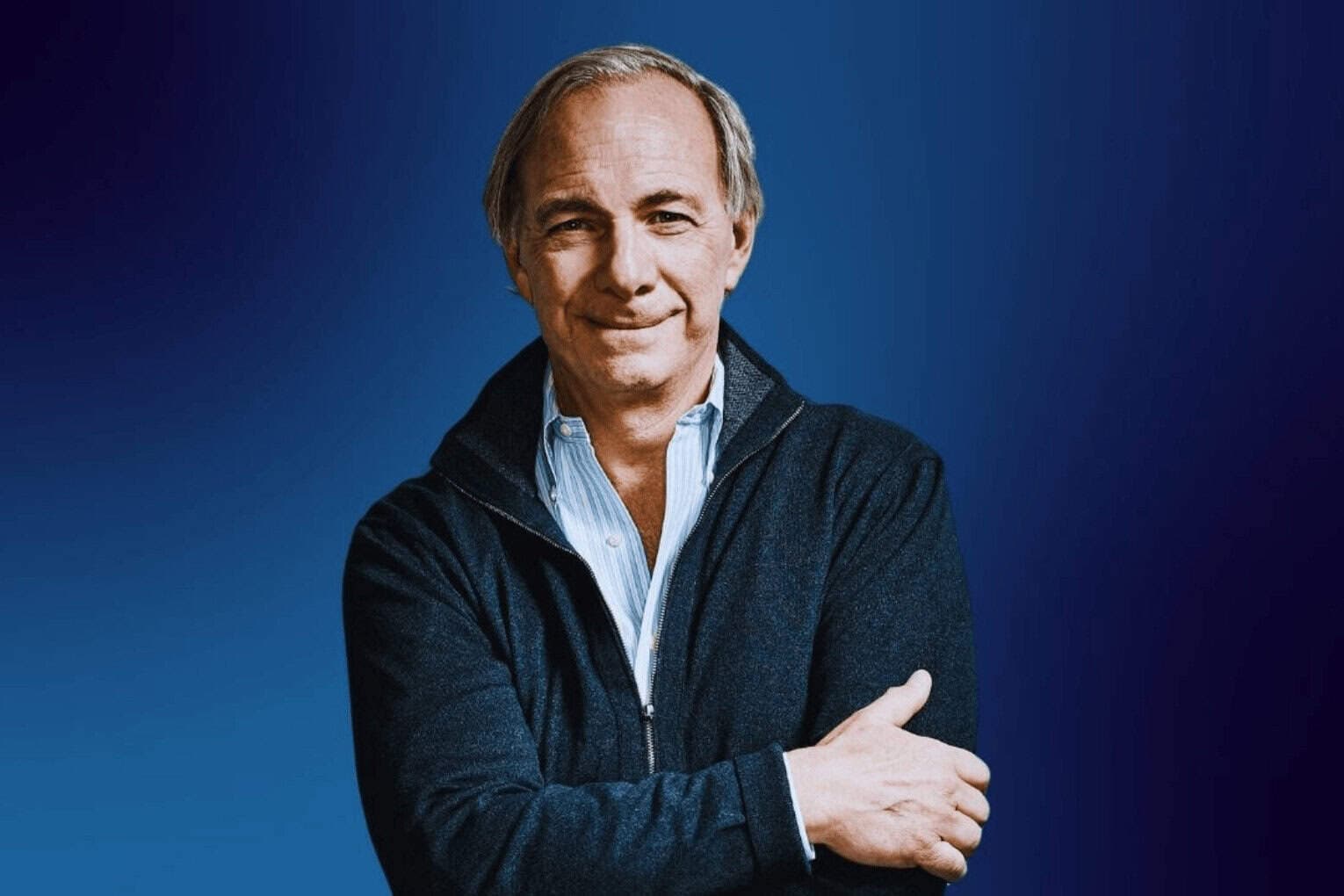
One of the world’s most renowned investors, Ray Dalio, has entered a significant new phase in his financial career in 2025. Having founded the hedge fund giant Bridgewater Associates in 1975, Dalio has stepped away from managing the firm to fully dedicate himself to managing his family’s wealth through a family office. Now serving as the Chief Investment Officer (CIO), Dalio has opened a new chapter focused on overseeing his family’s financial future directly. This transition marks not only a personal milestone for Dalio but also signals emerging trends in the broader financial industry.
From Bridgewater to the Family Office: A Major Shift
Ray Dalio’s impact on the financial world was established and deepened through Bridgewater Associates. Managing trillions of dollars in assets worldwide, Bridgewater is known as one of the largest and most influential hedge funds. Dalio’s management and investment philosophies, famously summarized in his book Principles, have been widely referenced not only in finance but across various business fields.
However, in 2025, Dalio handed over Bridgewater’s leadership to a younger generation and decided to focus entirely on his family office. According to a Bloomberg report, Dalio said, “I’m the guy now,” emphasizing that decision-making authority and responsibility rest solely with him in this new role. (Bloomberg, 2025)
What Is a Family Office and Why Does It Matter?
Family offices are private entities established by ultra-high-net-worth individuals or families to manage their financial assets. These offices do much more than just investment decisions, they also provide services such as tax planning, asset allocation, risk management, philanthropic activities, and even family education.
The importance and number of family offices have been growing rapidly in recent years. In times of increased financial uncertainty, wealthy investors prefer managing their wealth through more personalized and controlled structures. Dalio’s shift to a family office model further enhances the prestige and appeal of this approach.
Behind Dalio’s choice lies a desire for more freedom in investment strategies as well as the intention to preserve his family’s financial legacy across generations. Bloomberg notes that Dalio’s move is raising the profile of family offices within the financial world. (Bloomberg, 2023)
Dalio’s Role as CIO
The CIO position in Dalio’s family office entails a much broader perspective than traditional fund management. Dalio not only analyzes market trends but also oversees portfolio diversification, risk management, and the development of sustainable long-term growth strategies.
According to Bloomberg, Dalio prioritizes investments that align with environmental, social, and governance (ESG) criteria. His approach also focuses heavily on innovation in technology sectors. This strategy contrasts with his earlier rapid and wide-ranging fund management at Bridgewater, instead favoring a more controlled, goal-oriented, and long-term investment outlook. (Bloomberg, 2025)
Dalio’s Financial Vision
With decades of market experience and lessons learned from multiple economic cycles, Dalio has developed a unique investment philosophy. He believes that during periods of economic uncertainty and global risk, building resilient portfolios is crucial. Diversifying asset classes and including alternative investments form the cornerstone of his strategy.
The family office structure allows Dalio to invest beyond traditional market instruments, including private equity, venture capital, and real estate. This approach targets not only financial gain but also sustainable and long-term growth.
Dalio’s Influence on the Financial Industry
Ray Dalio is considered a revolutionary figure in the hedge fund world. As the founder of Bridgewater Associates, he set new industry standards and became a pioneer in risk management. Now, by focusing on his family’s financial security through a personalized investment model, Dalio is charting a new course in finance.
His transition to a family office serves as inspiration for many high-level investors and fund managers. The family office model opens new opportunities for those seeking personal, controlled, and long-term investment strategies. Bloomberg reports that Dalio’s new role as CIO is expected to accelerate the rise of family offices globally. (Bloomberg, 2023)
Technology and Family Offices
Technology adoption in family offices is increasing rapidly. Tools like artificial intelligence, big data analytics, and blockchain are enabling faster and more accurate investment decisions. It is anticipated that Dalio’s family office will also embrace these technologies.
Digital transformation enhances transparency and traceability in asset management, benefiting both wealth owners and investors. Under Dalio’s leadership, the digitalization of family office management is being closely watched within the investment community.
Philanthropy and Creating Multi-Generational Value
Dalio’s family office extends beyond financial investments. Strategic planning includes education, philanthropy, and social impact projects. He aims to increase the influence of his family and foundation in these areas.
This holistic approach echoes Dalio’s “Principles” philosophy from his Bridgewater days, helping preserve family values while fostering sustainability.
Conclusion: A New Generation of Investment Leadership
Ray Dalio’s full transition to a family office marks a new era in the financial sector. As CIO, he is able to apply his experience and vision in a more personal, focused, and controlled way to safeguard his family’s wealth.
His strategies, emphasizing sustainability and technology, are opening new horizons for investors worldwide. This development signals that family offices and personalized wealth management will become even more prominent in the future of finance.
Read more on
About the author
WORLDEF Editors
921 stories on WORLDEF since January 2025.
More from WORLDEF Editors →Related
Russian E-Commerce Market Faces Loss of 400 Million Orders and 400 Billion Rubles in Revenue

YouTube and Amazon Form Major E-Commerce Partnership: Videos Turn Into Shopping Channels

IGEXX 2026 to Bring Global E-Commerce Leaders to Istanbul

Dubai Economic Zones Reach 96% Occupancy as Company Numbers and AI Activity Surge

The week in commerce, before your competitors.
1,458 stories since January 2025, distilled into three newsletters. Pick the ones you want.