WORLDEF ISTANBUL 2026 - Early Bird Registration Ends Soon

Register Now

Shopee and Lazada Remain Thailand’s Top E-Commerce Brands

According to new data from YouGov, Thailand’s e-commerce landscape remains firmly dominated by Shopee and Lazada, as 66 % of Thai consumers say they would recommend Shopee to friends and family, followed by 52 % for Lazada. The findings suggest that, despite the arrival of new competitors like TikTok Shop, the two established‐platforms continue to hold strong consumer trust and advocacy in Southeast Asia’s digital economy.

The YouGov data draws from the BrandIndex and Profiles tools, which track consumer perceptions of brands through regular online survey responses in Thailand. For the period covering August 2024 to October 2025, the BrandIndex score for Shopee stood at 60 points up four points year-on-year while Lazada registered 45 points, showing a six-point decline in the same period. TikTok Shop entered the rankings for the first time with a score of 43. YouGov

Dominance of Localized Experience

The strong performance of Shopee and Lazada can be attributed to their deep localization strategies in Thailand. Shopee, owned by Singapore-based Sea Group, has emphasized mobile-first shopping, local language support, and community campaigns that resonate with Thai consumers. Lazada, backed by China’s Alibaba Group, leverages robust logistics and a broad brand portfolio tailored to the Thai market.

YouGov’s findings show that Thai consumers prioritise three key attributes when recommending an e-commerce platform: perceived value, service reliability and brand reputation. Shopee scored highest on value and recommendation, while Lazada maintained a slight edge in logistics performance and trust. The gap between first and second remains significant in a competitive market.

New Entrants Shake the Landscape

Although Shopee and Lazada remain at the top, the YouGov data also highlights the emergence of new players disrupting the Thai online market. TikTok Shop, having entered Thailand in 2022, now holds a 47 % recommendation rate, marking a notable rise for a newcomer.

The increase of TikTok Shop signals the growing influence of social-commerce experiences combining short-video content, influencer marketing and in-app purchasing. While TikTok Shop’s brand health score still trails the market leaders, its rapid entry into consumer consciousness poses a longer-term challenge to established platforms.

Market Growth and Consumer Behaviour

YouGov’s report coincides with broader market trends: Thailand’s e-commerce sector grew by approximately 14 % in 2024, reaching 1.1 trillion baht, up from 980 billion baht in 2023. Projections suggest the market could grow further to 1.6 trillion baht by 2027.

Mobile shopping remains central to this growth. With smartphone penetration already high in Thailand and digital payments becoming more accessible, e-commerce platforms are adapting with mobile-optimized apps, live-streaming integrations and localized fulfilment networks. Shopee and Lazada have both invested heavily in user-experience improvements, flash-sale events and seller-training programmes.

Implications for Brands and Retailers

For global and regional brands, the YouGov findings reinforce the importance of platform selection and consumer perception in Thailand. With 66 % of consumers willing to recommend Shopee, brand exposure and user-experience become critical differentiators. Similarly, Lazada’s strong logistics reputation continues to appeal to consumers seeking reliability.

New entrants such as TikTok Shop must build not only reach but also brand advocacy to compete over the longer term. According to YouGov’s methodology, recommendation metrics correlate with repeat purchases and long-term loyalty. A high “recommend” score therefore signals not only current preference, but future retention potential.

Challenges Ahead

Despite strong rankings, Shopee and Lazada face challenges. Lazada’s six-point drop in BrandIndex indicates pressure from newer rivals and possibly shifting consumer expectations. Shopee must guard against over-reliance on discounts and flash-sales, which may erode margins and long-term customer loyalty.

Emerging platforms must navigate fulfillment inefficiencies, customer-service gaps and local regulatory environments. TikTok Shop, for example, may struggle to match the logistical infrastructure of the incumbents, yet its strength lies in immersive content and social engagement. For all platforms, the ability to integrate multi-channel shopping experiences and handle returns, payments and fulfillment in the Thai context will remain a key battleground.

The Road Ahead

Thailand’s e-commerce market is poised for further evolution. As consumer behaviour shifts toward mobile, social and content-driven commerce, platforms that invest in experience, trust and speed will maintain their advantage. Shopee and Lazada appear well-positioned for now, but the growing importance of influencer-led commerce and live-shopping events means that the competitive landscape could change significantly over the next 12 to 24 months.

For retailers and brands operating in or entering the Thai market, aligning with the right platform increasingly means aligning with local consumer sentiment, logistical reliability and mobile-first design. The YouGov data shows that brand perception in the platform category remains a key differentiator.

Conclusion

The YouGov ranking confirms that Shopee and Lazada continue to lead Thailand’s e-commerce sector in terms of consumer recommendation and brand advocacy. Their strong performance underscores the value of localized strategies, reliable service and consumer trust in a fast-growing digital market. At the same time, the emergence of TikTok Shop and other newer platforms signals that the next wave of competition will be defined not just by price and logistics, but by mobile-first engagement, content-driven shopping and ecosystem innovation.

Walmart App to Launch in South Africa

Global retail giant Walmart is set to enter South Africa’s e-commerce market at scale, with plans to launch a dedicated mobile shopping app in partnership with its local subsidiary Massmart. The forthcoming service will allow South African consumers to shop online for groceries, liquor, and a curated selection of general merchandise, marking Walmart’s most significant digital initiative in the country to date. The South African+1

Massmart confirmed that the Walmart-branded app will deliver an omnichannel experience, enabling customers to browse, purchase and receive orders from Walmart’s first branded stores in South Africa. Integration of Walmart’s global technological capabilities with Massmart’s locally developed pick, pack and delivery systems is central to the strategy.

Strategic Shift for Walmart in South Africa

The launch of the e-shopping app comes as Walmart moves beyond its traditional role in South Africa through Massmart’s established brands such as Makro, Game and Builders Warehouse. While Massmart has operated under Walmart’s majority ownership since 2011, this initiative represents Walmart’s direct digital retail offering in the market.

According to MyBroadband, the new Walmart app is being positioned not merely as a rebranding of existing operations but as a distinct digital platform intended to replicate the advanced tech-driven experience found in Walmart’s home market. Features such as an uncluttered interface, integrated global logistics frameworks and high-speed fulfilment are slated to underpin the service.

What Consumers Can Expect

The app’s functionality will include access to groceries, liquor and general merchandise via a streamlined mobile interface. While exact delivery times and pricing models have yet to be finalised, Massmart has indicated a mix of delivery vehicles including motorcycles and larger vans will be used to optimise urban fulfilment. In the United States, Walmart’s “Express” service has enabled deliveries in as little as five minutes post-payment; the South African app will adapt those capabilities to local conditions.

One notable feature is the inclusion of driver-friendly amenities such as rest areas where delivery riders can recharge phones and take breaks to support the logistics workforce and ensure reliable service. This attention to operational detail reflects the application of global models to local infrastructure. MyBroadband

Market Context and Competitive Landscape

South Africa’s online retail sector is growing rapidly, backed by increasing internet penetration, mobile adoption and consumer preference for convenience. With incumbent platforms such as Takealot, as well as the recent launch of Amazon in the market, competition is intensifying. Analysts view Walmart’s move via its app as a major challenge to existing players and possibly a disruptor in pricing, fulfillment speed and omnichannel reach. Reuters

Walmart’s “Every Day Low Prices” (EDLP) strategy is expected to underpin the app’s value proposition in South Africa. Massmart indicated that this pricing model will be central to its offering, aiming to deliver consistent affordability to cost-conscious shoppers.

Implementation and Roll-Out Plans

The first Walmart-branded store in South Africa is expected to open at Fourways Mall later this year, with the mobile app launch closely aligned with the physical store roll-out. Massmart has described this as part of the same experience online ordering, delivery, and ultimately in-store pickup or fulfilment services.

While exact launch dates and delivery coverage areas remain unconfirmed, industry watchers regard South Africa as a key growth target for Walmart’s international digital ambitions. The company’s careful integration of global and local systems aims to position it for long-term market penetration rather than a short-term entry.

Operational Challenges and Considerations

Despite the promising outlook, successfully executing a full-scale mobile‐first retail platform in South Africa faces challenges. Logistics infrastructure must support urban and township delivery, consumer trust must be built for a new brand offering, and pricing expectations must balance affordability and profitability. As one local forum user noted:

“If the online experience is anything like Makro’s, we’ll see where the challenge lies.”

Moreover, the decision to integrate motorcycles alongside vans for fulfilment suggests that urban delivery congestion and infrastructure are key considerations. Building driver rest-zones and ensuring efficient routing are part of Walmart’s localisation strategy.

Impact on South African Retail Ecosystem

For South African consumers, the arrival of Walmart’s app signals a potential shift in pricing and delivery dynamics. Established retailers may face increased pressure to improve their digital offerings, showrooms and last-mile operations. For local suppliers, the app and related store network may open new channels, particularly if Walmart follows through on its commitment to partner with South African entrepreneurs and source locally.

The move also reflects broader global retail trends where e-commerce and omnichannel platforms are increasingly merging physical presence with digital infrastructure. Walmart’s technology-enabled approach in South Africa could serve as a model for other markets in Africa, where the integration of mobile apps, logistics networks and retail real estate is still developing.

Looking Ahead

In the medium term, success will depend on Walmart’s ability to deliver a competitive digital shopping experience that resonates with South African consumers. Key metrics will include app adoption, delivery performance, pricing perception, and the ability to scale genre-specific product assortments (groceries, liquor, general merchandise).

If Walmart can replicate its U.S. e-commerce model in South Africa, the implications are significant: faster deliveries, heavier reliance on mobile-first shopping, and intensified competition on value. The timing and speed of rollout will be critical as rival platforms continue to evolve their own offerings.

Conclusion

Walmart’s push into South Africa through its mobile app and branded stores signals a bold commitment to digital retail in an increasingly competitive market. By blending global technology with local fulfilment strategies, the company aims to redefine how South Africans shop online  and how quickly they receive goods.

With affordability, convenience and local partner integration at its core, the upcoming launch could transform the country’s online retail landscape. For consumers, suppliers and competitors alike, the countdown to Walmart’s app release marks a key moment in South Africa’s e-commerce evolution.

IMF Forecasts Moderate Growth Across MENAP Region in 2025

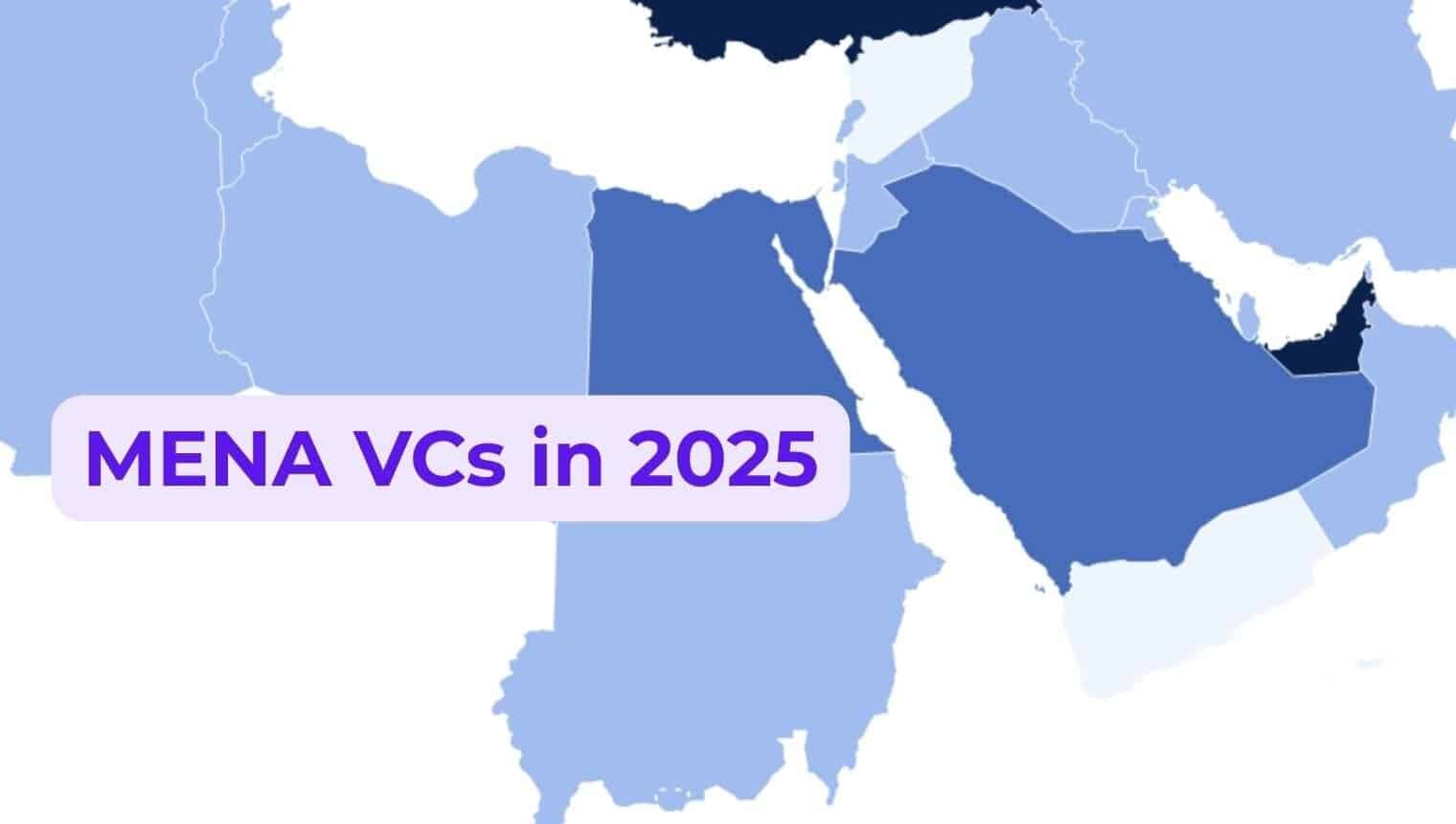
The International Monetary Fund (IMF) has released its 2025 growth forecast for the Middle East, North Africa, Afghanistan, and Pakistan (MENAP) region, projecting moderate but uneven economic expansion across member countries. The new figures highlight diverging trends among oil exporters, reform-oriented economies, and conflict-affected states, reflecting a complex landscape shaped by fluctuating energy prices, geopolitical tensions, and domestic reform agendas.

According to the IMF, the overall regional outlook shows cautious optimism, with several economies expected to rebound from subdued growth in 2024. The United Arab Emirates, Morocco, and Saudi Arabia are among the top performers, while nations such as Yemen and Iraq face continued structural and political headwinds that constrain output.

(IMF.org)

Mixed Performance Across MENAP Economies

The IMF’s updated World Economic Outlook projects growth rates for 2025 as follows:

  • Algeria: 3.4%

  • Egypt: 4.3%

  • Iran: 0.6%

  • Iraq: 0.5%

  • Jordan: 2.7%

  • Kuwait: 2.6%

  • Morocco: 4.4%

  • Pakistan: 2.7%

  • Qatar: 2.9%

  • Saudi Arabia: 4.0%

  • Somalia: 3.0%

  • Sudan: 3.2%

  • United Arab Emirates: 4.8%

  • Yemen: -1.5%

The figures indicate that while the region’s average growth remains positive, the disparity between energy-rich economies and those grappling with inflation or political instability continues to widen.

Gulf Economies Lead Regional Recovery

The IMF report underscores that the Gulf Cooperation Council (GCC) economies will remain the primary growth engines of MENAP in 2025. The United Arab Emirates, projected to grow by 4.8%, is expected to lead the region thanks to ongoing diversification initiatives, robust non-oil activity, and strong tourism and real estate performance.

Saudi Arabia follows closely with an estimated 4.0% expansion, reflecting a gradual recovery in oil production and sustained non-oil growth under Vision 2030 reforms. The IMF notes that Riyadh’s continued investment in infrastructure, digital transformation, and logistics hubs is underpinning a more balanced economic structure.

Qatar, with a 2.9% forecast, is also set to maintain steady growth supported by the expansion of its liquefied natural gas (LNG) sector and strong fiscal buffers. Kuwait (2.6%) and Oman (not listed in this dataset but expected around the same range) are likewise benefiting from fiscal prudence and moderate oil prices that remain above pre-pandemic averages.

North African Outlook: Morocco and Egypt Shine

In North Africa, Morocco and Egypt are projected to outperform their regional peers. Morocco’s economy is expected to grow by 4.4% in 2025, driven by a strong agricultural season, recovering exports, and increased foreign investment in renewable energy and automotive manufacturing. The IMF credits Rabat’s structural reforms and diversified economy as key factors contributing to its resilience.

Egypt’s growth projection of 4.3% reflects gradual stabilization following a challenging year marked by currency depreciation and inflationary pressure. The IMF anticipates that reforms in fiscal policy, improved foreign exchange flexibility, and support from international partners will restore confidence in Egypt’s economy.

Algeria, another major North African economy, is forecast to grow by 3.4% slightly below Morocco but still robust. The expansion is supported by hydrocarbon exports and state-led infrastructure investments. However, the IMF warns that overreliance on energy revenues and limited private sector diversification could pose medium-term risks.

South and East of the Region: Uneven Recovery

Pakistan is expected to post modest growth of 2.7% in 2025, as macroeconomic stabilization measures begin to take effect following years of fiscal imbalances and currency pressures. The IMF emphasizes the importance of structural reforms and energy sector modernization to sustain growth momentum.

Jordan, with a forecast of 2.7%, remains on a steady but fragile recovery path. The IMF report points to continued dependence on remittances and external aid, while also highlighting improvements in tourism and foreign investment.

Sudan and Somalia, both facing internal instability, are expected to register growth rates of 3.2% and 3.0% respectively. These figures reflect limited recovery from conflict and drought conditions but remain below the regional average.

Yemen, however, remains the region’s weakest performer with a projected contraction of 1.5%, largely due to protracted conflict and a collapsing infrastructure base that continues to constrain economic activity.

Iran and Iraq Struggle Amid External Pressures

Iran’s growth forecast of just 0.6% reflects persistent sanctions, low investment inflows, and weak consumer confidence. The IMF also notes that inflationary pressures and currency depreciation are undermining household purchasing power. Without significant reforms or easing of external constraints, Tehran’s growth potential will likely remain limited.

Iraq, projected at 0.5%, continues to face difficulties balancing its oil-dependent economy with ongoing political uncertainty and public sector challenges. Oil output constraints, coupled with limited private sector diversification, are expected to cap economic gains in the short term.

Structural and Policy Factors

Across the MENAP region, the IMF underscores the importance of economic diversification and fiscal sustainability. Oil-exporting countries are being urged to channel energy revenues into productive investments such as technology, manufacturing, and green energy to mitigate the long-term risks of fluctuating oil prices.

Meanwhile, non-oil economies like Egypt, Jordan, and Pakistan are advised to focus on fiscal consolidation, monetary stability, and private-sector development to build resilience against external shocks. The report also highlights that inflation remains a concern in several countries, particularly those dependent on food and fuel imports.

Global Context

The IMF’s projections are released at a time of global economic uncertainty marked by slower trade, tightening financial conditions, and geopolitical volatility. For MENAP countries, these headwinds are compounded by regional challenges such as water scarcity, youth unemployment, and uneven access to capital.

Nonetheless, the IMF remains cautiously optimistic that structural reform momentum in countries like Saudi Arabia, the UAE, and Morocco will sustain medium-term growth. Continued foreign investment, especially in renewable energy and digital transformation, is seen as key to regional stability.

Conclusion

The 2025 IMF forecast for the MENAP region paints a picture of cautious recovery one marked by stark differences between countries moving toward modernization and those still grappling with instability. While the Gulf states continue to lead with strong fiscal buffers and reform-driven growth, nations such as Yemen, Iraq, and Iran face significant economic headwinds.

Ultimately, the IMF emphasizes that sustained growth in MENAP will depend on three factors: political stability, economic diversification, and effective policy execution. As the global economy adapts to post-pandemic realities and energy transitions, the region’s ability to innovate and integrate will determine its long-term trajectory.

Inma Emirates Launch

Sheikh Ahmed Dalmook Al Maktoum, a member of Dubai’s ruling family, has established Inma Emirates Holdings — a new private investment and development company designed to expand his portfolio of impact-driven and sustainable projects across the Middle East, Africa, and beyond. The new entity will focus on long-term value creation through strategic investments in infrastructure, technology, and real estate.
(zawya.com)

According to the announcement, the name Inma derives from the Arabic root “N-M-A,” meaning “growth” — a reflection of the company’s philosophy of sustainable progress and positive social impact. Inma Emirates Holdings will serve as a consolidation platform for Sheikh Ahmed’s diverse portfolio of ventures and investments, transforming previously independent initiatives into an integrated, institutional structure that aligns business objectives with national development goals.

Vision for Sustainable Investment

The creation of Inma Emirates Holdings represents Sheikh Ahmed’s broader vision of bridging private enterprise with government-aligned development agendas. The company’s mission is to identify and deliver projects that combine commercial returns with measurable social and environmental outcomes.

The holding’s operations will focus on three pillars — infrastructure, technology, and real estate — sectors that the leadership sees as essential to achieving sustainable growth. Under this strategy, Inma Emirates Holdings will pursue public-private partnerships, long-term concessions, and equity participation models that balance profitability with purpose.

In a statement, Sheikh Ahmed highlighted that the company was established to institutionalize family-office investments and scale them through international partnerships. “Our objective is to catalyze progress through innovation, collaboration, and impact,” he said. “Inma Emirates Holdings embodies Dubai’s spirit of ambition and its commitment to building a sustainable future that benefits communities globally.”

Focus Areas and Current Portfolio

Inma’s investment strategy will initially target projects with tangible long-term impact, particularly those aligned with the UN Sustainable Development Goals. Early examples of Sheikh Ahmed’s current portfolio include a 50-year concession agreement for operations at Karachi Port Trust in Pakistan, developed in partnership with Abu Dhabi Ports; a 36.6 MW power project in Equatorial Guinea; and investment in Talent Plus, a UAE-based digital economy enterprise supporting regional innovation.

These initiatives exemplify Inma Emirates Holdings’ approach: investing in ventures that generate economic returns while delivering real developmental benefits such as employment creation, infrastructure resilience, and digital inclusion.

The company also plans to explore clean-energy projects, smart-city initiatives, and digital infrastructure developments across Africa and South Asia, positioning itself as a cross-regional catalyst for sustainable economic transformation.

Institutional Framework and Governance

Inma Emirates Holdings is structured with a clear governance model emphasizing accountability, transparency, and long-term strategic alignment. Investment committees will oversee project evaluation based on predefined performance indicators such as operational efficiency, social value creation, and environmental impact.

Each project will be assessed not only for financial viability but also for its contribution to broader societal goals — including education, sustainability, and community development. The holding intends to measure results through Key Performance Indicators (KPIs) such as job creation, income generation, emissions reduction, and quality-of-life improvements.

By combining disciplined financial management with purpose-driven investment criteria, Inma Emirates Holdings seeks to redefine what responsible capital can achieve in emerging and frontier markets.

Strategic Role in Dubai’s Development Vision

The establishment of Inma Emirates Holdings reflects Dubai’s commitment to supporting enterprises that align private wealth with public progress. As Sheikh Ahmed’s flagship investment platform, Inma complements the UAE’s broader economic diversification efforts under Vision 2031 — the national agenda aimed at fostering sustainability, innovation, and global competitiveness.

Industry observers note that the timing of Inma’s launch coincides with an increasing regional focus on impact investment and ESG-aligned capital deployment. Gulf investors are channeling greater resources into sustainable infrastructure, renewable energy, and technology ecosystems that enhance long-term resilience and attract international collaboration.

By combining business and government cooperation within a unified structure, Inma Emirates Holdings positions itself as both a regional and international player in the expanding field of sustainable finance.

Core Values and Philosophy

Inma Emirates Holdings is built on four guiding principles: foresight, collaboration, responsibility, and adaptability. These values will shape the company’s investment selection process and operational culture, ensuring that growth is balanced with ethical stewardship.

The holding emphasizes inclusivity, aiming to empower local communities wherever it operates. Sheikh Ahmed’s statement stressed that “sustainability must not only be an economic objective but a social duty.” The company’s governance framework ensures that environmental and community considerations are embedded in every investment decision.

Regional and Global Partnerships

Inma Emirates Holdings intends to build strategic alliances with international investors, financial institutions, and development organizations. Through partnerships with global entities, the company aims to mobilize capital for projects that deliver shared value — enhancing infrastructure resilience, enabling digital transformation, and fostering knowledge transfer.

The company’s geographic focus extends from the Gulf region to emerging markets in Africa and South Asia, where infrastructure gaps and technology adoption challenges present high-impact opportunities. These partnerships are expected to play a crucial role in delivering scalable solutions to critical issues like energy access, logistics efficiency, and urban development.

A Model for Impact Capital

By launching Inma Emirates Holdings, Sheikh Ahmed joins a growing cohort of Gulf business leaders who are institutionalizing their investment portfolios around the principles of sustainability and measurable impact. The holding’s hybrid model — combining public-sector collaboration with private agility — could serve as a regional benchmark for “impact capitalism,” where financial success and societal progress reinforce each other.

Analysts suggest that this new structure will not only enhance operational efficiency but also attract institutional investors seeking stable, ESG-compliant projects in emerging markets.

Future Outlook

Inma Emirates Holdings plans to announce a series of new projects in 2026, with a focus on renewable energy, logistics, digital identity infrastructure, and education-technology platforms. As the company scales its operations, it is expected to leverage Dubai’s strategic position as a global hub for finance, trade, and innovation.

Experts believe that Inma’s establishment will further strengthen Dubai’s influence in the global impact investment ecosystem. The emirate’s policy environment, combined with Sheikh Ahmed’s experience in cross-border projects, provides a strong foundation for long-term expansion.

Conclusion

The creation of Inma Emirates Holdings marks a major step in aligning Dubai’s private investment initiatives with its national sustainability vision. Sheikh Ahmed Dalmook Al Maktoum’s decision to consolidate his portfolio under this new entity reflects both strategic foresight and a commitment to purposeful capital deployment.

As impact investment continues to reshape global finance, Inma Emirates Holdings stands out as a symbol of the UAE’s ambition to lead the next era of responsible growth — combining profitability with progress and innovation with integrity.

Moonshot AI $10M

Moonshot AI, a US-based startup focused on automating e-commerce website optimization, has raised $10 million in a seed funding round led by Mighty Capital, with participation from Oceans Ventures and Uncorrelated Ventures. The funding will help the company expand its AI-powered automation platform designed to make online stores “self-optimizing” through continuous learning and autonomous updates.
(techinasia.com)

The company’s vision is to replace traditional, human-driven website management with an AI system that can automatically adapt design, content, and checkout processes based on real-time consumer behavior. Moonshot AI describes its technology as a way to create “living websites” that constantly evolve to deliver better performance, higher conversions, and improved customer experiences.

Automating the E-commerce Experience

Moonshot AI’s product focuses on solving a long-standing problem in e-commerce: the slow and expensive process of website optimization. Most online stores rely on manual A/B testing and periodic updates by developers or marketing teams. This results in limited testing cycles and often delays data-driven improvements.

The startup’s platform uses machine learning algorithms that continuously analyze user journeys, click data, and purchase trends. It then autonomously adjusts page layouts, image placements, and content variations — effectively redesigning the website in real time to boost engagement and sales.

According to the company, merchants using Moonshot AI can see conversion rates increase by 15–25 percent and average order values rise by up to 10 percent. The system’s biggest advantage, however, lies in speed. What once took weeks of human testing can now be accomplished in a matter of hours through autonomous iteration.

A Market Ripe for Automation

E-commerce platforms are under growing pressure to deliver personalized experiences at scale while maintaining profitability. Rising customer acquisition costs, competition, and marketing saturation have made optimization a critical area of investment.

Moonshot AI enters a market already crowded with analytics tools and personalization engines, but its full automation model sets it apart. Instead of providing insights or dashboards, the system takes action itself continuously running micro-experiments and applying successful results instantly.

This “hands-off optimization” approach aligns with a broader industry trend toward autonomous commerce, where artificial intelligence handles everything from pricing and inventory to digital merchandising.

Investors say Moonshot AI’s focus on this niche gives it a strong first-mover advantage. Mighty Capital, which led the funding round, called the company “a defining force in the next generation of e-commerce automation.”

Scaling Up and Going Global

With its new $10 million funding, Moonshot AI plans to expand its engineering and research teams, strengthen its AI infrastructure, and build deeper integrations with major e-commerce platforms. The company is developing plug-ins for Shopify, Magento, WooCommerce, and BigCommerce to allow seamless adoption by retailers of all sizes.

CEO and co-founder Alex Winters said the funding will also be used to establish an enterprise sales team and expand internationally. “We want to bring autonomous optimization to every online merchant,” he said. “Our goal is to make AI not just a feature but the foundation of digital commerce.”

The company plans to begin its global expansion in 2026, focusing on Europe and Southeast Asia. These markets, Winters explained, offer strong e-commerce growth combined with a shortage of affordable optimization tools, making them ideal for adoption.

How the Technology Works

At its core, Moonshot AI’s technology combines deep reinforcement learning and real-time behavioral analytics. It uses anonymized user data to predict which page designs, product arrangements, and call-to-action formats are most likely to convert specific audiences.

Each website powered by Moonshot AI operates as a unique “ecosystem” that learns from its visitors. The platform continuously runs thousands of micro-tests simultaneously, evaluating every visual and structural change through live data. The best-performing variants are retained automatically, while weaker ones are discarded.

This means that every store using Moonshot AI becomes a self-learning digital environment evolving with customer trends, seasonal changes, and regional preferences.

The Broader Context of AI in Retail

The rise of automation in e-commerce reflects a larger technological transformation sweeping across the retail industry. From inventory prediction to chatbot-based customer support, AI tools are rapidly becoming standard in digital operations.

Moonshot AI’s approach pushes this further by integrating AI directly into the visual and interactive layer of commerce the website itself. This allows companies to operate more efficiently, reducing reliance on developers, designers, and marketing analysts.

However, industry analysts warn that such systems must balance automation with brand identity. If websites evolve purely based on algorithmic efficiency, design diversity and creativity could diminish.

Addressing Challenges and Risks

Like all AI-driven technologies, Moonshot AI faces challenges related to transparency, data privacy, and model control. Retailers are often cautious about giving algorithms the power to alter live customer experiences.

The company says it has built strong safeguards into its platform, allowing clients to set creative boundaries and brand guidelines. These act as constraints, ensuring that automated changes remain aligned with each retailer’s visual language.

In terms of privacy, Moonshot AI stresses that it complies with GDPR and CCPA standards. All user data used for optimization is anonymized and aggregated, preventing the system from storing personally identifiable information.

Growing Demand from Online Retailers

As more retailers adopt digital-first strategies, the demand for efficiency tools has surged. Manual optimization processes can no longer keep up with the pace of online shopping behavior, which shifts daily across devices, demographics, and geographies.

Moonshot AI’s early customer base includes a mix of fashion, electronics, and lifestyle brands that operate mid-sized online stores with at least 100,000 monthly visitors. The company’s initial results reportedly show consistent performance improvements, though full-scale case studies are still underway.

Industry observers believe the startup’s success could pave the way for a new category of “autonomous marketing infrastructure,” blending data science and creative optimization into a single automated process.

The Future of “Self-Running” Websites

Moonshot AI’s long-term vision is to create a future where websites run themselves adapting, testing, and improving without constant human oversight. The founders compare it to the shift from manual driving to autonomous vehicles: humans still define the goals, but AI handles the mechanics.

If the technology scales successfully, it could transform not only e-commerce but also other sectors like media, hospitality, and travel, where user experience directly affects conversion.

Conclusion

Moonshot AI’s $10 million seed funding signals a growing investor belief that the future of e-commerce will be autonomous, data-driven, and adaptive. By focusing on website automation rather than just analytics, the company is positioning itself at the forefront of a major shift in how online stores operate.

The challenge now lies in proving that machines can truly master the art of digital retail balancing speed and intelligence with brand identity and customer trust.

Yaga €4M Raise

Estonian second-hand fashion marketplace Yaga has raised €4 million in new funding to accelerate its expansion across emerging markets, including Africa and the Middle East. The investment round, announced this week, was led by Specialist VC and joined by H&M Group, Trind Ventures, Startup Wise Guys and several angel investors.
(en.ain.ua)

The fresh capital marks a major milestone for the company, founded in 2019 by Aune Aunapuu, as it seeks to bring affordable, sustainable fashion to millions of consumers worldwide. The funding will be used to scale Yaga’s operations in existing markets such as South Africa and Estonia, as well as to expand into new territories in the Middle East and North Africa.

A Marketplace for the Circular Economy

Yaga operates an online resale platform where users can buy and sell second-hand clothing and accessories in a secure, community-driven environment. The platform’s mission is to make sustainable fashion accessible, affordable, and profitable for everyday consumers.

The company’s business model taps into two growing global trends: the rise of the circular economy and the growing appetite for affordable fashion in emerging markets. With second-hand clothing expected to account for 20% of the global fashion industry by 2030, platforms like Yaga are increasingly seen as the future of responsible retail.

Founder and CEO Aune Aunapuu said that the company’s expansion is driven by a simple idea: “Sustainability should not be a luxury. We want to make pre-loved fashion a mainstream choice for millions of people.”

Rapid Growth in Africa

Yaga has seen particularly strong growth in South Africa, which has become one of its largest and most active markets. The platform now serves over one million users globally and records more than 100,000 monthly transactions. In South Africa alone, Yaga’s user base has grown tenfold in the past two years, driven by rising demand for affordable fashion options and growing environmental awareness among younger consumers.

The success in South Africa has provided a template for Yaga’s expansion into other regions with similar consumer dynamics. The company is now eyeing markets like Kenya, Nigeria, and several Gulf states, where second-hand fashion remains an untapped opportunity.

According to Aunapuu, emerging markets offer the right combination of digital readiness, fashion-conscious consumers, and unmet demand for affordable quality clothing. “People everywhere love fashion — but in many regions, new retail prices are simply out of reach for average consumers,” she said. “We give them a way to shop smarter and more sustainably.”

Investor Confidence and Strategic Partnerships

The funding round attracted attention from global investors keen to back sustainable business models. Specialist VC, which led the round, has previously supported fast-growing Baltic startups in fintech and e-commerce.

Trind Ventures and Startup Wise Guys also joined the round, along with H&M Group — one of the world’s leading fashion retailers. H&M’s involvement is particularly notable, reflecting its broader interest in circular economy initiatives and resale platforms.

In a statement, H&M’s New Growth & Ventures managing director said Yaga’s model aligns with the company’s vision for a more sustainable fashion ecosystem. “Yaga’s focus on emerging markets and its commitment to affordability perfectly complement our own sustainability goals,” the statement read.

The partnership may also open future collaboration opportunities between Yaga and H&M, including supply chain integration, co-branding, or logistics partnerships in developing markets.

Expanding the Platform

With the new funding, Yaga plans to invest in product development, logistics optimization, and platform technology. The company is working on improving its mobile experience and integrating AI-based tools to enhance listing quality, pricing recommendations, and buyer-seller matching.

Yaga’s escrow-based payment system ensures secure transactions by holding funds until the buyer confirms delivery, helping to build trust in regions where online resale remains new to many consumers.

The platform also offers integrated shipping options through local partners, allowing sellers to print labels and dispatch packages easily. These innovations have helped Yaga establish credibility and convenience, two major hurdles for peer-to-peer resale platforms in developing markets.

Sustainability as Core Strategy

Beyond profitability, Yaga’s mission is deeply rooted in environmental sustainability. The fashion industry is one of the world’s largest polluters, contributing an estimated 10% of global carbon emissions. By encouraging reuse and extending the life of garments, Yaga positions itself as part of the solution.

The company reports that over 5 million items have been resold through its platform, preventing an estimated 2,000 tons of textile waste from reaching landfills. In addition, the company promotes awareness campaigns about mindful consumption and collaborates with influencers to destigmatize buying second-hand clothing.

As consumers increasingly view sustainability as part of lifestyle identity, Yaga believes that conscious consumption will become the new standard.

Competing in the Global Resale Market

While competitors such as Vinted, Depop, and ThredUp dominate Western markets, Yaga differentiates itself by targeting regions often overlooked by larger players. The company’s localized strategy and affordability-first approach have proven successful in attracting users who may be entering e-commerce for the first time.

Yaga’s growth model also focuses on high community engagement. The platform includes social features that allow users to follow sellers, rate transactions, and interact around listings. This fosters trust and repeat activity, making Yaga more than just a resale site — it’s a digital community for sustainable fashion enthusiasts.

Challenges Ahead

Despite its success, Yaga faces the same challenges as other resale platforms: balancing scalability with moderation, ensuring quality control, and maintaining user trust. Logistics can also be complex in emerging markets, where postal systems vary in efficiency.

The company is addressing these issues by forming partnerships with local delivery providers and exploring last-mile innovations, including pickup points and drop-off lockers. Additionally, Yaga plans to invest in AI-driven moderation to detect fraudulent listings and counterfeit items before they reach buyers.

Another challenge lies in education. Many potential users in new markets are unfamiliar with resale culture, so Yaga must invest in marketing and community engagement to normalize second-hand shopping as a fashionable, responsible choice.

The Road Ahead

With this new investment, Yaga aims to become a global player in second-hand fashion while maintaining its focus on emerging economies. The company plans to double its headcount, expand operations into at least five new countries by 2026, and strengthen its partnerships with sustainability-focused investors.

According to Aunapuu, Yaga’s long-term vision is to empower millions of people to view fashion as circular, not disposable. “We believe sustainability and growth can coexist,” she said. “Our mission is to make resale accessible to everyone, everywhere.”

As global interest in sustainable consumption continues to rise, Yaga’s expansion could reshape the fashion resale market beyond Europe — positioning emerging markets as the next frontier for circular fashion innovation.

Qatar DHL Hub

DHL Global Forwarding, the freight division of Deutsche Post DHL Group, has officially opened a new regional logistics facility in Qatar’s Ras Bufontas Free Zone. The launch marks a major milestone for both DHL and the Qatar Free Zones Authority (QFZ), as the Gulf nation continues to position itself as a strategic hub for multimodal logistics across the Middle East, Africa, and Asia.
(logisticsmiddleeast.com)

The 1,200-square-metre facility is located just minutes from Hamad International Airport and offers integrated services including air and ocean freight, warehousing, customs clearance, and last-mile distribution. It is part of DHL’s regional expansion strategy aimed at enhancing speed, efficiency, and capacity for customers operating across the GCC, particularly in high-growth industries such as e-commerce, healthcare, manufacturing, and energy.

A Strategic Expansion

According to the Qatar Free Zones Authority, DHL’s decision to establish operations in Ras Bufontas underscores Qatar’s growing appeal as a logistics gateway for global trade. The zone offers direct connectivity to Hamad International Airport and close proximity to Hamad Port two of the country’s most important logistics assets.

Mohammed bin Hamad bin Faisal Al-Thani, CEO of QFZ, said during the inauguration that the facility reflects Qatar’s strategic shift from being a transit point to becoming a fully integrated logistics hub. “This partnership highlights Qatar’s growing importance as a regional logistics leader,” he said. “The presence of global operators such as DHL enhances our ability to provide agile, efficient, and world-class supply-chain services to international markets.”

Location and Infrastructure Advantages

Ras Bufontas Free Zone is strategically situated next to Hamad International Airport and has been designed to accommodate logistics, technology, and light industrial tenants. Companies operating in the zone benefit from 100 percent foreign ownership, tax exemptions, and streamlined customs procedures.

For DHL, this location offers immediate access to key trade routes between Asia, Africa, and Europe. The company can now consolidate shipments, manage air-sea multimodal transfers, and serve clients across the Gulf region more efficiently. The site is expected to become a central node in DHL’s Gulf network, linking its existing operations in Dubai, Bahrain, and Saudi Arabia.

Strengthening Regional Supply Chains

The new facility comes at a time when global supply chains are being reconfigured to emphasize resilience, speed, and regional diversification. By establishing its regional hub in Qatar, DHL aims to capitalize on the country’s advanced transport infrastructure and pro-business environment.

Samer Kaissi, CEO of DHL Global Forwarding for the Gulf Cluster, said the company’s investment demonstrates long-term confidence in Qatar’s logistics potential. “Our goal is to bring the world closer to Qatar,” he explained. “With this facility, we can enhance our air freight and multimodal capabilities, offering faster and more flexible solutions for our customers across the Middle East and Africa.”

Kaissi added that the Ras Bufontas site will also serve as a model for sustainable operations, incorporating energy-efficient technologies and digital tools for shipment tracking and optimization.

Catalyst for Qatar’s Vision 2030

The opening of the DHL facility aligns with Qatar’s National Vision 2030, which prioritizes economic diversification and innovation-driven growth. The Free Zones Authority plays a key role in this vision by creating specialized industrial ecosystems that attract international investment and high-value industries.

By hosting companies like DHL, the free zones not only stimulate trade but also create employment opportunities for skilled workers in logistics, engineering, and supply chain management. Local experts believe that partnerships with global players can accelerate Qatar’s transition into a knowledge-based economy with strong logistics capabilities.

QFZ officials have indicated that more global logistics firms are in discussions to establish regional operations in the zones, signaling continued investor interest in Qatar’s infrastructure and regulatory advantages.

Features and Services

The new DHL site is designed to handle high-volume, high-velocity cargo. It includes temperature-controlled storage, customs inspection areas, and dedicated zones for pharmaceutical and high-value shipments. The facility will also serve as a consolidation point for air and sea freight, streamlining operations for clients with complex supply-chain needs.

According to Logistics Middle East, DHL plans to use the Qatar hub to serve several industries, including healthcare, aviation, and e-commerce sectors where rapid growth has increased demand for specialized logistics. The company’s digital platforms, such as MyDHLi, will be fully integrated with the Ras Bufontas operations to allow real-time visibility of shipments and advanced analytics for clients.

Regional and Global Impact

Analysts say the DHL-QFZ partnership reflects a broader trend in the Gulf logistics sector, where governments are leveraging free zones and infrastructure investment to attract multinational companies. For Qatar, the move supports its ambition to become a logistics bridge between East and West, complementing its existing strengths in aviation and maritime transport.

The Gulf region has seen a surge in foreign investment in logistics, with DHL, UPS, and FedEx all expanding their regional presence. Qatar’s focus on sustainable logistics, combined with its world-class airport and port infrastructure, makes it a natural competitor to traditional hubs such as Dubai and Bahrain.

Sustainability and Innovation

DHL has emphasized sustainability as a key pillar of its global strategy. The Ras Bufontas facility will utilize solar-powered systems, energy-efficient lighting, and digital process automation to reduce emissions. The company also plans to introduce electric delivery vehicles and sustainable aviation fuel solutions in coordination with local partners over the coming years.

These efforts align with Qatar’s national environmental goals and with DHL’s global target of achieving carbon-neutral operations by 2050. By adopting green technologies early, the company aims to demonstrate how large-scale logistics operations can coexist with environmental stewardship.

Future Prospects

Qatar Free Zones Authority has confirmed that the partnership with DHL is only the beginning of a broader plan to attract logistics, e-commerce, and tech companies. The authority envisions the Ras Bufontas and Umm Alhoul zones as complementary hubs one focused on air freight, the other on maritime logistics creating a fully integrated multimodal ecosystem.

For DHL, the success of this operation will depend on regional demand growth, efficient regulatory coordination, and sustained collaboration with QFZ. Early indicators suggest that Qatar’s strategic location and world-class infrastructure give it a strong advantage as regional trade continues to expand.

Conclusion

The opening of DHL’s regional logistics facility in Qatar’s Ras Bufontas Free Zone represents a milestone for both the company and the country. It strengthens Qatar’s credentials as a global logistics hub and reinforces DHL’s leadership in the region’s fast-evolving supply-chain landscape.

As global trade patterns shift and demand for resilient logistics solutions rises, partnerships like this one highlight how strategic investment and innovation can redefine connectivity across the Middle East and beyond.

UAE Launches SAVA

Majid Al Futtaim Group has launched SAVA, the United Arab Emirates’ first homegrown modern discount retail brand, marking a new chapter in the country’s evolving consumer market. Designed to offer everyday essentials at affordable prices while maintaining quality and convenience, SAVA introduces a locally inspired approach to value-driven shopping in a market long dominated by premium and mid-range retail formats.
(gulfnews.com)

The launch comes as part of Majid Al Futtaim’s broader strategy to diversify its retail portfolio and respond to growing consumer demand for cost-efficient options amid changing economic conditions. The group, which operates Carrefour and several shopping mall chains across the region, is now expanding into the discount segment for the first time, aiming to set a new standard for affordability and accessibility in the UAE.

A New Chapter in Emirati Retail

The first two SAVA stores opened simultaneously in Deira and Jumeirah Beach Residence (JBR), two of Dubai’s busiest districts. According to the company, additional outlets are already planned in other emirates, with a total of ten stores expected by the end of 2025. Each store features a streamlined layout and a curated range of products focused on everyday essentials such as groceries, home care items, and personal goods.

Majid Al Futtaim’s vision for SAVA centers on accessibility, simplicity, and value. The company describes the concept as “a new way to shop Emirati,” reflecting both local ownership and a strong connection to the UAE’s consumer identity. SAVA’s launch aligns with the country’s broader economic diversification strategy and efforts to support Emirati-led business models that combine innovation with national branding.

A Value-Centric Concept

SAVA positions itself as a modern discount retailer that focuses on offering low prices through operational efficiency rather than cutting quality. The stores operate with minimal overheads compact layouts, direct supplier partnerships, and fast restocking systems allowing them to maintain affordability while ensuring product freshness and availability.

According to Gulf News, each SAVA outlet carries approximately 1,600 core products and 160 promotional items that rotate weekly. The brand’s product portfolio spans local and international goods, with a focus on items used daily by families. This includes packaged food, fresh produce, cleaning products, and basic home essentials.

By adopting this value-centric approach, Majid Al Futtaim aims to bridge the gap between hypermarkets and convenience stores, offering an efficient hybrid that satisfies consumers’ need for both affordability and quality.

Meeting New Consumer Realities

The UAE’s retail sector has undergone rapid transformation in recent years. Rising living costs, inflationary pressures, and evolving consumer expectations have led many shoppers to become more price-conscious. Families, particularly in the middle-income bracket, are seeking value without compromising on trust and reliability.

SAVA’s timing reflects this market shift. As residents look for ways to manage expenses while maintaining lifestyle quality, discount retailers are gaining traction worldwide. Majid Al Futtaim’s entry into this segment signals an acknowledgment of that trend and a desire to lead it within the Gulf region.

Industry analysts note that the UAE’s retail market, long defined by luxury and premium experiences, is now diversifying to include multiple pricing tiers. SAVA’s launch demonstrates how established players can adapt to these evolving dynamics while leveraging local ownership and cultural identity.

The Strategic Importance for Majid Al Futtaim

For Majid Al Futtaim, SAVA is not just another retail brand — it represents a structural expansion into a new market segment. The company already dominates the supermarket and hypermarket sectors through Carrefour, but SAVA allows it to capture a different demographic: everyday consumers looking for reliable, affordable, and local alternatives.

The company’s leadership views the new venture as a complement to its existing businesses. By positioning SAVA as a lean, community-oriented chain, Majid Al Futtaim can maintain brand diversity and resilience across economic cycles. In periods of tighter household budgets, discount chains like SAVA could become central to maintaining overall retail performance.

The Store Experience

Each SAVA store has been designed with simplicity and efficiency in mind. The interiors are bright and functional, prioritizing easy navigation and quick shopping. The emphasis is on clear labeling, prominent pricing, and rapid checkout—key factors for value-focused consumers.

Unlike traditional supermarkets that often rely on elaborate merchandising or imported specialty products, SAVA’s appeal lies in everyday practicality. The stores feature recognizable essentials and encourage fast turnaround, making them suitable for daily and weekly household shopping.

The retailer’s operations are supported by Majid Al Futtaim’s advanced logistics and supply chain network, allowing for consistent restocking and regional sourcing. This integration helps keep prices stable while ensuring the quality assurance that UAE consumers expect.

Economic and Cultural Significance

The introduction of SAVA is particularly notable as it is fully Emirati in identity and management. It represents the UAE’s growing focus on supporting local brands that can compete with global players on both price and service quality. The initiative also aligns with the country’s push to encourage national entrepreneurship in key sectors like retail and logistics.

From an economic perspective, SAVA’s arrival could influence the pricing dynamics across the grocery and household goods sectors. Competing retailers may respond with their own value-based campaigns, potentially benefitting consumers through broader affordability.

Culturally, SAVA’s branding emphasizes simplicity, community, and local pride. The name itself reflects the idea of saving and value — themes that resonate strongly with families seeking financial prudence amid changing economic conditions.

Expansion and Future Outlook

Majid Al Futtaim has ambitious plans for SAVA’s growth. The company has announced that new stores will open across all seven emirates within the next two years, with high-traffic urban centers prioritized during the rollout phase. The long-term goal is to establish SAVA as the leading value retailer in the UAE and potentially extend the brand to other GCC markets.

Retail experts predict that if SAVA maintains its current pace, it could capture a substantial portion of the UAE’s mid-tier grocery market within five years. However, sustaining competitive pricing will require tight operational discipline and strong supplier partnerships.

In parallel, Majid Al Futtaim continues to explore sustainability initiatives across its retail operations. SAVA stores are expected to adopt eco-friendly practices, including energy-efficient lighting, recyclable packaging, and reduced food waste programs, aligning with the group’s broader environmental goals.

Challenges and Opportunities

While the discount retail concept has proven successful in other markets, SAVA faces unique challenges in adapting it to the UAE’s retail ecosystem. Rent costs, supply chain logistics, and consumer expectations for premium service all add complexity. Additionally, the brand must establish strong differentiation from hypermarket formats operated by the same parent company.

Nonetheless, the opportunities are substantial. A growing middle class, increased demand for value-based shopping, and a supportive national policy environment all provide fertile ground for expansion. If executed effectively, SAVA could become the blueprint for homegrown discount retailing in the region.

Conclusion

The launch of SAVA marks a milestone in the evolution of the UAE’s retail sector. As the nation’s first Emirati discount retail chain, it blends local ownership, modern efficiency, and a clear value proposition. For consumers, it offers a new way to shop smartly without sacrificing quality; for Majid Al Futtaim, it opens a powerful new front in an already diverse retail empire.

As SAVA’s rollout accelerates, the brand is poised to redefine how affordability and innovation coexist in one of the world’s most dynamic retail markets.

IMF Flags Middle East Risks

The International Monetary Fund (IMF) has revised its 2025 economic forecast for the Middle East and North Africa (MENA) region upward to 3.3 percent from 2.6 percent but warned that the outlook remains fragile, with risks “tilted to the downside” due to global economic uncertainty, geopolitical tensions, and fluctuating energy prices.
(reuters.com)

The IMF’s latest report, released on Tuesday, highlights both the region’s resilience and its vulnerabilities. While higher oil production and improved fiscal management are supporting growth among energy exporters, weaker global demand and persistent inflation pressures continue to weigh on prospects across several economies.

Mixed Growth Patterns

According to the IMF, the MENA region’s performance in 2025 will remain uneven. Oil-exporting nations such as Saudi Arabia, the United Arab Emirates, and Kuwait are expected to benefit from stable crude output and ongoing diversification investments, while oil-importing economies — including Egypt, Jordan, and Morocco — are projected to recover modestly, helped by tourism, remittances, and lower commodity prices.

Jihad Azour, Director of the IMF’s Middle East and Central Asia Department, said during a press briefing that the region’s recovery “remains on track but is exposed to considerable downside risks.” He emphasized that continued reform, fiscal prudence, and efforts to build resilience are critical to sustaining momentum amid global volatility.

“The outlook this year reflects resilience despite elevated global uncertainty,” Azour said, noting that inflation, debt sustainability, and global trade shifts remain top challenges.

Drivers of Growth

The IMF’s regional economic outlook attributes the upward revision to several key factors. Oil-exporting countries are expected to maintain higher output levels under OPEC+ production frameworks while simultaneously pushing ahead with structural reform programs aimed at reducing reliance on hydrocarbons. Public investment in infrastructure, logistics, and renewable energy has also supported non-oil activity.

For oil-importing countries, the combination of easing commodity prices, improving external balances, and rising remittances has helped stabilize currencies and reduce inflationary pressures. Egypt, for instance, has seen improved investor confidence following the rollout of its IMF-backed $8 billion reform program, which includes measures to privatize state-owned enterprises and strengthen fiscal governance.

Tourism in North Africa has returned close to pre-pandemic levels, boosting domestic demand. Meanwhile, the Gulf states continue to channel sovereign wealth funds toward digital transformation and industrial diversification — aligning with long-term national strategies such as Saudi Arabia’s Vision 2030 and the UAE’s economic diversification agenda.

Risks Tilted to the Downside

Despite positive signs, the IMF cautioned that risks remain pronounced and largely skewed toward the downside. A potential slowdown in global growth, particularly in the United States and China, could dampen energy demand and reduce oil prices, affecting fiscal revenues in exporting nations.

The Fund also warned about persistent inflation and tightening financial conditions globally, which could limit access to capital for emerging and frontier markets. Higher interest rates in advanced economies may trigger capital outflows and currency depreciation in more vulnerable MENA countries, particularly those with high debt levels.

Geopolitical instability remains another major concern. The ongoing conflicts and political unrest in parts of the Middle East continue to weigh on investor sentiment and economic integration. The IMF said that any escalation in regional tensions could disrupt trade and supply chains, adding further pressure to growth prospects.

Country-Level Highlights

Egypt’s growth forecast was raised to 4.3 percent in 2025, up from 3.8 percent in the IMF’s May projection. The improvement is attributed to strong tourism receipts, remittance inflows, and renewed investor confidence following recent currency reforms.

In contrast, growth projections for some energy-importing economies, such as Tunisia and Lebanon, remain subdued due to structural weaknesses, political uncertainty, and limited fiscal space.

The Gulf economies, led by Saudi Arabia, are expected to maintain steady performance, supported by continued investment in renewable energy, logistics, and high-tech industries. The UAE’s focus on digital transformation and smart infrastructure is expected to sustain robust non-oil growth over the medium term.

Inflation and Fiscal Policy Challenges

While inflation has moderated across parts of the region, it remains above pre-pandemic levels. The IMF urged governments to maintain targeted fiscal support to protect vulnerable households while gradually withdrawing broad subsidies that strain public finances.

Jihad Azour noted that the region’s average inflation is projected to fall to around 9 percent in 2025, but some economies may still experience double-digit inflation due to supply chain constraints and imported food costs. Fiscal consolidation remains necessary, particularly for countries where debt has exceeded 80 percent of GDP.

The IMF emphasized the need for monetary authorities to stay vigilant and avoid premature easing, warning that renewed commodity price shocks or supply disruptions could reignite inflationary pressures.

Structural Reforms as the Key

The IMF’s message to regional policymakers was clear: the current growth momentum is not guaranteed without structural change. The Fund urged countries to accelerate reforms aimed at enhancing private sector participation, improving labor markets, and fostering innovation.

In oil-exporting states, diversification remains a top priority. The report highlighted ongoing progress in Saudi Arabia’s Vision 2030 and the UAE’s clean energy investments as examples of how fiscal surpluses can be reinvested in non-oil sectors.

For oil-importing economies, enhancing competitiveness through digitalization, infrastructure development, and education reform will be critical to sustaining long-term growth. The IMF also underscored the importance of social protection programs to mitigate inequality and ensure inclusive development.

Global and Regional Context

The Middle East’s economic outlook is deeply intertwined with global market dynamics. The IMF noted that although the world economy has avoided a hard landing, it remains in a fragile state marked by geopolitical fragmentation, uneven recovery, and trade realignments.

Azour said that “the global economy is showing resilience but remains vulnerable to shocks.” He added that the region’s policymakers should prepare for uncertainty by building fiscal buffers, maintaining exchange rate flexibility, and strengthening regional cooperation.

Energy markets remain a double-edged sword: while oil prices provide fiscal relief for exporters, volatility can disrupt planning. The IMF also highlighted climate change as a growing risk, urging MENA countries to adopt greener investment frameworks to ensure sustainable growth.

Policy Recommendations

The IMF outlined several policy priorities for the region:

  • Fiscal discipline: Governments should balance stimulus with long-term debt sustainability.

  • Diversification: Reducing dependence on oil revenues is essential for stability.

  • Private sector development: Encouraging entrepreneurship and foreign investment can enhance productivity.

  • Resilience building: Expanding social safety nets and climate adaptation programs is critical to protect vulnerable populations.

Azour concluded that “the next phase of economic recovery will depend on how countries manage reform execution under uncertainty.”

Outlook

Looking ahead, the IMF expects regional growth to stabilize around 3.5 percent by 2026 if global conditions remain steady and reforms continue. The trajectory will depend on geopolitical developments, global oil demand, and the pace of fiscal adjustment.

For now, the IMF’s latest assessment paints a cautiously optimistic picture one where resilience and reform coexist with fragility and risk.

Erdogan’s Gulf Tour: Ankara’s Renewed Focus on the Gulf’s Strategic Axis

Turkish President Recep Tayyip Erdoğan will embark on a three-day diplomatic tour of Kuwait, Qatar, and Oman between October 21 and 23, signalling Ankara’s renewed attention to deepening the Gulf’s political, economic, and defence partnerships. The visits, confirmed by Presidential Communications Director Burhanettin Duran, will include bilateral meetings, the signing of cooperation agreements, and wide-ranging discussions on regional developments.

Duran noted that Erdoğan’s engagements will “review relations in all aspects and explore new avenues of cooperation,” emphasising trade, energy, investment, and defence industries. The tour follows a series of high-level contacts between Ankara and Gulf capitals since 2023, reflecting Turkey’s strategic effort to consolidate its role as a stabilising partner in the broader Middle East.

Kuwait: A Durable Partnership with Untapped Potential

According to Dr Betül Doğan Akkaş, an expert on Gulf studies at Ankara Yıldırım Beyazıt University, “Erdoğan’s visit to Kuwait symbolises the resilience of Turkey–Kuwait relations, which have quietly maintained continuity even through periods of regional turbulence.”

While Ankara and Kuwait enjoy strong political alignment and defence dialogue, their economic cooperation remains below potential. In 2022, Turkey’s exports accounted for just $975 million of Kuwait’s $64.6 billion import volume, and Turkey’s share in Kuwait’s defence trade rose modestly from 0.26% in 2021 to 0.64% in 2023.

Despite these modest figures, both sides see room for growth. The Kuwait 2035 Development Plan already features several Turkish contractors in infrastructure projects. Turkish Ambassador Tuba Nur Sönmez recently confirmed that bilateral trade reached $700 million in 2023, intending to double it “within the next few years.”

Dr Doğan Akkaş highlights that economic diversification agendas in both countries could create new synergies: “Kuwait is opening to foreign investment and institutional reforms, while Turkey seeks new Gulf markets for construction, defence, and technology exports. Erdoğan’s visit may help transform these shared intentions into measurable outcomes.”

A Broader Regional Architecture

Turkey’s outreach to the Gulf extends well beyond bilateral diplomacy. Ankara is now the first non-GCC country to have established a strategic dialogue mechanism with the Gulf Cooperation Council (GCC) in 2008. In March 2025, Turkey and the GCC agreed to launch negotiations on a Free Trade Agreement, a move Turkish Trade Minister Ömer Bolat said could “create one of the world’s largest free trade zones.” GCC Secretary-General Jasem Al-Budaiwi echoed this optimism, arguing that such frameworks “serve income diversification and sustainable growth objectives” across the region.

This institutional backdrop gives Erdoğan’s October tour additional weight: it positions Turkey as a long-term stakeholder in the Gulf’s economic transformation rather than a transactional partner.

The e-commerce corridor between Türkiye and the Gulf is becoming a serious economic channel. According to the Trade Ministry, Türkiye’s domestic e-commerce volume surged to TRY 1.85 trillion (≈ USD 79.4 billion) in 2023, and e-exports reached USD 6.4 billion in 2024, up 27.4% year-on-year. In the GCC, the UAE’s online retail market hit AED 32.3 billion (USD 8.8 billion) in 2024 and is projected to cross AED 50.6 billion (USD 13.8 billion) by 2029, while Qatar and Kuwait are estimated at USD 4.5 billion and USD 1.85 billion in 2025, respectively. These dynamics suggest clear headroom for Türkiye–GCC cross-border e-commerce, especially in categories like fashion, beauty, home, and consumer electronics, where Turkish brands already have brand recognition in the Gulf.

Qatar and Oman: Sustaining the Momentum

In Doha, Erdoğan is expected to meet Emir Sheikh Tamim bin Hamad Al Thani to reaffirm what remains Ankara’s most dynamic partnership in the region. The Turkey–Qatar axis has matured into a multi-dimensional alliance from defence cooperation to investment. Turkish officials suggest new memoranda on technology investment, food security, and supply-chain integration are on the table.

The final leg in Muscat will focus on Oman’s balancing diplomacy and its interest in infrastructure and logistics connectivity. Omani firms are exploring participation in Turkey’s Development Road Project, launched earlier this year with Iraq, Qatar, and the UAE, a project Erdoğan has described as “the new artery of the Gulf’s northward trade.”

Strategic Equilibrium in the Gulf

Dr Doğan Akkaş underlines that “in a region where intra-Gulf competition and shifting threat perceptions dominate, Turkey’s strategy is to maintain balanced relations with all monarchies while deepening defence and economic ties.” She links this to the April 2024 Iraq visit, when Ankara, Doha, Abu Dhabi, and Baghdad jointly endorsed the Development Road corridor, a sign that Turkey’s Gulf policy increasingly rests on connectivity diplomacy rather than ideology.

As the Gulf economies accelerate diversification under Vision 2030 and Vision 2035 programs, Ankara’s hybrid role, as a trading partner and an infrastructure enabler, gains significance. Each stop on Erdoğan’s October itinerary reinforces that trajectory: Kuwait as a test of durable partnership, Qatar as a strategic anchor, and Oman as a bridge to new trade geographies.

Erdoğan’s upcoming Gulf tour is not merely a sequence of state visits; it represents a strategic recalibration of Turkey’s place within the Gulf’s emerging order. As economic diplomacy merges with defence and connectivity projects, the Turkey-GCC relationship evolves from episodic engagement to institutionalised cooperation.

For both Ankara and its Gulf partners, the success of this new phase will be measured less by photo opportunities and more by how swiftly memoranda translate into projects, pipelines, and shared prosperity.