WORLDEF Prime Antalya 2026 - Upcoming Event

Register Now

EU Finds That Shein Violated Consumer Legislation!

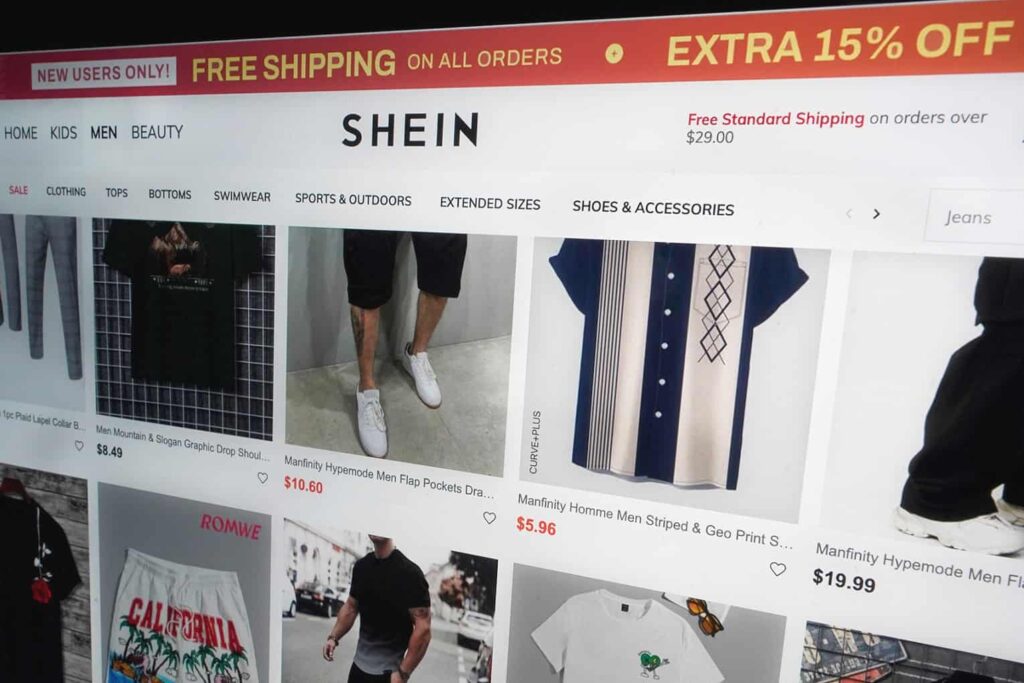
The European Union is taking measures to ensure a safe and transparent digital environment for online consumers living in Europe and to ensure compliance with relevant laws. In this context, China-based e-commerce platforms were scrutinized. The European Commission launched an investigation into Shein within the scope of a joint action plan initiated by national authorities in Belgium, France, Ireland, and the Netherlands and coordinated through the CPC (Consumer Protection Cooperation) network.

As a result of the investigation, various commercial practices of Shein were found to violate European consumer protection legislation. Official notifications were made to the Chinese e-commerce company. Shein was given one month to respond to complaints and offer corrective measures.

What Is Shein Violating?

The investigation covers various aspects of the online shopping experience on the platform. In this context, misleading discounts not based on previous prices and coercive sales techniques such as artificial countdowns that push users to buy quickly were identified. Additionally, it was determined that incomplete or misleading information was provided regarding cancellation and return rights. Furthermore, deceptive product labels that present mandatory product features as special, misleading sustainability claims, and lack of transparency about contact information were among the violations cited.

The CPC requested Shein to provide clarifications regarding transparency in product classifications, reviews and ratings, and the sharing of contractual responsibilities between Shein and third-party sellers. EU legislation requires that consumers must always know who the seller is and what rights apply.

The CPC’s steps are also connected to the investigation conducted by the European Commission under the Digital Services Act (DSA), which imposes increased obligations on large digital platforms. Shein has been classified as a Very Large Online Platform (VLOP) as of April 26, 2024. Within this framework, it is subject to additional responsibilities in managing systemic risks, especially those related to consumer protection.

“We Will Not Hesitate to Hold E-Commerce Platforms Accountable”

Henna Virkkunen, Vice President of the EU Commission responsible for Technological Sovereignty, made the following statement on the issue: “This investigation demonstrates our determination to provide an effective and coordinated response when online platforms and retailers fail to comply with the rules.”

Commissioner for Democracy, Justice, Rule of Law, and Consumer Protection Michael McGrath stated, “All companies targeting consumers in the EU must comply with our rules. EU consumer protection laws are not optional; they must be enforced in every case. We will not hesitate to hold e-commerce platforms accountable, regardless of where they are headquartered.”

The Shein Investigation Continues

The Commission and national consumer protection authorities launched the investigation in February. Among the violations identified within the scope of the investigation are fake discounts, pressure on consumers, incomplete and misleading information, deceptive product labeling, and hidden contact information related to Shein’s customer service.

If Shein does not provide a satisfactory response to the complaints, the national authorities of the member states may impose sanctions, including economic penalties proportional to the company’s turnover in that country.

The Commission and national authorities are also still examining whether Shein’s algorithm is misleading—particularly whether product rankings, reviews, and ratings are being presented inaccurately to consumers. In addition, Shein’s contractual obligations with third-party sellers are also under scrutiny.

Meanwhile, a Shein spokesperson stated that the company “is working constructively with national consumer authorities and the EU Commission” and is “actively engaged in the process to address any concerns.”

 

TikTok Shop is Expanding in Europe!

The Impact of U.S. Tariffs on E-Commerce: From Global Constraints to Local Opportunities

In recent years, the tariffs imposed by the United States—one of the major actors in global trade—have not only affected macroeconomic balances but also deeply impacted individual sellers and digital entrepreneurs on a micro scale. Especially the new taxes and quotas on China-based manufacturers have created a domino effect in the e-commerce ecosystem. For rising producer and supplier countries like Türkiye, this wave presents both risks and opportunities.

In this article, I aim to evaluate the short, medium, and long-term effects of U.S. tariffs while sharing some of my observations and suggestions on which strategic areas Türkiye should focus on, particularly in terms of cross-border e-commerce.

Short Term: Supply Chains Shaken, Demand Shifting

Since 2018, U.S. tariffs initially targeted Chinese manufacturers selling on platforms like Amazon and eBay. Especially for Chinese sellers operating on low margins, the price advantage quickly vanished. As a result, U.S. consumers faced more expensive products—creating a new window of opportunity for Türkiye.

Turkish manufacturers and brands started showing greater interest in directly selling to the U.S. market, and we saw a notable increase in Turkish seller registrations on Amazon.com. Despite logistics challenges, the ‘Made in Türkiye’ perception began to gain consumer trust, particularly in categories like textiles, accessories, and home décor.

But let me emphasize one point: not every seller that entered during this opportunity wave acted with a sustainable strategy. Some ventures, chasing short-term profits, harmed market potential due to failures in customer satisfaction, high return rates, and logistics issues. For those seeking to stay long-term, this first wave was a testing phase.

Mid Term: Türkiye’s Competitive Edge Could Strengthen

Assuming that the U.S. sanctions against China are a ‘process,’ the most critical factor for Türkiye in the medium term is to increase production capacity and optimize the price-quality balance. Türkiye is not the only one trying to fill the gap left by China—Vietnam, India, and Mexico are also in the race.

What sets us apart: strategic geographic location (bridge between Europe and Asia), short delivery times (e.g., 7–10 days to the U.S.), capability for low-volume customized production, and a strong creative sector (design, brand language, photography, etc.).

Companies leveraging these strengths can establish brand loyalty in the medium term by reaching American consumers directly through not only Amazon but also their own Shopify stores. Of course, this requires a solid logistics infrastructure, effective tax planning, and well-executed marketing moves.

By 2025–2026, it will be increasingly common to see Turkish brands setting up their own fulfillment centers in the U.S. As Amazon’s storage costs continue to rise, Turkish firms running independent operations will have a greater chance to differentiate on customer experience.

Long Term: From Political Risk to Strategic Advantage

Let me state this clearly: U.S. tariffs will become a permanent foreign policy tool. Trade is no longer just trade—it’s a diplomatic domain shaped by political relations. Under these conditions, countries like Türkiye, strategically located, must prioritize trade agreements, customs exemptions, and being positioned as a ‘trusted partner.’

Our long-term goals should include: acquiring local manufacturing licenses in the U.S. (e.g., through contract manufacturing), increasing cross-border e-commerce support via public-private partnerships, developing U.S.-specific products (compatible with both online and offline retail), and building networks of investors and local partners.

At this point, I believe state supports like Turquality should evolve to be more digitally focused. Today, many Turkish brands growing in the U.S. market do so through individual efforts—there’s a gap in collective support systems. If we bridge this gap, Türkiye can transition from being a seller to a significant player in the U.S. market.

Final Word: Are Tariffs a Barrier or a Lever?

Every crisis, when interpreted correctly, is an opportunity. While U.S. tariffs reshape the nature of global e-commerce, Türkiye—with its production strength, design intelligence, and digital transformation steps—has the potential to emerge as one of the winners.

But to realize this potential, we need time, strategy, and consistency. Instead of sprinting in the short term, we must adopt a mindset ready for the marathon. Most importantly, we must shift from merely ‘selling products’ to ‘building brands.’

Even if tariffs close some doors, we can learn to open new ones—with the right keys.

Orxan Isayev | Vice President of WORLDEF

UAE e-commerce market reaches $8.80 billion

The fifth edition of the “2024 E-Commerce Report in the MENA Region” published by EZDubai, a free zone fully dedicated to e-commerce under Dubai South, was prepared in cooperation with Euromonitor International, the world’s leading provider of global business intelligence, market analysis, and consumer insights.

The UAE’s e-commerce sector continues to grow thanks to a tech-savvy young population with a strong inclination towards online shopping, advanced infrastructure, widespread internet access, and efficient delivery services. As of 2024, the top three product categories by value were apparel and footwear, consumer electronics, and home care products.

Digital wallet usage increased in the UAE

According to Euromonitor’s Digital Consumer Survey:

  • Credit and debit cards were the most frequently used payment methods in the UAE.
  • Digital wallet usage increased significantly from 41 percent in 2020 to 53 percent in 2024.
  • Alternative payment options such as “Buy Now, Pay Later” are also gaining popularity, increasing both conversion rates and average basket values. This indicates consumer confidence in flexible payment solutions.
  • Free delivery and free returns are among the strongest driving forces of e-commerce in the UAE.
  • Retailers offer these advantages strategically to increase customer satisfaction while managing logistics carefully so as not to affect profitability.

MENA e-commerce market reaches $34.5 billion

Regionally, the MENA e-commerce market reached $34.5 billion (AED 126.7 billion) in 2024. It recorded a year-on-year growth of 13 percent. This growth was driven by the rise of mobile commerce and cross-border transactions. The market is expected to reach $57.8 billion (AED 212.2 billion) by 2029.

  • Growth, particularly in the UAE and Saudi Arabia, is supported by infrastructure investments, government-backed digital initiatives, and a highly connected consumer base.
  • Between 2019 and 2024, food, beverage, and home care products showed significant growth, and this trend is expected to expand to other categories.
  • The expansion of cross-border e-commerce in the MENA region is gaining momentum thanks to growing demand for international products, improved logistics and payment infrastructures, and more efficient customs processes.

“The e-commerce sector in the UAE is undergoing rapid transformation”

Commenting on the matter, Mohsen Ahmad, CEO of the Logistics District at Dubai South, said: “The e-commerce sector in the UAE is undergoing rapid transformation, and we at EZDubai are proud to be at the forefront of this transformation. By providing world-class infrastructure and seamless connectivity, we enable global and regional players to grow and scale.

This growth is also supported by the UAE government’s visionary policies, smart regulations, and sustainable investments in digital transformation, logistics, and infrastructure. As a result, the UAE is not only strengthening its position as the leading e-commerce hub in the MENA region but also emerging as a competitive global player shaping the future of digital commerce.”

About EZDubai

EZDubai was designed to attract leading e-commerce companies and to create a benchmark with its infrastructure. Launched in January 2019 by His Highness Sheikh Mohammed bin Rashid Al Maktoum, Vice President, Prime Minister, and Ruler of Dubai, the e-commerce zone is strategically located in the heart of the Logistics District of Dubai South.

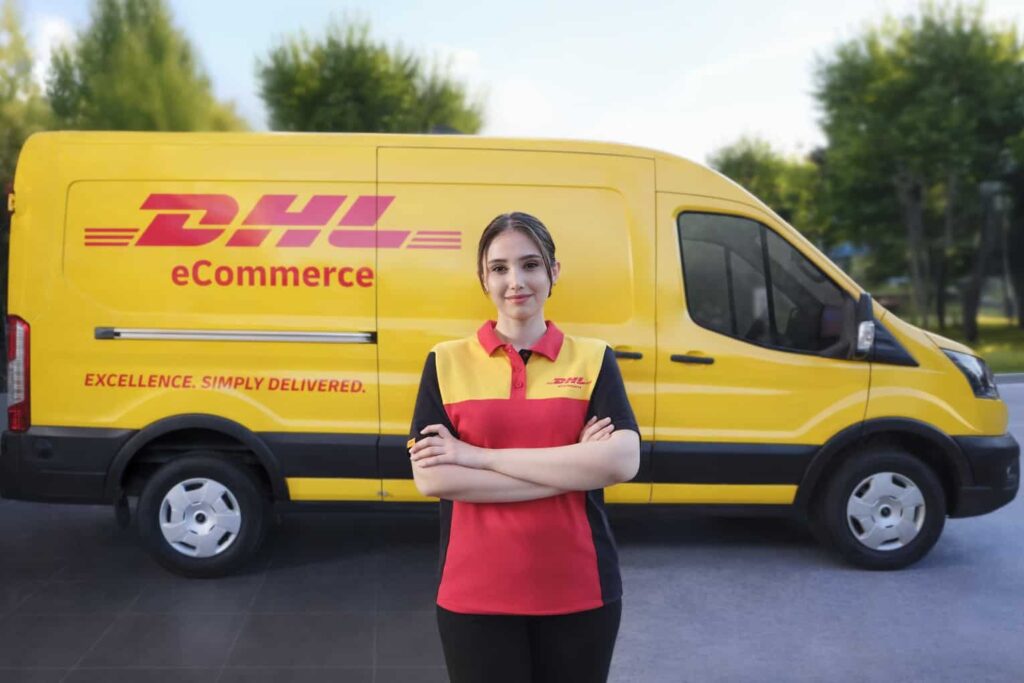
Name Change at MNG Kargo: Now DHL eCommerce!

After an integration process of approximately 1.5 years, MNG Kargo will continue its operations in Türkiye under the name “DHL eCommerce.” The name change was announced at a launch event held in Istanbul.

Speaking at the press conference, DHL eCommerce Türkiye CEO Kağan Gündüz said, “This strategic step following a successful integration process shows the trust DHL has in us and in Türkiye. The fact that DHL eCommerce considers Türkiye a critical market within the scope of ‘Strategy 2030’ is the clearest expression that the company has long-term growth plans in our country. This transformation should be seen as a major investment move that strengthens Türkiye’s logistics infrastructure.”

Gündüz added: “A global brand entering the Turkish market under its own name is a sign of how strong and future-ready our country’s logistics infrastructure is. By combining MNG Kargo’s years of local expertise with DHL’s global network and logistics competence, we aim to expand Türkiye’s role in international trade and turn our country into a regional logistics hub.”

DHL eCommerce’s €250 Million Investment Plan

Gündüz continued: “Our €250 million investment plan is ongoing. These investments will enable us to establish new transfer centers, develop automation systems, expand our operational network, modernize our vehicle fleet, and focus on sustainable logistics solutions. Our goal is to double our current capacity within the next three years. While we deliver world-class service to 600,000 addresses daily, from one end of Türkiye to the other and in more than 220 countries worldwide, these investments will raise our capacity to 1.2 million parcels per day. Our aim is to further strengthen our operational structure and make Türkiye a regional hub.”

“We Reach More Customers Through Our Global Network”

Explaining the transition to DHL eCommerce following the successful integration process after the 2023 acquisition, Kağan Gündüz said: “We launched new projects that allow our customers to benefit from DHL’s global expertise and operational experience. While we reshape our domestic services with a focus on customer satisfaction, we also partnered with other DHL companies to support our customers who want to engage in cross-border e-commerce and expand into new markets.

In this context, in addition to the domestic shipping solutions we offer, we made it easier for customers looking to sell internationally to deliver their products to end buyers with more competitive prices and faster delivery options. In the upcoming period, we will continue to provide world-class service to our customers, backed by DHL’s global power.”

Providing Employment to Over 50,000 People

DHL eCommerce, which will continue under its own brand in Türkiye, operates in domestic parcel transportation not only in Türkiye but also in several European countries, the United States, and select Asian countries, particularly India. Also offering cross-border e-commerce solutions, DHL eCommerce continues to provide its customers with reliable, flexible, and high-quality logistics services thanks to this strong operational network.

With more than 50,000 employees, over 26,000 vehicles, and 8 cargo aircraft worldwide, DHL eCommerce transported more than 1.8 billion shipments in 2024. The company is a global logistics leader that offers customized e-commerce solutions tailored to individual and corporate customer needs, simplifying delivery processes.

No Changes in Shipment Process Due to Name Change

Following MNG Kargo’s decision to continue operations in Türkiye under the name DHL eCommerce, a major brand transformation operation is underway across the country. All necessary precautions have been taken to ensure no disruption in the shipping process during this transition.

Accordingly:

  • With the brand transformation, MNG Kargo’s name and logo on all branches and vehicles will gradually be replaced with the DHL eCommerce name and logo. MNG Kargo’s more than 850 branches, 28 transfer centers (7 of which are technological hubs), 14 regional directorates, over 4,100 vehicles, and more than 11,000 employees and business partners will operate under the DHL eCommerce brand.
  • The shipment process will continue in the same way under DHL eCommerce as it did under MNG Kargo. Customers will be able to send parcels online through the Individual Online Shipment option or by visiting the nearest DHL eCommerce branch.
  • Tracking shipments previously made under the MNG Kargo brand will now be carried out via the DHL eCommerce website, where customers can easily follow real-time updates on the status of their shipments.
  • DHL eCommerce’s move in Türkiye also represents a strong contribution to the country’s economy. Investments in the sector’s infrastructure aim to directly support employment growth and contribute to Türkiye’s trade volume by offering competitive advantages to producers and exporters. This new structure, which reaches every corner of Türkiye and more than 220 countries worldwide, lays the foundation for a success story that spans from local to global.

About DHL eCommerce Türkiye

DHL eCommerce Türkiye was established through the brand transformation process of MNG Kargo, which became part of the DHL Group in October 2023. Operating across Türkiye with over 850 branches, 28 transfer centers, more than 4,100 vehicles, and over 11,000 employees, the company combines DHL’s global logistics strength with MNG Kargo’s local expertise to provide fast, reliable, and sustainable parcel solutions for individual and corporate customers. DHL eCommerce is a global business unit of DHL Group focused on e-commerce transportation, operating in more than 15 countries and employing over 50,000 people.

With its Türkiye operations, DHL eCommerce completes its European delivery network and aims to strengthen Türkiye’s logistics infrastructure and position the country as a regional distribution hub through end-to-end solutions and technology investments. It also contributes to the Turkish economy by supporting local companies in entering global markets through its e-export solutions.

About DHL

DHL is the world’s leading brand in the logistics industry. Its divisions offer a unique portfolio of logistics services ranging from domestic and international parcel delivery, e-commerce shipping and fulfillment solutions, international express shipping, road, air, and ocean freight to industrial supply chain management.

With around 400,000 employees in over 220 countries and territories, DHL enables global, sustainable trade flows by securely and reliably connecting people and businesses. Through specialized solutions for fast-growing markets and sectors such as technology, life sciences and healthcare, engineering, manufacturing & energy, automotive, and retail, DHL maintains a strong position as “The logistics company for the world.”

DHL is part of DHL Group. The Group generated revenue of approximately €84.2 billion in 2024. Through sustainable business practices and its commitment to society and the environment, DHL Group contributes positively to the world. The Group continues to work toward its goal of zero-emission logistics by 2050.

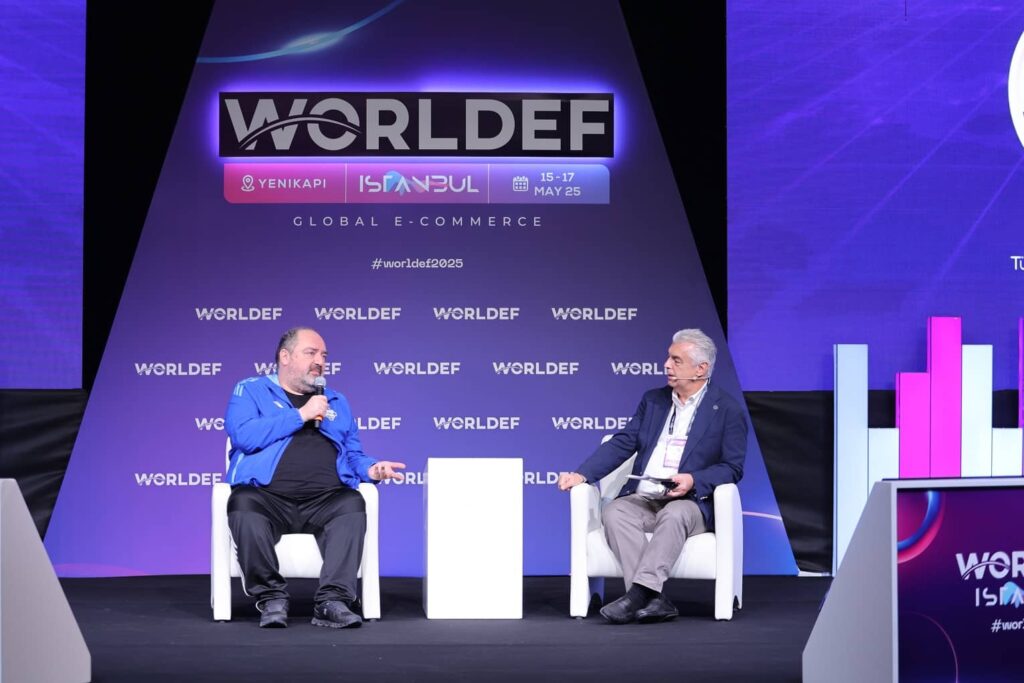
Nevzat Aydin: In my time, the opportunity was the internet; now it is AI

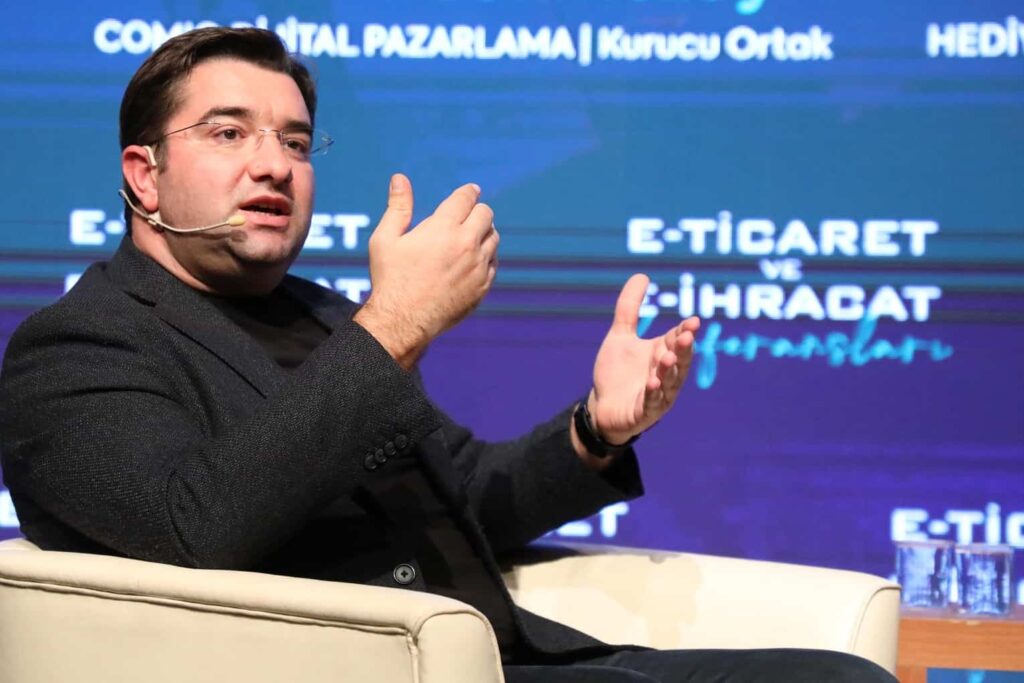
Nevzat Aydin attended the global e-commerce fair WORLDEF ISTANBUL 2025, which was held at the Istanbul Yenikapi Event Area. As part of the fair, Aydin spoke at a panel titled “What’s Next in E-Commerce? A Frank Talk with a Pioneering Entrepreneur.” The panel, moderated by Celal Toprak, Editor-in-Chief of Türkiye’s İş Dünyası Magazine, addressed e-commerce, entrepreneurship, and artificial intelligence.

Nevzat Aydin: E-commerce will grow significantly

Referring to the developments in the e-commerce ecosystem, Nevzat Aydin said, “According to the most pessimistic scenario, it is estimated that e-commerce will grow threefold in the next 10 years. Although it varies by sector and the players in that sector, e-commerce will grow significantly. With artificial intelligence coming into play, very different applications will enter our lives. In terms of personalization and being able to receive services tailored to you, interesting things await us,” he said.

“A startup without artificial intelligence will have a very hard time growing”

Emphasizing the importance of doing business based on knowledge, Nevzat Aydin stated that he has invested in more than 80 startups and said: “When it comes to startups I will invest in, I first look at the entrepreneur’s profile and character traits. The startup I invest in should be one where I enjoy working together and where I can learn something.”

Aydin said, “A startup without artificial intelligence will have a very hard time growing. Somewhere in the startup, there needs to be technology and scalability. Artificial intelligence does this abundantly. In my time, when I had an idea for a project, there was no information about how it had been done in the world or what had been tried. Now there is an incredible amount of information—you can access information everywhere. But it’s much more important to extract the useful information from all that data. You must research very well and find the right information,” he noted.

“In my time, the opportunity was the internet; now it is artificial intelligence”

Nevzat Aydin said, “We will see in a few years how much artificial intelligence has changed life in many areas. A very different world awaits us. This is an opportunity. In my time, this opportunity was the internet. I also did the right project at the right time. Now, what will develop is artificial intelligence! I think the biggest advantage for young people is that artificial intelligence is advancing by improving them. There is so much that can be done,” he said.


WORLDEF ISTANBUL 2025 has ended!

The Transformative Impact of AI on E-commerce Discussed at WORLDEF ISTANBUL

The global e-commerce fair WORLDEF ISTANBUL 2025 hosted more than 15,000 visitors from all around the world. At the event, which focused on AI, panels comprehensively discussed the transformation of e-commerce through AI. WORLDEF CEO Ömer Nart said, “When we examine the profiles of visitors and brands, we can say that WORLDEF ISTANBUL has now become completely global.” Nart emphasized that they aim to build an e-commerce bridge between Istanbul, Dubai, and Riyadh.

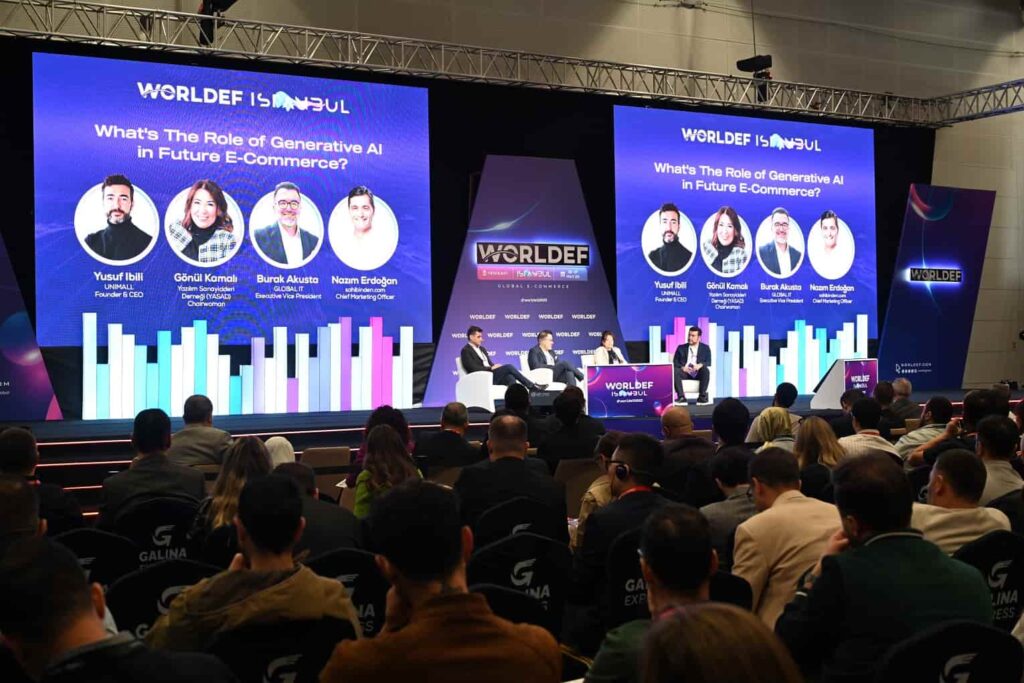
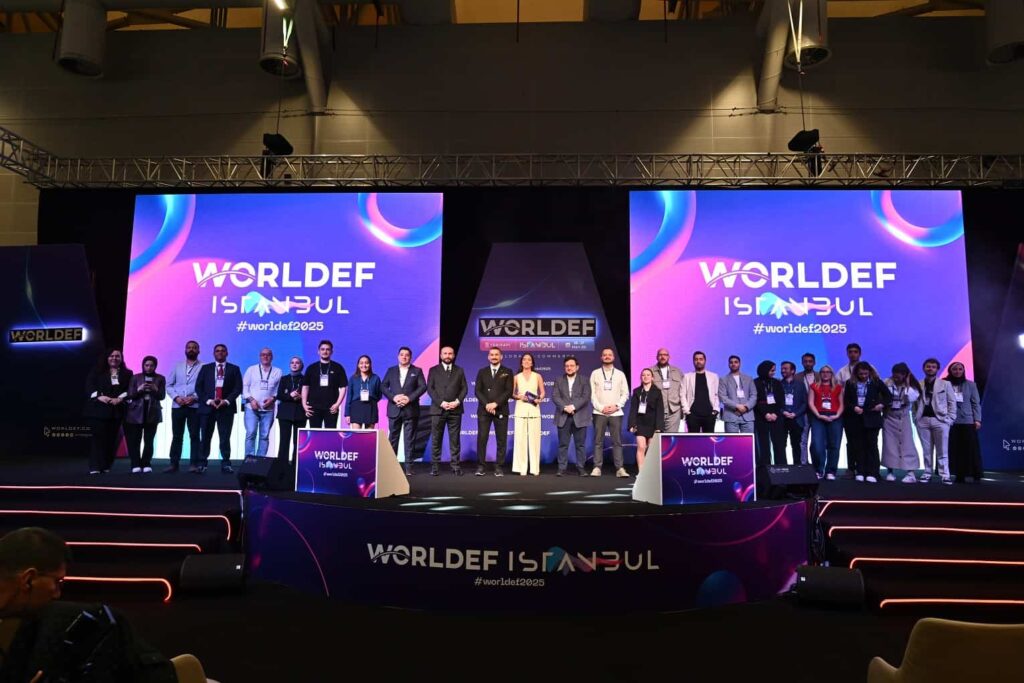
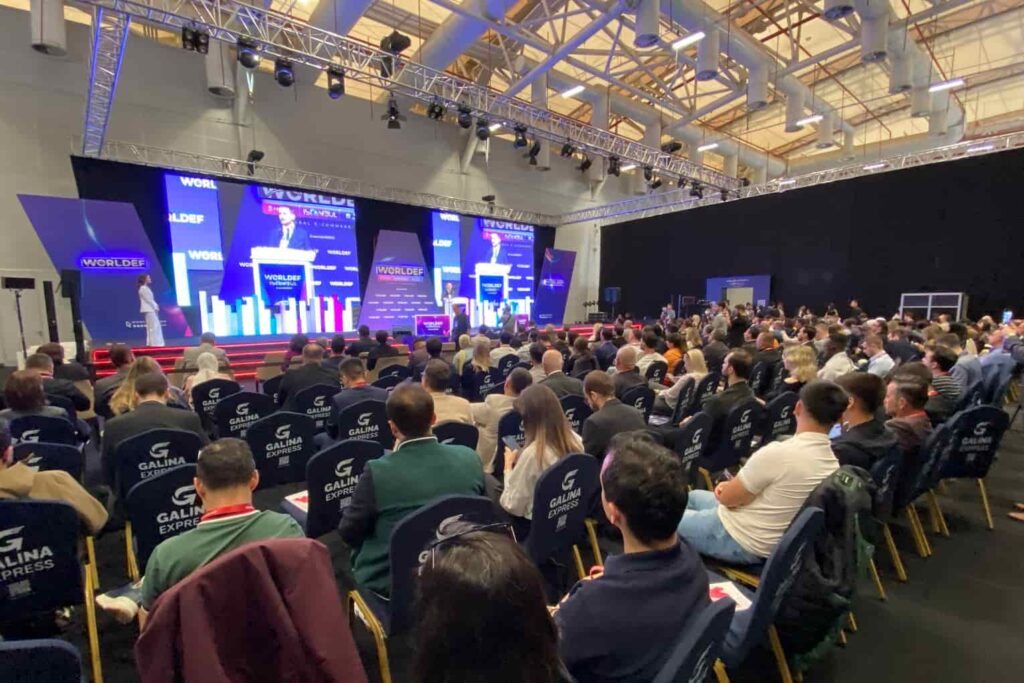
The 12th edition of WORLDEF ISTANBUL, the region’s largest e-commerce fair, was held on May 15-16-17, 2025, at the Istanbul Yenikapı Event Area. The fair brought together global e-commerce brands. At the fair, which offered participating brands opportunities for growth and cooperation in e-commerce, more than 200 speakers shared their experiences in various panels and presentations on three different stages called “Future Commerce Stage,” “Masterclass Stage,” and “Case Study Stage.”

At the massive e-commerce event with around 250 booths, more than 500 retail brands were present. Exhibitor companies that set up booths at the event had the opportunity to showcase their products and services. It was reported that more than 15,000 visitors from over 80 countries attended the fair.

Omar Nart: WORLDEF ISTANBUL has gone global

WORLDEF CEO Omar Nart stated that they brought together many domestic and international companies, entrepreneurs, and sectoral visitors with a focus on e-commerce and artificial intelligence, expressing their satisfaction with the interest shown in the fair.

Omar Nart said, “WORLDEF ISTANBUL 2025 has become an important platform where the latest developments in e-commerce are discussed, new collaborations are formed, and innovative ideas that will shape the sector are debated. At WORLDEF ISTANBUL, which has become a key meeting point in the development of e-commerce in the region, we have now hosted many participants and visitors from different countries. When we examine the profiles of visitors and brands, we can say that WORLDEF ISTANBUL has now become completely global.”

Stating that they received intense interest, Nart said that 35% of the visitors were foreign, and that 40% of the booths belonged to brands from different countries.

“We want to build an e-commerce bridge between Istanbul, Dubai, and Riyadh”

Highlighting that the event, which reflects the pulse of e-commerce, allowed visitors to explore new technologies and business models in the field firsthand, Ömer Nart said, “At the same time, the foundations of many new collaborations were laid through B2B (business-to-business) meetings. The positive feedback we received is the most concrete indicator of the fair’s contribution to e-commerce.”

Pointing out that those who want to engage in e-commerce at the fair could cooperate with brands from every sector ranging from artificial intelligence to logistics, from packaging to software infrastructure, Ömer Nart said, “We want to build an e-commerce bridge between Istanbul, Dubai, and Riyadh. We are paving the way for Turkish e-commerce players to engage in cross-border e-commerce.”

“The largest e-commerce event in Türkiye, Europe, North Africa, and the Middle East”

Omar Nart emphasized that WORLDEF ISTANBUL is the largest e-commerce event in Türkiye, Europe, North Africa, and the Middle East in terms of brand participation and visitor density. Nart said, “My biggest dream was for a brand originating from Türkiye to become a leader in the global e-commerce ecosystem. WORLDEF continues on its path with the vision of being a leader in e-commerce events in Istanbul, Riyadh, and Dubai.”

The transformative impact of AI on e-commerce was thoroughly discussed

At WORLDEF ISTANBUL 2025, the transformative impact of artificial intelligence (AI) on e-commerce was thoroughly discussed. In AI-focused panels, it was highlighted that artificial intelligence applications and systems provide speed, efficiency, and profitability to e-commerce brands in many areas, from marketing to customer service, from reporting to campaign design.

It was also emphasized that they strengthen the competitive advantage of businesses. On the other hand, the fair also provided an opportunity for B2B collaboration meetings. In two different B2B zones set up in the fair area, many companies connected to e-commerce such as marketplaces, logistics companies, and digital payment firms evaluated collaboration opportunities with other firms.


Omar Nart: We have established a strategic e-commerce triangle between Istanbul, Dubai, and Riyadh

Omar Nart: We have established a strategic e-commerce triangle between Istanbul, Dubai, and Riyadh

The region’s largest e-commerce fair, WORLDEF ISTANBUL, held for the 12th time this year, was organized at Istanbul Yenikapı Event Area on May 15-16-17, 2025. The fair brought together global e-commerce brands. WORLDEF CEO Omar Nart spoke to an AA reporter about the fair and the e-commerce ecosystem.

Omar Nart: We will organize the WORLDEF RIYADH event in October

He stated that WORLDEF was held in Dubai for the first time last year and that this year, for the first time, the “WORLDEF RIYADH” event will be held in Riyadh in October. Nart added that they will organize the second edition of WORLDEF DUBAI in February next year. He emphasized that the structure established between these three central cities is important for Turkish e-commerce and retail brands.

Omar Nart stated that they have established a strategic e-commerce triangle between Istanbul, Dubai, and Riyadh to facilitate the expansion of Turkish e-commerce brands into cross-border markets, and said: “Last year, we brought together 35 Turkish manufacturers with international buyers in Dubai. In October, we expect to see much greater interest in Riyadh. While planning these events, we adopt a multinational and multi-participant approach. This year as well, we aim to bring companies with high cross-border sales potential into these markets.”

“We want to facilitate exports with systems supported by digital infrastructure”

Explaining that the events are designed with a multinational and broad participation approach, Nart stated that they want to facilitate exports of Turkish brands with systems supported by digital infrastructure. Nart added:

“When you engage in traditional exports, there are difficulties such as opening a showroom in the respective country and associated costs. But in e-commerce, when you enter major platforms and establish the right infrastructure quickly, you have the opportunity to make a rapid start. Therefore, we provide service provider infrastructure at these events to all stakeholders, enabling this rapid start.”

“The financial dimension of e-commerce will be addressed with FINTECHX”

Nart stated that with WORLDEF’s new event “FINTECHX”, they will address the financial dimension of e-commerce and noted that they expect participation from more than 20 countries at the event to be held in Sapanca on September 24-25 this year. Nart said:

“E-commerce has two channels: one is logistics, the other is fintech. We see a significant gap in the fintech field. In e-commerce, you must be able to collect payment before delivering the product. The purpose of the event is to connect local fintech companies with cross-border business partners. The event will also serve as a platform that brings together potential customers and service providers.”

“Artificial intelligence has opened the door to a new era in e-commerce”

Stating that the impact of artificial intelligence on the sector was among the most discussed topics at the event, Omar Nart emphasized that the technology is transforming customer experience and operational processes. Omar Nart noted that artificial intelligence, which can be defined as a major revolution, is shaping business processes with both its advantages and disadvantages, and made the following assessment:

“Artificial intelligence doesn’t like people. A job that ten people would do is now done by one person. Many tasks such as customer service, content management, data entry, and social media can now be managed by one person. For example, we recently conducted AI-supported phone calls in a project. People realized it was artificial intelligence in only one out of a thousand cases.

The AI bot called, chatted, made appointments for some, and sent calendar invites to both parties. It was artificial intelligence that did all this. Those who requested information received a message via WhatsApp or SMS. In other words, what we would normally do with 50 people, we completed in 2 days with AI, and the results surprised me greatly.”

Stating that artificial intelligence will reduce the need for human labor in the future, Omar Nart said: “Now, we are talking about human-free factories and dark production areas. The concept of Agentic AI is on the rise. In the coming years, we will see unicorn or decacorn companies managed by a single person. Those who use artificial intelligence will gain an advantage over those who don’t.”

“Türkiye has a significant advantage in cross-border e-commerce”

WORLDEF CEO Omar Nart emphasized that cross-border e-commerce offers strategic opportunities for Türkiye and stated the following: “For example, Galina Express is among us. They came from Northern Iraq. The Iraqi market needs Turkish brands, and as Galina, they joined this event to take on this mission. It’s the same in Azerbaijan. On the other hand, there is also a strong expansion in the Balkans, in countries such as Romania, Bulgaria, and Greece. Again, 100 tons of shipments are made daily from Türkiye to Riyadh. These are door-to-door delivery operations. When you look at it, 10-15 years ago, this could hardly have been imagined. At this point today, intermediaries, wholesalers, and distributors are significantly being eliminated.”

“E-commerce will become the mainstream of trade”

Omar Nart emphasized that the global e-commerce volume is expected to reach 8-9 trillion dollars within the next five years and stated that 2-2.5 trillion dollars of this will consist of cross-border e-commerce. Omar Nart said: “There are serious risks for brands that do not adapt to this process. Traditional retail is shrinking. E-commerce will become the mainstream of trade.”


Nevzat Aydin: In my time, the opportunity was the internet; now it is AI

WORLDEF ISTANBUL 2025 has ended!

The region’s largest e-commerce fair, WORLDEF ISTANBUL 2025, was held on May 15-16-17, 2025, at Istanbul Yenikapı Event Area. The fair brought together global e-commerce brands. At the fair, which offered participating brands growth and cooperation opportunities in the field of e-commerce, more than 200 speakers shared their experiences through various panels and presentations on three different stages named “Future Commerce Stage,” “Masterclass Stage,” and “Case Study Stage.” More than 500 retail brands took part in the massive e-commerce event where around 250 booths were set up. Participating companies that opened booths at the event had the opportunity to showcase their products and services. It was reported that more than 15,000 visitors from over 80 countries attended the fair.

WORLDEF ISTANBUL 2025

Omar Nart: WORLDEF ISTANBUL has become global

WORLDEF CEO Omar Nart expressed their satisfaction with the interest shown in the fair, stating that they brought together many domestic and foreign companies, entrepreneurs, and sectoral visitors focused on e-commerce. Nart said, “WORLDEF ISTANBUL 2025 has become an important platform where the latest developments in e-commerce were discussed, new collaborations were established, and innovative ideas that will shape the industry were debated. WORLDEF ISTANBUL 2025, which has become a key meeting point for the development of e-commerce in the region, now hosts many participants and visitors from different countries. When we examine the profiles of visitors and brands, we can say that WORLDEF ISTANBUL has now become completely global.”

Emphasizing that visitors had the opportunity to explore new technologies and business models in the field of e-commerce firsthand, Omar Nart added, “At the same time, the foundations of many new collaborations were laid through B2B (business-to-business) meetings. The feedback we received is the clearest indicator of the fair’s contribution to e-commerce.”

The transformative impact of AI on e-commerce was thoroughly discussed

At WORLDEF ISTANBUL 2025, the transformative impact of artificial intelligence (AI) on e-commerce was thoroughly discussed. In AI-focused panels, it was emphasized that artificial intelligence applications and systems provide speed, efficiency, and profitability to e-commerce brands in many areas, from marketing to customer service, from reporting to campaign planning. Additionally, it was highlighted that businesses strengthen their competitive advantage through AI.

On the other hand, the fair also provided opportunities for B2B cooperation meetings. In two separate B2B areas established at the fairground, many companies connected to e-commerce, such as marketplaces, logistics companies, and digital payment firms, evaluated cooperation opportunities with different companies.

Who attended WORLDEF ISTANBUL 2025?

In the panels and presentations held during the WORLDEF ISTANBUL 2025 event, important figures of the e-commerce ecosystem shared their experiences. The main stage of the fair was hosted by TRT World Reporter Rümeysa Çodar.

Some of the speakers at the fair included:

  • Alexander Popovskiy, General Manager of Yandex Turkey
    • Alexandru Costin Vizireanu, Director of New Sellers at eMAG
    • Arif Topçu, Sector Leader at TikTok Turkey
    • Ayşegül Güvenç, General Manager of Elekse
    • Bojan Vranic, Head of Ananas E-Commerce Seller Center
    • Atilla Alver, General Manager of HepsiJET
    • Cem Oğuz, General Manager of Sürat Kargo
    • Demet Işıl İlhan, Influencer and Author
    • Doğukan Manço, DJ and Producer
    • Dr. Hallow Talabani, Chairperson and CEO of Galina Express
    • Efsun Janset Yılmaz, Deputy General Manager of E-Commerce at Boyner
    • Enes Yılmaz, CEO of Widect
    • Enes Örer, CEO of Oğuz Gıda
    • Eyüp Akbal, Chairman of the Board at Fuzul A.Ş.
    • Florian Jansen, CEO of FJX
    • Gönenç Şener, CEO of ebebek
    • Kubilay Gençkan, Country Manager of WorldFirst
    • Levon Kordonciyan, Fashion Designer
    • Melis Soysal, Senior Partnerships Manager at Shopify
    • Nazım Erdoğan, CMO of sahibinden.com
    • Nevzat Aydın, Founder of Yemeksepeti
    • Nilay Çerçioğlu Büyükkapancı, Category Manager at Ozon Global Turkey
    • Ozan Sihay, Director of Acunmedya Academy and Digital Content Creator
    • Prasanjeet Poddar, Automotive Parts Category Manager at eBay
    • Richard Philippe, Vice President of JUMIA
    • Semih Muşabak, CEO of SİPAY
    • Selo Aksaplı, CEO of DigiFist


WORLDEF ISTANBUL 2025 has started!

WORLDEF ISTANBUL 2025 has started!

The global e-commerce fair WORLDEF ISTANBUL 2025 brought the e-commerce ecosystem together in Istanbul. The fair, which brings together global leaders and innovators, focuses on the AI-driven transformation in e-commerce! WORLDEF CEO Omar Nart said that at WORLDEF ISTANBUL, they designed a unique event concept full of innovations, focusing on expectations and needs. Emphasizing that they have brought the WORLDEF ISTANBUL concept to Dubai and Saudi Arabia, Nart said, “We are building an e-commerce bridge in the Istanbul-Dubai-Riyadh triangle.”

WORLDEF, one of the world’s largest e-commerce fairs, gathered the global e-commerce ecosystem in Istanbul. The fair, held at the Yenikapı Event Area in Istanbul between May 15-17, 2025, began with an opening ceremony.

WORLDEF CEO Omar Nart, who made the opening speech of the fair, stated that they designed a unique event concept for the 12th edition of WORLDEF ISTANBUL this year, focusing on expectations and needs. Nart said:

“With productive processes that will generate commercial outcomes, we continue to add value and contribute to both participant brands and visitors. Unlike previous events, this year we have our Marketplace B2B Zone. In this area, global marketplaces from all around the world will evaluate cooperation opportunities with sellers. This area, which will include many marketplaces such as Temu, eBay, Hepsiburada, and eMAG, will host significant e-commerce connections.”

Emphasizing that they also organized roundtable meetings this year, Nart said:

“In the Roundtable, a special meeting concept, a select group of guests will be able to share their experiences. In addition, our VIP CONNECT EVENT program held yesterday was very productive. This special event, which laid the groundwork for B2B meetings, was the first step for the meetings to be held starting today.”

“WORLDEF DUBAI was recorded as the largest e-commerce event in the Gulf region”

Referring to the WORLDEF DUBAI event held last December, Omar Nart said:

“WORLDEF DUBAI was recorded as the largest e-commerce event in the Gulf region. Organized in cooperation with Dubai CommerCity, the first and only free zone focused on digital commerce in the MENA region, the event was held under the patronage of DIEZ Chairman Sheikh Ahmed bin Saeed Al Maktoum and with the participation of UAE Minister of Foreign Trade Thani bin Ahmed Al Zeyoudi. We brought the concept of WORLDEF ISTANBUL exactly to Dubai. More than 10,000 visitors from 82 countries evaluated cooperation opportunities at WORLDEF DUBAI. We will organize WORLDEF DUBAI 2026 between February 11-13, 2026.”

“We are building an e-commerce bridge in the Istanbul-Dubai-Riyadh triangle”

Stating that they will organize WORLDEF RIYADH in October 2025, Nart said:

“With a small-scale event concept for 1,000 people, we are bringing the WORLDEF experience to the e-commerce ecosystem of Saudi Arabia. In this way, we are building an e-commerce bridge in the Istanbul-Dubai-Riyadh triangle.”

Omar Nart also added that they have designed a new event concept called “FINTECHX” that will bring together the fintech ecosystem.

WORLDEF ISTANBUL 2025

WORLDEF ISTANBUL hosts B2B collaborations focused on e-commerce

WORLDEF ISTANBUL 2025 will be an important meeting point for the e-commerce, artificial intelligence, and retail technologies ecosystem. As the technological transformation in e-commerce rapidly continues, brands aiming to stand out in digital commerce will gather at this prestigious fair. Participating brands will lead the transformation in the era of modern retail and discover new opportunities in artificial intelligence.

WORLDEF ISTANBUL offers a “B2B Matching and Networking Application” to lay the groundwork for collaboration among participant companies. Companies registered in the application, which has a unique appointment system, can request meetings with firms from different sectors. The application, which helps companies meet the right people for B2B collaborations, makes it easier to plan meetings, connect with new people, and communicate with participating brands.

Additionally, a “Marketplace B2B Zone” will be established at the fairground. In this area, participating marketplaces will discuss cooperation opportunities with potential e-commerce sellers.

Artificial intelligence is transforming e-commerce!

E-commerce is undergoing a deep transformation with artificial intelligence (AI) integration. AI-powered systems increase customer satisfaction with personalized shopping experiences. AI-based recommendation systems boost sales by offering products suitable for user preferences. Chatbots provide 24/7 customer service. Stock and price algorithms can be dynamically adjusted according to demand. Fraud detection technologies enhance security in e-commerce and reduce cyber risks.

Visual search and voice assistants make online shopping more practical. AI-powered marketing analytics provide more efficient campaign strategies. These innovations make e-commerce smarter, faster, and more user-friendly, strengthening businesses’ competitive advantage. WORLDEF ISTANBUL 2025 will offer the opportunity to experience how AI is transforming e-commerce. The event will feature AI-focused brands, expert speakers, and interactive booths.

What does WORLDEF ISTANBUL 2025 promise?

  • Star speakers: Leading founders, government officials, corporate technology leaders, and investors from around the world will share their e-commerce-focused experiences.
  • New perspectives: On three different stages, brand-new perspectives on the future of e-commerce technologies will be presented. Innovations shaping the world of e-commerce will be shared on the stages.
  • Interactive booth area: Hundreds of brands interacting with e-commerce will showcase their products and services in the fairground.
  • Networking: Thanks to the special B2B matching application offered at the fair, participating companies will be able to hold cooperation meetings easily.

Key Sectors at the Fair:

  • Marketplaces
  • E-commerce service providers
  • Logistics and fulfillment
  • Investors
  • Retail technologies
  • Entrepreneurs

WORLDEF ISTANBUL in Numbers:

  • 80+ Countries
  • 30,000+ Visitors
  • 200+ Speakers
  • 500+ Retail Brands
  • 240+ Booths


The countdown has begun for WORLDEF ISTANBUL 2025 trade show!

E-Commerce Volume in Türkiye Exceeded 3 Trillion Liras

The “Overview of E-Commerce in Türkiye” report, which includes many significant data points regarding Türkiye’s e-commerce ecosystem, was shared with the public. Prepared by the Ministry of Trade, the report reveals the development of e-commerce in the country in 2024. The report was announced during a press conference attended by Türkiye’s Minister of Trade Ömer Bolat and highlights that the e-commerce sector continues to strengthen in parallel with digitalization.

E-Commerce Volume in Türkiye Increased by 61.7%

According to the Overview of E-Commerce in Türkiye Report, as of 2024, the e-commerce volume in Türkiye increased by 61.7% compared to the previous year, reaching 3.162 trillion Turkish Liras ($89.58 billion). The number of e-commerce transactions was recorded at 5 billion 910 million. The retail e-commerce volume in Türkiye increased by 63.7% compared to the previous year, reaching 1.619 trillion liras in 2024.

The number of retail e-commerce transactions increased by 10.1% compared to the previous year, reaching 1 billion 850 million. Between 2019 and 2024, the compound annual growth rate (CAGR) of total e-commerce volume reached 85.66%, while the CAGR of retail e-commerce volume during the same period reached 90.82%.

E-Commerce Volume Increased by 274% in Dollar Terms Between 2019-2024

The e-commerce volume in Türkiye in 2019 was $23.940 billion. It increased to $77.89 billion in 2023 and reached $89.58 billion in 2024 with a 15% increase compared to the previous year. The growth rate in dollar terms between 2019 and 2024 was recorded at 274%. The share of Türkiye’s domestic e-commerce volume in the country’s gross domestic product (GDP), which was announced as 43 trillion 410 billion 514 million TL by the Turkish Statistical Institute (TÜİK) in 2024, was 6.5%.

Striking Figures from Türkiye’s E-Commerce Report

Other notable figures from the report, which contains detailed information on Türkiye’s e-commerce ecosystem, are as follows:

  • The share of e-commerce in total trade was 19.1%.
  • The share of cross-border e-commerce (e-export) in total exports increased to 2.9%.
  • The annual volume of cross-border e-commerce reached $8 billion.
  • The number of e-commerce businesses in Türkiye reached 600,800.
  • 58% of e-commerce spending was made by women, and 42% by men.
  • The age group that made the most e-commerce purchases was 30-34.
  • According to the e-commerce adaptation index, the city most adapted to e-commerce was Istanbul.
  • The most online shopping was done during the November campaign period.
  • The most popular shopping day was Saturday.
  • Quick commerce (Q-Commerce) grew by 98.1% in 2024 compared to the previous year, reaching 249.8 billion TL.
  • In consumer-to-consumer (C2C) sales, the transaction volume reached 9.8 billion TL, with 17.5 million transactions.


Provinces with the Highest Number of E-Commerce Businesses

  • Istanbul
  • Ankara
  • Izmir
  • Bursa
  • Antalya


Distribution of E-Commerce Businesses by Sector

  • Food (21.63%)
  • Clothing, shoes, and accessories (15.64%)
  • Electronics (12.24%)
  • Home, garden, furniture, and decoration (11.12%)


Sectors with the Largest Share in E-Commerce Volume

  • Clothing, shoes, and accessories (301.340 billion TL)
  • Airlines (208.900 billion TL)
  • Travel, transportation, and storage (180.230 billion TL)
  • Electronics (176.920 billion TL)


Most Preferred Products in E-Commerce

  • Shoes, t-shirts, dresses, jackets, trousers
  • Vacuum cleaners, laptops, mobile phones
  • Books


Most Preferred Payment Methods in E-Commerce

  • Card payments (66%)
  • Wire transfer/EFT (26%)
  • Cash on delivery (3%)
  • Other payment types (5%)


In the foreword of the report, Minister of Trade Ömer Bolat stated: “Türkiye’s young and digitally competent population offers great potential in the field of e-commerce. Thanks to its developed logistics infrastructure and fast delivery options, businesses can operate more effectively in digital environments and gain a competitive advantage. The digitalization process provides significant opportunities not only for major brands but also for SMEs and entrepreneurs, contributing to economic development.”

CLICK HERE FOR THE REPORT!


The countdown has begun for WORLDEF ISTANBUL 2025 trade show!