WORLDEF Istanbul 2026 - Upcoming Event

Register Now

The National E-Commerce Marketplace Postcom Launched in Uganda

Postcom

The national e-commerce marketplace Postcom has been launched in Uganda. Developed by Posta Uganda, the platform aims to strengthen the digital economy.

Postcom was officially unveiled by Kabbyanga Godfrey Baluku at the Uganda Media Centre. Posta Uganda, one of the agencies under the Ministry of ICT and National Guidance, has officially launched POSTCOM, a government-owned national e-commerce platform designed to connect Ugandan businesses to both local and global markets.

Postcom Will Integrate Posta Uganda’s Physical Network with a Digital Marketplace

Postcom was launched within the framework of the Digital Transformation Roadmap, the country’s strategic framework aimed at building a strong digital economy. On the marketplace, Ugandans, especially micro, small, and medium-sized enterprises, will be able to easily showcase, buy, and sell locally produced goods. The platform has been designed as a secure and accessible online marketplace.

The Postcom marketplace integrates Posta Uganda’s nationwide physical network with a digital marketplace, creating a structured system for buying, selling, and delivering goods across the country and beyond. With more than 100 branches nationwide and established last-mile delivery routes, the platform positions the postal service as a central player in Uganda’s growing digital economy.

“We Are Not Just Delivering Parcels; We Are Delivering Opportunities”

State Minister for National Guidance Godfrey Baluku Kabbyanga said, “Postcom will provide a national e-commerce platform that empowers citizens to buy and sell products online, while enabling MSMEs to reach broader markets both locally and globally.”

Managing Director Arinaitwe James said, “We are not just delivering parcels; we are delivering opportunities. With Postcom, we are combining technology and logistics to enable Ugandans to buy and sell online, while we handle delivery efficiently and affordably across the country.” He also stated that the platform enables Ugandan businesses to access international markets, noting that sellers can now reach customers in up to 192 countries through a system built on trusted postal infrastructure.

Board Chairperson Sulaiman Kirunda Balyejjusa said, “Posta Uganda stands on a strong foundation of both physical infrastructure and digital capability, enabling us to serve communities across the entire country effectively. With post offices in every district, citizens can access services without unnecessary travel.”

Postcom Will Use Posta Uganda’s Logistics Network

The Postcom marketplace will use Posta Uganda’s extensive logistics network. The platform also addresses the last-mile delivery issue, one of the main barriers to e-commerce growth in developing countries. This integration opens access to both local and international markets for entrepreneurs. It also enables the efficient distribution of goods across the country.

The marketplace also supports the government’s Buy Uganda Build Uganda (BUBU) policy. BUBU was established to encourage local production and consumption. The platform is expected to increase digital transformation, create new income opportunities, and strengthen Uganda’s economy. Officials positioned Postcom as an important tool to expand Uganda’s participation in the digital marketplace.

L’Oréal Reported More Than $14 Billion in Sales in the First Quarter; E-Commerce Reached Double-Digit Figures

L'Oréal

L’Oréal announced that its adjusted like-for-like sales increased by 6.7 percent throughout the first quarter of 2026. It also stated that this growth outpaced the wider global beauty market. The company’s e-commerce sales recorded double-digit growth in Europe and emerging markets.

L’Oréal reported $14.22 billion in sales in Q1 2026. The cosmetics group emphasized that growth was achieved across all divisions, regions, and sales channels. The company announced that adjusted like-for-like sales (LFL) increased by 6.7 percent throughout Q1. It stated that this was above the overall global beauty market.

Europe Made the Biggest Contribution to LOréal’s Sales; Professional Products Delivered the Strongest Performance

According to the data announced by L’Oréal, the company’s sales increased by 3.6 percent compared to the same period of the previous year. LFL growth stood at 7.6 percent. At constant exchange rates, revenue increased by 9.1 percent. However, exchange rate movements had a 5.5 percent negative impact on sales. Every division and every region made a positive contribution throughout Q1.

The biggest contribution came from Europe. Double-digit growth was seen in emerging markets. Professional Products was the strongest-performing division, with 13.1 percent growth. The performances of the other divisions were as follows: dermatological beauty (+10.2 percent), luxe (+5.6 percent), and consumer products (+4.1 percent).

E-Commerce Sales Recorded Double-Digit Growth

The main drivers of L’Oréal’s growth throughout Q1 2026 were fragrances and haircare products. The skincare division reached strong levels of innovation. E-commerce sales recorded double-digit growth, led by Europe and emerging markets. Geographically, Europe reported growth of 5.5 percent, while North America grew by 7.6 percent. North Asia increased by 4.8 percent, South Asia Pacific, Middle East and North Africa – Sub-Saharan Africa rose by 15.4 percent, and Latin America increased by 5.1 percent. On the other hand, North Asia sales declined by 9 percent.

5 Major Moves Instacart’s Instaleap Deal Boosts LATAM Expansion

5 Major Moves Instacart’s Instaleap Deal Boosts LATAM Expansion

Instacart has acquired Instaleap as part of its strategy to expand its enterprise retail technology beyond North America and strengthen its presence in Latin America. The move marks a significant step in the company’s international growth plans, particularly in regions where digital grocery and e-commerce adoption are accelerating.

Instaleap provides e-commerce infrastructure, fulfillment solutions, and order management systems for grocery retailers. The company works with dozens of retail partners across nearly 30 countries, including key markets in Latin America. Through this deal, Instacart gains immediate access to an established network of retailers and operational capabilities in the region.

The acquisition reflects Instacart’s ongoing shift from a delivery-focused platform toward a broader enterprise technology provider. By integrating Instaleap’s solutions, the company aims to support retailers with tools for managing online operations, fulfillment, and omnichannel commerce.

Instaleap Integration Expands Global Retail Technology Capabilities

Following the acquisition, Instaleap will continue operating as a separate subsidiary while being integrated into Instacart’s enterprise platform. The integration is expected to bring together regional expertise with Instacart’s existing technologies, including its storefront solutions, advertising tools, and data-driven systems.

Instacart plans to gradually introduce its product suite to Instaleap’s existing clients, enabling retailers in Latin America to access more advanced digital commerce capabilities. At the same time, the platform’s infrastructure is expected to support expansion into new international markets.

The expansion comes as global retailers increasingly invest in digital transformation and omnichannel strategies. Latin America continues to attract attention as a fast-growing e-commerce market, making it a strategic focus for global technology providers.

With this acquisition, Instacart strengthens its position in the global e-commerce ecosystem while accelerating its efforts to scale retail technology solutions across new regions.

Source

Mandatory E-Invoicing Is Coming to the UAE; How Will the Implementation Work?

e-invoicing

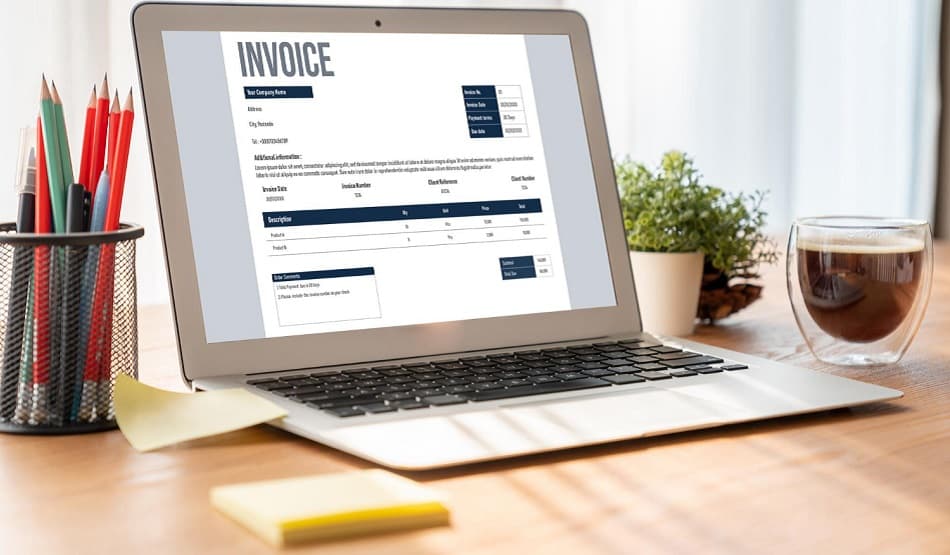
The UAE is preparing to roll out mandatory e-invoicing in phases. Voluntary adoption will begin in July 2026. Later, e-invoicing will become mandatory as of January 2027 for businesses with annual revenues exceeding AED 50 million. In the following stages, smaller companies will also be included within the scope of mandatory e-invoicing.

The UAE Ministry of Finance has introduced the e-Invoicing 4-Corner Model, which enables businesses to exchange e-invoices seamlessly through accredited channels. This model is seen as a major milestone in the Emirate’s digital transformation journey. Under the new model, e-invoicing is set to remove uncertainty from transactions, and for anyone buying, selling, or valuing a business, this changes where risk is hidden and how quickly it appears.

How Will the New E-Invoicing System Work in the UAE?

This process begins with the selection of an Accredited Service Provider (ASP) and then turns into a much broader implementation journey. Accordingly, all B2B and B2G invoices will be required to pass through ASPs and be reported to the Federal Tax Authority in near real time. This will transform the system from document-based reporting into structured, machine-readable data flows. Approximately 26 ASPs have already been approved. Provided that businesses have selected an ASP, the exchange of e-invoices through the EmaraTax platform has been allowed.

Tax Authorities Will Be Able to Verify Transactions Instantly

On the other hand, the transition to real-time reporting will enable tax authorities to verify transactions instantly. In addition, by reducing reliance on periodic manual audits, it will reduce VAT fraud and tax evasion. However, it will also have an impact on business costs, due diligence, and mergers and acquisitions.

According to the Ministry of Finance, businesses may see up to a 66 percent reduction in invoice processing costs thanks to reduced manual data entry and errors, as well as faster payment cycles. For dealmakers, automated invoices mean that risks which previously appeared late in the process—or never appeared at all—can now be identified much earlier.

According to Deloitte, 2026 will be a year in which voluntary adoption shifts to mandatory implementation across Europe, the Middle East, and Africa. Countries such as Poland, Belgium, France, the UAE, Germany, Ireland, and eventually the United Kingdom are making structured digital invoicing mandatory.

Saudi Arabia’s Delivery Sector Recorded 118 Million Orders in the First Quarter

delivery

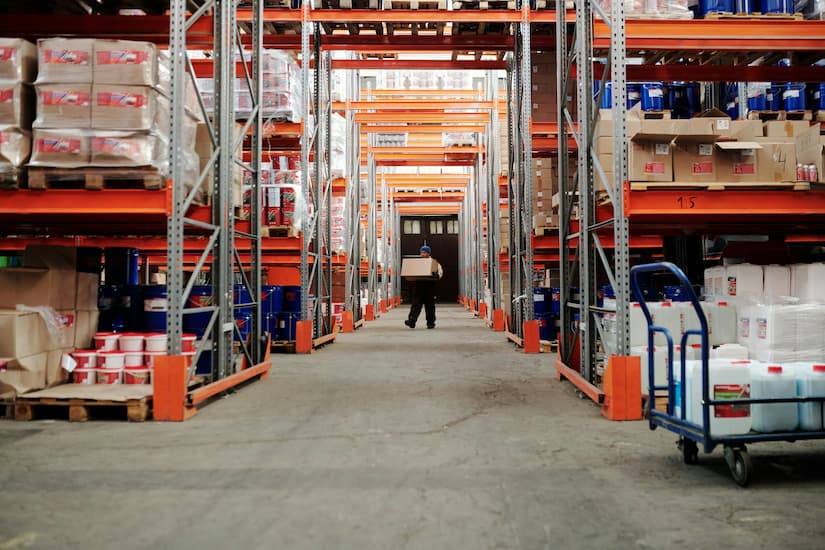
Saudi Arabia’s delivery sector reached more than 118 million orders in the first quarter of 2026. This figure represents a 49 percent annual increase.

According to the Saudi Transport General Authority, the delivery sector in Saudi Arabia reached more than 124 million orders in the fourth quarter of 2025. The sector also delivered a remarkable performance in the first quarter of 2026. Accordingly, more than 118 million orders were recorded in Q1 2026, marking a 49 percent increase.

According to the Authority’s statistics, the highest share of total delivery orders in Q1 2026 was recorded in the Riyadh region with 44 percent. It was followed by Makkah (22.21 percent) and the Eastern Province (16.23 percent). Madinah accounted for 4.97 percent of total orders. The other regions were as follows: Asir (3.34 percent), Qassim (2.77 percent), Tabuk (1.74 percent), Hail (1.66 percent), Jazan (1.14 percent), Najran (0.64 percent), Al-Jouf (0.65 percent), Northern Borders (0.51 percent), and Al-Baha (0.18 percent).

A Major Player in E-Commerce and Food Delivery

These figures indicate strong demand, in addition to seasonal fluctuations in e-commerce, food, and retail delivery activities. The growth in delivery volumes also reflected changing consumer behavior. Increased reliance on app-based platforms, real-time tracking technologies, and integrated supply chain solutions reshaped retail and service distribution across urban and regional markets.

In Saudi Arabia, the deli very sector has become one of the cornerstones of the digital economy thanks to e-commerce, food delivery platforms, and last-mile logistics services. The Transport General Authority stated that the growth in the sector “reflects the expansion in service scope, improved operational efficiency, and faster fulfillment of beneficiary requests.”

The National Transport and Logistics Strategy aims to position Saudi Arabia as a “global logistics hub.” In this context, regulatory reforms and investments aimed at increasing logistics efficiency and improving service quality contributed to the deli very sector.

Latin America E-Commerce Boom: 3 Key Growth Signals as Mercado Libre Expands Globally

Latin America E-Commerce Boom: 3 Key Growth Signals as Mercado Libre Expands Globally

The Latin American e-commerce market is entering a new phase of rapid expansion, driven by increasing digital adoption, cross-border trade, and platform investments led by Mercado Libre.

According to recent insights, the region remains one of the most underpenetrated yet high-potential e-commerce markets globally. With internet access rising and mobile commerce accelerating, Latin America is positioned for sustained double-digit growth over the coming years. Mercado Libre, the region’s dominant marketplace, continues to play a central role in shaping this growth trajectory.

Mercado Libre Targets Global Seller Expansion

A key development in 2026 is the platform’s strategic push to onboard international sellers, particularly from China. This move aims to significantly expand product variety, pricing competitiveness, and cross-border trade volumes across Latin America.

By strengthening its global seller network, Mercado Libre is not only enhancing consumer choice but also positioning itself as a bridge between Asian manufacturers and Latin American consumers. This mirrors a broader global trend where marketplaces increasingly integrate international supply chains to stay competitive.

Untapped Market Opportunity Across the Region

Despite strong growth, Latin America still has substantial room for expansion compared to more mature markets like the U.S. and Europe. Large portions of the population are only beginning to adopt online shopping, especially in rural and underserved areas.

Industry data indicates that billions of dollars in additional e-commerce sales are expected in the near term, with both large platforms and small-to-medium sellers benefiting from the surge.

This “white space” opportunity is attracting both regional leaders and global competitors, intensifying the competitive landscape.

Logistics and Fintech Driving Growth

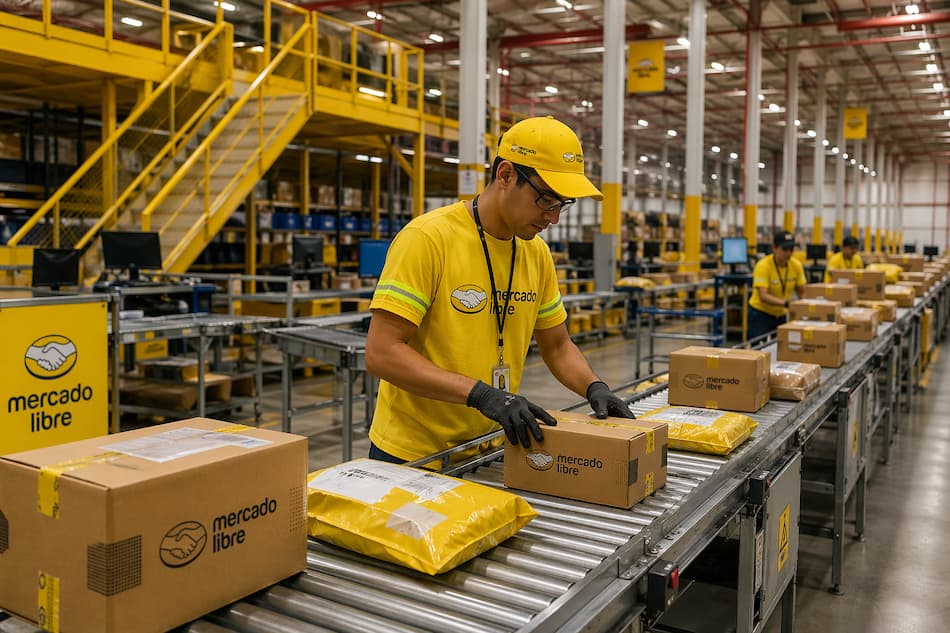
Another major driver behind the region’s e-commerce momentum is infrastructure investment. Mercado Libre continues to expand its logistics network and fintech services, including payments and credit solutions, to support merchants and improve delivery speeds.

Recent investments in fulfillment centers and financial services highlight a broader strategy: building a full ecosystem rather than just a marketplace. This integrated approach is helping reduce friction in online transactions and enabling more consumers to participate in digital commerce.

Outlook

As digital adoption continues and cross-border trade increases, Latin America is expected to remain one of the fastest-growing e-commerce regions globally. Mercado Libre’s expansion strategy, combined with rising consumer demand, signals that the region is moving from an emerging market to a key global e-commerce hub.

Source

EU Regulators Challenge JD.com’s $2.5B Economy Acquisition

EU Regulators Challenge JD.com's $2.5B Economy Acquisition

The European Union has launched a formal review into whether JD.com’s planned $2.5 billion acquisition of German retailer Ceconomy involves unfair state subsidies from China.

The investigation, led by the European Commission, is being conducted under the EU’s Foreign Subsidies Regulation (FSR) – a relatively new framework designed to prevent non-EU government support from distorting competition within the bloc.

Deadline set for initial findings

Regulators have set a May 28, 2026 deadline for the preliminary assessment. If concerns persist, the Commission may escalate the case into a full-scale investigation, potentially requiring JD.com to make concessions to proceed with the deal.

Interestingly, the acquisition does not fall under standard EU merger control rules, but is instead being scrutinized purely on subsidy-related concerns, highlighting the growing importance of the FSR in cross-border deals.

Strategic expansion into Europe

If approved, the deal would significantly strengthen JD.com’s international presence by giving it control over Ceconomy’s well-known retail brands, including MediaMarkt and Saturn, which operate across Europe.

This move is part of JD.com’s broader global expansion strategy as Chinese e-commerce giants increasingly look beyond domestic markets for growth.

Mixed regulatory response across Europe

While the EU review is ongoing, the deal has already triggered different reactions at the national level:

  • Italy has approved the transaction with conditions
  • Austria has raised concerns and continues its own scrutiny
  • Other EU countries are monitoring the situation closely

These parallel reviews underline the growing sensitivity around foreign investments in strategic retail and technology sectors.

Why this matters for e-commerce

This case is a strong signal that Europe is tightening oversight on global e-commerce players, especially those backed by state-linked financing. The outcome could:

  • Set a precedent for future Chinese acquisitions in Europe
  • Impact how global e-commerce firms structure cross-border deals
  • Accelerate regulatory fragmentation across EU markets

As the bloc balances openness to investment with competitive fairness, deals like JD.com-Ceconomy are becoming key test cases for the future of international commerce.

Source

Cost Pressure Europe’s 2026 E-Commerce Rules Drive Higher Shipment Costs

Cost Pressure Europe’s 2026 E-Commerce Rules Drive Higher Shipment Costs

Europe is preparing for a major shift in cross-border online trade as new customs rules begin to reshape the cost of low-value e-commerce shipments. The European Union is ending the €150 duty de minimis threshold from July 1, 2026, meaning imported goods that previously entered the bloc without customs duties may soon face additional charges.

The change comes at a time when low-value parcel volumes remain exceptionally high across the region. In 2025, more than 5.8 billion low-value e-commerce parcels were shipped into the EU. Until now, many of these shipments were exempt from customs duties if they remained below the €150 threshold, allowing international sellers to maintain competitive pricing.

End of Duty-Free Imports Adds New Cost Layers

From mid-2026, that cost equation will begin to change. Under the new approach, imports could become subject to customs duties regardless of order value. The EU is also introducing a temporary €3 customs duty per item category, tied to HS6 product classifications.

This means mixed-product orders may trigger multiple fees. For example, a parcel containing a shirt and jeans could be charged separately for each category, increasing total costs per shipment.

Additional Country-Level Fees Begin to Appear

Some EU countries are already implementing additional fees ahead of the broader reform. Italy plans a €2 per parcel charge, while Romania has introduced fees of around €5 per parcel. In France, a €2 per product category fee has also been applied.

The EU has additionally approved a €2 handling fee per parcel, expected to roll out across member states later in 2026. These costs will be applied alongside VAT and customs duties.

Impact on Pricing, Logistics and Strategy

For e-commerce businesses, the shift introduces both financial and operational challenges. Lower-value orders may become less viable under current pricing models, while customs classification and compliance requirements become more critical.

The broader shift signals a move toward stricter control of cross-border e-commerce imports in Europe. As the new framework takes effect, brands will need to adjust their pricing strategies, logistics structures, and customer experience to adapt to a more regulated environment.

Source

Google Cloud Next 2026 Highlights 4 Positive Signals for the Agentic AI Era

Google Cloud Next 2026 Highlights 4 Positive Signals for the Agentic AI Era

Google used Cloud Next 2026 to make one message clear: the company wants to be seen not only as an AI model developer, but as a full-stack infrastructure partner for enterprises moving AI into daily operations. In a post published on April 22, CEO Sundar Pichai said Google Cloud is entering a new phase of momentum, with customer demand rising across models, chips, and enterprise AI tools.

At the center of the announcement was Google’s push toward what it calls the “agentic” era. According to Pichai, Google’s first-party models are now processing more than 16 billion tokens per minute through direct customer API use, up from 10 billion in the previous quarter. Google also said nearly 75% of Google Cloud customers are already using its AI products, while 330 customers processed more than one trillion tokens each over the last 12 months.

Google expands its enterprise AI platform

A major focus of this year’s Cloud Next was Gemini Enterprise. Google is positioning it as an end-to-end platform that connects enterprise data, employees, and workflows with AI agents. Pichai said paid monthly active users of Gemini Enterprise grew 40% quarter over quarter in the first quarter, signaling stronger commercial traction for the product. Reuters also reported that Google is rebranding and expanding parts of Vertex AI under the Gemini Enterprise banner as it sharpens its focus on enterprise deployments.

This matters because Google is trying to move beyond experimental AI use cases and into broader enterprise adoption. At the event, executives emphasized governance, scalability, and production-readiness, suggesting Google wants to compete not just on model quality, but on how easily businesses can build, manage, and secure AI systems at scale.

New TPU chips support training and inference

Google also used the event to introduce its eighth-generation Tensor Processing Units, TPU 8t and TPU 8i. The company says TPU 8t is designed for large-scale model training, while TPU 8i is optimized for low-latency inference, which is especially important for AI agents expected to respond quickly and handle complex tasks. In its chip announcement, Google said both processors were custom-engineered for the next phase of AI computing and will become available later this year.

Reuters reported that TPU 8i delivers 80% better performance for fast inference workloads than the previous generation, while TPU 8t can scale to large training clusters. The hardware rollout reinforces Google’s strategy of combining proprietary chips, models, cloud services, and security tools into one enterprise AI stack.

Another notable signal came from capital spending. Pichai reaffirmed Alphabet’s plan to spend $175 billion to $185 billion in 2026, with just over half of the company’s machine learning compute investment expected to support the Cloud business. That level of investment shows Google is willing to keep spending heavily to strengthen its position against Amazon, Microsoft, and emerging AI infrastructure rivals.

Overall, Cloud Next 2026 showed Google taking a more aggressive enterprise stance. Instead of focusing only on headline AI breakthroughs, the company is trying to prove it can provide the infrastructure, chips, software, and governance enterprises need to operationalize AI at scale. For cloud customers, that makes Google’s latest push less about experimentation and more about long-term adoption.

Source

Amazon Detected More Than 15 Million Counterfeit Products in 2025

Amazon

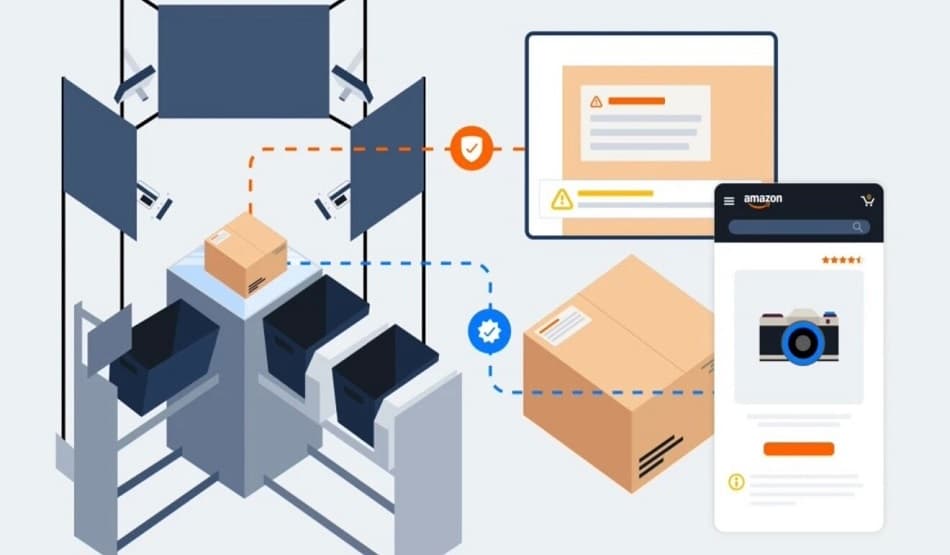
Amazon has published its first “Trustworthy Shopping Experience Report.” The report shares details on how the company protects customers, brands, and selling partners across its global store. According to the report, more than 15 million counterfeit products were detected worldwide in 2025.

For the past five years, Amazon had been publishing its annual Brand Protection Report. This report examined in detail how the company combats counterfeit products, protects intellectual property, and safeguards the brands selling on its platform. However, the fact that bad actors are constantly evolving their tactics, criminal networks are operating across borders, and the threats facing retail extend far beyond counterfeit products led the company to take new measures.

At the same time, advances in artificial intelligence made it possible to analyze billions of signals simultaneously and detect threats before they ever reached customers. For this reason, the “Trustworthy Shopping Experience Report” was published.

In its statement on the matter, Amazon said: “The report provides a comprehensive look at how we work to protect customers, selling partners, and brands across our global store. The report expands our commitment to trust and safety; while continuing to cover brand protection and anti-counterfeiting, it now also includes organized retail crime, product safety, scam prevention, and trustworthy reviews.”

Amazon Pursued More Than 32,000 Bad Actors

According to the report, Amazon’s Counterfeit Crimes Unit pursued more than 32,000 bad actors across 14 countries through litigation and criminal referrals to law enforcement. In 2025, more than 15 million counterfeit products were detected worldwide. These products were seized and appropriately disposed of. In addition, more than 100 websites attempting to facilitate fake reviews and scams targeting the Amazon store were shut down through legal action. Amazon is also a member of 10 organized retail crime task forces led by attorneys general across the United States.

Amazon stated: “Our goal is to protect the store equally for customers, brands, and sellers. However, we understand that policies designed to protect customers can sometimes create friction for sellers trying to grow their business. For this reason, we have invested in tools such as Amazon’s Account Health Dashboard, which provides sellers with transparency and control regarding their compliance with policies, performance targets, and more. Ensuring that legitimate selling partners can thrive on Amazon is central to our mission, and this report reflects that commitment.”

The AI Systems Amazon Used to Protect the Shopping Experience

Amazon’s Trustworthy Shopping Experience Report provides a comprehensive look at how we work to protect customers, selling partners, and brands across our global store. The report expands our commitment to trust and safety; while continuing to cover brand protection and anti-counterfeiting, it now also includes organized retail crime, product safety, scam prevention, and trustworthy reviews. The systems described in the report are evolving every day, built on decades of learnings, billions of data points, and a continuous flow of feedback.

Some of the important data included in the report are as follows:

  • Omniscan, an advanced machine learning system that verifies the readability and language of essential safety information at scale before products are listed, was deployed across Amazon’s global fulfillment network in the United States, Canada, the United Kingdom, Türkiye, Saudi Arabia, and Europe. The system generated image sets for more than 12 million products.
  • In 2025, hundreds of millions of suspected fake reviews that could have appeared on Amazon were proactively blocked.
  • A bad actor attack targeting a viral new branded product trending on social media was anticipated in advance, and infringing listings were blocked a full eight days before the brand owner shared the intellectual property with Amazon.
  • AI technology SENTRIX, which improves the ability to identify and remove malicious websites even faster, was launched in 2025. Thanks to SENTRIX’s proactive controls, successful phishing URL takedown rates increased by more than 10 percent.
  • Amazon’s collaboration with Chinese law enforcement and brands resulted in more than 70 successful local raids against counterfeit product manufacturers, suppliers, and distributors. These operations led to criminal convictions, including fines and prison sentences.