WORLDEF Istanbul 2026 - Upcoming Event

Register Now

Canva to Establish Regional Headquarters in Dubai, Strengthening Support for SMEs

Canva, the global visual communication and design platform, will establish its regional headquarters in Dubai, marking a significant step in the company’s expansion across the Middle East and Africa. The move is supported by the Dubai Chamber of Digital Economy and aligns with the UAE’s national objectives for digital transformation and artificial intelligence.

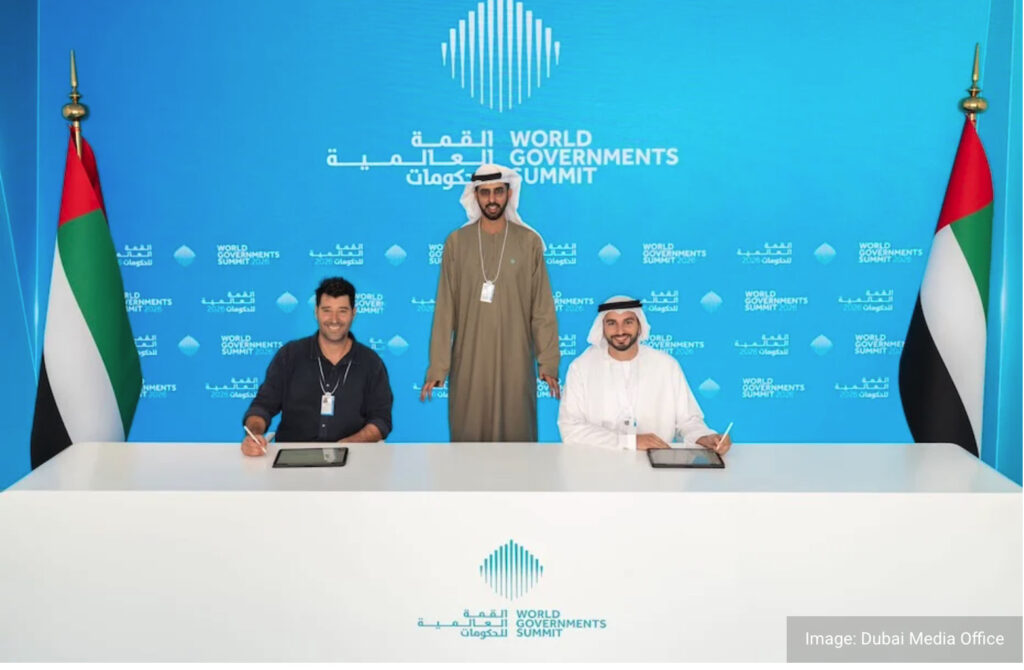
The agreement was signed during the World Governments Summit 2026 in Dubai, in the presence of Omar Sultan Al Olama, UAE Minister of State for Artificial Intelligence, Digital Economy, and Remote Work Applications, and Chairman of the Dubai Chamber of Digital Economy.

The memorandum of understanding was signed by Saeed Al Gergawi, Vice President of Dubai Chamber of Digital Economy, and Cliff Obrecht, Co-Founder and Chief Operating Officer of Canva.

Under the agreement, the Dubai Chamber of Digital Economy will support the establishment of Canva’s regional headquarters, enabling the company to expand its operations in Dubai and serve businesses and creators across the wider region. The initiative supports Dubai’s strategy to build an integrated digital ecosystem and attract leading global technology companies.

Empowering SMEs Through Digital Design

As part of the collaboration, Canva will provide newly established SMEs operating in Dubai and the UAE with access to dedicated service packages through its digital design and visual communication platform. Scheduled to launch later this year, the packages will offer tools for design, productivity, and content creation, enabling businesses to produce high-quality digital content without the need for specialist design skills.

Commenting on the agreement, Al Olama emphasized Dubai’s commitment to fostering innovation-driven growth:

“Dubai continues to strengthen its position as a global hub for technology and digital innovation, supported by a flexible, business-friendly environment and advanced infrastructure. Our partnership with Canva is designed to enhance SME capabilities and support their growth within Dubai’s advanced digital ecosystem, particularly in creative sectors powered by artificial intelligence.”

Cliff Obrecht highlighted the strategic importance of Dubai for Canva’s regional ambitions:

“Dubai is home to millions of people building and creating at scale. Establishing our regional headquarters here allows us to work more closely with businesses, enterprises, and creators across the region, giving them access to Canva’s tools to bring their ideas to life. We’re excited to be part of what Dubai is building.”

Global Scale, Regional Impact

Founded in 2013, Canva operates in more than 190 countries, serving enterprises, SMEs, consumers, and students worldwide. The company is valued at approximately $42 billion, with over 260 million monthly active users and more than 40 billion designs created on its platform.

In the UAE alone, over 54 million designs were created on Canva in 2025, with nearly one in eight internet users in the country actively using the platform—underscoring Canva’s growing role in the region’s digital economy.

The Dubai Chamber of Digital Economy, one of the three chambers operating under Dubai Chambers, continues to play a central role in expanding the emirate’s digital economy in line with the Dubai Economic Agenda (D33).

Sahibinden.com Integrates AI Technologies Under “sahiAI”; Natural Language Search Feature Introduced!

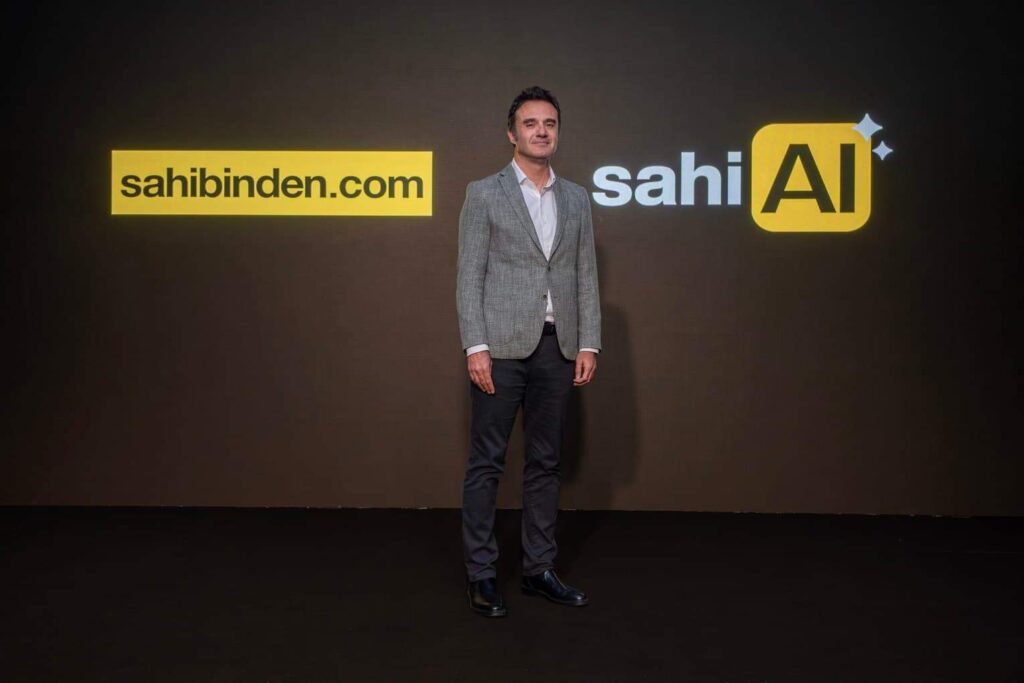
Türkiye’s leading classifieds, second-hand, and e-commerce marketplace, Sahibinden.com, has combined all of its AI-based products developed over eight years in its R&D center under the “sahiAI” brand. With sahiAI, a search feature has been developed that allows users to find listings in seconds using daily conversational language. This new feature is part of the AI advancements the company has gathered under the sahiAI brand.

Natural Language Search Now Available!

This innovation allows users to search for properties and vehicles using everyday expressions instead of complex filters. For example, users can now search using phrases like “apartment near the metro with a master bathroom” or “fuel-efficient, hybrid, white SUV.”

Previously, users had to select a series of filters to narrow down their searches, which was a time-consuming and complex process. However, with this new feature, the platform understands the user’s intent, significantly simplifying the process. The system does not just match words; it uses large language models in the background to understand the user’s intent, providing an experience similar to conversing with a real estate agent or car dealer.

“We Established the sahiAI Department with Over 300 Turkish Engineers”

Sahibinden.com CEO Burak Ertaş emphasized that this new technology was not sourced from external packages but was developed entirely in-house. Ertaş pointed out that the company made significant investments in research and development, establishing the sahiAI department with more than 300 Turkish engineers. He also highlighted that this local approach ensures the technology is more suitable for local needs and nuances, offering a more effective solution for Turkish users.

Ertaş stated, “AI is on everyone’s agenda, but there are not many companies that widely offer it in their products and services. Since our establishment, we have achieved many firsts. In 2000, we took the classifieds industry digital, and in 2011, we launched the first mobile app in our sector. While no one in Türkiye was talking about AI, we made it our company focus in 2018. Today, we are proud to bring all the AI products we have developed over the last eight years, which our users experience every day, under our umbrella brand, sahiAI.”

The Foundations of sahiAI Were Laid in 2018!

sahiAI is not just a search feature but the umbrella brand for a wide range of AI-based products, from visual recognition to natural language processing. The sahiAI product range was first established in 2018 with “Vehicle Recognition from Photos” and has since expanded to include products like Fotobot, which enhances the quality of listing images, Virtual Tour, which allows users to navigate through homes in 3D, and SahiDeko, which changes the decoration of a home in seconds. Now, with the addition of the AI-powered listing search feature, sahiAI offers an unparalleled experience to all users, developed entirely by Turkish engineers within Sahibinden.com.

As AI continues to shape the future of e-commerce and digital services, Sahibinden.com’s integration of natural language search positions the platform as a forward-thinking leader in the Turkish online marketplace.

sahibinden.com: “Every Listing is the First Step of a Dream”

German Competition Authority Banned Amazon’s Price Controls Over Sellers

Germany’s competition authority ruled that Amazon would no longer be allowed to influence the prices of third-party sellers on its local marketplace and stated that this practice distorted competition. Bundeskartellamt also decided that approximately 59 million euros in economic benefits linked to the practice would be clawed back from Amazon.

Germany’s national competition authority Bundeskartellamt announced that it had decided that the methods long used by Amazon to steer the prices of third-party sellers on its German marketplace were unlawful. The decision, taken in coordination with the European Commission, required the U.S.-based e-commerce giant to change its policies and refrain from interfering with prices except in limited exceptions.

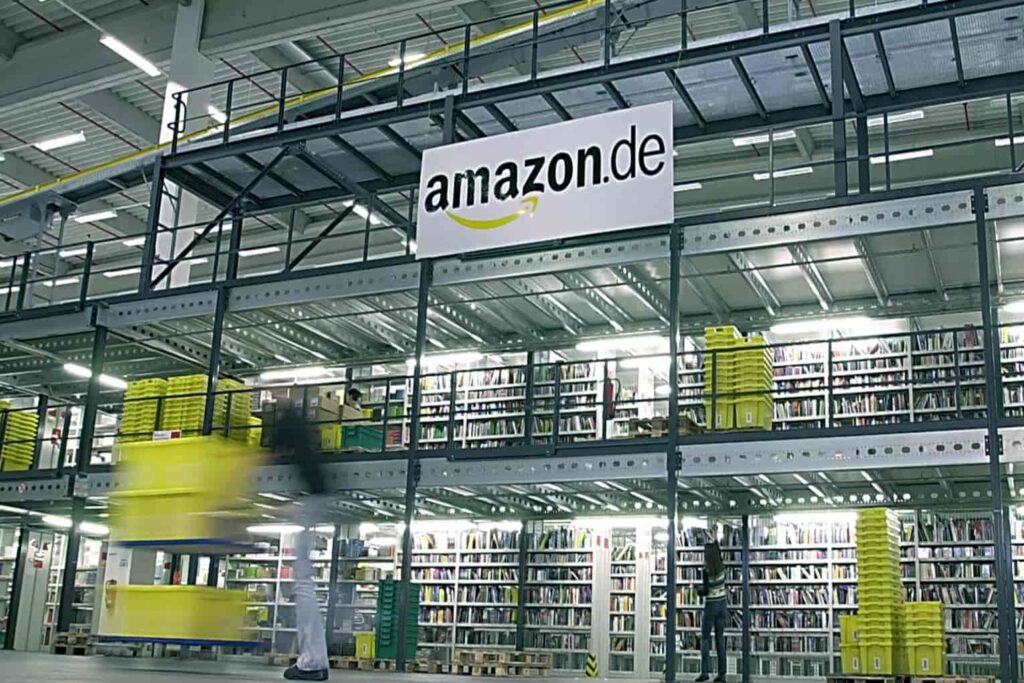
Amazon operates a marketplace on Amazon.de that hosts both its own retail business and hundreds of thousands of independent sellers. According to the competition authority, these sellers account for approximately 60 percent of sales on the platform; they set their own prices and also bear the financial risk of their activities.

Amazon Restricted the Visibility of Offers With Prices That Did Not Meet Its Own Expectations

Bundeskartellamt President Andreas Mundt said that the investigation found that Amazon used mechanisms that restricted the visibility of offers with prices that did not meet its own expectations. These practices included excluding such offers from the Buy Box, which was presented to customers as the default purchasing option, or removing them entirely from the platform.

Mundt stated that this approach could distort competition and lead to the “manipulation of the price level on the platform,” adding that Amazon could gain an unfair advantage over other online retailers in this way. He emphasized that restricting the visibility of legitimate sellers solely because their prices were considered “high” was unacceptable.

59 Million Euros to Be Recovered

According to the decision, Amazon would be required to revise its system and would only be allowed to intervene in seller pricing in exceptional cases such as clear price gouging. Such interventions would need to comply with detailed rules set by Bundeskartellamt.

As a notable step, the competition authority exercised its power to recover economic benefits obtained from practices that violated competition law. Since the infringement was found to be ongoing, the amount to be recovered was initially set at approximately 59 million euros. Amazon has one month to appeal the decision.

Mundt also stated that Amazon did not have to control prices in order to offer low prices. He said that reducing the fees and commissions paid by sellers to Amazon could encourage retailers to offer more competitive pricing.

Total Sales Volume on Amazon.de Exceeded 50 Billion Euros

Amazon.de is by far the clear leader in Germany’s e-commerce market. According to sector data, e-commerce revenues in the country reached approximately 40 billion euros in 2024, partly driven by strong growth in online advertising. Figures for 2025 had not yet been published at the time the decision was announced.

Bundeskartellamt stated that total sales volume on Amazon.de had exceeded 50 billion euros and that the majority of this volume was generated by third-party sellers.

Drawing attention to the fact that approximately 60 percent of all online sales in Germany were conducted through this platform, the authority emphasized that Amazon’s impact extended beyond digital commerce and was also felt in the physical retail sector. The decision showed that scrutiny of pricing practices by dominant platforms was increasing and that competition authorities were prepared to take stronger action against practices they believed undermined fair competition.

German Court Strikes Down Amazon’s Unilateral Prime Price Rise

Amazon Reports Record Q4 Sales; Forecasts $200 Billion Capital Expenditure for 2026

Amazon has released its fourth-quarter (Q4) earnings report for 2025. The e-commerce giant set a record with $213.4 billion in revenue, surpassing Wall Street expectations. However, the company’s shares declined after it announced that it expects to increase its capital expenditures by 50% to $200 billion in 2026 as it seeks to ramp up its competition in the AI space.

Amazon closed the final quarter of the year with a strong 14% increase in net sales. The company’s net income for the quarter was $21.2 billion, reflecting a 5.9% year-over-year increase and translating to $1.95 per share. Despite these positive figures, earnings slightly missed analyst expectations.

The e-commerce giant’s advertising revenues grew by 23% in the quarter, reaching $21.32 billion, slightly exceeding projections. This revenue includes ads on Prime Video and various other digital advertising products. Additionally, Amazon’s subscription services, including Prime memberships and digital content offerings, grew by 14%, reaching $13.12 billion for the quarter.

Amazon’s Capital Expenditure Increase and Layoffs

Amazon CEO Andy Jassy announced that the company plans to significantly increase its capital expenditures for 2026, forecasting a 50% increase to $200 billion. A large portion of this investment will be directed toward Amazon Web Services (AWS), the company’s cloud computing division, to expand in AI, robotics, and other high-tech innovations.

“We expect to invest $200 billion in capital expenditures across Amazon in 2026 and anticipate strong long-term returns on these investments,” Jassy stated. In 2025, Amazon reported a total capital expenditure of $131.82 billion, with a significant portion allocated toward expanding its AI infrastructure.

However, this ambitious expansion plan comes after major layoffs. A week ago, Amazon announced it had laid off 16,000 corporate employees following a previous round of 14,000 job cuts. These 30,000 layoffs represent nearly 10% of Amazon’s previous corporate workforce.

Prime Video, NFL, and Delivery Milestones

Amid these changes, Amazon continues to make significant investments in content and services. The company highlighted that Prime Video now reaches 315 million monthly viewers globally, up from 200 million in mid-2024. Ads on Prime Video are now active in 16 countries.

In the world of sports, Amazon announced that its fourth season of NFL streaming on Prime Video has achieved the highest viewership to date. The Packers-Bears wildcard playoff game became the most-watched NFL game on Prime Video, reaching 31 million viewers.

Additionally, Amazon reported that its delivery times for Prime members reached their fastest levels ever in 2025. This marks the third consecutive year of improvements in delivery speed. In the U.S., over 8 billion items were delivered to Prime members the same or next day in 2025, showing a 30% increase compared to 2024.

Focusing on AI, robotics, and satellite technologies, Amazon continues to pursue growth and innovation despite challenges in its workforce and market expectations.

Amazon Q3 2025 Revenue Up 13% as AWS and AI Drive Profit Growth

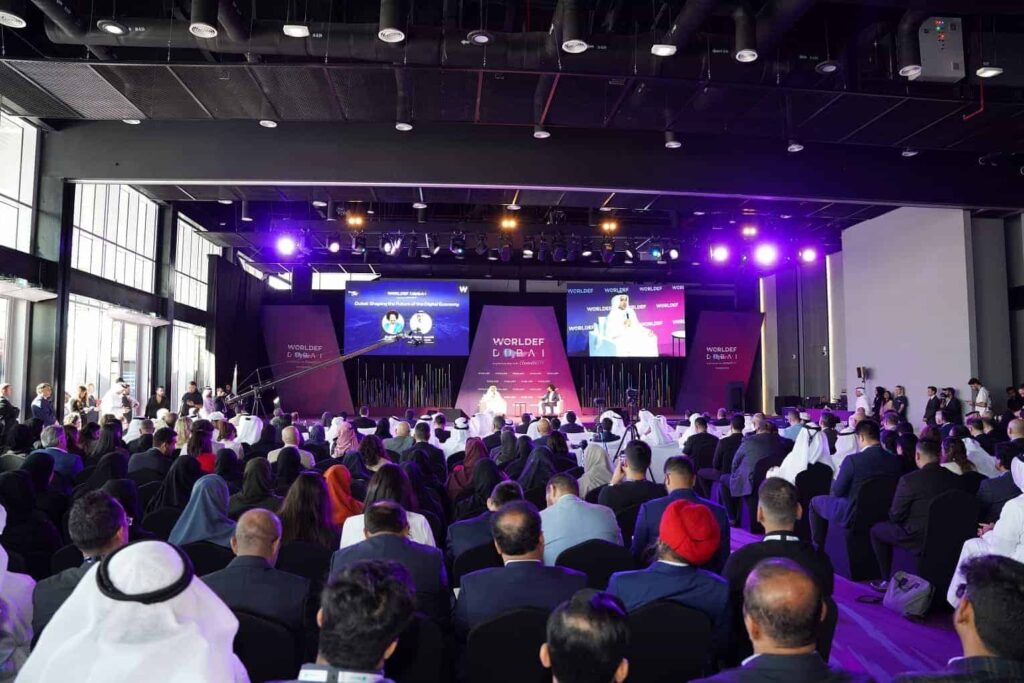
Regional and Global E-Commerce Players Come Together at WORLDEF DUBAI 2026

The countdown has begun for WORLDEF DUBAI 2026, the largest e-commerce fair in the Middle East and North Africa (MENA) region. Dubai will host the second edition of WORLDEF from 12–14 February 2026. WORLDEF DUBAI is being held under the patronage of His Highness Sheikh Ahmed bin Saeed Al Maktoum, Chairman of the Dubai Integrated Economic Zones Authority (DIEZ).

The second edition of WORLDEF DUBAI 2026, the largest e-commerce gathering in the MENA region, will take place from 12–14 February 2026 at Dubai CommerCity, Dubai’s first free zone dedicated to the digital commerce sector. Organized in cooperation with WORLDEF and Dubai CommerCity, the event aims to support companies, entrepreneurs, and investors operating in cross-border e-commerce and digital commerce, as well as government entities and digital solution providers, in growing at an international scale.

WORLDEF DUBAI 2026 aims to create business opportunities, strengthen cooperation and partnerships, encourage the exchange of knowledge and experience, and explore the latest trends in the digital commerce sector, thereby expanding the boundaries of global trade and supporting the growth of a sustainable digital economy.

Amna Lootah: The Forum Acts as a Strategic Catalyst to Open New Horizons for Companies

Her Excellency Amna Lootah, Director General of Dubai CommerCity and Dubai Airport Freezone (DAFZ), said: “Hosting the WORLDEF DUBAI 2026 forum reflects Dubai CommerCity’s commitment to supporting the global digital commerce ecosystem and strengthening Dubai’s position as a global leader in trade and digital commerce. The expected increase in the number of participants and countries symbolizes the scale of international confidence in Dubai’s investment environment and advanced infrastructure.”

Lootah added, “The forum serves as a strategic catalyst for strengthening international partnerships and opening new horizons for companies. It also supports the goals of sustainable economic growth, in line with the emirate’s vision for the future, and contributes to enabling companies to expand globally and benefit from the growing opportunities within the digital commerce ecosystem.”

Omar Nart: We Are Proud to Organize This Event in Cooperation with Dubai CommerCity

WORLDEF CEO Omar Nart said: “The forum, in its first edition, succeeded in exceeding expectations in terms of turnout and interactive sessions, and we are confident in the success of its second edition with a focus on presenting a comprehensive agenda that meets the aspirations of digital commerce companies at the local, regional, and global levels, in addition to specialists in digital and cross-border commerce, digital transformation, and other related fields. We are proud to organize this event in cooperation with Dubai CommerCity, which plays a pivotal role in developing the digital commerce sector at the regional level.”

WORLDEF DUBAI Strengthens Dubai’s Critical Role in Digital Commerce Transformation

The global e-commerce event WORLDEF DUBAI 2026 focuses on taking digital commerce in the MENA region even further. Aligned with the “Dubai Economic Agenda D33,” which aims to enhance the Emirate’s competitiveness, reinforce its position as a global hub for smart trade, and support the business ecosystem and cross-border trade, the event contributes to accelerating the growth of the digital economy and shaping its future on a regional and global scale.

The first edition of WORLDEF DUBAI 2026 was held in December 2024. Hosted at Dubai CommerCity, the inaugural event welcomed more than 5,000 participants from over 40 countries. Following the outstanding success of the previous edition, the event is being held for the second time. This year’s edition is expected to witness a qualified expansion in terms of scale and international reach. The event targets markets across the Middle East, Africa, Europe, the United Kingdom, India, and Central Asia.

At WORLDEF DUBAI 2026, 200 speakers specialized in the digital commerce sector, leading institutions, companies, and organizations; more than 10,000 visitors from over 80 countries; more than 150 participating companies; and 120 retail brands will take part. The event will address key topics focused on the future of digital commerce and cross-border e-commerce, highlighting the role of artificial intelligence, advanced digital technologies, payment solutions, fintech, and logistics in supporting industry growth and increasing efficiency.

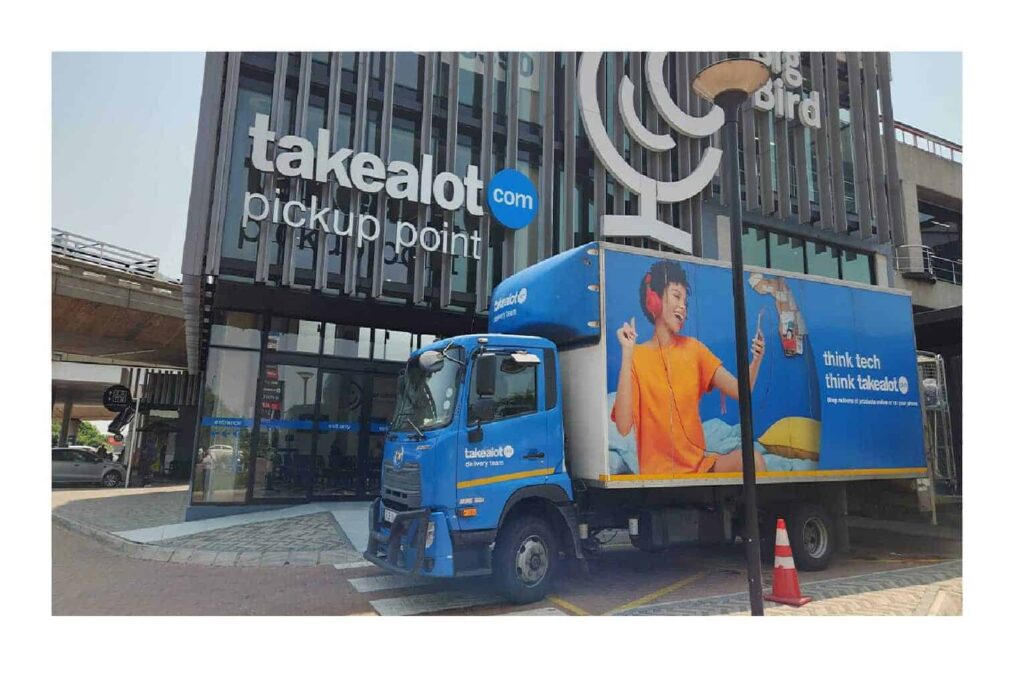
Takealot Expanded Its Instant Delivery Service to Durban

Takealot announced that TakealotNOW has launched in selected neighborhoods of Durban, including Morningside, Berea, Westville, and parts of Durban North. Users in these areas can access a wide range of products, including technology, books, DIY products, beauty items, and household goods, delivered within minutes.

The company stated that this expansion reflects changing expectations around speed and convenience. According to Takealot, the service is positioned for consumers with busy lifestyles who prefer fast delivery over traditional delivery timelines.

Users can access the service by selecting the “Get it Now” option on eligible products in the Takealot app. Orders are fulfilled by logistics partner Mr D, which handles last-mile deliveries. In addition, users can also view the TakealotNOW store via the “Shops” section in the Mr D app.

From Pilot Project to Nationwide Expansion

TakealotNOW was launched as a pilot project in 2023 and scaled rapidly alongside rising demand for instant shopping in South Africa. The service had previously expanded to the greater Cape Town metropolitan area, Johannesburg, and Pretoria; Durban became the latest addition to this expansion chain.

Takealot stated that this expansion is part of a broader strategy to strengthen its position in the globally growing fast commerce segment. Consumers’ increasing preference for faster delivery for both essential goods and high-value products has been among the key factors supporting this strategy.

Takealot Subscription Model and User Benefits

Subscription users also directly benefited from the expansion. Users subscribed to TakealotMORE, priced at 99 Rand per month, receive unlimited free TakealotNOW deliveries, along with exclusive discounts and coupons. The company emphasized that this model offers access to products within minutes while enabling savings on delivery fees.

Data shared by Takealot revealed a diversification in consumer behavior on the platform. Over the past three months, the most popular TakealotNOW products by sales volume consisted mainly of everyday essentials, such as pet food, laundry detergent, health supplements, beauty gift sets, and wireless earbuds.

However, analyses based on gross merchandise value (GMV) showed that users also utilized the instant delivery service for higher-priced products. Smartphones, gaming consoles, tablets, and small home appliances such as digital air fryers stood out among the leading products in this category.

According to the company, this picture demonstrated growing consumer trust in instant delivery for both routine purchases and high-budget items.

As Takealot continues to expand TakealotNOW into new urban centers, it positions the service as a response to the South African e-commerce market, where speed, flexibility, and convenience increasingly influence purchasing decisions.

Signatures Have Been Signed for Dubai Loop; Non-Stop Underground Travel Is Beginning!

Dubai advanced its plans for a new underground passenger transport system called Dubai Loop following the official agreement signed between The Boring Company, founded by Elon Musk, and the Dubai Roads and Transport Authority. Announced during World Governments Summit 2026, the project aimed to bring to life an electric vehicle tunnel network operating non-stop and station-to-station, targeting the reduction of traffic in high-density urban areas.

Dubai Loop was being developed as an express underground transportation model different from traditional metro and rail systems. The project was developed within the scope of the partnership between The Boring Company, founded by Elon Musk, and the Dubai Roads and Transport Authority (RTA). The agreement was signed as part of World Governments Summit 2026.

Non-Stop Travel With Dubai Loop

The Dubai Loop system was designed to enable passengers to reach their destinations directly, instead of stopping at every station as in traditional metro lines. Electric vehicles would operate in narrow tunnels built specifically for this system and would offer shorter travel times between high-density areas.

Dubai officials stated that the system aimed to reduce pressure on surface traffic, improve first- and last-mile connections, and assume a complementary role to the existing transportation infrastructure.

Pilot Route and Planned Network Expansion

According to project details, the total network length of Dubai Loop was planned to reach approximately 22.5 kilometers (14 miles) and include a total of 19 stations. The expansion was expected to form a route extending between Dubai World Trade Centre and Business Bay, covering the city’s most intense commercial and financial districts. Full implementation was expected to take approximately three years.

The first phase of Dubai Loop had a limited scope. The pilot phase was designed as a 6.4-kilometer (4-mile) route with four stations, connecting the Dubai International Financial Centre (DIFC) area with Dubai Mall and the surroundings of Burj Khalifa. Construction was targeted to begin after final design approvals and to be completed within approximately one year.

Designing the stations in a compact structure would enable the creation of more entry points in dense urban areas. The tunnels would have a diameter of approximately 3.6 meters (12 feet) and would be built specifically for vehicle transportation instead of rail systems.

The Cost of Dubai Loop Is 545 Million Dollars

The cost of the pilot line was announced to be approximately 154 million dollars. When the entire network was completed, the total investment amount was expected to reach approximately 545 million dollars.

According to studies conducted by RTA, the pilot segment was projected to serve approximately 13,000 passengers per day. With the completion of the full network, daily passenger capacity was planned to increase to approximately 30,000.

During the construction process, it was planned to use high-speed tunnel boring technologies that were lower-cost and caused less surface impact compared to traditional underground rail systems. Officials emphasized that this approach would minimize the effects on existing roads and infrastructure.

Safety Measures and Operational Oversight

Safety stood out as one of the core elements of the Dubai Loop design. Vehicles were planned to remain in constant communication with an operations control center operating around the clock. The tunnels would include emergency exits, fire detection and suppression systems, ventilation, lighting, and continuous camera monitoring infrastructure. Project representatives stated that the use of electric vehicles reduced certain risks compared to traditional rail systems, particularly onboard fire risks.

Official Statements and Strategic Framework

RTA management stated that the project was aligned with Dubai’s strategy of adopting advanced mobility solutions through global partnerships. Officials identified smoother transportation, stronger integration between transport modes, and improving quality of life for both residents and visitors as key objectives.

The management of The Boring Company stated that the collaboration aligned with Dubai’s long-term urban and transportation plans and highlighted safe and efficient tunnel construction methods suitable for dense city environments.

Dubai Will Become the Second City to Implement a Tunnel-Based Passenger Transport Model

The Dubai Loop project was moved to the implementation phase following feasibility studies initiated by a preliminary agreement signed in 2025. During this process, RTA provided geotechnical data, infrastructure maps, environmental risk assessments, and regulatory standards. The Boring Company, accompanied by international consultancy firms and financial and legal advisors, prepared technical designs, safety documents, and route proposals.

Dubai was expected to become the second city after Las Vegas to implement this tunnel-based passenger transport model. At the current stage, officials stated that the focus was on the performance of the pilot line, the construction schedule, and the operation of the system under real traffic conditions.

Elon Musk Discussed Artificial Intelligence and Technology Cooperation with the UAE President

Walmart Becomes the First Traditional Retailer to Reach a $1 Trillion Market Value

Walmart’s market value exceeded the $1 trillion mark after its stock price rose more than 3% on Tuesday. The recent surge in the stock price, gaining momentum in recent months, was driven by strong demand from price-sensitive consumers in a period of persistent inflation and signs of a cooling labor market.

The shift in consumer behavior, with higher-income consumers turning to lower-priced products, has strengthened Walmart’s core value proposition. Additionally, its fast and reliable home delivery services attracted households from different income groups, reinforcing the company’s position in both physical and digital retail.

Walmart Reports Strong Sales Growth in November

In its most recent financial results published for November, Walmart reported strong sales growth in key categories including food and apparel. Company executives noted that Wal mart’s scale provided protection against economic pressures, which were challenging smaller competitors.

John David Rainey, Walmart’s Chief Financial Officer, highlighted in a statement made at the time that the company’s pricing approach had “better protected it than almost anyone else,” emphasizing resilience in a tough consumer environment.

AI Investments and Digital Transformation Shift Perception

The positive sentiment on Wall Street also reflected Wal mart’s aggressive investments in artificial intelligence and digital capabilities. Investors began to view the company not just as a traditional retailer but as a tech-enhanced player.

Wal mart’s e-commerce sales in the U.S. rose by 28% in the three-month period ending on October 31, driven by growth in online orders and digital advertising. This performance positioned Walmart as a stronger competitor to Amazon. However, Amazon’s market value still remains around $2.6 trillion.

In October, Walmart announced a partnership with OpenAI, enabling customers and Sam’s Club members to use chat-based tools to plan meals, replenish essential items, and discover new products. Company executives positioned AI as a key driver of efficiency and customer engagement moving forward.

Wal mart’s decision late last year to move its shares from the New York Stock Exchange to the tech-heavy Nasdaq also strengthened its goal of being perceived as a digitally focused company. This historic milestone was surpassed in the first week of John Furner’s leadership at the company. Furner, who previously managed Walmart’s U.S. operations, is known as a strong advocate for technology investments.

Walmart Joins an Elite Club

Wal mart became the first traditional retailer to reach a $1 trillion market value. This club remains largely composed of technology giants, although Berkshire Hathaway reached this level in 2024. Pharmaceutical company Eli Lilly briefly surpassed the $1 trillion mark late last year but later fell below this level. For Walmart, this valuation stands out as a significant indicator of how a decades-old retail giant is reshaping itself in a period of changing consumer habits and accelerating technological transformation.

Walmart CEO Doug McMillon to Retire in 2026; New CEO John Furner to Take Over

UNCTAD Emphasized Saudi Arabia’s Early Leadership in E-Commerce Measurement

Officials from the United Nations Conference on Trade and Development (UNCTAD) stated that Saudi Arabia is among the first countries in the world to develop a scientific and reliable methodology to measure the size and value of e-commerce.

This assessment was shared during a workshop highlighting the Kingdom’s efforts to align digital trade measurement with international standards. The meeting was held as part of the 68th regular session of the E-Commerce Council and brought together representatives from 25 public institutions. The session was chaired by Minister of Commerce Majed Al-Qasabi, with council members also in attendance. The discussions addressed both strategic policy initiatives and operational measures aimed at supporting the rapidly growing e-commerce sector in Saudi Arabia.

UNCTAD: A Measurement Framework Aligned With International Standards

UNCTAD officials stated that Saudi Arabia has made significant progress in developing a comprehensive framework to assess the scale, value, and structure of e-commerce and digital trade. It was noted that the methodology was designed to be aligned with globally accepted definitions and best practices and enables accurate measurement across different classifications of e-commerce activities.

UNCTAD experts reported that close cooperation is being carried out with Saudi authorities to develop the framework. It was noted that the initiative aims to assess the level of digital trade adoption in the Kingdom, measure transaction volumes and sectoral growth, and enhance the competitiveness of the e-commerce ecosystem. In addition, strengthening digital economy policies and improving the efficiency of public services provided to the business sector were also listed among the objectives.

To oversee the implementation of the project, a working group was established within the E-Commerce Council under the chairmanship of its secretariat and with the participation of 11 public institutions. It was stated that this group is responsible for implementing the framework in coordination with UNCTAD.

Seasonal Demand and Service Performance

During the meeting, information was also provided on preparations by the Transport General Authority to manage increased seasonal demand, particularly during the Ramadan period. Officials stated that online orders rise sharply during religious holidays and national occasions, creating additional pressure on postal and delivery services.

According to official data shared, e-commerce shipments during Ramadan increased by 18 percent last year, reaching 26 million shipments. During the same period, the number of registered complaints declined significantly, falling from 4,330 to 1,700. Officials attributed this improvement to more effective coordination, service planning, and oversight mechanisms.

The Transport General Authority emphasized that the seasonal plan aims to increase service efficiency during peak periods, improve the quality of postal services, raise customer satisfaction, and strengthen governance through coordination with all relevant stakeholders.

The Role of the E-Commerce Council

Established in 2018, the E-Commerce Council plays a central role in shaping Saudi Arabia’s digital trade ecosystem. The council’s responsibilities include developing policy and legislative proposals, overseeing the E-Commerce Stimulation Program, ensuring coordination among public institutions, and addressing obstacles faced by the sector.

The meeting also reviewed cooperation with international organizations and relevant public institutions to facilitate e-commerce, as well as the necessary regulatory and procedural reforms. UNCTAD officials stated that the e-commerce measurement initiative could position Saudi Arabia as a global reference point in data and analysis and contribute to evidence-based policymaking and the sector’s long-term growth.

UNCTAD, Launched the First Global Database To Track E-Commerce Value

German Companies Developed a Joint E-Commerce Ecosystem: German Digital Commerce Operation Model

Three Germany-based software companies jointly brought to life a new e-commerce solution in which all data and digital processes remain in Europe. Developed through the collaboration of cloud provider STACKIT, e-commerce platform specialist Empiriecom, and IT services company Adesso, this structure called the “German Digital Commerce Operation Model” aimed to offer online sellers an end-to-end alternative and to ensure data sovereignty in accordance with European Union legislation.

The new solution called the “German Digital Commerce Operation Model” envisaged that all customer data, transactions, and operational processes would be kept in Germany. The system was designed in compliance with the requirements of the European Union General Data Protection Regulation (GDPR).

Developed as a Response to Regulatory and Geopolitical Pressures

The companies stated that the German Digital Commerce Operation Model project was shaped in the face of stricter data protection regulations and increasing geopolitical uncertainties. Many online retailers in Europe began to reassess their dependence on international cloud and software providers, particularly those located outside the European Union.

According to the partners, retailers are demanding greater control over where their data is stored and how it is processed. The German Digital Commerce Operation Model aimed to respond to this need by ensuring that data does not leave Europe and that all processes are carried out within the framework of EU law.

Empiriecom Managing Director Ralf Männlein stated that the collaboration offered a reliable alternative to global hyperscale cloud providers and software companies. Männlein emphasized that the solution meets the growing demand for data security, performance, and legal compliance in digital commerce.

Integrated Software Structure Hosted in Europe

The German Digital Commerce Operation Model ecosystem brought together the core areas of expertise of the three companies. STACKIT ensured that all applications and data are hosted in data centers in Germany and Austria. Thanks to the company’s “zero-access” security model, full control over the data remained with the customer, while the provider had no access to the data.

Adesso, with its implementation experience in e-commerce projects, was responsible for adapting the solution to the business models of retailers in different sectors. The company undertook the implementation of the technology in alignment with operational and commercial needs.

The e-commerce platform itself was provided by Empiriecom. The company stated that the software was designed to support different business models, sales channels, and markets. The platform enables multi-store and omnichannel structures to be managed under a single technological framework. According to Empiriecom, the platform is also used by companies with annual revenues exceeding 400 million euros.

European Online Retailers Are Targeted with the German Digital Commerce Operation Model

The partners positioned the German Digital Commerce Operation Model primarily for medium-sized and large online retailers operating in Europe. The model, which offers infrastructure, platform, and implementation services within a single integrated structure, aimed to strengthen compliance with European data protection standards while reducing operational complexity for retailers.

The launch was evaluated as part of a broader trend among European technology companies and retailers toward reducing dependence on providers outside Europe. Although the companies did not initially share details regarding pricing or customer acquisition, they stated that the model is ready for immediate use.

At a time when data sovereignty is increasingly becoming a more strategic issue for e-commerce companies, this collaboration stood out as an important step toward strengthening Europe-based digital commerce infrastructure.

About STACKIT

STACKIT is the cloud provider of Schwarz Group. External partners and customers in Europe can also rely on the cloud services that Schwarz Group companies have been benefiting from for years for their digital transformation. On the way to becoming the first European hyperscaler, STACKIT offers digital sovereignty that goes far beyond the market standard and individual approaches to the implementation and operation of cloud solutions. STACKIT currently operates four data centers – one of which is in Austria – and is building a fifth in Lübbenau. Based in Neckarsulm, Germany, the team is paving the way for an independent Europe – digital, leading. As part of Schwarz Digits, STACKIT GmbH & Co. KG is part of the IT and digital division of Schwarz Group.

www.stackit.com

About empiriecom

empiriecom, better e-commerce, develops and operates one of the largest e-commerce platforms in europe. With over 100 e-commerce experts in agile teams, empiriecom implements technologically sophisticated and innovative solutions and has comprehensive service expertise. empiriecom is part of the BAUR-Gruppe and a member of the Otto Group – a global retail and service group with around 41,000 employees and a revenue of 16.2 billion euros in the 2022/2023 financial year. The BAUR Group’s B2B service providers also include BAUR Studios for photography and videography, and BAUR Retail Media for onsite and offsite promotion.

www.empiriecom.com

About adesso

adesso is one of the leading IT service providers in the German-speaking area and focuses its consulting and software development activities on the core business processes of companies and public authorities. adesso’s strategy is based on three pillars: the comprehensive industry-specific know-how of its staff, extensive expertise in technology that is independent of manufacturers and the application of reliable methods in software implementation projects. adesso delivers the right IT solutions to increase the ability of companies and organisations to compete in the core sectors of insurance/reinsurance, banking and financial services, healthcare and life sciences, energy supply, public administration, automotive and manufacturing industry, trade, transport, media, entertainment, lottery and sports.

adesso was founded in Dortmund in 1997 and currently employs more than 11,100 people in the adesso Group (converted to full-time equivalents/FTE), which corresponds to more than 11,800 employees in terms of headcount. adesso’s shares are listed on the Prime Standard/SDAX. Customers in Germany include Commerzbank, BayernLB, Munich Re, Provinzial, Bitmarck, amedes, RWE, E.ON, Mercedes-Benz, thyssenkrupp, Bosch, Otto, Markant, Borussia Dortmund, the Deutsche Fußball Liga, the Westdeutsche Lotterie, the Deutsche Bundesbank, the Procurement Office of the Federal Ministry of the Interior and the Federal Ministry of Finance. In addition, there are numerous international customers, including Swisscom, AXA Switzerland, Alpitour, the Austrian Football Bundesliga and Swiss Federal Railways.

www.adesso.de