
WORLDEF Prime Antalya 2026 - Upcoming Event

Register Now

The EU Renewed Dispute Resolution Rules by Ending the Central ODR Platform

The new EU directives replaced the 2013 regulations, which belonged to a period when digital commerce in Europe was much smaller and less complex. EU lawmakers stated that the revision reflected complaint-handling methods already used in practice and aimed to increase effectiveness, accessibility, and legal predictability for both consumers and businesses.

End of the EU ODR Platform

Within the scope of the revised framework, the EU-wide Online Dispute Resolution platform was abolished. In practice, the platform had failed to deliver the expected impact. While consumers had difficulty finding and using the platform, many sellers disengaged from the process. EU institutions concluded that a centralized, one-size-fits-all model did not align with the different legal systems and complaint-handling practices among member states.

Instead, the directive placed greater emphasis on national and sector-specific ADR bodies already known to consumers and businesses. Member states were required to actively organize and designate ADR mechanisms in sectors with a high number of consumer complaints, such as e-commerce, travel, and digital services. This shift reflected a broader policy preference toward strengthening local structures rather than maintaining a single European gateway.

The revised rules also clarified the responsibilities and standards of ADR bodies. It was emphasized that national and sector-specific mechanisms must meet criteria of independence, transparency, effectiveness, and accessibility. The aim was to ensure that consumers had realistic and reliable alternatives before resorting to court proceedings, while also establishing consistent procedural expectations for businesses.

New Obligations for Online Retailers

Although online sellers were no longer required to refer consumers to the now-discontinued European ODR platform, they retained their obligation to inform consumers about available ADR options. This information was reorganized to be provided on a country-by-country and sector-by-sector basis, reflecting the new, more fragmented structure.

For e-commerce companies operating in multiple EU markets, this change created additional complexity in terms of compliance. Retailers were required to identify the relevant ADR bodies in each member state where they sold goods and to ensure that the information provided to consumers was accurate and up to date. The EU acknowledged that this approach increased the administrative burden, while arguing that it better reflected real-world dispute resolution practices.

The directive also introduced new procedural obligations aimed at strengthening enforcement. If an ADR body contacted an online seller regarding a consumer complaint, the seller was required to respond within 20 working days. Failure to respond within this period would be considered a refusal to cooperate and could lead to sanctions under national legislation.

These obligations would apply not only to EU-based sellers but also to non-EU businesses selling to European consumers. EU policymakers stated that this regulation addressed a long-standing enforcement gap in digital trade by creating a stronger legal incentive for cross-border sellers to participate in dispute resolution processes.

Implementation Timeline

The directive was published in the Official Journal of the European Union at the end of 2025 and was expected to enter into force on 19 January 2026. From that date, member states would be required to begin the process of transposing the new rules into national legislation.

EU officials stated that this process would take several years due to the need to adapt national consumer protection frameworks and to establish or update sector-specific ADR bodies. For this reason, the revised rules were expected to be applied in practice from 2028.

By replacing the central ODR platform with a network consisting of national and sector-specific mechanisms, the European Union demonstrated a shift toward more practical and enforceable consumer protection tools. It was assessed that the success of the new framework would largely depend on how effectively member states implemented the rules and to what extent businesses complied with the new procedural obligations.

Eight European Countries Call for Action Against Chinese E-Commerce Platforms
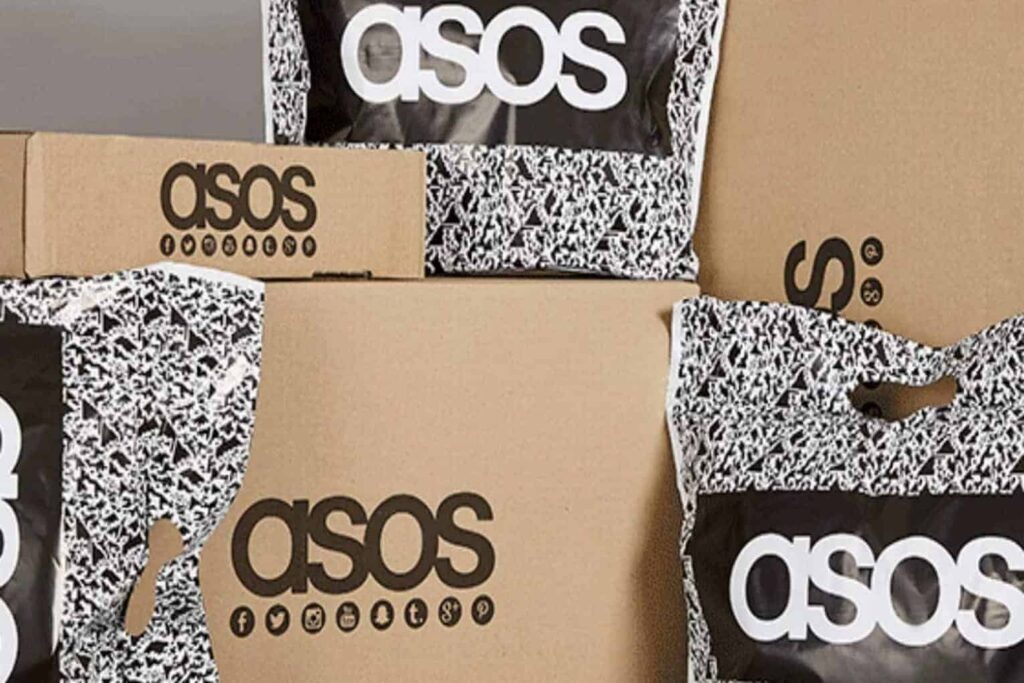
Asos Launched a Returns Transparency Tool for Customers in the United Kingdom

Asos announced that it had launched a new returns transparency tool in the United Kingdom that provides customers with clearer information on how their return behavior affects potential fees. The feature, planned to go live on 6 January, became the latest step taken in response to criticism of the return fees the company introduced last year.

The online-only fashion retailer stated that the new tool aimed to provide customers with greater visibility and predictability. Asos positioned this update as part of a broader effort to strike a balance between the customer experience and the rising costs associated with high return volumes.

How Return Fees Are Applied Will Be Clarified

Asos had introduced a return fee in 2024 for customers classified as having a high return rate. Under this policy, customers who kept less than 40 British pounds’ worth of items from their original order were charged a return fee of 3.95 pounds. However, at the time, the lack of a public explanation regarding how individual return rates were calculated led to confusion and dissatisfaction among users.

With the new transparency tool, Asos provided a clearer framework on how these thresholds operated. Customers using the Asos app were now able to see their individual return rates directly in their accounts. While customers with a return rate below 70 percent continued to benefit from free returns, fees applied once this level was exceeded.

According to the updated structure, customers with return rates above 70 percent were charged a return fee of 3.95 pounds. When the return rate exceeded 80 percent, an additional restocking fee of 3.95 pounds was also applied. Asos stated that these thresholds aimed to encourage more conscious shopping and to preserve free returns for the vast majority of customers.

Asos Offered In-App Guidance for Returns

The new feature was not limited to displaying return rates; it also offered in-app guidance to help customers avoid charges. Asos stated that the system included safer shopping recommendations, such as carefully reviewing size charts, product descriptions, and user reviews.

The app also displayed alerts when customers’ return rates approached chargeable thresholds. In this way, it aimed to prevent users from encountering unexpected fees after completing a return. Asos emphasized that this tool allowed customers to monitor and manage their return behavior in real time.

The company considered this step a response to customer feedback and acknowledged that transparency was critical to maintaining trust in policies aimed at controlling costs. Industry experts pointed out that return costs had become a significant pressure factor, particularly for online fashion retailers.

“Asos Is Committed to Preserving Free Returns Wherever Possible”

Asos stated that the transparency initiative was aligned with broader sustainability and cost management objectives. High return rates, particularly in the fashion sector, led to issues such as increased transportation emissions, labor costs, and waste volumes. The fact that returned items could not always be resold at full price further intensified this pressure.

Ben Blake, Executive Vice President for Customer and Commercial at Asos, emphasized the company’s commitment to preserving free returns wherever possible. Blake said, “We are committed to continuing to offer free returns to all customers in all core markets; however, we want to do so in a sustainable way. By showing customers their return rates, we provide them with greater visibility and control, while also offering tips to help them shop with confidence.”

Blake also added that the aim was not to penalize customers, but to encourage more informed purchasing decisions and reduce unnecessary returns. According to Asos, the majority of customers continued to benefit from free returns under the current system.

Part of a Broader Industry Trend

This move by Asos paralleled the reassessment of long-standing free returns policies in the e-commerce and fashion sectors. Rising fulfillment costs, high return volumes, and sustainability concerns had led many retailers to introduce fees or stricter conditions, particularly for frequent returners.

Rather than further tightening the rules, Asos tested a middle-ground approach by offering a transparency tool. The company aimed to maintain customer loyalty while responding to increasing cost pressures.

It had not yet become clear whether the new feature would reduce complaints or significantly change customer behavior. However, the move highlighted the growing importance of clear and transparent communication as retailers reshaped long-established e-commerce practices in a more cost-focused environment.

England Removes E Commerce Customs Exemption; Local Retailers Call for an Earlier Implementation Date

Alibaba Made a Visual AI Move Against Meituan

This move by Alibaba drew attention as part of the company’s effort to regain ground it had lost against Meituan, which in recent years had risen to a leading position in food delivery, reviews, and restaurant reservations. The initiative was assessed as part of a broader strategy in which Chinese technology companies were making greater use of artificial intelligence to strengthen their existing businesses and create new growth areas amid a slowing domestic demand environment.

Amap Offered Artificial Intelligence–Powered Visual Tools for Restaurants

Alibaba’s maps and local services unit Amap, according to sources close to the matter, prepared to roll out a feature that would allow restaurants to create three-dimensional visuals of their interiors simply by uploading video or photographs. This service was aimed at reducing marketing and promotion costs, especially for small and medium-sized businesses.

It was stated that the technology was built on Alibaba’s own visual artificial intelligence infrastructure and that it was planned to be offered free of charge to selected businesses for a certain period. Sources said that the trial period was intended to encourage businesses and demonstrate the system’s benefits before a broader rollout.

This feature, which enabled restaurants to present their venues more compellingly on local search and discovery platforms, aimed to increase user engagement and strengthen businesses’ visibility.

Competition With Meituan in Local Services Intensified

This step clearly set out Alibaba’s goal of competing with Meituan, the market leader in food delivery and local services in China. Meituan had secured a strong position in the sector by bringing together delivery, user reviews, and reservations within a single ecosystem. Alibaba, after scaling back its aggressive spending in past years, had lost market share in food delivery and related areas. By contrast, Meituan had reinforced its leadership by investing heavily in logistics infrastructure, tools for businesses, and consumer incentives.

The artificial intelligence–based visual features offered through Amap were assessed as a reflection of Alibaba’s search for differentiation not only through price and delivery speed, but also by improving the discovery and evaluation experience.

Alibaba Shaped the Process With High Investments and Regulatory Pressures

In 2025, Alibaba allocated tens of billions of yuan in incentives and subsidies to its most popular online services in order to compete with Meituan and JD.com. This move created a three-way competitive environment among China’s largest consumer internet platforms, putting pressure on profit margins.
Subsidies and price competition also drew the attention of Chinese regulatory authorities. Officials warned companies about excessive competition that could disrupt the market and harm businesses, calling for a focus on sustainable growth instead of long-term strategies based on cash burn. In this environment, Alibaba placed greater emphasis on technology-based differentiation rather than financial incentives, positioning artificial intelligence as a tool that delivered efficiency and business benefits.

Use of Artificial Intelligence Reflected the Broader Industry Trend

Alibaba’s visual artificial intelligence move paralleled the tendency of Chinese technology companies to integrate artificial intelligence into existing platforms rather than offering it as standalone products. Across maps, e-commerce, logistics, and content platforms, artificial intelligence–powered features were used both to enhance user experience and to reduce operational costs.

From Alibaba’s perspective, the Amap initiative aligned with a broader strategy to integrate artificial intelligence across the entire ecosystem, including search, recommendation systems, and business solutions. The company anticipated that advanced visual tools would provide consumers with richer information when choosing restaurants, while also making it easier for businesses to attract customers.

By the end of 2025, Alibaba’s artificial intelligence–focused approach showed that competition in China’s local services market was shifting toward differentiation through technology rather than scale and subsidies. While it remained uncertain whether visual artificial intelligence tools would deliver a meaningful increase in market share against Meituan, the move demonstrated Alibaba’s determination to regain strength in one of the sector’s most competitive arenas.

Alibaba Rebrands Ele.me as Taobao Instant Commerce Amid Instant-Retail Push

Chinese Companies Increased Their Presence in Dubai Free Zones to Overcome Trade Barriers

Chinese companies expanded their operations in Dubai’s free trade zones throughout 2025 in order to overcome rising trade barriers and access new international markets. This trend reflected broader changes in how companies structured their overseas operations at a time when protectionist policies and supply chain restructuring were reshaping global trade.

According to reporting by the South China Morning Post, Dubai’s free zones became increasingly attractive to Chinese firms seeking stable and well-connected hubs that provide access to markets in the Middle East, Africa, and Europe. This trend accelerated as geopolitical and regulatory uncertainties affected traditional trade routes and production centers.

The Number of Chinese Companies in Free Zone Jafza Exceeded 500

One of the strongest indicators of this trend was the increase in the number of Chinese companies operating in the Jebel Ali Free Zone (Jafza). As of November 2025, 507 Chinese companies were operating in Jafza, which is managed by DP World. This figure nearly doubled the level recorded in 2021, demonstrating how rapidly Chinese businesses scaled their presence in Dubai.

Located at the western end of Dubai, Jafza stood out as one of the region’s largest and most established free economic zones. Its proximity to Jebel Ali Port, accelerated customs procedures, and structure allowing foreign ownership offered an attractive environment, particularly for manufacturers, logistics companies, and trading firms.

Chinese companies operating in the zone spread across many sectors, including electronics, machinery, consumer goods, automotive components, and industrial equipment. A large proportion of these companies positioned Dubai not merely as a local market, but as a regional headquarters and distribution hub from which they managed their multi-continental operations.

Dubai Emerged as a Neutral Global Hub

Executives at DP World emphasized that Dubai’s role became increasingly critical during a period when global trade growth slowed and protectionism increased. Abdulla Al Hashmi, chief operating officer for parks and zones at DP World in the Gulf Cooperation Council, stated that hubs in the Middle East offered companies “neutral, stable and well-connected bases from which they can operate across East-West corridors.”

This positioning proved particularly attractive for Chinese companies facing customs tariffs, regulatory scrutiny, and geopolitical tensions in other regions. Firms establishing operations in Dubai reduced their exposure to trade disruptions while gaining efficient access to global maritime shipping routes connecting Asia, Europe, and Africa.

Dubai’s legal and regulatory framework was also decisive in this process. Allowing 100 percent foreign ownership in free zones, simplified licensing procedures, and tax advantages lowered operational barriers for international companies. These advantages became especially important for firms seeking flexibility in sourcing, assembly, and re-export activities.

Broader Implications for Global Trade

The growing presence of Chinese companies in Dubai’s free zones was viewed as a broader reflection of supply chain diversification efforts that gained momentum since the early 2020s. As companies reassessed production and distribution models reliant on a single country, hubs such as Dubai stood out as neutral platforms supporting multi-market strategies.

Analysts noted that this trend aligned with China’s goal of strengthening trade ties with the Middle East and the Global South, while also reflecting efforts to adapt to a more fragmented global trading system. From Dubai’s perspective, the rising interest from Chinese companies further reinforced the city’s position as a critical logistics and trade gateway between East and West.

By the end of 2025, Dubai’s free zones assumed a central role in shaping the international operations of many Chinese companies, demonstrating that this development represented not a temporary economic response but a lasting shift in global trade dynamics.

Dubai CommerCity to Establish New E-Commerce Fulfilment Center in 2026 Amid Rising Demand

E-commerce Trends That Will Reshape Online Retail in 2026

According to analyses published by Digital Commerce 360, online retailers faced fluctuating customs tariffs, uneven consumer spending, and the increasing impact of AI-driven technologies in 2025. These changes laid the groundwork for 10 core trends expected to define e-commerce growth and competition in 2026.

Consumer Behavior And Conversion Strategies Changed

As customer acquisition costs continued to rise in 2025, retailers refocused on increasing conversion rates. Instead of growing solely through paid channels, brands made more efficient use of existing traffic a priority. Conversion rate optimization, personalization, and improvements to checkout processes became fundamental priorities for retailers seeking to protect profit margins in a more cost-sensitive environment.

Shopping behavior during the holiday season also reflected changes in consumer habits. Consumers spread their purchases over a longer period, brand loyalty declined, and sensitivity to prices and delivery times increased. These trends forced retailers to rethink their campaign calendars and inventory planning as they entered 2026.

As social commerce continued to mature, platforms integrated purchasing processes more deeply into content feeds. Retailers refined their approach to social channels, focusing on measurable performance rather than experimental brand visibility. As a result, social platforms became direct revenue-generating channels rather than upper-funnel marketing tools.

AI Transformed Discovery And Operations

Artificial intelligence emerged as one of the most influential forces in e-commerce throughout 2025. Retailers expanded their use of generative AI and large language models to support product discovery, customer research, and on-site search processes. AI-powered recommendation engines and conversational interfaces enabled consumers to navigate increasingly large product catalogs more efficiently.

Artificial intelligence was also used in operational workflows such as demand forecasting, price optimization, and customer service. These applications demonstrated that AI delivered tangible value beyond the experimental phase. By the end of 2025, many retailers moved from pilot projects to full-scale AI implementations.

Another notable development was the rise of the “agentic commerce” approach, in which AI systems acted autonomously on behalf of consumers. These systems conducted product research, compared prices, and completed purchases with minimal human intervention. Although still at an early stage, agentic commerce pointed to a structural change in how consumers interacted with online stores.

Platforms Adapted To A More Complex Retail Environment

Ecommerce platforms updated their product roadmaps in response to retailers’ demands for flexibility and efficiency. Large platforms such as Shopify expanded tools offering omnichannel sales, international trade compliance, and AI-powered insights. These steps reflected the growing complexity of managing digital storefronts across different regions and channels.

Customs uncertainties in 2025 increased the importance of supply chain visibility and localized delivery strategies. Retailers invested more heavily in tools that provided cross-border compliance and cost transparency, aiming to reduce exposure to sudden policy changes while maintaining competitive pricing.

Marketplaces and direct-to-consumer brands also reassessed their growth strategies. Instead of rapid expansion, profitability, operational discipline, and customer lifetime value came to the forefront. This approach represented a clear departure from the “growth at any cost” model that had dominated the previous decade.

The Foundation Of E-commerce Growth For 2026

By the end of 2025, e-commerce leaders gained a clearer picture of which technologies and strategies produced measurable results. AI-powered discovery, advanced conversion optimization, and more disciplined channel strategies stood out as the core building blocks of growth in 2026.

The trends identified by Digital Commerce 360 showed that the transition from experimental approaches to execution in ecommerce accelerated. As platforms matured and consumer expectations continued to rise, online retailers entered 2026 with a stronger focus on efficiency, personalization, and sustainable growth.

10 E-commerce Trends In 2026

The 10 e-commerce trends identified by Digital Commerce 360:

  1. Agentic commerce capabilities continuing to advance
  2. Retailers choosing AI tools that shoppers want to use
  3. E-commerce sites preparing for Google Zero
  4. Young shoppers opening up to virtual shopping assistants
  5. Stabilizing e-commerce conversion rates
  6. Ripple effects from Prime Day ecommerce trends
  7. Addressing the value consumers place on free shipping
  8. Cyber 5 trends echoing into the new year
  9. More AI tools for marketplace sellers and buyers
  10. AI tools getting better at conversion

2026 Will Be a Turning Point for Consumer Internet and E-Commerce

The World Customs Organization Approved Dubai Customs’ Cross-Border E-Commerce Platform as a “Global Model”

The World Customs Organization published a trilingual report praising Dubai Customs’ cross-border e-commerce platform and recognizing it as a global reference point for digital customs transformation. This approval highlighted how advanced technology, coordinated policies, and strong public-private partnerships enabled Dubai to modernize its border procedures and support the rapid growth of digital trade.

The World Customs Organization published a special report in French, English, and Spanish examining the development and performance of Dubai Customs’ cross-border e-commerce platform. In the report, the initiative was described as a successful example of how customs administrations can facilitate legitimate trade while maintaining effective border control in a high-volume e-commerce environment.

According to the WCO assessment, Dubai Customs demonstrated that digital innovation in customs services is achievable through clear regulatory frameworks, close cooperation with logistics and transportation companies, and the adoption of advanced technologies. The organization positioned the platform as a reference model for customs authorities aiming to adapt to the rapid expansion of cross-border online trade.

This recognition came at a time when international interest in the United Arab Emirates’ e-commerce and logistics ecosystem was increasing. The ecosystem had attracted significant investments and generated notable employment across transportation, warehousing, fulfillment, and last-mile delivery services.

Dubai Customs and Digital Trade Transformation

Dubai Customs stated that the WCO’s approval reflected the depth of the ongoing transformation in trade and customs operations in the emirate. Juma Al Ghaith, Advisor to the Director General of Dubai Customs and Executive Director of Customs Development, stated that this recognition was aligned with the vision of positioning Dubai as a future-ready city and a global center of the new digital economy.

Al Ghaith said that Dubai Customs follows a comprehensive strategy that places innovation at the center of public priorities. According to him, the cross-border e-commerce platform, which includes blockchain-based processes, has become an international reference point for managing e-commerce flows efficiently and transparently. He also added that the WCO’s praise confirmed that Dubai is ready to assume a leading role in shaping the future of global e-commerce.

Capabilities of the Dubai Customs Platform and Trade Facilitation

Atiq Al Muhairi, Executive Director of Customs Development at Dubai Customs, said that the e-commerce platform represents a qualitative leap in facilitating cross-border trade. He explained that the system strengthens coordination between public authorities and transportation companies, enables faster compliance with customs requirements, and allows logistics operations to be aligned more smoothly with e-commerce traffic.

Al Muhairi stated that the platform relies on big data analytics and artificial intelligence tools to continuously support digital trade. According to the WCO report referenced by Dubai Customs, the platform demonstrated how technology can be applied at scale to accelerate legitimate trade and encourage investment without compromising regulatory oversight.

Dubai Customs also shared plans to expand global partnerships with leading international e-commerce platforms. Officials said that the roadmap aims for the system not to remain solely a facilitation tool, but to become an integral component of Dubai’s future economic structure.

Approximately 14 Billion Dollar Expectation in the UAE E-Commerce Market

Data shared together with the WCO recognition pointed to strong growth in the UAE’s e-commerce market. The total market value reached 32.3 billion AED, or approximately 8.8 billion dollars, in 2024; it was projected to exceed 50.6 billion AED, or approximately 14 billion dollars, by 2029.

Dubai Customs said that it aims to route between 20 percent and 30 percent of low-value postal shipments carrying e-commerce products through the platform. It was stated that through cooperation with multinational express cargo companies and small and medium-sized enterprises, it is aimed for all parties to benefit from advanced trade facilitation tools.

The scope of the platform extended beyond the UAE to support e-commerce trade routes across the Gulf Cooperation Council. Officials stated that this regional reach reinforced Dubai’s role as a logistics and digital trade hub.

Noon Completed Its First Drone Delivery Pilot

The drone delivery operation was conducted with the support of the Smart and Autonomous Systems Council and under the supervision of the Integrated Transport Centre (Abu Dhabi Mobility). The autonomous delivery was carried out in Liwa, which is known for its sparse population and challenging geography. In the pilot study, it was aimed to deliver products directly to customers by using drones. The feasibility of aerial delivery was tested in environments where road access is limited or inefficient.

Drone Delivery Systems Are Operationally Ready

According to the companies involved in the drone delivery project, the successful completion of the trial confirmed that drone-based delivery systems are operationally ready in remote areas. The pilot application also showed that autonomous solutions can provide efficiency and reliability without relying on existing transport networks. This situation was considered a critical factor in terms of expanding logistics services beyond major city centers.

The initiative brought together Lodd Autonomous, which operates in the field of autonomous delivery technologies, and Noon, one of the leading e-commerce platforms in the Middle East. The cooperation focused on integrating drone technology into real commercial delivery scenarios, going beyond closed-area tests.

Regulatory Oversight and Ecosystem Support

The drone delivery pilot study was carried out within a regulatory framework under the supervision of Abu Dhabi Mobility in order to ensure compliance with safety, airspace, and operational standards. The support of the Smart and Autonomous Systems Council reflected Abu Dhabi’s broader strategy of promoting advanced mobility solutions while maintaining public safety and regulatory clarity.

Abu Dhabi has positioned itself in recent years as a test hub for smart mobility and autonomous technologies, including drones, autonomous vehicles, and smart transport systems. Through controlled pilot projects, authorities aimed to encourage innovation while also ensuring strict oversight and risk management.

In this context, the drone delivery trial in Liwa was considered not only a technological demonstration but also a field application aligned with policy. The study provided regulators and industry stakeholders with concrete data on the performance of autonomous delivery systems under real operational conditions, including navigation, safety protocols, and integration with existing logistics platforms.

Noon Prepares to Launch 15 Minute Drone Deliveries Across the UAE

A Sharp Increase in E-Commerce Revenues in Azerbaijan Is Expected by 2027

According to new forecasts published by the Asian Development Bank, Azerbaijan’s e-commerce market is expected to grow rapidly in the coming years, with revenues projected to nearly double by 2027. The projections place Azerbaijan among the leading e-commerce markets in the Central Asia region.

The Asian Development Bank projected that Azerbaijan’s e-commerce revenues would rise from $1.762 billion in 2022 to approximately $3.5 billion in 2027. The estimates reported by Report with reference to ADB data pointed to sustained momentum supported by the expansion of internet usage, the adoption of digital payment systems, and broader access to online retail platforms.

E-Commerce Revenues in China Are Forecast at $2.3 Trillion

According to the bank’s analysis, this level of growth would place Azerbaijan fourth among the countries participating in the Central Asia Regional Economic Cooperation Program (CAREC). During the same period, only Kazakhstan, Pakistan, and China are expected to generate higher e-commerce revenues.

ADB data showed that Kazakhstan’s e-commerce revenues were forecast to reach approximately $6 billion, while Pakistan’s market was expected to reach $8.1 billion. China, with an estimated revenue of around $2.3 trillion, continues to remain by far the largest market, reflecting its global dominance in digital commerce.

An Increase in the Number of E-Commerce Users in Azerbaijan Is Expected

In addition to revenue projections, the Asian Development Bank also shared its expectations regarding user growth in Azerbaijan’s e-commerce sector. The number of e-commerce users in the country is expected to reach 3.9 million by 2025. According to the projections, this figure will remain at the same level in 2026 and then increase slightly to 4 million in 2027.

These projections indicated that the pace of new user acquisition may slow in the medium term, but that increases in spending per user and the expansion of online product and service diversity would continue to support overall market growth. This trend was assessed as being consistent with regional patterns observed in maturing digital markets, where rapid user growth gives way to deeper engagement and higher transaction values.

Azerbaijan Will Rank Fourth in CAREC by E-Commerce Revenues

ADB’s forecasts also revealed Azerbaijan’s increasing role within the CAREC region. Within the CAREC framework, which aims to promote economic cooperation and development across the region, Azerbaijan’s projected fourth-place ranking in e-commerce revenues is expected to strengthen the country’s position as an emerging digital trade hub in the South Caucasus.

The bank’s analysis drew attention to the uneven but accelerating development of e-commerce across CAREC countries. While large markets such as China continue to dominate overall volumes, mid-sized economies such as Azerbaijan and Kazakhstan are expected to record the fastest relative growth rates due to improvements in infrastructure, logistics, and digital payment ecosystems.

The E-Commerce Sector in Azerbaijan Will Reach 4 Million Users

ADB projections emphasized the growing importance of e-commerce within Azerbaijan’s broader digital economy. Growth in online retail is expected to support small and medium-sized enterprises, expand consumer choice, and contribute to the diversification of the economy beyond traditional sectors.

While the forecasts focused on revenue and user metrics, the bank’s broader assessments of regional digital development pointed to the importance of supportive regulations, cross-border connectivity, and investments in logistics and payment systems. These factors were noted as being critical to sustaining growth and ensuring that rising e-commerce activity translates into broader economic benefits.

Overall, the Asian Development Bank’s outlook indicated that Azerbaijan’s e-commerce sector would reach approximately $3.5 billion in revenue and 4 million users by 2027, reinforcing its position among the leading digital markets in the CAREC region.

E-Commerce in 2025: Real Growth, Inevitable Friction, and Changed Rules

E-Commerce in 2025: An Editor’s Perspective
By Burak Yalım, Editor-in-Chief

If 2024 was about the pursuit of scale, 2025 was about the survival of the system.

From the outside, global e-commerce remains a powerhouse. By the end of 2025, a staggering three billion people, nearly 40% of the worldwide population, will have purchased something online. Yet, anyone operating inside the ecosystem knows that this year exposed fault lines more clearly than any before. Growth did not disappear; it became selective, expensive, and deeply dependent on structural integrity rather than on just marketing spend.

The Numbers Tell a Story of Maturation

The headline figures confirm a massive, entrenched market:

  1. Total Market Volume: Worldwide e-commerce sales have reached a monumental $6.42 trillion in 2025.
  2. The Social Shift: Social commerce has officially moved from a trend to a pillar, hitting the $1.17 trillion mark this year.
  3. Mobile Dominance: The “desktop era” is firmly in the rearview mirror, with mobile commerce now accounting for 59% of all online retail sales.

But behind these trillions, the real story lies in the tightening of E-commerce Profit & Loss. While volume is up, margins have faced a stress test from rising acquisition costs and logistical complexity.

  1. The CAC Crisis: Average Customer Acquisition Cost (CAC) for B2C brands spiked to USD 78-84, a nearly 50% increase since 2022.
  2. Retail Media Dominance: With organic reach in terminal decline, Retail Media spend surged 22% to USD 179.5 billion globally. Advertising is no longer a tool for growth; it has become a rent required to stay on the digital shelf.

Rules That Changed the Game

In 2025, the regulatory environment moved from passive observation to active intervention. Two major shifts redefined cross-border trade:

  1. The End of the “De Minimis” Era: Intense scrutiny in the US and the EU’s removal of traditional customs duty exemptions began to level the playing field. The tax-free advantage of ultra-fast-fashion and ultra-low-cost marketplaces started to erode.
  2. ViDA and Single VAT Registration: The EU’s VAT in the Digital Age (ViDA) reforms simplified the movement of own goods but significantly increased transparency requirements for platforms.

Türkiye’s E-Commerce in 2025

For Türkiye, 2025 was the year e-commerce transitioned from “rapid expansion” to “strategic institutionalization.”

  • Market Volume: The Turkish e-commerce volume approached the $100 billion threshold by the end of 2025, with its share in total retail reaching 22%.

  • E-Export Milestone: Following the government’s strategic push, e-exports are expected to reach $8 billion. Currently, 3 out of every 10 e-commerce businesses in Türkiye have active cross-border operations.

  • Regulatory Maturity: The full implementation of Law No. 6563 forced marketplaces to pivot from aggressive, discount-led growth toward efficiency-driven models. In 2026, the primary focus will be on logistics and customs integrations to push the e-export share toward 10% of total exports.

 The UAE’s E-Commerce in 2025

The United Arab Emirates solidified its position in 2025 as not just a regional leader, but a global laboratory for digital trade.

  • Market Maturity: The UAE e-commerce market reached $11.05 billion, maintaining its status as the most mature digital market in the Middle East.

  • The Mobile Paradox: An incredible 79% of transactions in the UAE were conducted via smartphones, making it one of the most mobile-dependent shopping geographies in the world.

  • The D33 Impact: Under the D33 Economic Agenda, the integration of the UAE Pass into e-commerce platforms and the expansion of free zones like Dubai CommerCity minimized operational friction. For 2026, we expect Social Commerce (led by TikTok Shop and Instagram Live) to exceed a 15% market share in the UAE.

AI: The Great Divider

Artificial intelligence entered e-commerce operations at scale this year, but the results were binary. Companies with clean data saw a 10–15% revenue lift through agentic AI handling real-time pricing and hyper-personalised discovery. Conversely, those who tried to automate inefficient processes only accelerated their losses.

One of the quietest lessons of 2025 was this: Technology accelerates direction, it does not choose it.” AI didn’t save failing business models; it simply made them fail faster, while making the efficient even more dominant.

Where We Fell Short

The industry underwent a critique of its superficial nature.

  1. Sustainability: While consumers demand green shipping, many brands struggled to move beyond carbon-offset credits into actual supply chain transparency.
  2. Diversity & Inclusion: 2025 revealed that it is not just a moral metric but also a commercial one. Brands that lacked diverse leadership often missed the mark in emerging markets like India and Indonesia, where localized consumer nuances (such as the 46% preference for digital wallets in India) were misunderstood by centralized, non-diverse teams.

Looking Ahead to 2026: Infrastructure Over Hype

If 2025 taught us anything, it is that e-commerce is no longer a commercial channel. It is infrastructure.

Success in 2026 will not be defined by who grows the fastest, but by who builds most responsibly across four pillars: Regulation, Data, Logistics, and Human Capital. The ecosystem does not need another year of hype. It needs clarity, coordination, and credibility.

The Bottom Line: On January 1st, your priority shouldn’t be your next ad campaign. It should be your data integrity and your regulatory compliance. In this new era, the “boring” parts of our business are now our most critical competitive advantages.

E-Commerce in 2025 – E-Commerce in 2025 – E-Commerce in 2025 E-Commerce in 2025

Ethiopost Launched Virtual P.O. Box and Post Gebeya to Expand Digital Logistics and E-Commerce

Ethiopia’s national postal service, Ethiopost, implemented two major digital services aimed at modernizing mail delivery and supporting small businesses. Ethiopost put into use its digital system called “Virtual P.O. Box” and a new e-commerce platform called “Post Gebeya.”

Ethiopost announced that it launched the Virtual P.O. Box service following a development process spanning several years that began in 2016. Speaking at the launch, Ethiopost CEO Dagmawi Hailiye said that the new service was designed to simplify mail reception for individuals and businesses and to eliminate the need for physical post boxes.

Under the new system, customers’ mobile phone numbers are used as their unique postal addresses. This practice replaced the requirement to rent and manage a numbered physical box from a post office. According to Hailiye, customers no longer need to visit branches for post box procedures; a name and phone number are sufficient for delivery.

Virtual P.O. Box Will Apply Tiered Pricing

Virtual P.O. Box was offered with a tiered pricing structure. Ethiopost set the Basic service at ETB 750, the Standard package at ETB 2,000, and the Premium plan at ETB 3,500. The different packages aimed to offer options according to the delivery volumes and service expectations of individual users and businesses.

Ethiopost stated that the system increased delivery accuracy and efficiency, especially in last-mile logistics. Hailiye noted that thanks to the precision of the digital address model, deliveries could be made without the need to call in advance, which reduced delays and operational friction.

The E-Commerce Platform Post Gebeya Aims to Support MSMEs and Exports

Along with the virtual address service, Ethiopost also introduced the Post Gebeya e-commerce platform, which aims to connect Ethiopian MSMEs to broader markets. The platform was presented as a tool to help local producers overcome logistical and market access barriers encountered in online commerce.

Post Gebeya was designed to leverage Ethiopost’s international postal and logistics network, thereby enabling participating sellers to sell both domestically and internationally. Hailiye stated that the platform would provide Ethiopian businesses with a reliable channel for cross-border sales.

In the initial phase of the platform, 100 sellers were planned to be onboarded. Ethiopost stated that this first phase was a controlled launch aimed at establishing service quality and logistical reliability before opening to a broader seller pool.

The company emphasized that the platform was not limited to product listing and sales, but was structured to combine logistics, delivery, and postal services under a single ecosystem. This approach aimed to simplify the process for MSMEs that want to enter e-commerce without establishing their own distribution infrastructure.

Ethiopost Will Integrate With Telebirr Through Cooperation With Ethio Telecom

The launch of both services was supported by a strategic collaboration with the state-backed telecommunications company Ethio Telecom. This partnership combines Ethiopost’s logistics expertise with Ethio Telecom’s digital infrastructure. As part of this cooperation, it was planned that the new services would be integrated into the Telebirr Super App operated by Ethio Telecom. Hailiye said that through this integration, users would be able to access postal and e-commerce services directly via their smartphones.

Ethiopost stated that it expected user adoption and visibility among consumers and businesses to increase significantly with the integration of Post Gebeya and Virtual P.O. Box services into Telebirr. The company emphasized that this step was aligned with national goals aimed at the digitalization of public services and the expansion of commercial inclusivity.

B2B E-Commerce Platform “E-Tamirt” Launched in Ethiopia