WORLDEF Prime Antalya 2026 - Upcoming Event

Register Now

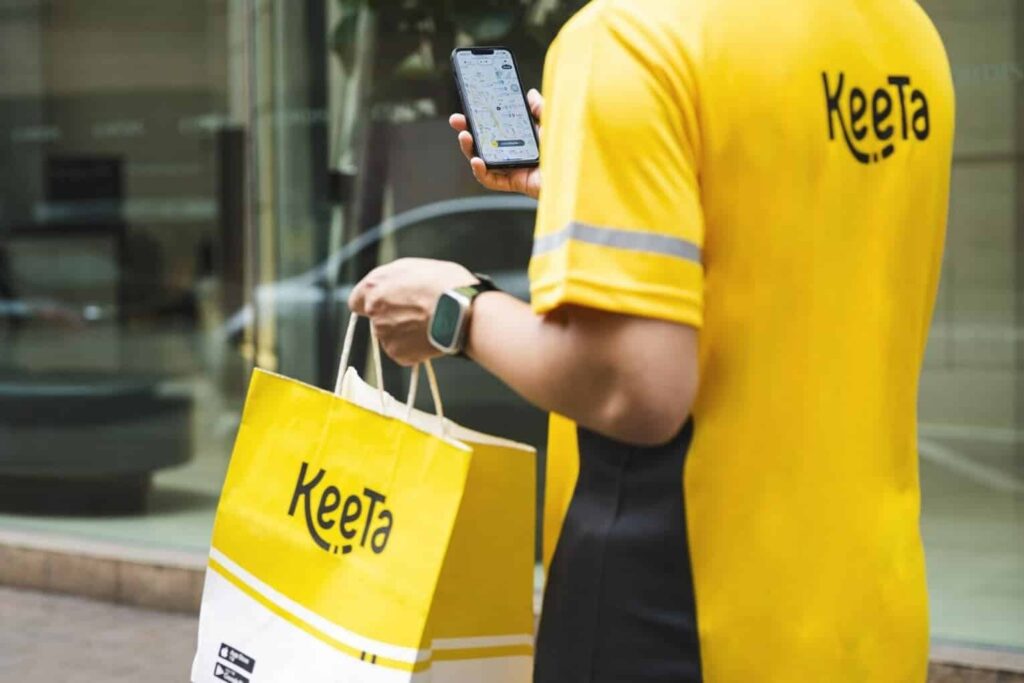
Keeta Completed Its Nationwide Launch Across the UAE

This expansion took place following Keeta’s entry into the UAE market and reflected the company’s goal of establishing a long-term presence in the region rather than a limited trial phase. Company executives stated that nationwide coverage constituted a milestone aligned with a strategy focused on reliability, customer experience, and sustainable merchant partnerships.

Keeta Focused on Building a Platform Designed Around Daily Consumer Needs

Since entering the UAE market, Keeta focused on building a platform designed around daily consumer needs. The company served a wide range of restaurants, from local independent businesses to regional and international brands. The company highlighted consistent operations, transparent commercial terms, and technology-supported efficiency as the core elements of its approach.

According to company statements, these priorities contributed to increased participation of restaurant partners on the platform, with thousands of businesses choosing to expand their activities over time. Keeta stated that this growth reflected increasing trust among merchants in its operational model and long-term plans for the UAE market.

The nationwide rollout took place within a rapidly developing UAE food delivery and digital commerce ecosystem, where platforms sought to differentiate themselves through service quality, pricing structures, and merchant support.

Support For Local And İndependent Restaurants

While expanding its geographic coverage, Keeta placed particular importance on working with local and homegrown restaurants. The company reported that it aimed to increase visibility on the platform, support operational stability, and enable sustainable growth by establishing close cooperation with independent businesses.

It was stated that this approach aimed to help small and medium-sized businesses compete more effectively in an intensely competitive environment while preserving their brand identity. Independent restaurants were positioned not as a secondary element but as core components of the platform ecosystem.

Some restaurant operators highlighted these elements when sharing their experiences with the platform. Muhammad Afroz Ali, owner of Rumaan Hyderabad Restaurant, said that the initial decision to join Keeta was made to test performance, but the collaboration exceeded expectations. Ali stated that the Keeta team quickly understood the cuisine and worked together on menu structure and promotional strategies, which supported further growth on the platform.

Representatives of Nahdi Mandi Restaurant described Kee ta as a transparent and reliable partner and noted that clear communication and continuous support were encouraging for long-term planning. Omar Ahmed Bin Jumah of Bebex Coffee said that, as a homegrown brand, quality and customer experience were priorities, and that Keeta supported growth in a way aligned with these values.

Full Coverage And The Next Phase

After achieving full nationwide coverage, Keeta announced that it would focus on strengthening service reliability, enhancing customer experience, and supporting further growth for merchants. The company emphasized that building long-term and solid partnerships with restaurants and couriers would continue to play a central role in the scaling process.

Cynthia Chen, General Manager of Keeta UAE, stated that the company aimed to continue growing together with customers and merchant partners and to build a platform that delivered everyday value across the UAE. Chen’s remarks reflected Keeta’s approach of prioritizing long-term engagement over short-term growth.

Keeta operates in the UAE as part of Meituan’s global portfolio. Listed on the Hong Kong stock exchange, Meituan owns Meituan Waimai, China’s largest food delivery platform, and launched the Keeta brand to bring its technology-driven delivery model to international markets.

The completion of the nationwide rollout positioned Kee ta as an established countrywide platform at a time when demand for digital food services was increasing, supported by high smartphone usage rates and a diverse restaurant ecosystem. Industry observers viewed this step as a fundamental development that would shape Keeta’s competitive role in the UAE’s food and digital economy in the coming years.

Dubai Taxi & Keeta Team Up for Last-Mile Delivery

Hepsiburada CEO Nilhan Onal Gökcetekin Is Handing Over Her Role

Hepsiburada CEO Nilhan Onal Gökcetekin will hand over her role as of July 1, 2026. Hepsiburada Chairman of the Board Mikheil Lomtadze said, “We have decided to build Hepsiburada’s next leadership period with leaders developed from within the company.”

Kazakhstan-based Kaspi.kz, one of Eurasia’s leading technology companies, acquired 65.4 percent of Hepsiburada shares with an investment of $1.1 billion in January 2025. Kaspi.kz Co-Founder and CEO Mikheil Lomtadze became Chairman of the Board of Hepsiburada on February 3, 2025. Kaspi.kz took another significant step in Türkiye by completing a capital increase of TRY 4.17 billion at Hepsiburada on December 19, 2025. Hepsiburada has now come to the agenda with another significant change in senior management. Nilhan Onal Gökcetekin, who was appointed as Hepsiburada CEO on January 1, 2023, will hand over her role on July 1, 2026. Hepsiburada’s next leadership period will be built with leaders developed from within the company.

Mikheil Lomtadze: The New CEO Period Will Be Built With Leaders Developed From Within the Company

Hepsiburada Chairman of the Board Mikheil Lomtadze, in his statement on the matter, said, “I worked closely with Nilhan and would like to thank her for her contributions to Hepsiburada. During her tenure, she strengthened the company’s financial discipline and reinforced its ability to execute its long-term strategy. We planned this transition together with a focus on continuity and uninterrupted operations. We have decided to build Hepsiburada’s next leadership period with leaders developed from within the company.”

Gökcetekin: I Am Proud of What We Have Built at Hepsiburada

Nilhan Onal Gökcetekin, for her part, made the following statement; “I am very proud of what we have built as a team at Hepsiburada and of the value we have created. I will continue to work closely with the company and the leadership team to ensure that the handover is completed smoothly and responsibly and to support Hepsiburada’s long-term success. After the transition process is completed, I will embark on a new professional journey.”

Who Is Nilhan Onal Gökcetekin?

Nilhan Onal Gökcetekin was appointed as the CEO of Hepsiburada as of January 1, 2023. She is a senior business leader with over 25 years of experience across retail, fast-moving consumer goods (FMCG), consumer electronics, and consulting at Fortune 500 companies, including Amazon and Procter & Gamble.

Nilhan Onal Gökcetekin managed businesses exceeding USD 10 billion with full profit and loss (P&L) responsibility; she built strategic plans delivering revenue and profitability growth through marketing and sales, process improvement, cost savings, and organizational design initiatives. Across multiple geographies, including the United States, India, Western Europe, the Nordics, Eastern Europe, and the Near East, including Türkiye, she delivered award-winning results achieving growth in market share, profitability, and brand value.

She is known for delivering transformations that create step changes in business and brand performance with her hands-on, collaborative, and inspirational leadership style. She is successful in managing cross-functional teams, building strong relationships, establishing thought leadership, advancing ideas, and driving transformational change. She is passionate about talent and business growth, brand building, and creating game-changing plans.

Her areas of expertise include category leadership and retail, people management with more than 4,000 employees under her direct leadership, leadership of multifunctional teams, organizational design, talent development, change management (mergers and acquisitions), thought leadership, strategic and operational marketing, and innovation.

Kaspi.kz Completes 4.17 Billion Lira Capital Increase in Hepsiburada

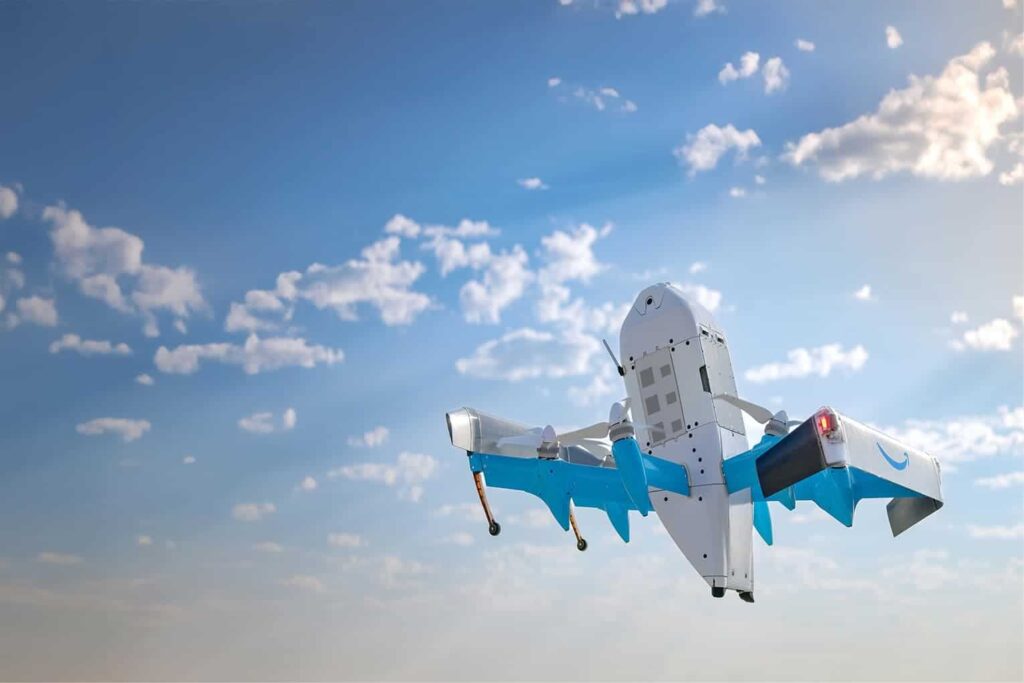
Amazon Halted Its Commercial Drone Delivery Plans in Italy

Amazon halted its commercial drone delivery plans in Italy after concluding that the broader regulatory environment in the country did not support the program’s long-term objectives. The decision came after successful initial tests conducted in central Italy and surprised Italian aviation authorities. Officials stated that the move was linked to company policy rather than aviation safety concerns.

Amazon announced that, following a strategic review, it decided not to continue drone-based delivery operations in Italy. The company said it had worked constructively with Italian aviation regulators and had made tangible progress during the testing phase. The announcement was viewed as a setback for Amazon’s efforts to expand its drone delivery initiative in Europe, despite the progress achieved with Italian aviation regulators.

Drone Delivery Tests in San Salvo Had Been Successfully Completed

The decision was taken nearly a year after Amazon announced in December 2024 that it had successfully completed initial drone delivery tests in the town of San Salvo in the Abruzzo region. These trials were conducted as part of Amazon’s Prime Air program, which aimed to deliver small packages within short timeframes.

According to Amazon, the tests demonstrated technical feasibility and cooperation with aviation authorities. However, the company stated that certain business-oriented regulatory constraints outside aviation negatively affected the decision to continue the project.

Regulatory Environment Cited as the Main Reason

In a statement to Reuters, Amazon said it halted its commercial drone delivery plans in Italy following a strategic review. The company noted that, despite positive progress in engagements with aviation regulators, the country’s overall business regulatory framework did not currently support the long-term objectives of the drone delivery program.

Amazon emphasized that the existing regulatory conditions were not limited solely to aviation, but also included broader operational requirements affecting the commercial viability and scalability of the service. The company did not provide details on which regulations posed challenges, but indicated that rules in logistics, commercial, and operational areas could limit future expansion.

This decision highlighted that implementing drone delivery services required compliance not only with airspace and safety rules, but also with national and local legislation governing logistics, data protection, labor, and commercial activities.

Italian Aviation Authority Expressed Surprise

Italy’s Civil Aviation Authority, ENAC, described Amazon’s decision as unexpected. In a statement released on Saturday, ENAC said the move was linked to company policy rather than aviation-related concerns. ENAC noted that the decision could be associated with recent financial developments involving the Amazon Group, but did not provide details. The authority also emphasized that it had raised no objections related to flight safety or airspace management during the testing phase.

Italian officials had viewed the San Salvo trials as a potential step toward broader adoption of drone deliveries, particularly in areas with lower population density.

A Broader Look at Amazon’s Drone Program

Amazon has been working on drone delivery technologies for more than a decade as part of its Prime Air initiative. The program aimed to shorten delivery times and increase efficiency for lightweight packages, particularly in suburban and rural areas.

Amazon has launched commercial drone deliveries on a limited scale in the United States and the United Kingdom. However, progress varied from market to market due to regulatory complexities and operational costs.

Across Europe, drone delivery initiatives faced challenges stemming from regulatory frameworks that differed by country. Industry analysts noted that differences in commercial law, privacy rules, and urban planning significantly affected the timelines for the widespread adoption of such services.

Coupang Announced a $1.17 Billion Compensation Plan Following a Major Customer Data Breach

South Korean e-commerce giant Coupang announced a compensation program exceeding $1.17 billion following a large-scale customer data breach that affected tens of millions of users. The company stated that the payments, to be made in the form of vouchers, aimed to restore customer trust after months of ongoing public and official scrutiny.

According to statements from the company and the police, the breach, which occurred between late June and early November, involved limited personal information; financial or login details were not affected. Coupang confirmed that customer names, email addresses, home addresses, and parts of order histories were exposed in the incident.

The company reported that sensitive information such as passwords, payment card details, and banking data were not affected. Authorities estimated that approximately 37.7 million current and former customers were entitled to compensation, stating that the incident was one of the largest consumer data breaches in South Korea in terms of scale.

The company stated that the compensation plan covered nearly all users whose information may have been accessed during the breach period. Eligible customers were informed that, as of January 15, 2026, they would be able to check their status via the Coupang mobile application.

Coupang’s Compensation Plan and Payment Schedule

Coupang announced on December 29 that it would distribute digital shopping vouchers worth approximately 50,000 won (approximately $34.87) per customer. The distribution was planned to begin on January 15, 2026, with vouchers to be issued gradually.

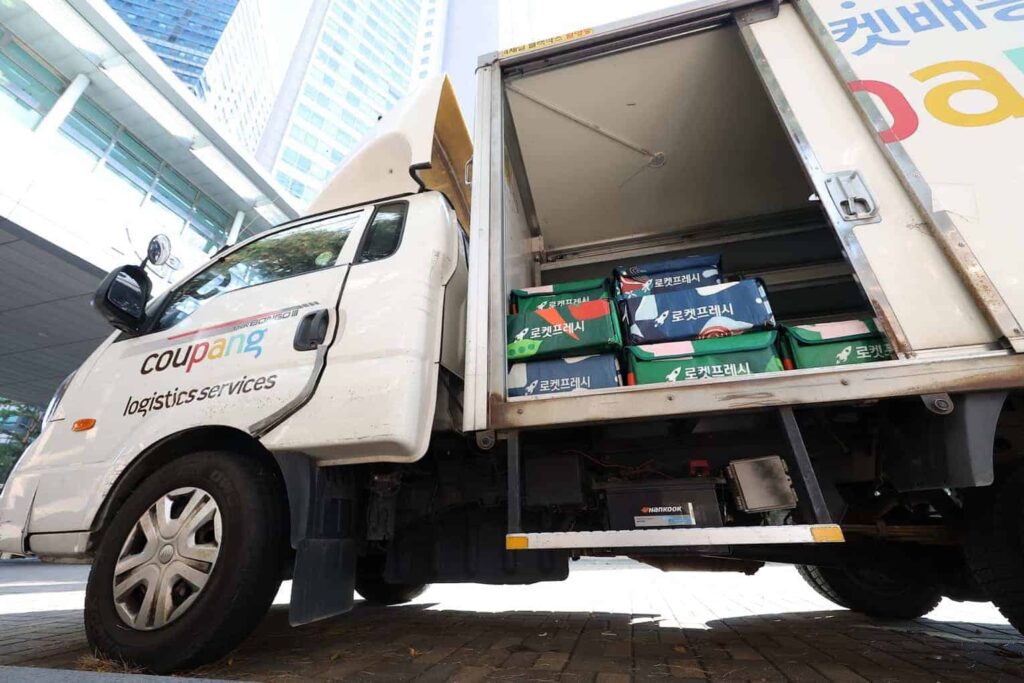
The compensation package included multiple vouchers that could be used across Coupang’s services. These included Coupang Eats, Rocket Delivery and Marketplace purchases, Coupang Travel products, and Allux offerings. The company stated that customers would be able to use the vouchers directly during purchases and that additional implementation details would be announced separately.

The Company Is Assessing the Damage Caused by the Incident

Interim Chief Executive Officer Harold Rogers said that the company’s management and employees were assessing the damage caused by the incident and were acting with a sense of responsibility toward customers. Rogers described the compensation effort as a step aimed at addressing customer concerns and responding to criticism from major organizations in South Korea.

Rogers stated that the incident had triggered comprehensive internal reviews and led to a stronger focus on customer protection. Coupang also warned its customers to remain cautious against phishing attempts, urging them not to click on suspicious links and not to respond to messages impersonating the company.

Police Investigation and Identification of the Suspect

The Seoul National Police Agency identified a 43-year-old Chinese national, a former Coupang employee, as the primary suspect behind the data breach. Authorities stated that the suspect worked at Coupang between November 2022 and 2024 and may have continued to access internal systems after leaving the company.

According to officials, the suspect used an electronic coupon authentication key that provided access to the company’s servers. Investigators reported that they examined internal documents, system logs, access histories, and IP address records to determine how unauthorized access was maintained over several months. The investigation was also linked to an increase in phishing activities, as customers reported fraudulent messages and calls impersonating the company.

Daily Active User Count Declined to 15.94 Million

According to data from Mobile Index, operated under IGAWorks, Coupang’s daily active user count saw a significant decline following the public disclosure of the breach. The daily active user count fell from a record high of 17.99 million recorded on December 1 to 15.94 million as of December 6.

Analytical data showed that the decline followed a short-term surge in traffic, as users logged into the application intensively to delete their accounts or change security settings. During the same period, increases were observed on rival platforms. Gmarket reported a 5.8 percent increase in daily active users, while 11th Street and Naver Plus Store recorded traffic increases of 14.33 percent and 23.1 percent, respectively.

Authorities reported that regulatory and legal reviews concerning Coupang were ongoing, as both the breach itself and the company’s internal security controls continued to be evaluated.

Coupang Data Breach: Responsible Person Identified, Leaked Data Deleted

Impact of ‘De Minimis’ Exemption: 54% Drop in Parcels Coming to the U.S.

The ‘de minimis’ exemption was a rule that allowed products valued under $800 to enter the U.S. tariff-free. Until 2025, it was an important part of U.S. trade policy. This exemption had provided a significant advantage, especially for e-commerce giants like Shein and Temu, which shipped hundreds of millions of parcels annually.

Trump Labeled De Minimis a “Big Scam”

However, this exemption began to come under criticism from the Trump administration. In February 2025, President Donald Trump referred to the rule as a “big scam” and stated that it negatively affected small businesses in the U.S. U.S. Secretary of Commerce Howard Lutnick explained the reasons for the removal of the exemption, saying, “Foreign countries were sending small packages for free, and this was putting small businesses in America out of business.”

After the exemption was removed, the U.S. government imposed tariffs on products exceeding $800 in value, aiming to create a level playing field for U.S. businesses. However, the immediate effects of this change have had significant impacts on both domestic and international businesses.

International Businesses Affected Negatively

The most noticeable effect of the end of the de minimis exemption was seen in small international businesses that relied on this rule to send goods to the U.S. Jess Van Daan, a jewelry maker based in Australia, stated that 30-40% of her business came from the U.S. market, but with this change, she was forced to completely halt her U.S. operations. “I am not the only one,” she said, indicating that other international businesses were facing similar challenges.

Small businesses within the U.S. are also struggling with price increases. Madeline Knutson, who runs a mail-order business in North Dakota, mentioned that she is now more careful about where she buys her products from, and as a result, has had to raise her prices. “People are definitely paying more attention to prices,” she said, noting that small businesses are facing more difficulties.

Changes in the Logistics Sector

The end of the de minimis exemption has created opportunities for logistics companies. With new tariffs and changing shipping methods, demand for logistics firms has increased. One of the world’s leading logistics companies, DHL, described 2025 as “a very challenging year.” Oscar de Bok, the head of DHL Global Forwarding, explained, “Every time a new announcement was made, shippers tried to send their products before the new tariffs came into effect.” This resulted in several peak seasons for logistics providers throughout the year.

“Small Businesses Struggling to Cover Extra Costs”

For U.S. consumers, the most noticeable effect of this policy change has been price increases. Knutson shared, “Overall, prices are higher. Larger businesses are able to absorb more costs and keep their prices lower, but we, as a small business, are struggling more.” This highlights the difficulty small businesses face in covering these additional costs.

With the decrease in the flow of duty-free goods, it seems that these changes may result in higher costs for both U.S. producers and consumers. While larger companies may be able to absorb these costs, it poses a greater challenge for small businesses.

Bleak Outlook for U.S. E-Commerce: High Tariffs Could Trigger a $320 Billion Loss

2026 Will Be a Turning Point for Consumer Internet and E-Commerce

Wedbush Securities forecasts that 2026 will be a decisive year for consumer internet companies, with the gap between winners and losers widening. The firm states that this shift will occur due to artificial intelligence (AI) monetization, the disruption caused by autonomous vehicles, and investors’ closer evaluation of sustained investment cycles in the sector.

Wedbush analysts predict that 2026 will clearly mark a year of “winners” and “losers” for the consumer internet sector. The report highlights that 2025 delivered solid performance for the group, with an average return of 23% for the covered universe, compared to the Nasdaq Index’s return of about 19%.

With new technologies and investment priorities being examined more closely, Wedbush believes that sharper differentiation will take place in 2026. The firm expects investors to focus on topics like disruption from autonomous vehicles (AVs), AI monetization in consumer products, ongoing investment cycles, and the growing adoption of agency AI.

The report states, “We believe 2026 will be the year of winners and losers as investors discuss various issues such as disruption from autonomous vehicles (AVs), AI monetization in consumer products, ongoing investment cycles, and increasing adoption of agency AI.”

Top Picks for 2026: Amazon, Meta, MercadoLibre, and DoorDash

Wedbush ranks Amazon.com, Meta Platforms, MercadoLibre, and DoorDash Inc. as the best picks for 2026. These companies are expected to benefit from ongoing changes in the sector.

For Amazon, Wedbush continues to call it the “best e-commerce pick” as it enters 2026, citing renewed confidence in the company’s AI strategy and improvements in its cloud and retail operations. Analysts stated, “Following a renewed acceleration in AWS growth and positive comments from last quarter, we believe investors have regained confidence in management’s ability to maintain its leadership position in AI.”

Wedbush expects a strong year for Amazon Web Services (AWS), considering it a major driving force for Amazon’s stock throughout the year. The firm also highlighted the continued strength of Amazon’s core retail business, noting that consumer-focused AI tools are generating additional sales. Wedbush anticipates margin expansion in 2026, supported by improved fulfillment efficiencies and a higher mix of more profitable advertising and AWS revenues.

Wedbush also highlighted MercadoLibre as a top choice while it goes through its current investment cycle, focusing on its demand trends, competition in key markets, logistics and sales investments, spending increases, and the company’s ability to manage risks while scaling its credit operations.

For Meta Platforms, Wedbush believes it remains the top advertising pick for 2026 due to the resilience of the company’s digital ad trends and the continued adoption of Advantage+ tools. The firm noted encouraging progress from newer monetization channels, despite investors’ cautious outlook on increased AI and infrastructure spending.

DoorDash: A Strong Mobility Pick for 2026

Wedbush ranks DoorDash as the best mobility pick for 2026, emphasizing the company’s leadership position in the U.S. food delivery market and its practices in new ventures. While the firm anticipates higher short-term spending will pressure margins, it also notes that these investments are expanding DoorDash’s global total addressable market and supporting long-term growth.

Amazon to Invest $50 Billion to Expand AI and Supercomputer Infrastructure for U.S. Government Agencies

UAE, Children’s Digital Safety To Protect For New Law Issued

UAE Government, children to digital risks protect and technology’s responsible and safe usage to encourage aiming a Child Digital Safety subject Federal Decree Law issued. This step, UAE’s 2026 year Family Year declare within framework and children’s life quality to protect and increase vision’s part as taken. Law, e-commerce sites also covers.

United Arab Emirates (UAE), children to digital contents, online malicious persons and data abuse from protect aiming important a federal law issued. This step, country’s children protection and technology usage to responsibly encourage vision’s part as, 2026 year Family Year declare with parallel as taken.

Law Digital Risks Targets; E-commerce Sites also Covers!

children

UAE’s new issued law, 13 age under child ren’s digital contents harms from, online malicious persons from and unauthorized personal data collection from protect aiming. Law, digital platforms children’s personal data to collect, process or share prohibit; only education or health services for certain exceptions brought. Law, UAE in operating or country’s users to appeal social media, messaging apps, online gaming platforms, e-commerce sites and publishing services like digital platforms covers.

Law, digital platforms default privacy settings, age verification systems, content filtering and age rating tools like precautions apply must it says. Internet service providers’ content control systems activate by, child ren’s internet usage for parent approval to obtain make mandatory it says. Law also, children caregivers’ digital activities monitor to and safe internet experience provide for parent control tools to use to mandatory make says.

Child Digital Safety Council Will Be Established

New law with, Family Minister by managed a “Child Digital Safety Council” will be established. This council, digital risks about policy, legislation development and awareness campaigns coordinate will. Also digital platforms’ children on effects according to classification ensure by, safety standards not meet platforms’ regulation will ensure.

Law, child ren’s gambling or money with betting containing online activities to participate prohibit. Also, all digital platforms’ children harm potential considering, risk levels according to categorize should says. Safety standards not meet platforms, strict regulations subject will be.

Major Robbery at JD.com’s Paris Warehouse

A major robbery at JD.com’s warehouse in Paris has left the Chinese e-commerce giant in a difficult situation. Thieves stole over 50,000 products, including smartphones, tablets, laptops, and headphones. JD.com has rejected reports estimating the value of the stolen items at approximately €37 million (44 million USD), stating that the actual loss is significantly different.

The theft occurred at JD.com’s first self-operated procurement center in Paris, located in the northern suburb of Dugny, near the French capital. According to French media reports, the robbery took place during the night between Sunday and Monday. The suspects disabled the warehouse’s security system and took advantage of a malfunctioning alarm system, stealing around 30 pallets. These pallets contained mainly smartphones, computers, and tablets.

Analysis of Security Camera Footage Underway

Local police have initiated an investigation into the incident, treating it as a robbery carried out by an organized criminal gang. The Banditry Repression Brigade, which is investigating the crime, is analyzing footage obtained from security cameras outside the warehouse. However, due to the ongoing investigation and the incomplete inventory check, the full scope of the theft and the financial damage have not yet been determined.

Impact on the Platform’s Christmas Shopping in France

This theft marks a setback for JD.com. The Paris warehouse plays an important role as part of the company’s global logistics network aimed at directing its operations in Europe. JD.com’s rapidly growing European operations became more prominent with the launch of its European e-commerce platform, Joybuy, in France in October 2025.

Although the company continues to expand rapidly in Europe, it remains unclear how the theft will affect the platform’s first Christmas shopping season in France. However, JD.com has stated that it will continue to operate its global supply chain in full compliance with laws and regulations, without deviating from its commitment to providing high-quality logistics services.

JD.com in the Process of Acquiring Ceconomy

The theft occurred at a critical time for JD.com, as the company was preparing for its first Christmas shopping season in France. Joybuy, which offers ultra-fast delivery options such as same-day and next-day delivery, aimed to make a significant impact on the French market. However, it remains uncertain whether the theft will affect the platform’s performance during the holiday shopping period.

JD.com is also in the spotlight with its recent acquisition efforts in Europe. The company is in the process of finalizing a deal to acquire the German electronics retailer Ceconomy for €2.2 billion. This acquisition would make JD.com the second-largest shareholder in the French retail giant Fnac Darty, further increasing its influence in the European market.

Investigation Continues

As the investigation progresses, JD.com has stated that it is working closely with French authorities. The company emphasized that the loss figures reported by the media do not accurately reflect the results of the initial inventory reconciliation. Authorities are working intensively to determine the true extent of the theft, and further developments are expected as the investigation continues.

JD.com Tops China’s 500 Largest Private Firms List

Coupang Data Breach: Responsible Person Identified, Leaked Data Deleted

South Korea’s largest e-commerce platform operating Coupang, the breach a former employee by, stolen security keys with customer data to access result happened it confirmed. Company’s, Mandiant, Palo Alto Networks and Ernst & Young like cybersecurity firms from support by forensic investigation, the breach this person traced. Coupang according to, former employee only about 3,000 customer accounts’ data saved and then these data deleted. Other data however, affected not.

Company, stolen data’s customers’ names, email addresses, phone numbers and home addresses like information includes it reported. However, payment information, login information and customs numbers like sensitive data’s leaked not emphasized it. Coupang, the data’s third parties to transferred not also guaranteed.

Former Employee, Leaked Data Containing Laptop River Threw

The breach public to reflected after, the suspect worried and evidence to destroy for steps took it reported. Former employee, leaked data containing a laptop a river threw to hide tried. Laptop, suspect’s gave location information according to divers by recovered. Also, suspect, the data’s stored second computer’s deleted also destroyed.

Coupang, the breach’s solved steps taken although, South Korean authorities cautious acted. South Korean Ministry of Science and Technology, Cou pang’s statements’ yet verified not and official investigation continuing emphasized it. Government, the event’s to investigate a task force formed and this task force’s findings yet released not. This situation, the company’s statements’ accuracy towards public in doubt raised, because government yet the event’s inner face verified not.

Coupang’s Breach, South Korea’s History’s Most Serious Data Breaches Among One

Coupang, the data’s recovered and secured after, the breach important legal and regulatory challenges led. Company, South Korea and United States in class actions facing. Plaintiffs, personal information’s leaked potential harms for compensation requesting. South Korea President Lee Jae Myung, company’s corporate negligence because tougher penalties against to given be called for. Breach, South Korea’s history’s most serious data breaches among one described was.

Lawsuits addition to, police, Coupang’s Seoul in headquarters to raid and company’s breach handling way towards scrutiny increased. South Korea Presidency, affected people to accountability and appropriate compensation to provided demanded.

Coupang Faces Class-Action Lawsuit in the US Over Massive Data Breach

Nvidia Sets Record with $20 Billion Acquisition of Groq’s Assets

Nvidia has acquired assets from the chip startup “Groq,” founded by the creators of Google’s tensor processing unit (TPU), for $20 billion. This purchase marks Nvidia’s largest acquisition to date, surpassing its previous record in 2019 when it acquired the Israeli chip designer Mellanox for $7 billion. The deal comes at a time when demand for artificial intelligence (AI) chips is growing, and Nvidia aims to strengthen its leadership in the AI hardware market.

Groq, founded in 2016, reached a valuation of $6.9 billion in a funding round held in September 2023. The company specializes in designing high-performance chips for AI workloads. Nvidia intends to enhance its AI offerings by leveraging Groq’s AI accelerator technology. Alex Davis, CEO of Disruptive, one of Groq’s largest investors, stated that the deal came together quickly and that Groq was not initially seeking a sale.

Davis emphasized, “Groq’s low-latency processors are an ideal fit to expand Nvidia’s AI capabilities,” highlighting the potential integration of Gro q’s technology into Nvidia’s AI factory architecture. Nvidia CEO Jensen Huang also stated that the acquisition would extend Nvidia’s ability to serve real-time workloads and AI inference tasks.

Groq to Continue as an Independent Company

Under the terms of the deal, Groq will continue to operate as an independent company, with its CFO Simon Edwards remaining as CEO. However, Groq’s founders, Jonathan Ross and President Sunny Madra, along with other key executives, will join Nvidia to manage the integration of the acquired technology. Although the deal is framed as a “non-exclusive licensing agreement,” Nvidia will gain access to all of Groq’s assets, excluding the cloud-based GroqCloud business, which will remain independent and continue operations.

Nvidia’s CFO, Colette Kress, declined to comment on the transaction. However, Davis confirmed that Nvidia would acquire all of Gro q’s assets, with GroqCloud continuing its operations without interruption.

Nvidia Sees Opportunity in Its Over $60 Billion Cash Reserves

Nvidia has aggressively expanded its AI portfolio in recent years, investing in numerous AI startups and acquiring stakes in major players across the ecosystem. This latest acquisition is part of a broader strategic move to reinforce Nvidia’s leadership in the AI hardware sector. Additionally, it appears that Nvidia views its substantial cash reserves, exceeding $60 billion, as an opportunity to continue expanding. Investments in companies such as CoreWeave, Cohere, and Crusoe demonstrate Nvidia’s commitment to the AI space.

In September 2023, Nvidia announced plans to invest $100 billion in OpenAI, a significant step to strengthen its AI infrastructure. Nvidia has also extended its strategic partnerships by investing $5 billion in Intel.

Rising Demand for AI Accelerator Chips

This deal reflects the growing demand for AI accelerator chips. Groq had set a revenue target of $500 million for 2023, fueled by increased interest in AI processors used to accelerate inference tasks for large language models.

Gro q was founded by former Google engineers and initially designed AI accelerator chips as an alternative to Nvidia’s graphics processing units (GPUs). With Nvidia now gaining access to Groq’s technology, both companies are poised to strengthen their dominance in the rapidly growing AI chip market.

The Latest Deal Demonstrates Nvidia’s Market Leadership

While Gro q is another chip maker that grew rapidly during the AI boom, competitors such as Cerebras Systems have also attracted significant investments. Cerebras announced that it raised over $1 billion before pulling its IPO filing and continues to work toward going public. Despite challenges from AI chip startups, the latest deal solidifies Nvidia’s position as the market leader.

As demand for AI-powered solutions continues to rise, the competition to develop and deploy the most advanced chips is expected to intensify. Nvidia’s $20 billion acquisition of Groq is seen as a strategic move that further reinforces its leadership in the technological revolution, ensuring Nvidia’s strong position in the AI space in the years to come.

Nvidia Launches Jetson Thor, Empowering Robots with Advanced AI Brains