WORLDEF Prime Antalya 2026 - Upcoming Event

Register Now

TikTok Shop Classified as “High-Impact Platform” Under Thailand’s New E-Commerce Regulations

The Electronic Transactions Development Agency (ETDA) has officially designated TikTok Shop as a “high-impact” digital marketplace under Thailand’s Digital Platform Services Act, tightening regulatory oversight on one of the fastest-growing e-commerce players in the country.

The move places TikTok Shop among a group of major platforms — including Shopee, Lazada, Alibaba, Temu, and eBay — required to comply with Section 20 of the law, which mandates stricter business risk assessments, merchant verification, and consumer protection measures.

Expanding Thailand’s List Of Regulated Platforms

According to ETDA Executive Director Chaichana Mitrpant, the inclusion of TikTok Shop follows an earlier July 10 announcement naming 19 platforms subject to the same compliance requirements. Those listed include Shopee, Lazada, Grab, Kaidee.com, LINE Shopping, Taobao, and ONESIAM Application, among others.

“The ETDA ensures a transparent review process, providing each platform with sufficient time to submit data, raise objections, and complete verification,” Mitrpant said. He confirmed that TikTok Shop’s designation will take effect one day after its publication in the Royal Gazette, while LINE MAN Mart is also expected to be added soon.

Under Section 20, platforms identified as “high-impact” must conduct regular risk assessments and adopt robust risk-management frameworks to safeguard users and ensure fair business practices. They are also obliged to verify and register sellers, a measure aimed at tackling counterfeit products, scams, and financial fraud.

TikTok Shop Financial Performance And Market Impact

According to data from Creden.co, TikTok Shop (Thailand) recorded revenue of 12 billion baht (USD 330 million) in 2024, with a net loss of 3.6 billion baht. Despite the losses, analysts note that TikTok Shop’s aggressive pricing, short-video commerce model, and seamless integration with its social media platform have helped it capture a significant share of Thailand’s booming e-commerce market.

Industry experts say the new classification signals a broader regulatory tightening across Southeast Asia. Countries including Indonesia, Malaysia, and Vietnam have already introduced or strengthened laws to monitor cross-border e-commerce and digital marketplaces amid rising consumer protection concerns.

Thailand’s Digital Platform Services Act, which came into force in 2023, empowers the ETDA to categorize platforms based on their economic impact and systemic risk. Those deemed “high-impact” typically have a large user base, handle substantial transaction volumes, or serve as key intermediaries between consumers and sellers.

Balancing Innovation And Regulation

Analysts believe the inclusion of TikTok Shop reflects regulators’ growing awareness of social commerce’s influence on national economies. “TikTok’s dual identity as both a social media app and a marketplace makes it uniquely powerful — and complex to regulate,” said Dr. Siriwan Thammasat, a Bangkok-based digital policy expert. “The ETDA’s move signals Thailand’s intent to balance innovation with accountability.”

With Thailand’s e-commerce sector projected to surpass USD 35 billion by 2025, platforms like TikTok Shop will face greater scrutiny but also opportunities for sustainable growth under clearer regulatory frameworks.

Indonesia Becomes TikTok Shop’s 2nd Biggest Market

Trendyol Redefines E-Commerce in the Gulf with Localisation, AI, and SME Empowerment

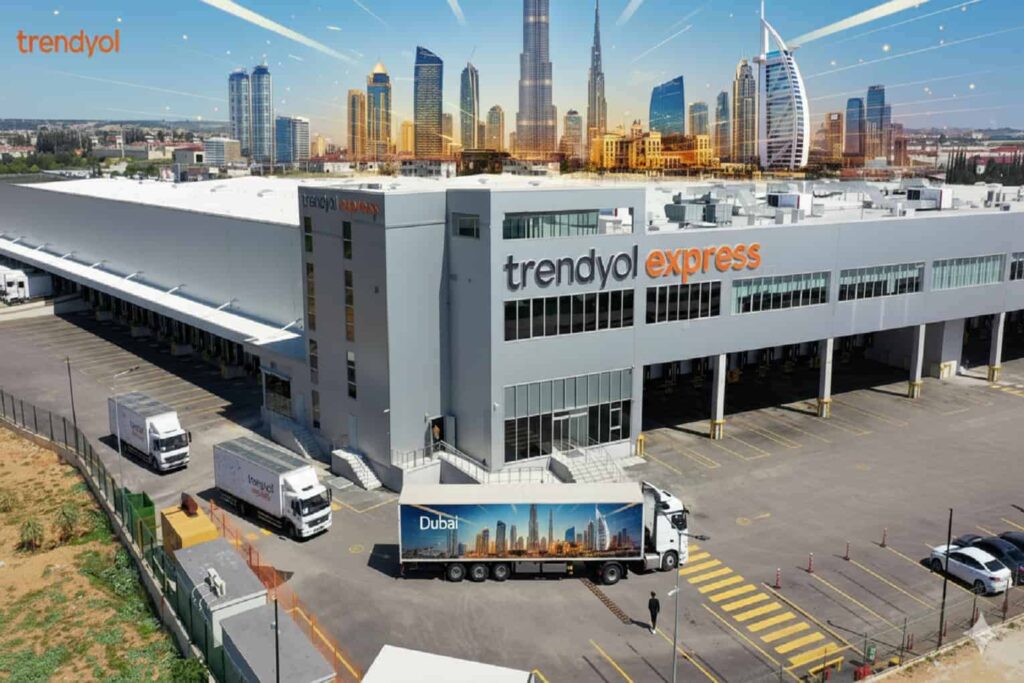
Türkiye-based e-commerce powerhouse Trendyol is fast reshaping the online retail landscape across the Gulf through a strategy built on hyper-localisation, AI-driven innovation, and strong partnerships with local SMEs.

Founded in 2010, Trendyol has grown from a homegrown marketplace into a global decacorn valued at $16.5 billion in 2021. With more than 40 million customers worldwide, the company’s expansion into the GCC region underscores its ambition to become the leading digital commerce platform in the Middle East.

As a sponsor of GITEX Global 2025, Trendyol will showcase its latest AI-powered technologies and e-commerce solutions on October 15, signaling a new era of tech-led retail growth in the region.

Trendyol’s Strategy: Hyper-Localisation and Gulf Growth

President Çağlayan Çetin describes Trendyol’s success in the Gulf as the product of deep localisation and on-the-ground investment. The company has built dedicated offices, regional warehouses, and local teams to ensure faster deliveries and stronger seller support. Gulf Business

Today, Trend yol serves over 3.7 million customers in the Gulf, with Saudi Arabia emerging as its largest international market—accounting for 75% of regional orders. “You cannot operate from a distance,” says Çetin. “Local businesses are at the heart of our strategy.”

More than 5,000 Gulf-based sellers are now active on the platform, and 35% of all products sold in the region come from SMEs and local brands. Strategic collaborations with Zid and Monsha’at in Saudi Arabia are helping thousands of entrepreneurs—from female-led fashion startups to home décor artisans—scale their businesses through Trendyol.

AI and Infrastructure Powering Scale

Trendyol’s 2,000-strong tech team ensures that artificial intelligence drives every part of its ecosystem—from personalised product recommendations and Arabic-language search to real-time analytics for sellers. The Trendyol Assistant, a multilingual AI agent, enhances customer service and loyalty, while AI tools help merchants forecast demand and manage inventory efficiently.

The company’s infrastructure investments are equally ambitious. Trendyol is building a $500 million, 48MW data center in Ankara in partnership with Castle Investments to support its 40-million-plus users. It is also collaborating with ADQ, Ant International, and Baykar to launch a fintech platform offering digital payments and financial services. Further, plans are underway to develop a cloud computing business with support from Alibaba’s AliCloud.

Expanding the Digital Silk Road

Leveraging Türkiye’s strategic location, Trendyol aims to extend operations to Iraq and Syria, introducing a new transit trade route through Iraq to boost logistics efficiency across the GCC. Partnerships with last-mile providers such as Aramex, Starlink, and Saudi Post have already cut delivery times from nine to around four days.

Çetin believes the company’s long-term focus on localisation and technology will define the next phase of e-commerce in the region. “By focusing on customer satisfaction, technological advancement, and sustainable local investment, Trendyol is well positioned to lead the Gulf’s digital transformation,” he says.

Türkiye’s E-commerce Share Hits 20%

DIEZ and German–Emirati Council Forge Strategic Pact to Accelerate German Investment in Dubai

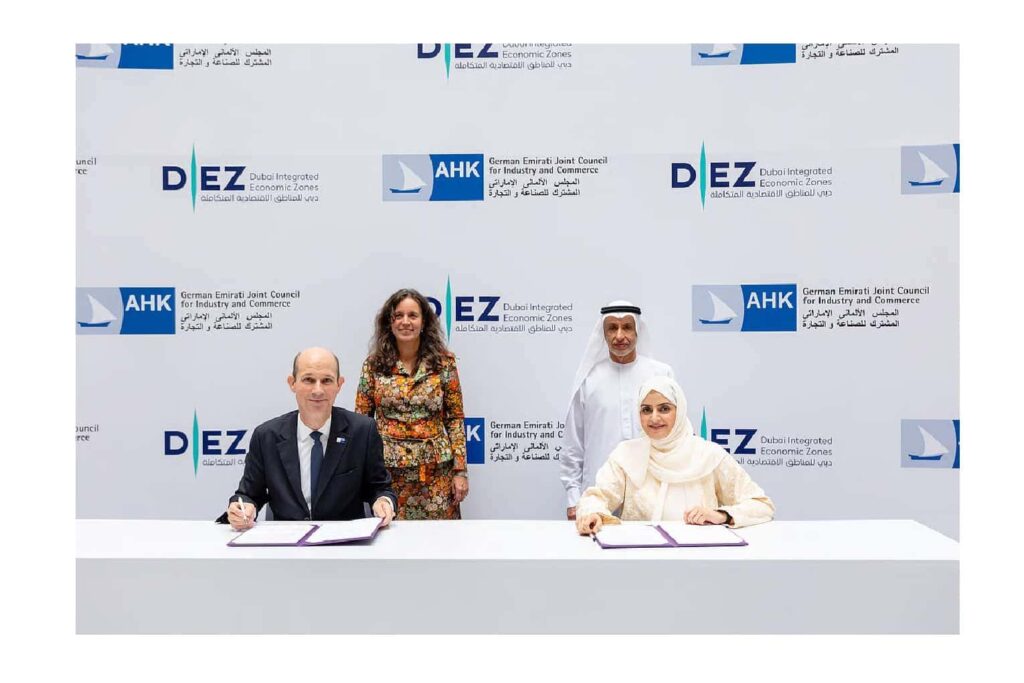
The Dubai Integrated Economic Zones Authority (DIEZ) has entered into a strategic partnership with the German–Emirati Joint Council for Industry and Commerce (AHK) to deepen bilateral trade ties and attract more German investment to Dubai’s fast-growing innovation and technology sectors.

The agreement, signed at Dubai CommerCity, establishes a framework to support the expansion of German enterprises across DIEZ’s three key zones — Dubai Airport Freezone (DAFZ), Dubai Silicon Oasis (DSO), and Dubai CommerCity (DCC). It aims to foster collaboration in Industry 4.0, sustainability, smart manufacturing, and digital trade, in line with Dubai’s Economic Agenda D33 to double the emirate’s economy and global competitiveness over the next decade.

The signing ceremony brought together Amna Lootah, Director General of DAFZ and DCC, and Dr. Martin Henkelmann, CEO of AHK, in the presence of Dr. Mohammed Al Zarooni, Executive Chairman of DIEZ, and Sybille Pfaff, Consul General of Germany in Dubai and the Northern Emirates.

Strengthening Bilateral Economic Momentum

Lootah said the partnership builds upon a long-standing UAE–Germany economic relationship, with non-oil trade reaching AED 50.68 billion (USD 13.8 billion) in 2024 — a 5.4% increase compared to the previous year.

“This agreement marks a new chapter for German companies seeking to grow in Dubai’s innovation-led economy,” Lootah said. “It reflects our shared commitment to advancing trade, logistics, and future technologies while supporting Dubai’s vision under D33.”

Pfaff called the initiative a milestone in innovation-led cooperation. “Germany and the UAE share a robust economic bond. This partnership will further elevate our collaboration in technology and sustainability, with Dubai serving as an ideal gateway for German enterprises to scale across the region,” she said.

Dr. Henkelmann highlighted that the partnership gives German businesses streamlined access to Dubai’s innovation ecosystem. “With DIEZ’s advanced infrastructure and business-friendly environment, German firms can expand efficiently and tap into new growth opportunities across the Middle East,” he said.

Key Initiatives To Facilitate Market Entry In Collaboration With DIEZ

Under the agreement, several initiatives will be rolled out to simplify operations and boost investment flow:

  • Establishment of a “German Desk” to support market entry, setup, and licensing for German firms.
  • Introduction of a “Fast Lane” system at Dubai Airport Freezone to facilitate trade, logistics, and customs clearance for German exporters.
  • Development of a joint industrial innovation platform focused on Industry 4.0, sustainability, and smart manufacturing — including a new innovation hub at Dubai Silicon Oasis for pilot projects.
  • Tailored incentive programs for German e-commerce and logistics companies via Dubai CommerCity.
  • Startup collaboration programs enabling German startups to enter the UAE market through Oraseya Capital and Wadi.AI, while giving UAE startups reciprocal access to German innovation networks.

Expanding German Footprint In Dubai’s Innovation Zones

More than 200 German companies currently operate across DIEZ’s integrated economic zones, including global names such as Airbus, DHL, Henkel, Porsche, Wacker, Beckhoff, and Audi VW.

DIEZ Executive Chairman Dr. Mohammed Al Zarooni said the collaboration will accelerate Dubai’s transition toward a knowledge-driven economy. “By aligning German innovation with Dubai’s advanced industrial and digital capabilities, this partnership will catalyze the growth of future industries and attract high-value investment,” he said.

Amna Rashed Lootah Appointed as General Manager of Dubai CommerCity!

DoorDash Finalizes Acquisition of Deliveroo UAE, Expanding Global Reach

Food delivery giant DoorDash has completed its long-anticipated acquisition of Deliveroo, officially integrating Deliveroo UAE into its fast-growing international network. The deal, valued at approximately £2.9 billion (USD 3.9 billion), strengthens DoorDash’s position in Europe and the Middle East, while offering new opportunities for restaurant partners and customers across the UAE.

A New Phase in DoorDash’s Global Delivery Operations

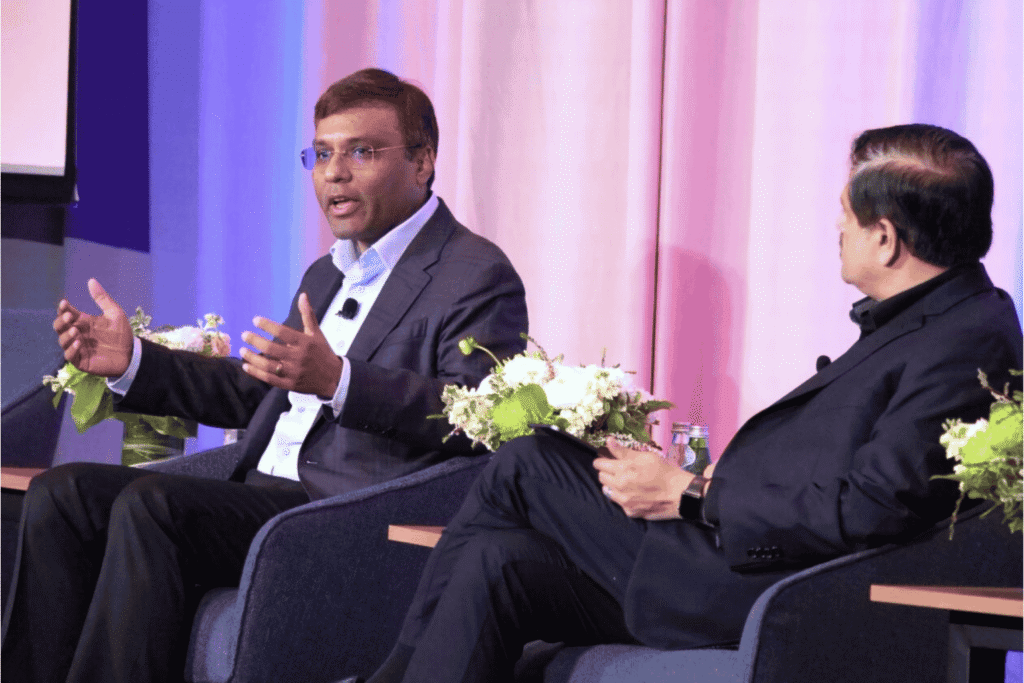
Announcing the completion, DoorDash Co-Founder and CEO Tony Xu described the merger as “the beginning of a new chapter,” assuring customers that Deliveroo’s app and services will continue uninterrupted. Xu added, “By combining DoorDash’s scale and technology with Deliveroo’s strong local presence, we can serve more people, in more places, with greater impact.”

The acquisition, first proposed in late 2024, received full regulatory approval earlier this month from the European Union and other competition authorities. Door Dash’s international head and Wolt Co-Founder Miki Kuusi has been appointed CEO of Deliveroo, and will relocate to London to oversee the next phase of integration.

Strengthening Regional and Global Presence

The move marks DoorDash’s most significant global expansion since its purchase of Wolt in 2022. With Deliveroo’s addition, the combined platform will now operate in over 40 countries, including key markets across Europe, the Middle East, and Asia-Pacific.

Industry analysts note that the deal positions Door Dash to better compete with Uber Eats, Talabat, and Careem Food in the UAE’s growing online delivery market, which Statista projects to exceed USD 2.6 billion by 2026.

In the UAE, Deliveroo partners with thousands of local and international restaurants and has become a fixture in Dubai’s urban lifestyle. DoorDash’s entry is expected to enhance logistics capabilities and introduce new merchant tools developed under its U.S. and Finnish tech arms.

Market outlook

Analysts view the takeover as part of a broader consolidation trend in the global delivery industry, driven by cost optimization and market diversification. According to Bloomberg Intelligence, DoorDash’s international revenue share is expected to rise from 12% to nearly 25% after the Deliveroo integration.

“The Middle East represents one of the fastest-growing digital consumption markets globally,” said Rita Liu, a regional fintech and e-commerce consultant. “DoorDash’s arrival underscores Dubai’s role as a hub for global tech and logistics innovation.”

Company Profiles

  • DoorDash Inc.
    Founded in 2013 and headquartered in San Francisco, Door Dash is one of the world’s leading on-demand delivery platforms. It operates across North America, Europe, and Asia, connecting consumers with local merchants and couriers. The company went public on the NYSE in 2020 under the ticker DASH.
  • Deliveroo plc
    Founded in London in 2013, Deliveroo is a multinational food delivery company operating in 10+ markets across Europe, the Middle East, and Asia-Pacific. It is known for its fleet of “Deliveroo riders” and partnerships with premium restaurants. Deliveroo was listed on the London Stock Exchange in 2021 before being acquired by DoorDash in 2025.

Talabat Services Co. Reopens in Qatar

US Export Rule Hits AI Firms

The U.S. Commerce Department has introduced a new export control regulation, commonly referred to as the “50% rule,” which is expected to significantly affect AI and technology companies operating on a global scale. The rule, issued by the Bureau of Industry and Security (BIS), extends licensing requirements to subsidiaries that are more than 50% owned by entities listed on U.S. export control and sanctions lists. Officials say the move is designed to prevent sensitive technologies, particularly in artificial intelligence, from being indirectly transferred to countries deemed national security risks, with a particular focus on China (Axios).

Overview of the “50% Rule”

The “50% rule” changes the way U.S. export controls are applied to multinational companies. Previously, restrictions primarily targeted parent companies directly listed on control lists. Under the new rule, any subsidiary that is more than 50% owned by a listed entity now falls under the same licensing requirements. This means that even indirectly controlled subsidiaries are subject to U.S. export licensing and must obtain approval before transferring or sharing sensitive technology internationally.

Commerce Department officials argue that the rule closes a loophole in previous export controls that allowed sensitive technologies to be accessed indirectly through subsidiaries. According to a statement by BIS, “This adjustment ensures that U.S. controls reflect the realities of modern corporate ownership structures and the global reach of critical technology”.

Implications for AI Companies

The rule is likely to have widespread effects on AI firms with international operations. Companies may need to conduct thorough reviews of their ownership structures, partnerships, and supply chains to ensure compliance. Experts warn that this could result in increased administrative burdens, delays in licensing approvals, and potential disruptions to ongoing research and product development (Axios).

One example is Anthropic, a U.S.-based AI firm that has already implemented policies similar to the “50% rule.” The company reportedly severed partnerships with subsidiaries controlled by Chinese parent entities to ensure compliance. Analysts suggest that other AI companies could face similar strategic decisions as they navigate these regulations.

The rule also emphasizes the importance of legal and compliance departments within AI firms, as they must now closely monitor ownership changes, mergers, and acquisitions to avoid unintentional violations. Companies that fail to comply could face penalties, fines, or restrictions on exporting technology critical to AI development.

Industry Reactions

Industry responses to the new rule have been mixed. Some executives support the measure as a necessary step to protect national security, while others express concern that the regulation could stifle innovation.

Joseph Hoefer, principal and AI policy lead at Monument Advocacy, commented, “If American firms are tied up chasing ownership records and waiting for licenses to be approved, the U.S. risks slowing its own innovation while competitors in other regions advance unchecked.”

Conversely, advocates for the rule argue that controlling the flow of sensitive AI technology is essential to prevent strategic advantages from being transferred to adversarial nations. Kit Conklin, a former adviser to the House Select Committee on China, noted that the rule “addresses gaps in current export controls and ensures that subsidiaries cannot circumvent restrictions by operating under partial ownership structures.”

Balancing Security and Innovation

The introduction of the “50% rule” highlights the delicate balance between maintaining national security and promoting innovation. AI technology is increasingly critical for economic growth, defense applications, and commercial competitiveness. At the same time, sensitive AI capabilities, such as advanced machine learning models and large-scale data processing, could pose national security risks if transferred to foreign entities without proper oversight.

Some industry observers warn that while the rule strengthens national security, it may also discourage investment in AI startups and slow the deployment of cutting-edge technologies. Companies may hesitate to engage in international partnerships, fearing regulatory complexities and delays in approval.

Potential Global Effects

Because many AI firms operate in a multinational environment, the “50% rule” could have significant global repercussions. International subsidiaries of U.S. companies must now be evaluated under U.S. law, potentially impacting research collaborations, product development, and supply chain agreements abroad.

Experts suggest that AI companies may need to restructure ownership models or create separate legal entities to continue operations while complying with the new rule. Some smaller firms may find these adjustments particularly challenging due to limited legal and administrative resources.

The regulation may also encourage foreign AI companies to seek alternatives outside U.S. technology and expertise. By imposing stricter controls on U.S.-origin AI technology, competitors in Europe, Asia, or other regions might develop parallel systems, potentially reducing U.S. influence in the global AI ecosystem.

Policy Context

The “50% rule” is part of a broader effort by the U.S. government to control the international transfer of advanced technologies. It follows previous measures aimed at restricting semiconductor exports, surveillance tools, and other dual-use technologies. Policymakers argue that as AI becomes more pervasive and influential, controlling its distribution is vital to maintaining technological superiority in key sectors.

Commerce officials note that the rule applies specifically to technologies deemed sensitive, including AI tools that can be applied in defense, surveillance, or critical infrastructure. These measures are designed to prevent strategic technologies from benefiting nations with interests contrary to those of the United States.

Looking Forward

The AI industry now faces a period of adjustment. Companies must carefully evaluate ownership structures, partnerships, and licensing requirements to comply with the new regulation. At the same time, policymakers and industry leaders must consider ways to maintain the United States’ competitive edge in AI while ensuring security concerns are addressed.

Analysts expect that discussions between the U.S. government and industry stakeholders will continue in the coming months. Companies may seek clarifications, guidance, and potential exemptions for collaborative research projects. The final outcomes will likely shape how AI technologies are developed, shared, and deployed globally for years to come.

EU Pushes for AI Cars

European Commission President Ursula von der Leyen has called for Europe to accelerate its development of autonomous vehicle technology, emphasizing the need for an “AI first” approach in mobility to maintain competitiveness globally. Speaking at a high-level summit in Brussels, von der Leyen stressed that Europe must act decisively to ensure that it does not fall behind the United States and China, where autonomous vehicle technology is advancing rapidly (Reuters).

Von der Leyen highlighted that Europe’s automotive sector, which includes leading manufacturers such as Volkswagen, BMW, Mercedes-Benz, Renault, and Stellantis, faces dual pressures: transitioning to electric vehicles and integrating artificial intelligence into mobility solutions. According to her, failing to embrace AI-powered vehicles risks the continent’s technological sovereignty and economic competitiveness.

Europe’s Current Position

Europe maintains a strong reputation in automotive manufacturing, precision engineering, and safety standards. However, analysts have noted that European automakers have been cautious in deploying fully autonomous vehicles due to regulatory hurdles and public skepticism. While companies like BMW and Mercedes have launched conditional autonomy systems (Level 3), these systems are limited to specific conditions and routes. In contrast, companies in the United States, including Tesla, Waymo, and Cruise, and in China, such as Baidu and Huawei, are actively testing Level 4 and Level 5 autonomous vehicles (Reuters).

A report by McKinsey & Company predicts that global revenues from autonomous driving could surpass $400 billion by 2035, with the early market dominated by North America and China. Von der Leyen emphasized that Europe must act now to claim its share of this emerging industry.

Public Safety and Trust

Public trust is a critical factor in the adoption of autonomous vehicles. The European Transport Safety Council reports that over 60 percent of EU citizens express concerns about the safety of self-driving cars, particularly in urban areas (ETSC). Von der Leyen stressed that Europe can differentiate itself by implementing rigorous safety regulations that protect citizens while promoting innovation.

New EU legislation is being developed to harmonize autonomous vehicle standards across member states. This includes requirements for cybersecurity, real-time monitoring, and standardized safety testing. Such regulation aims to ensure that autonomous vehicles operate safely and consistently across borders.

Infrastructure and Urban Preparedness

Autonomous vehicles rely heavily on smart infrastructure. Von der Leyen highlighted the need for connected traffic systems, advanced 5G networks, and urban planning designed for AI mobility. Several European cities, including Paris, Amsterdam, and Barcelona, have launched pilot zones for autonomous vehicles, while Germany and France have created dedicated AI testing corridors.

Despite these initiatives, fragmented regulations among EU member states could slow adoption. The European Automobile Manufacturers’ Association (ACEA) has emphasized the importance of coordinated policies to avoid isolated regions of innovation that fail to integrate across Europe.

Public-Private Partnerships

Von der Leyen called for stronger collaboration between governments, automotive companies, and tech firms. She suggested creating a network of European cities to pilot autonomous vehicle programs, enabling the sharing of data, best practices, and lessons learned. This model is designed to accelerate AI mobility deployment while fostering investment in research and infrastructure.

The European Commission is also considering an AI Mobility Fund to support startups, pilot programs, and research initiatives. Such funding aims to stimulate innovation while ensuring AI systems meet European safety, ethical, and environmental standards (Reuters).

Competition with the United States and China

Europe faces significant competition from the US and China. In the United States, companies like Tesla, Waymo, and Cruise have deployed autonomous vehicle trials at scale, leveraging large datasets and cloud computing infrastructure. In China, Baidu and Huawei have integrated AI mobility into urban networks, supported by state-backed funding (Reuters).

Von der Leyen argued that Europe can compete by combining safety, sustainability, and innovation. “The car of the future must not only drive itself, it must also be green, secure, and inclusive,” she said. European automakers have begun investing heavily in AI and autonomous systems, but coordinated action is necessary to remain globally competitive.

Economic and Workforce Implications

The automotive sector is central to Europe’s economy, directly employing millions and supporting extensive supply chains. The transition to AI-driven mobility will reshape jobs across manufacturing, software, and logistics. Von der Leyen emphasized the importance of workforce retraining and education to prepare employees for roles in autonomous vehicle development, operations, and AI system management.

In addition to preserving jobs, AI-driven vehicles are expected to reduce congestion, lower accident rates, and improve transportation efficiency. This could have significant economic benefits for cities and regions while also creating new markets for sensors, software, and connected infrastructure.

Regulatory and Ethical Considerations

Autonomous vehicle deployment presents regulatory, legal, and ethical challenges. Liability in accidents, cybersecurity, and data privacy are critical issues. Von der Leyen highlighted that Europe’s advantage is its ability to set robust standards for safe and ethical AI deployment, which could serve as global benchmarks. Harmonized regulations across EU member states are essential to prevent fragmented adoption that limits the effectiveness of autonomous systems.

Looking Forward

Von der Leyen concluded that Europe has the opportunity to become a global leader in AI-powered mobility if policymakers, industry leaders, and tech companies act in unison. By leveraging industrial strength, urban infrastructure, and regulatory expertise, Europe can develop a sustainable, safe, and technologically advanced ecosystem for autonomous vehicles.

European automakers and technology firms are beginning to align with this vision. Volkswagen has announced a €2 billion investment in AI mobility platforms, while Renault is collaborating with Google Cloud to integrate AI into vehicle operations. The coming years will determine whether Europe can maintain its competitive position and ensure that AI-driven mobility benefits both the economy and society at large (Reuters).

Amazon Builds AI Model Factory on Its Own Business

Amazon is pioneering a new approach to artificial intelligence development by turning its vast internal systems into “reinforcement learning gyms.” The concept dubbed a model factory uses Amazon’s real-world services, applications, and operations to train AI models faster and more effectively. The strategy is part of Amazon’s effort to build more general intelligence systems that can adapt quickly to new tasks with minimal data.

Rohit Prasad, Amazon’s Senior Vice President and head scientist for artificial general intelligence, described how Amazon is shifting away from building AI models one at a time to creating a continuous pipeline of models. This model factory framework allows for rapid experimentation, trade-offs in feature sets, and deployment of models tailored to specific operational tasks.

Prasad emphasized that training AI in real business environments provides more valuable learning than synthetic datasets. He stated, “The way we get learnings fast is by having this model learn in real-world environments with the applications that are built across Amazon.” (GeekWire)

From Infrastructure to Intelligence

This approach reflects Amazon’s broader philosophy of leveraging its own infrastructure to improve its offerings. Historically, Amazon built AWS by optimizing its internal infrastructure; now it is applying a similar logic to AI. Training models on internal services allows Amazon to measure performance against real workflows and user interactions.

Amazon’s internal applications from order fulfillment to supply chain systems become the playgrounds where AI is tested and tuned. By embedding models inside actual business workflows, problematic edge cases surface earlier, enabling more robust model design.

Design and Trade-off Strategy

The model factory concept involves careful decision-making over model capabilities. Rather than straightaway building monolithic models, Amazon’s teams decide which properties such as software tool invocation or code generation are essential for a given release. These models are iterated quickly, with trade-offs made between complexity, generalization, and engineering cost.

This agile approach aims to maximize learning and utility. For example, a model may prioritize robustness over size when deployed in mission-critical workflows. Another model could specialize in integrating with backend services. The flexibility offered by the model factory enables Amazon to serve diverse internal use cases more efficiently.

Beyond Chatbots: The Rise of AI Agents

Prasad also noted that Amazon is pushing beyond traditional conversational AI toward agentic systems AI that can perform tasks rather than simply respond to queries. These agents can decompose a goal, gather necessary data, use external tools, and act autonomously. For this to work, models must understand context, reliability, and multi-step tasks.

One example mentioned is Amazon’s Nova Act model and toolset, which helps build agents for web tasks. Agents can manage user-level workflows such as editing documents, processing emails, or orchestrating services. As AI evolves, agents will become core to how Amazon delivers user-facing automation. (GeekWire)

Automating the Mundane: AI Doing the “Muck”

Prasad called attention to the value of automating “the muck” the tedious, repetitive tasks that software engineers and operations teams spend time on. This includes tasks like upgrading Java versions or migrating databases. By delegating these mundane tasks to AI, Amazon aims to allow human engineers to focus on creative and strategic work.

This internal productivity boost may compound over time, enhancing efficiency across Amazon’s sprawling operations. Automating internal tooling, error detection, system monitoring, and maintenance are key domains where internal AI usage can yield operational leverage.

Competitive Advantages and Challenges

Amazon’s model factory strategy highlights one of the competitive edges large tech firms have over smaller players: access to real workloads, scale, and data. Using internal services as training grounds offers contextually richer signals than synthetic or curated datasets.

However, challenges remain. Model drift, overfitting to internal workflows, and ensuring robustness in new contexts are nontrivial. Models must generalize beyond the environments they were trained on. Also, ethical and interpretability concerns arise when AI works on business-critical systems. Amazon will need rigorous safeguards and monitoring.

Future Outlook

As Amazon scales its model factory concept, expect more internal AI systems embedded into its services from logistics, marketplace, AWS, to customer support. Prasad’s remarks suggest Amazon believes future AI systems will increasingly blend conversation, autonomy, and tool use.

Industry watchers will likely monitor how Amazon shares or externalizes this capability. Some models developed within the factory may feed AWS or developer tools, supporting external innovation. In any case, this strategy positions Amazon not just as a consumer of AI but as a large-scale cultivator of next-gen intelligent systems.

QOMEX Summit 2025 Partners with Dubai CommerCity

The QOMEX Summit 2025, one of the region’s most anticipated gatherings for the E-commerce and retail industries, has announced a landmark partnership with Dubai CommerCity as its official Digital Commerce Partner. The collaboration highlights Dubai’s growing ambition to establish itself as a regional and global hub for E-commerce, cross-border trade, and digital transformation. By aligning with Dubai CommerCity, the Summit positions itself as the region’s premier closed-door platform for digital commerce, quick commerce, and retail innovation.

This year’s edition of the Summit is strategically important as it acts as a preparatory platform for WORLDEF 2026, an even larger international event expected to attract global leaders, policymakers, and innovators from across the E-commerce spectrum. With more than 200 invited executives, over 30 international experts, and four specialized content tracks, the QOMEX Summit 2025 promises to bring together decision-makers who will shape the digital trade landscape of the Middle East for years to come.

A Turning Point for Regional E-commerce

E-commerce in the Middle East has entered a period of rapid expansion. According to research from MENAFN, digital consumer spending across the region has grown at double-digit rates, fueled by mobile commerce adoption, young demographics, and increased internet penetration (MENAFN – E-commerce Trends in MENA). The QOMEX Summit 2025 seeks to harness this momentum by offering a platform where businesses and policymakers can coordinate strategies to ensure the region’s readiness for global digital trade competition.

Dubai, already recognized as a leader in logistics, fintech, and global trade, is leveraging this Summit to demonstrate its commitment to E-commerce excellence. The emirate’s initiatives, including Dubai CommerCity, have been critical in attracting foreign investors and enabling startups to scale quickly in a competitive digital environment (Dubai CommerCity).

The Role of Dubai CommerCity

Launched as the first dedicated E-commerce free zone in the region, Dubai CommerCity has established itself as a key enabler of cross-border trade and digital innovation. Its partnership with QOMEX 2025 highlights a shared vision to create an ecosystem where global companies can access the Middle Eastern market with ease.

Executives from Dubai CommerCity emphasized that the partnership with QOMEX will help highlight Dubai’s readiness to integrate new technologies such as artificial intelligence, machine learning, and data-driven logistics into E-commerce. The collaboration will also shine a light on how the emirate is investing in sustainable infrastructure to support the fast-paced growth of digital trade.

As stated in their recent reports, Dubai CommerCity has been attracting major global retailers and technology providers, providing them with customized solutions for customs, warehousing, and last-mile delivery. The integration of these capabilities with the QOMEX Summit 2025 will be a significant step in driving regional innovation (Dubai CommerCity Official Website).

WORLDEF 2026 Preparations

While QOMEX 2025 is a significant standalone event, its greater importance lies in preparing the groundwork for WORLDEF 2026, a global meeting that will draw an even wider audience. WORLDEF has been a recognized brand in digital commerce events, bringing together stakeholders from across the globe to share insights on technology, retail, and innovation (WORLDEF News).

The QOMEX Summit is positioned as the preparatory meeting that will ensure Middle Eastern stakeholders are aligned with international standards. The discussions in Dubai will likely focus on quick commerce, cross-border transactions, sustainable E-commerce practices, and the integration of artificial intelligence in retail ecosystems.

Industry experts point out that WORLDEF 2026 will mark a turning point for global retail and digital trade, making QOMEX 2025 a crucial platform for regional leaders who want to influence the future of commerce.

Driving Innovation in Quick Commerce

Quick commerce, the ultra-fast delivery model that has gained traction in recent years, will be one of the key themes at QOMEX 2025. With consumers demanding faster delivery times, E-commerce players in the Middle East are under pressure to build agile supply chains and enhance last-mile delivery systems.

According to MENAFN, demand for quick commerce in markets such as the UAE, Saudi Arabia, and Qatar has surged dramatically, creating opportunities for startups and established retailers alike (MENAFN – E-commerce Trends in MENA). By addressing these dynamics, QOMEX 2025 aims to position itself as the stage where companies can present innovative solutions that align with shifting consumer expectations.

Strategic Relevance for Global Stakeholders

QOMEX 2025 is not only a regional event; it is also a platform with global significance. International companies view Dubai as a gateway to the Middle East, Africa, and South Asia. The Summit will serve as a bridge between global E-commerce players and regional stakeholders, enabling them to collaborate on strategies for entering new markets, localizing operations, and adapting to regulatory environments.

Global investors are also paying close attention. With billions of dollars flowing into E-commerce and digital infrastructure across the region, the Summit could become a key venue for identifying new opportunities and partnerships. Analysts believe that Dubai’s leadership role will help attract more investment into logistics, warehousing, and technology development.

Shaping the Future of Digital Commerce

The Middle East is at a crossroads in its digital transformation journey. With young, tech-savvy populations and governments that are heavily investing in digital economies, the region has the potential to become a global leader in E-commerce. QOMEX Summit 2025, through its partnership with Dubai CommerCity, is expected to play a pivotal role in shaping this future.

The event’s format, with closed-door sessions and focused discussions, will allow decision-makers to engage in meaningful dialogue without the distractions of larger conferences. This approach is designed to produce actionable outcomes that can directly influence policy, investment strategies, and technological adoption.

Looking Ahead

As the countdown to QOMEX 2025 begins, the anticipation among stakeholders continues to build. By uniting international experts, regional leaders, and innovative startups, the Summit promises to be a game-changer for the E-commerce ecosystem. Its alignment with Dubai CommerCity ensures that the event is anchored in one of the most advanced digital commerce infrastructures in the region.

Moreover, by serving as a preparatory event for WORLDEF 2026, QOMEX 2025 is not just about short-term gains but about laying the foundation for a long-term transformation in the way trade, retail, and digital commerce operate in the Middle East.

As noted by analysts and observers, the strategic partnerships forged during QOMEX 2025 will likely have ripple effects across global markets, making it a must-watch event for anyone interested in the future of commerce.

Dubai Exhibition Centre Expansion Accelerates

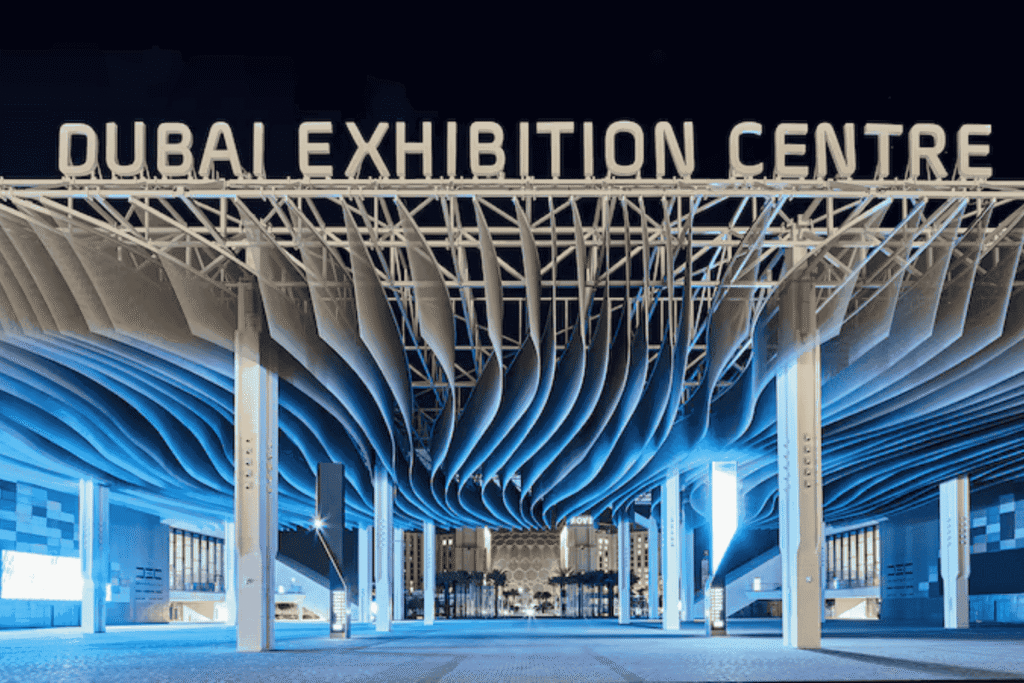
The Dubai Exhibition Centre (DEC) expansion is progressing rapidly, marking a major milestone in Dubai’s ambition to become a leading global events hub. The AED 10 billion project is one of the largest exhibition center expansions in the Middle East, and Phase 1 remains on schedule for completion in the first quarter of 2026. The expansion aims to accommodate growing demand for world-class exhibition and conference facilities (Dubai Media Office).

Strategic Importance of the Expansion

Dubai has long been a key player in the international events industry, hosting major trade shows, exhibitions, and conferences that attract participants from around the world. The DEC expansion is designed to enhance the city’s capacity to host large-scale events and strengthen its position as a global destination for business and tourism.

Phase 1 includes new exhibition halls, conference facilities, and integrated amenities. By adding cutting-edge infrastructure, Dubai is preparing to compete with established exhibition hubs such as Singapore, Frankfurt, and Las Vegas.

Phase 1 Developments

Phase 1 will feature:

  • New multi-purpose exhibition halls

  • Expanded conference and meeting facilities

  • Advanced logistics and storage areas for events

  • Enhanced visitor amenities, including food courts and lounges

These upgrades will increase DEC’s total capacity and provide a smoother experience for exhibitors and attendees, which is essential for attracting international business (Dubai Media Office).

Driving Dubai’s Global Events Leadership

Dubai has invested heavily to establish itself as a leading destination for meetings, incentives, conferences, and exhibitions (MICE). The DEC expansion complements initiatives such as Expo City Dubai and Dubai Calendar, reinforcing Dubai’s strategy to attract large-scale global events.

Officials expect the project to create jobs in construction, hospitality, logistics, and event management, while showcasing Dubai’s innovation and advanced infrastructure to international investors.

Economic and Tourism Impact

The AED 10 billion investment is projected to generate significant economic benefits. Beyond job creation during construction, the completed DEC will:

  • Attract thousands of international exhibitors annually

  • Increase tourism and hotel occupancy

  • Drive revenue in retail, food, beverage, and transport sectors

  • Foster regional business partnerships and trade

Analysts predict the expansion will contribute meaningfully to Dubai’s GDP and reinforce the UAE’s position as a hub for MICE tourism.

Innovation and Sustainability Features

The DEC expansion incorporates energy-efficient systems, smart building technologies, and sustainable construction materials. Smart logistics solutions will improve setup and breakdown efficiency, reduce energy consumption, and enhance operational performance (Dubai Media Office).

Sustainability is a core part of Dubai’s long-term vision, ensuring that large-scale infrastructure projects grow responsibly alongside the city’s economy and population.

Timeline and Future Phases

Phase 1 is expected to be completed by Q1 2026. Future phases will further expand the center’s capacity, including:

  • Specialized exhibition spaces for technology, innovation, and green industries

  • Additional conference and business incubation zones

  • Improved connectivity to Dubai’s transport networks, including metro, road, and airports

  • Hybrid event capabilities with digital and virtual technologies

When fully completed, DEC will rank among the largest and most advanced exhibition centers in the Middle East, capable of hosting multiple international events simultaneously.

Dubai’s Position in the Global Events Market

Dubai’s strategic location, infrastructure, and business-friendly policies have made it a preferred location for global events. The DEC expansion strengthens this position by:

  • Increasing exhibition capacity to meet growing demand

  • Offering integrated facilities for exhibitors and attendees

  • Enhancing Dubai’s attractiveness for mega-events and international trade fairs

Experts believe the upgrades will allow Dubai to compete with established global hubs while continuing to attract high-profile international events.

Conclusion

The Dubai Exhibition Centre expansion represents a major strategic investment in Dubai’s future as a global events hub. With an AED 10 billion budget, state-of-the-art facilities, and Phase 1 scheduled for Q1 2026, the project will strengthen Dubai’s position in the international events market. The expansion will boost the economy, generate employment, and enhance the city’s reputation as a world-class destination for exhibitions, conferences, and global business (Dubai Media Office).

eBay and OpenAI Launch AI Support for SMEs

eBay has partnered with OpenAI to launch a new initiative aimed at supporting small businesses in the United Kingdom. The program, called AI Activate, provides small businesses with AI-powered tools, training, and guidance to enhance digital marketing, operations, and overall efficiency (Retail Systems).

With an initial investment of £3 million, AI Activate targets 10,000 small businesses selling on eBay. Participants will gain access to 12 months of ChatGPT Enterprise, customized GPT development support, and specialized training in AI applications (eBay Press Room).

Program Goals and Structure

AI Activate is designed to accelerate digital transformation for small businesses. Its primary focus areas include:

  • Optimizing and personalizing marketing campaigns

  • Financial analysis and performance tracking

  • Automating inventory management and order processing

  • Integrating customer insights into business strategy

Eve Williams, Managing Director of eBay UK, stated, “It’s no longer about whether businesses adopt AI, but how quickly they can adapt. Businesses that don’t embrace AI now risk falling behind” (Retail Systems).

The program begins with online training modules and advisory support. Participating businesses will learn how to integrate AI tools into daily operations, improving efficiency and decision-making.

The Importance of Small Businesses in the UK Economy

Small businesses account for approximately two-thirds of total employment and half of private sector turnover in the UK. Supporting these businesses in their digital transformation is critical for national economic growth (eBay Press Room).

AI Activate also enables small businesses to compete more effectively in global markets. AI-powered tools improve sales strategy, optimize customer engagement, and enhance overall user experience. Online sellers, in particular, benefit from increased reach and sales opportunities.

Training and Support

The first two months of the program will feature online courses, followed by in-person workshops and mentoring sessions in 2026. Participants will have the opportunity to develop custom GPT models tailored to their business needs, streamlining inventory management, customer communication, and marketing campaigns (Retail Systems).

eBay will also provide technical support and mentorship, helping businesses overcome potential challenges in AI adoption and integration.

eBay’s AI Investments and Strategy

Through AI Activate, eBay aims to empower small businesses to compete more effectively with larger retailers. This initiative is part of eBay’s broader investment in AI technologies, supporting small enterprises in strengthening their position in the digital economy (eBay Press Room).

AI-powered solutions will help businesses automate critical tasks such as sales forecasting, campaign planning, and customer analysis, saving both time and costs.

Global Perspective: AI and SMEs

AI Activate not only serves UK businesses but also sets an example for small businesses worldwide. Globally, SMEs are leveraging AI, social media, and e-commerce platforms to expand their reach and improve operational efficiency.

In regions like North America, Europe, and Asia, small businesses are increasingly adopting AI for sales, marketing, and customer engagement. eBay and OpenAI’s collaboration helps bring this trend to the UK, reinforcing the country’s digital economy and supporting broader adoption of AI tools (Retail Systems).

Conclusion

The AI Activate program by eBay and OpenAI is designed to accelerate digital transformation for small businesses, providing AI tools, training, and mentorship. By helping SMEs optimize operations, improve marketing strategies, and expand global reach, the program strengthens the digital economy and empowers small businesses to compete effectively in an increasingly competitive market (eBay Press Room).