WORLDEF Prime Antalya 2026 - Upcoming Event

Register Now

Maktoum Meets PayPal CEO

His Highness Sheikh Maktoum bin Mohammed bin Rashid Al Maktoum, First Deputy Ruler of Dubai, Deputy Prime Minister, and Minister of Finance, held a high-level meeting with Alex Chriss, President and CEO of PayPal, at the office of His Highness in Nad Al Sheba, Dubai (Media Office Dubai). This engagement underscores the UAE’s ongoing commitment to positioning itself as a leading global hub for digital finance and e-commerce.

Strengthening the UAE’s Financial Ecosystem

During the meeting, Sheikh Maktoum highlighted the UAE’s strategic vision to advance innovation, enhance resilience, and increase competitiveness in the financial sector. He emphasized that partnerships with leading fintech companies, such as PayPal, are central to achieving the country’s objectives of a fully digitized economy (Media Office Dubai).

Alex Chriss expressed PayPal’s commitment to expanding its footprint in the Middle East and Africa, leveraging Dubai’s infrastructure and regulatory environment. The discussion focused on opportunities to scale digital payment solutions, support small and medium enterprises (SMEs), and facilitate cross-border e-commerce and financial connectivity across the region (Media Office Dubai).

Sheikh Maktoum noted that Dubai’s robust regulatory frameworks, advanced digital infrastructure, and dynamic business ecosystem create an ideal environment for fintech growth. He highlighted Dubai Internet City as a key enabler for tech-driven companies to operate and scale within the UAE while serving regional markets.

PayPal’s Regional Operations and Growth Strategy

Founded in 1998, PayPal now serves approximately 434 million users globally across over 200 markets. In 2024, the company processed nearly $1.68 trillion in payments through 26 billion transactions, generating $31.8 billion in net revenue. PayPal’s workforce includes more than 24,400 employees worldwide (Media Office Dubai).

In April 2025, PayPal launched its regional headquarters for the Middle East and Africa in Dubai Internet City. This office serves as a strategic hub for the company’s operations across roughly 80 countries in the MEA region. The UAE headquarters demonstrates PayPal’s confidence in Dubai as a central node for innovation, commerce, and digital finance solutions.

During the meeting, discussions included the expansion of PayPal’s digital payment solutions in the region, aiming to improve accessibility, security, and efficiency for online merchants and consumers alike. Both parties also explored collaborative initiatives to support SMEs and startups, recognizing that empowering smaller businesses is critical for broad economic growth.

Dubai’s Fintech Vision and Global Positioning

Dubai Economic Agenda D33 outlines the city’s ambition to double GDP and rank among the top four financial centers globally by 2033. Sheikh Maktoum emphasized that collaborations with international fintech leaders like PayPal play a pivotal role in achieving this vision (Media Office Dubai).

The UAE has invested heavily in fintech regulation, digital payments infrastructure, and innovation ecosystems. Dubai is also home to various free zones and innovation hubs that attract global companies and startups. By integrating global fintech leaders, the UAE ensures that local businesses can access modern payment tools, cross-border capabilities, and financial literacy programs, driving sustainable economic development.

Supporting SMEs and E-Commerce Growth

E-commerce and digital transactions have become central to the UAE’s economic strategy. PayPal’s collaboration is expected to enhance payment accessibility for online merchants, streamline cross-border transactions, and provide secure, reliable platforms for both buyers and sellers.

Sheikh Maktoum highlighted that PayPal’s tools could help thousands of SMEs expand regionally and globally, offering seamless payment solutions and financial services. The meeting also touched on digital innovation for e-commerce logistics, consumer protection, and user experience improvements, all crucial to maintaining the UAE’s competitive edge in global markets (Media Office Dubai).

Attendees and Government Support

The meeting included key government and organizational leaders:

  • Helal Saeed Almarri, Director General of the Dubai Department of Economy and Tourism

  • Hamad Obaid Al Mansoori, Director General of Digital Dubai

  • Malek Al Malek, Director General of the Dubai Development Authority and CEO of TECOM Group

  • Mohammad Ali Rashed Lootah, President and CEO of Dubai Chambers (Media Office Dubai)

Their presence signals coordinated support for digital finance initiatives and emphasizes the UAE government’s dedication to building a world-class fintech ecosystem.

Broader Implications for the Region

The UAE’s strategic engagement with PayPal is likely to influence the broader Middle East and North Africa (MENA) fintech landscape. Regional e-commerce growth, rising digital adoption, and increased smartphone penetration are creating new opportunities for financial technology solutions.

By leveraging Dubai as a regional hub, PayPal can provide localized services for cross-border payments, digital wallets, and merchant solutions while fostering innovation that benefits consumers and SMEs across the MENA region. Such collaborations strengthen Dubai’s reputation as a global technology and financial leader.

Conclusion

The meeting between Sheikh Maktoum bin Mohammed and PayPal CEO Alex Chriss demonstrates a mutual commitment to innovation, digital financial inclusion, and economic growth. By fostering partnerships with leading fintech companies, Dubai continues to solidify its position as a regional and global hub for e-commerce, digital payments, and SME empowerment (Media Office Dubai).


Viral Ostrich Farmer Rises in E-Commerce

In rural China, a farmer named Zhan Yun, affectionately known as “Tuo Feifei,” has become an unlikely digital star. Her innovative approach to livestreaming ostriches on Douyin, China’s version of TikTok, has transformed her modest farm into a thriving e-commerce hub. What began as a creative experiment with a couple of smartphones tied to sticks has grown into a viral phenomenon, attracting hundreds of thousands of viewers and reshaping local livelihoods (CGTN).

From Fields to Feeds: How Entertainment Meets Commerce

Zhan Yun’s livestreams are unconventional but compelling. Her ostriches are not passive background scenery—they are active performers. Viewers tune in to watch the large birds pecking at cabbages, nudging feather dusters, or interacting with everyday farm items. This playful chaos entertains audiences while also drawing attention to the products she is selling.

Unlike polished marketing campaigns, her broadcasts are raw, authentic, and relatable. This has helped her stand out in a crowded online space where authenticity often resonates more than production value. Her Douyin account has now surpassed 720,000 followers, a massive achievement for a rural farmer with no formal media training (CGTN).

Building a Rural E-Commerce Business

The most surprising part of Zhan Yun’s story is not just her digital fame, but the tangible business success it has generated. She has turned ostrich feathers into feather dusters, selling as many as 5,000 units per day to meet rising demand. To sustain this output, she employs around 50 local villagers, many of whom are women who previously lacked stable employment opportunities.

By linking her farm directly to online consumers, she has effectively bypassed traditional supply chains. Instead of selling to wholesalers at low prices, she captures more value by selling directly to end-users through livestream channels. This model not only raises her own income but also benefits her entire community, injecting much-needed cash flow into a rural economy.

Her farm now functions as both a production site and a distribution center, blending agriculture with logistics and digital media. This transformation exemplifies how rural communities can participate in the digital economy without leaving their hometowns (CGTN).

The Role of Livestreaming in China’s Digital Economy

China has been at the forefront of livestreaming commerce, with influencers and small entrepreneurs using platforms like Douyin and Kuaishou to sell everything from makeup and electronics to farm produce. According to industry data, livestream shopping in China generated over $600 billion in sales in 2023 alone, making it a mainstream retail channel.

Zhan Yun’s success fits within this broader trend, but it also stands out because of its rural context. While many top livestreamers operate from studios in big cities, her stage is a dusty farmyard filled with ostriches. The juxtaposition of rural life and modern digital tools captures attention and symbolizes how e-commerce is bridging the gap between city and countryside.

This shift is also aligned with China’s national policy of “rural revitalization,” which encourages integrating technology into agriculture and helping farmers find new income streams. Farmers like Yun are living proof of how government priorities and grassroots creativity can intersect.

Challenges and Risks

Despite the viral success, challenges remain. Zhan Yun must ensure her products maintain consistent quality, or risk losing customer trust. Logistics also present difficulties: rural areas may lack reliable delivery infrastructure, and scaling daily shipments of thousands of feather dusters is no small feat.

Additionally, her business is heavily dependent on Douyin. Algorithm changes, stricter platform rules, or shifting user trends could all impact her reach overnight. To mitigate these risks, diversifying her presence to other e-commerce platforms or building a standalone online shop may become necessary.

Another challenge is sustainability. Viral content often burns bright but fades quickly. Keeping audiences engaged requires continuous creativity, new formats, and perhaps even expanding her product range beyond feather dusters.

Global Context: Rural Entrepreneurs and Digital Markets

Zhan Yun’s story resonates beyond China. Around the world, small farmers and rural entrepreneurs are turning to social media to reach consumers directly. In Africa, for example, farmers use WhatsApp groups and Facebook Marketplace to sell produce. In Southeast Asia, TikTok has become a key tool for small-scale sellers to promote handicrafts and agricultural products.

Her story demonstrates how digital tools can democratize access to markets. Just as Etsy allows artisans to sell globally, and Shopify empowers small businesses to run online shops, platforms like Douyin are helping rural individuals bypass middlemen and directly monetize attention.

This phenomenon also reflects consumer trends: modern shoppers increasingly value authenticity, transparency, and direct connection with producers. Watching an ostrich farmer in real time is not just entertaining—it also reassures buyers that products are genuinely handmade and locally sourced.

The Future of Rural Digital Innovation

Looking forward, Zhan Yun’s business could serve as a template for others. By blending local resources (ostrich feathers) with digital distribution (Douyin livestreams), she has created a replicable model. Other farmers could adapt this to their own resources: honey producers, tea growers, or handicraft makers could follow similar paths.

Local governments may also see opportunities here. Investing in internet infrastructure, providing digital training to farmers, and supporting small logistics hubs could help replicate success stories like Zhan Yun’s across rural regions.

Her journey shows that the digital economy is not just for tech hubs and major cities it can thrive in rural backyards with the right combination of creativity, resilience, and connectivity.

Conclusion

From feeding ostriches cabbages on livestreams to selling thousands of feather dusters daily, Zhan Yun’s rise is both quirky and revolutionary. It highlights how even the most unexpected stories can embody broader economic shifts. As e-commerce continues to evolve, her farm in rural China is proof that the future of online business is not just urban or corporate—it is also grassroots, rural, and sometimes feathered.

Yango Group Invests $100M in Azerbaijan

Dubai-based Yango Group has announced a $100 million investment in the Azerbaijani market, signaling its commitment to deepen its presence and expand its super-app ambitions across emerging markets in the region. The company, which has operated since 2018, spans sectors including ride-hailing, e-commerce, food delivery, fintech, entertainment, and logistics across more than 30 countries. (MENAFN / AzerNews) (link)

Strategic Rationale Behind the Investment

Yango Group believes that market growth in emerging economies is driven by falling costs for smartphones and mobile internet, increasing digital adoption, and demand for integrated services. In an interview with AzerNews, Adeniyi Adebayo, Chief Business Officer at Yango Group, noted that internet penetration in Azerbaijan has risen substantially, enabling new digital service usage. Mushvig Hasanov, Country Manager at Yango Azerbaijan, emphasized the company aims to operate as a super-app, offering services such as ride-hailing, grocery delivery, logistics, and route-planning tools within one platform. (MENAFN / AzerNews) (link)

Yango’s strategy includes localizing technology, operations, and product offerings rather than applying a one-size-fits-all model. According to Adebayo, the foundation of their business rests on four pillars: capital, technology, operations, and meeting local market needs. This hyperlocal strategy has enabled them to adapt successfully in markets with varying cultural, infrastructural, and economic conditions. (MENAFN / AzerNews) (link)

Yango’s Expansion and Service Mix in Azerbaijan

Since entering Azerbaijan nearly three years ago with its ride-hailing service, Yango has expanded its offerings to include food delivery, grocery delivery, logistics, public transit navigation, and a “Navigator” tool for real-time traffic routing. The investment of $100 million is aimed at accelerating these services, investing in infrastructure and expanding physical innovation hubs. Mushvig Hasanov mentioned plans for establishing a regional “Yango Hub” focused on innovation and scaling local solutions. (MENAFN / AzerNews) (link)

The company is also enhancing features for usability in local contexts. Examples include special fares during large events, designated pickup zones, loyalty programs for drivers, instant payouts, and in-app shopping integrations with local businesses. These localized features reflect Yango’s philosophy that services should be designed around daily lives of users rather than forcing users to adapt to global norms. (MENAFN / AzerNews) (link)

Implications for the Local Innovation Ecosystem

Yango’s investment could serve as a strong catalyst for Azerbaijan’s technology and startup ecosystem. By committing significant capital and building physical presence via innovation hubs, the company creates opportunities for local talent, startups, and service providers to partner or collaborate. Hasanova pointed out that Azerbaijan has both the talent and a strategic location to become a regional center of innovation. (MENAFN / AzerNews) (link)

Furthermore, many of the innovations Yango pilots in Azerbaijan—especially around mapping, navigation, driver incentives, and user interface localization—may be adapted or scaled to other countries where Yango operates. The model of super-apps is increasingly competitive in emerging markets, and Yango aims to lead that space through localized services, strong tech infrastructure, and responsive operations.

Challenges and Risks

While the growth potential is significant, Yango faces several challenges in Azerbaijan and other emerging markets. Key among them are regulatory compliance, especially around permits, transportation laws, and data privacy. Ensuring high quality of service in logistics and ride-hailing amid infrastructural constraints remains difficult.

Reliability of internet connectivity, competition from other super-apps and local providers, and maintaining margins in lower income markets are further risks. Additionally, scaling local innovation hubs requires sustained investment and talent retention.

Looking Ahead: What to Expect

Going forward, Yango plans to deepen its investment in Azerbaijan by investing in technology infrastructure, innovation centers, and local partnerships. The goal is not just to capture market share, but to create a resilient platform that can innovate, scale, and remain relevant to users.

Yango is also exploring expanding premium services, increasing delivery speed, improving mapping accuracy, and integrating more financial services. A successful super-app model in Azerbaijan may open doors to further expansion in neighboring markets in the Caucasus and Central Asia, with potential for exporting innovations back outward.

Generative AI & Retail Media Transform MENA E-commerce

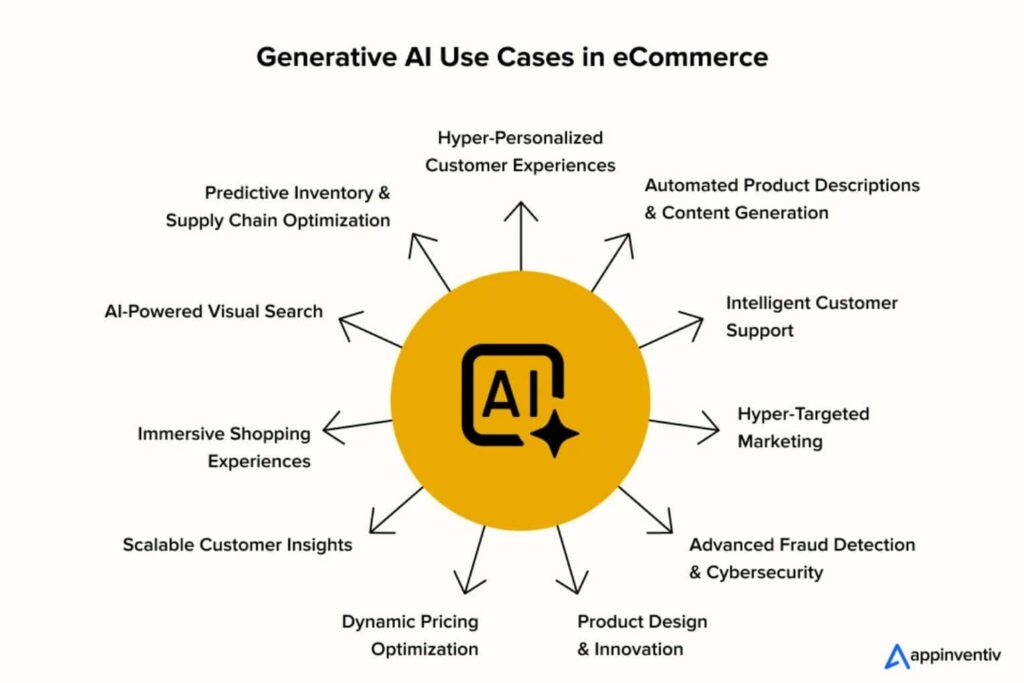
A transformative alliance between generative artificial intelligence (AI) and advanced retail media solutions is reshaping the e-commerce ecosystem across the MENA (Middle East and North Africa) region. This fusion is expected to enhance customer purchase decisions, amplify sales, boost profit margins, and reduce return rates for major marketplaces such as Amazon, Noon, and Talabat (Saudi Press).

Generative AI enables marketplaces and brands to produce highly realistic and tailored product visuals in varied contexts, enabling consumers to visualize products with far greater clarity. Meanwhile, retail media tools optimize product promotion, drive targeted traffic, improve sales performance, and reduce mismatch between user expectations and actual product delivery (Saudi Press).

How Generative AI Elevates the Product Experience

One of the core advantages of generative AI is the ability to create high-fidelity product presentations across multiple settings. For example, a piece of furniture might be visualized in different rooms, lighting conditions, or color variations without needing multiple physical photoshoots. This level of visual dynamism boosts customer confidence and can potentially lower return rates by managing expectations more accurately.

Moreover, generative AI is not limited to visuals. It can also analyze customer preferences and shopping behavior, enabling dynamic pricing, personalized offers, and predictive upsells. Sellers can adjust pricing strategies in real time raising margins during high demand or discounting intelligently during lower traffic periods.

In the MENA region, 24TTL, a Dubai-based SaaS provider, is leading with products like 24AI, which helps marketplaces generate convincing product visuals, and 24ORM, which monitors content across over 300 digital retail stores for performance insights. With over 100,000 users, 24TTL is expanding its footprint, targeting regional ecommerce platforms and pushing for deeper integration (Saudi Press).

The Role of Retail Media in Amplifying Impact

Retail media—the practice of promoting products within a shopping environment via paid placements—complements generative AI by ensuring the right products are seen by the right customers. Through sponsored listings, featured placements, and native ad units, retail media bridges the gap between discovery and conversion.

When combined with generative AI, retail media becomes more intelligent. For example, a marketplace might prioritize displaying AI-enhanced images of products that are more likely to convert, pushing those into high-visibility slots. This synergy can lead to better click-through rates, higher conversion, and optimized ad spend.

Retail media also helps diversify revenue streams for platforms. Instead of relying solely on commissions or listing fees, marketplaces can monetize ad placements—turning each product page into a revenue opportunity. In a competitive MENA e-commerce environment, this model is gaining traction.

Market Growth & E-Commerce Trends in MENA

The MENA region’s e-commerce sector is growing at a rapid clip. Online shopping is projected to reach USD 57 billion by 2026, following a year in which the sector grew by 68 percent. In 2023 alone, about 91 percent of consumers in MENA reported shopping online.

The United Arab Emirates stands out as a leading market: its e-commerce volume in 2023 was estimated at USD 11.4 billion, with expectations to reach USD 17.2 billion by 2027 (Saudi Press).

Challenges and Risks to Watch

  • Data Accuracy & Bias: AI models trained on incomplete or skewed data risk producing misleading visuals or recommendations.

  • Quality Control: Automatically generated product images may look attractive but diverge from real-world characteristics.

  • Privacy & Compliance: With increased personalization comes heavy reliance on consumer data.

  • Platform Integration: Many regional SMEs may lack infrastructure to adopt advanced AI tools.

  • Investment & Scalability: Expanding such systems across languages and markets in MENA requires significant resources.

Strategic Implications for Stakeholders

  • For Marketplaces: Stronger seller tools = better loyalty and reduced churn.

  • For Brands: Richer product control improves margins and customer trust.

  • For Consumers: More immersive and personalized experiences.

  • For Investors: Startups like 24TTL may become attractive investment targets.

Conclusion

The convergence of generative AI and retail media is rapidly transforming how e-commerce operates in the MENA region. As consumer expectations rise and markets mature, platforms that adopt smarter content generation and ad capabilities will likely gain a competitive edge.

DIEZ Launches Entrepreneur Programme

The Dubai Integrated Economic Zones Authority (DIEZ) has unveiled a new initiative titled “Employee to Entrepreneur”, aimed at empowering its employees and staff across affiliated economic zones to transform entrepreneurial ideas into real businesses. The announcement was made via the Government of Dubai Media Office on October 1, 2025. Government of Dubai Media Office

Strategic Alignment with Dubai’s Startup Goals

The programme ties directly into national ambitions. It supports the broader campaign “The Emirates: The Startup Capital of the World”, launched by His Highness Sheikh Mohammed bin Rashid Al Maktoum, Vice President and Prime Minister of the UAE and Ruler of Dubai. By fostering innovation and encouraging internal entrepreneurship, the initiative aims to contribute to Dubai’s position as a global startup hub. Government of Dubai Media Office

DIEZ also frames the initiative as consistent with the Dubai Economic Agenda D33, which targets ranking Dubai among the top three global urban economies and nurturing 30 unicorns by 2030. Government of Dubai Media Office

Programme Structure and Support Ecosystem

The “Employee to Entrepreneur” programme is structured in three phases:

  1. Idea Development Phase – Participants identify market needs, refine concepts, and analyze competitive landscapes.

  2. Planning and Modeling Phase – This stage includes business plan creation, resource mapping, operational design, and strategic alignment.

  3. Launch and Expansion Phase – Participants connect with investors, test prototypes, scale operations, and roll out their businesses. Government of Dubai Media Office

DIEZ will leverage its existing ecosystem to support participants. This includes infrastructure, tailored licensing, business setup services, and investment support from Oraseya Capital, DIEZ’s investment arm. Additionally, participants can benefit from access to SANDBOX, DIEZ’s accelerator programme, and Scality, a platform designed to assist tech startups in scaling. The Dubai Technology Entrepreneur Campus (Dtec)—a leading startup hub in the MENA region—will also play a role. Government of Dubai Media Office

Leadership and Vision

Yousuf Behzad, Chief People & Strategic Transformation Officer at DIEZ, emphasised the ambition behind the programme:

“The launch of the ‘Employee to Entrepreneur’ programme directly supports the strategic objectives of the national campaign ‘The Emirates: The Startup Capital of the World’. It also aligns with the Dubai Economic Agenda D33.” Government of Dubai Media Office

Behzad highlighted that the programme seeks to uncover entrepreneurial talent within DIEZ’s workforce and enable them to convert ideas into impactful ventures. He noted that DIEZ’s role in infrastructure, incentives, and strategic initiatives will be instrumental in supporting these transformations. Government of Dubai Media Office

Early Interest and Sector Diversity

The first edition of the programme attracted proposals across multiple sectors including technology, mobility, healthcare, design, and more. The evaluation criteria include economic feasibility, scalability, relevance to local markets, and potential social impact. Government of Dubai Media Office

This diversity reflects DIEZ’s recognition that innovation can come from varied domains, not just classic tech fields, and underscores the authority’s intention to capture ideas that align with Dubai’s long-term growth and sustainability goals.

Economic and Ecosystem Implications

By mobilizing its internal human capital, DIEZ is tapping into a latent reservoir of creativity. The programme may yield several long-term benefits:

  • Diversification of the economy: New startups emerging from DIEZ staff may contribute to the knowledge-based sectors the UAE is targeting.

  • Talent retention and motivation: Employees gaining pathways to entrepreneurship could feel more engaged and valued.

  • Support for SME growth: The programme may foster spin-offs and collaborations between startups and larger enterprises.

  • Ecosystem enhancement: Integrating ideas from inside government-linked authorities with external startup ecosystems strengthens connections across the innovation landscape in Dubai.

Furthermore, by providing internal support including funding, mentorship, licensing, and infrastructure DIEZ lowers many of the barriers new founders face, such as access to capital or regulatory permits.

Challenges and Considerations

Though promising, the initiative faces challenges typical to internal entrepreneurship programmes:

  • Balancing roles: Employees must juggle regular duties alongside startup efforts, which may strain resources or time.

  • Sustaining quality and viability: Some ideas may falter in market testing or fail to scale. Rigorous selection and ongoing mentorship will be essential.

  • Avoiding internal politics: Ensuring fair access and avoiding favoritism is critical to maintain trust.

  • Investor confidence: Startups spun from this programme must demonstrate independence and market viability to attract external investment, avoiding being labeled dependent on institutional backing.

To succeed, DIEZ will need transparent governance, rigorous oversight, and strong mentorship frameworks.

Comparative Programs and Regional Context

Globally, several organizations have launched “intrapreneurship” or internal startup programmes to cultivate innovation. For instance, Google’s “20% time” policy, or corporate accelerators within major firms, encourage employees to pursue new ventures. The DIEZ programme follows in this vein, but with the distinct advantage of state infrastructure backing and alignment with national innovation goals.

In the regional context, the UAE and Dubai are racing to become innovation hubs. Government-led initiatives like this reinforce public-private alignment. Embedding entrepreneurship within government-linked entities can accelerate knowledge transfer, reduce bureaucratic friction, and seed new firms that understand regulatory and infrastructural realities.

Future Outlook

If successful, the “Employee to Entrepreneur” programme could become a repeated cycle within DIEZ, with multiple cohorts per year. Over time, it could evolve to include cross-emirate collaborations, international scaling pathways, and tie-ins with larger federal programs.

One potential next phase is attracting external applicants beyond DIEZ’s workforce, or opening doors to collaborations between internal founders and external entrepreneurs. Additionally, metrics such as startup survival rate, revenue generated, employment created, and external funding raised will serve to measure impact.

In sum, DIEZ’s new programme may catalyze a wave of institutional innovation within itself and ripple outward into Dubai’s broader entrepreneurial ecosystem.

Talabat Expands Intersport in Kuwait

Talabat, the leading online ordering and delivery platform in the Middle East and North Africa (MENA) region, has recently announced a significant partnership with Ali Abdulwahab Al-Mutawa Commercial Co. (AAW), a prominent Kuwaiti company. This collaboration aims to bring the extensive range of Intersport products to Talabat’s digital platform, offering Kuwaiti customers seamless access to high-quality sportswear, fitness gear, and accessories. This strategic move is part of Talabat’s broader vision to diversify its product offerings and enhance the shopping experience beyond traditional food and grocery categories.

The official partnership launch took place on September 8, 2025, at the Grand Hyatt in Kuwait, attended by senior executives from Talabat, AAW, and Intersport. The agreement marks an important milestone in the retail digitization efforts in Kuwait and reflects the growing demand for convenience and variety in online shopping. Customers can now browse over 1,000 Intersport items directly through Talabat’s mobile application, making sports products more accessible than ever before (Kuwait Times).

This partnership aligns with the objectives outlined in Kuwait’s New Kuwait Vision 2035, a comprehensive roadmap for the country’s economic development and digital transformation. The vision emphasizes expanding digital services and supporting local businesses to thrive in an increasingly online market. By integrating Intersport’s offerings, Talabat not only enhances its platform but also contributes to Kuwait’s national goals of modernizing the retail sector and promoting healthier lifestyles (Kuwait Times).

Talabat’s move to incorporate sports and fitness products signifies a larger trend in the e-commerce industry where platforms are expanding beyond their original niches to become comprehensive marketplaces. This approach benefits consumers by consolidating diverse shopping needs into one convenient location and offers businesses greater reach and customer engagement. According to Statista, global e-commerce sales continue to rise sharply, with growing segments in health and fitness products driven by increased consumer awareness around wellness (Statista).

The demand for fitness-related products, such as sportswear, running shoes, gym accessories, and nutrition supplements, has been growing consistently in the Gulf Cooperation Council (GCC) countries, including Kuwait. Factors such as rising disposable incomes, increased health consciousness, and government initiatives promoting sports and active living contribute to this surge. Platforms like Talabat, by adding products from trusted brands like Intersport, position themselves to meet these evolving consumer demands effectively.

Ali Abdulwahab Al-Mutawa Commercial Co. (AAW), with its strong regional presence and expertise in retail, brings significant value to the partnership. As the official distributor of Intersport in Kuwait, AAW ensures product authenticity, quality, and variety. The collaboration leverages AAW’s extensive inventory and supply chain capabilities alongside Talabat’s technological infrastructure and customer base, creating a seamless e-commerce experience for customers (Kuwait Times).

Looking ahead, Talabat and AAW plan to expand the range of Intersport products available through the platform, including more categories and exclusive deals. The companies are also exploring joint marketing campaigns and initiatives aimed at promoting health and fitness awareness in Kuwait. This includes seasonal promotions, personalized recommendations, and community engagement efforts, which are expected to strengthen customer loyalty and drive higher engagement rates.

The collaboration also supports Kuwait’s efforts to build a robust digital economy by encouraging more businesses to adopt online sales channels. This shift has become increasingly critical following global trends accelerated by the COVID-19 pandemic, which pushed many consumers to embrace online shopping for convenience and safety reasons. By facilitating easier access to quality sports products online, Talabat helps fill an important gap in the local retail ecosystem.

Globally, the sports retail market has witnessed significant digital transformation, with major brands investing heavily in e-commerce platforms and direct-to-consumer sales models. Intersport’s presence on Talabat aligns with this global trend, enabling the brand to tap into Kuwait’s digitally savvy population and growing e-commerce penetration rates. According to Business Insider, the integration of established retail brands into popular delivery apps represents the future of retail, offering customers speed, variety, and convenience all in one place .

For consumers, the partnership offers multiple benefits, including access to authentic products, competitive pricing, and reliable delivery options. Talabat’s user-friendly interface makes product discovery and purchase straightforward, supported by secure payment systems and customer service. This comprehensive approach enhances customer trust and satisfaction, critical factors in today’s competitive e-commerce landscape.

In conclusion, Talabat’s partnership with Ali Abdulwahab Al-Mutawa Commercial Co. to offer Intersport products marks a pivotal development in Kuwait’s digital retail market. By broadening its product range to include sports and fitness gear, Talabat supports national digitalization goals, meets growing consumer demand, and strengthens its position as a leading e-commerce platform in the region. The collaboration underscores the dynamic nature of the retail sector and highlights the importance of innovative partnerships in driving economic growth and improving customer experiences.

Ooredoo Expands Cybersecurity in MENA

In a significant move to bolster digital security across the Middle East and North Africa (MENA) region, Ooredoo Group has partnered with Innovatix Systems to deploy advanced cybersecurity services tailored for enterprises and government institutions. This partnership reflects the growing importance of cybersecurity in a region experiencing rapid digital transformation and rising cyber threats.

Rising Cybersecurity Challenges in MENA

The MENA region has witnessed a surge in digital adoption over the past decade, with governments and businesses increasingly relying on online platforms and cloud infrastructure. However, this shift has made the region a prime target for cyberattacks, ranging from data breaches and ransomware to sophisticated state-sponsored espionage.

According to a report by Cybersecurity Ventures, global cybercrime damages are expected to reach $10.5 trillion annually by 2025, with the MENA region facing a proportional increase due to its expanding digital footprint. Many organizations in the region still struggle to implement comprehensive cybersecurity strategies, leaving critical infrastructure vulnerable.

Ooredoo’s new initiative aims to address these challenges by providing a suite of advanced cybersecurity solutions, combining Innovatix’s technical expertise with Ooredoo’s extensive regional network infrastructure (Connecting Africa).

Details of the Partnership

Ooredoo’s collaboration with Innovatix Systems focuses on delivering a wide range of cybersecurity services, including real-time threat detection, risk assessment, vulnerability management, and compliance monitoring. By integrating Innovatix’s cutting-edge cybersecurity technology into Ooredoo’s platforms, the partnership promises to offer enhanced protection tailored to the specific needs of businesses and government agencies in the MENA region.

Ooredoo CEO, Sheikh Saud bin Nasser Al Thani, highlighted the importance of cybersecurity in the company’s growth strategy. “As digital transformation accelerates, securing our customers’ data and systems becomes paramount. Our partnership with Innovatix enables us to provide world-class cybersecurity solutions to meet the evolving threats faced by our clients,” he stated (Connecting Africa).

Customized Cybersecurity for Diverse Sectors

The MENA region is home to diverse industries such as finance, oil and gas, telecommunications, and government services, each facing unique cybersecurity challenges. Ooredoo and Innovatix plan to offer customized solutions that cater to these different sectors.

For example, financial institutions require stringent compliance with international standards like PCI DSS and GDPR, alongside real-time fraud detection systems. Meanwhile, government agencies prioritize protecting sensitive national data and infrastructure from cyber espionage and disruption.

Innovatix Systems brings to the table a wealth of experience in deploying scalable cybersecurity platforms that comply with global best practices while adapting to local regulatory requirements. This local-global approach is expected to provide a significant boost to cybersecurity readiness across MENA (Connecting Africa).

Importance of Cybersecurity Amidst Digital Growth

Digital transformation in MENA is being driven by increasing internet penetration, widespread smartphone adoption, and government-led initiatives such as Saudi Arabia’s Vision 2030 and the UAE’s Smart Dubai program. However, with more services going online, the attack surface for cybercriminals expands correspondingly.

Recent cyber incidents in the region underline the urgent need for proactive security measures. For instance, a 2024 report highlighted a series of ransomware attacks targeting healthcare providers and energy companies in MENA, causing operational disruptions and data leaks.

By deploying advanced cybersecurity services, Ooredoo aims to build resilience within critical sectors, helping organizations prevent attacks before they happen and respond rapidly when incidents occur. The partnership also emphasizes compliance with international cybersecurity frameworks such as ISO 27001 and NIST, ensuring best practices are embedded across client operations.

Training and Awareness Programs

In addition to technology deployment, Ooredoo and Innovatix recognize the importance of human factors in cybersecurity. Many cyber breaches occur due to human error or lack of awareness. To this end, the partnership includes plans to offer cybersecurity training and awareness programs for client employees.

These initiatives will cover topics such as phishing prevention, password management, and incident reporting protocols. Building a security-conscious culture is critical to reducing risks and strengthening overall defense mechanisms (Connecting Africa).

Regional and Global Implications

Ooredoo’s cybersecurity push is not only crucial for MENA but also reflects a global trend. Around the world, companies are investing heavily in cybersecurity amid increasing threats from ransomware gangs, state actors, and insider threats.

Research firm Gartner estimates that worldwide spending on information security will exceed $170 billion by 2025. Providers like Ooredoo, with strong regional presence and strategic partnerships, are well positioned to capture growing demand for advanced security services.

Furthermore, the MENA region’s geopolitical importance means cyber threats here often have broader implications for international security and economic stability. Enhancing cybersecurity readiness helps safeguard not only local organizations but also global supply chains and financial networks.

Looking Ahead: Ooredoo’s Vision

Ooredoo is committed to expanding its digital services portfolio while ensuring robust security frameworks underpin its offerings. The company’s investment in advanced cybersecurity aligns with its vision to be the leading digital enabler in MENA.

Future plans include integrating artificial intelligence and machine learning technologies to enhance threat intelligence and automate response actions. By continuously evolving its cybersecurity capabilities, Ooredoo aims to stay ahead of cybercriminals and support the region’s digital ambitions (Connecting Africa).

Tie Raises $10M for First-Party Data in E-Commerce

Miami-based startup Tie recently announced a $10 million Series A funding round aimed at helping e-commerce brands reduce their dependence on third-party advertising platforms by identifying and engaging their website visitors directly. This new capital injection highlights the ongoing shift in digital marketing towards first-party data and privacy-safe solutions, especially as third-party cookies are phased out by major browsers (Refresh Miami).

The Problem: Renting Audiences in E-Commerce

Many e-commerce businesses have long depended on third-party platforms such as Facebook, Google, and Instagram to reach and target potential customers. These platforms collect vast amounts of user data, enabling highly targeted advertising campaigns. However, the audiences ultimately belong to these platforms, forcing brands into a “renting” model where they pay to access potential buyers but lack direct ownership or control over these relationships.

Moreover, the traditional backbone of such targeting, third-party cookies, is rapidly becoming obsolete. Privacy regulations like the GDPR in Europe and the CCPA in California, alongside browser restrictions from Safari and Firefox, have already limited cookie tracking. Google Chrome plans to eliminate third-party cookies soon, leaving brands scrambling to find alternatives .

This environment creates a pressing need for e-commerce companies to build direct relationships with their website visitors through first-party data information collected directly from customers with their consent. This is precisely where Tie’s platform comes in.

Tie’s Mission and Technology

Founded by Michael Diesu and Jonathan Kopnick, Tie’s platform is designed to identify up to 95% of website visitors, including those browsing in incognito mode or using multiple devices. Through a proprietary data engine that connects 25 billion data points from over 1,000 sources and insights from 280 million opted-in consumers, Tie creates detailed visitor profiles while respecting privacy laws and consumer preferences (Refresh Miami).

By converting anonymous web traffic into known users, brands gain the ability to send personalized marketing messages, recover abandoned carts, and boost customer lifetime value. This approach gives brands ownership of their audiences instead of renting access from third-party platforms, reducing dependency and advertising costs.

Real-World Impact for Brands

Brands using Tie’s technology have reported significant benefits. One key result is a 152% increase in the size of email-able abandoned cart audiences. Abandoned carts are a major challenge in e-commerce, but recovering even a fraction of these lost sales can substantially increase revenue (Refresh Miami).

Additionally, brands have seen a 3% increase in online sales after implementing Tie’s platform. A prominent example is Caraway, a cookware brand that reported nearly $1 million in incremental sales in 2025 by leveraging Tie’s data-driven customer identification and engagement tools (Refresh Miami).

The Industry Shift to First-Party Data

The shift from third-party to first-party data reflects broader changes in the digital marketing landscape. Consumers demand more transparency and control over their data, and brands are seeking sustainable ways to engage customers directly. First-party data allows marketers to personalize communication while maintaining privacy compliance, ultimately building stronger customer trust and loyalty .

Industry studies have shown that businesses effectively utilizing first-party data experience higher engagement rates, improved retention, and more efficient advertising spend. Tie’s platform aligns with these trends by offering a privacy-first solution to audience identification and re-engagement.

Details on the Funding Round

The $10 million Series A funding round was led by Innovating Capital, with contributions from Stage 2 Capital, Hawke Ventures, and strategic angel investors including executives from Brex and Share Local Media. This round brings Tie’s total funding to $17 million, providing resources to accelerate product development and scale operations (Refresh Miami).

With this funding, Tie plans to expand its Miami-based engineering and product teams, focusing on deeper integrations with popular email marketing, commerce, and advertising platforms. Enhancing AI-driven customer identification and segmentation capabilities will be a priority, enabling brands to engage audiences more precisely and efficiently (Refresh Miami).

What This Means for E-Commerce Brands

For e-commerce brands, Tie’s platform offers a way to regain control over their marketing and customer relationships. By identifying website visitors directly and gathering first-party data, brands can reduce marketing costs and build stronger, longer-term connections with their customers. This autonomy is increasingly important as the digital advertising ecosystem changes rapidly.

Sarah Williams, a noted marketing analyst, recently commented that “owning your audience is the best hedge against the volatility of platform algorithms and privacy shifts. Tools like Tie enable brands to make that a reality,” highlighting the strategic advantage Tie provides.

Challenges and Best Practices

Despite the benefits, brands must approach first-party data collection carefully to maintain consumer trust and comply with data privacy laws. Tie helps simplify this by offering privacy-safe data solutions and pre-built integrations, but brands still need to focus on creating personalized, meaningful customer experiences.

Investing in data infrastructure and skilled marketing teams remains essential. Brands must continuously monitor performance metrics such as repeat purchase rates, customer engagement, and conversion rates to optimize campaigns effectively.

The Bigger Picture

The evolution toward first-party data-driven marketing is not just a response to regulatory changes but a fundamental transformation in how brands interact with customers online. With third-party cookies becoming obsolete, solutions like Tie are poised to become critical tools for e-commerce success.

By empowering brands to build owned audiences and engage customers in privacy-conscious ways, Tie is helping reshape the future of digital marketing and e-commerce growth (Refresh Miami).

Most Online Shoppers Don’t Return

Recent data from a study by Uptain, covering over 3,000 e‑commerce shops, reveals a surprising pattern in online consumer behavior: only about 14.77 % of shoppers return to make a second purchase from the same store. Less than a third of those roughly 30.16 % go on to place a third order. Much smaller percentages become truly loyal or frequent buyers. Ecommerce News

This trend suggests a major challenge for online retailers: while acquiring new customers demands heavy marketing investment, turning first-time buyers into repeat customers remains difficult. Below is a deeper look at the findings, implications, and recommended strategies for e‑commerce stores seeking to improve retention.

Key Findings from the Study

Majority of Buyers Are One‑Time Customers

  • 85.23 % of online customers make only a single purchase from a store. Ecommerce News

  • The impulse nature of many online purchases is cited as a key reason for low repeat buyer rates. Ecommerce News

Higher Cart Value from Returning Customers

  • The median order value for return buyers is estimated at €80.41, compared to €59.90 for one-time buyers. Ecommerce News

  • Because returning customers already know the brand and trust the site, their acquisition cost (in marketing) is lower. Ecommerce News

  • Notably, order values tend to dip gradually after customers place more than three purchases. Ecommerce News

Few Become Long‑Term Loyal Customers

  • Among those who make a second purchase, only 30.16 % go on to a third order. Ecommerce News

  • Those placing more than three orders make up 12.37 % of buyers. Ecommerce News

  • Less than 2 % of customers shop multiple times within a single month. Ecommerce News

Time Between Purchases Narrows

  • On average, a second purchase occurs about two weeks after the first order. Ecommerce News

  • After that, the interval between subsequent purchases continues to shorten. Ecommerce News

  • This shrinking gap implies momentum: encouraging timely re-engagement may help cement repeat behavior. Ecommerce News

Why This Matters for Online Retailers

Turning first-time buyers into repeat customers is critical for sustainable growth. Here’s why the findings make this urgency clearer:

  • Marketing to new customers is expensive (ads, SEO, promos).

  • Repeat buyers often spend more per order and require lower promotional effort.

  • If the baseline is that fewer than one in six buyers returns, much potential revenue is being left behind.

  • E-commerce platforms that fail to build relationships may lose out to those that can foster loyalty.

In short: acquisition alone is not enough. Retention strategies must be a priority.

Strategies to Boost Repeat Purchases

Based on insights from the Uptain report and industry best practices, consider the following tactics to improve repeat buying rates:

1. Time‑Targeted Follow-Ups

Because the second purchase usually happens around two weeks after the first, tailor outreach around that window. Possible approaches:

  • Send personalized emails or SMS reminders

  • Offer discounts or incentives tied to a customer’s first purchase

  • Use automated messages (e.g. via WhatsApp or chatbots) to nudge return visits

2. Personalization and Relevant Offers

First-time shoppers tend to look around more; returning customers often move faster through the site. This means:

  • Make your retention messages clear and front-loaded

  • Use AI or machine learning to suggest products based on prior purchase or browsing

  • Avoid generic promotions: designed offers can feel more relevant

3. Loyalty or Points Programs

Reward systems encourage continued engagement. Even small perks can move a consumer from second-order to regular customer.

4. Optimize for Speed and Convenience

Since returning customers act faster:

  • Ensure fast checkout flows

  • Offer saved payment methods, one-click buying, or guest checkout

  • Reduce friction in navigation, loading times, and checkout steps

5. Segment and Reactivate

  • Identify at‑risk customers (e.g. those who haven’t returned in >30 days)

  • Send targeted reactivation emails or offers

  • Use segmentation (by cart value, product category, customer lifetime) to tailor messaging

6. Track Behavior and Iterate

  • Monitor metrics like repeat purchase rate, time between orders, average order value by cohort

  • Experiment with different offers, frequencies, and messaging

  • Use A/B tests to refine what works best per segment

Challenges & Considerations

  • Some repeat behavior may decline naturally after a few purchases, as shown by the dip in order value beyond three orders.

  • Over-messaging can backfire—too many emails or offers may push customers away.

  • Automatic or AI-driven reactivation must remain respectful of privacy and user preferences.

  • Data quality matters—accurate tracking and attribution are essential.

Conclusion

The Uptain study sheds light on a critical reality in e‑commerce: fewer than 15 % of customers are returning for a second purchase. While the path from first order to brand loyalty is narrow, the opportunity is in that gap. Online retailers that adopt timely, personalized, and data-driven retention strategies can tap into significant revenue potential.

By recognizing the behavioral patterns documented in the study and taking proactive steps, e‑commerce businesses can transform occasional buyers into engaged, recurring customers.

ChatGPT Adds Instant Shopping

The landscape of e-commerce is undergoing a significant transformation as OpenAI officially unveils its new feature: Instant Checkout within ChatGPT. This latest integration empowers users to buy products directly through the chatbot interface, making the purchase process quicker, more seamless, and increasingly conversational.

Initially launched in partnership with Etsy, and with Shopify integration on the horizon, the move signifies OpenAI’s growing ambition to turn ChatGPT into more than just a conversational tool—it’s now a shopping assistant, a recommendation engine, and a one-click checkout platform all in one.

What is Instant Checkout?

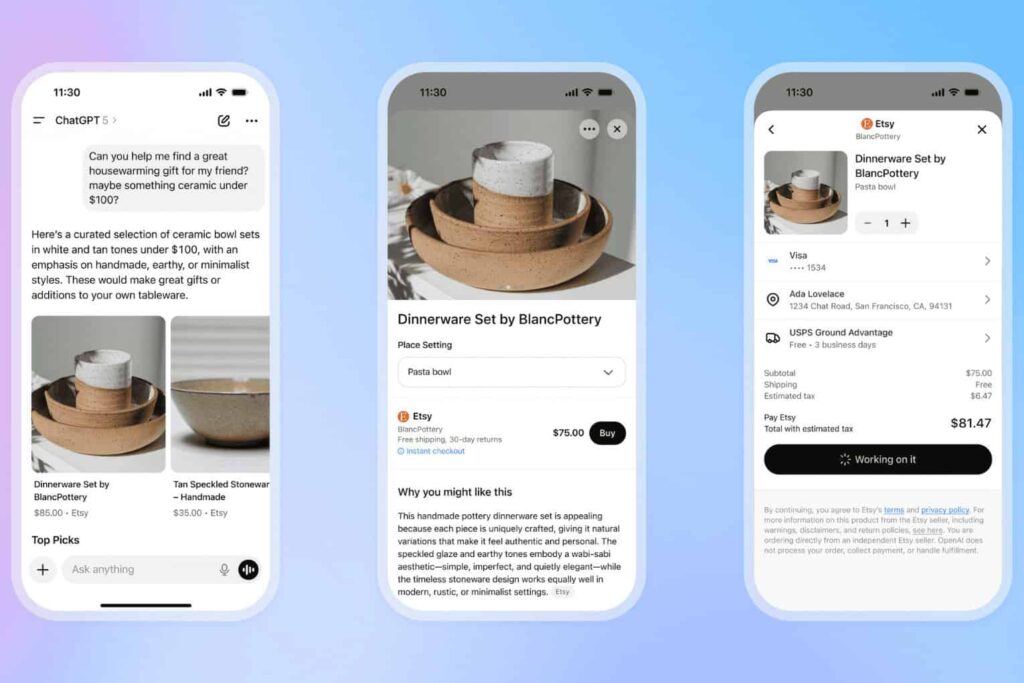
Instant Checkout is a new commerce feature embedded into ChatGPT. It allows users to browse, select, and purchase items directly inside the chat interface without being redirected to external websites. According to CNBC, the feature is currently available to ChatGPT users in the U.S. who use the web and iOS platforms.

When a user asks for product recommendations, such as “Find me a handmade ceramic mug” or “Suggest a birthday gift under $50,” ChatGPT surfaces Etsy listings that match the query. If an item is eligible for Instant Checkout, a “Buy” button will appear, enabling users to complete the transaction right within the chat window.

Payment processing is handled through Stripe using a secure protocol developed in collaboration with OpenAI. Customers can either input their payment details manually or use saved credentials for quicker transactions. All purchases are processed under the seller’s original terms, including pricing and shipping, ensuring transparency.

A Step Toward Agentic Commerce

This new functionality falls under what OpenAI and industry analysts are referring to as “agentic commerce” a model where AI doesn’t just assist in decision-making but can also carry out transactions on behalf of users. OpenAI has introduced a framework called the Agentic Commerce Protocol to facilitate this evolution.

The protocol is open source, and OpenAI hopes that developers, marketplaces, and third-party platforms will adopt it to create AI-compatible storefronts that can seamlessly interact with AI agents like ChatGPT.

According to Reuters, Etsy is the first major marketplace to adopt this model. Shopify sellers are expected to gain access soon, potentially opening up the feature to over 1 million independent businesses.

No Extra Fees for Buyers

Buyers will not incur additional costs when using Instant Checkout. Prices remain the same as listed on the original platform, and any applicable taxes or shipping fees are transparently added during checkout. However, sellers will pay a small fee to OpenAI for completed transactions. This marks a notable shift in OpenAI’s revenue model, moving beyond subscriptions toward transaction-based monetization.

As AP News reports, this development could be a strategic way for OpenAI to diversify its income streams while increasing platform engagement.

Limited Scope (For Now)

As of launch, Instant Checkout only supports single-item purchases. Users can’t add multiple items to a cart or mix products from different sellers. International users, Android app users, and business accounts are not yet supported. However, OpenAI states that these limitations will be addressed in future updates.

Additionally, only a subset of Etsy listings is currently supported. Eligible products are manually verified and approved by Etsy before being featured, ensuring a quality-controlled shopping experience.

The Business and Market Impact

The impact on the market was immediate. Following the announcement, Etsy’s stock price jumped by 7.3%, and Shopify’s increased by 4.5% on expectations of future inclusion. Investors see OpenAI’s entry into e-commerce as a potential disruptor that could challenge conventional shopping experiences on platforms like Amazon, Google Shopping, or even traditional marketplaces.

According to PYMNTS, integrating instant purchasing with AI could reduce friction in the buyer journey and significantly boost conversion rates something e-commerce companies are constantly striving to improve.

Opportunities for Sellers

For Etsy and soon-to-be Shopify sellers, the potential benefits are considerable. They gain access to a new channel for customer acquisition: AI-driven discovery. When a shopper searches through conversation, they are likely to engage more deeply with suggestions, potentially leading to more spontaneous purchases.

Small business owners who’ve previously struggled with SEO, ad placement, and social media marketing may find ChatGPT a leveling field, where well-made products can rise to the top through relevance, not just ad budgets.

However, this benefit may not be evenly distributed. As one Shopify seller noted in a Reddit discussion, “ChatGPT seems to prioritize well-known or highly optimized stores. I’m worried smaller sellers will get left behind if they don’t play the AI game right.”

Privacy and Security Concerns

Whenever payment systems are involved, privacy becomes a concern. OpenAI has stated that no payment data is stored within ChatGPT itself. All transactions are securely handled by Stripe using tokenization and industry-standard encryption.

Still, some users remain skeptical. Given ChatGPT’s broad access to context, some critics argue that even anonymized shopping behavior could be used to infer personal preferences or spending patterns raising questions about long-term data usage and user profiling.

Advertising and Ethical Considerations

There is ongoing discussion around whether OpenAI will eventually monetize this channel further through sponsored listings. As of now, the company claims that product recommendations are organic and not influenced by paid partnerships.

Transparency will be critical in maintaining user trust. Should OpenAI eventually introduce advertising, it must clearly distinguish between sponsored and non-sponsored results, much like Google or Amazon does today.

Developer and Ecosystem Involvement

The open-source nature of the Agentic Commerce Protocol is a deliberate move by OpenAI to encourage third-party innovation. Developers will be able to build their own agents that can interact with the protocol, creating a modular ecosystem where tools can be swapped and enhanced depending on the platform’s needs.

This opens the door for marketplaces beyond Etsy and Shopify to participate, potentially even local or niche e-commerce providers that want to offer instant checkout within AI platforms.

Future Outlook

The road ahead is filled with possibilities. With ongoing development, ChatGPT could eventually serve as a unified hub for shopping across multiple platforms. Imagine asking, “I need a pair of leather boots under $150 that ships in 2 days,” and the AI not only finds multiple listings from Etsy, Shopify, and others but also handles price comparisons, shipping optimization, and checkout—all in one place.

If OpenAI manages to scale this responsibly, Instant Checkout could reshape how we think about e-commerce, reducing reliance on search engines and traditional online marketplaces.

Conclusion

ChatGPT’s Instant Checkout is more than a feature—it’s a shift in how people interact with commerce online. While the current version has its limitations, it represents a powerful glimpse into a future where AI doesn’t just inform our decisions, but also acts on them. This raises exciting opportunities for buyers and sellers alike, though it also brings with it challenges around transparency, privacy, and fairness.

The next few months will be crucial as OpenAI gathers feedback, expands integrations, and navigates the complex terrain of digital commerce. If successful, ChatGPT could soon become not just the place where questions get answered—but where purchases begin and end.