WORLDEF Prime Antalya 2026 - Upcoming Event

Register Now

Tie Raises $10M for First-Party Data in E-Commerce

Miami-based startup Tie recently announced a $10 million Series A funding round aimed at helping e-commerce brands reduce their dependence on third-party advertising platforms by identifying and engaging their website visitors directly. This new capital injection highlights the ongoing shift in digital marketing towards first-party data and privacy-safe solutions, especially as third-party cookies are phased out by major browsers (Refresh Miami).

The Problem: Renting Audiences in E-Commerce

Many e-commerce businesses have long depended on third-party platforms such as Facebook, Google, and Instagram to reach and target potential customers. These platforms collect vast amounts of user data, enabling highly targeted advertising campaigns. However, the audiences ultimately belong to these platforms, forcing brands into a “renting” model where they pay to access potential buyers but lack direct ownership or control over these relationships.

Moreover, the traditional backbone of such targeting, third-party cookies, is rapidly becoming obsolete. Privacy regulations like the GDPR in Europe and the CCPA in California, alongside browser restrictions from Safari and Firefox, have already limited cookie tracking. Google Chrome plans to eliminate third-party cookies soon, leaving brands scrambling to find alternatives .

This environment creates a pressing need for e-commerce companies to build direct relationships with their website visitors through first-party data information collected directly from customers with their consent. This is precisely where Tie’s platform comes in.

Tie’s Mission and Technology

Founded by Michael Diesu and Jonathan Kopnick, Tie’s platform is designed to identify up to 95% of website visitors, including those browsing in incognito mode or using multiple devices. Through a proprietary data engine that connects 25 billion data points from over 1,000 sources and insights from 280 million opted-in consumers, Tie creates detailed visitor profiles while respecting privacy laws and consumer preferences (Refresh Miami).

By converting anonymous web traffic into known users, brands gain the ability to send personalized marketing messages, recover abandoned carts, and boost customer lifetime value. This approach gives brands ownership of their audiences instead of renting access from third-party platforms, reducing dependency and advertising costs.

Real-World Impact for Brands

Brands using Tie’s technology have reported significant benefits. One key result is a 152% increase in the size of email-able abandoned cart audiences. Abandoned carts are a major challenge in e-commerce, but recovering even a fraction of these lost sales can substantially increase revenue (Refresh Miami).

Additionally, brands have seen a 3% increase in online sales after implementing Tie’s platform. A prominent example is Caraway, a cookware brand that reported nearly $1 million in incremental sales in 2025 by leveraging Tie’s data-driven customer identification and engagement tools (Refresh Miami).

The Industry Shift to First-Party Data

The shift from third-party to first-party data reflects broader changes in the digital marketing landscape. Consumers demand more transparency and control over their data, and brands are seeking sustainable ways to engage customers directly. First-party data allows marketers to personalize communication while maintaining privacy compliance, ultimately building stronger customer trust and loyalty .

Industry studies have shown that businesses effectively utilizing first-party data experience higher engagement rates, improved retention, and more efficient advertising spend. Tie’s platform aligns with these trends by offering a privacy-first solution to audience identification and re-engagement.

Details on the Funding Round

The $10 million Series A funding round was led by Innovating Capital, with contributions from Stage 2 Capital, Hawke Ventures, and strategic angel investors including executives from Brex and Share Local Media. This round brings Tie’s total funding to $17 million, providing resources to accelerate product development and scale operations (Refresh Miami).

With this funding, Tie plans to expand its Miami-based engineering and product teams, focusing on deeper integrations with popular email marketing, commerce, and advertising platforms. Enhancing AI-driven customer identification and segmentation capabilities will be a priority, enabling brands to engage audiences more precisely and efficiently (Refresh Miami).

What This Means for E-Commerce Brands

For e-commerce brands, Tie’s platform offers a way to regain control over their marketing and customer relationships. By identifying website visitors directly and gathering first-party data, brands can reduce marketing costs and build stronger, longer-term connections with their customers. This autonomy is increasingly important as the digital advertising ecosystem changes rapidly.

Sarah Williams, a noted marketing analyst, recently commented that “owning your audience is the best hedge against the volatility of platform algorithms and privacy shifts. Tools like Tie enable brands to make that a reality,” highlighting the strategic advantage Tie provides.

Challenges and Best Practices

Despite the benefits, brands must approach first-party data collection carefully to maintain consumer trust and comply with data privacy laws. Tie helps simplify this by offering privacy-safe data solutions and pre-built integrations, but brands still need to focus on creating personalized, meaningful customer experiences.

Investing in data infrastructure and skilled marketing teams remains essential. Brands must continuously monitor performance metrics such as repeat purchase rates, customer engagement, and conversion rates to optimize campaigns effectively.

The Bigger Picture

The evolution toward first-party data-driven marketing is not just a response to regulatory changes but a fundamental transformation in how brands interact with customers online. With third-party cookies becoming obsolete, solutions like Tie are poised to become critical tools for e-commerce success.

By empowering brands to build owned audiences and engage customers in privacy-conscious ways, Tie is helping reshape the future of digital marketing and e-commerce growth (Refresh Miami).


Most Online Shoppers Don’t Return

Recent data from a study by Uptain, covering over 3,000 e‑commerce shops, reveals a surprising pattern in online consumer behavior: only about 14.77 % of shoppers return to make a second purchase from the same store. Less than a third of those roughly 30.16 % go on to place a third order. Much smaller percentages become truly loyal or frequent buyers. Ecommerce News

This trend suggests a major challenge for online retailers: while acquiring new customers demands heavy marketing investment, turning first-time buyers into repeat customers remains difficult. Below is a deeper look at the findings, implications, and recommended strategies for e‑commerce stores seeking to improve retention.

Key Findings from the Study

Majority of Buyers Are One‑Time Customers

  • 85.23 % of online customers make only a single purchase from a store. Ecommerce News

  • The impulse nature of many online purchases is cited as a key reason for low repeat buyer rates. Ecommerce News

Higher Cart Value from Returning Customers

  • The median order value for return buyers is estimated at €80.41, compared to €59.90 for one-time buyers. Ecommerce News

  • Because returning customers already know the brand and trust the site, their acquisition cost (in marketing) is lower. Ecommerce News

  • Notably, order values tend to dip gradually after customers place more than three purchases. Ecommerce News

Few Become Long‑Term Loyal Customers

  • Among those who make a second purchase, only 30.16 % go on to a third order. Ecommerce News

  • Those placing more than three orders make up 12.37 % of buyers. Ecommerce News

  • Less than 2 % of customers shop multiple times within a single month. Ecommerce News

Time Between Purchases Narrows

  • On average, a second purchase occurs about two weeks after the first order. Ecommerce News

  • After that, the interval between subsequent purchases continues to shorten. Ecommerce News

  • This shrinking gap implies momentum: encouraging timely re-engagement may help cement repeat behavior. Ecommerce News

Why This Matters for Online Retailers

Turning first-time buyers into repeat customers is critical for sustainable growth. Here’s why the findings make this urgency clearer:

  • Marketing to new customers is expensive (ads, SEO, promos).

  • Repeat buyers often spend more per order and require lower promotional effort.

  • If the baseline is that fewer than one in six buyers returns, much potential revenue is being left behind.

  • E-commerce platforms that fail to build relationships may lose out to those that can foster loyalty.

In short: acquisition alone is not enough. Retention strategies must be a priority.

Strategies to Boost Repeat Purchases

Based on insights from the Uptain report and industry best practices, consider the following tactics to improve repeat buying rates:

1. Time‑Targeted Follow-Ups

Because the second purchase usually happens around two weeks after the first, tailor outreach around that window. Possible approaches:

  • Send personalized emails or SMS reminders

  • Offer discounts or incentives tied to a customer’s first purchase

  • Use automated messages (e.g. via WhatsApp or chatbots) to nudge return visits

2. Personalization and Relevant Offers

First-time shoppers tend to look around more; returning customers often move faster through the site. This means:

  • Make your retention messages clear and front-loaded

  • Use AI or machine learning to suggest products based on prior purchase or browsing

  • Avoid generic promotions: designed offers can feel more relevant

3. Loyalty or Points Programs

Reward systems encourage continued engagement. Even small perks can move a consumer from second-order to regular customer.

4. Optimize for Speed and Convenience

Since returning customers act faster:

  • Ensure fast checkout flows

  • Offer saved payment methods, one-click buying, or guest checkout

  • Reduce friction in navigation, loading times, and checkout steps

5. Segment and Reactivate

  • Identify at‑risk customers (e.g. those who haven’t returned in >30 days)

  • Send targeted reactivation emails or offers

  • Use segmentation (by cart value, product category, customer lifetime) to tailor messaging

6. Track Behavior and Iterate

  • Monitor metrics like repeat purchase rate, time between orders, average order value by cohort

  • Experiment with different offers, frequencies, and messaging

  • Use A/B tests to refine what works best per segment

Challenges & Considerations

  • Some repeat behavior may decline naturally after a few purchases, as shown by the dip in order value beyond three orders.

  • Over-messaging can backfire—too many emails or offers may push customers away.

  • Automatic or AI-driven reactivation must remain respectful of privacy and user preferences.

  • Data quality matters—accurate tracking and attribution are essential.

Conclusion

The Uptain study sheds light on a critical reality in e‑commerce: fewer than 15 % of customers are returning for a second purchase. While the path from first order to brand loyalty is narrow, the opportunity is in that gap. Online retailers that adopt timely, personalized, and data-driven retention strategies can tap into significant revenue potential.

By recognizing the behavioral patterns documented in the study and taking proactive steps, e‑commerce businesses can transform occasional buyers into engaged, recurring customers.

ChatGPT Adds Instant Shopping

The landscape of e-commerce is undergoing a significant transformation as OpenAI officially unveils its new feature: Instant Checkout within ChatGPT. This latest integration empowers users to buy products directly through the chatbot interface, making the purchase process quicker, more seamless, and increasingly conversational.

Initially launched in partnership with Etsy, and with Shopify integration on the horizon, the move signifies OpenAI’s growing ambition to turn ChatGPT into more than just a conversational tool—it’s now a shopping assistant, a recommendation engine, and a one-click checkout platform all in one.

What is Instant Checkout?

Instant Checkout is a new commerce feature embedded into ChatGPT. It allows users to browse, select, and purchase items directly inside the chat interface without being redirected to external websites. According to CNBC, the feature is currently available to ChatGPT users in the U.S. who use the web and iOS platforms.

When a user asks for product recommendations, such as “Find me a handmade ceramic mug” or “Suggest a birthday gift under $50,” ChatGPT surfaces Etsy listings that match the query. If an item is eligible for Instant Checkout, a “Buy” button will appear, enabling users to complete the transaction right within the chat window.

Payment processing is handled through Stripe using a secure protocol developed in collaboration with OpenAI. Customers can either input their payment details manually or use saved credentials for quicker transactions. All purchases are processed under the seller’s original terms, including pricing and shipping, ensuring transparency.

A Step Toward Agentic Commerce

This new functionality falls under what OpenAI and industry analysts are referring to as “agentic commerce” a model where AI doesn’t just assist in decision-making but can also carry out transactions on behalf of users. OpenAI has introduced a framework called the Agentic Commerce Protocol to facilitate this evolution.

The protocol is open source, and OpenAI hopes that developers, marketplaces, and third-party platforms will adopt it to create AI-compatible storefronts that can seamlessly interact with AI agents like ChatGPT.

According to Reuters, Etsy is the first major marketplace to adopt this model. Shopify sellers are expected to gain access soon, potentially opening up the feature to over 1 million independent businesses.

No Extra Fees for Buyers

Buyers will not incur additional costs when using Instant Checkout. Prices remain the same as listed on the original platform, and any applicable taxes or shipping fees are transparently added during checkout. However, sellers will pay a small fee to OpenAI for completed transactions. This marks a notable shift in OpenAI’s revenue model, moving beyond subscriptions toward transaction-based monetization.

As AP News reports, this development could be a strategic way for OpenAI to diversify its income streams while increasing platform engagement.

Limited Scope (For Now)

As of launch, Instant Checkout only supports single-item purchases. Users can’t add multiple items to a cart or mix products from different sellers. International users, Android app users, and business accounts are not yet supported. However, OpenAI states that these limitations will be addressed in future updates.

Additionally, only a subset of Etsy listings is currently supported. Eligible products are manually verified and approved by Etsy before being featured, ensuring a quality-controlled shopping experience.

The Business and Market Impact

The impact on the market was immediate. Following the announcement, Etsy’s stock price jumped by 7.3%, and Shopify’s increased by 4.5% on expectations of future inclusion. Investors see OpenAI’s entry into e-commerce as a potential disruptor that could challenge conventional shopping experiences on platforms like Amazon, Google Shopping, or even traditional marketplaces.

According to PYMNTS, integrating instant purchasing with AI could reduce friction in the buyer journey and significantly boost conversion rates something e-commerce companies are constantly striving to improve.

Opportunities for Sellers

For Etsy and soon-to-be Shopify sellers, the potential benefits are considerable. They gain access to a new channel for customer acquisition: AI-driven discovery. When a shopper searches through conversation, they are likely to engage more deeply with suggestions, potentially leading to more spontaneous purchases.

Small business owners who’ve previously struggled with SEO, ad placement, and social media marketing may find ChatGPT a leveling field, where well-made products can rise to the top through relevance, not just ad budgets.

However, this benefit may not be evenly distributed. As one Shopify seller noted in a Reddit discussion, “ChatGPT seems to prioritize well-known or highly optimized stores. I’m worried smaller sellers will get left behind if they don’t play the AI game right.”

Privacy and Security Concerns

Whenever payment systems are involved, privacy becomes a concern. OpenAI has stated that no payment data is stored within ChatGPT itself. All transactions are securely handled by Stripe using tokenization and industry-standard encryption.

Still, some users remain skeptical. Given ChatGPT’s broad access to context, some critics argue that even anonymized shopping behavior could be used to infer personal preferences or spending patterns raising questions about long-term data usage and user profiling.

Advertising and Ethical Considerations

There is ongoing discussion around whether OpenAI will eventually monetize this channel further through sponsored listings. As of now, the company claims that product recommendations are organic and not influenced by paid partnerships.

Transparency will be critical in maintaining user trust. Should OpenAI eventually introduce advertising, it must clearly distinguish between sponsored and non-sponsored results, much like Google or Amazon does today.

Developer and Ecosystem Involvement

The open-source nature of the Agentic Commerce Protocol is a deliberate move by OpenAI to encourage third-party innovation. Developers will be able to build their own agents that can interact with the protocol, creating a modular ecosystem where tools can be swapped and enhanced depending on the platform’s needs.

This opens the door for marketplaces beyond Etsy and Shopify to participate, potentially even local or niche e-commerce providers that want to offer instant checkout within AI platforms.

Future Outlook

The road ahead is filled with possibilities. With ongoing development, ChatGPT could eventually serve as a unified hub for shopping across multiple platforms. Imagine asking, “I need a pair of leather boots under $150 that ships in 2 days,” and the AI not only finds multiple listings from Etsy, Shopify, and others but also handles price comparisons, shipping optimization, and checkout—all in one place.

If OpenAI manages to scale this responsibly, Instant Checkout could reshape how we think about e-commerce, reducing reliance on search engines and traditional online marketplaces.

Conclusion

ChatGPT’s Instant Checkout is more than a feature—it’s a shift in how people interact with commerce online. While the current version has its limitations, it represents a powerful glimpse into a future where AI doesn’t just inform our decisions, but also acts on them. This raises exciting opportunities for buyers and sellers alike, though it also brings with it challenges around transparency, privacy, and fairness.

The next few months will be crucial as OpenAI gathers feedback, expands integrations, and navigates the complex terrain of digital commerce. If successful, ChatGPT could soon become not just the place where questions get answered—but where purchases begin and end.

UAE and Saudi Lead Digital Trends 2025

The Middle East continues to cement its position as one of the most dynamic digital consumer markets worldwide, with the United Arab Emirates (UAE) and Saudi Arabia emerging as frontrunners in 2025. According to the Deloitte Digital Consumer Trends 2025 report, the region is experiencing a surge in generative AI adoption, social commerce, and digital entertainment, with consumers integrating these technologies into their daily lives at a pace faster than many global counterparts.

One of the most striking findings is that 58 percent of consumers in the UAE and Saudi Arabia are already using generative AI tools, compared to a global average of 45 percent. This demonstrates not only early adoption but also an eagerness to explore AI’s potential in areas such as education, professional services, and entertainment. Industry experts suggest that this rapid uptake is facilitated by government-backed digital transformation programs, such as Saudi Arabia’s Vision 2030 and the UAE’s National AI Strategy, both of which aim to position the Gulf as a hub for next-generation technologies.

Social commerce, the integration of online shopping with social media experiences, is another sector experiencing robust growth. According to FintechNews Middle East, nearly two-thirds of consumers in the UAE and close to 60 percent in Saudi Arabia purchased goods directly via platforms like Instagram, TikTok, and Snapchat in the past year. This reflects a broader global shift in consumer behavior, but what sets the Middle East apart is the speed and scale of adoption. The region’s young population and high smartphone penetration are fueling this trend, making the Gulf a priority market for global e-commerce and retail players.

Entertainment consumption is also undergoing a major transformation. Deloitte’s survey shows that more than 80 percent of consumers in both countries subscribe to at least one streaming service, with many juggling multiple subscriptions. The gaming sector is another standout, particularly mobile gaming, which has seen double-digit growth year-on-year. This reflects a shift in how people spend their leisure time, with digital-first platforms increasingly replacing traditional entertainment.

Analysts also highlight the role of fintech in enabling this ecosystem. With digital wallets, buy-now-pay-later services, and blockchain-based platforms gaining ground, consumers in the Gulf are not only consuming content online but also transacting in new ways. This convergence of finance, commerce, and media is creating opportunities for startups, investors, and multinational companies seeking to expand their presence in the region.

In a recent statement from Deloitte Middle East, Emmanuel Durou, TMT Leader, emphasized that the Gulf Cooperation Council (GCC) countries have a rare opportunity to lead global digital transformation. He noted that strong economic performance, ambitious policy frameworks, and digitally savvy populations are aligning to create fertile ground for innovation.

Looking ahead, experts predict that consumer behavior in the UAE and Saudi Arabia will increasingly set benchmarks for other emerging markets. As governments invest heavily in infrastructure such as 5G, cloud computing, and data centers, the capacity for scaling digital products and services will expand rapidly. This will not only accelerate AI and social commerce adoption but also foster new business models across healthtech, edtech, and mobility.

The rapid evolution of consumer trends in the Gulf highlights the region’s potential to act as a global testbed for innovation. Companies that can adapt to the digital-first mindset of UAE and Saudi consumers are likely to gain a strategic advantage, while those that lag behind may struggle to remain relevant in such a fast-changing marketplace.

Agentic Commerce: The Future of AI Shopping

In recent years, artificial intelligence (AI) has dramatically reshaped many aspects of our daily lives, from virtual assistants to smart home devices. One of the most significant transformations AI is driving today is in the world of e-commerce. The rise of “agentic commerce” or a-commerce is revolutionizing how consumers shop online by making the process more intuitive, personalized, and effortless. This new era of shopping is fundamentally changing consumer expectations and compelling brands to adapt rapidly to stay competitive.

What is Agentic Commerce?

Agentic commerce refers to a system where AI agents act autonomously on behalf of consumers to handle various stages of the shopping journey. Unlike traditional e-commerce, where shoppers actively search, compare, and select products, agentic commerce uses sophisticated AI tools to predict consumer needs, automate purchases, and personalize every interaction.

For example, imagine a user browsing Instagram who likes a pair of sustainable sneakers. Instead of manually searching for the best price or deals, an AI agent like Pulse detects the interest, scans available inventories across multiple retailers, compares prices, and identifies an exclusive 15% discount. The agent then presents the offer to the user, who can complete the purchase with a single tap, while the AI schedules delivery at a convenient time (Economic Times Brand Equity, 2024).

This level of automation and personalization reduces the cognitive load on consumers, making shopping seamless and highly efficient. Consumers no longer have to spend hours browsing countless websites or juggling multiple tabs to find the right product at the right price.

Changing Consumer Behavior and Preferences

The rise of agentic commerce is driven by changing consumer behavior and technological advancements. According to Gartner’s 2024 retail report, traditional product searches are projected to decline by 25% by 2026. Consumers increasingly prefer AI-powered natural language search and conversational interfaces, such as chatbots, which provide immediate, accurate responses without the need for sifting through multiple links.

Platforms like Perplexity AI exemplify this trend by offering precise, single-answer solutions to consumer queries, making the shopping experience faster and more direct. This shift challenges brands to rethink how they present products online and engage customers in a way that AI agents can efficiently interpret and recommend.

The Role of Answer Engine Optimization (AEO)

To succeed in the era of agentic commerce, brands must embrace a new digital marketing approach known as Answer Engine Optimization (AEO). Unlike traditional Search Engine Optimization (SEO), which focuses on ranking websites for keyword-based searches, AEO aims to optimize product and service information for AI agents and voice-activated assistants.

Brands need to structure their content, product data, and metadata so AI tools can easily access, understand, and recommend their offerings during automated shopping interactions. Failure to implement AEO could result in reduced visibility, causing brands to lose valuable consumer touchpoints to more AI-friendly competitors.

McKinsey & Company highlights that personalized digital content, optimized for AI interaction, can boost conversion rates by up to 30% (McKinsey & Company, 2023). This makes AEO not only a technological requirement but a critical business strategy.

Benefits for Consumers and Brands

Agentic commerce offers significant benefits for both consumers and brands. For consumers, it means:

  • Time Savings: Automating routine shopping tasks frees up valuable time.

  • Personalization: AI agents tailor offers and recommendations based on individual preferences and behaviors.

  • Convenience: From discovery to delivery scheduling, the entire process is streamlined.

  • Better Deals: AI can identify discounts and promotions that shoppers might otherwise miss.

For brands, the advantages include:

  • Increased Conversion Rates: Personalized AI-driven interactions increase purchase likelihood.

  • Customer Loyalty: Offering frictionless shopping experiences enhances satisfaction and retention.

  • Efficient Marketing: AEO allows brands to target consumers more precisely via AI agents.

  • Competitive Edge: Early adopters of agentic commerce technology stand to dominate the evolving e-commerce landscape.

Market Trends and Future Outlook

The shift toward agentic commerce aligns with broader retail trends emphasizing immersive and personalized experiences. E-commerce sales, especially in categories like furniture and consumer electronics, are growing rapidly and are expected to account for nearly 40% of total sales by 2026. As the volume of online transactions rises, delivering a smooth, intelligent shopping journey becomes crucial.

Imagine the impact when agentic commerce integrates with other technologies like augmented reality (AR) and virtual reality (VR). Consumers might soon visualize products in their homes, receive AI-powered style advice, and complete purchases seamlessly all driven by intelligent AI assistants.

Moreover, agentic commerce supports sustainability by minimizing product returns and promoting informed purchases. Consumers are better equipped to buy what they truly want and need, reducing waste and environmental impact a factor increasingly important to younger generations (McKinsey & Company, 2023).

Challenges and Considerations

Despite its promise, agentic commerce presents challenges. Brands must invest in technology infrastructure and data management to support AI-driven shopping. Privacy concerns also arise, as AI agents handle sensitive personal data. Transparent data policies and robust security measures will be essential to build consumer trust.

Additionally, smaller businesses may find it difficult to keep pace with the rapid technological shift, risking marginalization in the market. Collaborative platforms and AI-as-a-service solutions could help democratize access to agentic commerce capabilities.

Conclusion

Agentic commerce is not just a trend but a fundamental shift redefining how people shop and how brands sell. By leveraging AI to automate, personalize, and simplify the purchasing process, this new model promises to deliver superior shopping experiences while driving business growth.

As Preet Singh, CEO of Imagine.io, notes in a similar technology context, “In today’s world, shopping is not just about the product it’s about how it fits into your lifestyle and story.” Agentic commerce embodies this philosophy by making shopping personal, intuitive, and effortless.

Brands that proactively adopt AI-driven strategies like AEO and integrate agentic commerce into their digital ecosystems will be well-positioned to thrive in the future of retail.

Imagine.io Launches New E-Commerce Configurator

Imagine.io, a pioneering platform specializing in 3D product visualization and configuration, has recently launched a state-of-the-art product configurator designed to significantly enhance the online shopping experience. The new tool aims to lower configurator costs, accelerate time-to-market, and increase customer engagement and conversion rates, particularly for furniture, home décor, and lifestyle brands.

With the rise of immersive commerce, retailers are under increasing pressure to provide engaging and personalized shopping experiences. Immersive technologies such as 3D configurators and augmented reality are projected to be integrated into over 50% of e-commerce strategies by 2027, highlighting a major shift in how brands approach digital retail (Gartner, 2024).

Preet Singh, founder and CEO of Imagine.io, emphasized the evolving nature of consumer expectations during the product unveiling. He noted that traditional e-commerce, dominated by static images and basic product descriptions, no longer meets the needs of modern shoppers. Instead, consumers seek contextualized, interactive experiences that allow them to envision how products fit into their personal environments, a trend corroborated by recent industry studies.

The new configurator provides this experience by allowing customers to customize and view products directly within lifestyle settings. For example, a sofa can be visualized in a realistic living room scene, enabling buyers to assess size, color, and style in context, which research shows greatly improves purchase confidence and reduces return rates (McKinsey & Company, 2023).

One standout feature of Imagine.io’s configurator is its no-code interface. This empowers marketing and merchandising teams to make quick changes to product visuals, variants, and pricing without requiring specialized developer skills. Additionally, the tool supports dynamic user uploads, allowing customers to personalize products with their own images or logos, enhancing the overall shopping experience.

Integration flexibility is another key advantage. The configurator easily connects with popular e-commerce platforms such as Shopify, Magento, and WooCommerce, as well as content management systems (CMS) and product information management (PIM) tools. This seamless compatibility minimizes disruption and enables retailers to adopt the technology without costly infrastructure overhauls.

Statista forecasts that by 2026, nearly 40% of furniture sales globally will take place online, driven by improved digital visualization tools and evolving consumer behaviors. In this context, tools like Imagine.io’s configurator are becoming essential for brands to capture and retain market share in the competitive online retail landscape.

In addition to improving the consumer experience, Imagine.io’s configurator offers businesses a lower total cost of ownership compared to custom-built 3D solutions. Its cloud-based architecture allows for rapid deployment, frequent updates, and simplified maintenance, which reduces both upfront investment and ongoing expenses.

Looking toward the future, Imagine.io plans to incorporate artificial intelligence features such as AI-generated product scenes and augmented reality previews, further enhancing personalization and interactivity. These developments align with a broader industry push towards immersive, omnichannel retail experiences that blur the lines between physical and digital shopping.

Retailers adopting these technologies stand to benefit from increased customer engagement, higher conversion rates, and decreased product returns, as shoppers gain a clearer understanding of what they are purchasing. This is especially critical in categories like furniture and home décor, where tactile experience is difficult to replicate online.

The expansion of immersive commerce technologies also supports sustainability goals by reducing waste associated with product returns and encouraging more informed buying decisions. This resonates particularly with younger consumers, who prioritize environmental responsibility alongside quality and convenience (McKinsey & Company, 2023).

Overall, Imagine.io’s new product configurator is a significant advancement in e-commerce technology. It enables brands to create rich, immersive shopping environments that meet modern consumer expectations, offering a competitive edge in an increasingly digital marketplace.

As Singh concluded during the launch, “In today’s world, shopping is not just about the product it’s about how it fits into your lifestyle and your story.”

Türkiye’s E-commerce Share Hits 20%

Türkiye’s e-commerce industry continues its impressive growth, now accounting for 20% of all retail sales in the country, according to İrem Çağrı Yılandil, Head of International Expansion at Trendyol. The milestone was announced during her address at the INMerge Innovation Summit 2025 held in Baku, Azerbaijan.

The 20% figure marks a significant rise from just 10% five years ago. This doubling of market share is closely tied to pandemic-related shifts in consumer behavior and increased investment in digital infrastructure. According to data from Statista, Türkiye’s e-commerce revenue is expected to surpass 30 billion USD by the end of 2025, making it one of the fastest-growing digital economies among emerging markets.

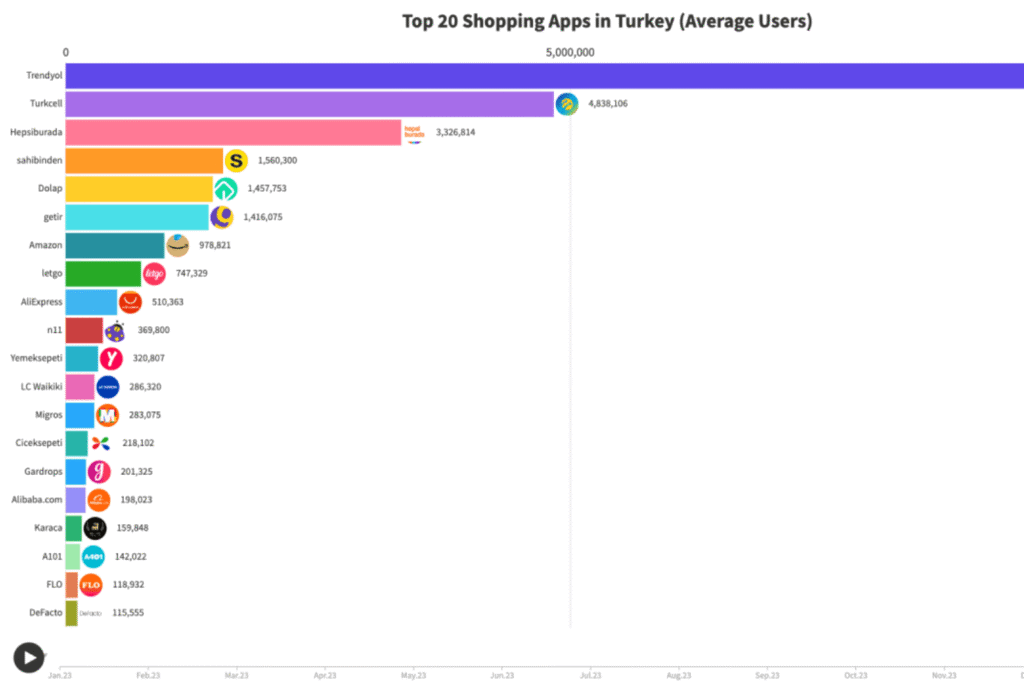
Trendyol, as one of the country’s largest e-commerce platforms, has been at the center of this transformation. With over 250,000 sellers and 30 million active users in Türkiye alone, the platform has become more than a marketplace it’s a critical component of the country’s digital retail infrastructure. A recent eCommerceDB report placed Trendyol among the top e-commerce platforms in the MENA region.

The company’s ability to scale rapidly is credited to its focus on localized logistics, fast delivery, and a user experience tailored to the needs of Turkish consumers. These factors have helped build trust in online shopping an essential driver for long-term digital adoption.

Beyond domestic growth, Trendyol has started to position itself as a regional player. Over the past two years, the company has expanded operations into Saudi Arabia, the United Arab Emirates, Georgia, Azerbaijan, Romania, Greece, and Bulgaria. While Türkiye’s e-commerce penetration is at 20%, in countries like Romania and Saudi Arabia, online retail accounts for just 10–12% and 9% of total retail respectively. In Central Asia, the figures are even lower ranging between 5% and 7%.

These statistics highlight the regional potential that remains largely untapped. Trendyol is looking to capitalize on this by introducing country-specific strategies, including tailored logistics models, localized marketing, and partnerships with local vendors.

Türkiye’s rise as a digital commerce hub is not only a result of private sector innovation. Public initiatives have also played a key role. The OECD Digital Economy Outlook shows that Türkiye ranks among the top-performing emerging markets in terms of digital transition and mobile connectivity. Government incentives for SMEs and start-ups have also encouraged broader participation in e-commerce platforms.

Trendyol’s expansion is particularly beneficial for small and medium-sized enterprises, which can now access national and international markets without the traditional costs of physical expansion. This has democratized commerce in Türkiye, allowing entrepreneurs from rural regions to participate in the digital economy on equal footing.

The COVID-19 pandemic served as an accelerant for the entire industry. Even after restrictions were lifted, the consumer preference for digital channels persisted. A McKinsey & Company report published in late 2023 showed that 71% of Turkish consumers continued to prefer online shopping over traditional retail, a sign that the shift in habits is likely permanent.

To meet the changing expectations of its user base, Trendyol has focused heavily on artificial intelligence, personalization, and data-driven logistics. For instance, the platform uses AI to enhance product discovery and optimize delivery times, creating a smoother customer journey.

Sustainability has also become central to Trendyol’s strategy. The company is introducing electric vehicles into its delivery fleet, using recyclable packaging, and applying route optimization algorithms to cut emissions. These efforts earned it recognition at the European E-Commerce Awards in 2024, where it received the “Green Tech Logistics Innovator” title.

Yet challenges remain. Regulatory uncertainties around data privacy, cross-border taxation, and e-commerce legislation still pose risks. Furthermore, international giants like Amazon and Alibaba are increasing their presence in Türkiye and its neighboring markets, raising competition. However, Trendyol’s deep understanding of local markets and consumer behavior provides it with a competitive edge.

Looking ahead, industry analysts believe that Türkiye could become a strategic hub for digital commerce in the broader region. Its infrastructure, population, and tech literacy make it well-suited to serve as a launchpad for e-commerce operations targeting Europe, the Middle East, and Central Asia.

As İrem Çağrı Yılandil concluded during her summit remarks, Trendyol’s mission extends beyond business metrics—it aims to transform how the region shops, interacts, and grows in a digital economy.

Reveni Secures €7.5M for E-Commerce Logistics

Madrid-based logistics startup Reveni has successfully closed a €7.5 million funding round as it seeks to reshape the way e-commerce returns and exchanges are managed across Europe and beyond. The investment will allow the company to accelerate product development, expand into new markets, and position itself as a critical partner for retailers navigating the increasingly complex world of online sales logistics. The details of the funding round were reported by CoinTürk Finance.

Founded in Spain, Reveni has built a platform that integrates all key processes related to returns, exchanges, and cross-border logistics into a single system. For many e-commerce businesses, particularly small and medium-sized ones, managing returns remains a costly and fragmented process. Traditional solutions often involve multiple intermediaries, long delays, and manual reconciliation, leading to inefficiency and poor customer experiences. Reveni’s technology seeks to eliminate these issues by streamlining operations and delivering automation at scale.

Investment Goals and Expansion Plans

The new capital injection will be used primarily to expand Reveni’s presence in major European markets such as the UK, Germany, and France. The company also intends to grow its product and engineering teams, focusing on improving automation and creating new features that simplify returns for both merchants and customers. Among the planned developments are instant refunds, faster exchange management, and enhanced fraud prevention systems designed to protect merchants from return abuse.

Fernando Pedraz, co-founder and CEO of Reveni, emphasized that this investment provides the necessary resources to introduce innovative tools that have not yet been seen in the e-commerce logistics sector. As highlighted in CoinTürk Finance, Pedraz pointed to the company’s ability to deliver instant refunds as one of its most disruptive features, offering a customer-first approach while reducing the administrative burden on retailers.

Differentiating Factors in the Market

What sets Reveni apart is its ability to integrate directly with e-commerce platforms and logistics providers, providing a seamless experience across the entire returns lifecycle. Unlike traditional models that rely on outsourcing different parts of the process, Reveni brings everything under one roof. This approach not only simplifies the logistics chain but also gives retailers greater control and visibility over return flows.

Returns and exchanges are a critical moment in the customer journey. Studies have shown that the ease and speed of handling returns can determine whether a customer chooses to shop with a brand again. By prioritizing automation and customer experience, Reveni helps businesses reduce costs while boosting loyalty and trust. This is particularly relevant in competitive European markets, where consumer expectations around convenience are rapidly increasing.

Industry Context and Market Timing

The timing of Reveni’s expansion is significant. The global e-commerce industry continues to grow, but so does the challenge of handling returns. According to industry data, up to 30 percent of online purchases can result in returns, with apparel and electronics leading the way. For cross-border sales, the process becomes even more complicated due to customs duties, shipping fees, and longer processing times. Reveni’s unified platform seeks to address these pain points directly, creating a smoother pathway for both consumers and merchants.

Moreover, sustainability is becoming an important consideration in e-commerce logistics. Many brands are under pressure to reduce the carbon footprint associated with returns, packaging, and transportation. By streamlining operations and optimizing logistics, Reveni also positions itself as a potential ally in helping retailers meet their environmental goals, an increasingly important factor in consumer decision-making.

Challenges Ahead

Despite the opportunities, Reveni faces significant challenges common to logistics technology startups. Scaling rapidly across different geographies requires building strong relationships with local carriers and maintaining consistent service levels. The company must also navigate regulatory and tax frameworks that vary from country to country, which can complicate cross-border returns. Additionally, Reveni operates in a competitive landscape where established logistics providers and major e-commerce platforms are developing their own in-house solutions.

Execution will be critical. With new funding comes the expectation of fast growth, but rapid expansion can also stretch resources. To succeed, Reveni will need to demonstrate tangible value to merchants by showing measurable cost savings, efficiency gains, and improvements in customer satisfaction.

Future Outlook

Looking ahead, Reveni appears well positioned to carve out a leadership role in the logistics segment of the e-commerce ecosystem. By leveraging its fresh capital and focusing on innovation, the company aims to become the preferred partner for retailers seeking to streamline returns and exchanges at scale. If it succeeds in maintaining operational quality while expanding across Europe, Reveni could set new standards for how e-commerce returns are handled globally.

The startup’s journey reflects a broader shift in the e-commerce landscape, where logistics and customer experience are becoming just as important as the products themselves. As Reveni continues to expand, its progress will be closely watched by both investors and competitors, making it a company to follow in the coming years.

Global Digital Trade Expo 2025 Kicks Off in Hangzhou

The 4th Global Digital Trade Expo has officially launched in Hangzhou, bringing together technology firms, innovators, investors, and government representatives from around the world to explore the next frontier of digital trade and cooperation.

The event runs from September 25 to 29 in Zhejiang Province, and covers an exhibition area of approximately 155,000 square meters. According to an official announcement from China’s central government, over 1,700 exhibitors have registered so far, among which more than 20 percent are international firms. Over 70 of these are Fortune Global 500 companies. (Source)

Cutting‑Edge Themes: AI, E‑Commerce & Global Connectivity

This year’s expo places artificial intelligence at its core. According to local reports, full‑chain AI demonstrations include smart robots, embodied AI, large language models, and AI applications across sectors. (Source)

The event also features the Silk Road E‑commerce Zone, where international products from Indonesia, Australia, and China are displayed side by side, giving attendees a “global supermarket” experience with on‑site ordering and interactive demos. (Source)

Guest countries of honor include the United Arab Emirates and Indonesia, and Shaanxi province is honored as the guest province. (Source) Over 1,812 exhibitors from 154 countries and regions are participating, and more than 42,000 professional buyers have been mobilized, including over 11,000 international buyers.

Business Matching, Investment Forums & Reports

Accompanying the exhibition are numerous investment and cooperation events, including over 30 industry forums, capital‑matchmaking sessions, and special days such as Silk Road E‑commerce Day and BRICS Economic Zone Dialogue.

Key reports — such as the Global Digital Trade Development Report 2025 and China’s Digital Trade Report 2025 are also being released, aiming to provide strategic insight and direction for the industry’s future.

Officials emphasize that the upgraded Digital Trade Online platform is enhancing business matchmaking more than 32,000 professional buyers have preregistered, including over 7,700 from overseas, bringing hundreds of international procurement requests.

China’s Strategic Vision and Economic Ambitions

Vice Minister of Commerce Sheng Qiuping stated that digital trade represents the deep integration of technology with international commerce. He emphasized that China views this sector as crucial to innovating trade models and supporting new forms of global cooperation.

In the first half of 2025, China’s cross-border e-commerce reached 1.3 trillion yuan (approximately 183 billion USD), setting a new record.

Zhejiang Province alone surpassed 800 billion yuan in digital trade volume in 2024, continuing six years of double-digit growth. Hangzhou, as the host city, plays a central role in the country’s digital infrastructure and cross-border payment systems.

International Collaboration & Global Participation

The expo’s influence reaches well beyond China and the Asia-Pacific. One of the key participants from the Middle East was Dubai Integrated Economic Zones (DIEZ).

In a LinkedIn statement, DIEZ noted:
“We were proud to take part in the Fourth Global Digital Trade Expo (GDTE), where we shared our expertise and collaborated with enterprises, buyers, and investors from around the world in the digital trade sector. The event featured key exhibition categories, including Artificial Intelligence, E-commerce, Smart Mobility, and much more, advancing the future of global digital trade and fostering innovation across industries.”

DIEZ’s involvement highlights the growing role of the Middle East and North Africa (MENA) region in digital trade and the strategic importance of GDTE as a global networking and innovation hub. Their participation demonstrates how the expo facilitates partnerships that transcend geographic and market boundaries.

Show Highlights & Sector Zones

The expo is organized into one main digital trade hall and seven industry zones, covering themes such as AI, digital entertainment, smart mobility, digital healthcare, smart logistics, and smart spaces.

Notable exhibits include Ant Group’s robot cooking demonstrations, immersive “digital trade dreams” installations by Star Vision, and previews of the game Black Myth: Zhong Kui.

In the AI zone, devices related to computing power, AI-generated digital humans, and industrial applications of large models are being showcased.

Silk Road & Cross‑Border Innovation

The Silk Road E-commerce Zone continues to gain attention as a global trade sandbox. Participants can experience niche products like Indonesia’s kopi luwak coffee and Australia’s manuka honey.

Advanced tools such as ArcSoft’s PSAI system which converts flat product photos into AI-generated visuals with virtual models in under a minute show how digital innovation can lower operational costs and increase marketing agility, particularly for SMEs.

Firms like Disrupt-X from the UAE also showcased smart city technologies and IoT solutions connecting Middle Eastern demand with Chinese manufacturing capabilities.

Data Governance & Ethical Frameworks

In addition to tech demos, the expo features in-depth panels on data privacy, cross-border compliance, algorithmic transparency, and digital ethics. Organizers acknowledge that technology must be backed by robust frameworks that ensure fairness, accountability, and trust across digital ecosystems.

Broader Impacts & Future Outlook

Economically, the previous edition of GDTE contributed an estimated 1.4 billion USD to Hangzhou’s local economy, and this year is expected to surpass that.

According to the World Economic Forum, digital trade could account for up to 25% of total global trade by 2030 a projection that reinforces the significance of platforms like GDTE in shaping the future of commerce.

Conclusion

The 4th Global Digital Trade Expo stands as a beacon for the future of international digital cooperation. From technological breakthroughs to regulatory dialogues, and from SME innovation to cross-continental partnerships like that of DIEZ, the event paints a comprehensive picture of how digital trade will evolve in the years to come.

AIM Summit Dubai 2025 to Gather Global Investment Leaders

Alternative Investment Management – AIM Summit Dubai 2025

The 19th edition of the Alternative Investment Management Summit (AIM Summit) will return to Dubai on 22–23 October 2025. It will bring together global leaders in venture capital, private equity, hedge funds, and digital assets. Hosted at the Jumeirah Emirates Towers, the two-day event will serve as a key platform for investors, policymakers, and entrepreneurs to discuss the future of capital and innovation.

AIM Summit Key Speakers

Among the confirmed speakers is Julien Plouzeau, Senior Partner at Oraseya Capital, the venture capital arm of the Dubai Integrated Economic Zones Authority (DIEZ). Plouzeau leads Oraseya’s investment strategy and portfolio development, focusing on startups from pre-Seed to Series B stages. His participation highlights Dubai’s growing role in shaping the global venture ecosystem.

Other speakers include leading fund managers, institutional investors, and government representatives, underscoring AIM Summit’s reputation as the Middle East’s premier thought-leadership forum for alternative investments. Notable names confirmed for the 2025 edition include Mike Pompeo, former U.S. Secretary of State; Jim O’Neill, prominent economist and former Chair of Goldman Sachs Asset Management; Dr Robert Barnes, Co-CEO of BPX; and Jaspreet Randhawa, Managing Director & Head of Investments at Burkhan World Investments Ltd.

Since its launch in 2015, AIM Summit has grown into the region’s flagship gathering for alternative investments, attracting decision-makers from across the Middle East, Europe, Asia, and North America. The 2025 agenda will spotlight critical themes such as:

Venture Capital & Startup Growth: Strategies for scaling early-stage companies in fast-changing markets. Venture capital remains a driving force of innovation worldwide. In 2024, global startups raised approximately $330 billion in venture funding, a 6% year-on-year increase, with more than half of the capital (53%) flowing into over $100 million mega-rounds. In the United States alone, 14,320 VC deals totalled $215.4 billion, while AI startups captured nearly $19 billion, accounting for 28% of all funding.

Private Equity & Cross-Border Deals: New dynamics shaping global mergers and acquisitions. Private equity continues to dominate global deal-making. In 2024, total PE and venture capital deal value surged 24.7% to $639 billion, even as the number of transactions fell. The year saw 18 megadeals above $5 billion, more than double the 2023 tally, highlighting the industry’s shift toward scale and consolidation. Private equity accounted for $398 billion in the Americas — roughly 22% of overall M&A volume. Cross-border activity is also rebounding, with deals making up 32% of global M&A in early 2025, up from 26% the previous year. Fewer but larger deals and increasingly international strategies define the new PE environment.

Digital Assets & Fintech: Opportunities and risks in blockchain, tokenisation, and AI-driven finance. Fintech and digital assets remain at the center of both opportunity and volatility. Global fintech investment reached $113.7 billion across 4,547 deals in 2023, though volumes dipped to $44.7 billion in the first half of 2025. In contrast, the blockchain segment is expanding exponentially: the global fintech blockchain market, valued at $2.1 billion in 2023, is projected to grow to $49.2 billion by 2030 (CAGR 56%).

Sustainability & Impact Investing: Aligning portfolios with long-term social and environmental goals. Impact and sustainability-linked investing have entered the financial mainstream. According to the Global Impact Investing Network (GIIN), 3,907 organisations now manage a combined $1.57 trillion impact AUM, growing at a 21% CAGR since 2019. A 2024 Cambridge Associates survey found that 54% of institutional investors are active in sustainable and impact investing, with nearly one-third allocating over 25% of their portfolios to this segment.

Launched in 2015, AIM Summit is a platform for discussions on investment developments, global market conditions and latest trends. The only conference of its nature and magnitude organized and orchestrated by the industry in an intimate setup to encourage real debates on the best practices and know-hows.

AIM Summit acts as a bridge between the West and East through its global network base. It has created an ecosystem of 135,000 Fund managers, Institutional Investors, Family Offices, Sovereign Wealth Funds and Financial Associations.

AIM Summit is a high-level forum inviting only key decision makers and C-level executives who are interested in the Alternative Investment space

About AIM Summit

Launched in 2015, AIM Summit is a platform for discussions on investment developments, global market conditions and latest trends. The only conference of its nature and magnitude organized and orchestrated by the industry in an intimate setup to encourage real debates on the best practices and know-hows.

AIM Summit acts as a bridge between the West and East through its global network base. It has created an ecosystem of 135,000 Fund managers, Institutional Investors, Family Offices, Sovereign Wealth Funds and Financial Associations.

AIM Summit is a high-level forum inviting only key decision makers and C-level executives who are interested in the Alternative Investment space

Registration Open

With record attendance expected, AIM Summit Dubai 2025 provides a unique opportunity for networking, deal-making, and knowledge exchange in one of the world’s fastest-growing financial hubs.

📍 22–23 October 2025 | Jumeirah Emirates Towers, Dubai
🔗 Register here