
Agentic Commerce: The Future of AI Shopping
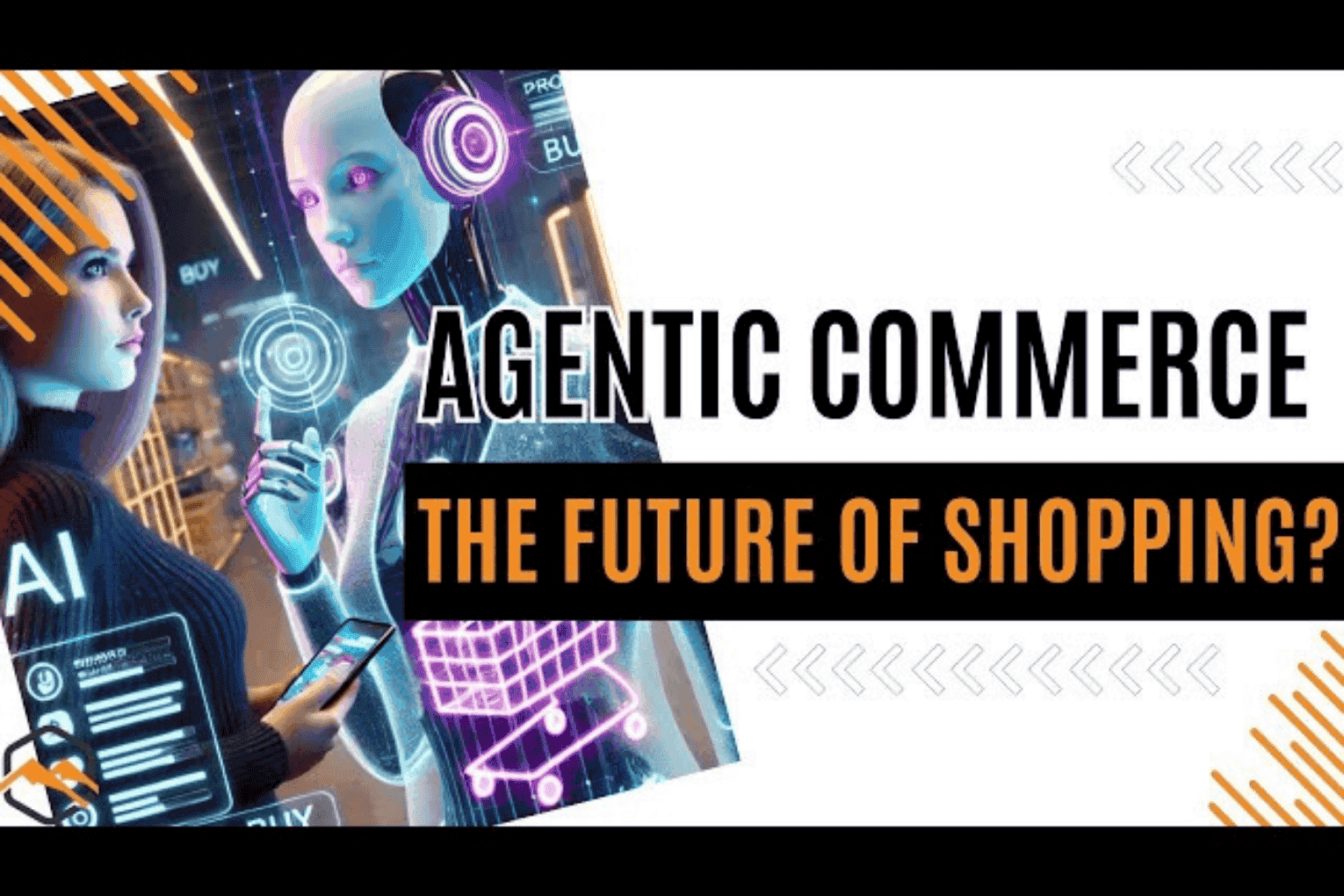
In recent years, artificial intelligence (AI) has dramatically reshaped many aspects of our daily lives, from virtual assistants to smart home devices. One of the most significant transformations AI is driving today is in the world of e-commerce. The rise of “agentic commerce” or a-commerce is revolutionizing how consumers shop online by making the process more intuitive, personalized, and effortless. This new era of shopping is fundamentally changing consumer expectations and compelling brands to adapt rapidly to stay competitive.
What is Agentic Commerce?
Agentic commerce refers to a system where AI agents act autonomously on behalf of consumers to handle various stages of the shopping journey. Unlike traditional e-commerce, where shoppers actively search, compare, and select products, agentic commerce uses sophisticated AI tools to predict consumer needs, automate purchases, and personalize every interaction.
For example, imagine a user browsing Instagram who likes a pair of sustainable sneakers. Instead of manually searching for the best price or deals, an AI agent like Pulse detects the interest, scans available inventories across multiple retailers, compares prices, and identifies an exclusive 15% discount. The agent then presents the offer to the user, who can complete the purchase with a single tap, while the AI schedules delivery at a convenient time (Economic Times Brand Equity, 2024).
This level of automation and personalization reduces the cognitive load on consumers, making shopping seamless and highly efficient. Consumers no longer have to spend hours browsing countless websites or juggling multiple tabs to find the right product at the right price.
Changing Consumer Behavior and Preferences
The rise of agentic commerce is driven by changing consumer behavior and technological advancements. According to Gartner’s 2024 retail report, traditional product searches are projected to decline by 25% by 2026. Consumers increasingly prefer AI-powered natural language search and conversational interfaces, such as chatbots, which provide immediate, accurate responses without the need for sifting through multiple links.
Platforms like Perplexity AI exemplify this trend by offering precise, single-answer solutions to consumer queries, making the shopping experience faster and more direct. This shift challenges brands to rethink how they present products online and engage customers in a way that AI agents can efficiently interpret and recommend.
The Role of Answer Engine Optimization (AEO)
To succeed in the era of agentic commerce, brands must embrace a new digital marketing approach known as Answer Engine Optimization (AEO). Unlike traditional Search Engine Optimization (SEO), which focuses on ranking websites for keyword-based searches, AEO aims to optimize product and service information for AI agents and voice-activated assistants.
Brands need to structure their content, product data, and metadata so AI tools can easily access, understand, and recommend their offerings during automated shopping interactions. Failure to implement AEO could result in reduced visibility, causing brands to lose valuable consumer touchpoints to more AI-friendly competitors.
McKinsey & Company highlights that personalized digital content, optimized for AI interaction, can boost conversion rates by up to 30% (McKinsey & Company, 2023). This makes AEO not only a technological requirement but a critical business strategy.
Benefits for Consumers and Brands
Agentic commerce offers significant benefits for both consumers and brands. For consumers, it means:
- Time Savings: Automating routine shopping tasks frees up valuable time.
- Personalization: AI agents tailor offers and recommendations based on individual preferences and behaviors.
- Convenience: From discovery to delivery scheduling, the entire process is streamlined.
- Better Deals: AI can identify discounts and promotions that shoppers might otherwise miss.
For brands, the advantages include:
- Increased Conversion Rates: Personalized AI-driven interactions increase purchase likelihood.
- Customer Loyalty: Offering frictionless shopping experiences enhances satisfaction and retention.
- Efficient Marketing: AEO allows brands to target consumers more precisely via AI agents.
- Competitive Edge: Early adopters of agentic commerce technology stand to dominate the evolving e-commerce landscape.
Market Trends and Future Outlook
The shift toward agentic commerce aligns with broader retail trends emphasizing immersive and personalized experiences. E-commerce sales, especially in categories like furniture and consumer electronics, are growing rapidly and are expected to account for nearly 40% of total sales by 2026. As the volume of online transactions rises, delivering a smooth, intelligent shopping journey becomes crucial.
Imagine the impact when agentic commerce integrates with other technologies like augmented reality (AR) and virtual reality (VR). Consumers might soon visualize products in their homes, receive AI-powered style advice, and complete purchases seamlessly all driven by intelligent AI assistants.
Moreover, agentic commerce supports sustainability by minimizing product returns and promoting informed purchases. Consumers are better equipped to buy what they truly want and need, reducing waste and environmental impact a factor increasingly important to younger generations (McKinsey & Company, 2023).
Challenges and Considerations
Despite its promise, agentic commerce presents challenges. Brands must invest in technology infrastructure and data management to support AI-driven shopping. Privacy concerns also arise, as AI agents handle sensitive personal data. Transparent data policies and robust security measures will be essential to build consumer trust.
Additionally, smaller businesses may find it difficult to keep pace with the rapid technological shift, risking marginalization in the market. Collaborative platforms and AI-as-a-service solutions could help democratize access to agentic commerce capabilities.
Conclusion
Agentic commerce is not just a trend but a fundamental shift redefining how people shop and how brands sell. By leveraging AI to automate, personalize, and simplify the purchasing process, this new model promises to deliver superior shopping experiences while driving business growth.
As Preet Singh, CEO of Imagine.io, notes in a similar technology context, “In today’s world, shopping is not just about the product it’s about how it fits into your lifestyle and story.” Agentic commerce embodies this philosophy by making shopping personal, intuitive, and effortless.
Brands that proactively adopt AI-driven strategies like AEO and integrate agentic commerce into their digital ecosystems will be well-positioned to thrive in the future of retail.
Read more on
About the author
WORLDEF Editors
924 stories on WORLDEF since January 2025.
More from WORLDEF Editors →Related




The week in commerce, before your competitors.
1,463 stories since January 2025, distilled into three newsletters. Pick the ones you want.