
Amazon Announces Second-Quarter Results: Revenue Reaches $200.6 Billion

Amazon announced its financial results for the second quarter ended June 30, 2026. The e-commerce and technology company’s net sales increased 20% year over year, rising from $167.7 billion to $200.6 billion. Strong growth at Amazon Web Services, artificial intelligence investments, accelerated delivery operations, and higher advertising revenue stood out in the results.
Amazon Exceeds Revenue and Profit Expectations
According to results published by AlphaStreet, Amazon’s second-quarter net sales reached $200.6 billion, while diluted earnings per share rose from $1.68 to $5.75. The company’s operating income also increased from $19.2 billion in the same period last year to $27.5 billion. Amazon expects third-quarter net sales to be between $197 billion and $202 billion.
Amazon’s net income increased from $18.2 billion to $62.6 billion in the second quarter. The reported net income included $53.4 billion in pre-tax non-operating income, primarily related to Amazon’s investment in Anthropic. Trailing 12-month operating cash flow increased 33% to $161.4 billion, while free cash flow shifted from a positive $18.2 billion to an outflow of $7.6 billion.
Amazon’s revenue of $200.61 billion exceeded the market expectation of $196.46 billion. Earnings of $5.75 per share also came in above analysts’ estimate of $1.82. North America sales increased 16% to $116.2 billion, while international sales rose 15% to $42.2 billion. Amazon reported total cash, cash equivalents, and restricted cash of $80.93 billion at the end of the period.
Amazon AWS Records Its Fastest Growth in 18 Quarters
Amazon Web Services’ second-quarter revenue increased 37% year over year to $42.2 billion. As a result, AWS recorded its highest growth rate in the past 18 quarters. The cloud unit’s operating income rose from $10.2 billion to $16.6 billion. AWS’s annualized revenue run rate reached $169 billion, while each of Amazon’s artificial intelligence and chip businesses surpassed an annualized revenue run rate of $25 billion.
Amazon shares rose approximately 5.2% during the regular trading session on earnings expectations. The company had previously expected second-quarter revenue to be between $194 billion and $199 billion. In the first quarter of the year, Amazon made $44.2 billion in capital expenditures to expand its data center and artificial intelligence capacity. This represented an increase of more than 76% year over year.
Amazon shares rose about 10% in premarket trading following the financial results. AWS’s revenue of $42.2 billion and growth rate of 36.7% were among the highlights of the results. Arun Sundaram, Senior Vice President at CFRA Research, described the results as a strong quarter for Amazon.
Artificial Intelligence Investment Budget Raised to $220 Billion
Meanwhile, Amazon increased its planned capital expenditures for 2026 from $200 billion to $220 billion. Rising memory chip costs contributed to the $20 billion increase in the investment plan, which covers artificial intelligence as well as robotics systems, semiconductors, and satellite technologies.
Amazon CEO Andy Jassy said that despite the $220 billion in spending, the company would not be able to build enough capacity to meet all of the demand in 2026. Jassy stated that a similar situation could continue in 2027 and that there is already notable demand for 2028.
Amazon entered into various agreements with OpenAI, Anthropic, and Meta as part of its efforts to expand its artificial intelligence infrastructure. The company also secured long-term capacity commitments for Trainium chips and added new foundation models developed by OpenAI, Anthropic, and Google DeepMind to the Amazon Bedrock platform.
E-Commerce, Advertising, and Fast Delivery Supported Growth
Amazon’s advertising revenue also increased 26% in the second quarter to $19.8 billion. The company continued to expand advertising inventory on Prime Video and its e-commerce platform. Consumer spending during Amazon’s four-day Prime Day campaign in the quarter exceeded $26.4 billion, according to Adobe Analytics estimates.
Amazon accelerated delivery times in its retail operations by using robotics systems, artificial intelligence, and more efficient warehousing models. In the first half of the year, the number of products delivered to Prime members on the same day or the following morning increased by more than 40%. The company also expanded small fulfillment centers offering 30-minute delivery in certain cities. The number of new Amazon Pharmacy customers more than doubled in the first six months of the year, while same-day prescription deliveries increased nearly fivefold.
Amazon expects third-quarter net sales of between $197 billion and $202 billion and operating income of between $22.5 billion and $26.5 billion. The company’s third-quarter revenue forecast came in below analysts’ expectation of approximately $203.9 billion.
Read more on
Related
Amazon Launches the Agentic AI Era for E-Commerce Sellers

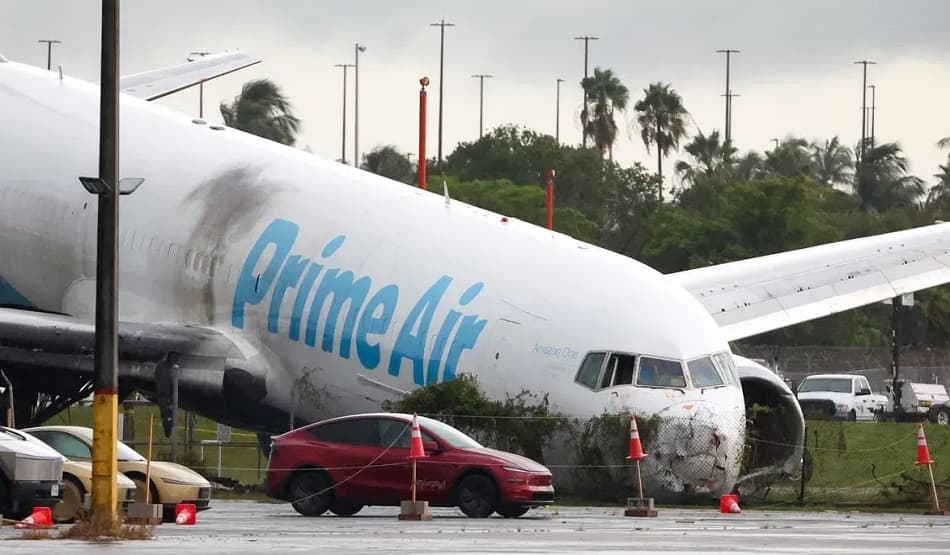
Amazon Suspends Flights with 21 Air After Miami Crash
Amazon’s Monthly Active Users in Europe Reach Approximately 194 Million

Amazon Tops the Fortune Global 500: Walmart’s 12-Year Leadership Comes to an End

The week in commerce, before your competitors.
1,463 stories since January 2025, distilled into three newsletters. Pick the ones you want.