
DIEZ Launches Entrepreneur Programme
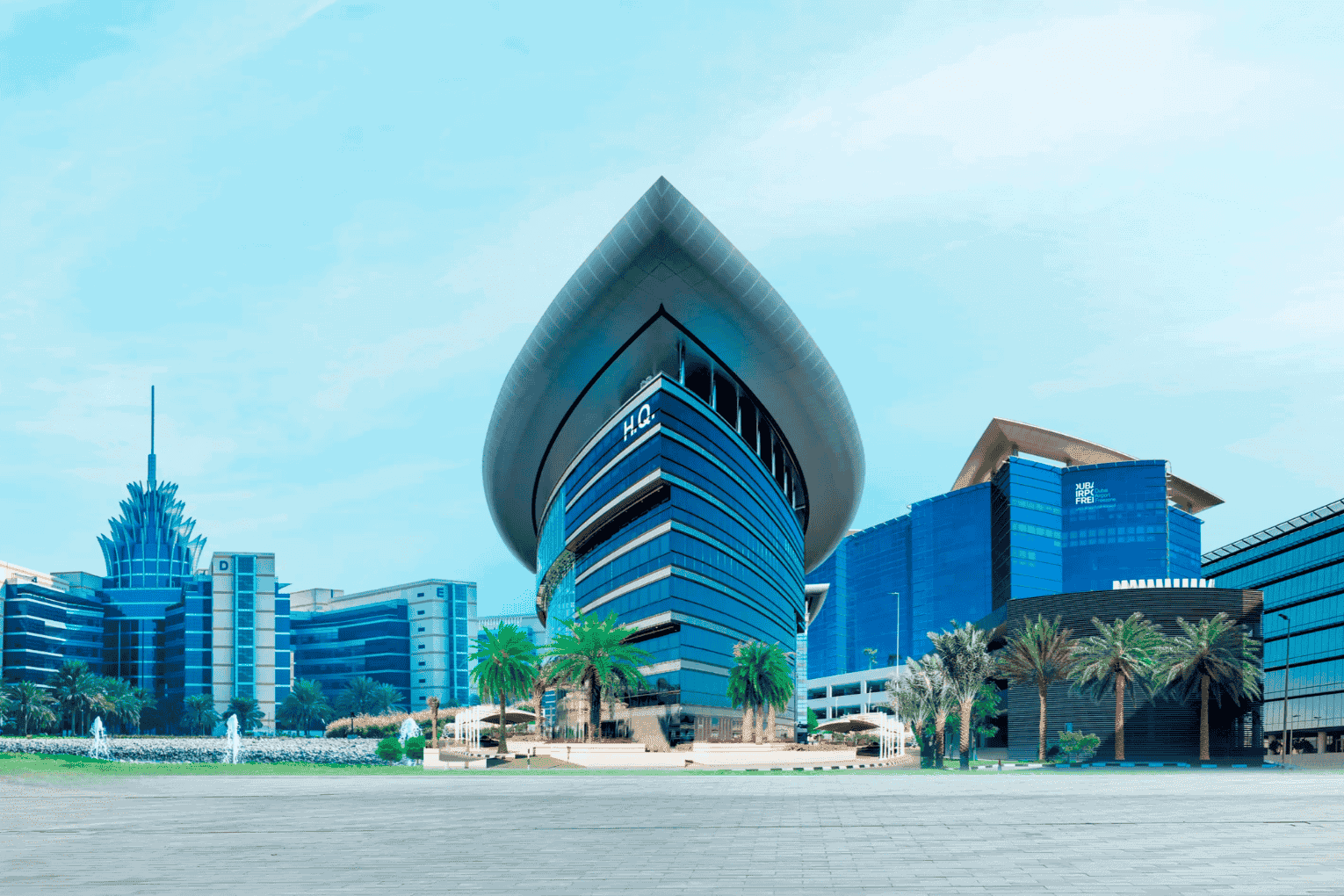
The Dubai Integrated Economic Zones Authority (DIEZ) has unveiled a new initiative titled “Employee to Entrepreneur”, aimed at empowering its employees and staff across affiliated economic zones to transform entrepreneurial ideas into real businesses. The announcement was made via the Government of Dubai Media Office on October 1, 2025. Government of Dubai Media Office
Strategic Alignment with Dubai’s Startup Goals
The programme ties directly into national ambitions. It supports the broader campaign “The Emirates: The Startup Capital of the World”, launched by His Highness Sheikh Mohammed bin Rashid Al Maktoum, Vice President and Prime Minister of the UAE and Ruler of Dubai. By fostering innovation and encouraging internal entrepreneurship, the initiative aims to contribute to Dubai’s position as a global startup hub. Government of Dubai Media Office
DIEZ also frames the initiative as consistent with the Dubai Economic Agenda D33, which targets ranking Dubai among the top three global urban economies and nurturing 30 unicorns by 2030. Government of Dubai Media Office
Programme Structure and Support Ecosystem
The “Employee to Entrepreneur” programme is structured in three phases:
- Idea Development Phase, Participants identify market needs, refine concepts, and analyze competitive landscapes.
- Planning and Modeling Phase, This stage includes business plan creation, resource mapping, operational design, and strategic alignment.
- Launch and Expansion Phase, Participants connect with investors, test prototypes, scale operations, and roll out their businesses. Government of Dubai Media Office
DIEZ will leverage its existing ecosystem to support participants. This includes infrastructure, tailored licensing, business setup services, and investment support from Oraseya Capital, DIEZ’s investment arm. Additionally, participants can benefit from access to SANDBOX, DIEZ’s accelerator programme, and Scality, a platform designed to assist tech startups in scaling. The Dubai Technology Entrepreneur Campus (Dtec)a leading startup hub in the MENA region, will also play a role. Government of Dubai Media Office
Leadership and Vision
Yousuf Behzad, Chief People & Strategic Transformation Officer at DIEZ, emphasised the ambition behind the programme:
“The launch of the ‘Employee to Entrepreneur’ programme directly supports the strategic objectives of the national campaign ‘The Emirates: The Startup Capital of the World’. It also aligns with the Dubai Economic Agenda D33.” Government of Dubai Media Office
Behzad highlighted that the programme seeks to uncover entrepreneurial talent within DIEZ’s workforce and enable them to convert ideas into impactful ventures. He noted that DIEZ’s role in infrastructure, incentives, and strategic initiatives will be instrumental in supporting these transformations. Government of Dubai Media Office
Early Interest and Sector Diversity
The first edition of the programme attracted proposals across multiple sectors including technology, mobility, healthcare, design, and more. The evaluation criteria include economic feasibility, scalability, relevance to local markets, and potential social impact. Government of Dubai Media Office
This diversity reflects DIEZ’s recognition that innovation can come from varied domains, not just classic tech fields, and underscores the authority’s intention to capture ideas that align with Dubai’s long-term growth and sustainability goals.
Economic and Ecosystem Implications
By mobilizing its internal human capital, DIEZ is tapping into a latent reservoir of creativity. The programme may yield several long-term benefits:
- Diversification of the economy: New startups emerging from DIEZ staff may contribute to the knowledge-based sectors the UAE is targeting.
- Talent retention and motivation: Employees gaining pathways to entrepreneurship could feel more engaged and valued.
- Support for SME growth: The programme may foster spin-offs and collaborations between startups and larger enterprises.
- Ecosystem enhancement: Integrating ideas from inside government-linked authorities with external startup ecosystems strengthens connections across the innovation landscape in Dubai.
Furthermore, by providing internal support including funding, mentorship, licensing, and infrastructure DIEZ lowers many of the barriers new founders face, such as access to capital or regulatory permits.
Challenges and Considerations
Though promising, the initiative faces challenges typical to internal entrepreneurship programmes:
- Balancing roles: Employees must juggle regular duties alongside startup efforts, which may strain resources or time.
- Sustaining quality and viability: Some ideas may falter in market testing or fail to scale. Rigorous selection and ongoing mentorship will be essential.
- Avoiding internal politics: Ensuring fair access and avoiding favoritism is critical to maintain trust.
- Investor confidence: Startups spun from this programme must demonstrate independence and market viability to attract external investment, avoiding being labeled dependent on institutional backing.
To succeed, DIEZ will need transparent governance, rigorous oversight, and strong mentorship frameworks.
Comparative Programs and Regional Context
Globally, several organizations have launched “intrapreneurship” or internal startup programmes to cultivate innovation. For instance, Google’s “20% time” policy, or corporate accelerators within major firms, encourage employees to pursue new ventures. The DIEZ programme follows in this vein, but with the distinct advantage of state infrastructure backing and alignment with national innovation goals.
In the regional context, the UAE and Dubai are racing to become innovation hubs. Government-led initiatives like this reinforce public-private alignment. Embedding entrepreneurship within government-linked entities can accelerate knowledge transfer, reduce bureaucratic friction, and seed new firms that understand regulatory and infrastructural realities.
Future Outlook
If successful, the “Employee to Entrepreneur” programme could become a repeated cycle within DIEZ, with multiple cohorts per year. Over time, it could evolve to include cross-emirate collaborations, international scaling pathways, and tie-ins with larger federal programs.
One potential next phase is attracting external applicants beyond DIEZ’s workforce, or opening doors to collaborations between internal founders and external entrepreneurs. Additionally, metrics such as startup survival rate, revenue generated, employment created, and external funding raised will serve to measure impact.
In sum, DIEZ’s new programme may catalyze a wave of institutional innovation within itself and ripple outward into Dubai’s broader entrepreneurial ecosystem.
Read more on
About the author
WORLDEF Editors
921 stories on WORLDEF since January 2025.
More from WORLDEF Editors →Related
Russian E-Commerce Market Faces Loss of 400 Million Orders and 400 Billion Rubles in Revenue

YouTube and Amazon Form Major E-Commerce Partnership: Videos Turn Into Shopping Channels

IGEXX 2026 to Bring Global E-Commerce Leaders to Istanbul

Dubai Economic Zones Reach 96% Occupancy as Company Numbers and AI Activity Surge

The week in commerce, before your competitors.
1,458 stories since January 2025, distilled into three newsletters. Pick the ones you want.