WORLDEF Prime Antalya 2026 - Upcoming Event

Register Now

Cleveland Clinic Expands AI for Sepsis

Cleveland Clinic, a global leader in healthcare innovation, announced on September 23, 2025, the expanded rollout of Bayesian Health’s cutting-edge artificial intelligence (AI) platform designed for early sepsis detection. This initiative reflects a growing commitment to leveraging AI technologies in clinical settings to enhance patient outcomes, reduce mortality rates, and streamline hospital workflows. The AI system uses advanced machine learning models to analyze electronic health records (EHR) in real-time, enabling clinicians to identify sepsis at its earliest stages and initiate timely interventions. (Cleveland Clinic, 2025).

Understanding Sepsis and the Need for Early Detection

Sepsis is a life-threatening condition that arises when the body’s response to infection causes tissue damage, organ failure, or death. According to the World Health Organization (WHO), sepsis affects more than 49 million people worldwide annually and contributes to approximately 11 million deaths, making it a major global health concern. Early detection is critical because the chances of survival increase significantly when treatment begins promptly. However, sepsis can be challenging to diagnose due to its complex and variable presentation. (WHO, 2024).

Traditional sepsis detection relies heavily on clinician judgment and periodic vital sign monitoring, which can delay diagnosis and treatment. AI-powered tools, such as the one developed by Bayesian Health, aim to address these challenges by continuously monitoring patient data and providing early alerts for potential sepsis onset.

Bayesian Health’s AI Platform: Technology and Functionality

Bayesian Health’s AI platform integrates seamlessly with hospital electronic health records systems, continuously analyzing vast amounts of patient data including vital signs, lab results, medications, and demographic information. The platform uses Bayesian machine learning algorithms a probabilistic model that accounts for uncertainty and updates predictions as new data arrives—to identify subtle patterns indicative of sepsis risk.

This real-time analytics capability allows healthcare providers to receive timely notifications when a patient’s condition suggests developing sepsis, even before clinical symptoms become apparent. Such early warnings enable quicker decision-making and potentially life-saving interventions.

The system also features customizable risk thresholds and integrates with hospital workflows to minimize alert fatigue, ensuring that clinical staff receive actionable insights without overwhelming notifications. This user-centric design is key to the platform’s clinical adoption and efficacy.

Expanded Rollout at Cleveland Clinic: Scale and Impact

The expanded rollout at Cleveland Clinic encompasses multiple hospitals and care units, including intensive care units (ICUs), emergency departments, and general wards. This scaling effort follows successful pilot studies demonstrating significant improvements in sepsis detection rates and reduced time to treatment initiation.

Preliminary data from the pilot phase showed a 20% reduction in sepsis-related mortality and a 30% decrease in average time to antibiotic administration. These outcomes underline the platform’s potential to transform sepsis care at scale.

Dr. Jennifer Smith, Chief Medical Officer at Cleveland Clinic, stated, “By expanding the use of Bayesian Health’s AI platform, we aim to provide our clinicians with the tools needed to detect sepsis earlier and save more lives. This technology represents a significant step forward in precision medicine and patient safety.” (Cleveland Clinic, 2025).

Broader Implications for Healthcare AI

The deployment of AI in sepsis detection is part of a larger trend toward integrating artificial intelligence into healthcare diagnostics and patient management. AI’s ability to analyze complex data quickly and accurately complements clinicians’ expertise and has the potential to improve outcomes across a range of conditions, from cardiovascular diseases to cancer.

Studies have shown that AI-assisted diagnostics can reduce diagnostic errors, optimize treatment plans, and increase healthcare efficiency. The Centers for Medicare & Medicaid Services (CMS) has recognized the value of such innovations, supporting reimbursement models that incentivize AI use in clinical settings.

Challenges and Ethical Considerations

While AI offers transformative potential, there are challenges to widespread adoption, including data privacy concerns, integration with existing health IT systems, and ensuring algorithmic fairness. Bayesian Health and Cleveland Clinic have emphasized rigorous validation processes, continuous model training, and compliance with healthcare regulations to address these issues.

Furthermore, transparency in AI decision-making is crucial to maintain clinician trust and patient confidence. Explainable AI models help providers understand the basis for alerts and recommendations, fostering collaborative decision-making rather than replacing human judgment. (Nature Medicine, 2025).

Future Directions and Innovations

Looking forward, Cleveland Clinic and Bayesian Health plan to enhance the AI platform’s capabilities by integrating predictive analytics for other critical conditions such as acute kidney injury and heart failure. Ongoing research will focus on expanding datasets to improve model accuracy across diverse patient populations.

The partnership also aims to develop patient-facing applications to engage individuals in their care, providing alerts and education to help prevent complications like sepsis outside the hospital environment. This holistic approach aligns with the growing emphasis on preventive medicine and patient empowerment.

Conclusion

The expanded rollout of Bayesian Health’s AI platform at Cleveland Clinic marks a significant advancement in the fight against sepsis, offering a powerful tool to detect this deadly condition early and improve patient outcomes. As AI continues to transform healthcare, such initiatives exemplify how technology and medicine can collaborate to save lives.

With further developments and wider adoption, AI-driven sepsis detection could become a standard of care, reducing global sepsis mortality and enhancing healthcare quality worldwide.


India’s E-commerce and Qcomm Growth

India’s e-commerce and quick commerce (qcomm) sectors are gearing up for a significant surge in demand as the country approaches its major festival season starting late September 2025. Leading players such as Amazon and Flipkart are intensifying investments to strengthen their logistics and supply chains to meet customer expectations and capture the vast market opportunity. This article delves into how these companies are scaling operations, the role of government reforms, and the growing influence of quick commerce on the retail landscape. (Economic Times, 2025).

Expansion of Logistics Infrastructure to Meet Demand

Flipkart, one of India’s largest e-commerce platforms, has announced the opening of 21 new fulfillment centers across the country, particularly focusing on tier-2 and tier-3 cities such as Northeast India, Patna, and Guwahati. Hemant Badri, Flipkart’s Head of Supply Chain, stated, “Expanding in these regions is crucial as they form an integral part of our operations.” These new centers aim to reduce delivery times and improve the customer experience during the festival rush. (Economic Times, 2025).

Similarly, Amazon India has injected approximately ₹2,000 crore into expanding its logistics network by adding new fulfillment centers, sorting hubs, and over 75 delivery stations in recent months. This expansion aims to boost the speed and reliability of deliveries during peak sales periods such as Diwali and Dussehra, which account for nearly half of annual e-commerce sales in India.

Impact of GST Reforms on Sales Growth

The recent reforms in India’s Goods and Services Tax (GST) system have also played a pivotal role in shaping the e-commerce sector. Analysts expect gross merchandise value (GMV) during the upcoming festival season to reach approximately ₹1.2 lakh crore (about $15 billion), a significant increase from ₹94,000 crore recorded during the previous year’s festivities. Quick commerce is anticipated to contribute about 12% to this total sales figure.

GST simplifications have helped streamline tax compliance for e-commerce sellers, enabling more competitive pricing and smoother operations. The government’s efforts to reduce logistics costs and remove interstate barriers have further supported sector growth.

The Rising Role of Quick Commerce

Quick commerce, characterized by ultra-fast deliveries often within 10 to 30 minutes, is increasingly becoming a game-changer in the Indian retail landscape. Flipkart has expanded its “Minutes” delivery service to cover 85-90% of pin codes in major metropolitan areas such as Bengaluru, Mumbai, Kolkata, and Delhi. This initiative targets consumers looking for instant gratification, especially for daily essentials and groceries.

Similarly, Swiggy’s Instamart has launched the “Quick India Movement,” a special ten-day festival sale aimed at enhancing its supply chain capabilities and capturing increased consumer demand during festive periods. Quick commerce platforms have demonstrated robust growth, accounting for nearly two-thirds of all e-grocery orders in India in 2024, with a compound annual growth rate (CAGR) of about 50%, and projections indicate the market could reach ₹1.5 to ₹1.7 lakh crore by 2027.

Challenges and Sustainability in Quick Commerce

Despite rapid expansion, quick commerce businesses face challenges such as high delivery costs, inventory management complexities, and the need to balance profitability with customer acquisition. Supply chain optimization remains a critical area for improvement to ensure sustainable growth. Companies are investing in advanced technologies like AI-driven demand forecasting, route optimization, and warehouse automation to address these challenges.

In addition, competition among players is intensifying, pushing companies to innovate in customer engagement, pricing strategies, and partnership models with local vendors to enhance service quality and reduce costs. Regulatory frameworks and labor considerations are also increasingly important factors shaping operational decisions. (Economic Times, 2025).

Consumer Trends and Market Outlook

Consumer behavior is shifting toward convenience and speed, with a rising preference for online shopping and doorstep deliveries, especially for groceries and daily essentials. The pandemic accelerated these trends, and the festival season further amplifies demand spikes. With increased smartphone penetration and digital payment adoption, the Indian e-commerce market is poised for robust growth.

Experts predict that the combined e-commerce and quick commerce sectors will continue to expand rapidly, supported by investments in infrastructure and technology. This growth will also contribute to employment generation in logistics, warehousing, and last-mile delivery services across India. (Economic Times, 2025).

Conclusion

India’s e-commerce and quick commerce sectors are at a pivotal moment, ramping up capacity and enhancing supply chains to meet the demands of a rapidly evolving consumer base. With strategic investments, government reforms, and technological advancements, these sectors are well-positioned to capitalize on the growing festival season demand and longer-term growth prospects.

However, sustaining this momentum will require addressing operational challenges and maintaining a focus on profitability and efficiency. As the competition heats up, companies that innovate and optimize supply chains effectively will lead the market.

For consumers, this means faster deliveries, better service, and a wider range of products available at competitive prices a win-win scenario for all stakeholders in India’s burgeoning digital economy.

China’s Impact on Global Markets

Global financial markets experienced significant volatility on September 23, 2025, as investors grappled with mounting concerns over China’s economic health and cautious monetary policy signals from major central banks. The interplay between China’s persistent property sector woes, fluctuating commodity prices, and central banks’ policy approaches shaped trading dynamics across Asia, Europe, and the United States. This article explores the key drivers behind recent market movements, their implications for investors, and the broader economic outlook. (Reuters, 2025).

China’s Property Sector Crisis and Its Market Fallout

One of the most critical factors influencing global markets was the growing instability in China’s property market. The sector has struggled with high debt levels, slowing sales, and tightening credit conditions, raising fears about potential defaults and broader financial contagion. This uncertainty pressured Chinese equities, with the Shanghai Composite Index registering notable declines, which in turn dragged down regional benchmarks such as the Hang Seng and Kospi indexes. (Reuters, 2025).

Analysts warn that a prolonged slowdown in China’s property sector could have ripple effects far beyond domestic borders. Given China’s integral role in global supply chains and as a major consumer of commodities, weakness in the property market may dampen demand for raw materials like steel, copper, and oil, impacting producers worldwide. Furthermore, investor uncertainty about China’s economic trajectory has led to increased risk aversion in Asian markets, prompting some capital outflows and reduced appetite for equities. (Financial Times, 2025).

Asian Markets Reflect Growing Caution

The turbulence in China’s economy naturally extended to broader Asian markets. Japanese and South Korean shares experienced downward pressure, reflecting concerns over export demand and supply chain disruptions. Technology sectors, in particular, faced challenges as their growth prospects are closely tied to Chinese consumption and manufacturing. This environment has led investors to reassess risk and shift toward safer assets or regions with more stable growth outlooks.

Emerging markets in the region also felt the effects of a strengthening U.S. dollar and tighter global liquidity conditions. With many countries holding dollar-denominated debt, currency depreciation risks and increased borrowing costs are notable concerns, compounding the impact of China’s slowdown. Market participants are monitoring policy responses from Asian central banks, which face the challenge of balancing inflation control with supporting fragile economic growth.

Commodity Prices: Balancing Supply Constraints and Demand Concerns

Commodity markets displayed mixed dynamics. Despite global economic uncertainty, oil prices remained relatively elevated due to ongoing supply constraints and geopolitical tensions. Production cuts from OPEC+ members and disruptions in key regions like the Middle East continued to support prices, preventing steep declines despite weaker demand signals from China. Brent crude and WTI crude futures showed resilience amid this complex backdrop..

Metals such as copper and iron ore saw price fluctuations tied closely to industrial activity expectations. While concerns about China’s construction slowdown weighed on demand projections, supply challenges including labor strikes and logistical bottlenecks limited downward price pressures. This interplay underscores the delicate balance commodity markets face as they respond to contrasting economic signals globally..

U.S. Dollar Strength Amid Central Bank Communications

The U.S. dollar maintained strength against major currencies, bolstered by cautious but steady communication from Federal Reserve officials. While inflation remains a central concern, recent remarks suggest a potential slowing in interest rate hikes, supporting the dollar as a preferred safe haven in volatile times. The dollar index held steady near 97.3, reflecting these dynamics.

Stronger dollar conditions impact emerging markets by increasing debt servicing costs and influencing capital flows. Investors continue to weigh the balance between growth prospects and tightening financial conditions as they adjust portfolios accordingly.

European Markets Open Mixed Amid Uncertainty

European equities opened with mixed results, reflecting cautious investor sentiment amid global uncertainties. The EURO STOXX 50 index experienced moderate volatility, with sectors such as banking, industrials, and consumer goods reacting differently to changing economic forecasts. Inflation pressures and geopolitical risks, including tensions in Eastern Europe, remained significant concerns for market participants.

Central banks across Europe are preparing for upcoming policy meetings, with investors anticipating signals on interest rates and inflation management strategies. These developments are expected to influence market trajectories in the near term.

The Path Forward: Navigating Complex Market Conditions

The convergence of China’s economic challenges, cautious monetary policy, and geopolitical tensions creates a complex environment for investors. Risk management, diversification, and close monitoring of macroeconomic indicators are essential strategies in navigating this period of heightened uncertainty.

Looking ahead, key economic data releases and central bank communications will be crucial in shaping market expectations. The global investment community remains focused on China’s policy responses, particularly measures aimed at stabilizing the property sector and sustaining economic growth.

Conclusion

On September 23, 2025, global markets stood at a critical juncture, influenced by China’s economic fragility and evolving central bank policies. The ongoing volatility underscores the interconnected nature of modern financial markets and the importance of coordinated policy responses to mitigate risks.

Investors and policymakers alike must remain vigilant as they navigate these challenges, balancing the pursuit of growth with the need for financial stability in an increasingly complex global economic landscape. (Reuters, 2025).

Ortec Finance Hires Wealth Leader from SJP

Ortec Finance, a global wealth technology firm, has appointed John O’Driscoll as Managing Director of Financial and Wealth Planning. O’Driscoll comes from St James’s Place (SJP) where he worked for over two decades. He now takes responsibility for product development strategy at Ortec, specifically for OPAL, the firm’s goals‑based financial planning tool. Fnlondon

He left SJP in May after a long tenure during which he oversaw business development and led the rollout of AI‑based financial planning tools used by SJP’s network of about 4,800 advisers. (Source: FN London) Fnlondon

Ortec Finance is headquartered in Rotterdam and operates globally with offices in London, Amsterdam, Zürich, New York, Toronto, Singapore and Melbourne. The company serves more than 600 clients and supports over fifteen trillion dollars in assets under management.Fnlondon

Role and Responsibilities

In his new role O’Driscoll will steer OPAL’s product roadmap. OPAL is a financial planning platform designed to help wealth managers, banks and pension providers with long‑term strategy planning. It uses scenario modelling and other tools to help clients forecast their financial goals. Fnlondon

Tessa Kuijl, Managing Director of Global Wealth Solutions at Ortec, said UK is an increasingly significant market for the company. She emphasized that O’Driscoll’s experience in advice architecture and his understanding of both advisory networks and technology will be essential to extend OPAL’s capabilities for clients in the UK and abroad.

Why This Move Matters

The wealth management and financial advisory industry is under pressure to adopt technology at speed. Digital solutions such as AI, automation and scenario‑based planning have become more than just niceties. They are core to delivering advice at scale, complying with regulations, and meeting client expectations. Ortec Finance has made OPAL a central tool in this trend.

With O’Driscoll, Ortec gains someone with deep experience in integrating technological tools into advice practices. His AI‑based work at SJP is directly relevant. Under his leadership at Ortec, OPAL may see further enhancements in automation, adviser workflows, and predictive modelling.

Ortec’s Broader UK Expansion

This appointment is part of Ortec’s bigger strategy to strengthen its presence in the UK market. The UK has become a key geography for growth for the wealth tech provider. Earlier in the year the company added Mark Glover, formerly of HSBC, to lead UK and Ireland wealth management.

Mark Glover’s hire had signaled Ortec’s intent to localize its offerings, invest in product innovation and build competitive advantage in advice and wealth planning tools. With O’Driscoll now on board, the company appears intent on pushing further in that direction.

Client Base and Scale

Ortec Finance supports a large and varied client base. As of the appointment, it is reported the firm has in excess of 600 clients globally managing around fifteen trillion dollars in assets. OPAL is used by some of Europe’s largest banks, pension providers and wealth managers in helping individuals and institutions plan for long term financial outcomes.

The scale of this base means enhancements to OPAL under new leadership could have wide‑ranging impact. Improvements in planning tools ripple out to many users. They may also bring competitive pressure on other tools in the wealth tech sector.

Challenges and Opportunities Ahead

In the UK regulatory environment the demands on advisers and wealth managers are growing. Clients expect more transparency, better risk modeling, efficient workflows, and digital tools. Technology providers face challenges around data privacy, regulatory compliance, as well as integration with legacy systems. Ortec will need to address these as it scales OPAL’s capabilities.

On the opportunity side AI and machine learning tools are increasingly accepted in financial services. Firms that can successfully combine human advice with technology and scenario‑based planning stand to gain both trust and market share. With O’Driscoll’s experience in rolling out AI tools, Ortec is well placed to benefit. Fnlondon+1

Industry Context

Ortec’s OPAL platform is one of several tools in the wealth tech space focusing on long‑term, goal‑based financial planning. It sits alongside other tools that offer predictive analytics, risk scenario modelling, retirement planning and cash flow forecasting. The trend in wealth management is toward platforms that integrate data sources, automate repetitive tasks, and empower advisers to deliver personalized service.

The move by Ortec to recruit senior advisers from established firms like SJP aligns with broader industry trends where leadership experience, domain knowledge, and technical acumen are at a premium. Firms trying to disrupt wealth management still require credibility. Such hires help bridge legacy advisory expectations with modern technology‑driven advice offerings.

What to Expect Next

With John O’Driscoll in place Ortec Finance will likely accelerate enhancements to OPAL’s roadmap. Potential areas of development include deeper AI‑based features, more automated scenario simulations, better integration with adviser CRM tools, and possibly expanded service‑offerings for retail and institutional clients in the UK.

Ortec may also explore making OPAL more user‑friendly for smaller advisory firms and financial planners who do not have large in‑house technology teams but need scalable tools.

Another likely step is increased collaboration with regulatory bodies, advisory networks, and client feedback loops to refine tool compliance, usability, and effectiveness.

Conclusion

John O’Driscoll’s move from SJP to Ortec Finance represents an important step for Ortec’s UK growth. His background combines advisory leadership, AI tool deployment, and business development. Under his stewardship OPAL is well placed to become more capable for UK advisers and institutions seeking robust long‑term financial planning tools. Ortec Finance’s global scale, strong client base, and recent strategic hires suggest that the company aims to raise the bar for advice planning in wealth tech. (Source: FN London) Fnlondon

Widect: Transforming E-Export Logistics in MENA

Widect delivers shipments quickly and safely to all corners of the world, leveraging Turkey’s strategic location, Turkish Airlines’ extensive flight network, and Turkish Cargo’s global logistics expertise. With its advanced tracking system, it allows customers to monitor their shipments in real-time and provides continuous and instant tracking information to recipients.

The e-commerce market in the MENA region is expected to reach a volume of 100 billion dollars by 2027. This growth makes speed and cost advantage in logistics more critical than ever. Turkey is positioned as a strategic logistics hub at the center of Asia and the Middle East routes, acting as a bridge between Europe and Asia. Loads coming from various countries and passing through Istanbul are directed to their destination country without delay, thanks to Turkey’s natural logistics hub status and infrastructure. By leveraging this advantage, Widect aims to increase trade volume by carrying traffic in reverse directions to regions like MENA, where its services are strong, strengthen Turkey’s transit network on e-commerce shipments, and increase efficiency in commercial activities.

Fast Service in the MENA Region

Widect stands out with its distinctive service offerings especially to Gulf countries such as Saudi Arabia, the United Arab Emirates, Kuwait, Qatar, Bahrain, and Oman. Supporting the intense e-commerce traffic in the region with door-to-door solutions, Widect directs its flights to points closest to the recipient address, minimizing delivery time and ensuring safe product delivery.

Data from the last three months show that 88% of its shipments are made to the MENA region. Of the products shipped, 67% are clothing and accessories, 23% are home textiles and decoration, and 10% are health and other categories. With the DDP customs clearance method, VAT and taxes incurred in the destination country are organized to be charged to the sender, allowing customs clearance to be completed quickly. This way, buyers do not face unexpected costs and experience a delivery as if the package was received domestically. Widect is able to dispatch 100% of customs-cleared packages for delivery the next day. According to delivery performance figures from the past three months, 30% of shipments are delivered within the first 2 days, and 90% within 3-4 days. By partnering with strategic suppliers in the region, it keeps the average delivery time at around 2.5 days, setting new standards in e-commerce logistics.

In addition to its fast delivery service, the Cash on Delivery (COD) solution developed in line with the region’s dynamics is also highly preferred by customers, and 20% of deliveries are made using this method. Widect continues to increase the diversity of services offered in the region based on customer demands, focusing on special solutions such as next-day delivery and fulfillment warehouse deliveries.

Intercontinental Distribution Competence

Widect continues to develop the strong services it has built in the MENA region on other routes according to customer needs. Adding new destinations every day to routes such as the United Kingdom, the United States, European countries, and Australia, it offers services to over 40 countries. Thanks to customs clearance procedures carried out at a single point in Europe, it provides uninterrupted service to 26 countries. In addition, through Turkish Airlines’ extensive flight network, it operates direct routes to high-volume destinations such as Germany and Romania. This offers not only cost advantages but also fast and reliable service access through regular and frequent flights. With its ongoing work on a return model, it aims to offer exporters easy and cost-effective processes, thereby increasing customer satisfaction and expanding international trade volume.

Widect adds value to exporters in every region it serves with its tailored solutions; by opening a new route to the Australian continent, it further expands Turkish exporters’ global reach and carries the strength of its global network to the Asia-Pacific. With its DDP (Delivered Duty Paid) solution applied in all regions, buyers can receive their orders without dealing with any taxes or additional procedures. This method provides exporters with a secure, fast, and cost-optimized delivery experience.

By developing its customs clearance and distribution methods, Widect aims to make delivery within 5 days the new standard in all regions and continues to invest towards this goal with determination.

Transit Services and Warehouse Investment

With its new warehouse investment that will soon be operational, Widect plans to expand its transit transportation and consolidation capabilities, thereby further reducing logistics costs for exporters. This step will strengthen Istanbul’s position as a global HUB, accelerate transit transportation between different regions, especially Gulf countries and Europe, and increase efficiency. Thus, micro-exporters will also be able to reach the world with competitive costs. It aims to increase its global market share to over 1.5% by 2033.

Turkey’s E-Export Vision

The main expectations of exporters are fast, reliable, low-cost, and trackable logistics processes along with smooth customs procedures. To meet these expectations, Widect continuously follows global trends and customer demands and develops its services by leveraging digital transformation and new trade dynamics.

Acting with the vision of making Istanbul the center of global e-commerce logistics, Widect invites all industry stakeholders to join this journey. It continues its efforts with determination to grow Turkey’s export potential, increase the share of e-export in total exports, and position the country as a global leader in logistics.

DIEZ Records AED336 Billion in 2024 Trade

Dubai Integrated Economic Zones Authority (DIEZ) has announced a record AED336 billion in trade transactions across its three free zones in 2024. This marks a 19 percent increase from the previous year and highlights DIEZ’s expanding role in Dubai’s non-oil economy. With this milestone, DIEZ’s contribution to the emirate’s total non-oil foreign trade has now reached 13.7 percent.

The three free zones under DIEZ include Dubai Airport Freezone, Dubai Silicon Oasis, and Dubai CommerCity. Together, they serve as key hubs for high-value industries and global trade flows. According to Gulf Today, this is the fourth consecutive year of trade growth across these zones, showing strong momentum and resilience in Dubai’s economic model.
(Source: Gulf Today)

Key Trade Sectors Driving Growth

The bulk of the trade came from two main sectors: machinery and electronics, and precious metals and jewelry. These accounted for a combined 94 percent of total trade value. In 2024, machinery and electronics contributed approximately 72 percent, while precious stones and jewelry made up around 22 percent.

As reported by Gulf Business, this indicates both strong global demand and the strategic importance of DIEZ’s zones as a hub for re-export and value-added logistics services.
(Source: Gulf Business)

The volume of goods traded also rose significantly, reaching 444,300 tonnes. That is a 28 percent increase from 2023, when the total volume stood at 346,700 tonnes. This boost reflects improvements in supply chain operations, customs clearance processes, and warehousing capacities.
(Source: Gulf News)

Strategic Alignment with Dubai’s Economic Vision

The achievement is seen as part of the broader D33 Agenda Dubai’s strategic roadmap to double its economy by 2033 and become one of the world’s top three economic cities. Sheikh Hamdan bin Mohammed bin Rashid Al Maktoum, Crown Prince of Dubai and Chairman of the Executive Council, emphasized that these results reflect the emirate’s economic strength and forward-looking policies.

In his statement, Sheikh Hamdan said the results prove Dubai’s ability to adapt, innovate, and continue to lead in regional and global markets. He attributed the success to long-term strategic planning and a strong focus on sustainability, trade liberalization, and technology-driven growth.
(Source: Khaleej Times)

The leadership of Sheikh Ahmed bin Saeed Al Maktoum, Chairman of DIEZ, was also highlighted as a key factor. Sheikh Ahmed is known for his leadership across multiple economic sectors in the UAE, including aviation, logistics, and free zone management. His role in integrating these areas into a unified economic ecosystem is regarded as vital to DIEZ’s performance.

How Free Zones Contribute to the Non-Oil Economy

The three DIEZ-managed free zones specialize in different areas. Dubai Airport Freezone focuses on aviation-linked logistics and re-export, Dubai Silicon Oasis is a hub for technology and innovation, and Dubai CommerCity specializes in e-commerce and digital trade.

According to Arab News, the synergy among these zones creates a diversified platform for global businesses to operate efficiently, with customs support, tax incentives, and proximity to infrastructure such as airports, ports, and road networks.
(Source: Arab News)

This year’s results confirm the effectiveness of that model. Increased trade volume and value show that global businesses continue to see Dubai as a reliable partner for market access into the Middle East, Africa, and South Asia. The non-oil sector is also becoming more resilient, contributing to stable growth even amid global economic uncertainties.

Strengthening Global Partnerships

DIEZ has worked to improve trade and investment partnerships across Asia, Europe, and Africa. New agreements in 2024 have focused on facilitating digital trade, easing the movement of high-tech goods, and reducing logistics barriers.

In addition, new digital infrastructure projects were launched within DIEZ zones to help companies adopt AI, cloud computing, and data analytics in trade operations. The introduction of smart customs, automated warehousing, and real-time trade monitoring platforms helped reduce overhead costs for tenants and partners.

These initiatives align with Dubai’s ambition to become a digital-first economy and a leader in Fourth Industrial Revolution technologies.

Focus on Sustainability and Innovation

Alongside trade growth, DIEZ is focusing on sustainability goals. New green logistics facilities, low-emission transport fleets, and smart energy solutions have been introduced in several projects within the free zones. These steps aim to reduce the environmental impact of large-scale trade operations.

As part of this transition, DIEZ launched pilot programs for circular economy practices, including the reuse and recycling of packaging materials and electronic waste. Sustainable trade is now becoming a strategic priority that matches global ESG (Environmental, Social, Governance) expectations from investors and regulators.

Talent Development and Support for Startups

DIEZ has also invested in programs to support small and medium enterprises, startups, and entrepreneurs. Training programs, business accelerators, and AI-focused workshops are helping companies upskill their teams and improve digital readiness.

A special focus has been placed on supporting women entrepreneurs and young innovators, with new incubation initiatives targeting underrepresented groups in technology and trade.

These efforts are part of Dubai’s larger plan to foster a knowledge economy that competes on talent and innovation, not just infrastructure and geography.

Challenges on the Horizon

Despite the positive results, certain challenges remain. Global trade remains sensitive to geopolitical tensions, fluctuating energy prices, and supply chain disruptions. While Dubai is well-positioned to mitigate these factors, DIEZ will need to remain flexible.

Ensuring regulatory agility, maintaining infrastructure investments, and attracting global talent will be essential to continue this growth trajectory. The next stage may include expanding digital trade corridors, integrating blockchain for customs operations, and strengthening ties with fast-growing economies in Asia and Africa.

Outlook for 2025 and Beyond

Looking forward, DIEZ is expected to remain a cornerstone of Dubai’s non-oil economy. Trade volumes are forecasted to rise further in 2025, supported by ongoing reforms, infrastructure upgrades, and favorable investment conditions.

The D33 Agenda will continue to serve as the strategic framework for DIEZ’s future direction, focusing on economic diversification, innovation, and positioning Dubai as a central node in the global trade network.

Conclusion

The AED336 billion in trade recorded by DIEZ in 2024 marks more than a financial milestone. It is a reflection of strategic vision, strong governance, and global trust in Dubai’s ability to facilitate international commerce. With continued leadership, infrastructure, and innovation, DIEZ is not only shaping the future of Dubai’s economy but also contributing to broader regional development.

As global markets evolve, the agility and resilience shown by DIEZ may well serve as a model for free zone authorities and trade regulators around the world.

Vista by Lara Launches AI Studio for UAE E-Commerce

In a strategic move to empower small and medium-sized enterprises (SMEs) in the United Arab Emirates, Vista by Lara has officially launched a new AI-powered Shopify and growth studio. The initiative is designed to fast-track the digital transformation of local businesses, giving them access to smart e-commerce tools, automation technologies, and scalable growth solutions.

With e-commerce in the MENA region growing at a record pace, this launch aims to help UAE-based businesses compete regionally and globally by leveraging artificial intelligence to improve online sales, streamline operations, and enhance customer experiences.

(Source: Zawya)

A New Chapter for Shopify in the Middle East

While Shopify is a well-established global platform, Vista by Lara’s initiative adds a localized layer of AI-driven tools that cater specifically to the needs of Middle Eastern businesses. These include multilingual store interfaces, region-specific analytics, Arabic-English language switching, and payment integrations with local providers.

The studio combines Shopify’s core functionalities with proprietary AI systems developed by Vista by Lara. These AI modules assist in generating product descriptions, blog content, SEO-optimized metadata, personalized promotions, and predictive analytics that analyze user behavior to forecast buying trends and optimize pricing.

(Source: TechAfrica News)

Supporting SMEs Through Digital Transformation

Vista by Lara states that its mission is to remove technological and strategic barriers that many SMEs face when moving their operations online. The AI-powered studio is not just a platform but a full-service ecosystem offering:

  • One-click Shopify store setups tailored to regional industries

  • Automated content creation and marketing workflows

  • Real-time customer insights using AI analytics

  • Built-in chatbot and customer support automation

  • Integrated CRM tools with marketing funnel optimization

By using these tools, businesses are expected to reduce time-to-market, cut operational costs, and improve conversion rates through personalized customer journeys.

(Source: Arab Business Media)

UAE’s Digital Landscape Ready for Disruption

The United Arab Emirates has invested heavily in digital infrastructure, smart city development, and AI adoption. Despite this, many traditional businesses—especially family-run SMEs—struggle with digital literacy and modern tech implementation. Vista by Lara positions its studio as an accessible and affordable entry point into the digital economy.

The studio also responds to rising consumer expectations in the region. Shoppers now demand localized experiences, same-day delivery options, and frictionless mobile transactions. Businesses that fail to meet these demands risk losing market share. With AI helping to personalize offers and automate backend operations, Vista by Lara offers a way to bridge this digital gap.

Regional Expansion Plans

While the current rollout is focused on the UAE, Vista by Lara has broader ambitions across the MENA region. The company has confirmed plans to expand into Saudi Arabia, Kuwait, Qatar, and Egypt within the next 12 to 18 months. It also intends to develop strategic partnerships with local governments, digital agencies, and universities to create a pipeline of talent and innovation.

The long-term goal is to develop a regional network of AI-driven e-commerce incubators that provide not just tools, but training, mentorship, and funding support to early-stage companies and young entrepreneurs.

(Source: TechAfrica News)

Education and Mentorship at the Core

One of the standout aspects of the growth studio is its commitment to digital education. Vista by Lara will offer structured training programs on topics such as:

  • E-commerce fundamentals using Shopify

  • Using AI in marketing and sales optimization

  • Understanding customer behavior through data

  • Digital advertising with real-time analytics

  • Automating support and content generation

In addition to online tutorials and group workshops, the studio will host one-on-one mentorship sessions for business owners who need tailored advice on growing their online presence.

Focus on Women Entrepreneurs and Youth Startups

Aligned with the UAE’s national agenda of empowering women and youth in the economy, Vista by Lara will allocate resources to support women-led businesses and youth startups. Through dedicated mentorship and exclusive tools, the studio aims to lower the entry barriers for female founders and first-time entrepreneurs.

A special fund will also be set aside to offer discounted access to premium AI tools, custom store templates, and branding packages for startups in their first year of operation.

(Source: Zawya)

Addressing Data Privacy and AI Ethics

As AI adoption grows, concerns about data privacy and algorithmic bias continue to rise. Vista by Lara asserts that its systems comply with UAE data protection laws and only store customer data on regionally hosted, encrypted servers. None of the business or customer data is sold or shared with third parties.

Furthermore, the AI models are tested for cultural neutrality, gender sensitivity, and fair representation. An independent ethics board is reportedly involved in auditing the systems on a quarterly basis to ensure accountability and transparency.

(Source: Arab Business Media)

Economic Contribution and Talent Development

The launch of the AI-powered studio is also expected to contribute to the UAE’s GDP through job creation in tech, content creation, and design sectors. Vista by Lara will employ developers, marketers, graphic designers, and AI specialists from within the region. The platform will also offer freelance opportunities for creators and digital professionals looking to contribute remotely.

As part of a broader commitment to nurturing local talent, Vista by Lara plans to collaborate with UAE universities to create internship programs, certification courses, and hackathons focused on AI and e-commerce.

Conclusion

Vista by Lara’s AI-powered Shopify and growth studio offers more than a product it presents a roadmap for digital resilience among UAE businesses. By combining automation, personalization, and scalable infrastructure, the initiative is likely to set a precedent for how emerging markets can embrace AI responsibly and effectively.

With a focus on inclusivity, regional expansion, and ethical AI, Vista by Lara positions itself not only as a tech provider but as a digital growth partner for the entire region.

Cassava Technologies Plans Five AI Factories Across Africa

Cassava Technologies has revealed a plan to build five artificial intelligence factories across Africa over the next twelve months. The company intends to locate these facilities in South Africa Nigeria Kenya Egypt and Morocco. The new developments are part of Cassava’s strategy called the Sovereign AI Cloud which aims to expand the continent’s data centre infrastructure and reduce dependence on overseas service providers.Developing Telecoms

The founder of Cassava Technologies Strive Masiyiwa has said that the purpose of building these AI factories is to provide infrastructure that allows innovation to scale on the African continent. He noted that businesses start ups and researchers will be able to access advanced AI hardware in Africa instead of having to rely on resources located outside the continent. This will help support local AI development reduce latency in AI‑compute tasks and promote more self‑reliance in the technology sector. Developing Telecoms

Locations and Scope

The five planned AI factories will be built in:

  • South Africa

  • Nigeria

  • Kenya

  • Egypt

  • Morocco

These sites are selected to cover different regions in Sub‑Saharan Africa and North Africa. Each factory will likely include data centre capacity to host AI workloads processors and support systems for cooling power backup and connectivity. Cassava has already launched Africa’s first AI data centre in South Africa in collaboration with Nvidia. This existing facility uses Nvidia processors and serves as proof of concept for the company’s broader ambitions. Developing Telecoms

Masiyiwa has pointed out that the new AI factories will tie in with the broader vision of making infrastructure available locally for AI research innovation and commercial use. He said that many enterprises and innovators have been hampered by lack of access to reliable compute and storage close to their operations. The AI factories will help reduce delays that occur due to data transfer over long distances limited bandwidth or regulatory constraints.Developing Telecoms

The Sovereign AI Cloud Strategy

Cassava’s move is part of its Sovereign AI Cloud strategy. The strategy includes increasing Africa’s total data centre footprint and enabling more AI work to be done locally. The intent is to ensure that data storage computing and AI processing occur within the continent as much as possible. This has benefits for data sovereignty privacy and economic value retention in local economies.  Developing Telecoms

In earlier phases Cassava partnered with Nvidia to launch what it claimed was Africa’s first AI data centre in South Africa powered by Nvidia’s processors. That facility is a key component of the Sovereign AI Cloud initiative and demonstrates technical capability and partnership capacity. Developing Telecoms

Potential Impacts

These new factories are expected to have multiple positive effects. First they will help reduce the reliance on foreign infrastructure for AI compute. Many African organisations currently depend on cloud services located in Europe or North America which incur latency costs and data privacy concerns. The local AI factories will reduce these issues by bringing compute closer to users.

Second these factories might foster innovation in local start ups academia and research institutions. Access to high performance computing is often a barrier to AI research in developing regions. With local infrastructure researchers can experiment more and build solutions tailored to local languages local needs environmental conditions.

Third these factories may help generate employment and skills development. Building data centres AI compute infrastructure requires technical staff engineers facility managers network specialists and more. That may help grow the talent pool in each host location and contribute to capacity building in AI skills across Africa.

Fourth these factories may improve regional competitiveness. Countries with good infrastructure infrastructure reliability power supply and connectivity will have an advantage in attracting technology investment. The presence of AI factories may also encourage related industries such as cooling and power systems local hardware assembly and network infrastructure to grow.

Challenges and Risks

Despite the promise there are several challenges to be managed. One major issue is energy supply. AI computing hardware typically requires considerable power and cooling and many African regions face constraints in reliable electricity supply or face high power costs. Cassava will need to ensure that its AI factories have access to stable affordable energy sources.

Another challenge is data regulation and governance. Data privacy laws regulations on cross border data movement and localisation requirements differ across countries. Navigating those legal and regulatory environments may slow down deployment or require additional investment in compliance.

Connectivity is also a concern. High bandwidth low latency network connections are essential for AI workloads and many parts of Africa still have limited fibre infrastructure or unreliable network performance. Ensuring connectivity between the AI factories and end users research institutions or businesses may require accompanying investment in network infrastructure.

Another risk is the cost of building and maintaining advanced AI factories. Hardware procurement shipping installation cooling and ongoing maintenance combined with skilled staffing can result in high capital and operating expenses. Financing may be a constraint especially in countries where interest rates or logistic costs are high.

Finally supply chain risk may also arise. AI hardware such as advanced processors GPUs or specialized cooling equipment often comes from global suppliers. Delays supply shortages or geopolitical disruptions could affect timelines or cost.

Comparative Context

Africa has seen increasing interest in AI investment from both private sector and governments. Other technology companies are working to grow cloud infrastructure data centres and AI research capacity in Africa. Some local governments have expressed interest in adopting AI in public services health agriculture and energy sectors for example for predictive analytics or disease tracking or crop monitoring. The five factories by Cassava may complement those efforts and help reduce gaps in infrastructure that have held back AI adoption in some regions.

International partners such as Nvidia are playing a role in several of these initiatives. The Cassava‑Nvidia collaboration is one example. Other cloud service providers or technology hardware firms may also partner or compete in this space. That may accelerate deployment or drive down costs through competition. Researchers have noted that localised AI infrastructure tends to deliver both economic and societal benefits when deployed with attention to equity transparency and sustainability.

What Comes Next

Over the next twelve months Cassava plans to start construction of the five AI factories in the target countries. It will also likely engage with local governments partners connectivity providers and power utilities to secure land regulatory approvals energy supply and connectivity. Each project will require environmental assessments and possibly adaptations to local infrastructure. Cassava may also establish training programs to ensure local workforce readiness and may partner with universities or technical institutes to build capacity. Monitoring cost timelines and performance of each factory will be critical to ensure that the factories deliver promised benefits.

Cassava may also expand its Sovereign AI Cloud strategy beyond these five factories if the pilot projects succeed. There is possibility of further AI facility builds in additional African countries or expansion of existing data centres to support AI compute. Competition and regulatory environments will shape those decisions.

Conclusion

Cassava Technologies is making a bold move toward deepening Africa’s AI and data centre infrastructure through the establishment of five AI factories in South Africa Nigeria Kenya Egypt and Morocco. If successful these projects could significantly reduce reliance on overseas infrastructure enhance local innovation foster skills development and improve data governance. However execution will need to address energy connectivity regulation and cost challenges. The next year will be critical in determining whether this plan can achieve its goals and transform AI access in Africa.

Amazon Broadens Fulfillment to Rival Platforms

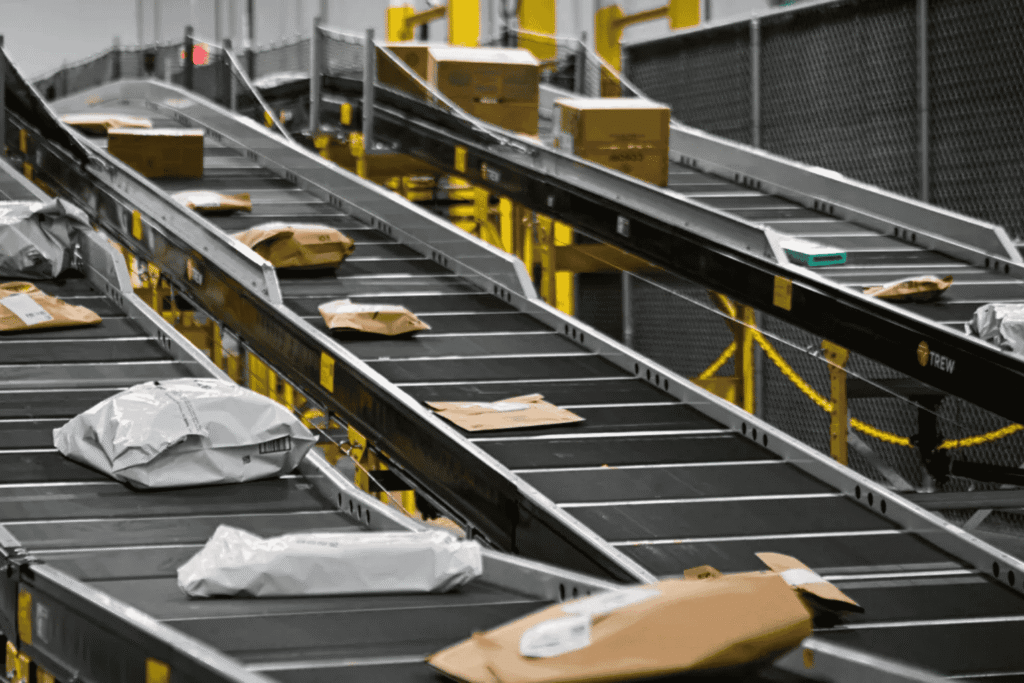
Amazon has announced that its Multi‑Channel Fulfillment service now supports merchants who sell on Walmart Marketplace and Shopify. Support for Shein will be added later this year. The update allows third‑party sellers to use Amazon’s fulfillment network to pick pack and ship products sold via these other platforms. This change is part of a larger set of improvements to Amazon’s logistics services for sellers. Supply Chain Dive

This shift means that sellers who previously managed separate inventory for each platform may now hold a single inventory pool via Amazon. That inventory can serve orders from Amazon.com Etsy Temu TikTok Shop and now Walmart Shopify and soon Shein. According to Amazon the combined use of Multi‑Channel Fulfillment and Fulfillment by Amazon reduces out of stock rates by nineteen percent and increases inventory turnover by about twelve percent. Supply Chain Dive+1

Why This Matters for Sellers

Managing inventory across multiple platforms generally requires maintaining stock in different warehouses or having to reallocate inventory manually which adds complexity cost and time. With the new expansion sellers can consolidate inventory in Amazon’s warehouses. This should reduce the number of products sitting unsold in warehouses reduce the risk of running out of stock and improve cash flow. Real time tracking of inventory becomes easier because all channels draw from the same pool. For many sellers this means they can scale more efficiently without needing to build out logistics systems themselves. (Source: RTTNews) Nasdaq

Delivery times may improve because Amazon can route orders from whichever warehouse is closest to the customer regardless of which platform the order originated on. Sellers may benefit from faster delivery to end users consistent fulfillment quality and lower per‑order shipping costs. Utilizing Amazon’s existing transportation sorting and delivery infrastructure allows merchants to tap into economies of scale. Investing.com+2Ajot+2

What Sellers Need to Know

Sellers who want to use Amazon Multi‑Channel Fulfillment for Walmart orders can already do so. Sellers using Shopify also have increased access under this program. Shein support is expected before the end of the year. Supply Chain Dive+1

Inventory will be shared between Fulfillment by Amazon and the newly supported platforms so sellers do not need to duplicate stock to serve each channel separately. That shared inventory model helps reduce inventory holding costs and waste. Sellers will still be able to track stock levels adjust allocations and handle returns though Amazon’s systems. Amazon also uses improved tools for customs clearance in international shipments for sellers who send goods across borders. The company is investing in generative artificial intelligence to pre‑fill many customs forms to avoid delays and flag possible errors before they become problems. Early tests show the time required for paperwork in some cross‑border situations has been cut by more than fifty percent. Supply Chain Dive

Global Warehousing and Distribution Expansion

In addition to channel expansion the report from Supply Chain Dive describes a new service called Global Warehousing and Distribution. Sellers will be able to store products in bulk near manufacturing sites to reduce cost of transporting goods from origin to major markets. China and Vietnam are among early regions considered for these warehousing hubs. Over time Amazon expects to expand these near factory warehouses to regions such as India Indonesia and Europe. Logistics lead time particularly for inbound shipments into Amazon fulfillment network has already improved in pilot phases by approximately seven days. Supply Chain Dive

These hubs will allow sellers to store goods closer to production sites or suppliers then move goods to final destination countries as demand requires. This setup helps reduce transportation cost inventory aging and cash tied up in transit. It also gives greater flexibility to respond when demand surges or when supply chains face disruption. Supply Chain Dive+1

Amazon Global Logistics and Direct Shipping Lanes

Amazon continues to add more direct shipping lanes connecting manufacturing hubs to destination countries. Presently the company offers ocean and air freight from China and Hong Kong to the United States United Kingdom France Germany Italy and Spain. By the end of 2026 Amazon aims for ninety six percent of inbound volume that sellers send to FBA (Fulfillment by Amazon) to be handled through these direct lanes. That level of coverage will reduce intermediate handoffs make schedules more predictable and speed positioning of inventory near customers to allow same‑day or next‑day delivery in more places. Supply Chain Dive

These improvements also strengthen Amazon’s ability to absorb disruptions in global shipping including delays at ports or shortages in shipping containers. Sellers may experience more reliable restocking and lower risk that goods will be delayed in transit. Having inventory already closer to consumer markets reduces the need to rush shipments at higher cost. Investing.com+1

Customs Clearance and Technology Use

A notable part of the update is Amazon’s use of generative artificial intelligence to simplify customs processes. For international sellers or those who ship across borders this is relevant. The system will automatically populate required fields such as product classification reuse data across documents and help flag mistakes early. As stated in Amazon’s announcement early usage of this tool has resulted in cuts of over fifty percent in the time needed for documentation for some sellers. Supply Chain Dive

This reduces delays at customs points reduces risk of fines or misclassification and helps sellers budget more reliably for total shipping cost. It also allows Amazon to deliver to consumers more quickly when cross‑border orders are processed more smoothly. Since delays in customs can add days or in some cases weeks to delivery times this improvement is especially beneficial. Supply Chain Dive

Effects on Small Medium and Large Sellers

Small and medium size sellers are likely to gain most from these changes because they may lack their own warehousing networks or logistics teams. These sellers can now rely on Amazon’s infrastructure to reach more customers across platforms without large upfront investments in storage or shipping. The risk of overstock or understock is lowered. Cash flow may improve since inventory turnover is higher and less capital is tied up in excess stock. Supply Chain Dive+1

Larger sellers and established brands also benefit. They may already have multiple warehouses but even so centralized fulfillment across more channels can reduce complexity lower redundant inventory or reduce shipping costs. For brands with global reach these logistics improvements help maintain consistent delivery speeds across regions. Demand forecasting becomes easier when inventory is concentrated and data flows from multiple channels into unified systems. Investing.com+1

Potential Challenges

Although many aspects are positive there are some challenges sellers will need to consider. Legal regulatory differences between countries customs rules import duties or tax policies may still cause delays or cost overruns even with improved tools. Even though Amazon uses AI to prefill forms it is possible that errors or misclassifications occur. Sellers will need to monitor carefully and ensure that their product data is accurate and complete.

Another challenge is that shipping costs still depend on fuel labor and transportation infrastructure. Unexpected events such as weather port shutdowns or logistical labor shortages can still drive costs up or delay deliveries. Sellers whose products are heavy large or bulky may face higher fees or limitations in delivery speed even when using Amazon MCF.

There is also competitive risk. Other fulfillment providers third party logistics companies or local providers may offer more customized or lower cost solutions especially for local markets. Sellers may choose to use alternative logistics partners if Amazon’s fees or service levels do not align with their cost structure or desired customer promise.

What the Market Thinks and Regulatory Concern

Some analysts and market watchers note that having Amazon serve Walmart marketplace orders may invite antitrust or competition scrutiny. Since Amazon and Walmart are two of the largest online retail competitors in the US using one company’s infrastructure to support sales of both may be unusual. Regulatory bodies may examine whether such cooperation affects competition or whether preferential terms may arise. Axios

Potential privacy or data sharing concerns may also arise since inventory and order data may flow across platforms. Sellers will need to check policies to ensure that integration does not violate terms of service or data protection laws in various jurisdictions.

Conclusion

Amazon is reshaping how sellers fulfill orders across different platforms. The expansion of Multi‑Channel Fulfillment to include Walmart Shopify and soon Shein plus investments in global warehousing direct freight lanes and improved customs clearance tools mark a major advance in e‑commerce logistics.

For sellers who want to grow reach improve delivery times reduce costs or simplify operations this offers a strong proposition. For customers this may mean more reliable deliveries more consistent service and a wider choice of sellers. As the system rolls out it will be important for sellers of all sizes to assess cost versus benefit ensure their data is accurate and stay alert to regulatory or logistical risks.

This update indicates that the future of e‑commerce fulfillment is moving toward centralized unified logistics systems that serve many sales channels rather than siloed fulfillment operations for each channel. It is a change that may redefine expectations for speed reliability and scale in the coming years.

Start-Up Capital of the World: UAE Launches Ambitious Campaign

Start-Up Capital of the World

The United Arab Emirates has unveiled a sweeping national campaign, The Emirates: The Start-Up Capital of the World, with a bold ambition to boost the number of active companies in the country from 1.2 million to 2 million by 2031.

At the heart of this vision is the SME sector, which already forms 94% of all registered companies, employs 86% of the private sector workforce, and contributes 63.5% of the nation’s non-oil GDP. The government wants to transform this backbone into a global showcase of innovation, entrepreneurship, and digital growth.

A New Era of Emirati Entrepreneurship

The campaign brings together more than 50 public and private institutions to train and nurture 10,000 Emirati entrepreneurs, while raising community awareness around entrepreneurship as a driver of future prosperity.

Sheikh Mohammed bin Rashid Al Maktoum, Vice President of the UAE and Ruler of Dubai, framed the initiative as a call to action:

“We believe that the future is forged by our young entrepreneurs. We are seeking to empower nationals to create new economic opportunities and start their own businesses, instead of just searching for a job.”

The UAE government will support this vision with incubators, mentorship platforms, and sector-specific programmes — extending beyond financial aid into training, digital skills, and cross-border growth opportunities.

Start-Up Capital of the World: Five Sectors of Strategic Focus

To sharpen impact, the campaign highlights five priority sectors where Emirati SMEs can scale quickly and align with national strategies:

  • Food and food processing: Bolstering food security and agro-innovation.

  • Tourism and hospitality: Already 13% of GDP, with room for SME-driven services.

  • Financial services and FinTech: Accelerating the region’s digital economy.

  • Space economy: Linking local SMEs with aerospace and research ecosystems.

  • Data analytics and digital services: Positioning the UAE as a hub for AI-driven innovation.

The UAE seeks to align start-up dynamism with its broader diversification strategy by focusing on these high-growth industries.

Building the Infrastructure for Scale

The government is backing its ambition with tangible tools. A new StartupEmirates.ae digital platform, developed in partnership with the New Economy Academy, will provide: Start-Up Capital of the World

  • Free mentorship for entrepreneurs

  • Shared workspaces and networking opportunities

  • Cross-border partnerships

  • Training in entrepreneurship, economics content creation, and project management

  • Pathways to launch 250 Emirati-owned real estate companies

The platform aims to attract 10,000 entrepreneurs and generate 30,000 new jobs by 2030.

The campaign also dovetails with the UAE’s Comprehensive Economic Partnership Agreements (CEPA), giving SMEs access to international markets. Already, Emirati start-ups are participating in global exhibitions and delegations — sometimes with government support covering travel and booth costs.

Implications for the Global Start-Up Map

The UAE’s announcement comes as global competition for start-ups, venture capital, and entrepreneurial talent intensifies. Dubai and Abu Dhabi already rank highly in global entrepreneurship indices, but the new campaign signals a determination to leapfrog from regional hub to global benchmark. Start-Up Capital of the World

This means more visibility into a policy-backed and internationally connected ecosystem for investors and partners. It creates one of the most supportive environments for entrepreneurs anywhere, from incubation to financing to export access.

Analysis: Can the UAE Deliver?

The scale of the ambition is unprecedented: 800,000 new companies in just six years. Achieving this target will require not only mobilizing Emiratis but also integrating global talent, capital, and innovation flows.

The government’s track record suggests credibility. In just five years, the number of registered companies has already doubled (from 600,000 to 1.2 million). The new campaign could accelerate this trajectory, especially with the clear emphasis on SMEs, fintech, and data-driven industries.

Still, challenges remain. Access to finance for early-stage ventures, scaling beyond the domestic market, and competing with other global start-up hubs (Singapore, London, Tel Aviv) will test the UAE’s model. The success of StartupEmirates.ae and its ecosystem partnerships will be the real measure of impact.

The UAE is not simply branding itself as a “start-up capital” but designing the scaffolding for one. With SMEs already at the heart of its economy, the country’s strategy is now about scaling faster, thinking globally, and empowering entrepreneurs to lead diversification beyond oil.

If the campaign achieves even part of its ambition, the UAE could redefine what a start-up nation looks like in the Middle East and worldwide.

Start-Up Capital of the World – Start-Up Capital of the World – Start-Up Capital of the World