WORLDEF Prime Antalya 2026 - Upcoming Event

Register Now

Temu Opens Platform for Swiss Companies

Chinese e-commerce giant Temu, a subsidiary of Pinduoduo, has officially launched its “Local-to-Local” program in Switzerland on September 15, 2025. This initiative allows Swiss retailers to list their products directly on Temu’s platform and reach a wider audience within the country. By connecting local businesses with a digital marketplace, Temu aims to facilitate growth for Swiss retailers and expand its own global footprint (Swissinfo).

Expansion into the Swiss Market

Temu has primarily been known for providing products from manufacturers and retailers in Asia, offering affordable goods to consumers worldwide. With the “Local-to-Local” program, the platform is now actively recruiting Western retailers, starting with Swiss companies, to diversify its product offerings. This strategic move is intended to enhance Temu’s competitiveness in Europe, attracting more customers seeking locally sourced goods.

Initially, Swiss retailers participating in the program can sell and ship products within Switzerland. Temu has plans to expand this offering to other European markets over time, allowing Swiss businesses to reach international consumers. Analysts predict that such expansion could significantly increase sales potential for small and medium-sized enterprises (SMEs) in Switzerland (Swissinfo).

Objectives of the “Local-to-Local” Program

The core objective of Temu’s “Local-to-Local” program is to create growth opportunities for Swiss businesses. By leveraging the platform’s global technological infrastructure, retailers gain access to a larger customer base and advanced e-commerce tools. Temu provides an integrated platform that includes digital marketing, logistics management, and secure payment solutions, enabling retailers to operate efficiently online.

The program aligns with Temu’s long-term strategy to attract sellers from multiple regions and create a more diverse, international marketplace. By incorporating European products, Temu can appeal to a broader audience and increase the perceived quality of its offerings compared to its existing Asia-focused catalog (Pinduoduo Press).

Opportunities for Swiss Retailers

For Swiss retailers, the “Local-to-Local” program offers several advantages:

  1. Increased Visibility: By joining Temu, companies can reach thousands of new customers without the need for complex marketing campaigns.

  2. Streamlined Logistics: Temu offers integrated logistics solutions, simplifying delivery and reducing operational challenges.

  3. Digital Tools: Retailers can access Temu’s online tools for inventory management, promotions, and data analytics.

  4. Brand Expansion: The platform allows Swiss companies to test new products and reach audiences they might not access otherwise.

Challenges and Considerations

While the program offers many benefits, Swiss retailers must also address challenges. They need to compete with existing vendors, often offering lower-priced goods, which may require reevaluation of pricing strategies. Retailers must also ensure high-quality product presentation and reliable customer service to maintain competitive advantage.

Logistics management and compliance with regulations are additional considerations. Businesses must manage shipping schedules, returns, and potential cross-border tax obligations. Retailers unfamiliar with digital marketplaces may need training to effectively use Temu’s tools and optimize product listings (Swissinfo).

Digital Transformation and E-Commerce Trends

Temu’s expansion into Switzerland is part of a larger trend of e-commerce platforms enabling local retailers to tap into digital marketplaces. E-commerce in Switzerland has been growing steadily, with consumers increasingly seeking convenience and variety online. The integration of local products into a platform like Temu reflects this trend and highlights the importance of digital transformation for traditional retailers.

Analysts note that the “Local-to-Local” program may inspire other digital marketplaces to adopt similar initiatives across Europe, creating a more interconnected and competitive e-commerce ecosystem. Swiss SMEs, in particular, could benefit from such programs as they gain access to new technologies, data insights, and customer networks previously dominated by larger international companies (Ecommerce Europe).

Future Prospects

Looking ahead, the “Local-to-Local” program has the potential to evolve beyond Switzerland. Temu may extend the service to neighboring European countries, allowing Swiss businesses to export products seamlessly. This could open significant revenue opportunities for SMEs and strengthen Switzerland’s position in the global e-commerce market.

The success of the program will depend on retailers’ ability to adapt to the digital marketplace, maintain quality standards, and leverage Temu’s platform effectively. Companies that embrace innovation and adopt best practices in online retailing are likely to thrive in this new environment.

Conclusion

Temu’s “Local-to-Local” program represents a major step forward for Swiss businesses seeking to expand their online presence. By providing access to a global platform, integrated logistics, and advanced digital tools, the initiative empowers retailers to grow and compete in the evolving e-commerce landscape.

For Swiss retailers, this is an opportunity to not only reach more local customers but also to prepare for eventual international expansion. As e-commerce continues to reshape consumer behavior and retail strategies, platforms like Temu will play a critical role in enabling businesses to adapt, innovate, and succeed (Swissinfo; Pinduoduo Press; Ecommerce Europe).

Qatar Airways and Cainiao Expand E-Commerce Partnership

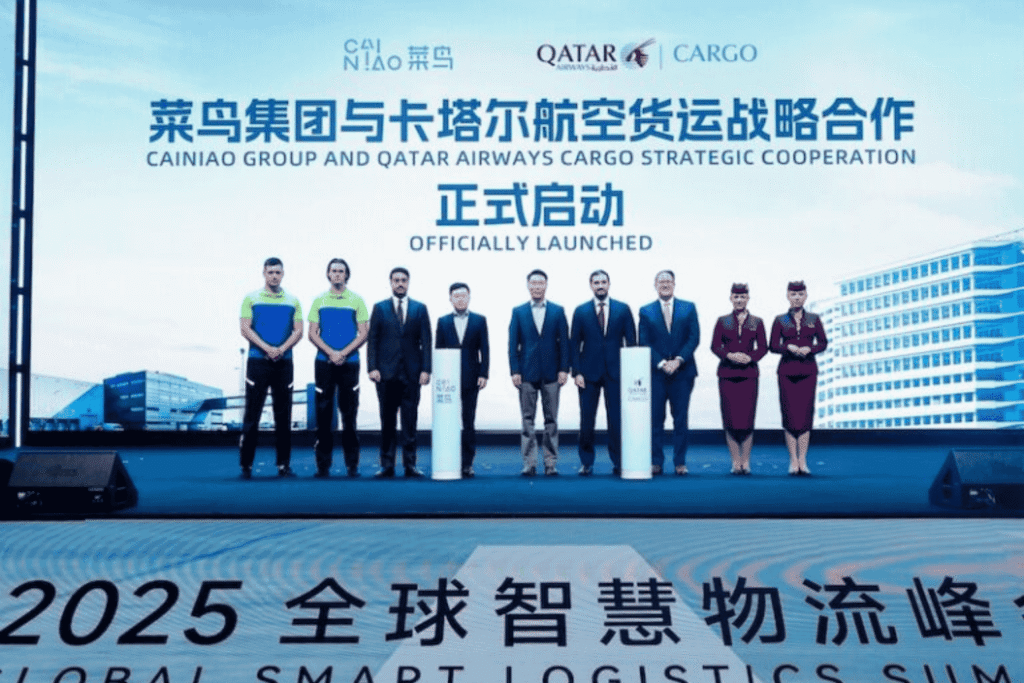
Qatar Airways Cargo, one of the world’s leading international air cargo carriers, and Cainiao, the logistics arm of China’s Alibaba Group, have expanded their strategic partnership to accelerate cross-border e-commerce delivery. This move reflects the growing importance of fast, reliable logistics in the global e-commerce market and underlines the commitment of both companies to supporting international trade and business expansion (Robotics and Automation News).

Strengthening an Existing Alliance

The collaboration between Qatar Airways Cargo and Cainiao is not entirely new. Both companies have worked together for years to support the rapidly growing e-commerce market. The newly expanded partnership will significantly increase their operational capacity and improve global connectivity.

The agreement was formalized at the Cainiao Global Smart Logistics Summit in Hangzhou on September 10, 2025. Attendees included Mark Drusch, Chief Officer Cargo at Qatar Airways Cargo, Wan Lin, CEO of Cainiao, and Sheikh Ali Alwaleed Al-Thani, CEO at Invest Qatar. The event highlighted both companies’ commitment to global trade and the digital transformation of logistics networks.

Doubling Weekly Charter Flights

A central feature of the new agreement is the increase in weekly charter flights between China and Europe. Cainiao will more than double its flights on key trade routes, using Qatar Airways Cargo’s advanced fleet and global network. This expansion allows for greater flexibility for merchants shipping products abroad and ensures more reliable delivery schedules for e-commerce operations.

The move is expected to significantly support Chinese businesses aiming to expand internationally. By leveraging Qatar Airways Cargo’s global expertise, Cainiao can provide faster and more cost-effective shipping solutions, which is critical in today’s competitive e-commerce environment (Qatar Airways Press Release).

Global Connectivity and Trade Flow Enhancement

Mark Drusch emphasized China’s importance as a global trade partner, stating, “China is one of the most important trade partners globally, playing a pivotal role in the evolution of e-commerce and continuing to drive the highest demand for air cargo capacity worldwide.”

By combining Qatar Airways Cargo’s global fleet and operational capabilities with Cainiao’s expertise in e-commerce logistics, the partnership aims to provide unmatched connectivity between China, Europe, and beyond. This will improve delivery reliability, reduce shipping times, and enhance overall supply chain efficiency, a key factor for businesses engaging in cross-border trade (Robotics and Automation News).

Strategic Benefits for E-Commerce

Global e-commerce has experienced exponential growth, with consumers increasingly expecting faster delivery and reliable service. This expanded partnership enables Qatar Airways Cargo and Cainiao to meet these evolving demands by:

  • Increasing the frequency and reliability of international shipments.

  • Reducing lead times for products traveling between China, Europe, and other key markets.

  • Providing Chinese merchants with broader access to global markets.

  • Offering end-to-end logistics solutions that integrate air freight with ground transportation and last-mile delivery.

By enhancing operational capacity, both companies can better serve merchants, improve customer satisfaction, and solidify their leadership positions in the e-commerce logistics sector.

Industry Reactions

Industry experts have praised the expanded partnership, noting its potential to reshape global e-commerce logistics. Analysts suggest that such strategic alliances between major carriers and e-commerce platforms are essential for meeting growing consumer expectations for speed and reliability.

Logistics providers see this collaboration as a model for combining traditional air cargo infrastructure with modern e-commerce solutions. By leveraging technology, real-time tracking, and global networks, the partnership is expected to set new standards in cross-border delivery efficiency and transparency.

Economic and Strategic Implications

The expansion of Qatar Airways Cargo and Cainiao’s partnership is likely to have several long-term effects on the international trade landscape:

  • Boosting Sino-European Trade: Doubling flight capacity between China and Europe ensures smoother trade flow and supports economic growth.

  • Enhancing Supply Chain Efficiency: Faster and more reliable deliveries reduce costs for merchants and improve competitiveness.

  • Encouraging Investment: The strategic partnership positions both companies as leaders in global e-commerce logistics, attracting potential investment from other international stakeholders.

  • Setting Industry Standards: The collaboration provides a benchmark for other airlines and logistics companies looking to optimize cross-border e-commerce delivery.

Commitment to Innovation

Both Qatar Airways Cargo and Cainiao are committed to innovation, investing in technology to streamline logistics operations. Advanced cargo tracking, digital customs clearance, and AI-powered route optimization are central components of their strategy to enhance the efficiency and reliability of cross-border e-commerce.

The expanded partnership also highlights the importance of sustainability. By optimizing flight schedules, reducing unnecessary flights, and improving overall logistics efficiency, the companies aim to lower carbon emissions associated with international shipping.

Future Outlook

Looking ahead, this partnership is expected to continue evolving with the global e-commerce market. Potential developments include:

  • Expansion of services to additional regions, such as the Middle East, Africa, and Latin America.

  • Integration with digital platforms for seamless order tracking and shipment management.

  • Development of automated cargo handling and AI-driven logistics management systems.

These initiatives will not only strengthen the global supply chain but also ensure that merchants can reliably meet growing consumer demands in an increasingly competitive market (Qatar Airways Press Release).

Conclusion

The expanded strategic partnership between Qatar Airways Cargo and Cainiao represents a major step forward in global e-commerce logistics. By combining Qatar Airways Cargo’s global air freight capabilities with Cainiao’s expertise in e-commerce, the collaboration enhances international connectivity, improves delivery reliability, and supports Chinese merchants in reaching new markets.

As global e-commerce continues to grow, such partnerships will be crucial for providing fast, efficient, and cost-effective logistics solutions. Qatar Airways Cargo and Cainiao’s joint efforts are setting new standards for cross-border trade, reinforcing their positions as leaders in the evolving global logistics landscape.

UAE to Launch Driverless Deliveries

The United Arab Emirates (UAE) is set to expand its autonomous vehicle initiatives beyond self-driving taxis. Dubai’s trade, transport, and logistics holding group, 7X, has announced plans to roll out deliveries through autonomous vehicles across the UAE within a year. The company is currently running trials of autonomous vehicles in Masdar City, Abu Dhabi, delivering products to customers (Khaleej Times).

Expansion of Autonomous Vehicle Trials

7X’s autonomous delivery vehicles are undergoing trials in Masdar City, a hub for innovation and sustainability in Abu Dhabi. The trials are designed to demonstrate the efficiency, safety, and feasibility of using autonomous vehicles for product deliveries. The initiative is expected to reduce human labor dependency and optimize logistics processes.

Following the initial success of these trials, the company plans to extend autonomous delivery operations to Khalifa City and Dubai. The goal is to have a nationwide autonomous delivery network operational within the next 12 months. This aligns with the UAE government’s broader vision of positioning the country as a global leader in smart mobility and autonomous technologies (Khaleej Times).

Technological Advancements

The autonomous delivery vehicles are equipped with advanced navigation systems, lidar sensors, GPS, and AI-driven algorithms that allow them to safely navigate complex urban environments. These technologies enable the vehicles to detect obstacles, adjust routes in real time, and ensure precise deliveries to customers.

In addition, 7X is integrating cloud-based monitoring systems that allow centralized tracking and operational management. This ensures high efficiency, faster deliveries, and improved safety standards. Experts note that automation in logistics could significantly reduce traffic congestion and carbon emissions by optimizing vehicle routing and reducing the number of conventional delivery vehicles on the road (Khaleej Times).

Government Support and Strategic Vision

The UAE government has actively supported autonomous vehicle initiatives as part of its strategy to enhance transportation infrastructure, promote innovation, and reduce environmental impact. Through organizations like the Smart and Autonomous Systems Council and the Integrated Transport Centre in Abu Dhabi, the government provides regulatory support, safety standards, and investment incentives to foster the development of autonomous mobility.

The driverless delivery program aligns with the UAE’s long-term smart city initiatives, including Dubai’s goal to become a global hub for autonomous transport technologies. Officials believe that integrating driverless deliveries will improve service quality, reduce operational costs for logistics companies, and attract international investment in the sector (Khaleej Times).

Industry Reactions

The announcement of driverless deliveries has garnered attention across logistics, technology, and urban planning sectors. Industry analysts see this as a critical step toward mainstream adoption of autonomous vehicles in everyday life.

Logistics companies view the development as an opportunity to enhance last-mile delivery efficiency, cut operational costs, and reduce dependency on human drivers. Technology providers emphasize that the UAE is setting an example for regional and global adoption of autonomous solutions, demonstrating that large-scale deployment of driverless vehicles is feasible in real urban environments.

Urban planners and sustainability experts have highlighted the potential environmental benefits of autonomous deliveries. By reducing the number of delivery vehicles on the road and optimizing routes, the initiative can lower traffic congestion and emissions, contributing to cleaner and smarter urban mobility (Khaleej Times).

Future Prospects

The UAE’s autonomous delivery program is expected to have wide-reaching implications in the coming years. Within five years, industry experts anticipate that driverless vehicles could handle a substantial portion of last-mile deliveries in major cities, reducing delivery times and operational costs.

Furthermore, the integration of AI and autonomous systems in logistics may lead to new business models, such as on-demand autonomous delivery services and fully automated warehouses. The UAE’s early adoption of these technologies is likely to inspire similar initiatives across the Middle East and globally, positioning the country as a leader in autonomous transport and smart city solutions.

Challenges and Considerations

Despite the promise of driverless deliveries, there are several challenges that 7X and the UAE government must address. Regulatory frameworks need to be continuously updated to ensure safety and compliance. Additionally, public acceptance and trust in autonomous vehicles will play a significant role in the successful adoption of this technology.

Security and cybersecurity are also key considerations. Autonomous vehicles rely heavily on software, cloud connectivity, and AI systems, which may be vulnerable to cyber threats. Authorities and technology providers must ensure robust safeguards to prevent potential breaches or operational failures.

Conclusion

The UAE’s initiative to roll out driverless deliveries within a year represents a major milestone in the country’s autonomous vehicle journey. With trials underway, government backing, and advanced technological deployment, the UAE is poised to become a global model for integrating autonomous vehicles into daily logistics and urban mobility operations.

As the program expands nationwide, driverless deliveries are expected to improve efficiency, reduce environmental impact, and enhance customer experience, while setting a precedent for other nations to follow in the adoption of autonomous transportation technologies.

Amazon Demands Proof of Authenticity from Electronics Sellers

Amazon has introduced a new policy requiring electronics sellers to provide proof of authenticity for branded products. Effective from September 17, 2025, sellers must submit documentation proving that their products are sourced from authorized suppliers. Failure to comply may result in the removal of product listings from the platform (Ecommerce News).

Policy Overview

The new requirement mandates that sellers submit invoices dated within the last 180 days, covering at least 100 units of the product in question. In addition to invoices, sellers must provide comprehensive supplier information, including the supplier’s name, address, email, and website. Accepted document formats include PDF, JPG, PNG, and GIF. This policy applies to several European countries, including Germany, France, Italy, and Netherlands.

Amazon’s move comes as part of a broader effort to improve product authenticity on its marketplace. The policy aims to reduce counterfeit products and increase consumer trust, particularly for high-demand electronics brands.

Brands and Products Affected

The verification policy primarily targets well-known electronics brands such as Samsung, Dyson, Canon, Philips, HP, Sony, and Panasonic. However, some sellers who do not even offer products from these brands have reported receiving requests for documentation. This has created confusion in the seller community, with many unsure about which products require proof of authenticity.

Some sellers have shared their experiences online, highlighting inconsistencies in Amazon’s communications. Multiple emails referencing different brands have left sellers uncertain about compliance, raising concerns about potential errors in enforcement.

Challenges for Sellers

Many sellers have expressed frustration over the lack of clear guidance regarding the new requirements. Without the necessary documentation, sellers may be unable to sell existing stock on Amazon after the September 17 deadline.

For European online retailers, this policy introduces additional administrative burdens. Small and medium-sized enterprises (SMEs) may face difficulties in gathering comprehensive documentation from suppliers, especially if suppliers are overseas or do not maintain detailed invoices. In some cases, sellers may need to return, destroy, or donate existing inventory that cannot be verified.

This added complexity may increase costs for sellers and affect profit margins. Some sellers have warned that the policy could lead to temporary shortages of certain electronics products on Amazon, particularly for items supplied by smaller vendors.

Amazon’s Rationale

Amazon has stated that the policy is designed to ensure only safe and authentic products are available on its platform. The company cited customer complaints regarding counterfeit products and violations of marketplace guidelines as the reason for introducing the new verification measures (Ecommerce News).

By requiring sellers to provide proof of authenticity, Amazon aims to enhance consumer trust and protect its brand reputation. The company emphasized that sellers with a proven track record of sourcing from authorized suppliers are more likely to comply easily with the new policy.

Industry Response

The new policy has generated mixed reactions from the e-commerce community. Some industry experts praise Amazon for taking steps to combat counterfeit products and strengthen consumer confidence. They argue that stricter verification will improve marketplace quality and protect brands from unauthorized resellers.

However, others highlight potential negative impacts on legitimate sellers, particularly SMEs. Critics note that the policy may create barriers to entry for smaller businesses that lack the administrative resources to gather and submit detailed documentation. Some sellers have also expressed concern that Amazon’s enforcement may be inconsistent, leading to confusion and potential loss of revenue.

Implications for the European E-Commerce Market

The policy could have broader implications for the European e-commerce landscape. Other online marketplaces may follow Amazon’s lead, introducing similar verification measures to ensure product authenticity. This trend could increase compliance requirements across the industry, potentially raising costs and administrative burdens for sellers (Ecommerce Europe).

On the other hand, successful implementation could boost consumer confidence, leading to higher sales for verified sellers. Shoppers are more likely to trust products when marketplaces enforce strict authenticity requirements, particularly for high-value electronics.

Tips for Sellers to Comply

Experts recommend that sellers begin preparing immediately to meet Amazon’s new requirements. Steps may include:

  • Collecting all invoices and purchase records from the last 180 days.

  • Verifying that suppliers are authorized distributors for the relevant brands.

  • Ensuring that invoices clearly indicate product quantities, supplier details, and purchase dates.

  • Organizing documentation in accepted formats (PDF, JPG, PNG, GIF) for submission through Amazon’s platform.

By taking proactive measures, sellers can minimize the risk of product delisting and avoid disruptions to their operations.

Potential Long-Term Effects

Beyond the immediate compliance concerns, this policy may reshape how electronics are sold across European online marketplaces. Vendors who consistently meet Amazon’s authenticity requirements may gain a competitive advantage, while sellers unable to provide sufficient documentation could see their businesses negatively impacted. Experts predict that over time, marketplaces with strict verification measures may establish stronger consumer trust and more stable sales volumes (Ecommerce News).

Conclusion

Amazon’s new proof-of-authenticity requirement for electronics sellers highlights the company’s commitment to maintaining a trustworthy online marketplace. While the policy is designed to protect consumers and brands, it also presents challenges for sellers, particularly SMEs, that must navigate complex documentation and verification processes.

As the September 17 deadline approaches, sellers across Europe must ensure compliance to avoid removal of listings and potential revenue loss. This policy represents a significant step toward reducing counterfeit products and ensuring quality, and it may serve as a model for other online marketplaces seeking to enhance consumer confidence and product authenticity.

Barid Al-Maghrib and Saudi Post Boost E-Commerce

Morocco’s national postal operator, Barid Al-Maghrib, and Saudi Arabia’s postal service, Saudi Post, have entered into a strategic collaboration aimed at enhancing postal services and e-commerce logistics. Announced during the 28th Universal Postal Congress (UPU) held in Dubai in September 2025, this partnership marks a significant milestone in regional cooperation and digital transformation in the postal sector (Morocco World News).

Key Developments at the Universal Postal Congress

The 28th Universal Postal Congress, held from September 8 to 19, 2025, brought together postal and logistics leaders from 192 countries. The event provided a platform to discuss emerging trends, innovative technologies, and the future of postal services worldwide. During the congress, Barid Al-Maghrib and Saudi Post signed two key agreements designed to strengthen collaboration and expand e-commerce logistics capabilities between Morocco and Saudi Arabia.

The agreements are expected to enhance operational efficiency, accelerate cross-border deliveries, and improve customer experience in both countries. Experts note that these steps reflect the growing importance of digital transformation and e-commerce in the MENA region.

Details of the Agreements

Cooperation Protocol

The cooperation protocol allows both institutions to share innovative services and products and jointly develop new projects in postal operations, logistics, and digital technologies. The protocol emphasizes sustainability, technological innovation, and service modernization. Both institutions also plan to collaborate on staff training, knowledge exchange programs, and the implementation of digital solutions to optimize postal operations.

International Logistics Agreement

The second agreement focuses on enhancing the efficiency of international shipments through Saudi Post’s network of exchange offices. This initiative will streamline the handling of cross-border parcels and improve delivery times for e-commerce transactions. By leveraging shared resources, advanced tracking systems, and optimized logistics routes, both postal services aim to provide faster and more reliable services for businesses and consumers alike.

Background of the Morocco-Saudi Arabia Partnership

This collaboration follows discussions held during the Morocco-Saudi Arabia Joint Committee meeting in Mecca in March 2025. Both institutions have emphasized the strategic importance of partnerships to achieve digital transformation, modernize postal services, and support sustainable development goals in the region. Analysts highlight that such collaborations are critical for strengthening regional economic integration and fostering growth in the e-commerce sector.

The partnership also reflects a broader trend in the MENA region, where postal services are increasingly adopting innovative solutions to meet the demands of fast-growing e-commerce markets. By working together, Morocco and Saudi Arabia aim to create a more connected, efficient, and technology-driven postal network.

The Growing Role of E-Commerce

E-commerce has become a major driver of economic growth in both Morocco and Saudi Arabia. The rise of online shopping, cross-border transactions, and digital payment solutions has created significant demand for reliable and efficient postal and logistics services.

Barid Al-Maghrib and Saudi Post’s collaboration is expected to meet these demands by implementing technology-driven solutions, enhancing parcel tracking capabilities, and improving delivery speeds. This will benefit retailers, e-commerce platforms, and end consumers, while also supporting regional economic development.

Sectoral and Economic Implications

This strategic partnership has broad implications for the postal and logistics sector:

  • Joint projects will enable the modernization of postal services, including automated sorting centers and advanced logistics systems.

  • The international logistics agreement will ensure faster, more efficient delivery of cross-border e-commerce shipments.

  • Both institutions plan to invest in environmentally friendly logistics solutions and energy-efficient technologies, aligning with global sustainability goals.

Analysts predict that this collaboration will enhance the competitiveness of postal services in the MENA region and establish a strong foundation for further regional cooperation in logistics and e-commerce.

Digital Transformation and Future Prospects

Both Barid Al-Maghrib and Saudi Post are investing in digital transformation initiatives to support innovation and improve service delivery. Key initiatives include:

  • Establishing smart postal centers with automated processing and sorting technologies,

  • Developing comprehensive online tracking and management systems for customers and businesses,

  • Implementing artificial intelligence and data analytics tools to optimize logistics and delivery operations.

These initiatives are expected to improve operational efficiency, reduce costs, and increase customer satisfaction. Experts suggest that this partnership could serve as a model for other postal services in the region and globally, demonstrating the potential of digital transformation in enhancing postal and e-commerce services.

Conclusion

The strategic collaboration between Barid Al-Maghrib and Saudi Post underscores the growing significance of digitalization and e-commerce in the postal and logistics sector. By improving cross-border logistics, accelerating delivery times, and implementing innovative solutions, both countries are positioning themselves as leaders in the regional e-commerce landscape.

This partnership not only strengthens bilateral relations but also contributes to regional economic integration and the achievement of sustainable development and digital transformation goals. It is expected to create a positive impact on businesses, consumers, and the wider postal industry in the MENA region.

Middle East Can Lead the Next Decade of Digital Commerce

The Middle East is set to Lead the Next Decade of Digital Commerce.

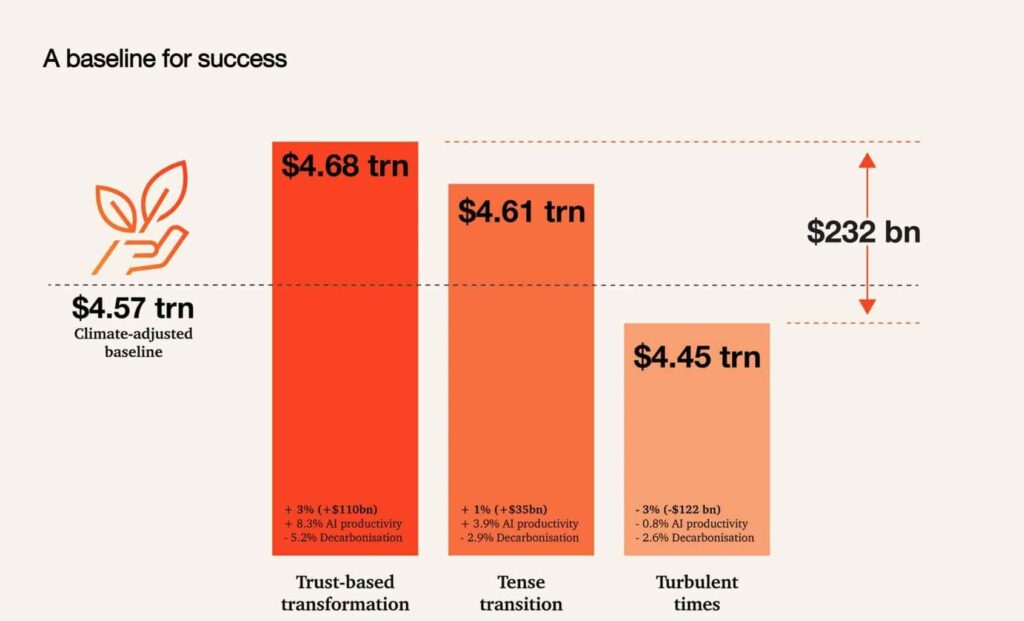
The Middle East is entering a defining decade. As artificial intelligence, climate risk and shifting trade patterns redraw the global growth map, value is literally in motion. PwC’s new analysis quantifies the stakes; by 2035, the region’s climate-adjusted baseline points to $4.57 trillion in GDP, yet outcomes range from $4.45 trillion in a fractured world to $4.68 trillion if trust in AI and climate execution aligns. That $232 billion gap is not academic; it is the difference between a defensive posture and a confident export of standards.

Two forces dominate the calculus. Firstif scaled responsibly, AI productivity can add 8.3 percentage points to regional GDP by 2035. Second, physical climate risks, such as extreme heat, water stress and flooding, can subtract 13.9 points if unmanaged. In practical terms, the region’s growth will be set by how quickly it converts cheap, clean power into cheap, abundant compute, and how effectively it uses that compute to raise productivity while hardening supply chains against climate impacts.

This is where the Middle East holds a structural advantage. The Gulf’s world-class renewable resources, falling levelised electricity costs, and rapid buildout of data centre capacity translate into lower marginal costs for AI training and inference. Pair that with policy plumbingreal-time payments, open-banking frameworks, and e-invoicing, and you get retail rails that turn connectivity into checkout. These rails are not headlines, but they are the difference between campaigns that fade and customers who return.

PwC’s framing is helpful because it moves beyond sectors to growth domains. Instead of treating retail as an island, it sits at the intersection of Connect & Compute (search, recommendations, payments), Move (fulfilment and returns), and Fund & Insure (working capital, risk, buyer protection). That is precisely where e-commerce will be won in MENA; in the seams between discovery, money movement and delivery.

The signals are already visible. Internet penetration is effectively universal in Gulf markets, mobile speeds are world-class, and national real-time payment systems have gone mainstream. E-invoicing has cleaned up data and accelerated settlements. Open-banking is shifting from pilots to production, enabling account-to-account checkout that lowers fees and raises approvals. Meanwhile, Arabic-first search, service and pricing models are moving from proof-of-concept to production. This matters because the next wave of retail growth comes from relevance at the edge, localised content, accurate attributes and trustworthy service, not just more ads.

The region also has momentum in cross-industry plays, super-apps expanding from mobility to delivery and payments, AI-driven healthcare platforms merging clinical capacity with data science, and energy incumbents investing in electric vehicles and storage. These moves preview the new value chains that commerce will plug into faster identity verification at checkout, cleaner returns logistics, and more predictable cash cycles for sellers.

Our view is unapologetically operational. If the Middle East chooses the trust-based transformation track, the winners will be operators who standardise four things across borders:

  1. Checkout that works: Card + pay-by-bank + strong identity. Raise approvals, cut false declines, and shorten settlement—this is free growth.

  2. Product data that converts: Arabic-first titles and attributes, richer media, accurate sizing. This lowers avoidable returns.

  3. Delivery promises that hold: Honest two-day nationwide targets with precise refund clocks and drop-off options. Trust is logistics you can keep.

  4. Clean compliance: Predictable VAT, e-invoice, and product-safety playbooks. Less drama, faster scale.

There are risks. Talent gaps in growth operations persist; many SMEs still run on spreadsheets; and return rates can quietly crush margins. But these are execution problems, not structural weaknesses, and are solvable on the rails that Gulf regulators and infrastructure investors are building.

The strategic choice is clear. AI needs watts; watts are cheap here. If the region uses that advantage to power local, explainable, and trustworthy retail AI and exports the standards for payments, invoicing, and returns across the GCC, it will not only capture the high end of PwC’s range; it will set the playbook others adopt. That is how a region moves from being a place where value flows to being a place that defines how value flows.

For marketplaces, brands, logistics, and payment firms and the investors who back them, the task is to treat these next five years as an installation window, installing the rails, the trust, and the talent. The prize is not simply higher GMV; it is a durable customer base and an exportable model of digital trade built on clean energy and credible AI.

The bottom line is that the Middle East’s time to lead is not a slogan but a cost curve plus a policy stack. Turn both into everyday checkout, and the region’s value in motion becomes value captured.


E-Commerce Films: 5 Must-Watch

E-commerce is usually told in spreadsheets and quarterly reports, but cinema often captures what numbers cannot: The drama of ambition, the fragility of workers, the ecological cost of consumption, and the culture-shaping power of platforms. For industry leaders and policymakers, e-commerce films and docs are not mere entertainment. They are mirrors, showing both the promises and the contradictions of a digital economy that has become indispensable. E-Commerce Films

In curating the “best of the best,” we deliberately move beyond corporate PR films that glorify growth. Instead, we highlight five works that combine narrative, critique, and relevance. Together, they chart e-commerce’s history, expose its blind spots, and challenge us to imagine a more sustainable and humane digital economy. E-Commerce Films

1. Crocodile in the Yangtze (2012)

Directed by Porter Erisman, a former Alibaba insider, this documentary chronicles Alibaba’s rise against eBay’s attempted domination of the Chinese market. It is part entrepreneurial thriller, part cultural case study.

The value of the film lies not just in its access to the inside story but in its portrayal of how local knowledge, cultural adaptability, and sheer determination defeated a global incumbent. For entrepreneurs in emerging markets, including the MENA region, the film is an inspiring reminder that global commerce is not predetermined by Silicon Valley.

Yet, the film is selective. It celebrates Jack Ma’s vision but sidesteps issues of monopoly, labour conditions, and regulatory tensions. The task for viewers is to read between the lines: Alibaba’s story is one of opportunity and power consolidation.

2. Buy Now! The Shopping Conspiracy (2024)

This Netflix production is the freshest and most provocative on the list. It examines how consumer desire is engineered: Planned obsolescence, psychological nudges, and the environmental fallout of endless buying. E-Commerce Films

The strength of Buy Now! is its systemic approach. It connects UX design to waste mountains and consumer convenience to the climate crisis. It warns policymakers that unchecked digital consumption accelerates ecological disaster. For designers, it calls to rethink what ethical design means. E-Commerce Films

Its weakness is thematic clutter in covering too many angles; it sometimes sacrifices depth. Still, it forces the uncomfortable but necessary question: when does convenience become complicity?

3. E-Dreams (2001)

Long before quick commerce apps and same-day delivery, Kozmo.com promised one-hour convenience in late-1990s New York. E-Dreams documents its meteoric rise and spectacular crash.

The lessons remain timeless: Rapid expansion without unit economics is suicidal; hype can sustain valuations but not logistics; and consumer enthusiasm can evaporate overnight. For today’s founders in the Gulf, where investor appetite is strong, the film is a sobering reminder that discipline matters as much as vision.

What the film misses, understandable for its era, are the technological enablers that make today’s quick commerce more viable: AI, big data, and automated warehouses. Still, it is essential historical context, proving that not all ideas fail because they are “too early”; some fail because they ignore fundamentals.

4. The Corporation (2003)

At first glance, this may not seem like an e-commerce film. But the thesis that corporations exhibit “pathological” behaviours when judged by clinical criteria applies particularly strongly to platform giants.

The documentary dissects corporate personhood, labour exploitation, marketing manipulation, and environmental damage. For readers of WORLDEF News, it is an invitation to see Amazon, Alibaba, or Walmart not as exceptions but as logical outcomes of corporate incentives. E-Commerce Films

Two decades on, the film feels prescient. The debates over antitrust, gig work, carbon footprints, and algorithmic manipulation are precisely what it anticipated. Its limitation is that it predates platform capitalism in full bloom, which only sharpens its relevance today.

5. On Falling (2025)

This recent drama-doc hybrid portrays Aurora, a warehouse worker in an Amazon-style fulfilment centre. It is not about founders, but about labour. It captures exhaustion, social isolation, and the psychic toll of constant surveillance.

For many viewers, especially in affluent regions where packages arrive “magically” within hours, On Falling makes visible the invisible. It dramatises the human cost of frictionless commerce.

The film’s fictionalisation may invite critique, but its emotional truth resonates: Convenience has consequences. For regulators, unions, and corporate leaders alike, it raises an unavoidable ethical question: Can e-commerce scale without eroding dignity?

Taken together, these five works do more than document milestones; they illuminate the moral arithmetic of digital retail, who pays, who benefits, and what gets externalised as friction. For founders, the lesson is discipline over hype and design that respects user agency; for policymakers, it is the urgency of standards that measure not only GMV but also labour conditions, data practices, and environmental cost; for operators and designers, it is a reminder that convenience engineered without care becomes extraction. As the MENA e-commerce landscape scales, these films invite us to pair ambition with governance, speed with scrutiny, and innovation with dignity. If we watch them not as spectators but as participants in a shared market infrastructure, they can sharpen our strategy and, more importantly, our sense of responsibility.

Coming soon on WORLDEF News: Corporate Biographies of Digital Commerce, from Amazon and Alibaba to Shopify, JD.com, Rakuten, Flipkart, Walmart, Etsy, Wayfair, Zalando, and more…

E-Commerce Films, E-Commerce Films, E-Commerce Films, E-Commerce Films, E-Commerce Films, E-Commerce Films

Saudi Arabia’s Outward Remittances Rise Over 15% in July 2025

Saudi Arabia witnessed a significant increase in outward remittances in July 2025, with the total amount sent abroad rising by 15.4% year-on-year to reach approximately 14.91 billion Saudi Riyals (around $3.95 billion).This surge highlights ongoing economic activity within the Kingdom and the growing financial engagement of both Saudi citizens and expatriate workers with international markets. The data, released by the Saudi Arabian Monetary Authority (SAMA) in their latest report, reflects broader trends in remittance flows and provides insight into economic dynamics affecting the Kingdom (Arab News).

Detailed Breakdown of Remittance Growth

Outward remittances encompass the funds transferred by both expatriate workers living and working in Saudi Arabia and Saudi nationals sending money abroad for various reasons, such as family support, investment, education, and business activities. According to the latest figures from SAMA, the remittances sent by Saudi citizens themselves increased by 13.8% in July, totaling 6.61 billion Saudi Riyals (about $1.76 billion). This rise signals growing disposable incomes and increased financial interactions with the global economy by Saudi individuals (Saudi Arabian Monetary Authority).

Expatriate workers, who constitute a significant portion of Saudi Arabia’s labor force, have also increased their remittances substantially. During the first seven months of 2025, foreign workers transferred a total of 98.6 billion Saudi Riyals ($26.3 billion), marking a 22.26% rise compared to the same period in the previous year. These figures underscore the Kingdom’s role as a major regional economic hub and a vital source of remittance flows for neighboring countries and global markets (World Bank Remittance Data).

Economic Factors Driving Remittance Growth

Several economic factors have contributed to the increase in remittance volumes from Saudi Arabia. Firstly, the Kingdom’s ongoing economic diversification efforts under Vision 2030 have resulted in higher employment rates and wage growth across various sectors, especially outside the oil industry. As more individuals gain stable income sources, both locals and expatriates are better positioned to send money abroad (Arab News).

Secondly, improvements in the financial infrastructure and payment technologies have made cross-border transactions more efficient, secure, and accessible. Digital banking services, mobile payment platforms, and remittance-focused fintech companies have all contributed to reducing transaction costs and enhancing the speed of money transfers. These innovations encourage higher remittance volumes by simplifying the process for senders.

Thirdly, global inflationary pressures and rising costs of living in both Saudi Arabia and recipients’ home countries have also influenced remittance patterns. As families abroad face increased financial needs, expatriates often remit larger sums to support relatives, education expenses, healthcare, and day-to-day costs (World Bank).

Regional and Global Implications

Saudi Arabia’s remittance outflows hold considerable importance for many recipient countries, particularly in the Middle East, South Asia, and Africa. Countries such as India, Pakistan, the Philippines, and Egypt benefit significantly from remittances sent by expatriate workers in Saudi Arabia. These funds provide critical support for household incomes, contribute to poverty alleviation, and fuel local economic activities.

The rise in outward remittances can thus be seen as a reflection of Saudi Arabia’s economic position as a financial and labor hub in the region. For recipient countries, continued remittance inflows support economic stability and development efforts. As such, these flows play a crucial role in strengthening bilateral economic ties between Saudi Arabia and the wider international community (Arab News).

Policy and Regulatory Environment

The Saudi Arabian Monetary Authority (SAMA) plays a key role in overseeing remittance activities and ensuring regulatory compliance. Its policies are designed to protect consumers, prevent money laundering, and promote transparency in cross-border financial transactions. By maintaining a robust regulatory framework, SAMA helps build trust in the financial system and supports the Kingdom’s reputation as a secure environment for international money transfers.

Moreover, the government’s push for financial inclusion and digital transformation aligns with efforts to increase remittance accessibility. Initiatives to integrate more users into the formal financial system aim to reduce reliance on informal channels, which are often costlier and less secure.

Future Outlook for Remittances

Looking ahead, remittance flows from Saudi Arabia are expected to continue growing, driven by demographic trends, economic diversification, and technological advancements. The expatriate workforce is projected to remain sizable, while Saudi citizens are increasingly engaging in international financial activities, including investments and overseas education payments.

Furthermore, the Kingdom’s Vision 2030 goals emphasize enhancing the digital economy and financial services sectors. This focus will likely spur further innovations in cross-border payment solutions, fostering more efficient remittance channels and encouraging higher transaction volumes.

However, potential challenges such as geopolitical tensions, global economic uncertainties, and changes in labor migration patterns could impact future remittance trends. Continuous monitoring and adaptive policy measures will be essential to maintain steady growth and mitigate risks (World Bank Remittance Data).

Conclusion

Saudi Arabia’s outward remittance growth in July 2025, exceeding $4 billion and rising by over 15%, reflects a dynamic economic environment and deepening international financial connections. This trend not only benefits the Kingdom’s expatriate community and Saudi citizens but also provides vital economic support to many countries reliant on remittance inflows.

As the Kingdom advances its Vision 2030 objectives and strengthens its financial infrastructure, remittance flows will remain a key indicator of economic health and global integration. Policymakers, financial institutions, and market participants will need to collaborate to sustain growth, enhance service quality, and ensure that remittance channels remain secure, affordable, and accessible for all users.

Saudi EXIM Bank and Turkish Eximbank Sign Credit Line Agreement

Saudi Export-Import Bank (Saudi EXIM) and Turkey’s official export credit agency, Turkish Eximbank, have recently signed a landmark credit line agreement aimed at significantly enhancing trade relations between the two countries. The signing ceremony took place in Istanbul, marking a strategic milestone in economic cooperation that will facilitate the expansion of commercial ties and trade volume, especially in non-oil sectors.

The agreement was officially signed by Mohammed AlAbdulmohsen, Head of Financial Institutions at Saudi EXIM Bank, and Taner Yavuz, Deputy General Manager of Strategy and Finance at Turkish Eximbank. Both officials highlighted the critical importance of this collaboration in easing the entry of Saudi products into the Turkish market and fostering mutually beneficial trade growth (GCC Business News).

Strategic Importance Within Vision 2030 Framework

This credit line agreement is a significant component of Saudi Arabia’s ambitious Vision 2030, which aims to diversify the Kingdom’s economy away from oil dependency and promote sustainable growth through enhanced export activities. Saudi EXIM Bank, operating under the supervision of the National Development Fund, plays a pivotal role in this national strategy by providing financial support to exporters and fostering international partnerships.

The partnership with Turkish Eximbank strengthens Saudi Arabia’s financial infrastructure for foreign trade, making it easier for Saudi exporters to access funding and navigate the competitive Turkish market. For Turkey, the agreement offers new opportunities to expand its export portfolio through closer cooperation with Saudi businesses.

Enhancing Bilateral Trade and Economic Cooperation

Trade relations between Saudi Arabia and Turkey have experienced steady growth in recent years, driven by complementary economic needs and expanding sectors. However, challenges such as financing access and regulatory complexities have sometimes limited the potential for faster growth. This credit line agreement addresses these issues by establishing a streamlined financing channel that supports exporters and importers from both countries.

Small and medium-sized enterprises (SMEs) are expected to benefit particularly from this arrangement, as the improved access to export finance will enable them to participate more actively in bilateral trade. This can stimulate job creation, innovation, and economic diversification in both markets.

Promoting Economic Diversification and Sustainability

Saudi Arabia’s Vision 2030 emphasizes reducing the economy’s reliance on oil revenues and increasing the share of non-oil sectors. By supporting the export of non-oil products and encouraging international trade partnerships, Saudi EXIM Bank contributes directly to these objectives. The credit line agreement with Turkish Eximbank is an essential part of this vision, offering the financial backing needed to promote industrial diversification and economic resilience.

Moreover, fostering such international financial partnerships helps Saudi Arabia align with global trade standards and improve its competitiveness in key export destinations like Turkey.

Future Prospects and Collaborative Initiatives

The signing parties have expressed commitment to further strengthening cooperation beyond this credit line agreement. Plans are underway to explore joint projects, trade facilitation programs, and innovative financing models that can further accelerate bilateral trade.

Both institutions recognize the importance of adapting to evolving market conditions and the growing role of digitalization in trade finance. Enhancing transparency, reducing transaction costs, and improving the efficiency of cross-border payments will be priorities in upcoming collaborations.

Conclusion: A Step Toward Deeper Economic Integration

The credit line agreement between Saudi EXIM Bank and Turkish Eximbank represents a milestone in economic diplomacy and trade finance between the two countries. It not only facilitates increased trade volumes but also lays the groundwork for sustainable, diversified economic growth aligned with Saudi Arabia’s Vision 2030.

This partnership signals strong confidence in the potential of Saudi-Turkish economic relations and is expected to inspire similar agreements in the region. As global trade dynamics evolve, such collaborations will be vital for countries seeking to strengthen their economic ties and foster mutual prosperity (GCC Business News).

OpenAI and Oracle’s Massive Cloud Deal

One of the most remarkable deals in recent years in the technology sector is the massive cloud computing contract signed between OpenAI and Oracle. Valued at approximately 300 billion dollars over five years, this agreement emerged as a direct result of rapid advancements in artificial intelligence and the growing demand for high computational power (Wall Street Journal). Both financially and strategically significant, this partnership is expected to have a major impact on the technology industry in the coming years.

Scope and Details of the Deal

OpenAI requires intense computing power for the development and scaling of its AI models. Oracle will provide cloud services valued at an average of 60 billion dollars annually over approximately five years to meet this demand. With a total estimated value of around 300 billion dollars, this deal ranks among the largest cloud computing contracts ever signed.

Oracle plans to build numerous new data centers across the United States specifically for OpenAI. These centers will offer high-performance computing resources to support OpenAI’s AI models. Additionally, Oracle’s partnership with Crusoe Energy, a data center infrastructure provider, adds an important sustainability dimension to the project.

Financial Impacts and Market Reaction

Following the announcement, Oracle’s stock experienced a significant rise. The company’s market value increased by 240 billion dollars, with shares soaring by 43%. This surge has positioned Oracle as one of the most valuable companies in the technology sector.

For OpenAI, this deal is a critical resource to meet its rapidly growing infrastructure needs and achieve future profitability goals. OpenAI CEO Sam Altman stated that the company expects to incur losses amounting to 44 billion dollars over the next few years but aims to become profitable by 2029.

OpenAI’s Future Plans and Goals

OpenAI aims to generate 100 billion dollars in revenue by 2028 and increase this figure to 200 billion dollars by 2030. In line with these growth targets, the cloud computing deal with Oracle significantly strengthens the company’s technical infrastructure. High computational power will enable faster training of AI models and allow for the execution of more complex tasks.

The company also plans to expand the reach of its new AI applications to broader audiences and promote AI usage across different industries. This strategy will help consolidate OpenAI’s market leadership while increasing Oracle’s share in the technology sector.

Technological and Environmental Aspects

The collaboration between Oracle and OpenAI is significant not only economically but also in terms of environmental sustainability. Oracle’s partnership with Crusoe Energy aims to supply the energy needs of data centers from renewable sources, thereby reducing the carbon footprint of these massive data processing operations.

This approach can be seen as part of the broader efforts of technology companies to find greener solutions to rising energy consumption. The increasing energy demands of AI and big data processes necessitate innovative methods to reduce the sector’s ecological impact.

Competition and Industry Effects

This deal is also set to intensify competition in cloud computing and artificial intelligence sectors. Major players such as Microsoft, Amazon, and Google are making significant investments in AI technologies. Oracle’s massive deal with OpenAI serves as a benchmark for other companies in the industry.

Microsoft, in particular, is known for its strategic partnership with OpenAI and is a key player in cloud computing. Oracle aims to strengthen its competitive position with this new collaboration, potentially increasing price competition and service quality in cloud services.

Importance for Users and Industries

The widespread adoption of OpenAI’s AI technologies leads to increased efficiency and new business models in various sectors such as education, healthcare, finance, and retail. These developments increase the importance of reliable and high-performance cloud infrastructure.

Thanks to the deal with Oracle, OpenAI will be able to develop larger and more complex AI models. This means the benefits of artificial intelligence will reach a wider user base.

Looking Ahead

This massive deal is seen as a significant milestone shaping the future of artificial intelligence and cloud computing. It holds important opportunities and challenges for both OpenAI and Oracle. Key focus areas in the upcoming period will include technological infrastructure development, cost management, and sustainable energy usage.

The strategic partnership between OpenAI and Oracle may set new standards in the technology field and serve as a guide for other companies. The industry is closely watching this development, and similar collaborations are expected to increase.