WORLDEF Istanbul 2026 - Upcoming Event

Register Now

Retail Transformation Shows Philadelphia Malls’ Resilient Shift in the E-Commerce Era

Retail Transformation Shows Philadelphia Malls’ Resilient Shift in the E-Commerce Era

Philadelphia’s shopping malls are no longer operating as they did decades ago, but their role in the retail ecosystem is far from over. As e-commerce continues to reshape consumer behavior, malls across the Philadelphia region are adapting to a new era of shopping, entertainment and community engagement.

The region is home to more than a dozen indoor malls, many of which once served as major social and commercial hubs. Philadelphia’s first mall, The Gallery, opened in Center City in 1977, followed by Franklin Mills in Northeast Philadelphia in 1989 and The Shops at Liberty Place shortly after. These destinations attracted strong foot traffic and sales during their early years.

From Retail Hubs to Experience-Driven Destinations

However, the rise of online shopping, changing consumer expectations and pressure on traditional retail brands have transformed the mall model. The 2008 recession and the pandemic further accelerated this shift, leaving many malls with lower foot traffic and new financial challenges.

Instead of disappearing, malls are being reimagined. Retail experts say their future will depend on experiences that cannot be fully replicated online, including dining, entertainment, services, mixed-use spaces and community-focused concepts. E-commerce has not eliminated malls; it has pushed them to become more flexible and experience-driven.

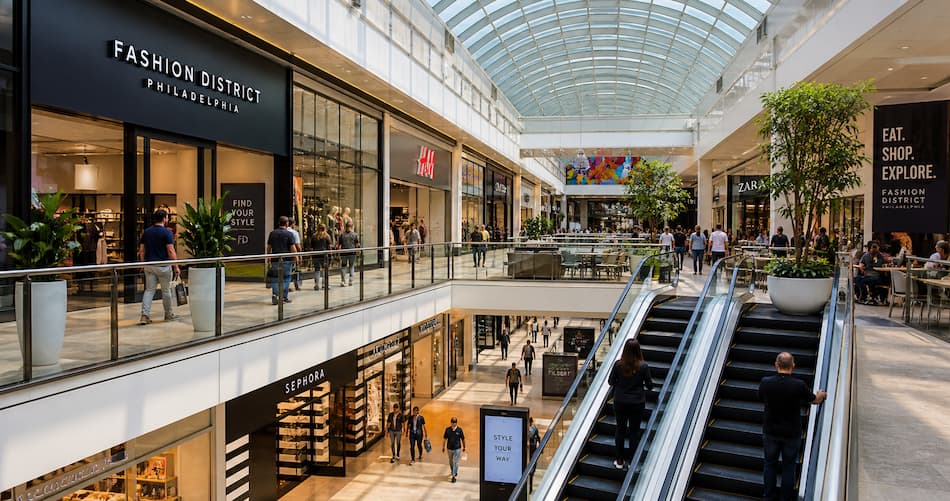
The transformation of The Gallery into Fashion District Philadelphia in 2019 reflects this broader trend. Across the region, malls are increasingly moving beyond traditional shopping and positioning themselves as lifestyle destinations.

As retail continues to blend physical and digital channels, Philadelphia’s malls show how brick-and-mortar spaces can evolve rather than vanish.

Source

Taiwan GDP Growth Hits Powerful 13.69% as Digital Signage Hub Expands

Taiwan GDP Growth Hits Powerful 13.69% as Digital Signage Hub Expands

Taiwan’s economy recorded a 13.69% GDP growth in the first quarter of 2026, marking its fastest expansion in decades and significantly outperforming expectations. The sharp increase reflects strong export activity, particularly in high-tech sectors, alongside sustained global demand for AI-driven hardware and advanced electronics.

The latest figures reinforce Taiwan’s position as a critical node in the global technology supply chain, with ripple effects extending across industries such as digital signage, retail technology, and smart infrastructure.

Digital Signage Industry Gains Strategic Importance

Taiwan has long been a key manufacturing hub for display technologies, including LED and OLED panels, as well as media players and embedded systems. These components form the backbone of the global digital signage ecosystem, which continues to expand across retail, transportation, healthcare, and urban environments.

As businesses invest in more dynamic and data-driven customer engagement tools, digital signage is evolving from static display systems into integrated communication platforms. Taiwan’s production capabilities and technical expertise position it at the center of this transition.

Export Growth Driven by AI and Electronics Demand

The country’s economic performance is closely tied to its export sector, which has seen a significant boost from rising demand for AI chips, computing infrastructure, and advanced electronics. This demand is being driven by global investments in artificial intelligence, automation, and digital transformation initiatives.

In parallel, digital signage solutions are increasingly incorporating AI capabilities, such as real-time content optimization, audience analytics, and interactive interfaces. This convergence between hardware manufacturing and intelligent software is further strengthening Taiwan’s role in enabling next-generation digital systems.

A Key Player in the Global Digital Economy

Taiwan’s strong GDP growth underscores a broader structural trend: the growing importance of hardware in supporting the digital economy. From semiconductors to display technologies, the country provides essential components that power a wide range of digital services and platforms.

With continued investment in innovation and manufacturing, Taiwan is expected to maintain its leadership in both the technology and digital signage sectors. As global demand for AI-powered and visually driven experiences increases, the country’s role in shaping the future of digital infrastructure is set to expand further.

Source

Digital Economy Jobs Boom 21.2% 1 in 5 Filipinos Now Work Online

Digital Economy Jobs Boom 21.2% 1 in 5 Filipinos Now Work Online

The Philippines’ digital transformation is accelerating rapidly, with more than one in five jobs now tied to the digital economy, signaling a major shift in how the country works and grows.

According to recent data, the digital economy employed around 10.39 million Filipinos in 2025, accounting for 21.2% of total national employment, a notable increase from previous years.

This surge highlights how digitalization is no longer limited to tech companies but is deeply embedded across industries, from e-commerce and logistics to IT services and digital media.

E-commerce Leads Employment Growth

Among all digital sectors, e-commerce dominates employment, contributing over 75% of digital jobs, making it the primary driver of digital workforce expansion.

Meanwhile, digital-enabling infrastructure, including ICT services and telecommunications, accounts for a significant portion of the remaining jobs, reinforcing the backbone of the country’s digital ecosystem.

Economic Contribution Continues to Rise

Beyond employment, the digital economy is also becoming a key economic pillar. In 2025, it generated approximately ₱2.74 trillion in gross value added, representing 9.8% of the Philippines’ GDP.

This steady growth reflects increasing digital adoption among businesses, the rise of online marketplaces, and the expansion of digital services nationwide.

A Structural Shift in the Labor Market

The data underscores a broader structural transformation in the Philippine labor market. Digital jobs are no longer niche, they are becoming mainstream, reshaping workforce demand and skill requirements.

As digital adoption continues, sectors such as fintech, logistics tech, digital marketing, and platform-based services are expected to create even more employment opportunities.

What It Means

The rapid expansion of digital employment signals both opportunity and urgency:

  • Opportunity for economic growth, innovation, and global competitiveness
  • Urgency for upskilling the workforce to meet digital demands

With over 20% of jobs already digital, the Philippines is positioning itself as one of Southeast Asia’s most dynamic digital economies.

Source

Dubai’s Integrated Digital Ecosystem Drives Positive High-Value Growth Opportunities

Dubai’s Integrated Digital Ecosystem Drives Positive High-Value Growth Opportunities

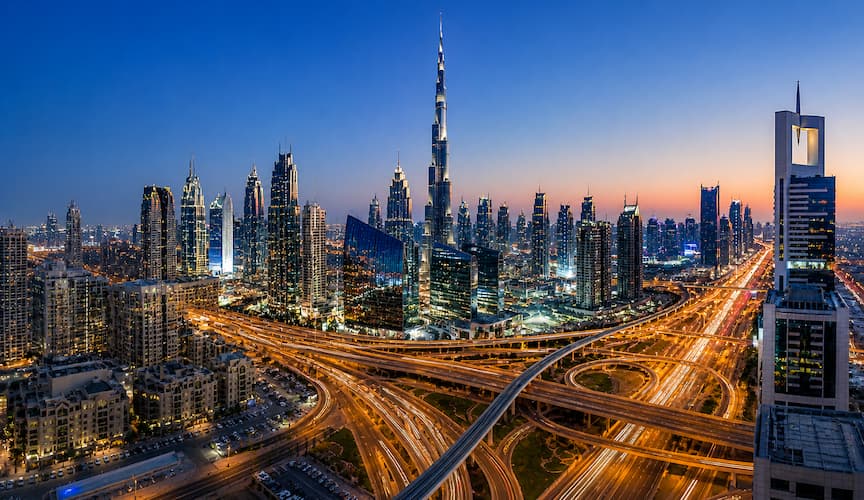
Dubai’s integrated digital ecosystem is emerging as a powerful engine for high-value opportunities and sustainable economic growth, reinforcing the emirate’s position as a global technology hub.

Technology leaders operating in Dubai highlight that the city’s advanced digital infrastructure and coordinated strategy are key factors enabling businesses to scale efficiently despite global economic uncertainty. The ecosystem combines world-class connectivity, regulatory clarity, and strong institutional support, creating a stable and innovation-driven environment.

A defining strength of Dubai’s model lies in the alignment between public and private sectors, which allows companies to rapidly innovate, adapt, and expand. This collaboration ensures that emerging technologies are not only developed but also effectively implemented across industries.

A Strategic Digital Environment Powering Innovation

Dubai’s ambition to become a leading global digital hub is supported by a structured, long-term vision. Initiatives led by organizations such as the Dubai Chamber of Digital Economy are accelerating investment flows, strengthening innovation capacity, and attracting global tech players.

Executives emphasize that the emirate offers a unique combination of access to global talent, pro-innovation policies, and a collaborative ecosystem. This environment enables startups and established firms alike to test new solutions and scale them rapidly.

The ecosystem is also deeply connected to broader national strategies focused on digital transformation and economic diversification. As a result, Dubai is not only adapting to global shifts but actively shaping the future of digital economies.

Talent, Infrastructure, and Vision at the Core

Access to top-tier international talent continues to be a critical advantage. Dubai attracts professionals from both Eastern and Western markets, creating a diverse and highly skilled workforce that fuels innovation.

At the same time, the emirate’s innovation-first mindset, shared across government entities and private enterprises, supports rapid experimentation and adoption of emerging technologies. This culture of openness plays a crucial role in maintaining Dubai’s competitive edge.

Business leaders also underline the importance of consistency in leadership vision, which provides stability during periods of global uncertainty and builds long-term confidence among investors and entrepreneurs.

Strengthening Global Position Through Digital Integration

Dubai’s integrated digital ecosystem is not a standalone initiative but part of a broader transformation toward a data-driven, AI-enabled economy. Recent directives to unify digital services across government platforms further reinforce this vision, aiming to streamline operations and enhance user experience.

By combining infrastructure, policy, and innovation, Dubai continues to position itself as a global launchpad for advanced technology and digital businesses. The result is a resilient ecosystem capable of attracting high-value investments while supporting sustainable, long-term growth.

Source

Talabat Egypt Opens MENA’s Largest Distribution Center

Talabat

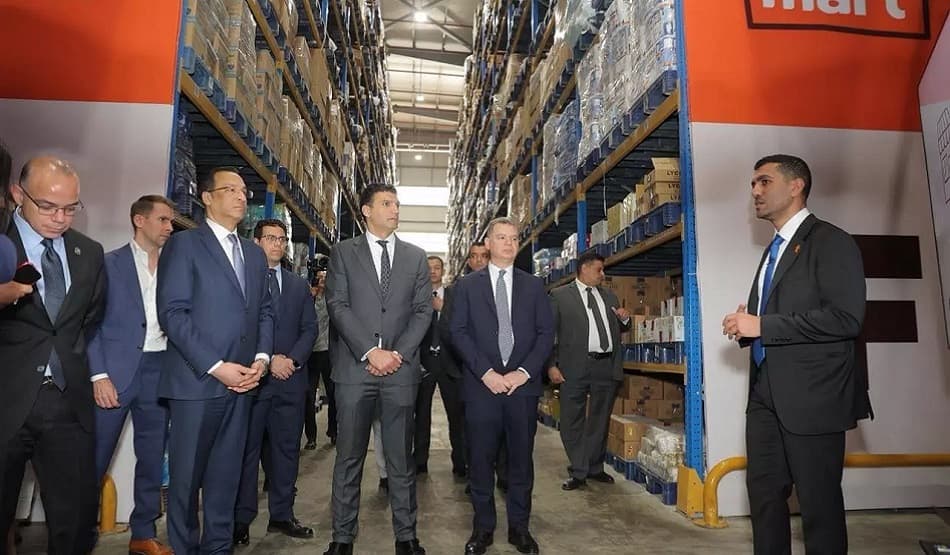
Talabat, the leading online food and grocery ordering platform in the Middle East and North Africa (MENA) region, opened MENA’s largest distribution center in Cairo, Egypt.

The giant distribution center was opened in the presence of Minister of Communications and Information Technology Raafat Hendy, on behalf of the Prime Minister, alongside Minister of Finance Ahmed Kouchouk, Minister of Investment and Foreign Trade Mohamed Farid, Minister of Trade and Industry Khaled Hashem, and CEO of the Information Technology Industry Development Agency (ITIDA) Ahmed Elzaher.

Talabat’s Giant Facility Covers 27 Thousand Square Meters

Situated along the Cairo–Suez road within a logistics hub, the facility covers 27,000 square meters. The facility has the capacity to process approximately 1 million items per day. It currently serves 12 cities and plans to expand its reach to 17 cities.

Mohamed Farid said the project reflects the strong growth of Egypt’s logistics and e-commerce sectors and the rising role of technology in optimizing supply chains and operations. The ICT Minister stated that Talabat’s expansion, highlighted by the launch of an AI-driven logistics hub, demonstrates increasing confidence in Egypt’s market and the country’s strong e-commerce potential.

Hendy stated that improvements in digital infrastructure, together with the rapid growth of e-commerce across mobile and online platforms, have been key factors in attracting investment and encouraging international companies to grow their presence in Egypt’s digital economy. He also noted that the company’s reliance on a technology and shared services hub in Egypt underscores its trust in local talent to deliver high-value services, including application development and customer support for various markets.

Egypt-Based Cross-Border Services Team Accounts for 74% of the Company’s Shared Services

The hub is powered by integrated real-time systems that connect inventory, retail outlets, and supply chain functions, ensuring seamless and efficient operations. It also uses the company’s proprietary AI models to predict demand, optimize inventory allocation, and automate processes; this improves accuracy, speed, and responsiveness while reducing waste across the network.

Talabat Egypt functions as a central hub for the company’s operations across the MENA region. It has approximately 3,100 employees, including more than 1,600 specialists in its technology and shared services center supporting eight regional markets. The Egypt-based cross-border services team accounts for 74% of the company’s shared services.

Mirakl Introduces Agentic Activation, the First Enterprise Solution That Makes Product Pages Ready for LLMs

Mirakl

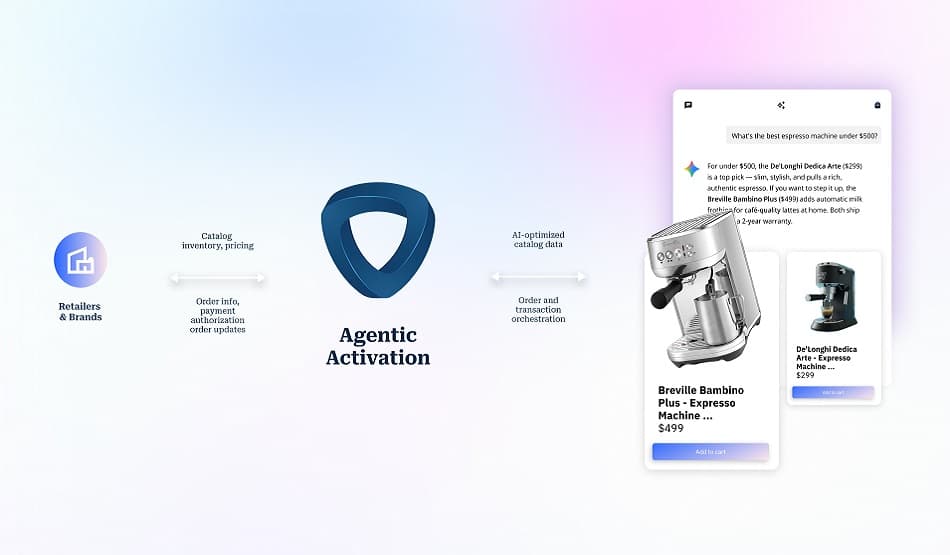
Mirakl, the operating system for Intelligent Commerce, launched Mirakl Agentic Activation, the first production-ready enterprise infrastructure that enables sellers and retailers to be discovered, recommended, and transacted by AI agents at scale.

Agentic Activation offers two live and functional features: Agentic Product Enrichment and Agentic Channels. Thus, it transforms a market overwhelmed by theoretical roadmaps into a measurable, applicable, and revenue-generating agentic commerce reality.

Mirakl Report: The Average GEO Score of Pages Is 48 Out of 100

According to the data revealed based on 427 product pages analyzed in 35 countries through Mirakl’s GEO Readiness Analyzer, e-commerce is not yet ready for agentic commerce, starting with discovery! The average GEO score across all pages is 48 out of 100. This rate remains well below the 61-point threshold where products become competitive for AI agent visibility.

43% of pages have no customer reviews, ratings, or FAQs. 86% of pages have poorly optimized product images that AI cannot fully read or index. Only 9% provide the machine-readable data structure that allows AI to understand basic product details such as price, size, and availability without ambiguity.

In practice, these gaps determine which products AI agents will recommend and which ones they will never encounter. Currently, less than 1% of e-commerce meets the minimum standards to be recommended by LLMs.

Mirakl Agentic Activation is the first enterprise-grade product developed to close these gaps. This readiness deficit brings with it a direct and growing revenue consequence.

Global Agentic Commerce Volume Will Reach $3-5 Trillion by 2030

AI agents influenced $67 billion in global Cyber Week 2025 sales, meaning 20% of all purchases (Salesforce). On Black Friday alone, AI-referred traffic to U.S. retail sites increased 805% year-over-year (Adobe); AI-referred shoppers converted 42% more often than those arriving from traditional channels (Adobe).

McKinsey projects that global agentic commerce volume will reach $3 to $5 trillion by 2030. Mirakl’s research confirms that the overwhelming majority of sellers remain below the LLM readiness threshold and that these sellers simply cannot participate in this growth.

“Agentic Commerce Is Not a Distant Horizon; It Is the Reality Sellers Are Managing Right Now”

Amelia Van Camp, Head of Agentic Commerce at Mirakl, said, “Agentic commerce is not a distant horizon; it is the reality sellers are managing right now. What Agentic Activation represents is the moment the infrastructure catches up with the vision: the ability for AI agents to find the right product for the right consumer and complete the transaction seamlessly. This is a genuinely exciting capability to put in the hands of enterprise sellers.”

What Does Mirakl Agentic Activation Promise?

Mirakl Agentic Activation is the first enterprise product specifically developed to transform this readiness deficit into a structural commercial advantage through two operational capabilities:

Agentic Product Enrichment (open beta): Most product pages were created to rank on Google, not to be understood by AI agents. Agentic Product Enrichment automatically rewrites and enriches product content; thus, AI platforms can read, compare, and recommend this content accurately. This feature is powered by Mirakl’s Catalog Transformer; it is built on more than 10 proprietary commerce-focused GenAI models and has been proven across more than 47 million product transformations with a 98% success rate.

Agentic Channels: Agentic Channels connects sellers directly to LLM platforms, starting with Microsoft Copilot, and manages the entire purchase process end-to-end, from inventory and pricing to delivery and after-sales, while AI agents autonomously complete transactions on behalf of consumers. Built on more than 13 years of enterprise commerce expertise and a curated network of more than 100,000 sellers, this feature brings the reliability of the Mirakl platform to every agentic transaction. Both capabilities are activated on existing seller infrastructure to avoid architectural rebuilding and custom integrations.

Mirakl is turning Agentic Commerce into reality. With Agentic Activation, Mirakl customers can prepare their product catalogs for AI discovery and support commerce in LLM-driven experiences where eligible. Mirakl’s strategic partnership with Stripe and JP Morgan strengthens its role in the emerging agentic commerce ecosystem.

About Mirakl

Founded in 2012, Mira kl has been at the forefront of marketplace innovation, empowering every business to compete in the platform economy.

Today, Mira kl’s operating system combines an enterprise marketplace solution (Mirakl Platform) that enables retailers and B2B organizations to launch, scale, and operate marketplaces and dropship, AI-powered multichannel selling (Mira kl Connect), retail media (Mirakl Ads) and an agentic commerce infrastructure (Mirakl Nexus).

3 Powerful Gains as UAE Launches Digital Bank Accounts for Tourists via “Tourist Identity”

3 Powerful Gains as UAE Launches Digital Bank Accounts for Tourists via “Tourist Identity”

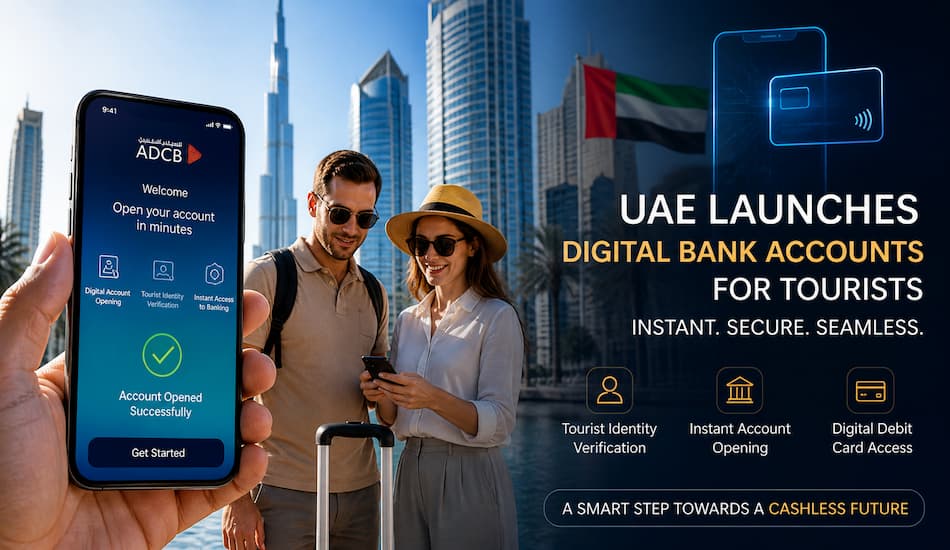
The Central Bank of the UAE (Central Bank of the UAE), in collaboration with the Federal Authority for Identity, Citizenship, Customs and Port Security and Abu Dhabi Commercial Bank, has introduced a groundbreaking digital banking service that enables tourists to open bank accounts instantly using a newly developed “Tourist Identity” system.

Announced on April 30, 2026, the initiative represents a major advancement in the UAE’s digital economy strategy, combining fintech innovation with government-led identity infrastructure to enhance the overall visitor experience.

Instant Account Opening Without Friction

At the core of the initiative is the ability for international visitors to open a fully functional digital bank account within minutes. The process is powered by a secure digital identity created through biometric verification and facial recognition technologies.

By integrating the national identity platform with ADCB’s digital banking infrastructure, the service removes traditional onboarding barriers such as physical documentation and in-branch verification. Tourists can complete the entire process remotely and gain immediate access to essential banking services.

Expanding Access to Digital Financial Services

The rollout introduces a new level of accessibility for non-resident users, allowing them to participate directly in the UAE’s financial ecosystem. Once onboarded, users can:

  • Access digital banking services instantly
  • Receive and activate virtual debit cards
  • Conduct secure cashless transactions across the country

This approach not only improves convenience but also aligns with global trends toward frictionless financial services and mobile-first banking experiences.

Accelerating the UAE’s Cashless Economy Vision

The initiative is closely aligned with the UAE’s ambition to build a fully cashless and digitally integrated economy. By extending financial access to tourists, the system supports increased adoption of digital payments across retail, hospitality, and service sectors.

At the same time, the framework strengthens regulatory compliance and consumer protection by ensuring that all accounts are created through verified and secure identity channels.

Reinforcing Global Leadership in Fintech Innovation

With this launch, the UAE further solidifies its position as a leading hub for digital finance and innovation. The collaboration between regulatory authorities and financial institutions demonstrates a scalable model for integrating public infrastructure with private-sector banking services.

The “Tourist Identity” initiative also reflects a broader strategic direction, bridging tourism, fintech, and smart government services to deliver a seamless, tech-driven experience for international visitors.

A Strategic Step Toward Seamless Travel Experiences

As global competition intensifies in both tourism and financial services, the UAE continues to differentiate itself through innovation-led policies. Enabling instant bank account access for tourists is not just a convenience feature, it is a strategic move that enhances the country’s attractiveness as a destination for both leisure and business travelers.

By combining secure digital identity with real-time banking capabilities, the UAE is setting a new benchmark for how financial services can be embedded into the travel experience.

Source

Leaders of e-commerce and retail are gathering under one roof: ELC GLOBAL

ELC GLOBAL

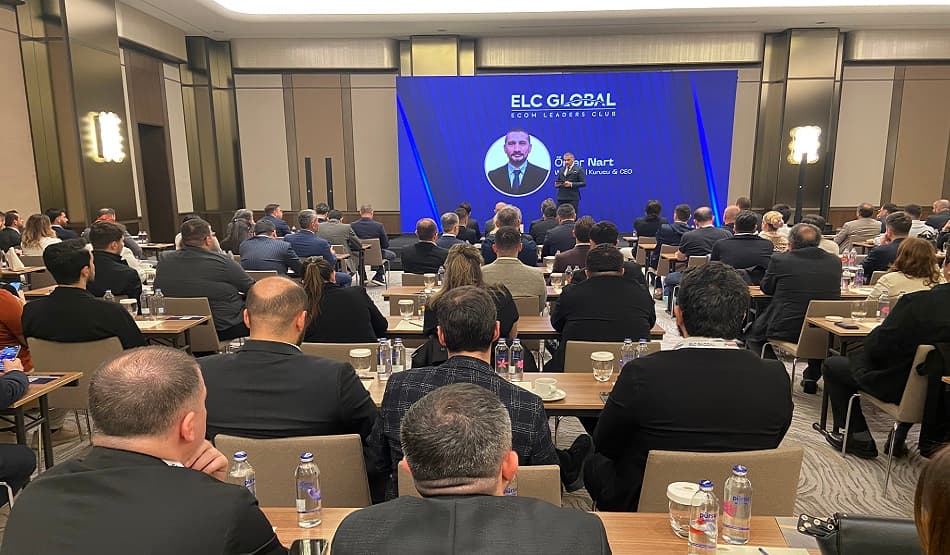
The global e-commerce platform WORLDEF is bringing together the leaders of the e-commerce and retail sectors under the “ELC GLOBAL” community. The launch of the community, which aims to build a corporate-based ecosystem, attracted great interest. WORLDEF CEO Ömer Nart said, “We are at the beginning of a structure where employers and leaders who speak the same language, carry similar responsibilities, and think at the same level come together.”

ELC GLOBAL, pioneered by WORLDEF and aiming to create an exclusive community that will shape the future of the e-commerce and retail sectors, was introduced with an official launch event attended by special guests. The program, held at Mandarin Oriental Bosphorus, was attended by leading figures from the e-commerce and retail ecosystems. At the beginning of the program, participants watched promotional videos of the WORLDEF ISTANBUL and WORLDEF DUBAI events. In addition, a presentation was made covering the platform’s structure, community model, and participation requirements.

Ömer Nart: Real power is being able to sit at the same table with the right people

WORLDEF CEO Ömer Nart said in his speech at the program, “We are at the beginning of a structure where employers and leaders who speak the same language, carry similar responsibilities, and think at the same level come together.” Pointing out that ELC GLOBAL is a closed-circuit network established in 2019, Nart said, “This structure is being revived today to bring together employers and leaders who truly have a say in the world of digital commerce and retail. It is necessary to be able to discuss the right topics with the right people on the right ground. Today, it is still very difficult to find a space in the business world where there is reliable, qualified, and open communication. ELC GLOBAL responds exactly to this need.”

Emphasizing that ELC GLOBAL is built on a model beyond the traditional understanding of networking, Ömer Nart stated the following: “It is a system where every contact is meaningful and every meeting produces a return. Through strategic roundtables, mastermind sessions, and carefully designed matches, we are building a structure where time is used in the most efficient way. From content production to stage positioning, we aim to increase the visibility and impact of our members in every area. Communication based on trust, mutual respect, and disciplined participation form the foundation of this structure. Because this place was established not to spend time, but to create value.”

Ömer Nart concluded his words as follows: “We believe this: Real power is being able to sit at the same table with the right people. Real impact is the implementation of what is discussed at that table. ELC GLOBAL is exactly the meeting point of employers and decision-making leaders who want to create this impact.”

Sezgin Şener: The winners will be those who manage quality, not quantity

ELC GLOBAL Advisory Board Chairman and ToptanTR CEO Sezgin Şener emphasized that e-commerce is undergoing a very serious development process compared to traditional commerce and said, “Almost one out of every five trades is now being conducted online. This attraction has naturally led to the emergence of many investments, many investors, many entrepreneurs, and more competition. When we look at it today, we are in a massive ecosystem with many players, including dozens of logistics companies, hundreds of software companies, and thousands of service providers. In other words, we are now in a period where quantity has reached its peak. This is exactly where ELC GLOBAL comes into play, and a breaking point begins here.”

Şener stated the following: “We say that from now on, the winners will be those who manage quality, not quantity. Because time is now very limited for all of us. The attention of our customers or target audience has become much more critical. In a world with a population of 8.1 billion, where everyone is speaking, we are together to create an ecosystem made up not of those who make noise by raising their voices, but of those who will truly make a difference by raising their value. We want to bring together the most qualified players in the sector.”

Cem Oğuz: The right leaders are together

Sürat Kargo General Manager Cem Oğuz stated that it is very important to come together with the right people and the right community and discuss the right topics, and noted the following: “The leaders of the e-commerce world here are truly leaders; the right leaders are together. How can we understand that this is the right time? We want to look only at the last 5 years of Sürat Kargo. I never forget our presence at WORLDEF; we started with a small booth in 2020. Today, we continue as the main sponsor. This shows our growth. I hope that these opportunities provided to us will be provided for everyone.”

Aytaç Akıncı: ELC GLOBAL will help enable successful transitions from export to e-export

Ship to More Founder Aytaç Akıncı said, “It is a great honor to see everyone who manages, grows, and shapes e-commerce in Türkiye here this evening. You are people who ship thousands of packages in Türkiye and have previously entered the homes of millions of people. I believe that ELC GLOBAL will increase the exports of those who export. It will also help those who do not export to make successful transitions from export to e-export.”

Sadem Pehlivan: It became a structure where very positive experiences were shared for the development of the ecosystem

eStar Global E-Commerce General Manager Sadem Pehlivan also said, “I was probably the most inexperienced e-commerce person in the closed-circuit ELC GLOBAL structure mentioned. Because I had no network at all. That is why, at the very beginning, I felt it was completely like a networking platform. At that time, it became a structure where we did business together and very positive experiences were shared for the development of the ecosystem. There are dozens of people here who are devoted to this sector. In this sense, being together will be valuable in terms of productivity and efficiency.”

ECOM BRANDS 100 Awards Ceremony was introduced

Meanwhile, at the launch, WORLDEF Vice President Orxan Isayev provided information about the “ECOM BRANDS 100” project, where the best of the e-commerce ecosystem are awarded. Isayev shared the methodology and vision of the award ceremony that will determine the giants of e-commerce. ECOM BRANDS 100 awards the most innovative and successful internet brands shaping the future of the sector. The ECOM BRANDS 100 Awards Ceremony will be held at the WORLDEF ISTANBUL 2026 event, which will take place at Yenikapı Event Area between June 11-13, 2026, following the announcement of candidate lists, public voting, evaluation with the Power Index, and the announcement of the winners.

About ELC GLOBAL

ELC GLOBAL aims to build strong connections among e-commerce and retail leaders, support strategic collaborations, and create an exclusive community that will shape the future of these sectors. Company owners with a minimum annual e-commerce turnover of 5 million dollars, decision-making executives of brands with a minimum turnover of 25 million dollars, and high-growth entrepreneurs with a growth rate of 400 percent or above can join the platform.

Click for more information!
Amazon Reports Strong Q1 2026 Growth as AI and Cloud Drive Positive Momentum

Amazon Q1 2026 Results Highlight Strong AWS Momentum and AI-Led Transformation

Amazon delivered a strong start to 2026, reporting solid growth across its core segments, driven by continued momentum in cloud computing, advertising, and AI-led investments.

Revenue Growth Reflects Global Demand Strength

Amazon recorded net sales of $181.5 billion in Q1 2026, representing a 17% increase compared to $155.7 billion in the same period last year. Excluding a $2.9 billion favorable impact from foreign exchange, net sales grew 15% year-over-year, indicating consistent underlying demand across markets.

Regionally, North America generated $104.1 billion in revenue, up 12%, while international sales reached $39.8 billion, growing 19% year-over-year, or 11% on a currency-adjusted basis. The performance highlights Amazon’s continued strength in global e-commerce and cross-border operations.

Operating Income Expansion Driven by AWS

Operating income rose to $23.9 billion, up from $18.4 billion in Q1 2025, reflecting improved efficiency and higher-margin contributions.

Segment performance showed:

  • North America operating income: $8.3 billion (up from $5.8 billion)
  • International operating income: $1.4 billion (up from $1.0 billion)
  • AWS operating income: $14.2 billion (up from $11.5 billion)

AWS remained the primary profit driver, accounting for a significant share of total operating income, supported by sustained enterprise demand and AI-related workloads.

Net Income Accelerates with Investment Gains

Amazon reported net income of $30.3 billion, compared to $17.1 billion in Q1 2025. Earnings per share increased to $2.78, up from $1.59.

The quarter included a $16.8 billion pre-tax valuation gain related to Amazon’s investment in Anthropic, reflecting the growing strategic importance of AI partnerships. Excluding this impact, profitability still showed meaningful year-over-year improvement, driven by operational performance.

AWS Continues to Scale at High Margins

Amazon Web Services generated $37.6 billion in revenue, marking a 28% year-over-year increase and its fastest growth rate in over a year.

AWS delivered $14.2 billion in operating income, with an operating margin of approximately 37.7%, reinforcing its role as Amazon’s most profitable business segment. The division continues to benefit from rising enterprise adoption of cloud infrastructure and generative AI capabilities.

Cash Flow Impacted by Elevated Capital Expenditure

Amazon’s operating cash flow over the trailing twelve months reached $148.5 billion, up from $113.9 billion in the prior year period, representing a 30% increase.

However, free cash flow declined to $1.2 billion, compared to $25.9 billion a year earlier. This decrease reflects a sharp rise in capital expenditures, which increased by $59.3 billion, as Amazon accelerates investments in AI infrastructure, data centers, and logistics capabilities.

Advertising and AI Investments Gain Momentum

Amazon’s advertising revenue reached $17.2 billion, growing 24% year-over-year, as brands continue to shift budgets toward performance-driven digital channels.

The company also highlighted rapid progress in its AI ecosystem, including a custom chip business that has surpassed a $20 billion annualized run rate. Capital expenditures totaled $43.2 billion in Q1, with full-year investments expected to reach approximately $200 billion, underscoring the scale of Amazon’s long-term technology strategy.

Outlook Signals Continued Growth

For the second quarter of 2026, Amazon expects net sales between $194 billion and $199 billion, indicating sustained momentum across its core businesses.

While increased investment continues to weigh on free cash flow, the company’s strong operating performance, combined with accelerating demand for cloud and AI services, positions it for continued growth.

Key Takeaway

Amazon’s first-quarter results highlight a company balancing strong profitability with aggressive long-term investment.

With $181.5 billion in revenue, $30.3 billion in net income, and AWS growing 28%, Amazon continues to strengthen its position at the intersection of e-commerce, cloud computing, and artificial intelligence.

Source

Ozon Global Shares Strong Growth and New Seller Opportunities in Latest Update

Ozon Global Shares Strong Growth and New Seller Opportunities in Latest Update

Ozon Global Türkiye has announced a series of platform updates and performance highlights, reinforcing its rapid expansion and growing appeal among international sellers, particularly from Türkiye.

The company reported that 2025 marked a strong growth year, with total revenue reaching approximately $49.99 billion, representing a 45% increase year-over-year. At the same time, the total number of delivered orders climbed to 2.48 billion, up 69%, while average annual orders per customer rose to 38, reflecting stronger user engagement.

Marketplace Momentum Continues

The platform’s growth is also visible in seller performance. Turkish merchants recorded a 48% increase in revenue, highlighting rising cross-border demand and the effectiveness of Ozon’s marketplace tools.

In addition, the company strengthened its position in the regional tech ecosystem, ranking second among Russia’s most valuable internet companies, with a valuation of around $28 billion.

As one of the leading multi-category e-commerce platforms in the region, Ozon continues to leverage its extensive logistics network and marketplace infrastructure to expand internationally and attract new sellers.

New Logistics and Seller Tools

To further support cross-border commerce, Ozon Global introduced a new air cargo delivery channel via TT Express TR, enabling faster shipments from Türkiye to Russia.

Alongside logistics improvements, the company launched updated seller onboarding guides, focusing on product listing optimization and logistics models such as rFBS. These resources aim to simplify entry for new merchants and improve operational efficiency.

Community Engagement and Expansion

Ozon Global is also investing in its seller ecosystem through offline engagement. A recent networking event in Istanbul brought together over 100 participants, offering insights into the Russian market and opportunities for Turkish businesses.

Strategic Outlook

With continued investment in logistics, seller enablement, and marketplace growth, Ozon Global is positioning itself as a key gateway for cross-border e-commerce between Türkiye and Russia.

The latest updates underline a clear strategy:

  • expand international seller participation
  • enhance delivery infrastructure
  • and strengthen platform usability

As global e-commerce competition intensifies, Ozon’s combination of scale, logistics capabilities, and localized seller support is expected to play a central role in its next phase of growth.

Source