WORLDEF Istanbul 2026 - Upcoming Event

Register Now

ASEAN Concludes Digital Economy Framework Agreement Talks

ASEAN Digital Economy Framework Agreement

ASEAN Concludes Digital Economy Framework Agreement Talks to Advance Regional Digital Economy

The digital economy agreement is expected to be signed at the ASEAN Summit in November 2026, as member states seek to build a more connected, secure, and interoperable regional market.

ASEAN has concluded negotiations on the Digital Economy Framework Agreement (DEFA), marking a significant step toward deeper regional integration in digital trade, e-commerce, data governance, cybersecurity, and emerging technologies. Thailand announced the conclusion of the talks after chairing the DEFA Negotiating Committee, with the agreement now expected to move toward legal review before its planned signing at the ASEAN Summit in November 2026.

The negotiations were completed during the 57th ASEAN Senior Economic Officials’ Meeting, 2nd session, held in Manila, the Philippines, from May 27 to 29, 2026. The conclusion of the talks was also confirmed by regional trade officials, who described DEFA as ASEAN’s first region-wide digital economy agreement.

Thailand’s Deputy Prime Minister and Commerce Minister, Suphajee Suthumpun, said the conclusion of negotiations represented an important step toward laying the foundation for ASEAN’s digital economy. Thailand chaired the DEFA Negotiating Committee and helped coordinate member-state positions during discussions on a wide range of complex digital policy issues.

ASEAN Digital Economy Framework Agreement

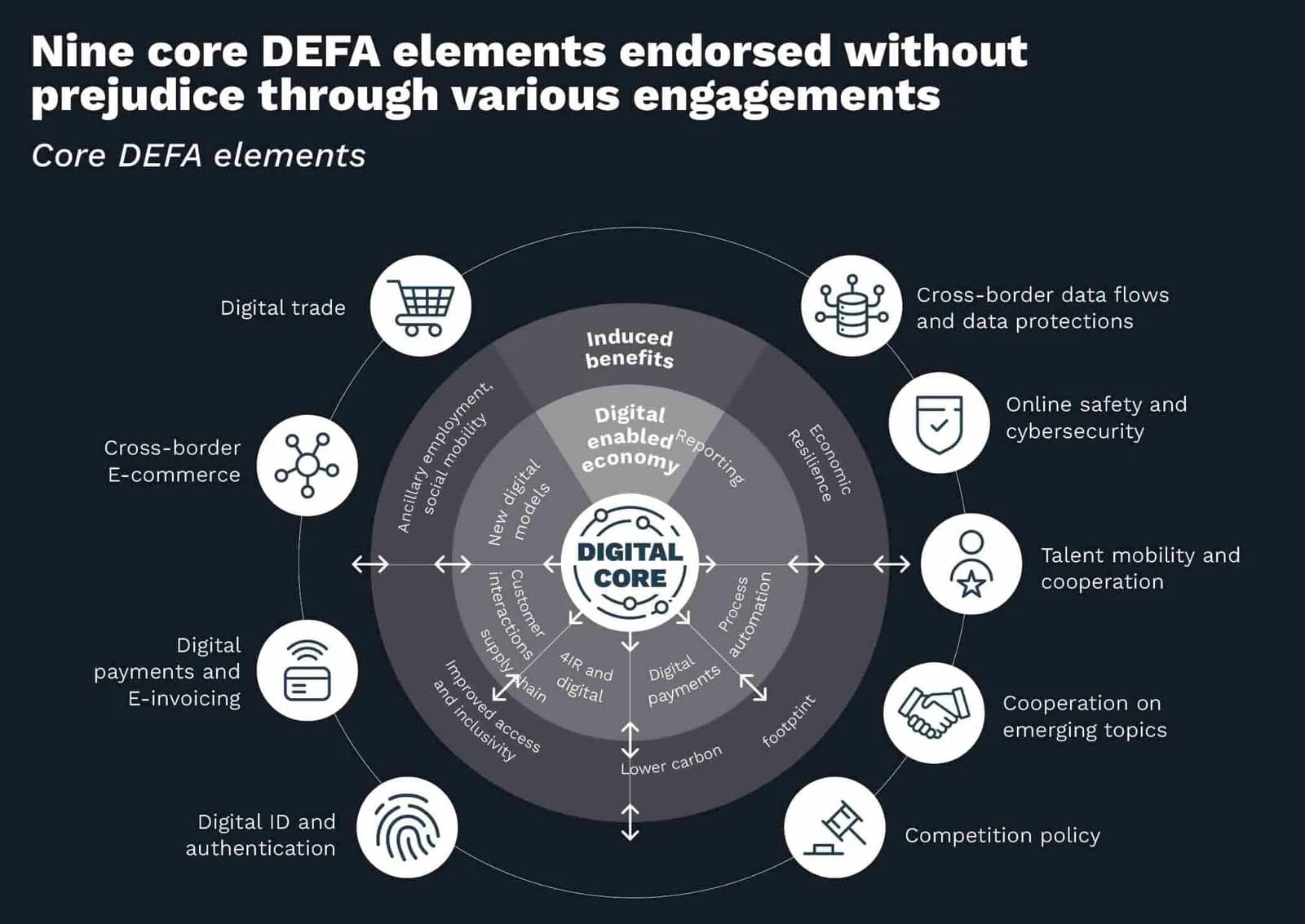
DEFA is designed to create a common framework for the digital economy across ASEAN. The agreement aims to facilitate cross-border digital trade and investment by improving regulatory coordination, reducing operational barriers, and supporting interoperability among digital systems across member states. For businesses, this could mean smoother digital transactions, more efficient market access, and clearer regional rules.

The agreement is particularly relevant for e-commerce because Southeast Asia’s online trade ecosystem continues to expand rapidly. Cross-border payments, digital contracts, online consumer protection, cybersecurity standards, data flows, and digital identity are increasingly important for companies operating across multiple ASEAN markets. A more harmonized digital economy framework could reduce friction for businesses trying to scale regionally.

However, the impact of DEFA will depend on how the agreement is implemented after it is signed. Regional digital economy agreements often set strategic direction, but their practical value depends on national-level regulation, enforcement capacity, technical infrastructure, and the ability of member states to align domestic rules. ASEAN’s diversity is both an opportunity and a challenge: the region includes highly advanced digital markets as well as economies still developing key digital infrastructure.

According to Thai officials, DEFA is intended to support cross-border trade and investment by linking digital systems among member states so they can operate more effectively together. This focus on interoperability is important because fragmented systems can increase costs for companies, especially micro, small, and medium-sized enterprises. MSMEs often face greater barriers to expanding across borders, including compliance costs, payment limitations, logistical challenges, and uneven digital standards.

If implemented effectively, DEFA could help smaller businesses participate more actively in the regional digital economy. A more predictable digital trade environment may give MSMEs greater access to new customers, technologies, platforms, and innovation networks. This could be one of the agreement’s most important outcomes, provided that smaller firms are given the tools and support needed to benefit from the framework.

The agreement also includes areas linked to digital trust. ASEAN officials have highlighted cooperation on cybersecurity, consumer protection, anti-online fraud measures, and readiness for future technologies such as artificial intelligence. These areas are becoming central to the digital economy as online transactions grow and digital risks become more sophisticated.

The reference to artificial intelligence is also notable. AI is increasingly shaping e-commerce, customer service, logistics, payments, marketing, and fraud detection. By including future technology readiness within the broader digital economy agenda, ASEAN is signaling that DEFA is not only about today’s online trade rules, but also about preparing the region for the next stage of digital transformation.

Studies cited by officials suggest that DEFA could help ASEAN’s digital economy reach US$2 trillion by 2030. This figure reflects the scale of the opportunity, but it should be treated as a long-term potential rather than an automatic outcome. Reaching that level will require investment in digital infrastructure, trusted data systems, skills development, cross-border regulatory alignment, and stronger participation by businesses of different sizes.

For ASEAN, DEFA represents an effort to position the region as a more competitive hub for digital economies. The agreement could strengthen the bloc’s role in global digital trade at a time when economies worldwide are competing to set rules governing data, platforms, AI, e-commerce, and digital services.

The conclusion of negotiations does not mean the work is finished. The next stage will be legal scrubbing, followed by the planned signing at the ASEAN Summit in November 2026. After that, the real test will be implementation. If ASEAN can translate DEFA’s rules into practical market improvements, the agreement could become a major framework for regional digital commerce and long-term economic competitiveness.

ASEAN Leaders Back Positive AI and Digital Economy Push at 2026 Summit

ASEAN Leaders Back Positive AI and Digital Economy Push at 2026 Summit

ASEAN leaders have officially backed stronger regional cooperation on artificial intelligence (AI) and the digital economy during the 48th ASEAN Summit in Cebu, Philippines, highlighting the bloc’s growing focus on technology-driven growth and regional resilience.

What Happened?

During the summit, ASEAN leaders emphasized the importance of accelerating digital transformation across Southeast Asia, including the wider adoption of AI technologies and digital infrastructure. The discussions formed part of broader regional efforts to strengthen economic resilience amid global uncertainty and geopolitical tensions.

Philippine President Ferdinand Marcos Jr. stated that ASEAN members recognize the increasing role of AI and digital technologies in improving sectors such as energy forecasting, food-system monitoring, and social-protection delivery. Leaders also stressed that AI development should remain aligned with human oversight, accountability, and international standards.

Why Is This Important?

ASEAN is one of the world’s fastest-growing digital economies, with a combined population of nearly 700 million people and rapidly expanding internet adoption across the region.

By strengthening cooperation on AI and digital initiatives, ASEAN aims to:

  • Accelerate regional digital transformation
  • Improve economic competitiveness
  • Enhance regional connectivity
  • Support innovation and startup ecosystems
  • Strengthen digital trade and cross-border collaboration
  • Improve resilience in energy, food security, and public services

The summit discussions also align with ASEAN’s long-term Vision 2045 strategy, which focuses on creating a more connected, innovative, and sustainable regional economy.

ASEAN Pushes for Stronger AI Governance

Alongside supporting AI adoption, ASEAN leaders and business groups are also discussing the development of regional AI governance frameworks.

According to discussions involving the US-ASEAN Business Council and ASEAN Business Advisory Council Philippines, policymakers are pushing for interoperable and risk-based AI regulations, secure cross-border data flows, and stronger cybersecurity coordination across Southeast Asia.

Officials also highlighted the importance of workforce development and inclusive AI adoption to ensure long-term economic growth across the region.

What This Means for Southeast Asia’s Digital Economy

The summit signals ASEAN’s intention to position itself as a major global digital economy hub over the coming years.

As governments increase investment in AI readiness, digital infrastructure, and regional connectivity, Southeast Asia could become one of the world’s most important markets for digital commerce, fintech, AI innovation, and cross-border digital trade.

The growing regional alignment on AI and digital economy policies may also encourage stronger collaboration between governments, startups, technology companies, and investors across ASEAN markets.

Source

Mastercard Launches the Era of AI-Powered Payments in ASEAN

Mastercard

Mastercard has taken a significant step to expand AI-powered payment systems in Southeast Asia (ASEAN). The company has rolled out “agentic” transactions meaning authenticated transactions initiated by artificial intelligence across multiple markets, including Singapore and Malaysia, while also announcing that it will establish a new AI Centre of Excellence in Singapore.

The new system announced by Mastercard enables AI agents to carry out transactions securely on behalf of users. Through technologies such as tokenization, verifiable intent, and end-to-end auditability, it ensures that every transaction is aligned with user authorization.

The first pilot implementations were carried out in collaboration with UOB, one of the region’s leading banks. These tests demonstrated that a scalable and secure payment infrastructure is possible across different countries.

Mastercard’s New Payment Ecosystem Based on Data and Trust

The “Agent Pay” system developed by Mastercard places trust at the center of AI-powered commerce. The “Verifiable Intent” technology, developed together with Google, protects against manipulation by recording which transactions users have authorized.

According to experts, this approach will play a critical role in maintaining user trust as automation in e-commerce increases. In a world where AI agents can transact on behalf of consumers, transparency and auditability are becoming fundamental requirements.

An AI Center to Be Established in Singapore

Mastercard aims to increase innovation capacity in the region with the AI Centre of Excellence it will launch in Singapore later this year. This center will become one of the company’s largest R&D hubs in cybersecurity, data analytics, and artificial intelligence.

The company has already been using artificial intelligence for more than a decade in areas such as fraud prevention and risk management. With the new center, these capabilities are planned to be applied on a broader scale.

A New Era in E-Commerce Begins

According to experts, ASEAN is one of the fastest-growing regions for AI-powered commerce, thanks to its young population, rapid digitalization, and strong mobile payment adoption. Mastercard’s move is considered a step that could shape not only regional but also global e-commerce trends. In the coming period, AI systems that shop on behalf of users and cross-border integrated payment solutions may become standard in digital commerce.

ASEAN Digital Economy Set for Breakthrough: 1 Regional Pact Could Unlock $2 Trillion Growth

ASEAN Digital Economy Set for Breakthrough: 1 Regional Pact Could Unlock $2 Trillion Growth

Southeast Asia is moving closer to a landmark agreement that could redefine the future of e-commerce and digital trade across the region.

As the Philippines leads ASEAN in 2026, negotiations are accelerating around the ASEAN Digital Economy Framework Agreement (DEFA) – a comprehensive regional pact designed to harmonize digital trade rules, reduce barriers, and strengthen cross-border e-commerce.

A Unified Digital Market in the Making

The proposed agreement aims to create a more integrated digital economy by aligning regulations across ASEAN member states. Currently, differences in data governance, cybersecurity, and consumer protection frameworks create challenges for businesses operating across borders.

DEFA seeks to address these gaps by introducing:

  • interoperable digital systems
  • smoother cross-border data flows
  • stronger cybersecurity standards
  • more efficient digital payments and paperless trade

By simplifying these processes, the agreement is expected to make it significantly easier for businesses – especially SMEs – to expand regionally.

Boosting E-Commerce and SME Growth

One of the key goals of the pact is to unlock new opportunities for micro, small, and medium-sized enterprises (MSMEs), which form the backbone of ASEAN economies.

By reducing operational friction, the agreement could:

  • lower costs through digitalization
  • enable faster and safer transactions
  • expand market access across Southeast Asia

Over time, this is expected to drive job creation, improve digital skills, and support more inclusive economic participation.

A Rapidly Expanding Digital Economy

The urgency behind the agreement is clear. ASEAN’s digital economy is projected to grow rapidly, with estimates suggesting it could reach $2 trillion by 2030.

In the Philippines alone, the digital economy is expected to nearly double in value – highlighting the region’s strong growth trajectory and the increasing importance of digital trade frameworks.

Strategic Priorities: Integration, Trust, and Skills

Beyond trade facilitation, the agreement also focuses on building a future-ready digital ecosystem.

Key priorities include:

  • establishing trusted and interoperable digital infrastructure
  • ensuring secure and transparent data exchanges
  • strengthening workforce skills for digital transformation

These elements are seen as essential to supporting sustainable growth and enabling businesses to scale in an increasingly digital-first economy.

What Comes Next?

ASEAN aims to finalize negotiations and sign the agreement later this year, potentially during the ASEAN Summit in November.

If implemented, DEFA would become the world’s first region-wide digital economy agreement, positioning ASEAN as a global leader in digital trade governance.

Source: Philippine News Agency, Inquirer Opinion

ASEAN Negotiators Move Closer to Landmark Digital Economy Agreement in Manila Talks

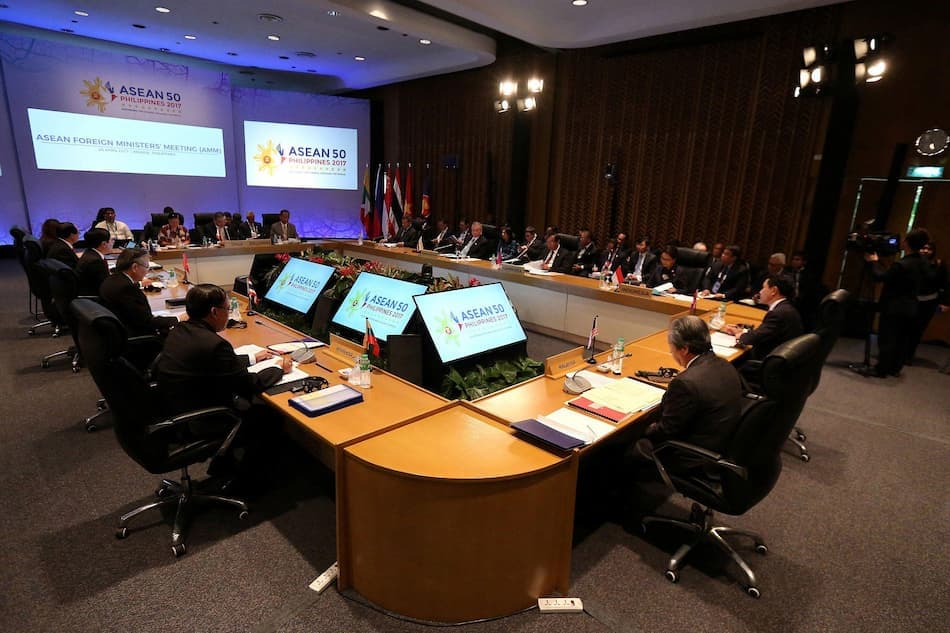
ASEAN officials meeting in Manila to discuss regional digital economy agreement

The ASEAN digital economy framework took another step forward as negotiators convened in Manila to advance a landmark regional agreement.

Officials and technical experts from the Association of Southeast Asian Nations (ASEAN) met in Bonifacio Global City from March 8 to 10 for the 18th meeting of the ASEAN Digital Economy Framework Agreement (DEFA) Negotiating Committee, alongside a second session involving legal experts reviewing the draft provisions of the agreement.

The meeting represents another step toward building a unified regional framework designed to support the growth of digital commerce, cross-border services and technology-driven innovation across Southeast Asia.

Toward a Unified ASEAN Digital Economy

The proposed ASEAN Digital Economy Framework Agreement is intended to establish common rules and standards for digital trade among the bloc’s 10 member states.

Regional policymakers say the agreement could play a critical role in accelerating digital integration, improving interoperability between national systems and reducing regulatory fragmentation that currently complicates cross-border digital transactions.

Southeast Asia has become one of the fastest-growing digital markets in the world. According to regional estimates cited by officials, the ASEAN digital market could reach $2 trillion by 2030, fueled by expanding internet access, mobile adoption and a rapidly growing e-commerce sector.

By introducing shared frameworks for digital payments, electronic documentation, cybersecurity cooperation and consumer protection, the agreement aims to create a more seamless digital marketplace across ASEAN countries.

Boosting Cross-Border E-Commerce

One of the core objectives of the digital economy agreement is to support the continued expansion of cross-border e-commerce throughout the region.

Online commerce has grown rapidly in Southeast Asia over the past decade, with millions of consumers increasingly relying on digital platforms to purchase goods and services from across borders.

Officials involved in the negotiations say the framework could make it easier for companies to operate regionally by simplifying digital trade procedures and promoting compatible regulations between countries.

The agreement is also expected to benefit micro, small and medium-sized enterprises (MSMEs), which form the backbone of many ASEAN economies. By lowering barriers to digital trade, smaller businesses could gain easier access to international markets and new customer bases.

Improved interoperability between digital payment systems and electronic documentation could also help reduce costs and improve transaction efficiency for businesses operating online.

Legal Review and Next Steps

During the Manila meetings, negotiators worked to narrow remaining differences on key provisions while legal experts reviewed sections of the agreement that have already been finalized.

This process, often referred to as “legal scrubbing,” ensures that the text of the agreement is consistent, clear and ready for final approval once negotiations conclude.

The digital trade initiative is among the Philippines’ priority economic projects during its ASEAN leadership agenda in 2026. Regional officials have expressed optimism that negotiations could be completed within the year if discussions continue progressing as expected.

If finalized, the ASEAN Digital Economy Framework Agreement would become one of the most comprehensive regional frameworks dedicated specifically to digital economic cooperation, potentially reshaping how digital trade operates across Southeast Asia.

The agreement is widely seen as a major step toward creating a more connected regional digital market capable of supporting innovation, investment and long-term growth.

Source: Philippine Information Agency (PIA)