WORLDEF ISTANBUL 2026 - Early Bird Registration Ends Soon

Register Now

E-Commerce Accounts for 35% of New Warehouse Demand in Central Asia

warehouse

Online marketplaces and the broader e-commerce sector accounted for 35% of new warehouse space demand in Central Asia.

According to data announced by IBC Global as part of the Central Asia Warehouse Summit Uzbekistan, the e-commerce sector accounted for 35% of new warehouse space demand in Central Asia at the beginning of 2026. Third-party logistics (3PL) providers and distribution companies ranked second with a 28% share of ware house demand. The delivery needs of traditional brick-and-mortar stores accounted for an additional 18% share.

Logistics Infrastructure Took a 12% Share in Warehouse Demand

The ongoing development of regional logistics infrastructure contributed approximately 12% to total ware house demand. The light industrial sector and multi-temperature storage facilities made up the remaining 7%.

At the summit, analysts also presented a comprehensive breakdown of the typical costs associated with constructing a new ware house. Internal engineering networks emerged as the largest expense item, consuming 27.3% of a project’s total budget. This was followed by load-bearing structures at 14.7% and site landscaping at 12.1%.

Other cost items required to complete a commercial facility included on-site utility networks at 8%, flooring at 6.1%, enclosing structures at 5.5%, external utility connections at 4.5%, and roofing at 4.2%.

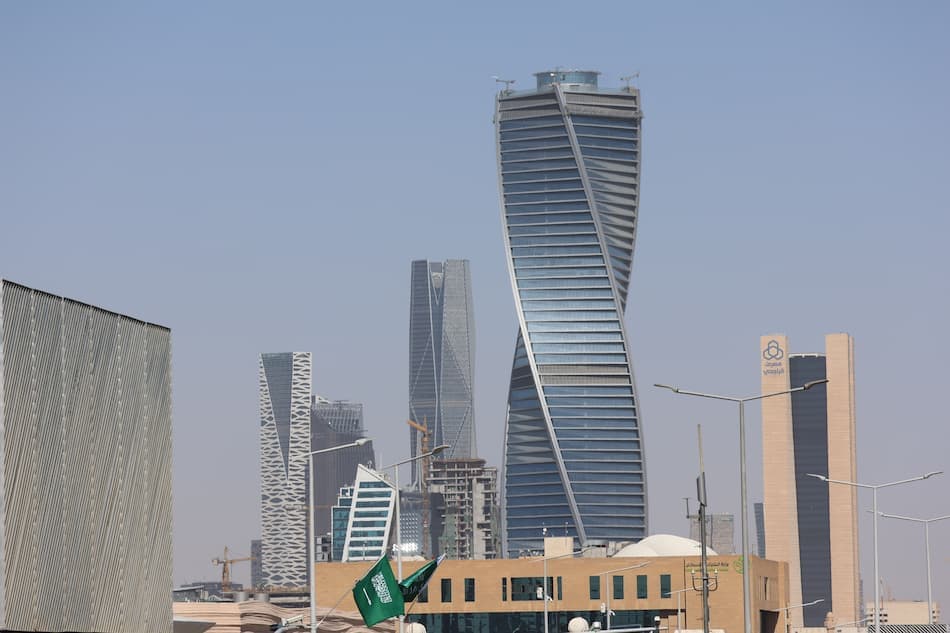
Saudi Arabia Leads with 94 Points in a Positive Global Digital Readiness Ranking

Saudi Arabia Leads with 94 Points in a Positive Global Digital Readiness Ranking

Saudi Arabia has secured the top global position in the International Telecommunication Union (ITU) Digital Readiness Index 2025, achieving a score of 94 out of 100. The ranking places the Kingdom in the “very high” category and reflects its rapid progress in digital infrastructure, connectivity, and technology-driven economic transformation.

The latest results mark a significant improvement from previous years, where Saudi Arabia ranked fourth globally with a lower score. The advancement underscores the country’s consistent investment in digital capabilities and its long-term strategy to position itself as a leading digital economy under Vision 2030.

Strong Performance Across Digital Infrastructure and Connectivity

The ITU Digital Readiness Index evaluates countries based on multiple indicators, including connectivity, digital infrastructure, and the effectiveness of digital services. Saudi Arabia’s high score highlights its strong performance across these areas, particularly in expanding access to high-speed networks and improving digital service delivery.

The Kingdom has made substantial progress in building advanced telecommunications infrastructure, which has been a key driver of its digital transformation. High mobile penetration rates, widespread broadband access, and ongoing 5G expansion have all contributed to strengthening the country’s digital ecosystem.

This infrastructure foundation has enabled both public and private sectors to accelerate digital adoption, supporting the growth of e-commerce, fintech, and digital services.

Digital Economy Driving Growth and Investment

Saudi Arabia’s leadership in digital readiness is closely linked to the rapid expansion of its digital economy. The ICT sector continues to play an increasingly important role in national economic growth, attracting both regional and international investment.

Government-led initiatives have focused on enhancing competitiveness, encouraging innovation, and creating a business-friendly environment for technology companies. These efforts are helping to position the Kingdom as a regional hub for digital commerce and emerging technologies.

The strong digital infrastructure and regulatory environment are also enabling businesses to scale efficiently, contributing to increased productivity and economic diversification.

Strategic Vision Behind the Transformation

The Kingdom’s achievement is largely driven by its long-term digital strategy under Vision 2030, which prioritizes technology as a key pillar of economic development. Investments in smart cities, digital government services, and innovation ecosystems have accelerated the pace of transformation.

Saudi Arabia has also focused on improving user experience in digital services, increasing accessibility, and fostering digital skills across the population. These initiatives ensure that digital transformation is not only infrastructure-led but also inclusive and sustainable.

Market Implications

Saudi Arabia’s top ranking in digital readiness signals a broader shift in the global digital economy, where countries with strong infrastructure, policy frameworks, and investment strategies are gaining a competitive edge.

For businesses operating in e-commerce and digital services, the Kingdom presents a rapidly evolving market with high growth potential. The combination of advanced connectivity, supportive regulation, and increasing consumer adoption creates a favorable environment for expansion.

As digital transformation continues to accelerate globally, Saudi Arabia’s progress highlights the importance of long-term strategy and sustained investment in building competitive digital economies.

Source:

Economy Middle East

Kiko Milano Expands with 21 Stores and a Positive E-Commerce Launch in Ukraine

Kiko Milano Expands with 21 Stores and a Positive E-Commerce Launch in Ukraine

Italian beauty brand Kiko Milano has officially launched its dedicated e-commerce platform in Ukraine, marking a strategic step in its ongoing omnichannel expansion across Eastern Europe. The move reflects the brand’s commitment to strengthening digital accessibility while reinforcing its established physical retail presence in the market.

The new online store, developed in partnership with exclusive distributor INTERTOP Ukraine, enables nationwide delivery and introduces a more comprehensive shopping experience for Ukrainian consumers. The platform offers an extended product assortment, curated collections, and exclusive promotional campaigns, including free shipping on selected orders.

This launch represents a significant milestone in Kiko Milano’s local market development. The brand already operates 21 physical stores across Ukraine, and the introduction of a dedicated e-commerce channel is positioned as a natural next step in its growth strategy.

Strengthening Omnichannel Retail Strategy

Kiko Milano’s expansion into e-commerce aligns with a broader industry shift toward integrated retail models that combine physical and digital touchpoints. By complementing its brick-and-mortar footprint with an online platform, the brand enhances convenience, accessibility, and customer engagement.

The Ukrainian e-commerce platform is designed to deliver a seamless user experience, allowing customers to browse a wider range of products than typically available in-store. The inclusion of exclusive online promotions further incentivizes digital adoption, reflecting a growing preference among consumers for flexible and hybrid shopping journeys.

This approach highlights the increasing importance of omnichannel strategies in the global beauty industry, where brands are prioritizing consistent customer experiences across multiple sales channels.

Expanding in a Complex Market Environment

The launch comes at a time when Ukraine’s retail landscape continues to navigate economic and geopolitical challenges. Despite these conditions, international brands like Kiko Milano are maintaining expansion plans, signaling long-term confidence in the market’s potential.

By investing in digital infrastructure, Kiko Milano is positioning itself to remain competitive and resilient, ensuring uninterrupted access to its products regardless of external disruptions. Nationwide delivery capabilities further strengthen this positioning, enabling the brand to reach consumers beyond major urban centers.

At the same time, the continued availability of Kiko Milano products through INTERTOP’s retail network ensures that customers can choose between online and offline purchasing options, reinforcing the brand’s flexible distribution strategy.

Digital Channels Driving Beauty Retail Growth

The beauty industry has seen a significant acceleration in e-commerce adoption in recent years, driven by evolving consumer behavior and increased digital engagement. Online platforms now play a critical role in product discovery, brand interaction, and purchasing decisions.

Kiko Milano’s latest move reflects this transformation, emphasizing the role of digital channels as a core component of retail growth. By offering a broader assortment and exclusive deals online, the brand is leveraging e-commerce not only as a sales channel but also as a tool for customer retention and brand loyalty.

Market Implications

The launch of Kiko Milano’s e-commerce platform in Ukraine underscores the continued evolution of retail toward integrated, digital-first models. As consumer expectations shift toward convenience and personalization, brands that successfully combine physical presence with strong online capabilities are likely to gain a competitive advantage.

For Kiko Milano, this expansion represents both a tactical response to market dynamics and a strategic investment in long-term growth.

Source:

Global Cosmetics News

For more global e-commerce and retail news, visit WORLDEF.

Dubai Domestic Spending Reaches 95% of Pre-Crisis Levels, Signaling Strong Economic Recovery

Dubai Domestic Spending Reaches 95% of Pre-Crisis Levels, Signaling Strong Economic Recovery

Dubai’s domestic economy is demonstrating a strong and measured recovery, with consumer spending reaching approximately 95% of pre-crisis levels, according to recent statements by senior officials. The update reflects renewed economic stability following a period of geopolitical tension that briefly impacted regional markets.

Hadi Badri, CEO of the Dubai Economic Development Corporation, emphasized that the emirate’s economic fundamentals remain solid, with consumer activity rebounding quickly after a short-lived disruption earlier this year. The recovery follows a ceasefire that helped restore confidence across the region and allowed economic activity to normalize.

The pace of recovery highlights Dubai’s resilience and its ability to absorb external shocks without long-term structural damage. While geopolitical developments temporarily influenced sentiment, the underlying strength of the local economy ensured a rapid return to near-normal consumption levels.

Consumption Trends Reflect Stability

Consumer spending is widely regarded as a key indicator of economic health, and Dubai’s latest figures point to a stable and confident market environment. The near-complete recovery suggests that households and businesses have resumed regular activity, supported by consistent policy direction and a favorable business climate.

Dubai’s diversified economic model has played a central role in this resilience. Key sectors, including retail, tourism, logistics, and financial services – continue to contribute to overall economic performance, reducing reliance on any single industry and enabling faster recovery cycles.

Investment Climate Remains Resilient

Alongside domestic consumption, Dubai continues to attract international investment, reinforcing its position as a global economic hub. Authorities have noted that foreign direct investment flows remain stable, reflecting sustained confidence from global investors despite short-term regional uncertainties.

Strategic initiatives under Dubai’s long-term economic agenda, including efforts to expand trade partnerships and enhance capital inflows, are further strengthening the emirate’s growth trajectory. These initiatives align with broader goals to increase economic diversification and global competitiveness.

Structural Advantages Support Recovery

Dubai’s ability to rebound quickly is supported by several long-standing structural advantages. Its geographic position as a connector between major global markets, combined with advanced infrastructure and business-friendly regulations, creates a stable environment for both local and international stakeholders.

In addition, the emirate’s digital readiness and efficient regulatory frameworks have enabled businesses to maintain continuity during periods of disruption. This adaptability has become a defining feature of Dubai’s economic model.

Outlook for 2026 and Beyond

The recovery in domestic spending provides a positive signal for Dubai’s economic outlook. With consumption nearing pre-crisis levels and investment activity remaining steady, the emirate is well-positioned to sustain growth in the coming months.

Looking ahead, Dubai is expected to continue leveraging its strategic advantages to drive expansion across key sectors, including e-commerce, logistics, and financial technology. As global economic conditions evolve, the emirate’s focus on diversification and innovation will remain central to its long-term development strategy.

Overall, the latest data reinforces Dubai’s status as a resilient and forward-looking economy capable of navigating uncertainty while maintaining consistent growth and investor confidence.

Source

For more news and insights on global e-commerce and digital economy trends, visit WORLDEF.

Nigeria’s Role in $216B Digital Economy Signals Positive Growth for West Africa

Nigeria’s Role in $216B Digital Economy Signals Positive Growth for West Africa

West Africa’s digital economy is rapidly expanding, now valued at an estimated $216 billion, with Nigeria emerging as the dominant force driving this growth. The development highlights the region’s increasing importance in the global digital landscape, as governments and regulators push for stronger coordination and innovation.

According to recent reports, Nigeria accounts for the largest share of digital activity in the region, supported by its population size, growing tech ecosystem, and expanding mobile connectivity. As the biggest economy in West Africa, the country continues to lead in areas such as fintech, e-commerce, and digital services, positioning itself as a regional hub for innovation.

This momentum is being reinforced by the efforts of the West Africa Telecommunications Regulators Assembly (WATRA), which is working to create a more unified and secure digital environment across its member states. Through regulatory alignment and collaboration, WATRA aims to unlock further growth potential and ensure that digital transformation benefits both businesses and consumers across the region.

Nigeria Leads West Africa’s Digital Economy Expansion

A key driver behind this growth is the rapid adoption of mobile technologies and digital financial services. Across West Africa, mobile connectivity continues to expand, enabling millions of users to access online platforms, digital payments, and e-commerce services. These technologies are not only improving financial inclusion but also creating new opportunities for startups and entrepreneurs.

Nigeria, in particular, has seen strong growth in fintech and digital platforms, attracting both local and international investment. The country’s digital ecosystem is increasingly supported by innovation hubs, government initiatives, and a young, tech-savvy population eager to engage with new technologies.

At the same time, regional cooperation is becoming more critical. WATRA’s recent initiatives focus on building a secure, inclusive, and resilient digital ecosystem, addressing key areas such as cybersecurity, 5G deployment, and infrastructure development. These efforts are essential for ensuring sustainable growth and reducing fragmentation across markets.

However, challenges remain. Regulatory differences, infrastructure gaps, and cybersecurity risks continue to pose barriers to full digital integration across West Africa. Addressing these issues will require ongoing collaboration between governments, regulators, and private sector stakeholders.

Looking ahead, the outlook remains highly positive. As digital technologies continue to evolve, West Africa is expected to play an increasingly important role in the global economy. With Nigeria leading the charge, the region’s $216 billion digital economy represents not just current growth, but a foundation for long-term transformation in commerce, finance, and connectivity.

Source

Vinted’s 47% GMV Surge Signals Positive Boom in Europe’s Resale Economy

Vinted’s 47% GMV Surge Signals Positive Boom in Europe’s Resale Economy

Europe’s second-hand fashion market is gaining serious momentum, and Vinted is at the center of this transformation. The Lithuania-based platform reported a 47% year-on-year increase in gross merchandise value (GMV), reaching €10.8 billion, marking a major milestone in the evolution of recommerce across the region.

The strong performance reflects a broader shift in consumer behavior. As inflation and rising living costs continue to pressure households, more consumers are turning to second-hand platforms to save money and generate extra income. This trend has positioned Vinted not just as an alternative shopping channel, but as a mainstream marketplace within Europe’s e-commerce ecosystem.

In parallel with GMV growth, Vinted’s revenue rose by 38% to €1.1 billion, underlining its ability to scale both transaction volume and monetization. The company has now firmly established itself as one of Europe’s leading digital marketplaces, with operations spanning more than 20 countries and a growing user base driven by affordability and sustainability.

Vinted Drives Resale Economy Growth Across Europe

A key driver behind Vinted’s growth is its continued expansion beyond traditional fashion categories. While women’s and children’s clothing remain core segments, the platform has increasingly diversified into areas such as sports equipment, collectibles, and electronics. This broader product offering is attracting new user segments and increasing transaction frequency.

At the same time, Vinted is investing heavily in infrastructure. Initiatives like Vinted Go (logistics) and Vinted Pay (payments) are designed to strengthen its ecosystem and reduce operational costs over time. The platform now provides access to hundreds of thousands of pick-up and drop-off points across Europe, improving convenience and delivery efficiency.

However, this aggressive growth strategy has come with trade-offs. Despite record GMV and revenue, profitability declined, with net profit falling to €62 million due to increased investments in expansion, logistics, and market development particularly in competitive regions like Germany.

Still, the long-term outlook remains strong. Vinted’s leadership emphasizes cost efficiency and ecosystem development as core pillars for making second-hand commerce the “first choice” for consumers. As resale continues to gain traction, the platform is well-positioned to capitalize on both economic and sustainability-driven demand.

Ultimately, the latest results highlight a fundamental shift in retail dynamics. Second-hand commerce is no longer niche – it is becoming a defining force in Europe’s digital economy, challenging traditional retail models and reshaping how consumers buy and sell goods online.

Source

TikTok Shop’s 6-Market Expansion Signals Positive Shift in Europe’s Social Commerce Race

TikTok Shop’s 6-Market Expansion Signals Positive Shift in Europe’s Social Commerce Race

TikTok is accelerating its push into Europe’s e-commerce landscape, with plans to launch TikTok Shop in Poland and the Benelux region, marking another major step in the platform’s rapid regional expansion. As social commerce continues to reshape online retail, this move highlights both growing opportunities and intensifying competition across Europe.

Following successful rollouts in markets such as the UK, Germany, France, Italy, Spain, and Ireland, TikTok Shop is now preparing to enter new territories where digital commerce adoption is strong but still evolving. Industry reports suggest that countries like Poland, the Netherlands, and Belgium are among the next strategic targets, as TikTok aims to scale its integrated shopping ecosystem further.

TikTok Shop Expansion Reshapes Europe’s Social Commerce Landscape

At the core of TikTok Shop’s model is its “content-first commerce” approach – blending entertainment, influencer marketing, and seamless in-app purchasing. Unlike traditional marketplaces, TikTok enables users to discover and buy products directly through short-form videos and live streams, significantly shortening the customer journey. This model has already proven effective in the UK, where both seller participation and user spending have grown rapidly over the past two years.

The expansion into Poland and Benelux could unlock substantial growth, particularly for small and medium-sized businesses. TikTok Shop lowers entry barriers for merchants by allowing brands and creators to sell without the need for complex infrastructure. Micro-brands, especially in categories like fashion, beauty, and lifestyle, are expected to benefit the most from this shift, leveraging organic reach and influencer partnerships to drive sales.

At the same time, TikTok is strengthening its logistics capabilities in Europe. Through initiatives like “Fulfilled by TikTok,” the company is investing in local warehousing and delivery systems to reduce shipping times and improve customer experience. This signals a strategic shift away from purely cross-border models toward localized fulfillment a move that aligns with broader industry trends.

However, the expansion also intensifies competition. TikTok Shop enters markets already dominated by strong local players such as Allegro in Poland and Bol.com in the Benelux region, alongside global giants like Amazon. Its arrival is expected to further disrupt pricing dynamics, marketing strategies, and customer acquisition channels across the region.

Despite these challenges, TikTok Shop’s continued growth reflects a larger transformation in consumer behavior. Social platforms are no longer just discovery tools they are becoming full-scale transactional ecosystems. As TikTok moves into new European markets, it is not only expanding geographically but also redefining how commerce is experienced in the digital age.

Source

TikTok & ICC Launch Free Training Across 10 Markets in Positive Move

TikTok & ICC Launch Free Training Across 10 Markets in Positive Move

TikTok and the International Chamber of Commerce (ICC) have launched a new initiative aimed at strengthening the digital capabilities of small businesses, marking a notable step in expanding access to digital commerce training globally.

The program, titled Digital Commerce Labs, will initially roll out across 10 emerging markets, targeting micro, small, and medium-sized enterprises (SMEs) that are increasingly looking to scale through digital channels. By combining TikTok’s platform expertise with ICC’s global business network, the initiative seeks to address a long-standing gap in practical, accessible digital education.

At its core, the program is designed to remove one of the biggest barriers facing SMEs: access. Offered free of charge, it provides structured learning opportunities without the cost constraints that often limit participation in such programs. Participants will be able to engage through a mix of self-paced modules, virtual sessions led by industry experts, and community-based learning environments that encourage knowledge sharing.

TikTok expands access to practical digital skills

Beyond foundational skills, the training focuses on practical application. SMEs will gain insights into building a digital presence, leveraging content for commerce, and navigating evolving online sales channels. There is also an emphasis on emerging technologies, including AI-driven tools, which are increasingly shaping how businesses interact with customers and scale operations.

The broader objective extends beyond education. TikTok and ICC are positioning the initiative as a catalyst for economic growth, aiming to help businesses unlock new revenue streams, expand into wider markets, and build long-term resilience in a competitive digital landscape. For many SMEs, particularly in emerging economies, these capabilities are no longer optional, they are essential for survival and growth.

What makes the initiative particularly significant is its scalability. Designed as a repeatable model, Digital Commerce Labs can be adapted and expanded across different regions through collaboration with local chambers and business communities. This approach allows global expertise to be effectively translated into local impact.

The launch also reflects a wider shift in the role of digital platforms. Increasingly, companies like TikTok are moving beyond providing tools and are investing in the broader ecosystem supporting education, capability building, and sustainable business growth.

As digital commerce continues to evolve, initiatives like this are likely to play a central role in shaping how small businesses participate in the global economy.

Source

Stay updated with global e-commerce insights and developments on WORLDEF.

$200B AI Investment Signals Strong Future for AWS Under Andy Jassy

$200B AI Investment Signals Strong Future for AWS Under Andy Jassy

Amazon CEO Andy Jassy has reinforced the company’s long-term commitment to artificial intelligence, positioning AWS at the center of what he describes as a “once-in-a-generation” technological shift.

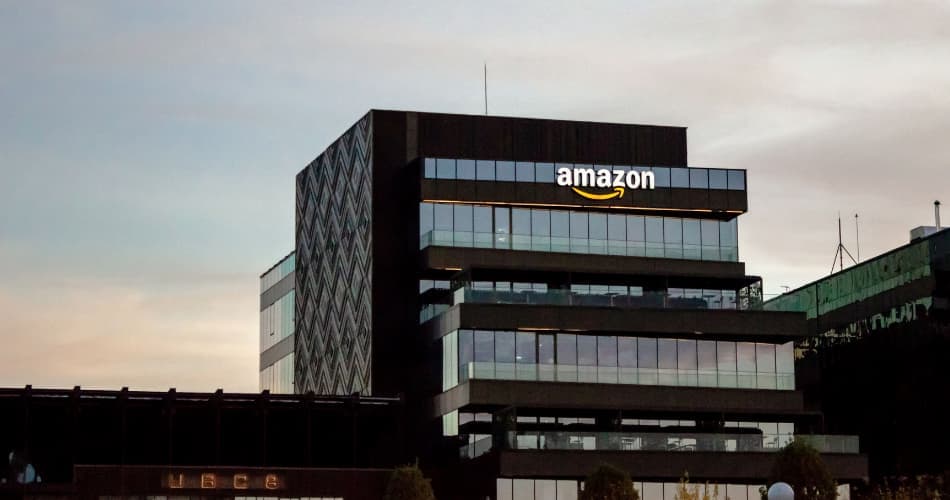
The company plans to invest approximately $200 billion in 2026, with the majority of this investment directed toward AI infrastructure, including data centers, custom chips, and cloud capacity. This large-scale investment strategy reflects Amazon’s belief that AI will redefine not only cloud computing but also the broader digital economy.

AWS AI business reaches new scale

AWS is already seeing strong traction from its AI services. According to recent disclosures, Amazon’s AI-related services within AWS have reached an annualized revenue run rate exceeding $15 billion, accounting for a growing share of its cloud business.

At the same time, Amazon’s custom chip segment powered by products such as Trainium and Graviton has surpassed $20 billion in annual revenue run rate, signaling rapid adoption of in-house AI infrastructure solutions. These results indicate that Amazon’s investment in AI technologies is already delivering measurable outcomes.

Strategic partnerships accelerate growth

Amazon is also strengthening its AI ecosystem through major partnerships. The company recently announced a multi-year strategic collaboration with OpenAI, aimed at accelerating innovation and expanding AI capabilities.

Such partnerships complement Amazon’s broader investment approach, enabling the company to scale faster and respond to rising enterprise demand for AI-powered solutions.

AI to reshape cloud and global commerce

Jassy has emphasized that demand for AI workloads is growing faster than AWS can currently supply. The company is rapidly expanding data center capacity and continuing its investment in infrastructure to meet this demand.

Looking ahead, Amazon believes AI could significantly expand AWS’s long-term potential, positioning the cloud unit for substantial growth in the coming years.

A defining moment for AI leadership

Amazon’s massive AI investment signals a decisive shift toward long-term innovation over short-term profitability. While concerns around spending remain, the company is confident that continued investment in AI will drive future returns and strengthen its competitive position.

As competition intensifies among global tech giants, AWS’s aggressive strategy could play a defining role in shaping the next era of cloud computing and e-commerce.

Source

Stay updated with global AI and e-commerce developments on WORLDEF.

Tehran E-Commerce Faces 100% Disruption Risk as Internet Restoration Urged

Tehran E-Commerce Sector Urges Immediate Internet Restoration as Crisis Deepens

Tehran’s digital economy calls for urgent action

Iran’s digital business community is calling for the immediate restoration of internet services as ongoing disruptions continue to impact economic activity across the country. The Tehran Electronic Commerce Association has issued a formal statement urging authorities to restore full connectivity, describing stable internet access as a critical foundation for both economic recovery and public confidence.

According to the association, the current situation is no longer just a technical issue but a structural challenge affecting thousands of businesses and millions of users who rely on digital services daily.

E-commerce operations under pressure

The disruptions have significantly affected key sectors of Tehran’s e-commerce ecosystem. Ride-hailing platforms, food delivery services, online marketplaces, and fintech applications have all experienced operational slowdowns or partial outages.

Many businesses report reduced transaction volumes and difficulties in maintaining customer communication. Small and medium-sized enterprises, in particular, are facing growing pressure as their ability to sell, market, and operate online becomes increasingly limited.

Despite these challenges, parts of the sector have continued to function at reduced capacity, highlighting the resilience of Iran’s digital entrepreneurs. However, industry leaders warn that this situation is not sustainable in the long term.

Limited access and global isolation

Authorities have relied on a restricted “national internet” infrastructure, allowing access primarily to domestic platforms while limiting global connectivity. This approach has created a digital divide, cutting businesses off from international markets, tools, and platforms.

In addition, restrictions on VPN services commonly used to bypass such limitations have further reduced access to global networks. As a result, many companies are unable to engage in cross-border trade or use essential digital services.

Economic impact continues to grow

The prolonged restrictions are contributing to broader economic challenges. Businesses are experiencing declining revenues, disrupted operations, and reduced productivity. While some financial services have resumed and certain regulatory deadlines have been extended, these measures offer only temporary relief.

Industry representatives stress that without full internet restoration, the damage to Tehran’s e-commerce sector could have lasting consequences.

A defining moment for digital economies

The situation in Tehran highlights a broader global reality: reliable internet access has become a fundamental pillar of modern economies. As pressure mounts from the business community, the coming period will be critical in determining the future stability and growth of Iran’s digital ecosystem.

Source

Stay updated with global e-commerce insights and developments on WORLDEF.