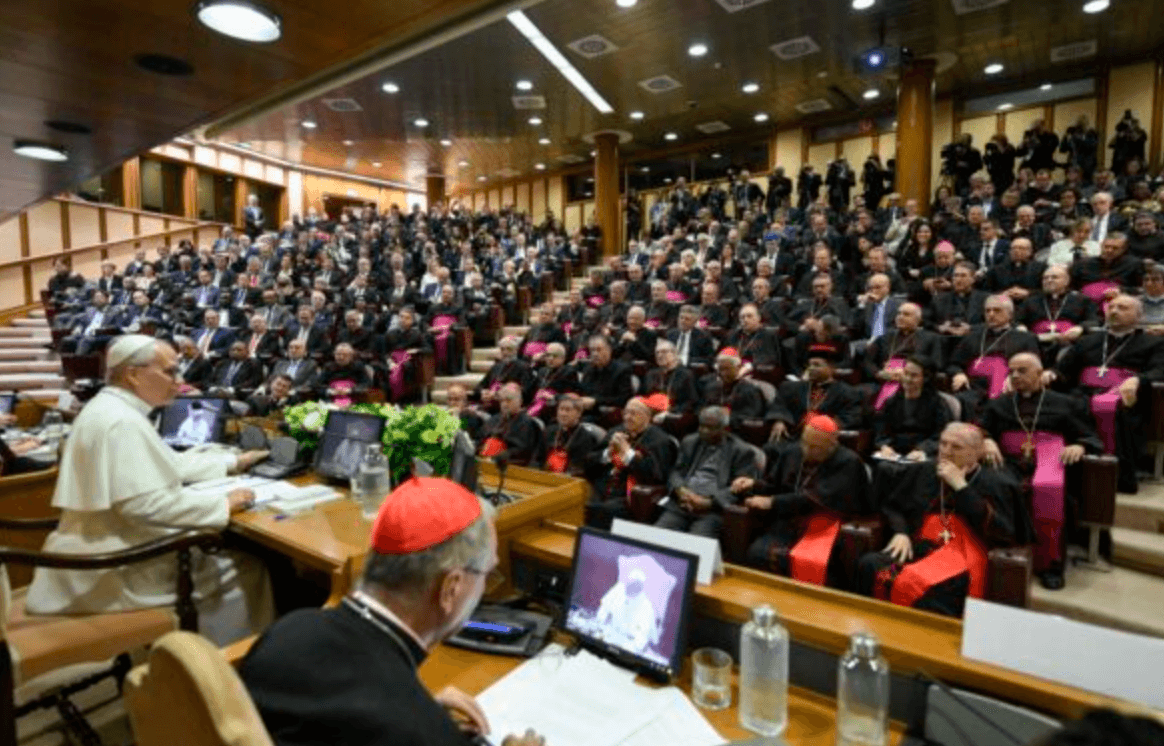
Artificial intelligence is rapidly becoming one of the most influential technologies shaping the global economy, society, and policymaking. In a significant move that reflects the growing importance of ethical discussions around AI, the Vatican recently welcomed representatives from Anthropic for high-level conversations focused on the future impact of artificial intelligence.
Vatican Expands AI Ethics Discussion Beyond Silicon Valley
The meeting highlights how discussions surrounding AI are expanding far beyond the technology sector. Governments, universities, international organizations, and now religious institutions are increasingly participating in debates about how artificial intelligence should be developed, regulated, and integrated into society.
According to reports, Vatican officials and Anthropic representatives discussed the ethical responsibilities associated with advanced AI systems, including concerns around misinformation, human decision-making, labor transformation, and social inequality. The dialogue reportedly focused on ensuring that AI technologies remain aligned with human values as adoption accelerates worldwide.
Anthropic has emerged as one of the leading companies in the global generative AI race, competing alongside major technology firms developing large language models and advanced AI assistants. The company has gained attention for its emphasis on AI safety, transparency, and responsible innovation.
Global Institutions Increase Focus on Responsible AI
The Vatican’s involvement demonstrates how artificial intelligence is increasingly viewed not only as a technological development but also as a societal and philosophical issue. Institutions traditionally focused on ethics, culture, and human welfare are beginning to examine how AI could influence education, employment, communication, privacy, and everyday life.
Industry experts say the discussions reflect growing pressure on AI companies to engage with broader ethical and public-interest concerns. As governments worldwide move toward implementing new AI regulations and governance frameworks, conversations are shifting beyond technical performance toward accountability and long-term societal impact.
The meeting also comes amid accelerating global investment in AI technologies across industries including e-commerce, healthcare, finance, logistics, and digital media. Businesses are rapidly integrating AI-powered tools to improve operations and customer experiences, while regulators attempt to balance innovation with responsible oversight.
Analysts believe collaborations between technology companies and global institutions could play a key role in shaping future international AI standards. As artificial intelligence continues to evolve, ethical governance and public trust are expected to become central priorities for both policymakers and industry leaders.
The Vatican-Anthropic dialogue reflects a broader reality emerging across the global AI ecosystem: the future of artificial intelligence is no longer only a technology conversation, it is increasingly becoming a conversation about humanity, responsibility, and the future direction of society itself.