
Samsung Accelerates Yongin Chip Fab Launch to 2029 as AI Demand Reshapes Semiconductor Investment
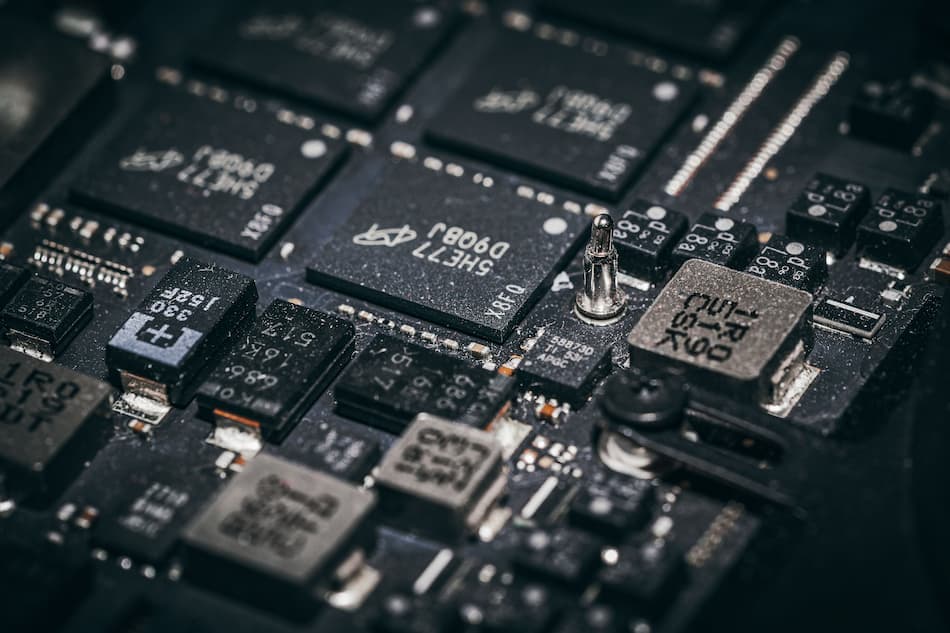
Samsung Electronics is bringing forward the launch of its first semiconductor fabrication facility in Yongin, South Korea, underscoring the growing urgency to expand production capacity as demand for artificial intelligence (AI) chips continues to accelerate.
According to industry sources, the company now plans to begin operations at the plant in 2029-earlier than previously expected-as competition intensifies across the global semiconductor market. The move reflects Samsung’s broader strategy to strengthen its manufacturing capabilities while responding to rising customer demand for high-performance chips used in AI infrastructure, cloud computing and advanced data centers.
AI Boom Drives Manufacturing Expansion
The decision comes as AI applications fuel unprecedented investment in semiconductor production worldwide. Rapid adoption of generative AI, large language models and high-performance computing has significantly increased demand for advanced memory and logic chips, encouraging major manufacturers to expand fabrication capacity.
Samsung has been investing heavily in its semiconductor business despite cyclical weakness in parts of the memory market. By accelerating construction of the Yongin facility, the company aims to better position itself for the next wave of AI-driven growth while reinforcing South Korea’s role as one of the world’s leading semiconductor production hubs.
The Yongin semiconductor cluster is expected to become one of Samsung’s flagship manufacturing locations, supporting the production of next-generation chips for both domestic and international customers.
Global Competition Intensifies
Samsung’s accelerated timeline also reflects mounting competition among leading chipmakers seeking to capture growing opportunities in AI. Governments across Asia, Europe and North America have introduced incentives to strengthen domestic semiconductor production, while technology companies continue investing billions of dollars in AI infrastructure.
The race to secure advanced chip manufacturing capacity has become increasingly strategic as cloud providers, AI developers and enterprise customers expand investments in high-performance computing platforms.
Industry analysts expect semiconductor manufacturers capable of rapidly increasing advanced production capacity to benefit from sustained long-term demand driven by AI adoption across multiple industries.
Strategic Importance for South Korea
The Yongin semiconductor complex forms part of South Korea’s long-term strategy to maintain its global leadership in semiconductor manufacturing. The project is expected to support high-value investment, strengthen supply chain resilience and create new opportunities across the country’s technology ecosystem.
For Samsung, bringing the project forward represents more than a construction milestone. It signals confidence in the long-term outlook for AI-related semiconductor demand and highlights the company’s commitment to remaining competitive in an industry where production scale and technological leadership increasingly determine market position.
As AI adoption continues to accelerate globally, investments in advanced semiconductor manufacturing are expected to remain a defining trend shaping the future of the technology sector.
Source
Read more on
About the author
Leila Gadirli Pirgulieva
253 stories on WORLDEF since March 2026.
More from Leila Gadirli Pirgulieva →Related



The week in commerce, before your competitors.
1,466 stories since January 2025, distilled into three newsletters. Pick the ones you want.