WORLDEF Prime Antalya 2026 — Super Early Bird Discounts

Register Now

Amazon Plans Major Texas Data Center Campus to Power AI Growth

Amazon Plans Major Texas Data Center Campus to Power AI Growth

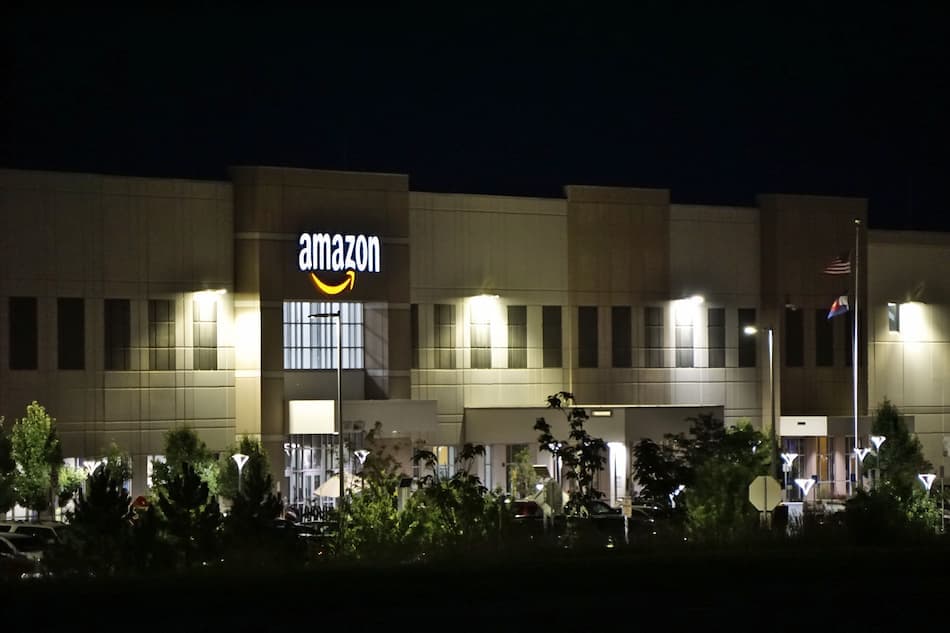
Amazon is planning a major new data center campus in Pecos County, Texas, as the technology giant expands infrastructure to support growing demand for artificial intelligence and cloud computing.

According to Amazon, the planned campus will initially be powered by new on-site generation rather than relying entirely on the Texas electricity grid. The company says the facility is designed to transition to grid-connected service as interconnection timelines allow, while it also explores solar energy and battery storage opportunities on site.

New Infrastructure for Growing AI Demand

The project highlights one of the biggest challenges facing the technology sector: securing enough electricity to support increasingly energy-intensive AI workloads.

Amazon says the Pecos County campus represents a long-term investment and is expected to create thousands of new jobs in the region. The company is also positioning the project around resource efficiency, particularly in an area where water availability is an important consideration.

To reduce pressure on local water resources, Amazon says it plans to use water that is not suitable for drinking or irrigation. The company will also deploy custom cooling technology designed to minimize water consumption and explore the use of produced water as another non-potable source.

Energy Challenges Raise Questions

The project is also attracting scrutiny over its energy strategy. Recent reports indicate that the planned on-site natural-gas generation could reach 7.65 gigawatts, with the facility potentially becoming one of the largest sources of carbon emissions in the U.S. if operated at its permitted capacity.

This creates a broader tension for the technology industry: companies are racing to build AI infrastructure while simultaneously facing increasing pressure to reduce emissions, water consumption and their impact on local energy systems.

Amazon maintains that the Pecos County campus will pay the full costs of powering its operations and says its approach is designed not to increase electricity costs for Texas households.

The development reflects a wider shift in the data center industry, where access to reliable power is increasingly becoming as important as access to land and connectivity. As AI adoption accelerates, the ability to secure large-scale energy supplies could become a defining factor in where the next generation of digital infrastructure is built.

Source

Samsung Accelerates Yongin Chip Fab Launch to 2029 as AI Demand Reshapes Semiconductor Investment

Samsung Accelerates Yongin Chip Fab Launch to 2029 as AI Demand Reshapes Semiconductor Investment

Samsung Electronics is bringing forward the launch of its first semiconductor fabrication facility in Yongin, South Korea, underscoring the growing urgency to expand production capacity as demand for artificial intelligence (AI) chips continues to accelerate.

According to industry sources, the company now plans to begin operations at the plant in 2029-earlier than previously expected-as competition intensifies across the global semiconductor market. The move reflects Samsung’s broader strategy to strengthen its manufacturing capabilities while responding to rising customer demand for high-performance chips used in AI infrastructure, cloud computing and advanced data centers.

AI Boom Drives Manufacturing Expansion

The decision comes as AI applications fuel unprecedented investment in semiconductor production worldwide. Rapid adoption of generative AI, large language models and high-performance computing has significantly increased demand for advanced memory and logic chips, encouraging major manufacturers to expand fabrication capacity.

Samsung has been investing heavily in its semiconductor business despite cyclical weakness in parts of the memory market. By accelerating construction of the Yongin facility, the company aims to better position itself for the next wave of AI-driven growth while reinforcing South Korea’s role as one of the world’s leading semiconductor production hubs.

The Yongin semiconductor cluster is expected to become one of Samsung’s flagship manufacturing locations, supporting the production of next-generation chips for both domestic and international customers.

Global Competition Intensifies

Samsung’s accelerated timeline also reflects mounting competition among leading chipmakers seeking to capture growing opportunities in AI. Governments across Asia, Europe and North America have introduced incentives to strengthen domestic semiconductor production, while technology companies continue investing billions of dollars in AI infrastructure.

The race to secure advanced chip manufacturing capacity has become increasingly strategic as cloud providers, AI developers and enterprise customers expand investments in high-performance computing platforms.

Industry analysts expect semiconductor manufacturers capable of rapidly increasing advanced production capacity to benefit from sustained long-term demand driven by AI adoption across multiple industries.

Strategic Importance for South Korea

The Yongin semiconductor complex forms part of South Korea’s long-term strategy to maintain its global leadership in semiconductor manufacturing. The project is expected to support high-value investment, strengthen supply chain resilience and create new opportunities across the country’s technology ecosystem.

For Samsung, bringing the project forward represents more than a construction milestone. It signals confidence in the long-term outlook for AI-related semiconductor demand and highlights the company’s commitment to remaining competitive in an industry where production scale and technological leadership increasingly determine market position.

As AI adoption continues to accelerate globally, investments in advanced semiconductor manufacturing are expected to remain a defining trend shaping the future of the technology sector.


Source