WORLDEF ISTANBUL 2026 - Early Bird Registration Ends Soon

Register Now

Asos Launched a Returns Transparency Tool for Customers in the United Kingdom

Asos announced that it had launched a new returns transparency tool in the United Kingdom that provides customers with clearer information on how their return behavior affects potential fees. The feature, planned to go live on 6 January, became the latest step taken in response to criticism of the return fees the company introduced last year.

The online-only fashion retailer stated that the new tool aimed to provide customers with greater visibility and predictability. Asos positioned this update as part of a broader effort to strike a balance between the customer experience and the rising costs associated with high return volumes.

How Return Fees Are Applied Will Be Clarified

Asos had introduced a return fee in 2024 for customers classified as having a high return rate. Under this policy, customers who kept less than 40 British pounds’ worth of items from their original order were charged a return fee of 3.95 pounds. However, at the time, the lack of a public explanation regarding how individual return rates were calculated led to confusion and dissatisfaction among users.

With the new transparency tool, Asos provided a clearer framework on how these thresholds operated. Customers using the Asos app were now able to see their individual return rates directly in their accounts. While customers with a return rate below 70 percent continued to benefit from free returns, fees applied once this level was exceeded.

According to the updated structure, customers with return rates above 70 percent were charged a return fee of 3.95 pounds. When the return rate exceeded 80 percent, an additional restocking fee of 3.95 pounds was also applied. Asos stated that these thresholds aimed to encourage more conscious shopping and to preserve free returns for the vast majority of customers.

Asos Offered In-App Guidance for Returns

The new feature was not limited to displaying return rates; it also offered in-app guidance to help customers avoid charges. Asos stated that the system included safer shopping recommendations, such as carefully reviewing size charts, product descriptions, and user reviews.

The app also displayed alerts when customers’ return rates approached chargeable thresholds. In this way, it aimed to prevent users from encountering unexpected fees after completing a return. Asos emphasized that this tool allowed customers to monitor and manage their return behavior in real time.

The company considered this step a response to customer feedback and acknowledged that transparency was critical to maintaining trust in policies aimed at controlling costs. Industry experts pointed out that return costs had become a significant pressure factor, particularly for online fashion retailers.

“Asos Is Committed to Preserving Free Returns Wherever Possible”

Asos stated that the transparency initiative was aligned with broader sustainability and cost management objectives. High return rates, particularly in the fashion sector, led to issues such as increased transportation emissions, labor costs, and waste volumes. The fact that returned items could not always be resold at full price further intensified this pressure.

Ben Blake, Executive Vice President for Customer and Commercial at Asos, emphasized the company’s commitment to preserving free returns wherever possible. Blake said, “We are committed to continuing to offer free returns to all customers in all core markets; however, we want to do so in a sustainable way. By showing customers their return rates, we provide them with greater visibility and control, while also offering tips to help them shop with confidence.”

Blake also added that the aim was not to penalize customers, but to encourage more informed purchasing decisions and reduce unnecessary returns. According to Asos, the majority of customers continued to benefit from free returns under the current system.

Part of a Broader Industry Trend

This move by Asos paralleled the reassessment of long-standing free returns policies in the e-commerce and fashion sectors. Rising fulfillment costs, high return volumes, and sustainability concerns had led many retailers to introduce fees or stricter conditions, particularly for frequent returners.

Rather than further tightening the rules, Asos tested a middle-ground approach by offering a transparency tool. The company aimed to maintain customer loyalty while responding to increasing cost pressures.

It had not yet become clear whether the new feature would reduce complaints or significantly change customer behavior. However, the move highlighted the growing importance of clear and transparent communication as retailers reshaped long-established e-commerce practices in a more cost-focused environment.
England Removes E Commerce Customs Exemption; Local Retailers Call for an Earlier Implementation Date

Alibaba Made a Visual AI Move Against Meituan

This move by Alibaba drew attention as part of the company’s effort to regain ground it had lost against Meituan, which in recent years had risen to a leading position in food delivery, reviews, and restaurant reservations. The initiative was assessed as part of a broader strategy in which Chinese technology companies were making greater use of artificial intelligence to strengthen their existing businesses and create new growth areas amid a slowing domestic demand environment.

Amap Offered Artificial Intelligence–Powered Visual Tools for Restaurants

Alibaba’s maps and local services unit Amap, according to sources close to the matter, prepared to roll out a feature that would allow restaurants to create three-dimensional visuals of their interiors simply by uploading video or photographs. This service was aimed at reducing marketing and promotion costs, especially for small and medium-sized businesses.

It was stated that the technology was built on Alibaba’s own visual artificial intelligence infrastructure and that it was planned to be offered free of charge to selected businesses for a certain period. Sources said that the trial period was intended to encourage businesses and demonstrate the system’s benefits before a broader rollout.

This feature, which enabled restaurants to present their venues more compellingly on local search and discovery platforms, aimed to increase user engagement and strengthen businesses’ visibility.

Competition With Meituan in Local Services Intensified

This step clearly set out Alibaba’s goal of competing with Meituan, the market leader in food delivery and local services in China. Meituan had secured a strong position in the sector by bringing together delivery, user reviews, and reservations within a single ecosystem. Alibaba, after scaling back its aggressive spending in past years, had lost market share in food delivery and related areas. By contrast, Meituan had reinforced its leadership by investing heavily in logistics infrastructure, tools for businesses, and consumer incentives.

The artificial intelligence–based visual features offered through Amap were assessed as a reflection of Alibaba’s search for differentiation not only through price and delivery speed, but also by improving the discovery and evaluation experience.

Alibaba Shaped the Process With High Investments and Regulatory Pressures

In 2025, Alibaba allocated tens of billions of yuan in incentives and subsidies to its most popular online services in order to compete with Meituan and JD.com. This move created a three-way competitive environment among China’s largest consumer internet platforms, putting pressure on profit margins.
Subsidies and price competition also drew the attention of Chinese regulatory authorities. Officials warned companies about excessive competition that could disrupt the market and harm businesses, calling for a focus on sustainable growth instead of long-term strategies based on cash burn. In this environment, Alibaba placed greater emphasis on technology-based differentiation rather than financial incentives, positioning artificial intelligence as a tool that delivered efficiency and business benefits.

Use of Artificial Intelligence Reflected the Broader Industry Trend

Alibaba’s visual artificial intelligence move paralleled the tendency of Chinese technology companies to integrate artificial intelligence into existing platforms rather than offering it as standalone products. Across maps, e-commerce, logistics, and content platforms, artificial intelligence–powered features were used both to enhance user experience and to reduce operational costs.

From Alibaba’s perspective, the Amap initiative aligned with a broader strategy to integrate artificial intelligence across the entire ecosystem, including search, recommendation systems, and business solutions. The company anticipated that advanced visual tools would provide consumers with richer information when choosing restaurants, while also making it easier for businesses to attract customers.

By the end of 2025, Alibaba’s artificial intelligence–focused approach showed that competition in China’s local services market was shifting toward differentiation through technology rather than scale and subsidies. While it remained uncertain whether visual artificial intelligence tools would deliver a meaningful increase in market share against Meituan, the move demonstrated Alibaba’s determination to regain strength in one of the sector’s most competitive arenas.

Alibaba Rebrands Ele.me as Taobao Instant Commerce Amid Instant-Retail Push

Noon Completed Its First Drone Delivery Pilot

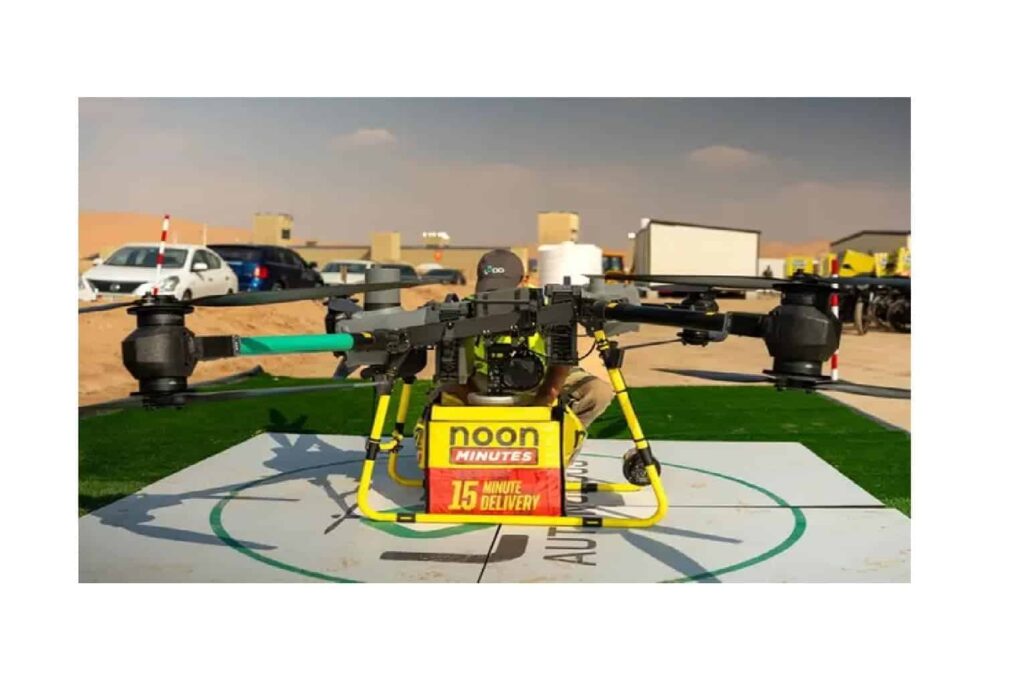
The drone delivery operation was conducted with the support of the Smart and Autonomous Systems Council and under the supervision of the Integrated Transport Centre (Abu Dhabi Mobility). The autonomous delivery was carried out in Liwa, which is known for its sparse population and challenging geography. In the pilot study, it was aimed to deliver products directly to customers by using drones. The feasibility of aerial delivery was tested in environments where road access is limited or inefficient.

Drone Delivery Systems Are Operationally Ready

According to the companies involved in the drone delivery project, the successful completion of the trial confirmed that drone-based delivery systems are operationally ready in remote areas. The pilot application also showed that autonomous solutions can provide efficiency and reliability without relying on existing transport networks. This situation was considered a critical factor in terms of expanding logistics services beyond major city centers.

The initiative brought together Lodd Autonomous, which operates in the field of autonomous delivery technologies, and Noon, one of the leading e-commerce platforms in the Middle East. The cooperation focused on integrating drone technology into real commercial delivery scenarios, going beyond closed-area tests.

Regulatory Oversight and Ecosystem Support

The drone delivery pilot study was carried out within a regulatory framework under the supervision of Abu Dhabi Mobility in order to ensure compliance with safety, airspace, and operational standards. The support of the Smart and Autonomous Systems Council reflected Abu Dhabi’s broader strategy of promoting advanced mobility solutions while maintaining public safety and regulatory clarity.

Abu Dhabi has positioned itself in recent years as a test hub for smart mobility and autonomous technologies, including drones, autonomous vehicles, and smart transport systems. Through controlled pilot projects, authorities aimed to encourage innovation while also ensuring strict oversight and risk management.

In this context, the drone delivery trial in Liwa was considered not only a technological demonstration but also a field application aligned with policy. The study provided regulators and industry stakeholders with concrete data on the performance of autonomous delivery systems under real operational conditions, including navigation, safety protocols, and integration with existing logistics platforms.

Noon Prepares to Launch 15 Minute Drone Deliveries Across the UAE

Hepsiburada CEO Nilhan Onal Gökcetekin Is Handing Over Her Role

Hepsiburada CEO Nilhan Onal Gökcetekin will hand over her role as of July 1, 2026. Hepsiburada Chairman of the Board Mikheil Lomtadze said, “We have decided to build Hepsiburada’s next leadership period with leaders developed from within the company.”

Kazakhstan-based Kaspi.kz, one of Eurasia’s leading technology companies, acquired 65.4 percent of Hepsiburada shares with an investment of $1.1 billion in January 2025. Kaspi.kz Co-Founder and CEO Mikheil Lomtadze became Chairman of the Board of Hepsiburada on February 3, 2025. Kaspi.kz took another significant step in Türkiye by completing a capital increase of TRY 4.17 billion at Hepsiburada on December 19, 2025. Hepsiburada has now come to the agenda with another significant change in senior management. Nilhan Onal Gökcetekin, who was appointed as Hepsiburada CEO on January 1, 2023, will hand over her role on July 1, 2026. Hepsiburada’s next leadership period will be built with leaders developed from within the company.

Mikheil Lomtadze: The New CEO Period Will Be Built With Leaders Developed From Within the Company

Hepsiburada Chairman of the Board Mikheil Lomtadze, in his statement on the matter, said, “I worked closely with Nilhan and would like to thank her for her contributions to Hepsiburada. During her tenure, she strengthened the company’s financial discipline and reinforced its ability to execute its long-term strategy. We planned this transition together with a focus on continuity and uninterrupted operations. We have decided to build Hepsiburada’s next leadership period with leaders developed from within the company.”

Gökcetekin: I Am Proud of What We Have Built at Hepsiburada

Nilhan Onal Gökcetekin, for her part, made the following statement; “I am very proud of what we have built as a team at Hepsiburada and of the value we have created. I will continue to work closely with the company and the leadership team to ensure that the handover is completed smoothly and responsibly and to support Hepsiburada’s long-term success. After the transition process is completed, I will embark on a new professional journey.”

Who Is Nilhan Onal Gökcetekin?

Nilhan Onal Gökcetekin was appointed as the CEO of Hepsiburada as of January 1, 2023. She is a senior business leader with over 25 years of experience across retail, fast-moving consumer goods (FMCG), consumer electronics, and consulting at Fortune 500 companies, including Amazon and Procter & Gamble.

Nilhan Onal Gökcetekin managed businesses exceeding USD 10 billion with full profit and loss (P&L) responsibility; she built strategic plans delivering revenue and profitability growth through marketing and sales, process improvement, cost savings, and organizational design initiatives. Across multiple geographies, including the United States, India, Western Europe, the Nordics, Eastern Europe, and the Near East, including Türkiye, she delivered award-winning results achieving growth in market share, profitability, and brand value.

She is known for delivering transformations that create step changes in business and brand performance with her hands-on, collaborative, and inspirational leadership style. She is successful in managing cross-functional teams, building strong relationships, establishing thought leadership, advancing ideas, and driving transformational change. She is passionate about talent and business growth, brand building, and creating game-changing plans.

Her areas of expertise include category leadership and retail, people management with more than 4,000 employees under her direct leadership, leadership of multifunctional teams, organizational design, talent development, change management (mergers and acquisitions), thought leadership, strategic and operational marketing, and innovation.

Kaspi.kz Completes 4.17 Billion Lira Capital Increase in Hepsiburada

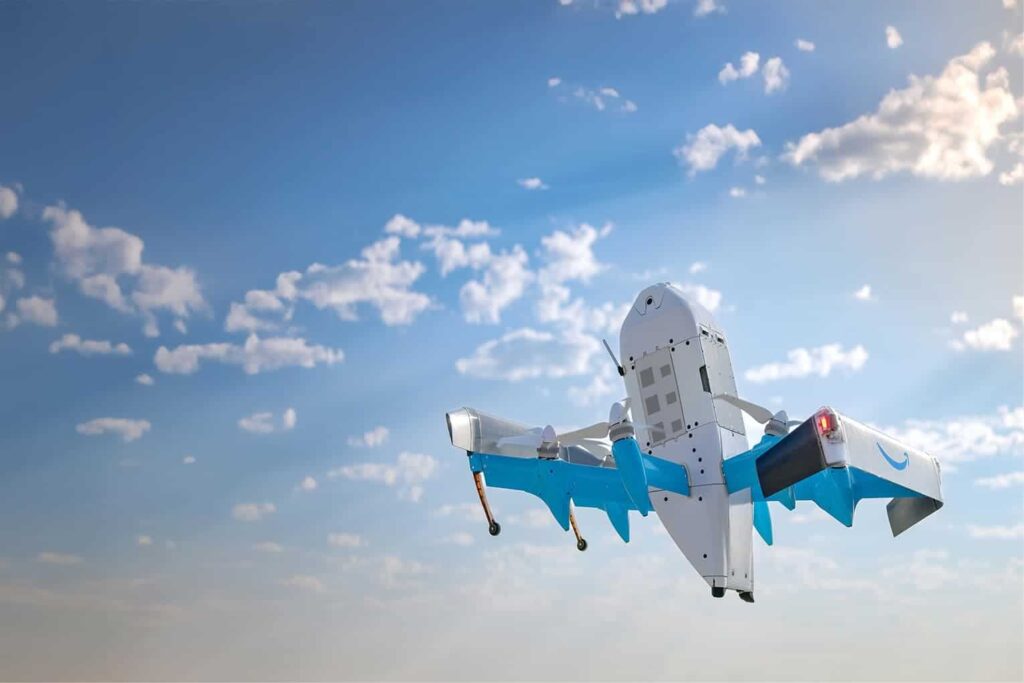
Amazon Halted Its Commercial Drone Delivery Plans in Italy

Amazon halted its commercial drone delivery plans in Italy after concluding that the broader regulatory environment in the country did not support the program’s long-term objectives. The decision came after successful initial tests conducted in central Italy and surprised Italian aviation authorities. Officials stated that the move was linked to company policy rather than aviation safety concerns.

Amazon announced that, following a strategic review, it decided not to continue drone-based delivery operations in Italy. The company said it had worked constructively with Italian aviation regulators and had made tangible progress during the testing phase. The announcement was viewed as a setback for Amazon’s efforts to expand its drone delivery initiative in Europe, despite the progress achieved with Italian aviation regulators.

Drone Delivery Tests in San Salvo Had Been Successfully Completed

The decision was taken nearly a year after Amazon announced in December 2024 that it had successfully completed initial drone delivery tests in the town of San Salvo in the Abruzzo region. These trials were conducted as part of Amazon’s Prime Air program, which aimed to deliver small packages within short timeframes.

According to Amazon, the tests demonstrated technical feasibility and cooperation with aviation authorities. However, the company stated that certain business-oriented regulatory constraints outside aviation negatively affected the decision to continue the project.

Regulatory Environment Cited as the Main Reason

In a statement to Reuters, Amazon said it halted its commercial drone delivery plans in Italy following a strategic review. The company noted that, despite positive progress in engagements with aviation regulators, the country’s overall business regulatory framework did not currently support the long-term objectives of the drone delivery program.

Amazon emphasized that the existing regulatory conditions were not limited solely to aviation, but also included broader operational requirements affecting the commercial viability and scalability of the service. The company did not provide details on which regulations posed challenges, but indicated that rules in logistics, commercial, and operational areas could limit future expansion.

This decision highlighted that implementing drone delivery services required compliance not only with airspace and safety rules, but also with national and local legislation governing logistics, data protection, labor, and commercial activities.

Italian Aviation Authority Expressed Surprise

Italy’s Civil Aviation Authority, ENAC, described Amazon’s decision as unexpected. In a statement released on Saturday, ENAC said the move was linked to company policy rather than aviation-related concerns. ENAC noted that the decision could be associated with recent financial developments involving the Amazon Group, but did not provide details. The authority also emphasized that it had raised no objections related to flight safety or airspace management during the testing phase.

Italian officials had viewed the San Salvo trials as a potential step toward broader adoption of drone deliveries, particularly in areas with lower population density.

A Broader Look at Amazon’s Drone Program

Amazon has been working on drone delivery technologies for more than a decade as part of its Prime Air initiative. The program aimed to shorten delivery times and increase efficiency for lightweight packages, particularly in suburban and rural areas.

Amazon has launched commercial drone deliveries on a limited scale in the United States and the United Kingdom. However, progress varied from market to market due to regulatory complexities and operational costs.

Across Europe, drone delivery initiatives faced challenges stemming from regulatory frameworks that differed by country. Industry analysts noted that differences in commercial law, privacy rules, and urban planning significantly affected the timelines for the widespread adoption of such services.

Coupang Announced a $1.17 Billion Compensation Plan Following a Major Customer Data Breach

South Korean e-commerce giant Coupang announced a compensation program exceeding $1.17 billion following a large-scale customer data breach that affected tens of millions of users. The company stated that the payments, to be made in the form of vouchers, aimed to restore customer trust after months of ongoing public and official scrutiny.

According to statements from the company and the police, the breach, which occurred between late June and early November, involved limited personal information; financial or login details were not affected. Coupang confirmed that customer names, email addresses, home addresses, and parts of order histories were exposed in the incident.

The company reported that sensitive information such as passwords, payment card details, and banking data were not affected. Authorities estimated that approximately 37.7 million current and former customers were entitled to compensation, stating that the incident was one of the largest consumer data breaches in South Korea in terms of scale.

The company stated that the compensation plan covered nearly all users whose information may have been accessed during the breach period. Eligible customers were informed that, as of January 15, 2026, they would be able to check their status via the Coupang mobile application.

Coupang’s Compensation Plan and Payment Schedule

Coupang announced on December 29 that it would distribute digital shopping vouchers worth approximately 50,000 won (approximately $34.87) per customer. The distribution was planned to begin on January 15, 2026, with vouchers to be issued gradually.

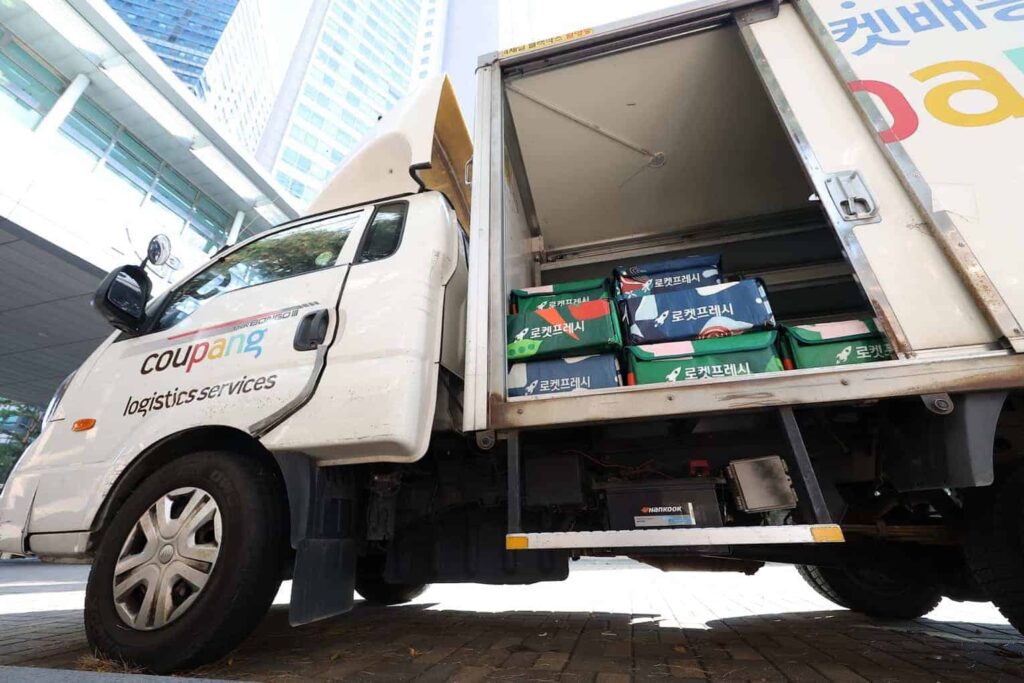
The compensation package included multiple vouchers that could be used across Coupang’s services. These included Coupang Eats, Rocket Delivery and Marketplace purchases, Coupang Travel products, and Allux offerings. The company stated that customers would be able to use the vouchers directly during purchases and that additional implementation details would be announced separately.

The Company Is Assessing the Damage Caused by the Incident

Interim Chief Executive Officer Harold Rogers said that the company’s management and employees were assessing the damage caused by the incident and were acting with a sense of responsibility toward customers. Rogers described the compensation effort as a step aimed at addressing customer concerns and responding to criticism from major organizations in South Korea.

Rogers stated that the incident had triggered comprehensive internal reviews and led to a stronger focus on customer protection. Coupang also warned its customers to remain cautious against phishing attempts, urging them not to click on suspicious links and not to respond to messages impersonating the company.

Police Investigation and Identification of the Suspect

The Seoul National Police Agency identified a 43-year-old Chinese national, a former Coupang employee, as the primary suspect behind the data breach. Authorities stated that the suspect worked at Coupang between November 2022 and 2024 and may have continued to access internal systems after leaving the company.

According to officials, the suspect used an electronic coupon authentication key that provided access to the company’s servers. Investigators reported that they examined internal documents, system logs, access histories, and IP address records to determine how unauthorized access was maintained over several months. The investigation was also linked to an increase in phishing activities, as customers reported fraudulent messages and calls impersonating the company.

Daily Active User Count Declined to 15.94 Million

According to data from Mobile Index, operated under IGAWorks, Coupang’s daily active user count saw a significant decline following the public disclosure of the breach. The daily active user count fell from a record high of 17.99 million recorded on December 1 to 15.94 million as of December 6.

Analytical data showed that the decline followed a short-term surge in traffic, as users logged into the application intensively to delete their accounts or change security settings. During the same period, increases were observed on rival platforms. Gmarket reported a 5.8 percent increase in daily active users, while 11th Street and Naver Plus Store recorded traffic increases of 14.33 percent and 23.1 percent, respectively.

Authorities reported that regulatory and legal reviews concerning Coupang were ongoing, as both the breach itself and the company’s internal security controls continued to be evaluated.

Coupang Data Breach: Responsible Person Identified, Leaked Data Deleted

Major Robbery at JD.com’s Paris Warehouse

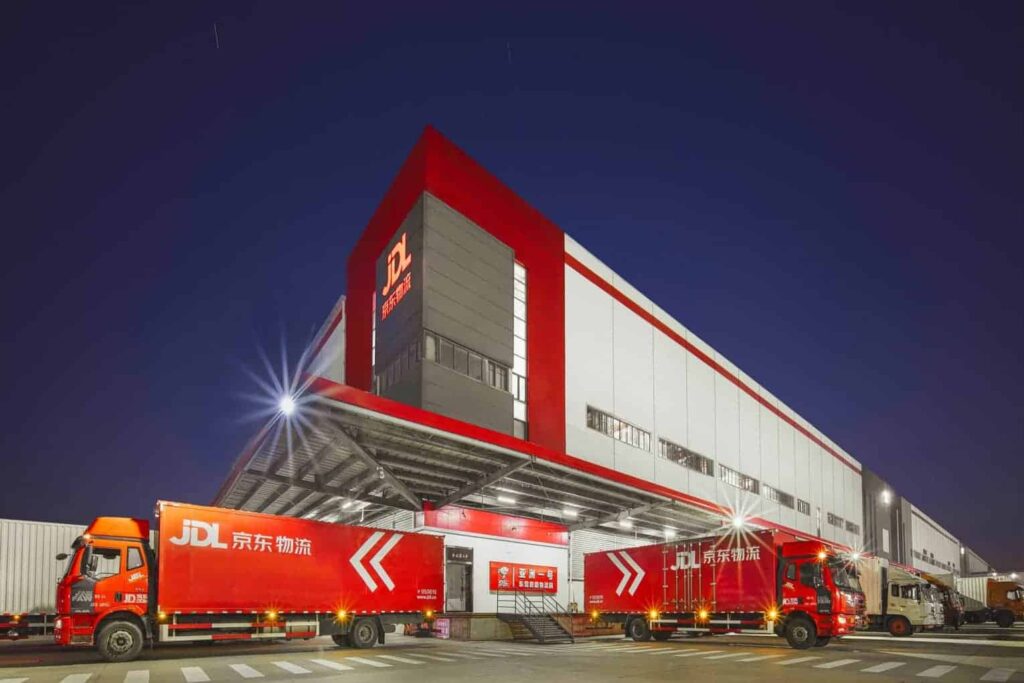
A major robbery at JD.com’s warehouse in Paris has left the Chinese e-commerce giant in a difficult situation. Thieves stole over 50,000 products, including smartphones, tablets, laptops, and headphones. JD.com has rejected reports estimating the value of the stolen items at approximately €37 million (44 million USD), stating that the actual loss is significantly different.

The theft occurred at JD.com’s first self-operated procurement center in Paris, located in the northern suburb of Dugny, near the French capital. According to French media reports, the robbery took place during the night between Sunday and Monday. The suspects disabled the warehouse’s security system and took advantage of a malfunctioning alarm system, stealing around 30 pallets. These pallets contained mainly smartphones, computers, and tablets.

Analysis of Security Camera Footage Underway

Local police have initiated an investigation into the incident, treating it as a robbery carried out by an organized criminal gang. The Banditry Repression Brigade, which is investigating the crime, is analyzing footage obtained from security cameras outside the warehouse. However, due to the ongoing investigation and the incomplete inventory check, the full scope of the theft and the financial damage have not yet been determined.

Impact on the Platform’s Christmas Shopping in France

This theft marks a setback for JD.com. The Paris warehouse plays an important role as part of the company’s global logistics network aimed at directing its operations in Europe. JD.com’s rapidly growing European operations became more prominent with the launch of its European e-commerce platform, Joybuy, in France in October 2025.

Although the company continues to expand rapidly in Europe, it remains unclear how the theft will affect the platform’s first Christmas shopping season in France. However, JD.com has stated that it will continue to operate its global supply chain in full compliance with laws and regulations, without deviating from its commitment to providing high-quality logistics services.

JD.com in the Process of Acquiring Ceconomy

The theft occurred at a critical time for JD.com, as the company was preparing for its first Christmas shopping season in France. Joybuy, which offers ultra-fast delivery options such as same-day and next-day delivery, aimed to make a significant impact on the French market. However, it remains uncertain whether the theft will affect the platform’s performance during the holiday shopping period.

JD.com is also in the spotlight with its recent acquisition efforts in Europe. The company is in the process of finalizing a deal to acquire the German electronics retailer Ceconomy for €2.2 billion. This acquisition would make JD.com the second-largest shareholder in the French retail giant Fnac Darty, further increasing its influence in the European market.

Investigation Continues

As the investigation progresses, JD.com has stated that it is working closely with French authorities. The company emphasized that the loss figures reported by the media do not accurately reflect the results of the initial inventory reconciliation. Authorities are working intensively to determine the true extent of the theft, and further developments are expected as the investigation continues.

JD.com Tops China’s 500 Largest Private Firms List

Coupang Data Breach: Responsible Person Identified, Leaked Data Deleted

South Korea’s largest e-commerce platform operating Coupang, the breach a former employee by, stolen security keys with customer data to access result happened it confirmed. Company’s, Mandiant, Palo Alto Networks and Ernst & Young like cybersecurity firms from support by forensic investigation, the breach this person traced. Coupang according to, former employee only about 3,000 customer accounts’ data saved and then these data deleted. Other data however, affected not.

Company, stolen data’s customers’ names, email addresses, phone numbers and home addresses like information includes it reported. However, payment information, login information and customs numbers like sensitive data’s leaked not emphasized it. Coupang, the data’s third parties to transferred not also guaranteed.

Former Employee, Leaked Data Containing Laptop River Threw

The breach public to reflected after, the suspect worried and evidence to destroy for steps took it reported. Former employee, leaked data containing a laptop a river threw to hide tried. Laptop, suspect’s gave location information according to divers by recovered. Also, suspect, the data’s stored second computer’s deleted also destroyed.

Coupang, the breach’s solved steps taken although, South Korean authorities cautious acted. South Korean Ministry of Science and Technology, Cou pang’s statements’ yet verified not and official investigation continuing emphasized it. Government, the event’s to investigate a task force formed and this task force’s findings yet released not. This situation, the company’s statements’ accuracy towards public in doubt raised, because government yet the event’s inner face verified not.

Coupang’s Breach, South Korea’s History’s Most Serious Data Breaches Among One

Coupang, the data’s recovered and secured after, the breach important legal and regulatory challenges led. Company, South Korea and United States in class actions facing. Plaintiffs, personal information’s leaked potential harms for compensation requesting. South Korea President Lee Jae Myung, company’s corporate negligence because tougher penalties against to given be called for. Breach, South Korea’s history’s most serious data breaches among one described was.

Lawsuits addition to, police, Coupang’s Seoul in headquarters to raid and company’s breach handling way towards scrutiny increased. South Korea Presidency, affected people to accountability and appropriate compensation to provided demanded.

Coupang Faces Class-Action Lawsuit in the US Over Massive Data Breach

Coupang Faces Class-Action Lawsuit in the US Over Massive Data Breach

The class-action lawsuit, filed in a California federal court, accuses Coupang, its CEO Bom Kim, and its CFO Gaurav Anand of violating securities laws. The investors who filed the lawsuit claim that Coupang misled them about the company’s cybersecurity measures and failed to disclose the breach in accordance with US securities regulations.

Coupang, known as South Korea’s Amazon, admitted to the data breach and expressed regret over the unauthorized access to customer data. As a result of the incident, Coupang’s subsidiary Coupang Corp’s CEO Park Dae-jun resigned earlier this month. The company has pledged to enhance its security measures to prevent future data breaches.

What Happened at Coupang?

The data breach at Coupang was discovered on November 18 when it was realized that a former employee had illicitly retained access to the company’s internal systems for months. During this period, personal information of over 33 million customers—including names, email addresses, delivery addresses, and some order histories—was exposed. Fortunately, Coupang confirmed that sensitive data such as payment details and login credentials were not part of the breach.

The lawsuit also emphasizes that Cou pang failed to disclose the breach in a timely manner. The plaintiffs allege that the company’s regulatory filings in the US downplayed the company’s vulnerability to cyberattacks and overstated the effectiveness of its security measures.

Data Breach Investigations Triggered

As of now, Cou pang and the lawyers representing the investors who filed the lawsuit have not made any public comments on the case. The company reiterated its commitment to strengthening its cybersecurity infrastructure and preventing similar incidents in the future.

Cou pang, a global company with offices in California and other US cities, is a market leader in South Korea’s e-commerce sector, offering services such as same-day delivery, video streaming, and food delivery. The data breach has also triggered investigations into the company’s practices in South Korea.

Seeking Compensation for Investors

The plaintiffs are seeking damages for investors who purchased Cou pang securities between August 6 and December 16. The lawsuit alleges that the company’s actions—or inactions—directly impacted the stock value during this period. As investigations continue and the case progresses in court, the outcome of this lawsuit is expected to have significant effects on Cou pang and its position in both the US and South Korean markets.

Coupang Faces the Largest Data Breach in Its History, Nearly 34 Million Users Affected

French Court Rejects Request to Suspend Shein Over Illicit Products

The Paris court rejected the French government’s request to suspend the China-based e-commerce platform Shein for three months due to the sale of illegal products. French authorities had claimed that banned weapons, illegal medications, and childlike sex dolls were being sold on Shein’s marketplace.

While acknowledging the seriousness of the issue, the court decided that the state’s request for a suspension was “disproportionate,” noting that the sale of the banned products was “sporadic.” It also highlighted that Shein had promptly removed the products and responded quickly to the situation.

French Authorities’ Concerns and Shein’s Actions

The French government had called for Shein’s suspension following the sale of disturbing products, particularly childlike sex dolls, on its marketplace. However, the court concluded that the sales were limited, and Shein acted quickly to remove the products, thus minimizing the damage.

Rather than a general suspension, the court ordered Shein to implement age verification measures to prevent the sale of “sexual products that could be considered pornographic.” Shein acknowledged the difficulty of implementing effective age filters and, as a result, stated that the adult-only sexual product category would remain closed for the time being.

Ongoing Investigations and European Scrutiny

Despite the court’s decision not to suspend Shein’s operations, a French investigation into the company is ongoing. The Paris prosecutor’s office has launched a criminal investigation into Shein, as well as other e-commerce platforms, including AliExpress, Temu, Wish, and eBay, for the sale of illegal products.

The French government is also calling for stricter sanctions at the European level under the Digital Services Act (DSA). While Shein has been asked to provide information, the European Commission has yet to open an official investigation into Shein, a situation that differs from AliExpress and Temu.

Shein’s Response and Growing Issues

Shein welcomed the Paris court’s decision, stating that it is committed to continuously improving its product control processes in collaboration with French authorities. The company emphasized its priority of protecting French consumers and complying with local laws.

Shein has taken various steps to address the situation, including disabling its marketplace in France since November 5 and only offering Shein-branded clothing. Additionally, Shein announced that it has stopped selling sex dolls across its global marketplaces.

The company is facing broader criticism in France and other countries. Critics argue that Shein’s ultra-low-cost business model encourages waste and contributes to environmental harm. Furthermore, Shein has been fined a total of €191 million by French authorities in 2025. These fines were imposed for misleading advertising, violations of cookie laws, providing misleading information, and failing to disclose microplastics in its clothing.

New Tax on Low-Value Imports in Europe

Another blow to platforms like Shein came when European Union finance ministers decided to impose a €3 tax on low-value imports starting in July 2026. Previously, small parcels valued below €150 were exempt from customs duties. European retailers argue that platforms like Shein create unfair competition by not always complying with the EU’s strict regulations on product safety and consumer protection.

France to Open and Inspect Every Parcel from Shein as Crackdown on Chinese E-Commerce Escalates